Visual perception Worksheets for Ages 3-7 - Page 2
63 filtered results
-
From - To
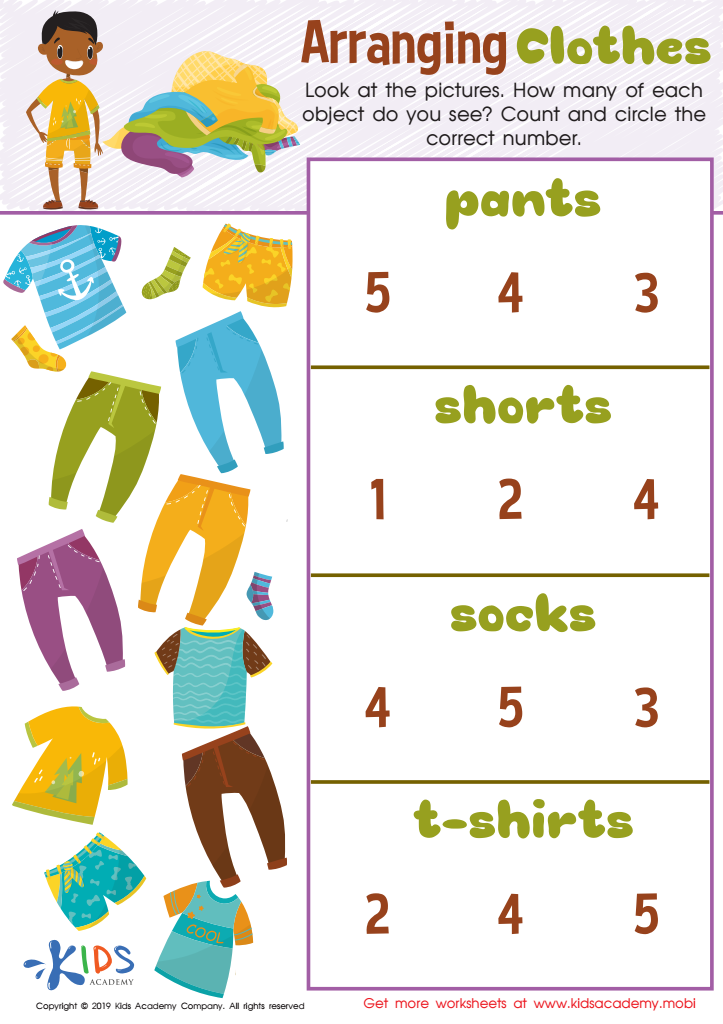
Arranging Clothes Worksheet
 Assign to My Students

Count and Pair on the Farm Worksheet
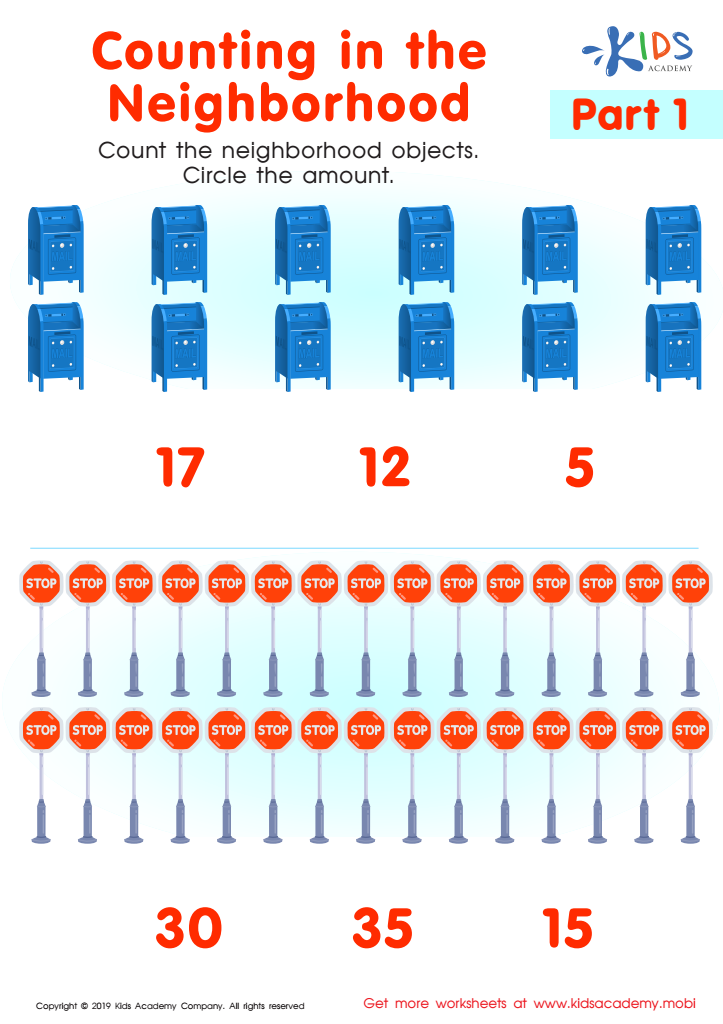
Counting in the Neighborhood Part1 Worksheet
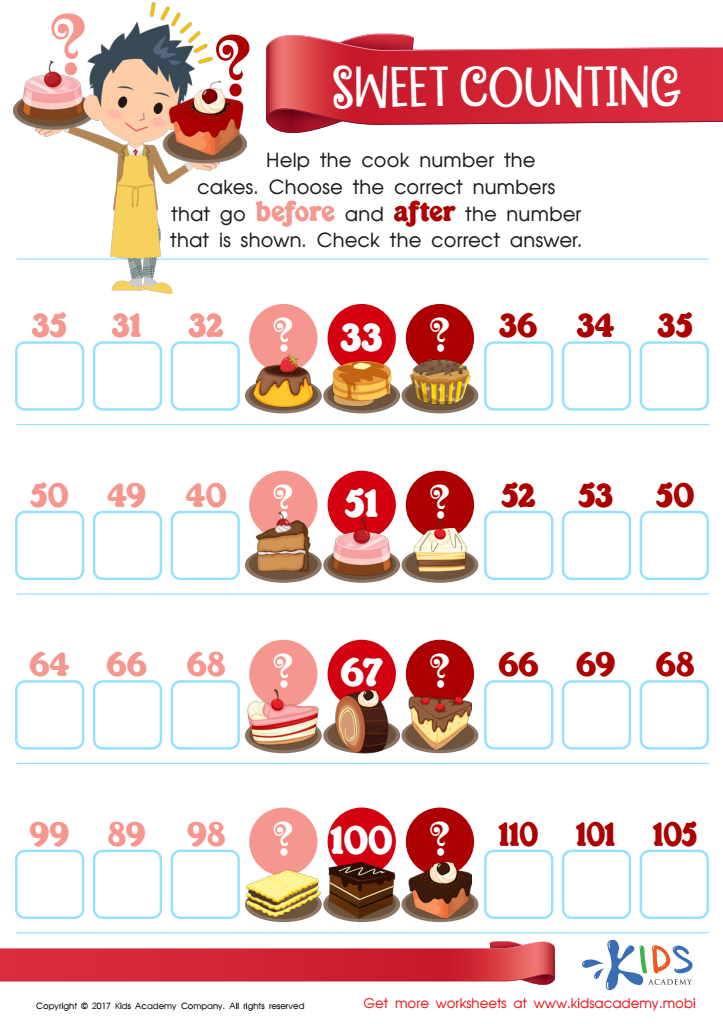
Sweet Counting - Part 1 Worksheet
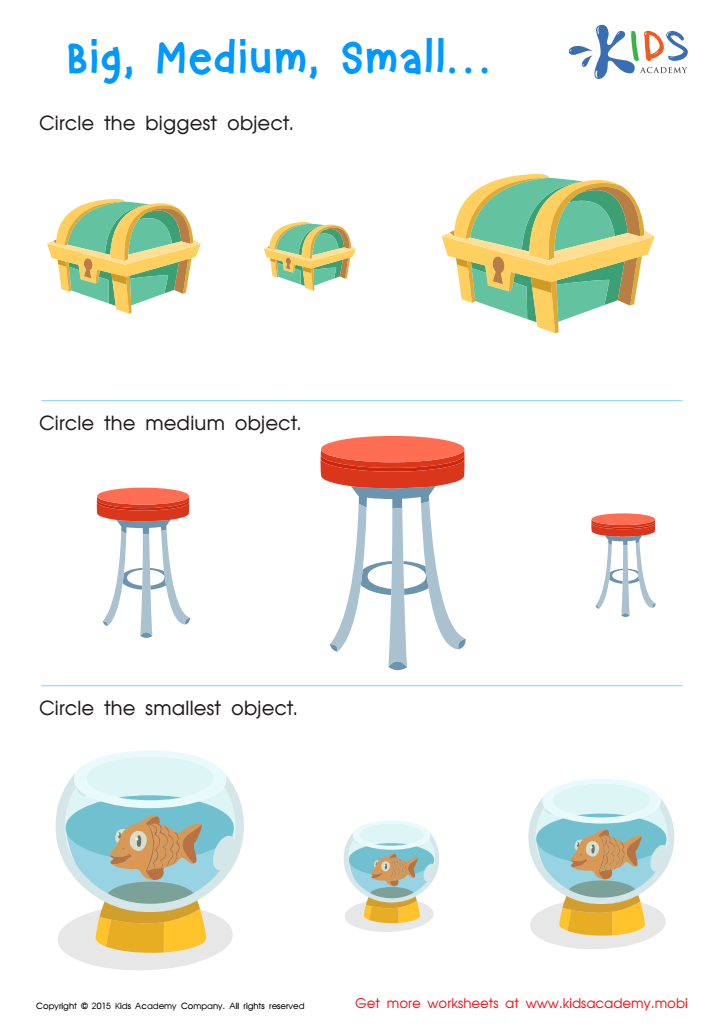
Big Medium Small Worksheet
Count and Match Points 9 Math Worksheet
Preschool Geometry Match Up Worksheet
Count and Match Points 10 Math Worksheet
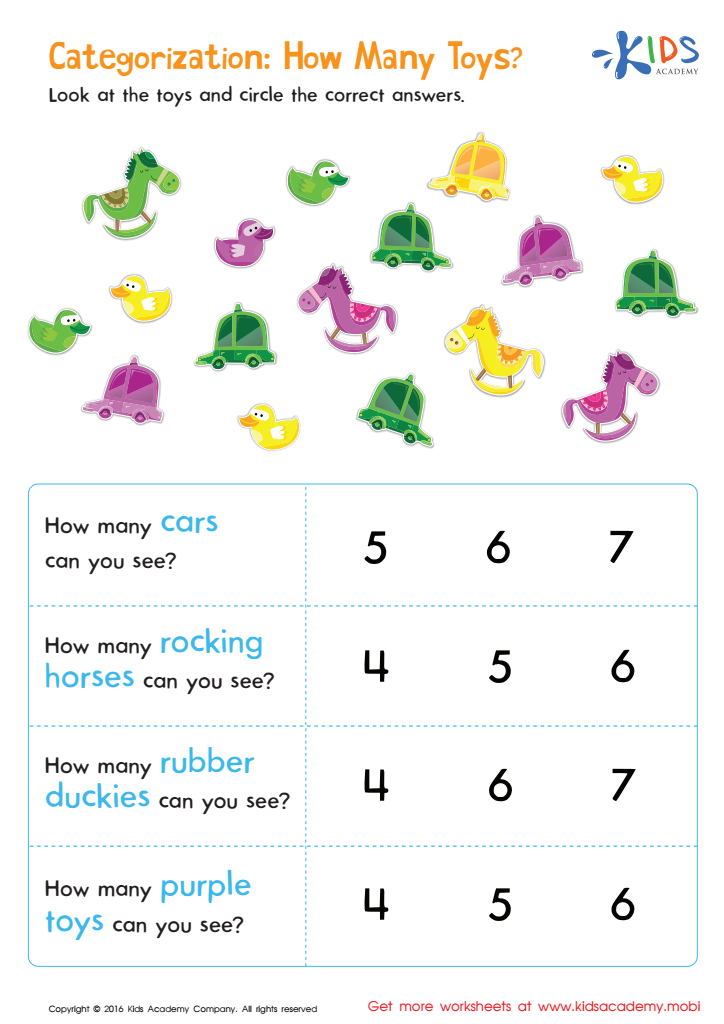
Classifying Toys by Type and Color Sorting Worksheet
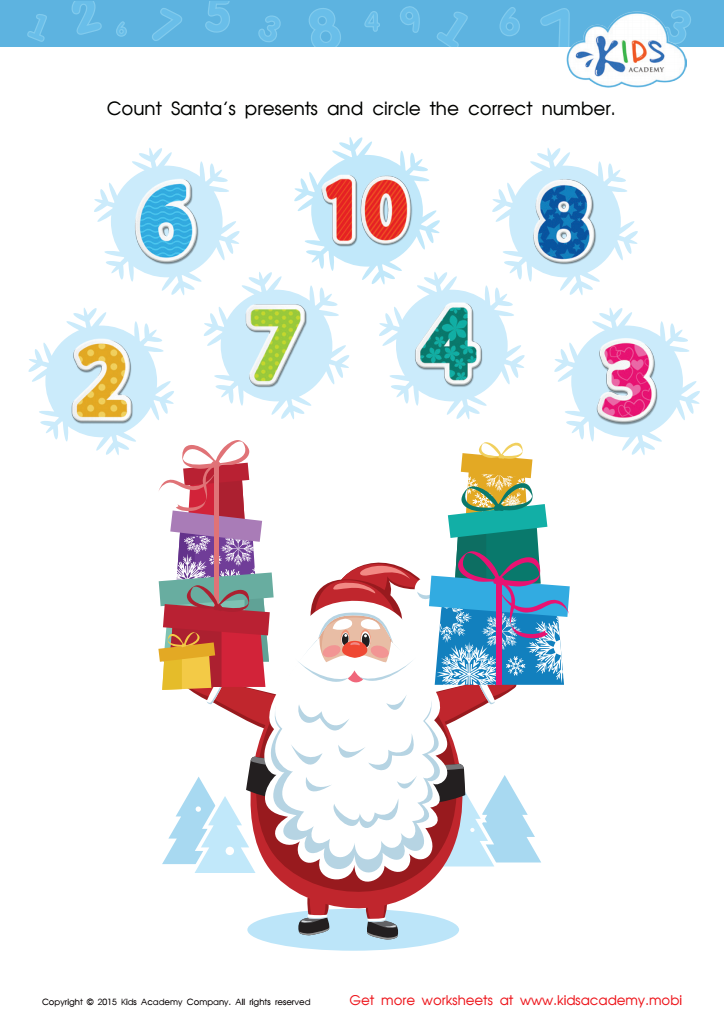
Count Santa's Presents Worksheet
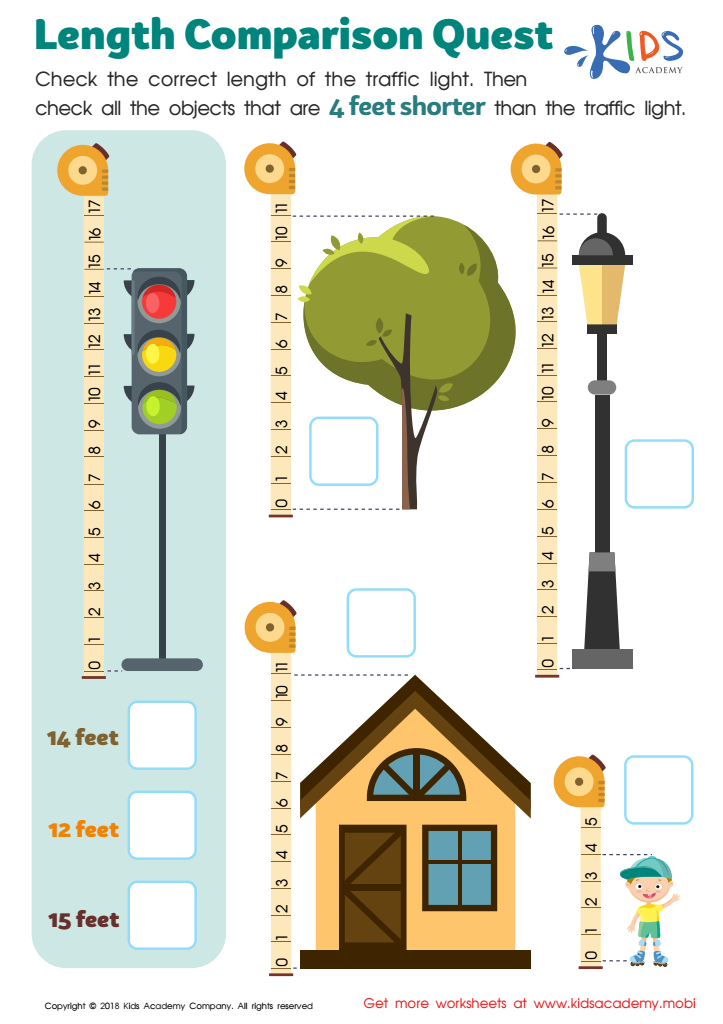
Length Comparison Quest Worksheet
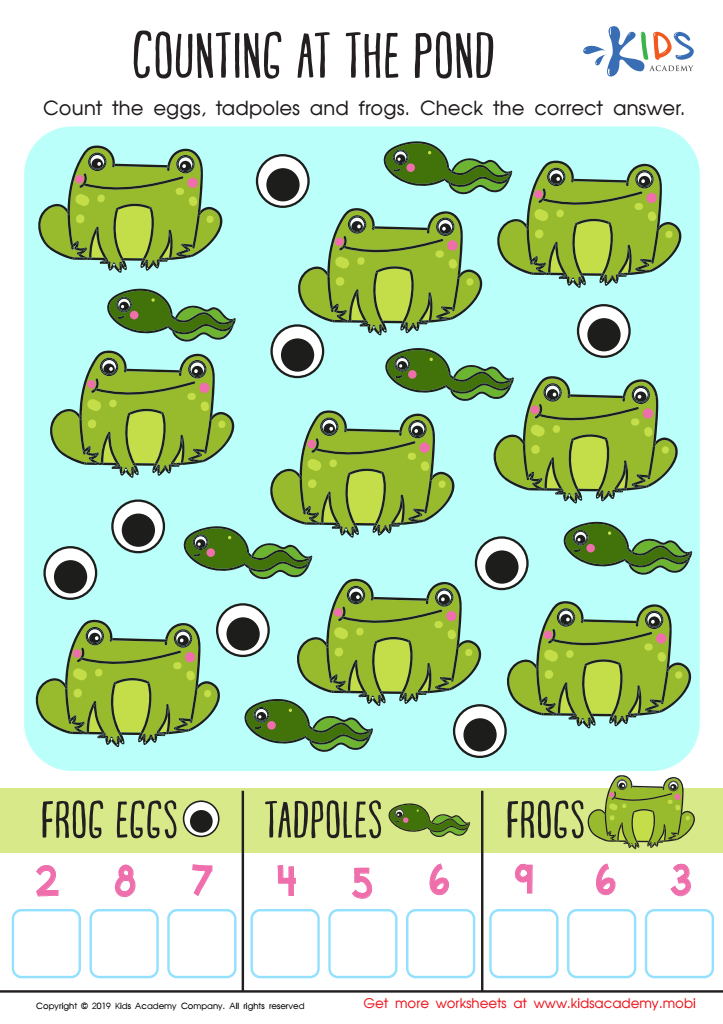
Counting at the Pond Worksheet
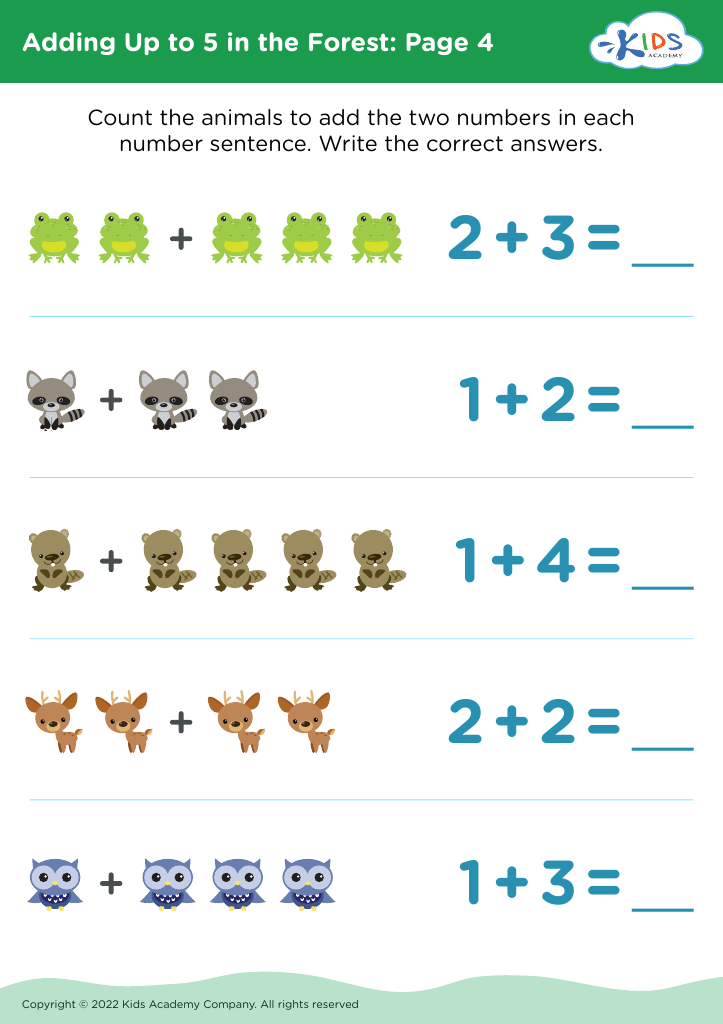
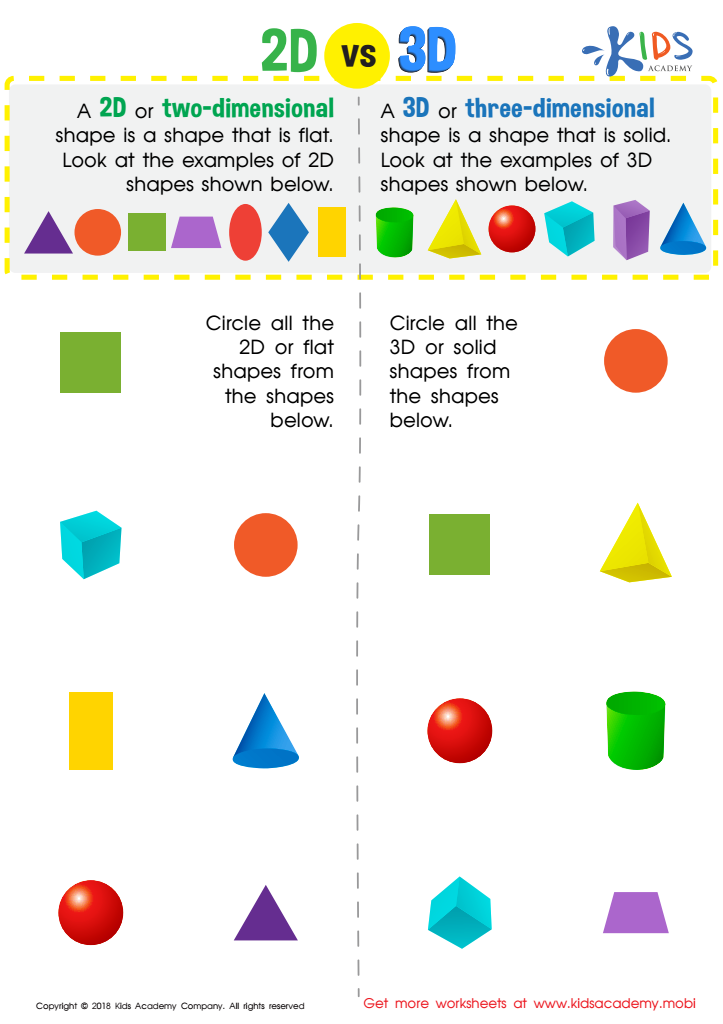
2D vs 3D Shapes Worksheet
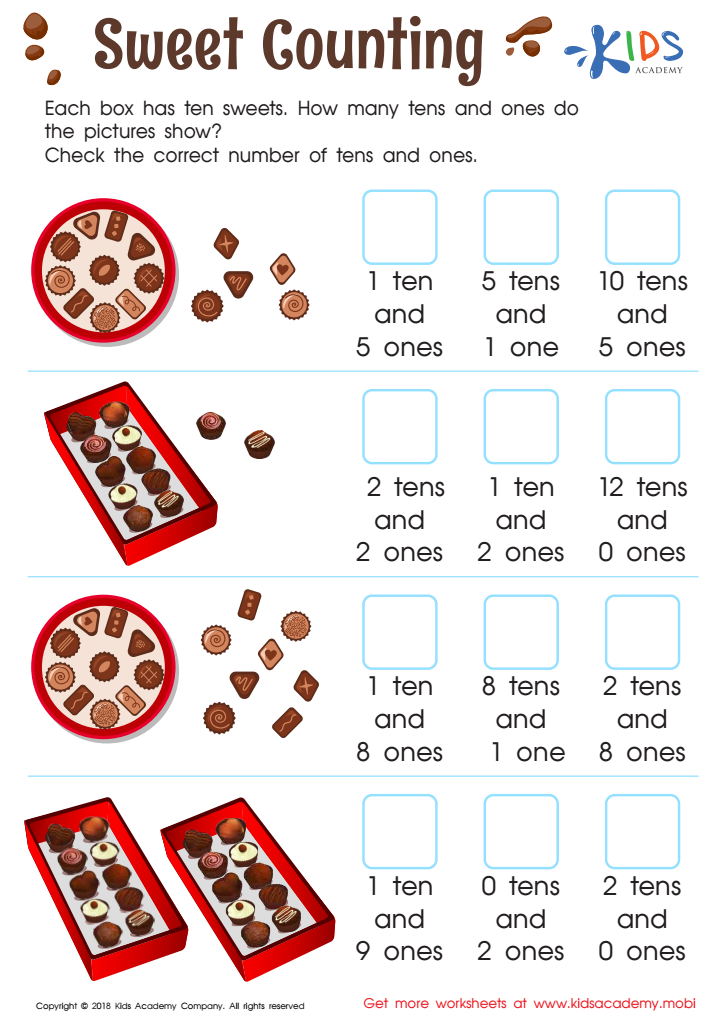
Sweet Counting - Part 2 Worksheet
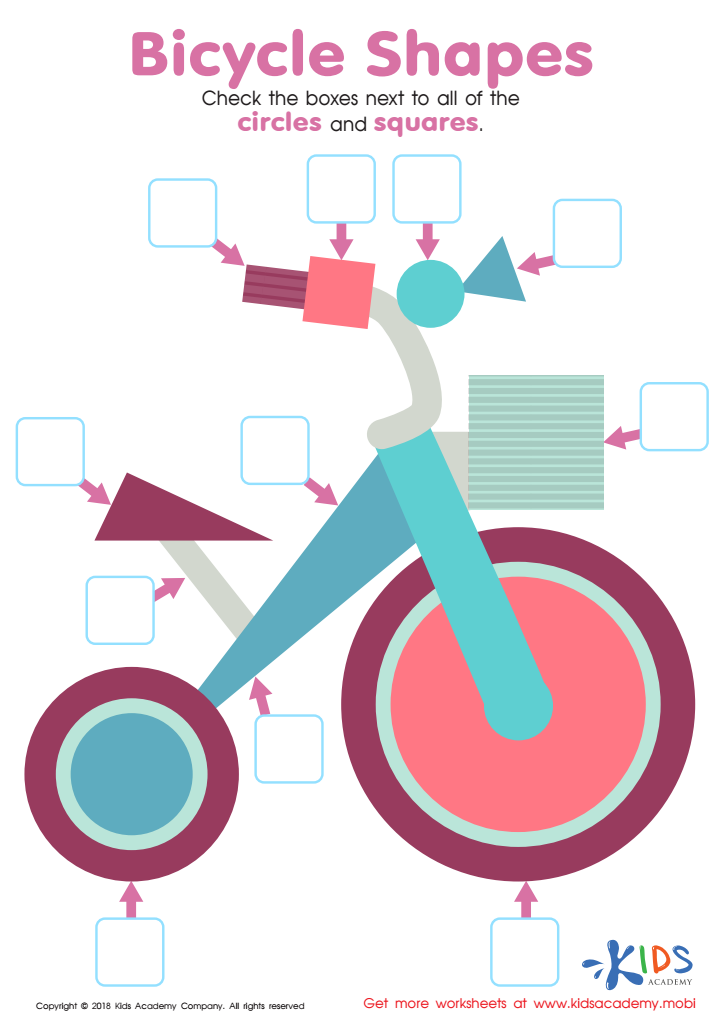
Bicycle Shapes Worksheet
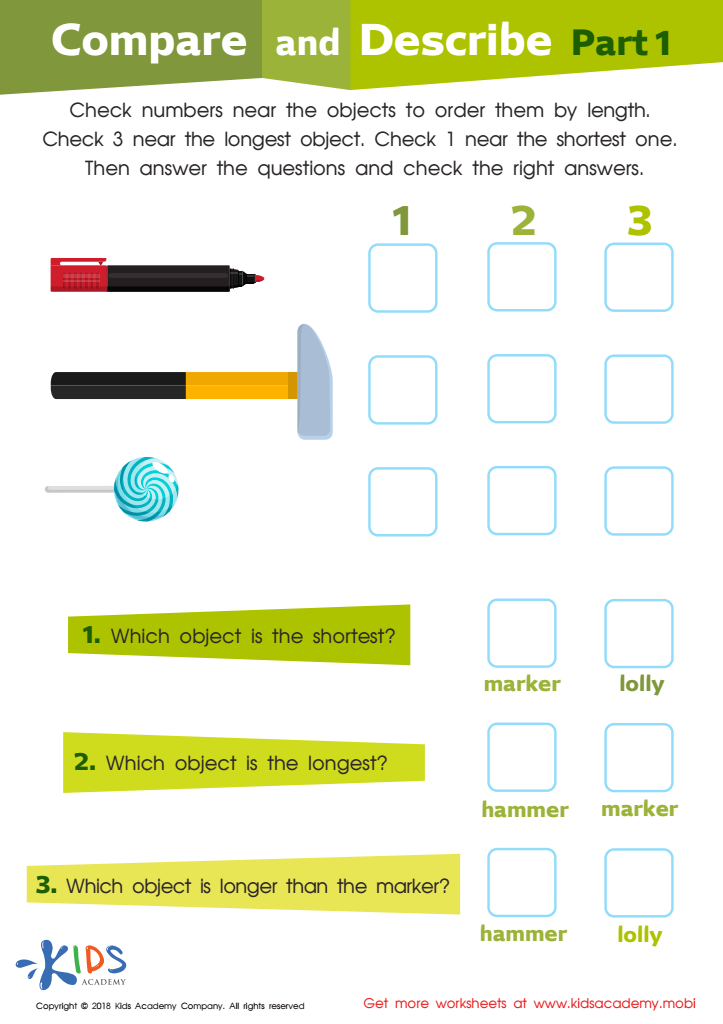
Compare and Describe: Part 1 Worksheet
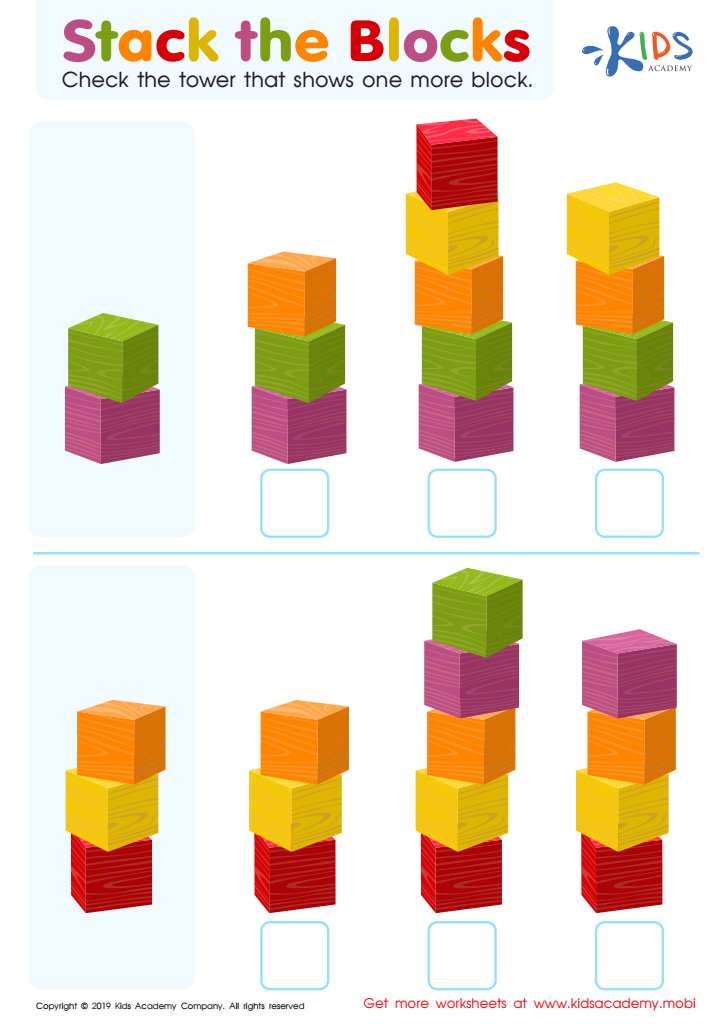
Stack the Blocks Worksheet
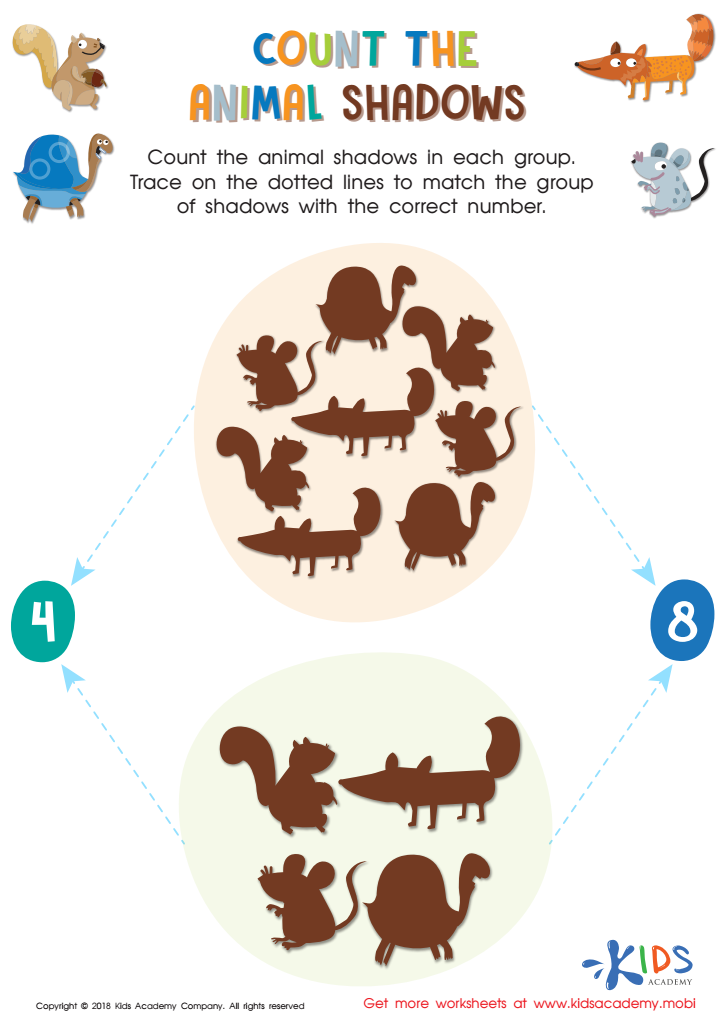
Count the Animal Shadows Worksheet
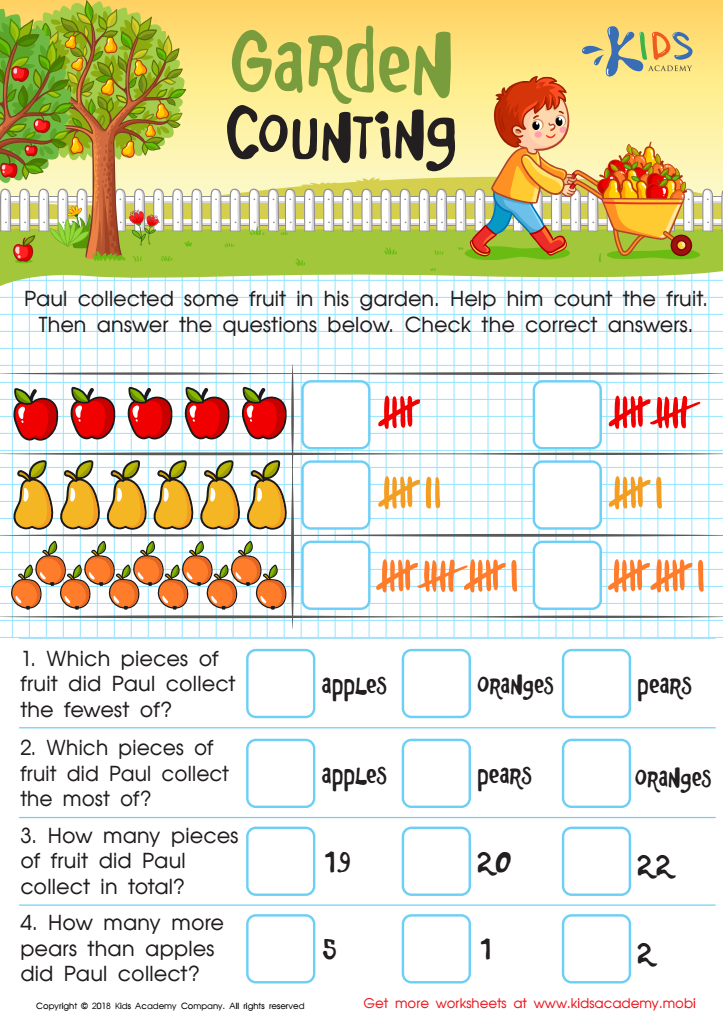
Garden Counting Worksheet
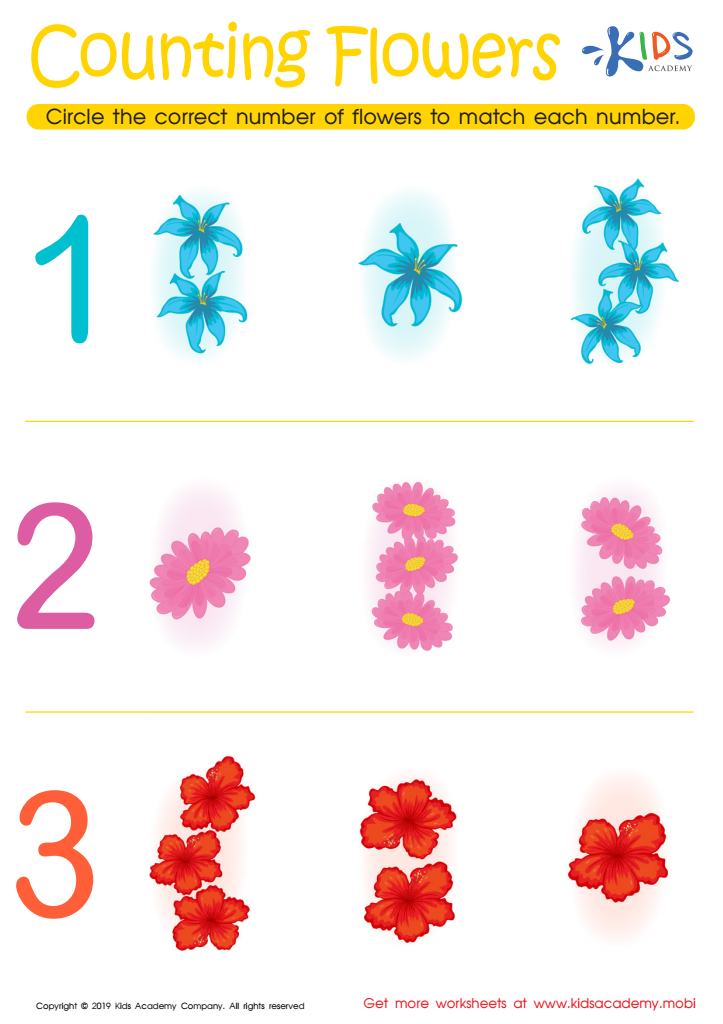
Counting Flowers Worksheet
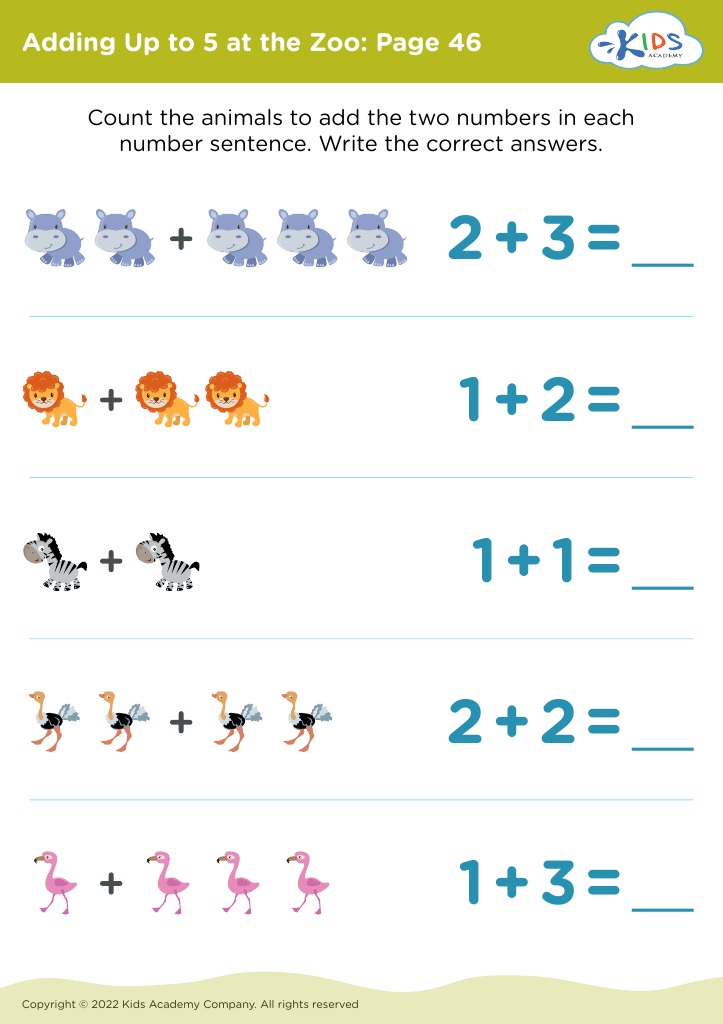
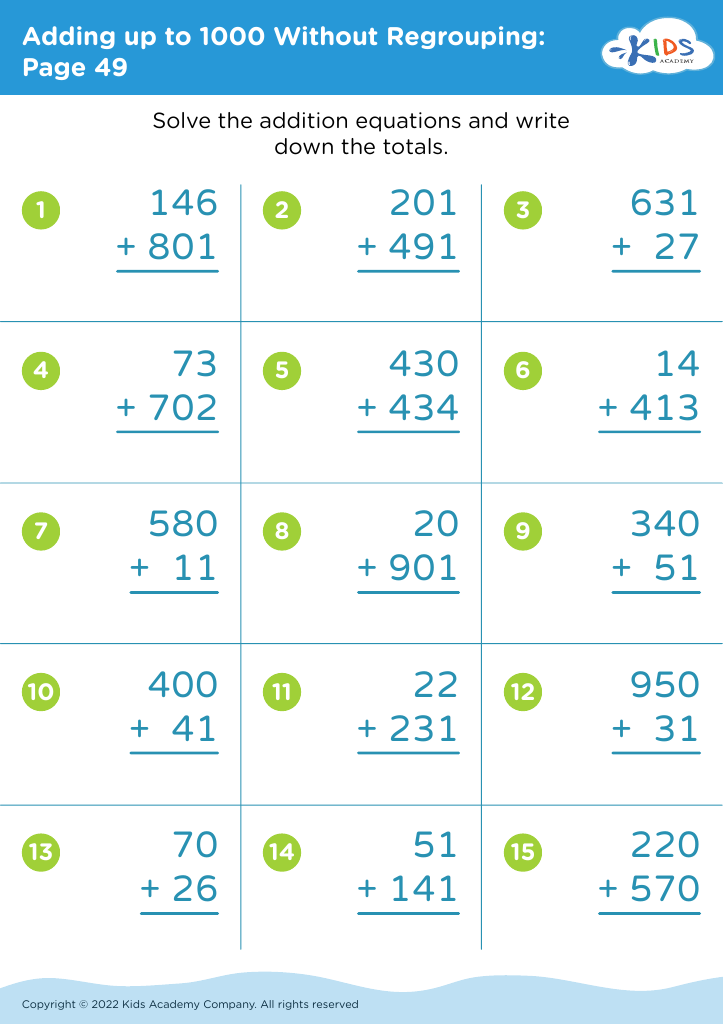








Visual perception is a crucial component of a child's overall development, especially for ages 3-7, a period characterized by rapid growth in cognitive and motor skills. Parents and teachers should care deeply about it for several reasons.
First, visual perception is foundational for effective learning. Children use visual cues to understand and interact with their environment, and this includes essential activities like distinguishing letters and numbers, following written instructions, and interpreting illustrations in books. Poor visual perceptual skills can lead to difficulties in reading and writing, which are critical skills for academic success.
Second, enhanced visual perception aids in the development of motor skills. For instance, hand-eye coordination relies heavily on the ability to perceive visual information accurately. This skill is used in nearly all classroom tasks, from drawing shapes and letters to fine motor activities like cutting with scissors or tying shoelaces.
Finally, good visual perception skills help children perform everyday tasks and improve their confidence and independence. Activities like puzzles, building blocks, and matching games are not only fun but fundamental in helping children recognize patterns, improve attention to detail, and develop problem-solving skills.
Therefore, by supporting the development of visual perception, parents and teachers are setting the groundwork for successful learning experiences, fine motor skill development, and greater confidence in young children.








