Vocabulary Building Worksheets for Ages 3-7 - Page 3
70 filtered results
-
From - To
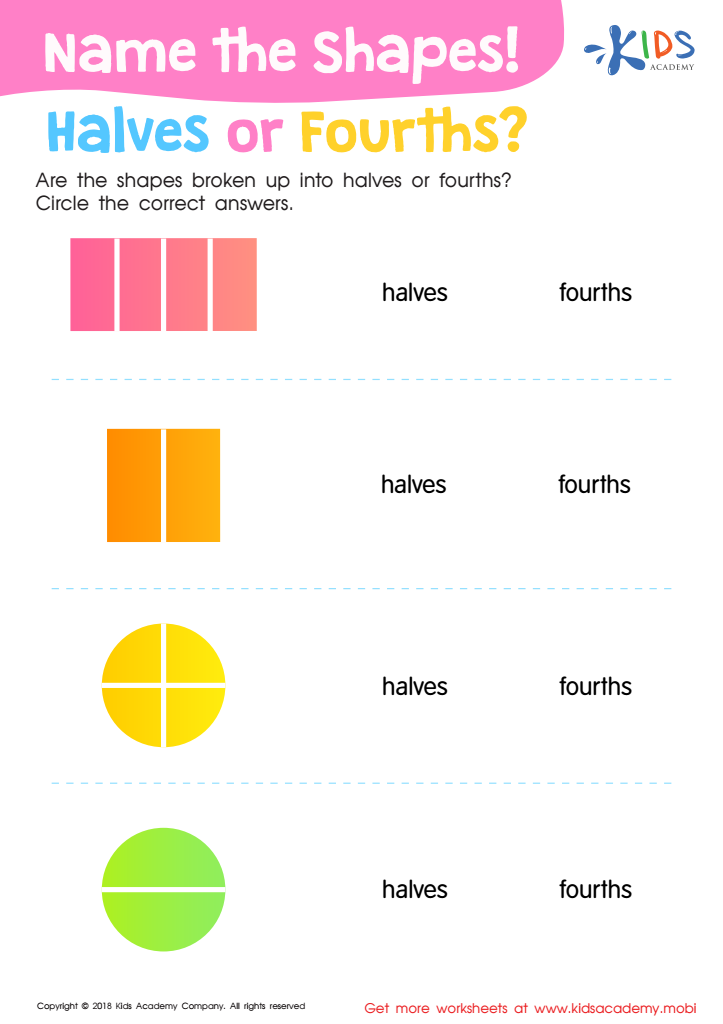
Name the Shapes Halves or Fourths? Worksheet
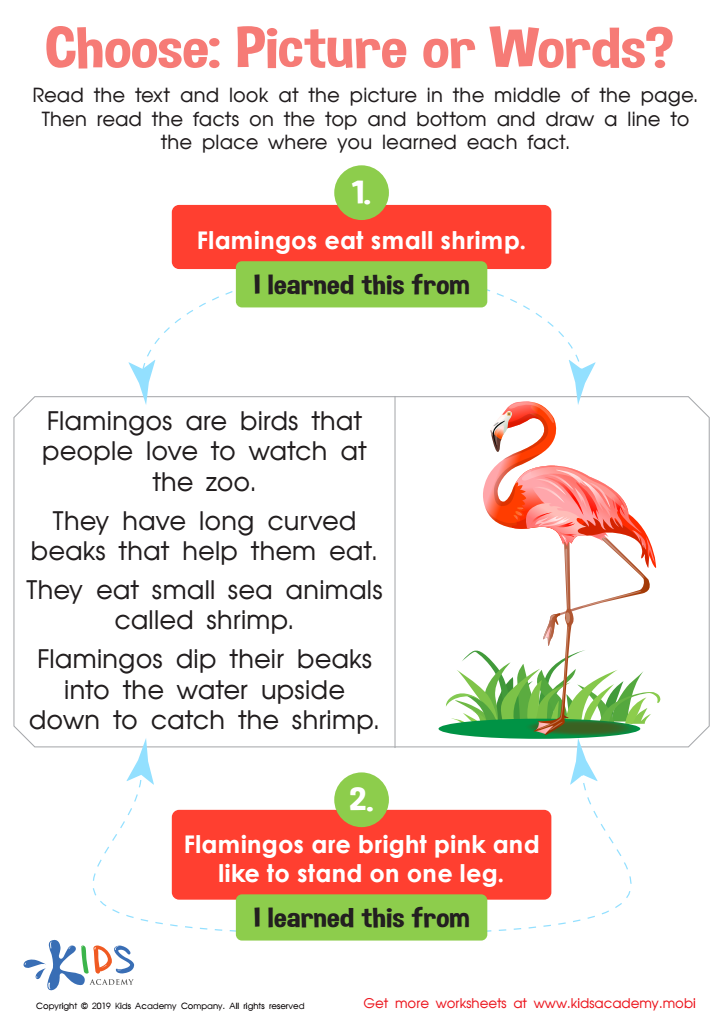
Choose Picture Words Worksheet
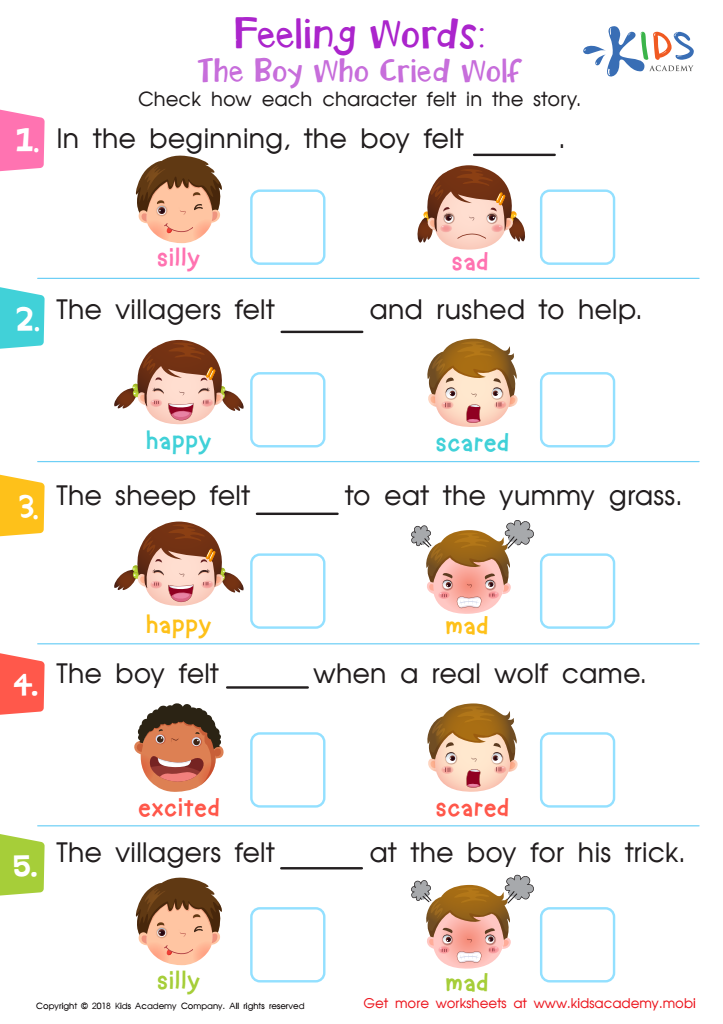
Feeling Words: The Boy Who Cried Wolf Worksheet
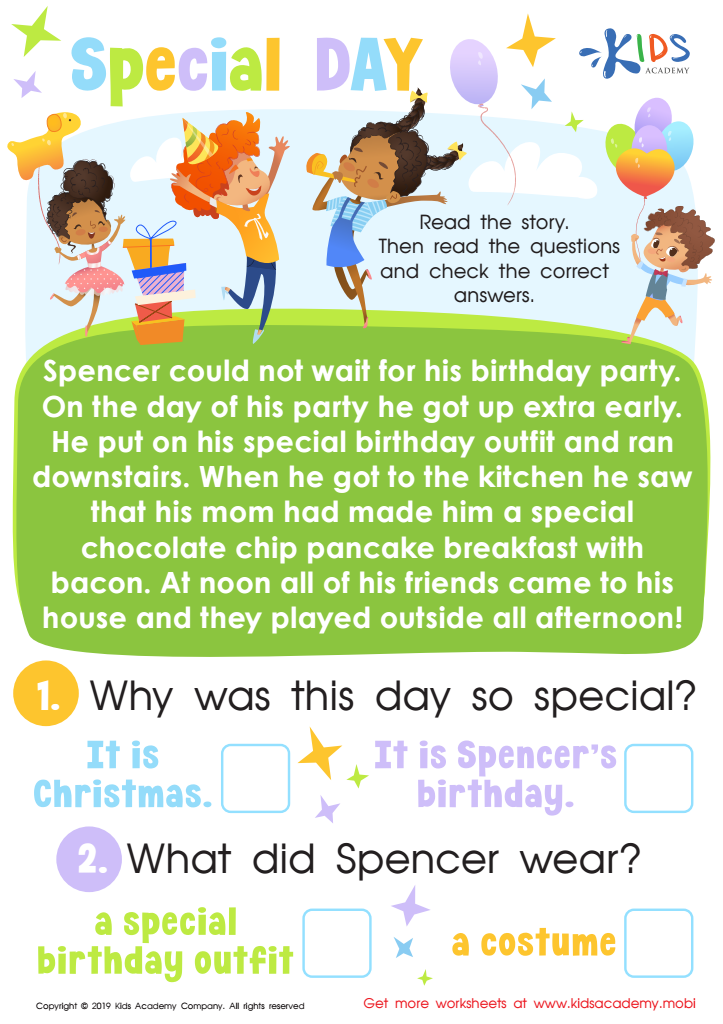
Special Day Worksheet
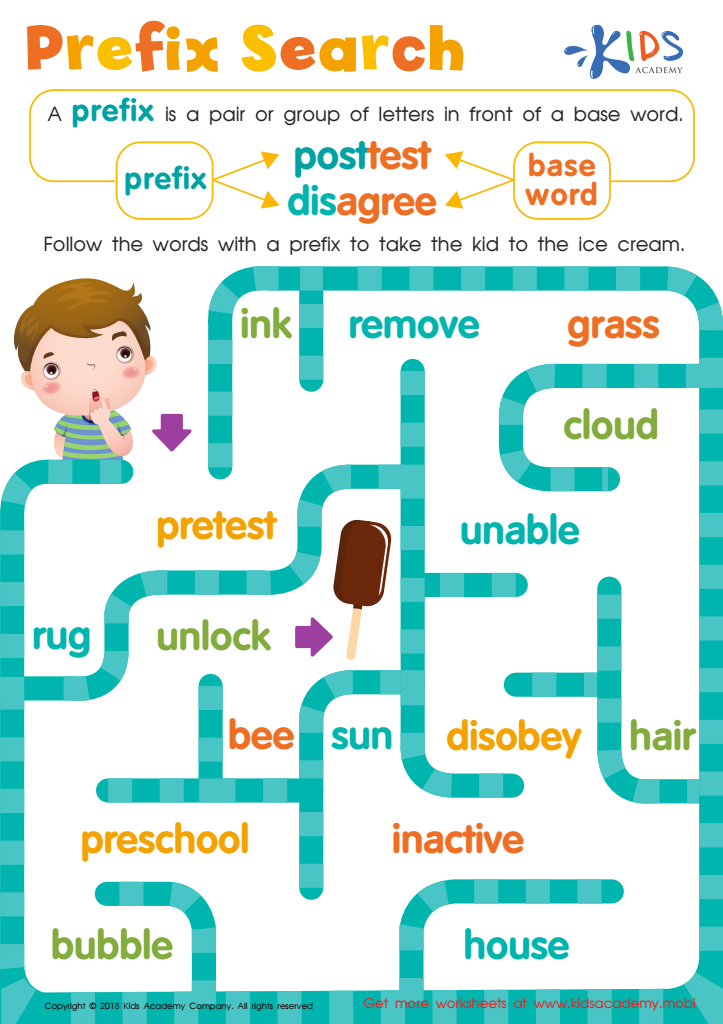
Reading: Prefix Search Worksheet
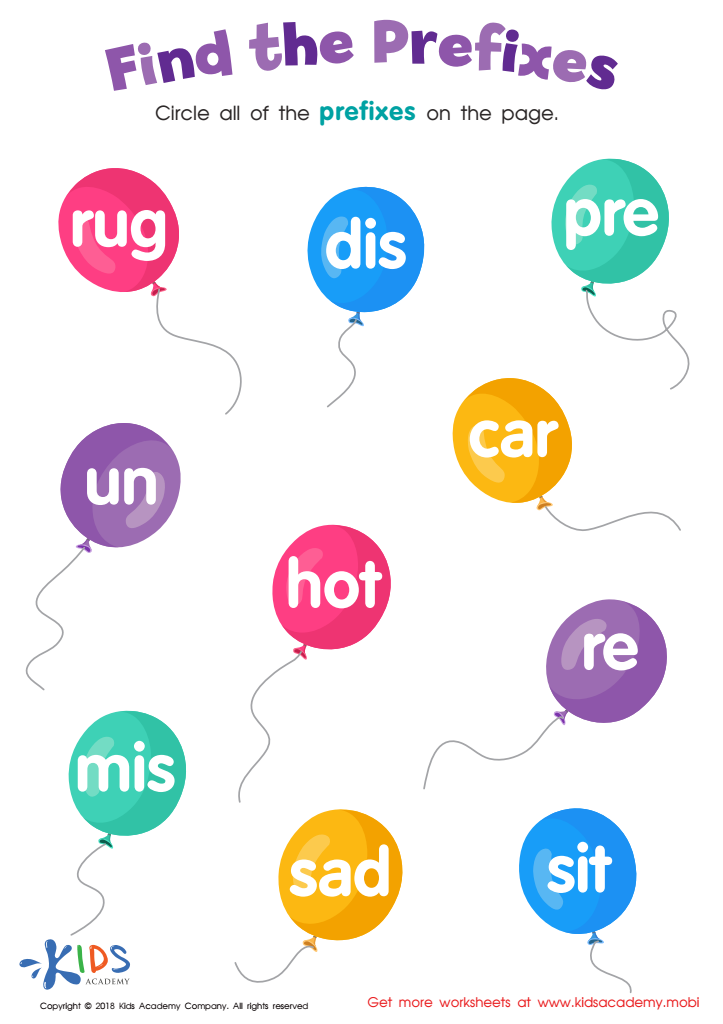
Reading: Find the Prefixes Worksheet
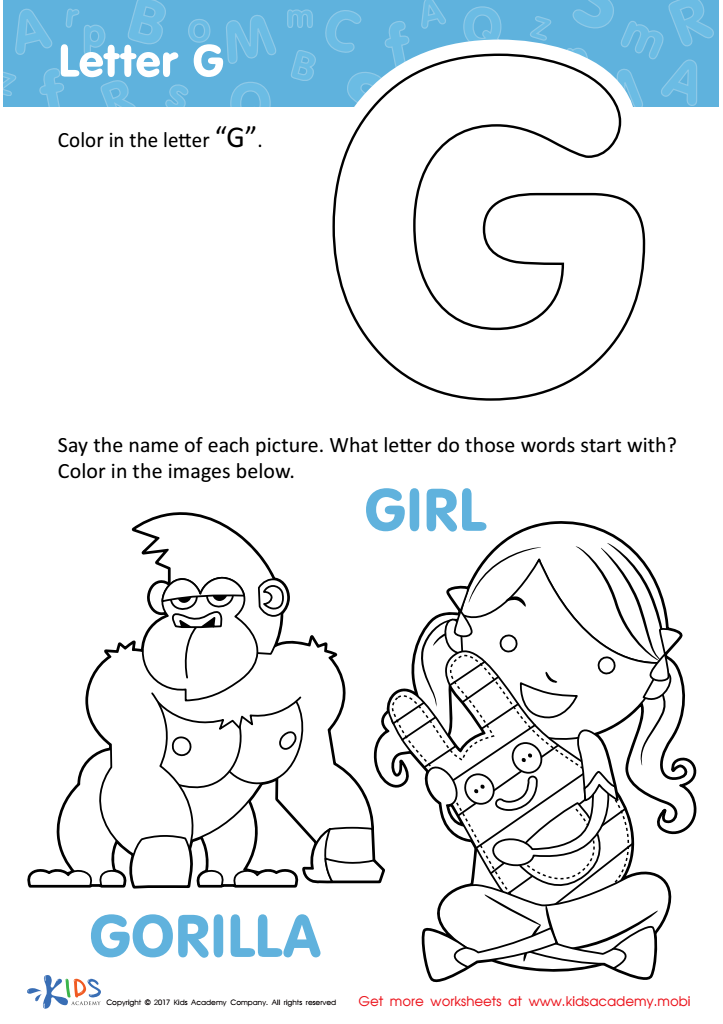
Letter G Coloring Sheet
 Assign to My Students
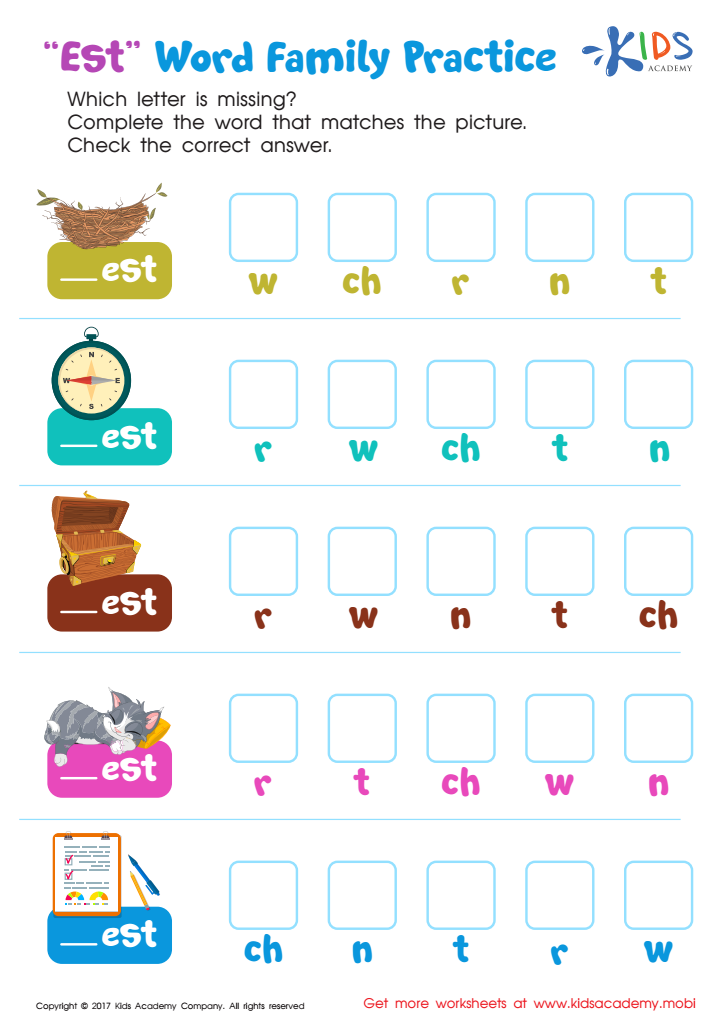
Words Family "est" Spelling Worksheet
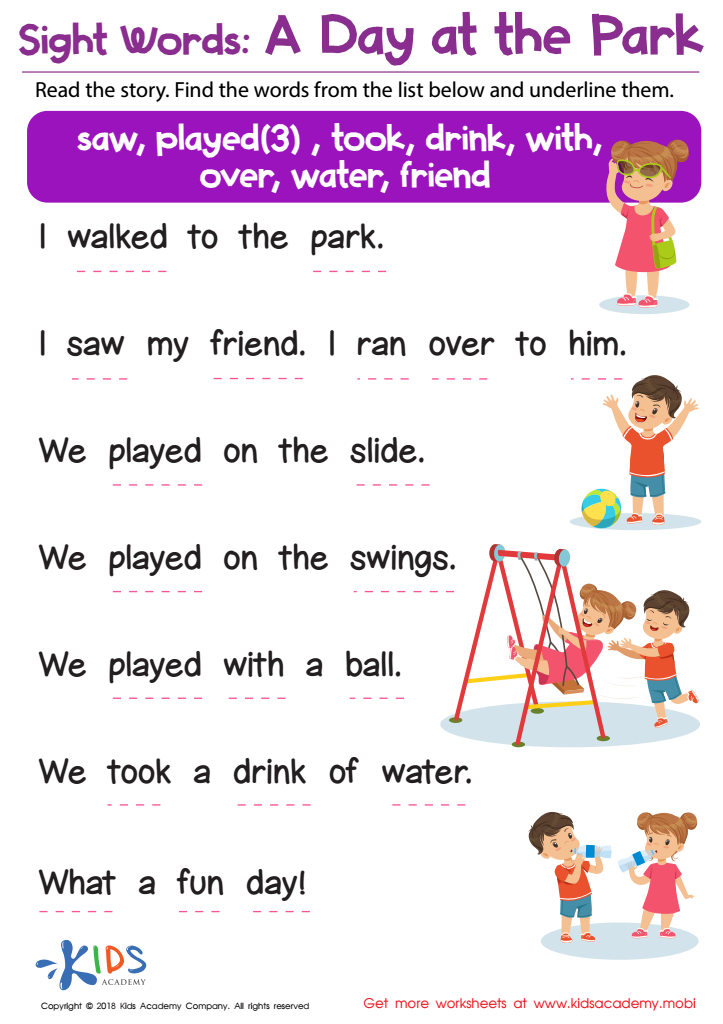
Sight Words: A Day at the Park Worksheet
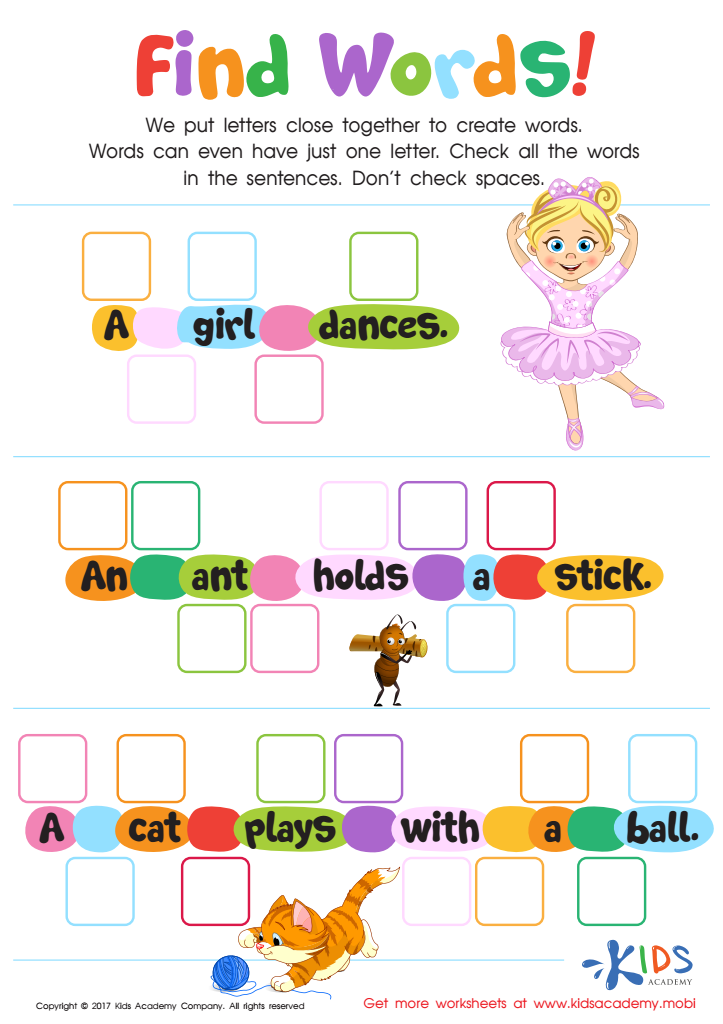
Find Words Worksheet
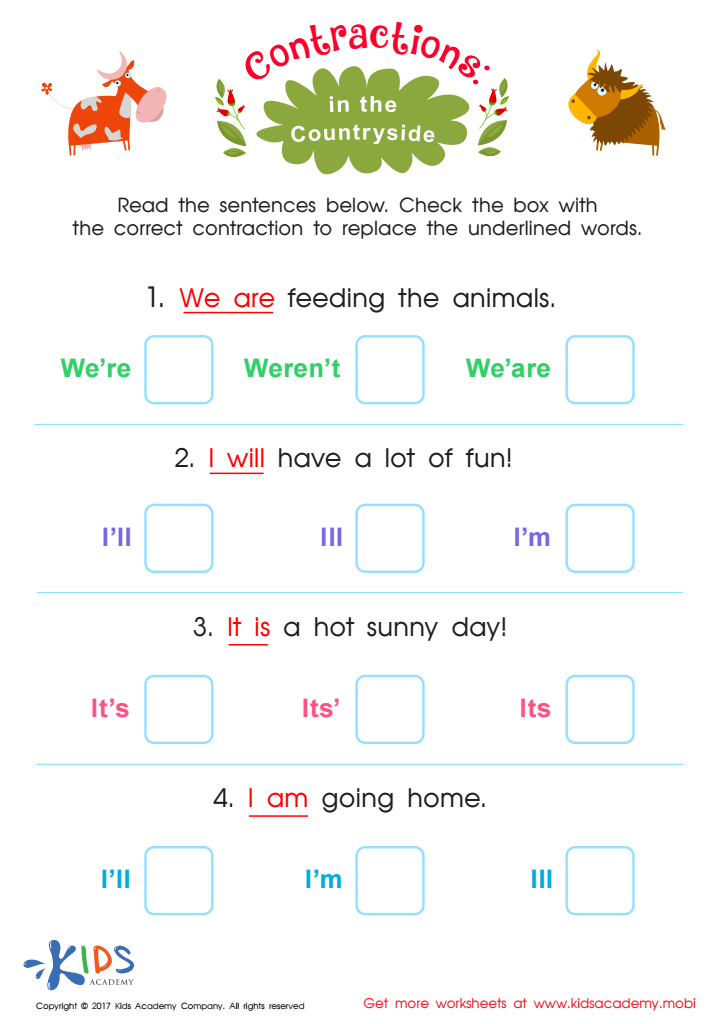
Contractions: In the Countryside Worksheet
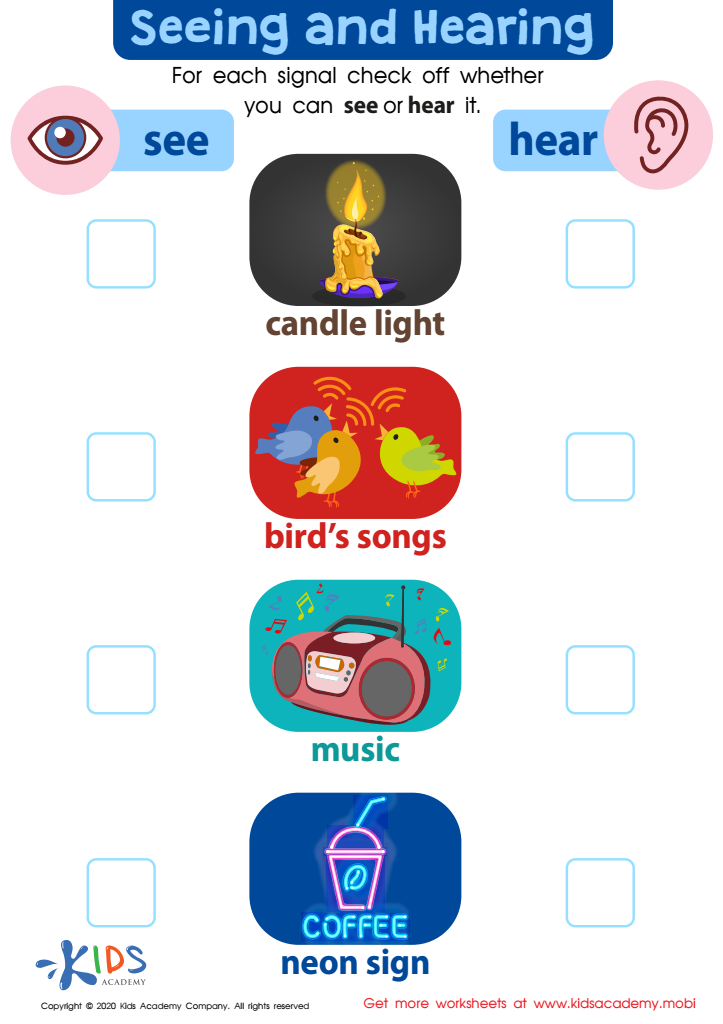
Seeing and Hearing Worksheet
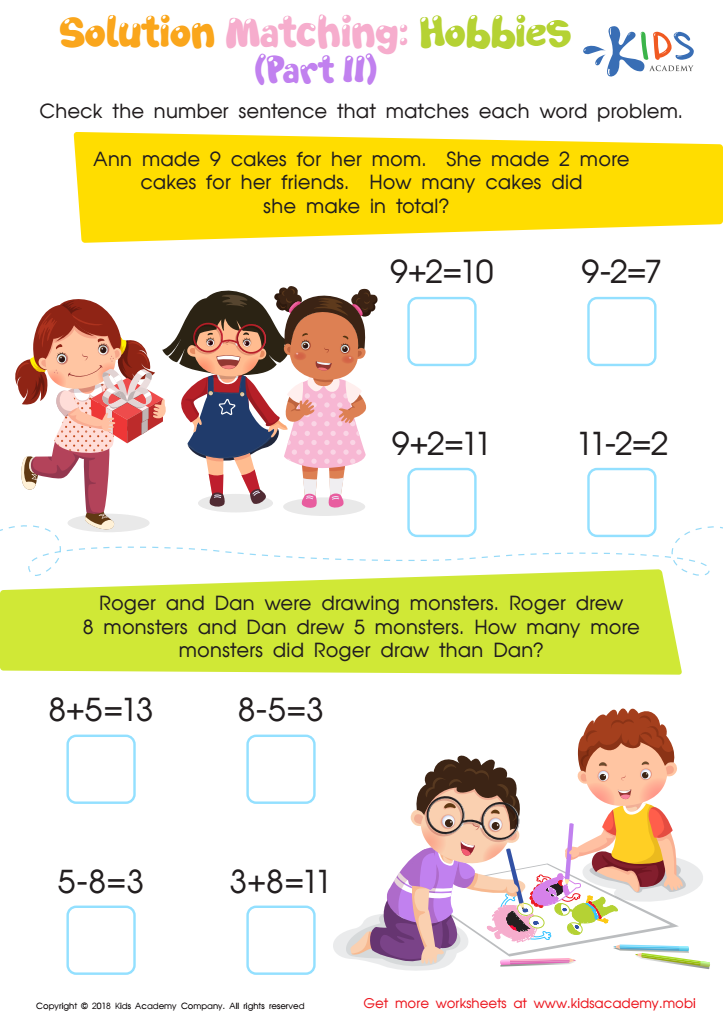
Solution Matching: Hobbies. Part 2 Worksheet
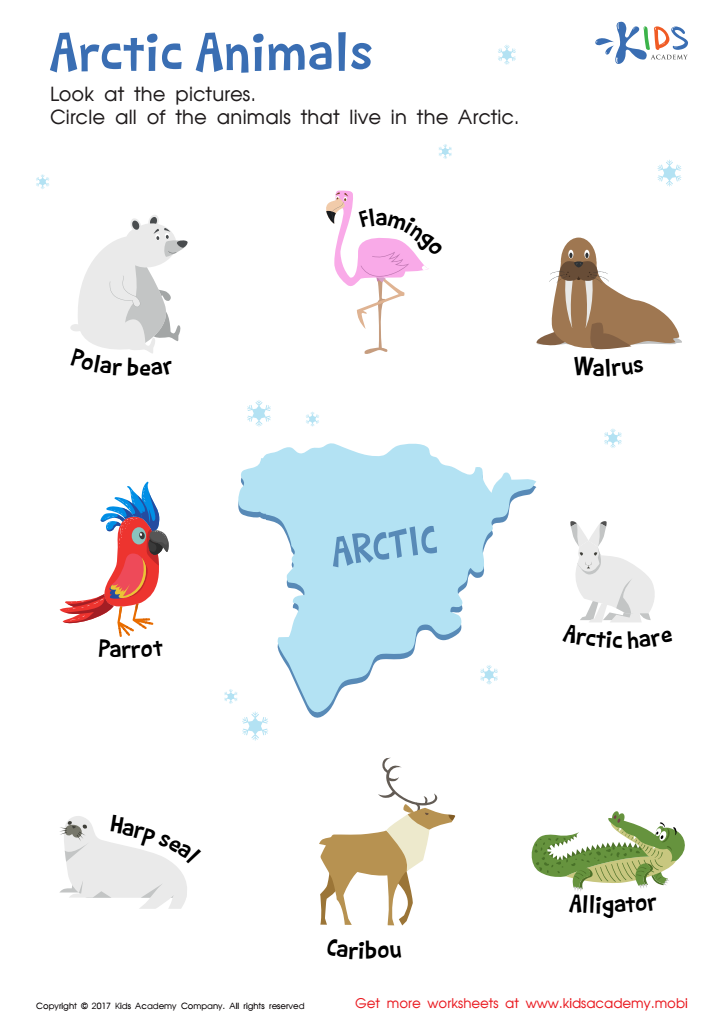
Arctic Animals Worksheet
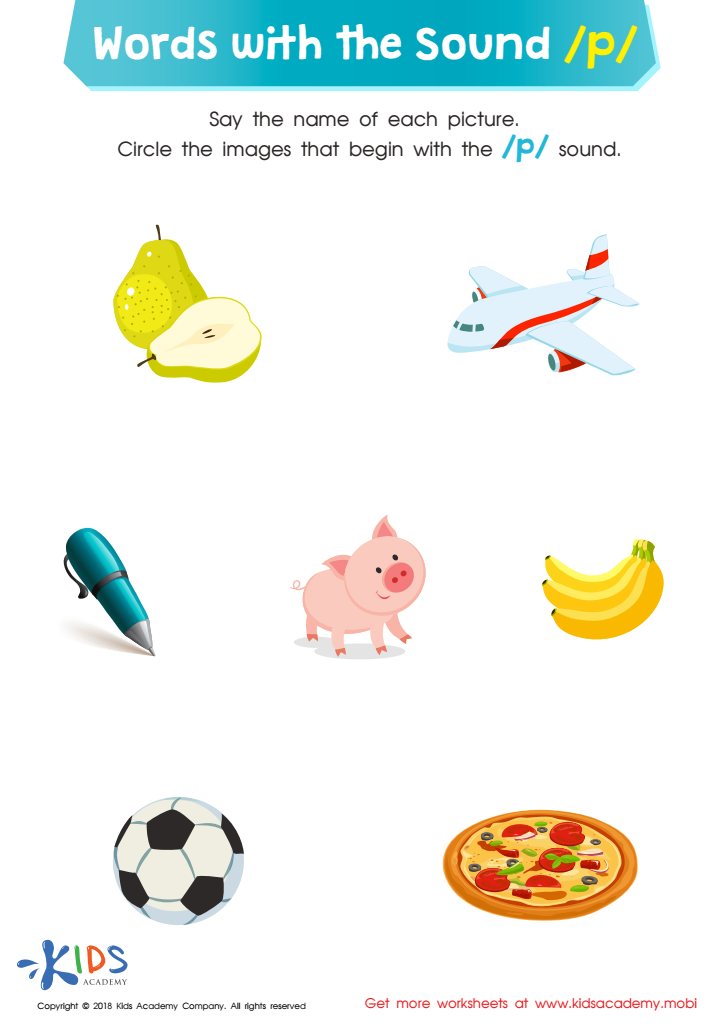
Words with sound p Reading Worksheet
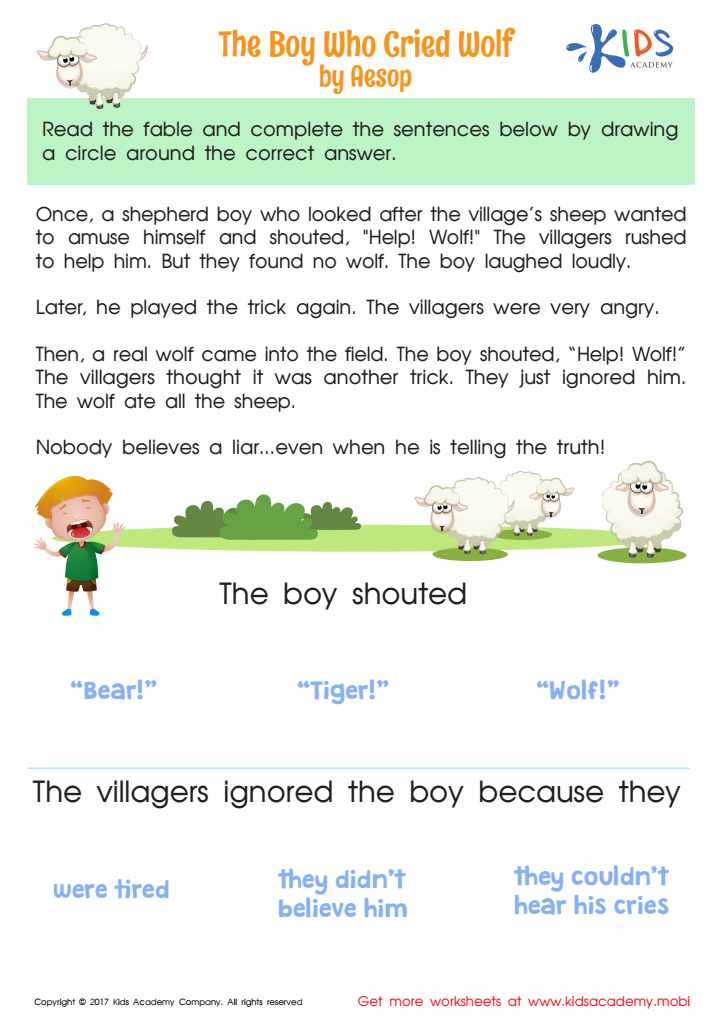
The Boy Who Cried Wolf Worksheet
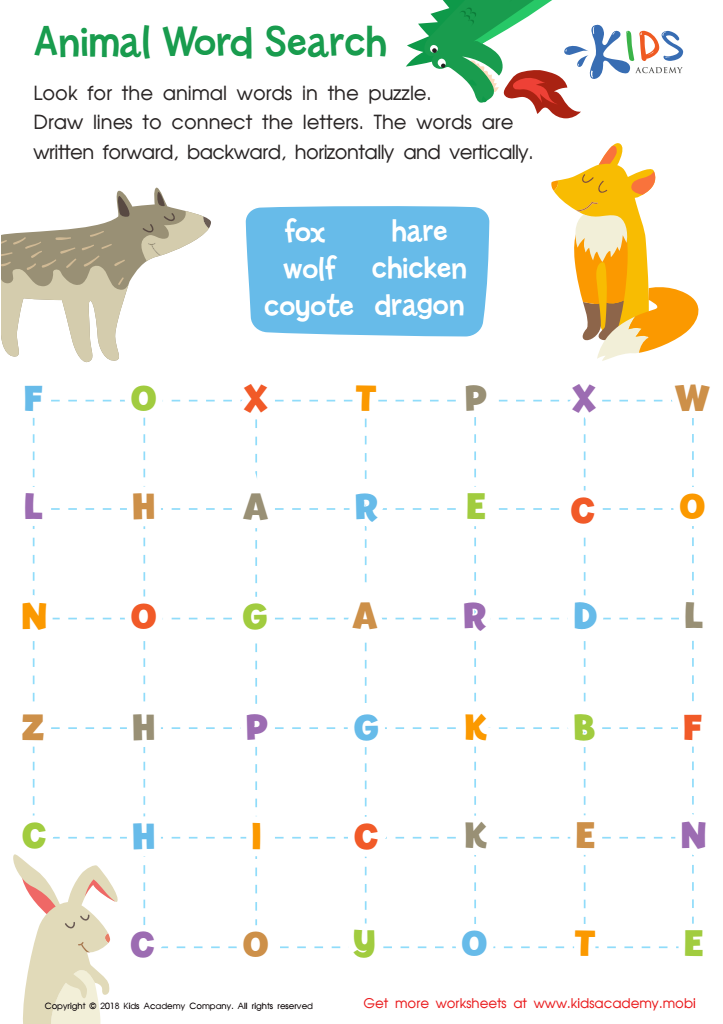
Animal Word Search Worksheet
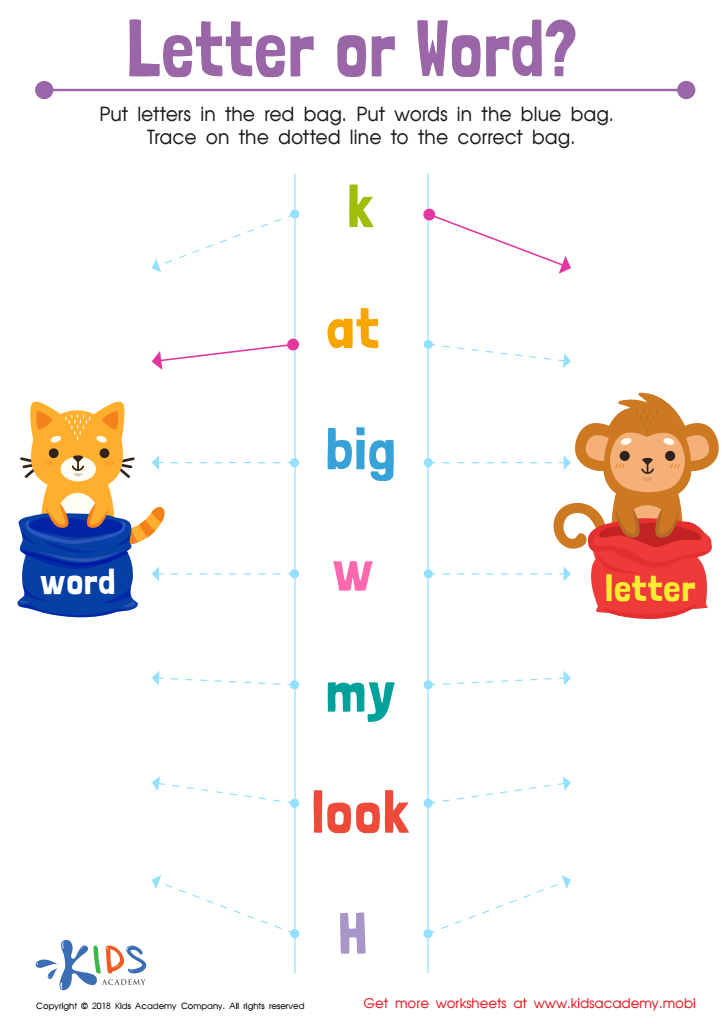
Letter or Word? Worksheet
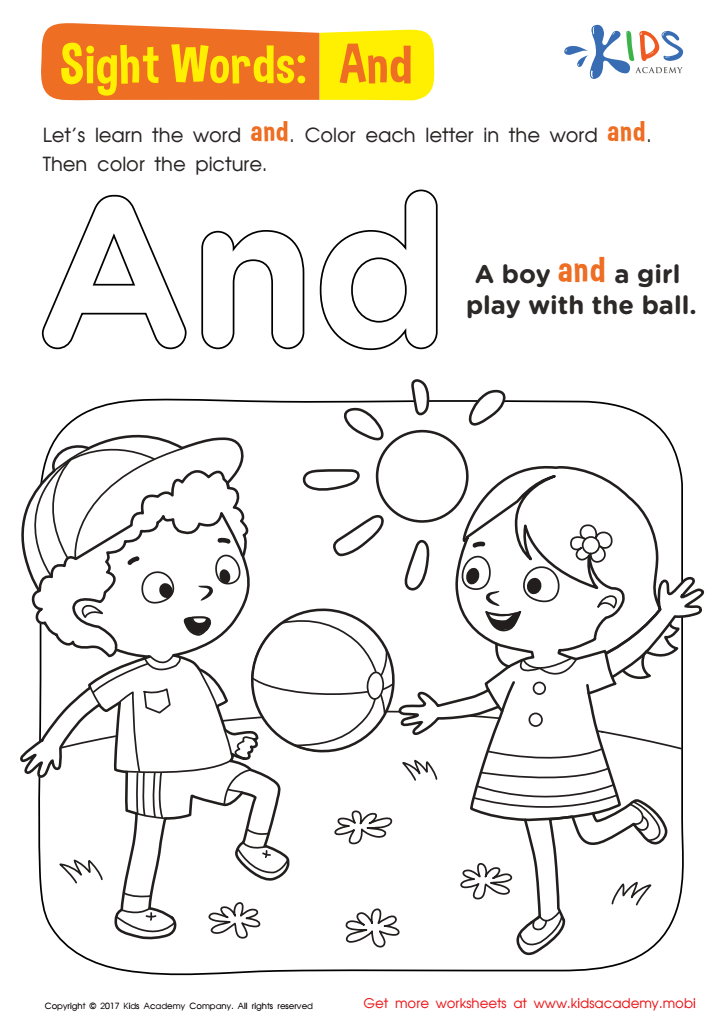
And Worksheet Sight Words Worksheet
Assign to My Students









Vocabulary building during ages 3-7 is crucial for a child's overall development. At this stage, children's brains are highly receptive to new words and meanings. A robust vocabulary enhances their ability to express thoughts, emotions, and needs more clearly, which is key for effective communication. When children can articulate their feelings and ideas, they are more likely to engage positively with peers and adults, reducing frustration and fostering better social interactions.
Moreover, a strong vocabulary forms the foundation for reading skills. Children who have a rich word bank can more easily grasp the meaning of words when they start reading, aiding in reading comprehension and making the learning process more enjoyable. This early proficiency can spark a lifelong love for reading.
Good vocabulary skills also contribute to academic success. Words are the building blocks for learning subjects like math, science, and social studies. Being able to understand and use subject-specific vocabulary gives children an advantage as they progress through school.
Parents and teachers play a pivotal role in vocabulary building by engaging kids in conversations, reading books aloud, and introducing new and varied words in daily activities. This proactive approach not only aids immediate linguistic development but also sets the stage for long-term educational success.








