Addition Practice Addition & Subtraction Worksheets for Ages 3-7 - Page 7
157 filtered results
-
From - To
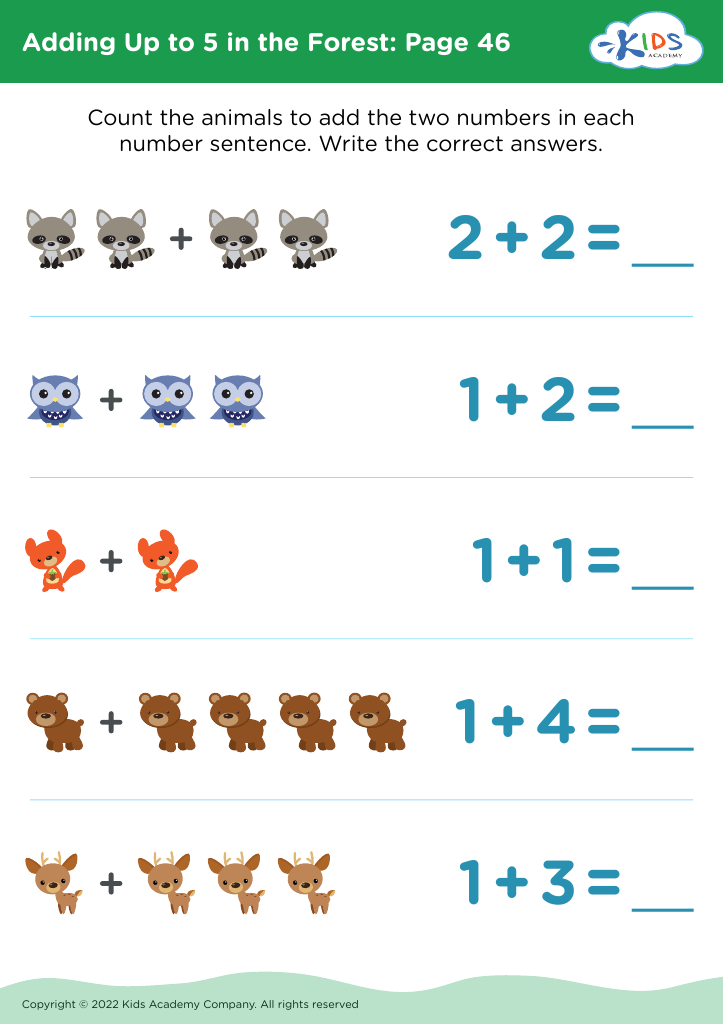
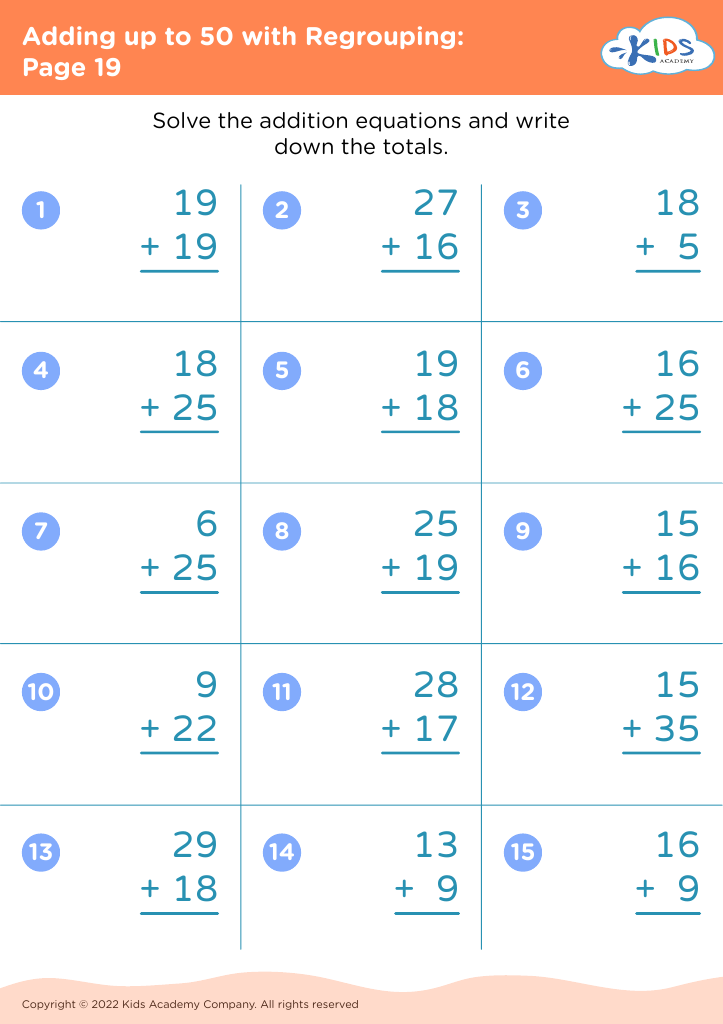
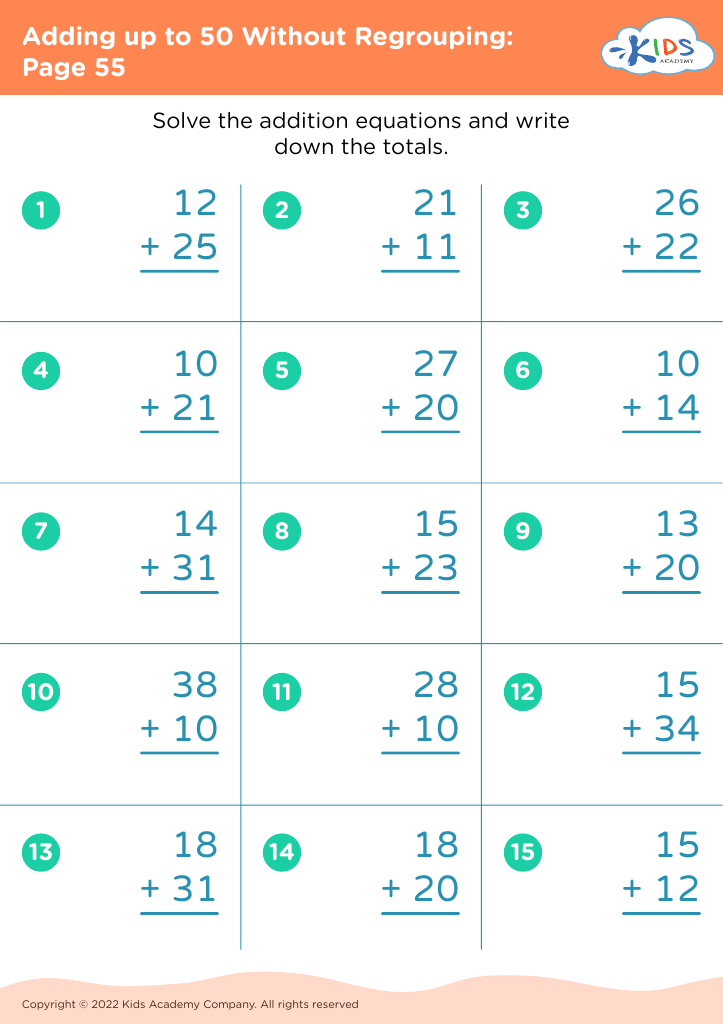
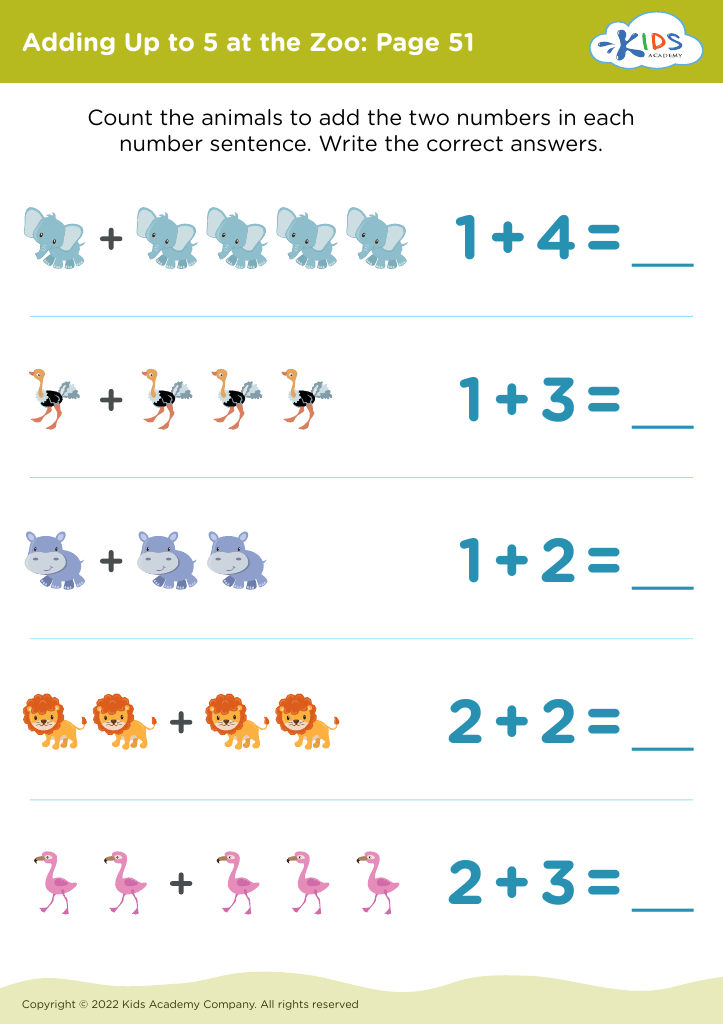
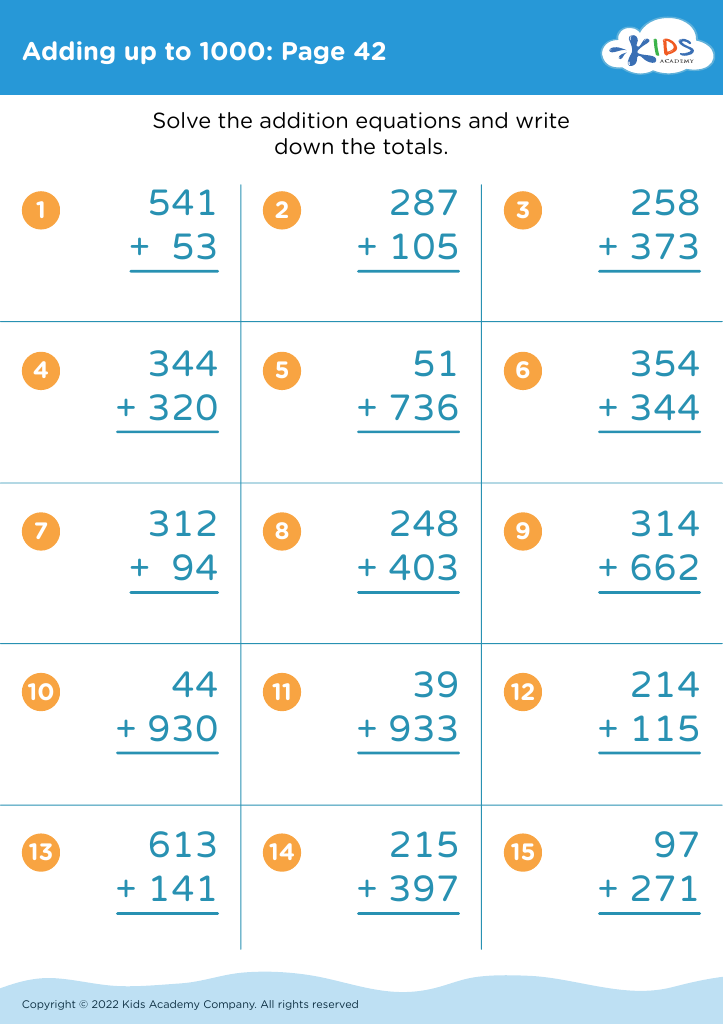
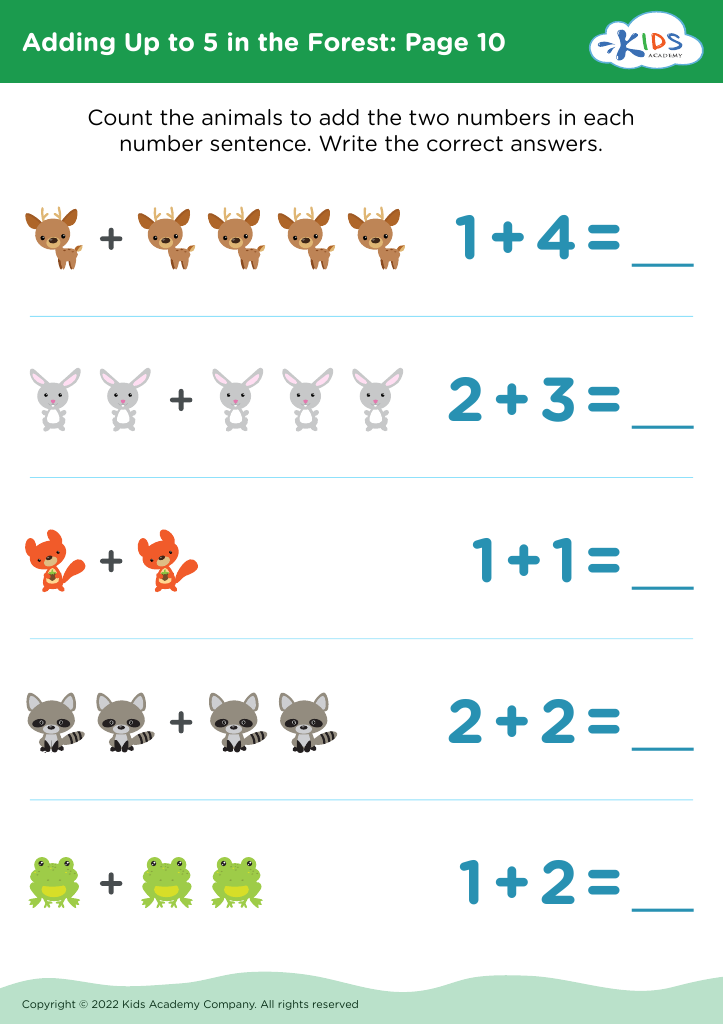
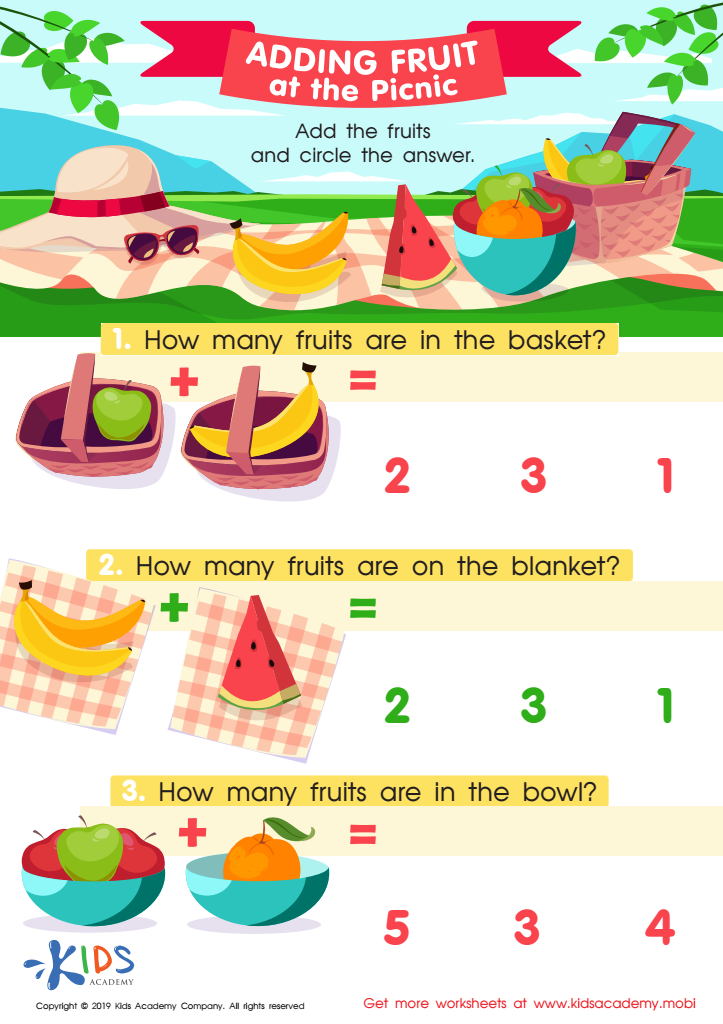
Adding Fruit at the Picnic Worksheet
 Assign to My Students
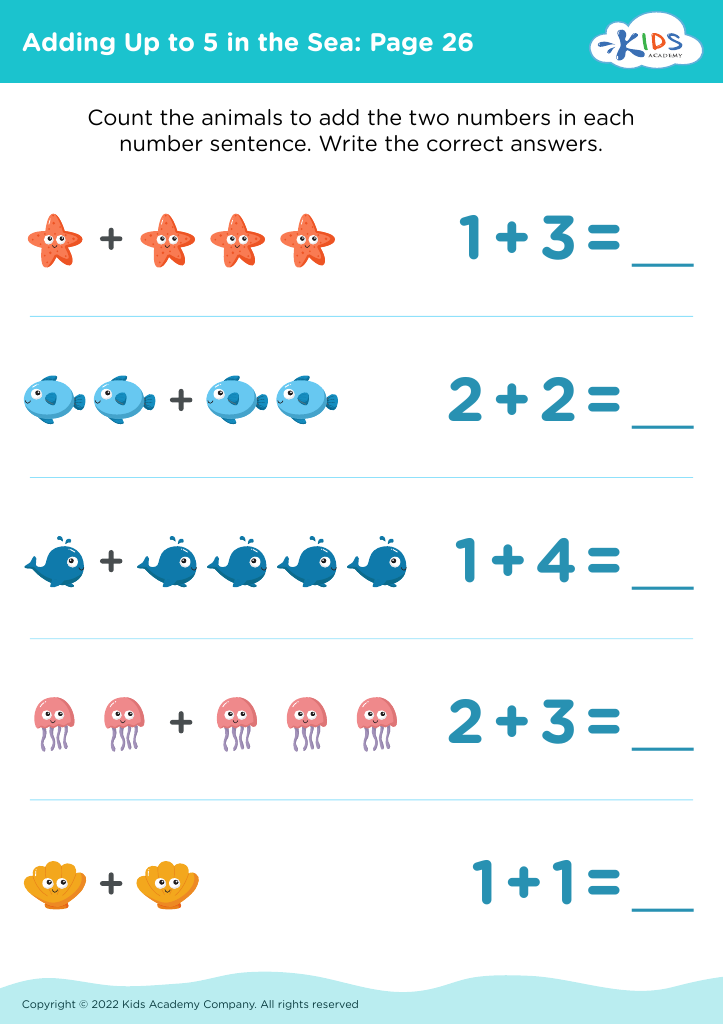
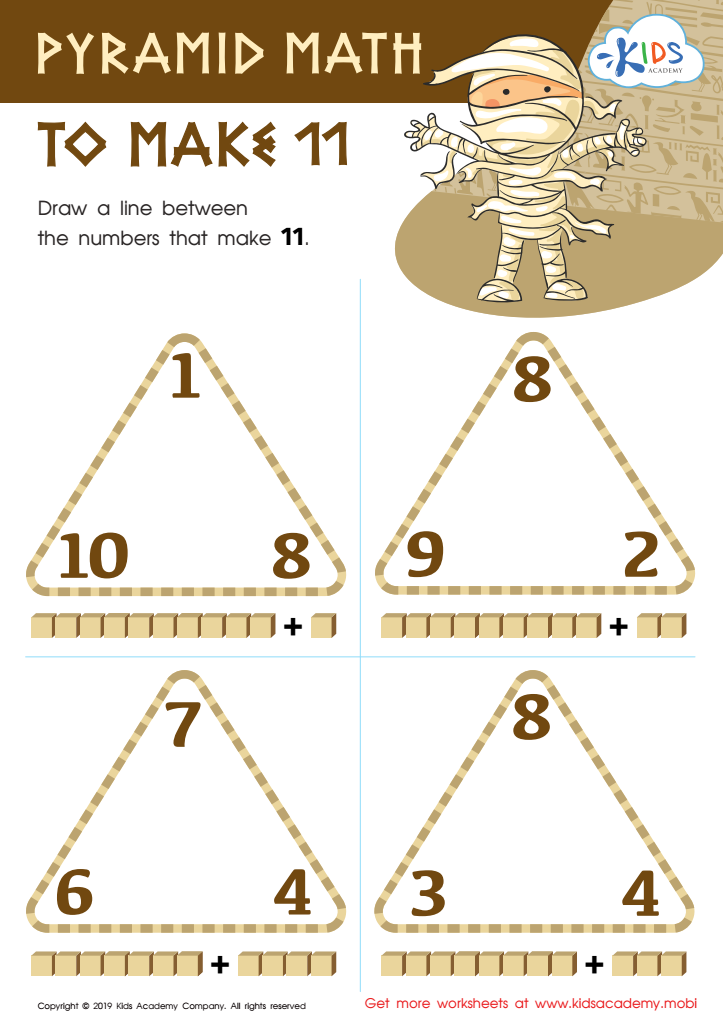
Pyramid Math to Make 11 Worksheet
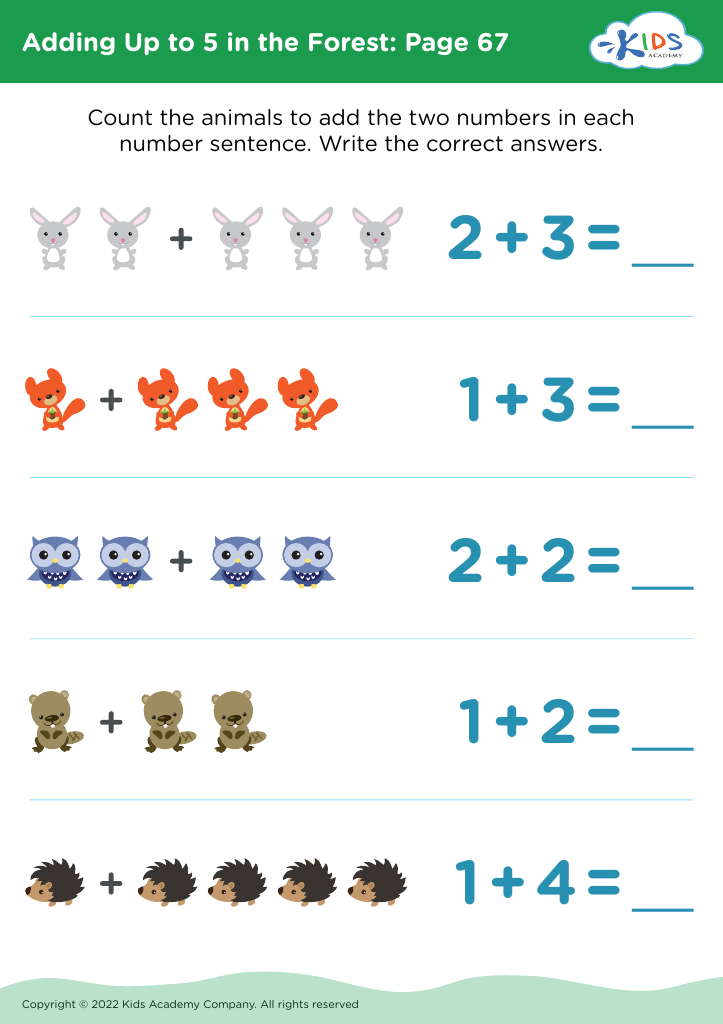
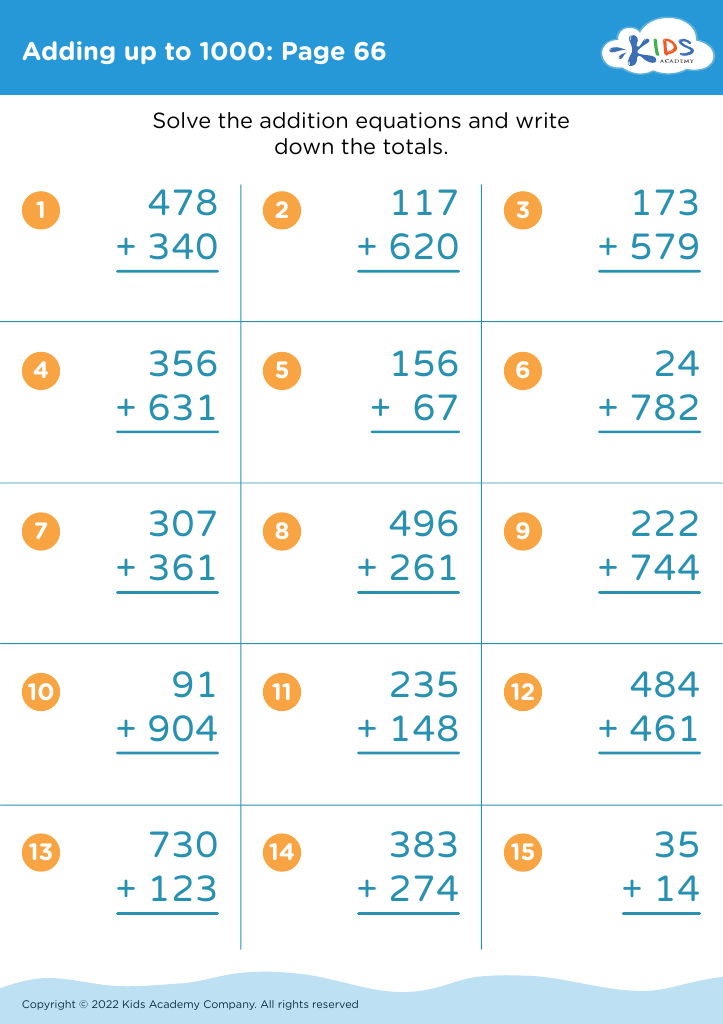
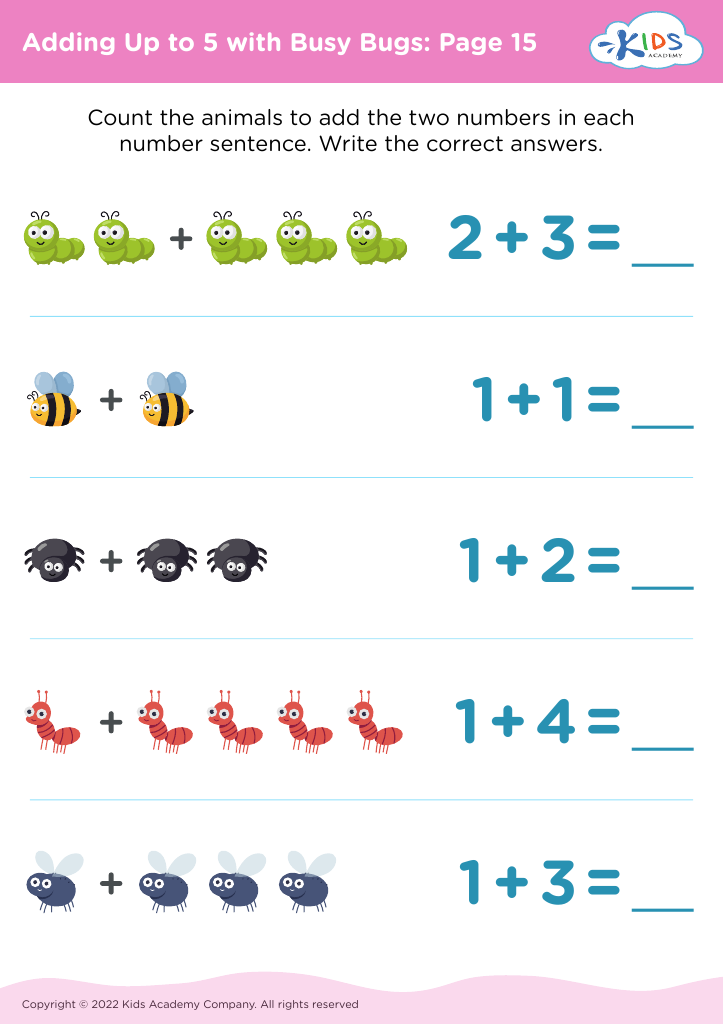
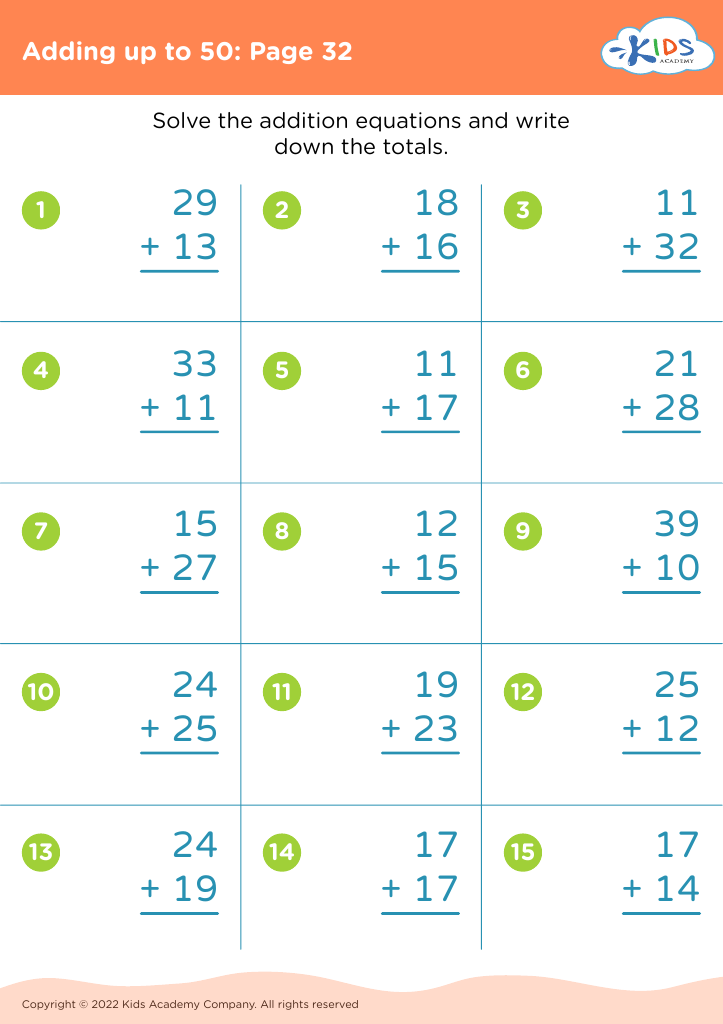






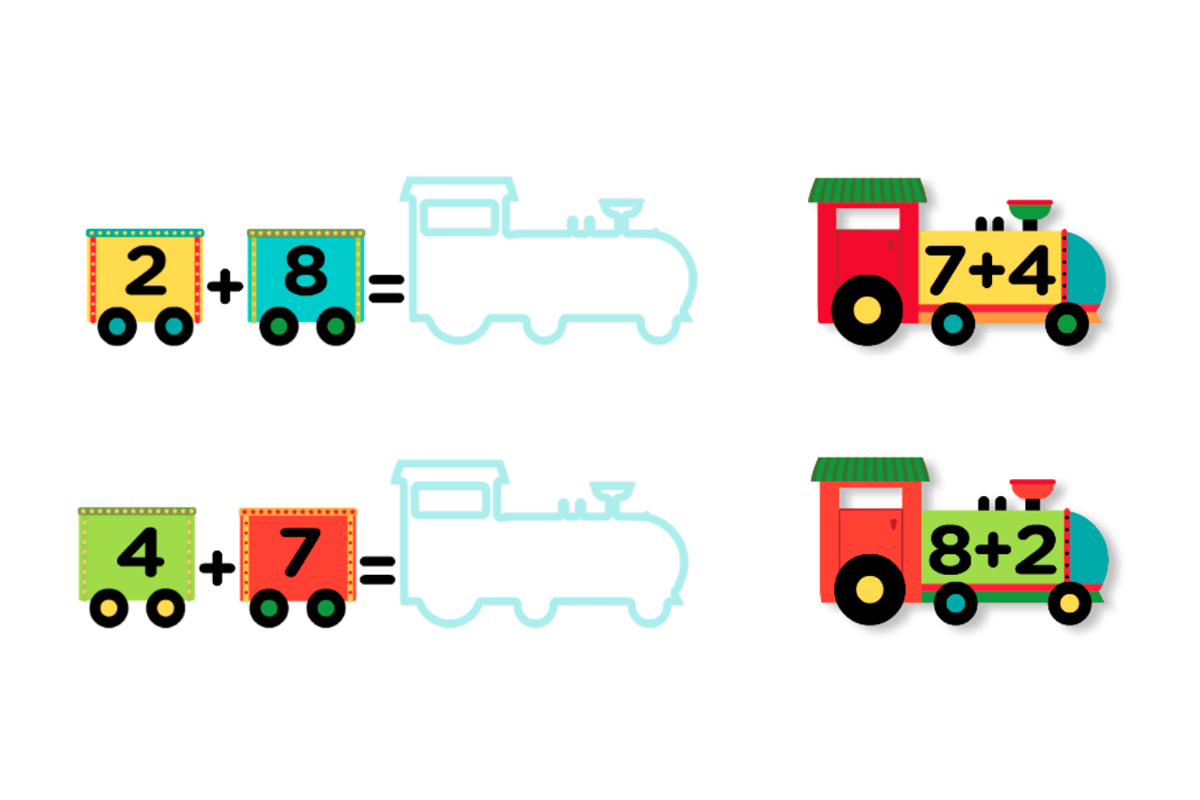

Parents and teachers play a pivotal role in early childhood education, particularly in fostering foundational mathematical skills such as addition and subtraction for children aged 3-7. At this developmental stage, young minds are exceptionally receptive to learning new concepts, and early exposure to basic arithmetic can significantly bolster cognitive development.
Practicing addition and subtraction enhances a child's problem-solving abilities, critical thinking, and logical reasoning. These skills extend beyond mathematics, positively influencing their overall academic performance. Moreover, early proficiency in arithmetic builds a child's confidence, reducing anxiety related to math and fostering a positive attitude towards the subject in later years.
Children also learn key skills such as pattern recognition, sequencing, and number sense through these practices, which are foundational for more advanced mathematical concepts. Engaging, age-appropriate math exercises can be introduced through playful activities and interactive educational tools, making learning an enjoyable experience for young children.
Parental and teacher involvement is crucial in creating a supportive and enriching learning environment. Encouragement, guidance, and positive reinforcement from adults can deepen children’s understanding and interest in math. By prioritizing addition and subtraction practice, parents and teachers can lay a solid mathematical foundation that greatly benefits children’s academic journey and overall intellectual development.








