Pattern recognition Addition & Subtraction Worksheets for Ages 3-7
9 filtered results
-
From - To
Explore our engaging Pattern Recognition Addition & Subtraction Worksheets designed for children ages 3-7. These thoughtfully crafted activities help young learners develop crucial math skills through fun and interactive pattern recognition exercises. By identifying and completing various sequences, children will enhance their understanding of addition and subtraction in a playful way. Our worksheets promote cognitive development, problem-solving abilities, and foster early math readiness. Perfect for home or classroom use, these resources make learning essential math concepts enjoyable. Start your child's math journey today with our colorful and appealing worksheets tailored for their learning needs!
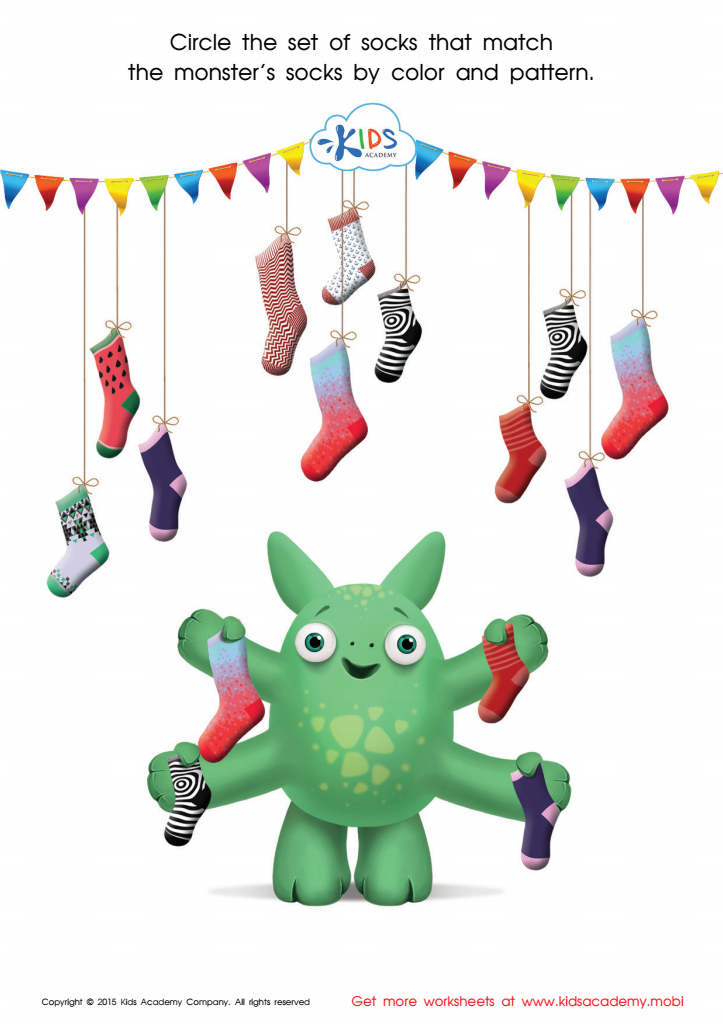
Sort the Monster's Socks Worksheet
 Assign to My Students
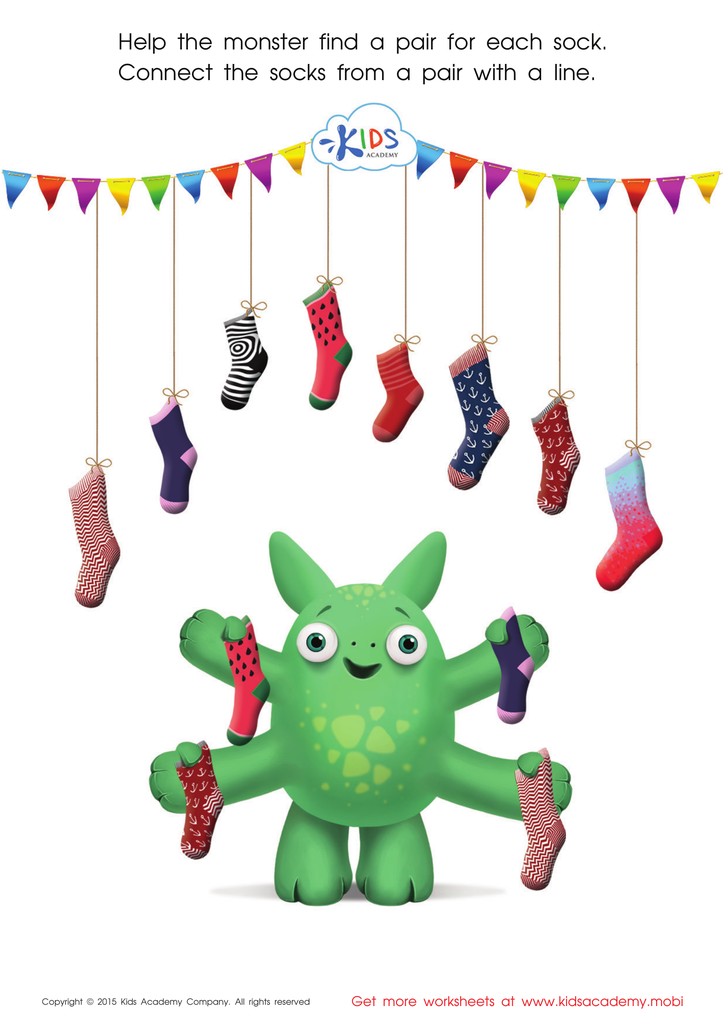
Math Matching Game: Monsterв's Socks Worksheet
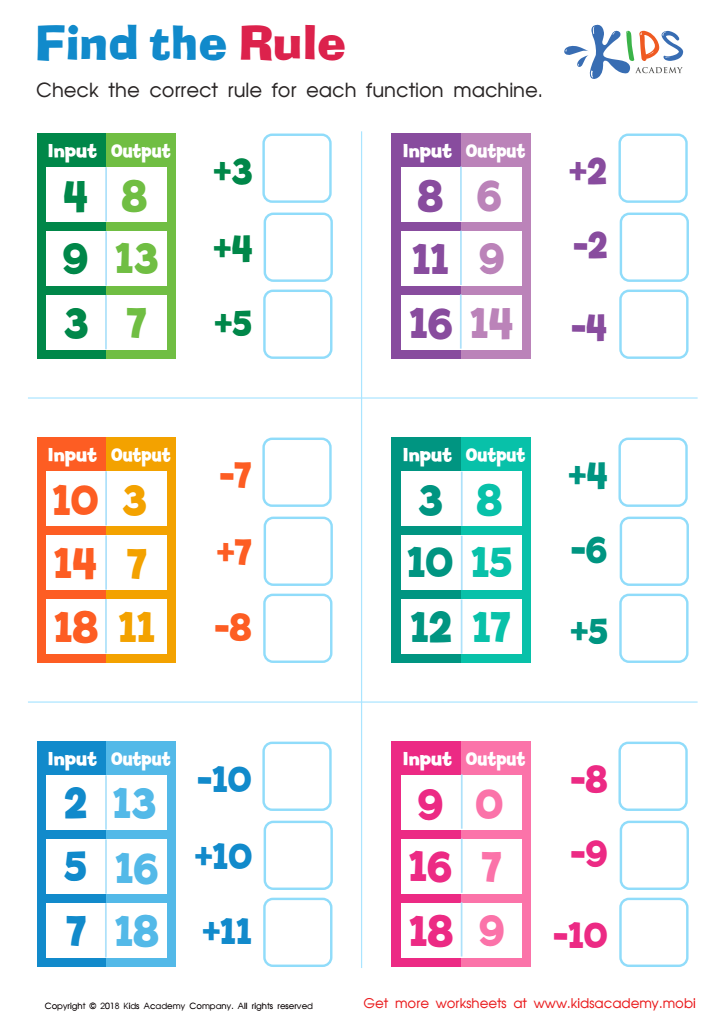
Find the Rule Worksheet
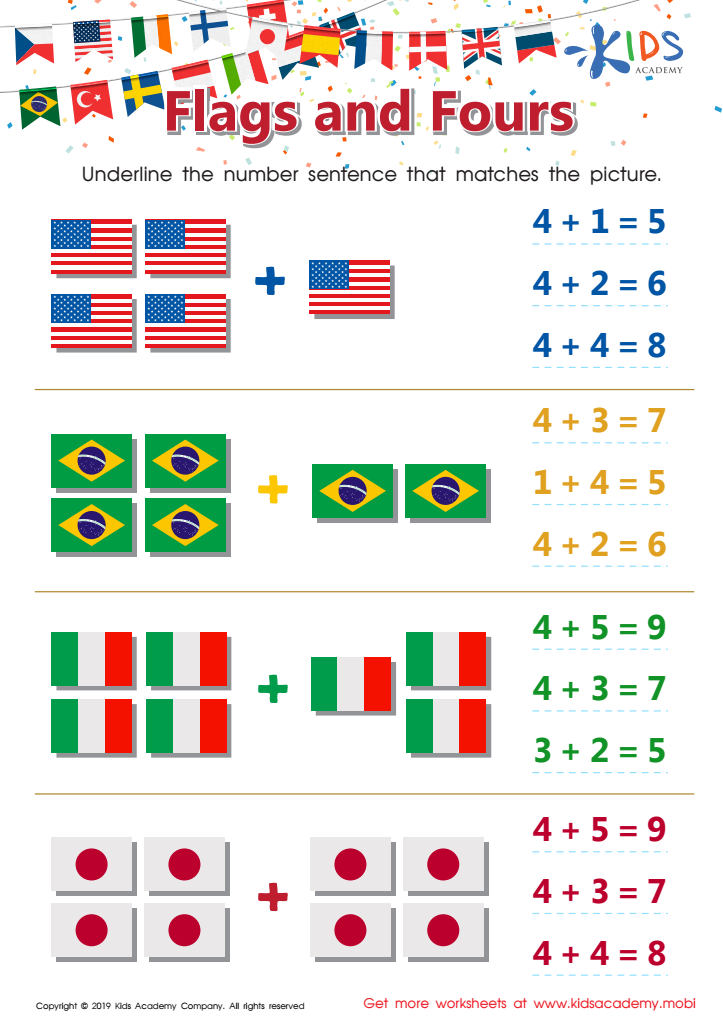
Flags and Fours Worksheet
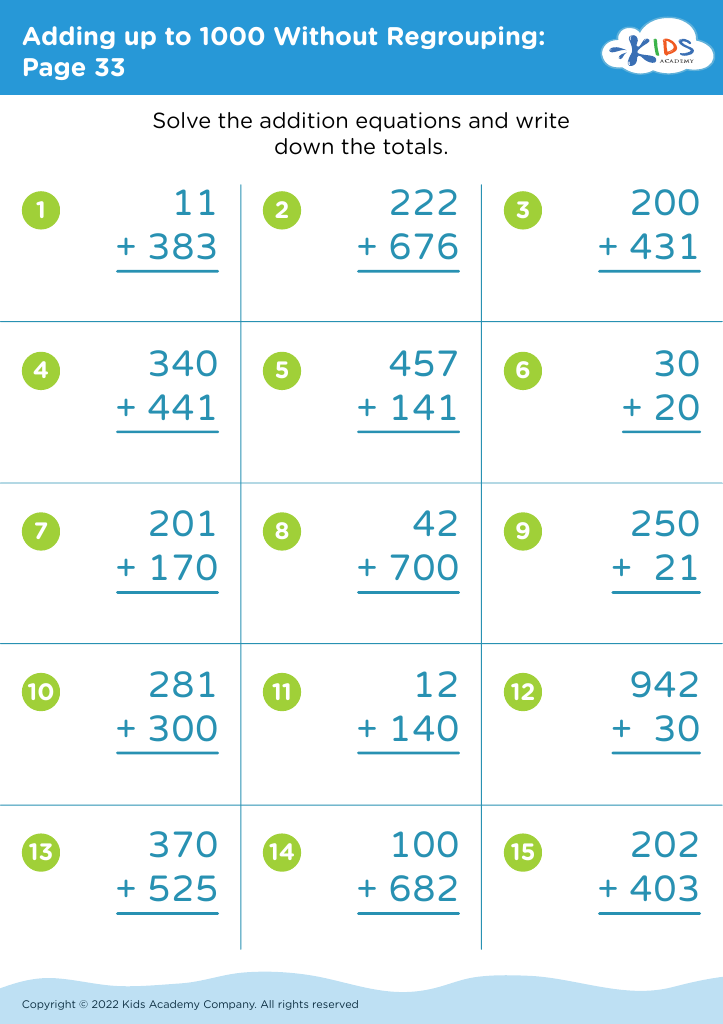








Pattern recognition is a fundamental skill that plays a crucial role in early mathematical development, especially in addition and subtraction for children aged 3-7. Recognizing patterns helps young learners understand the underlying rules of mathematics, which can simplify complex concepts and foster number sense.
When children identify patterns, they begin to comprehend how numbers relate to each other. For example, recognizing that adding one more to a number consistently increases its value helps lay the foundation for addition. Similarly, observing patterns in subtraction reinforces their understanding of the concept of ‘taking away’ and its effects on numbers.
Encouraging pattern recognition in young learners also promotes critical thinking and problem-solving skills. Children learn to make connections, predict outcomes, and develop logical reasoning abilities, which are essential not just in math but across all areas of learning.
Moreover, fostering these skills aligns with developmental milestones, as children are naturally predisposed to seek out patterns in their environment. Parents and teachers can enhance this learning through games, music, and visual aids, making the learning process enjoyable and engaging. Ultimately, nurturing pattern recognition equips children with lifelong skills, setting a strong foundation for future academic success and a love for learning.








