Addition skills Addition Worksheets for Ages 3-7
108 filtered results
-
From - To
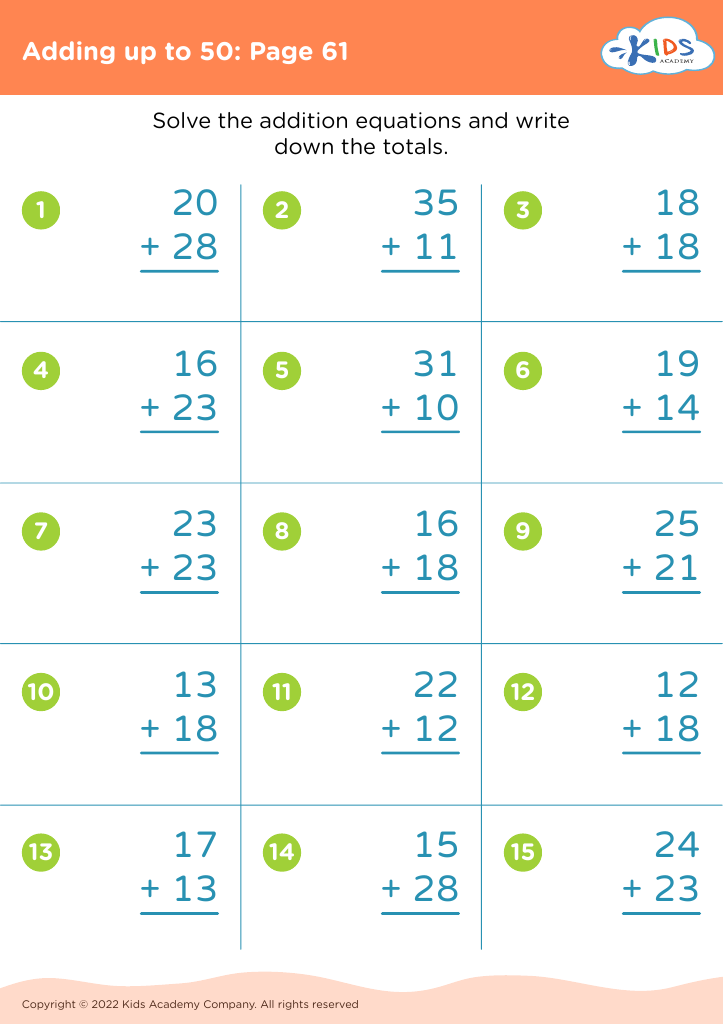
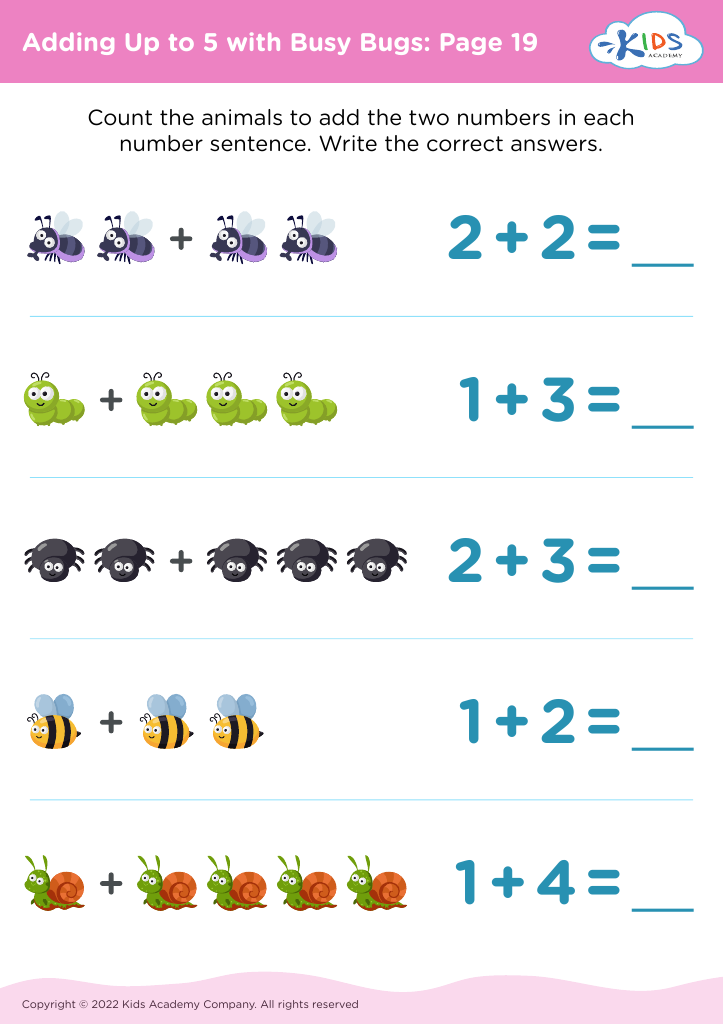
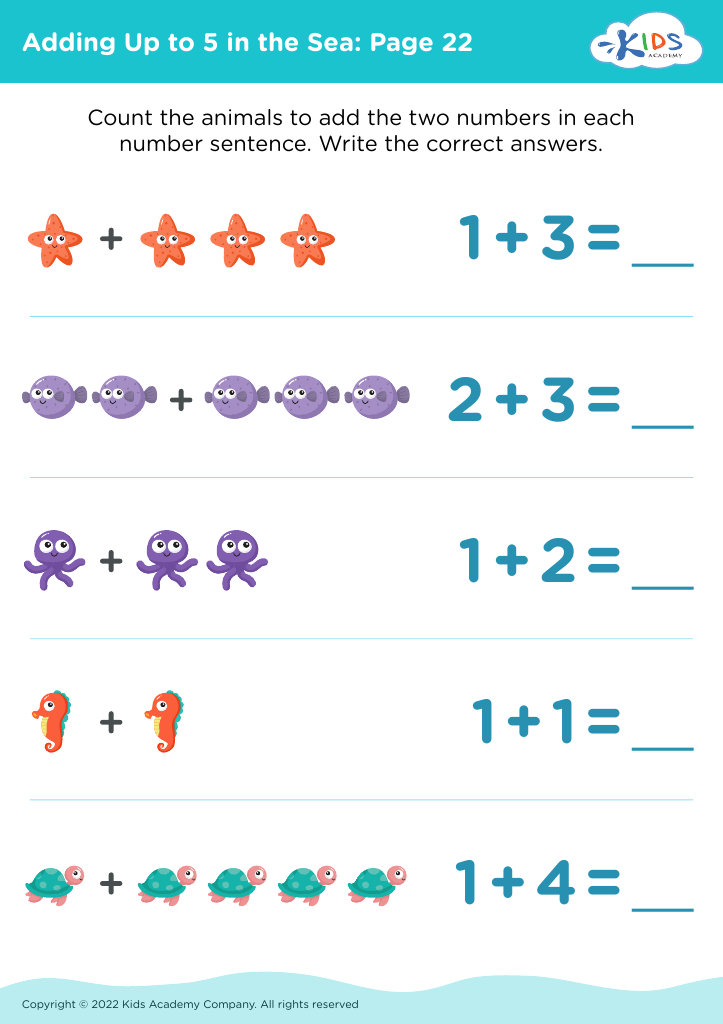
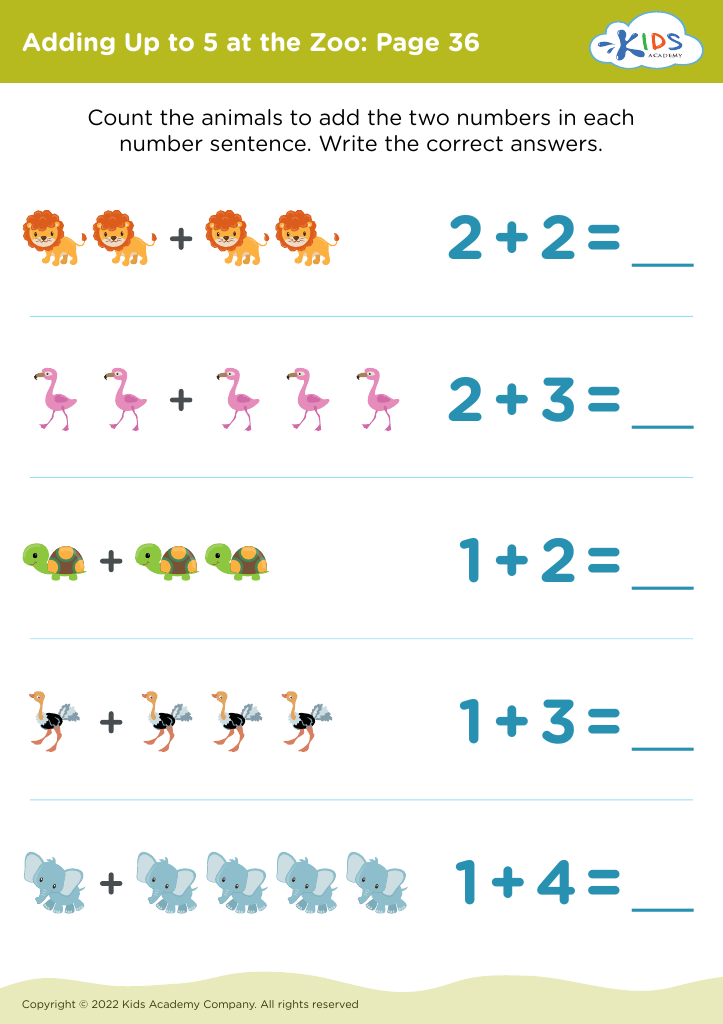
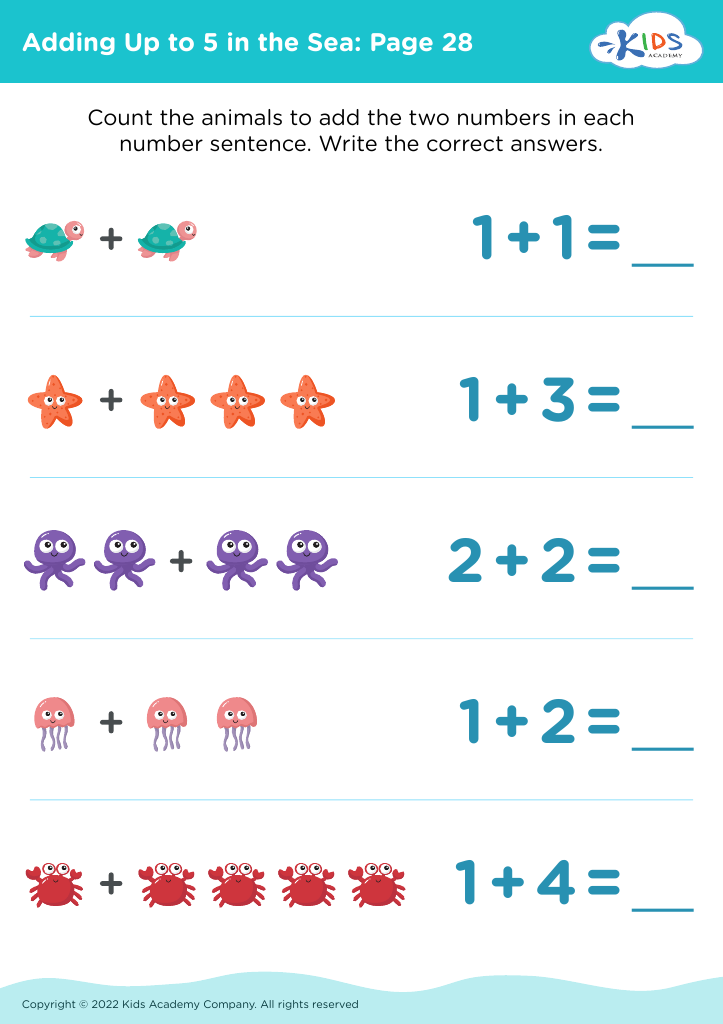
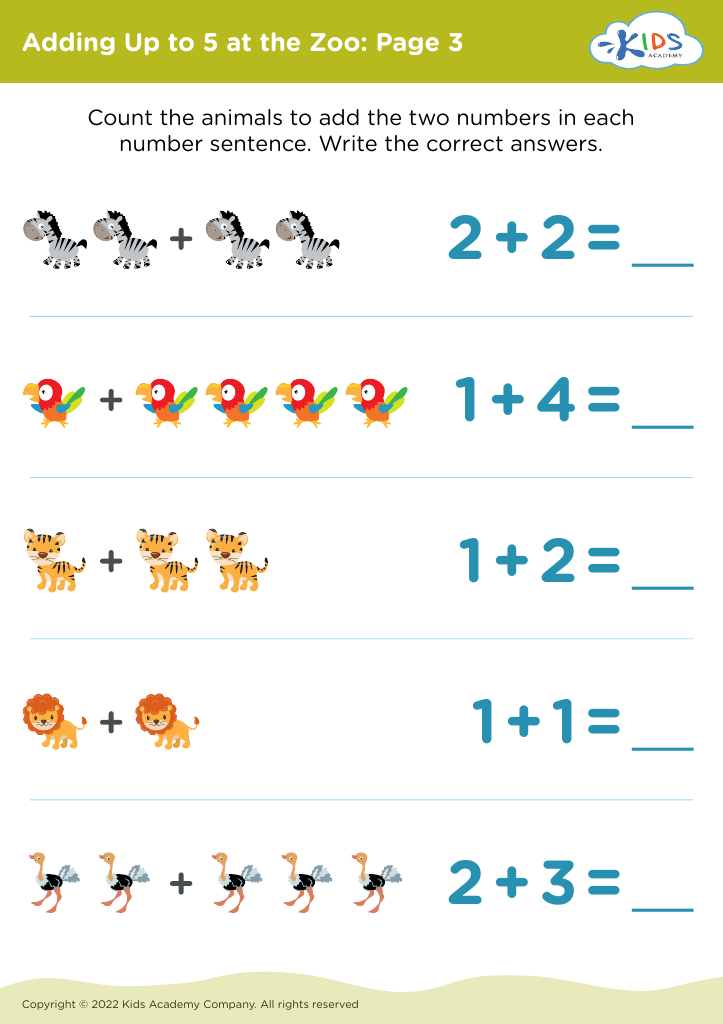
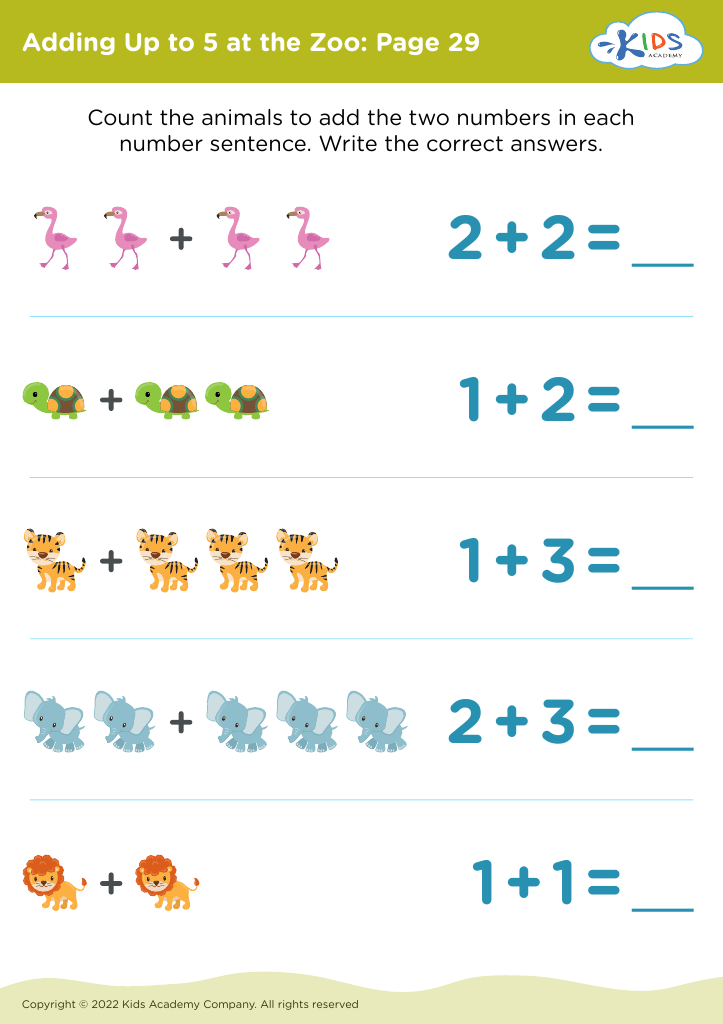
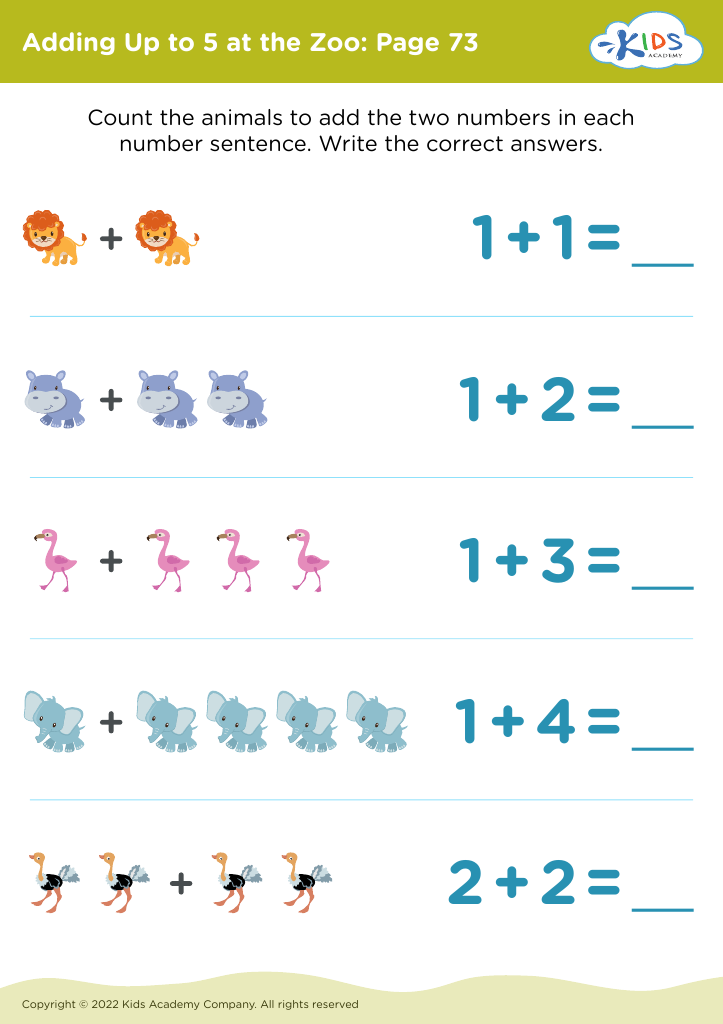
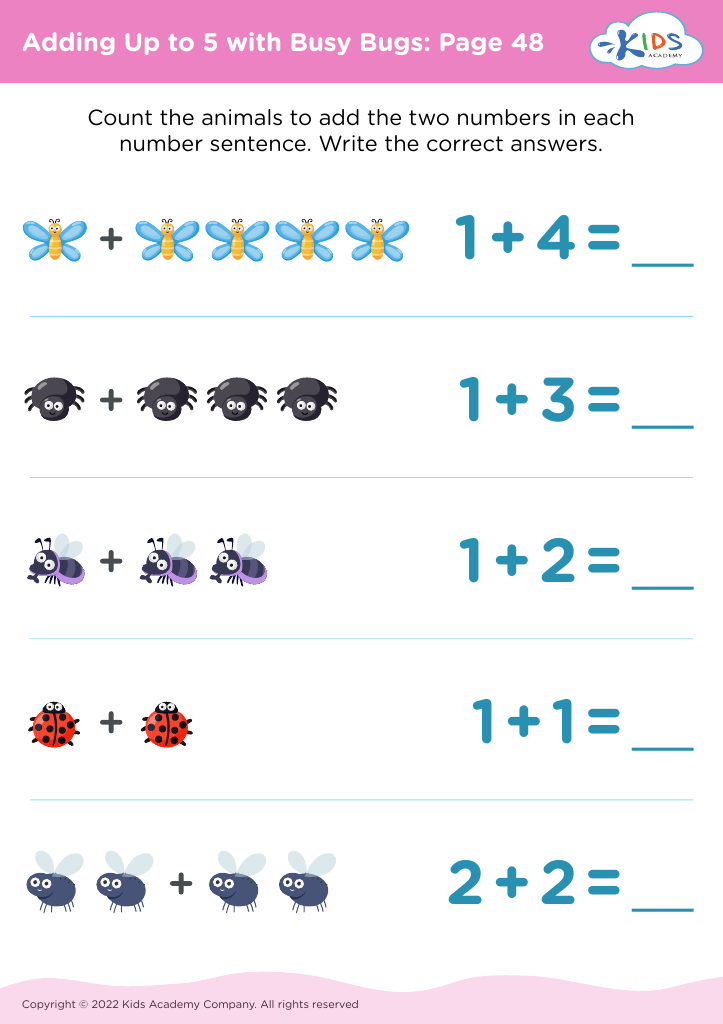
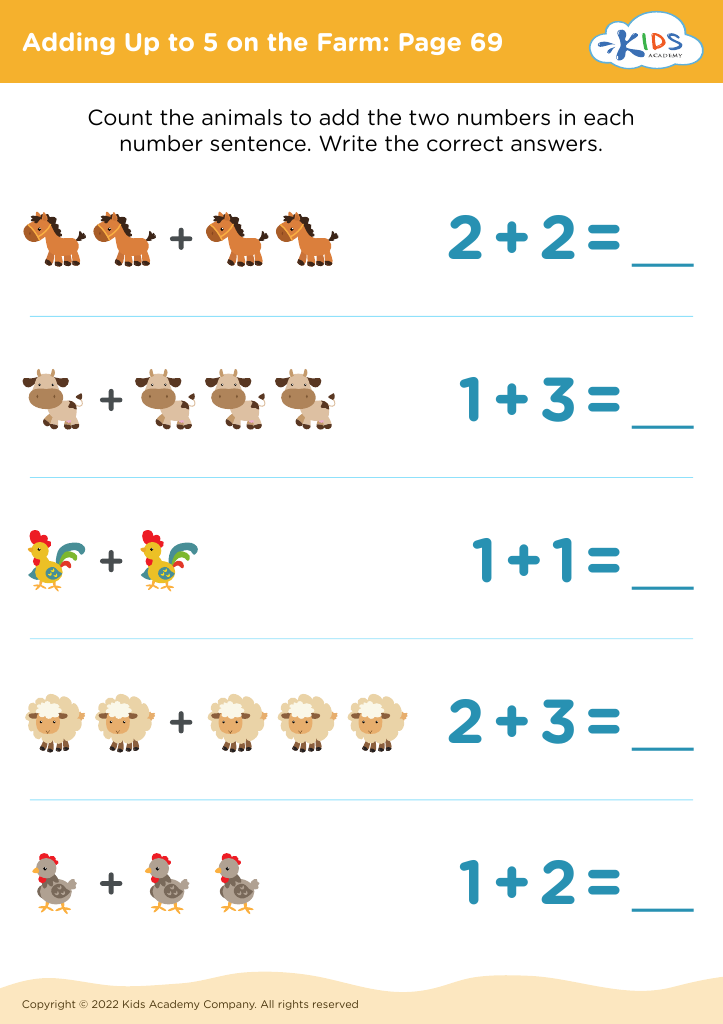
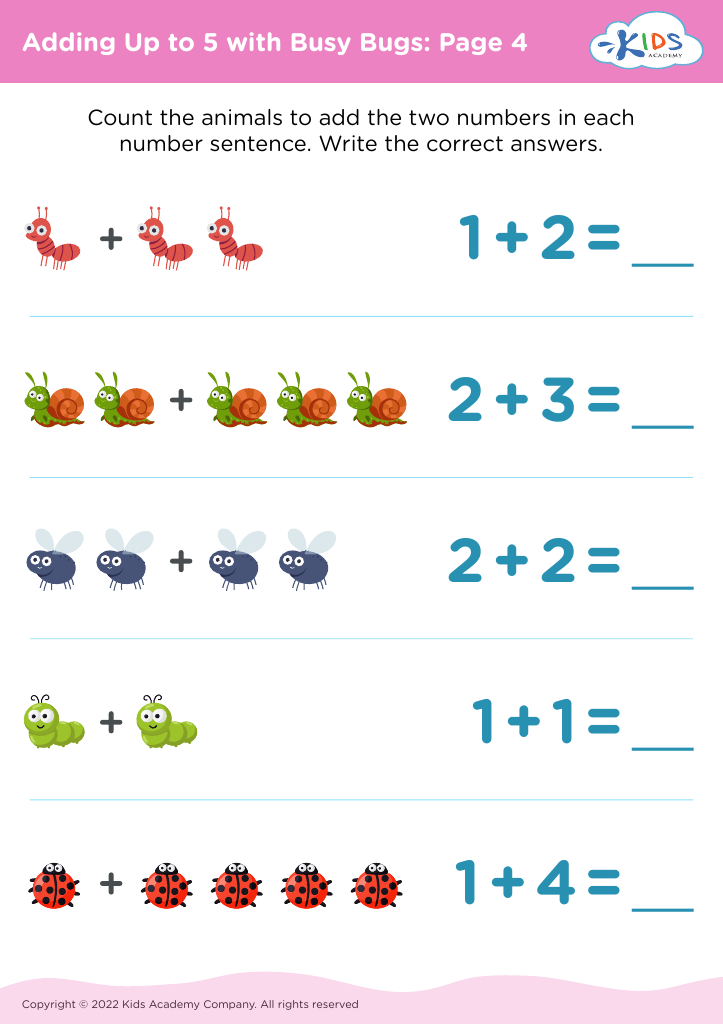
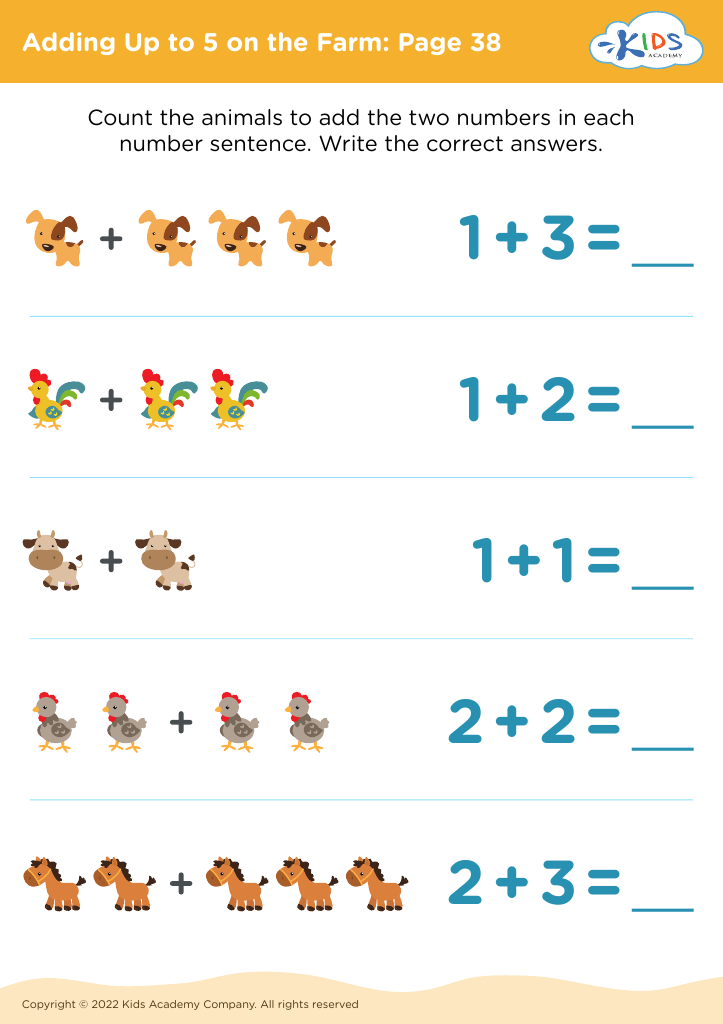
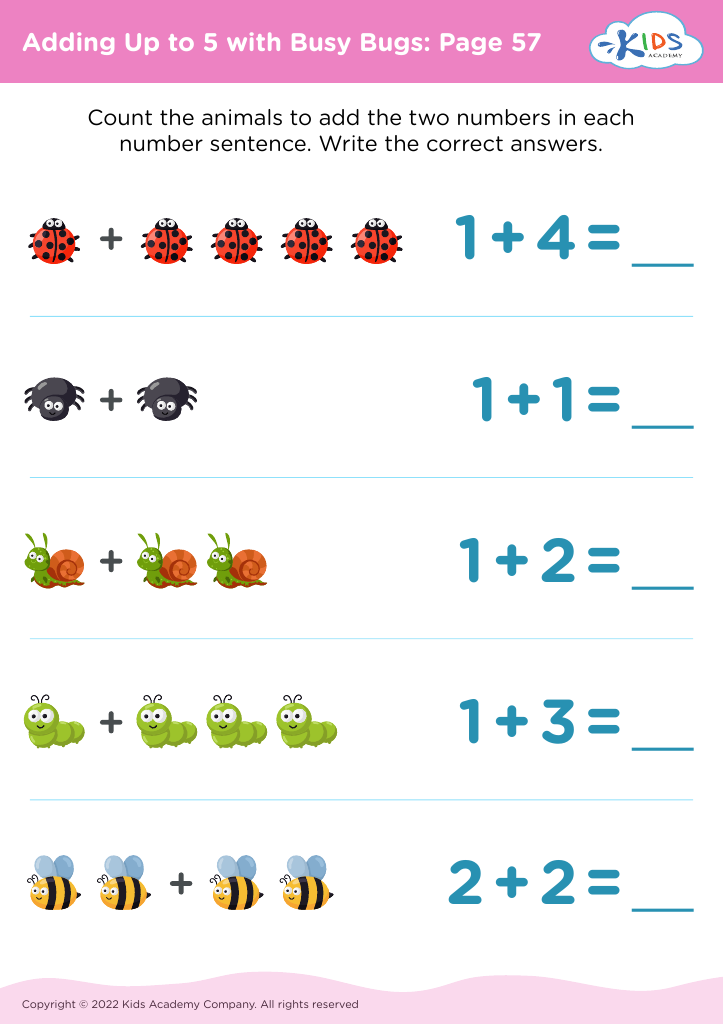
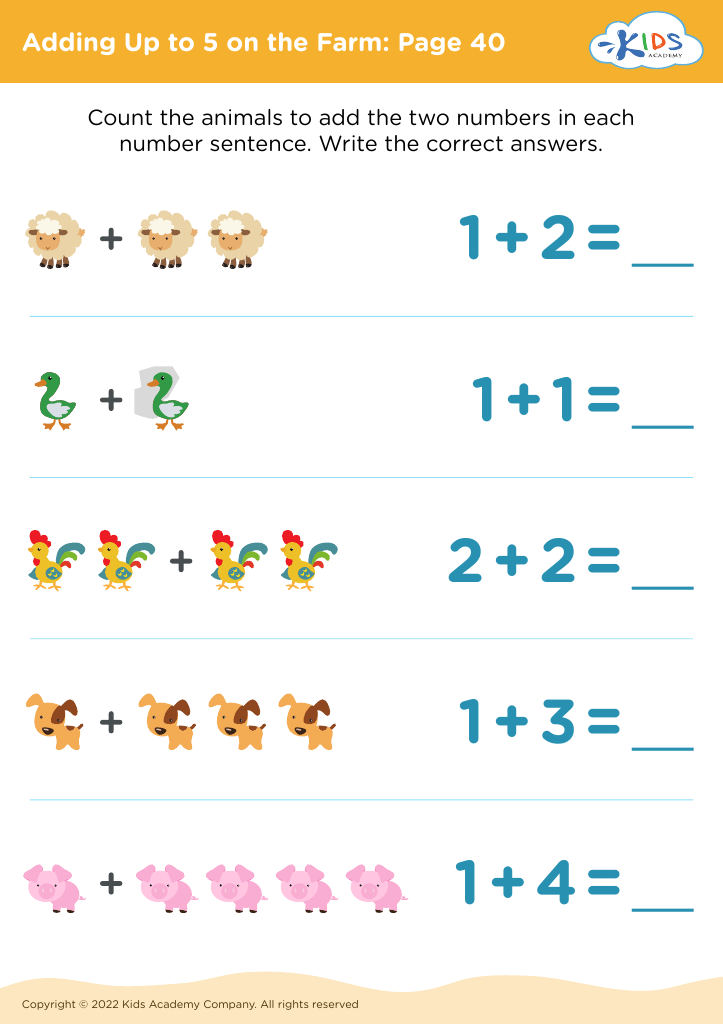
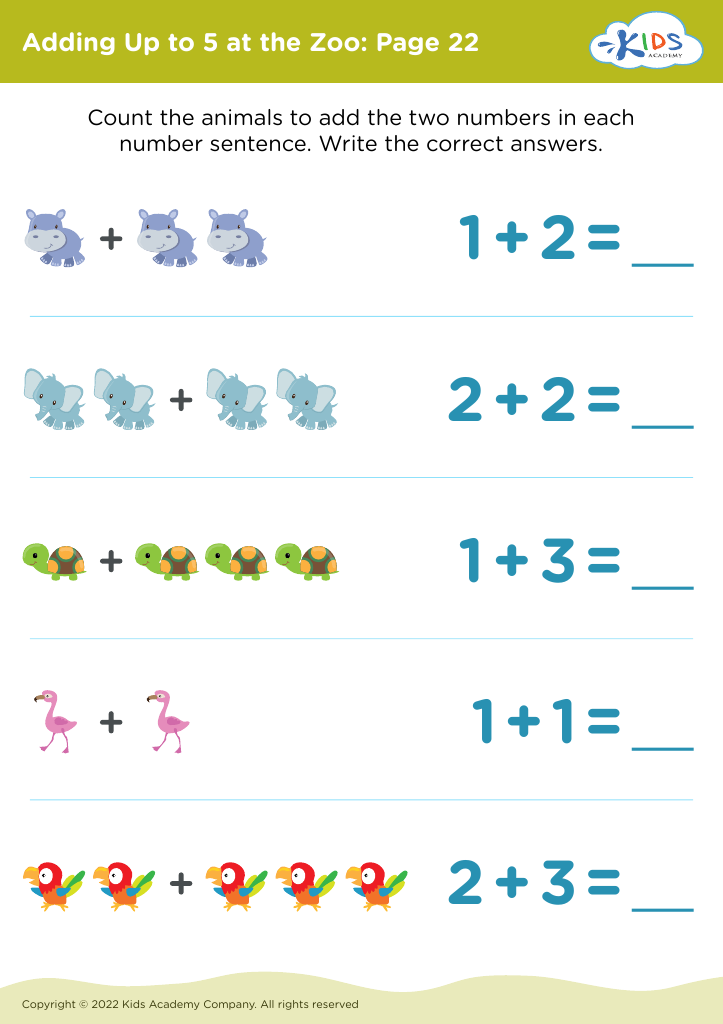
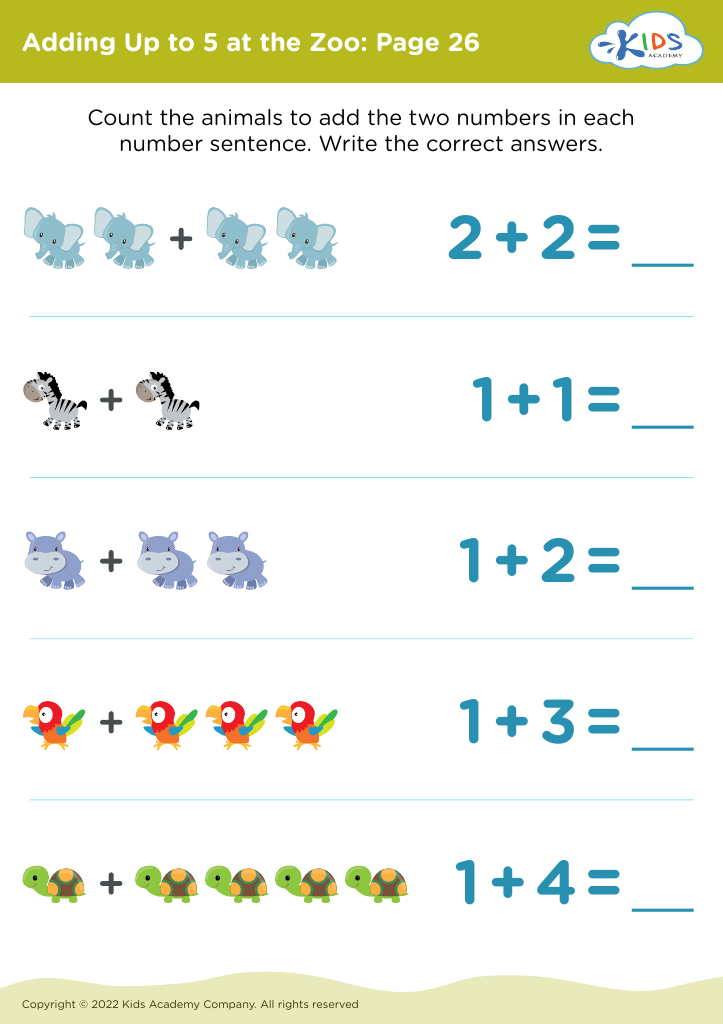
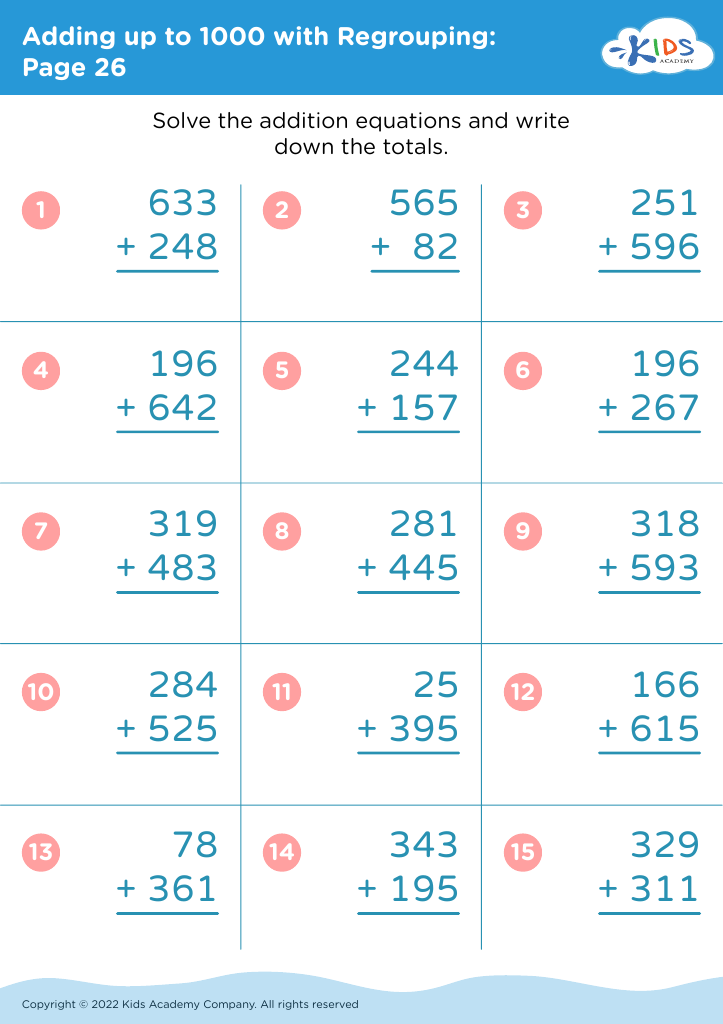
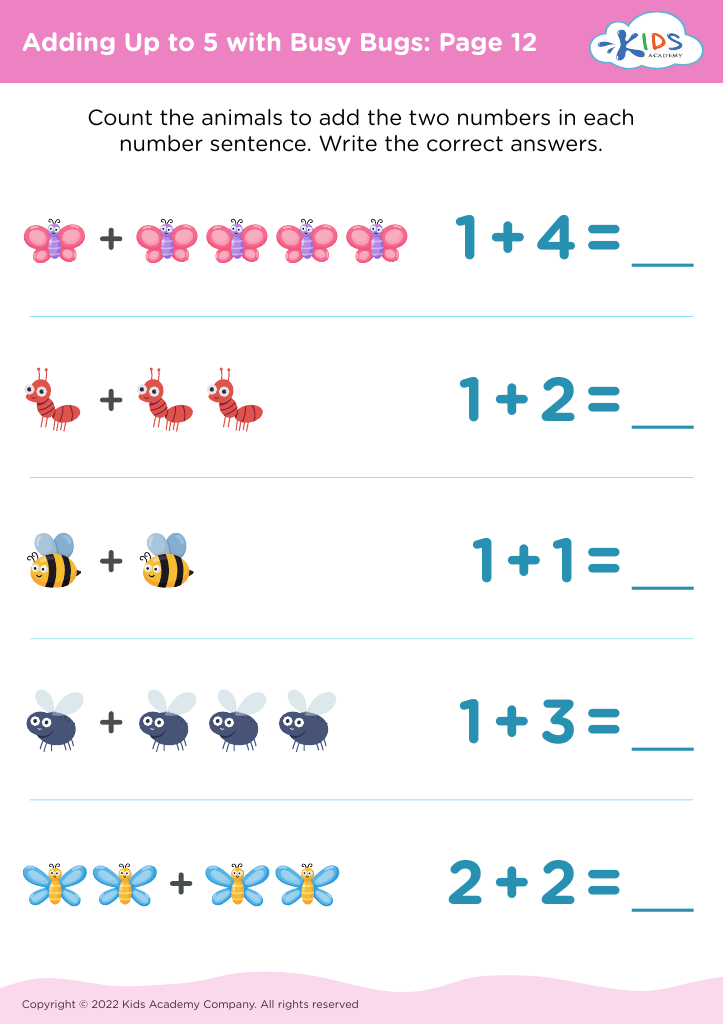
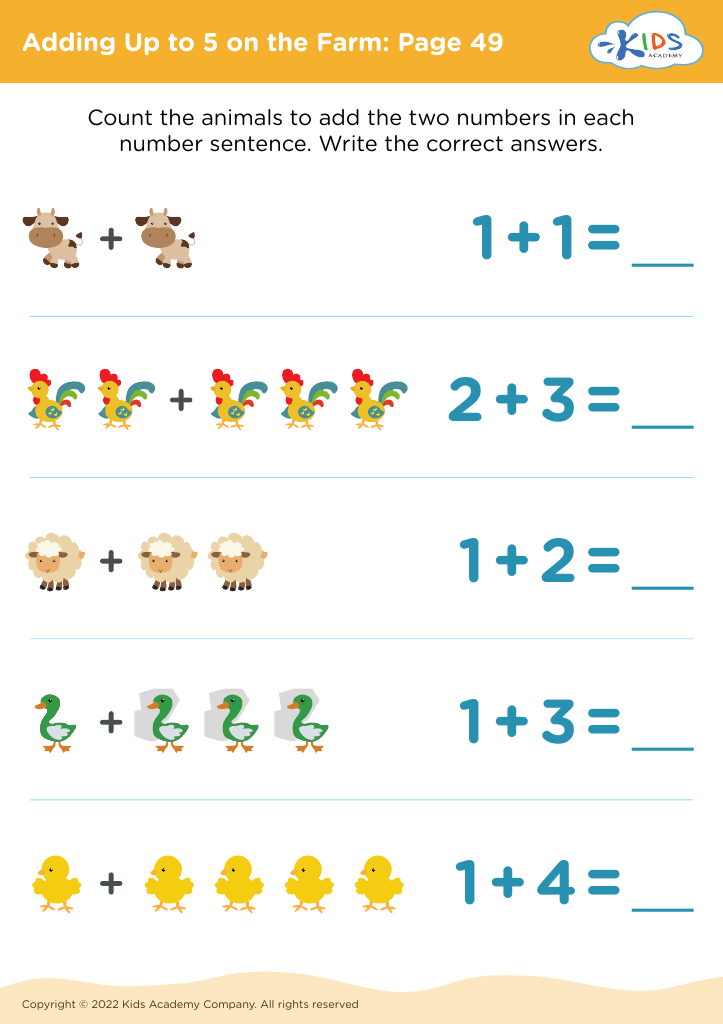
Explore our engaging Addition Worksheets designed specifically for children ages 3-7! These interactive resources help young learners develop essential addition skills through fun activities and colorful visuals. Each worksheet provides a variety of exercises, from counting and simple number recognition to basic addition problems, ensuring a solid foundation in mathematics. Our worksheets are crafted to make learning enjoyable and accessible, promoting confidence and enthusiasm for math. Perfect for homeschool settings or supplemental practice, these printable worksheets will support your child's educational journey while fostering a love for learning. Spark curiosity and enhance skills with our addition resources today!
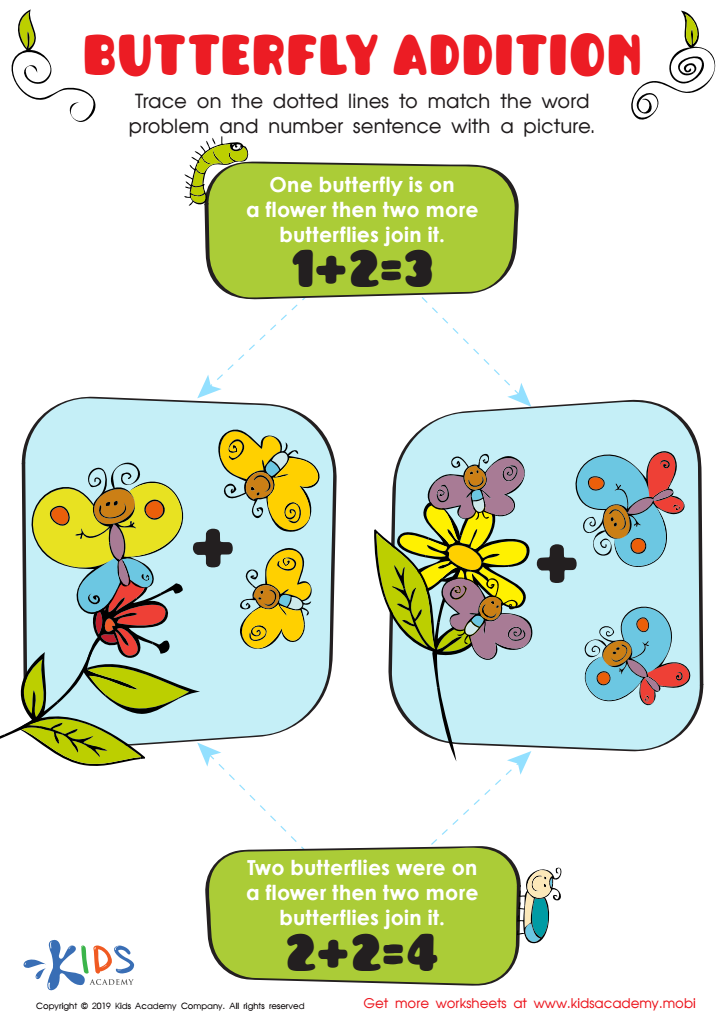
Butterfly Addition Worksheet
 Assign to My Students
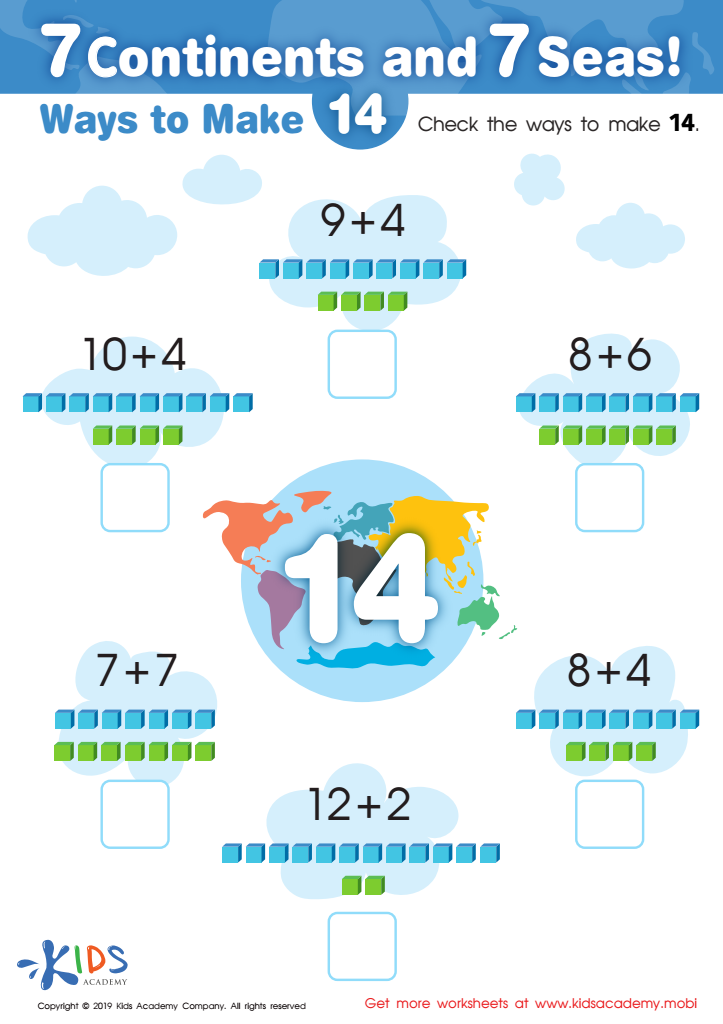
7 Continents and 7 Seas Worksheet
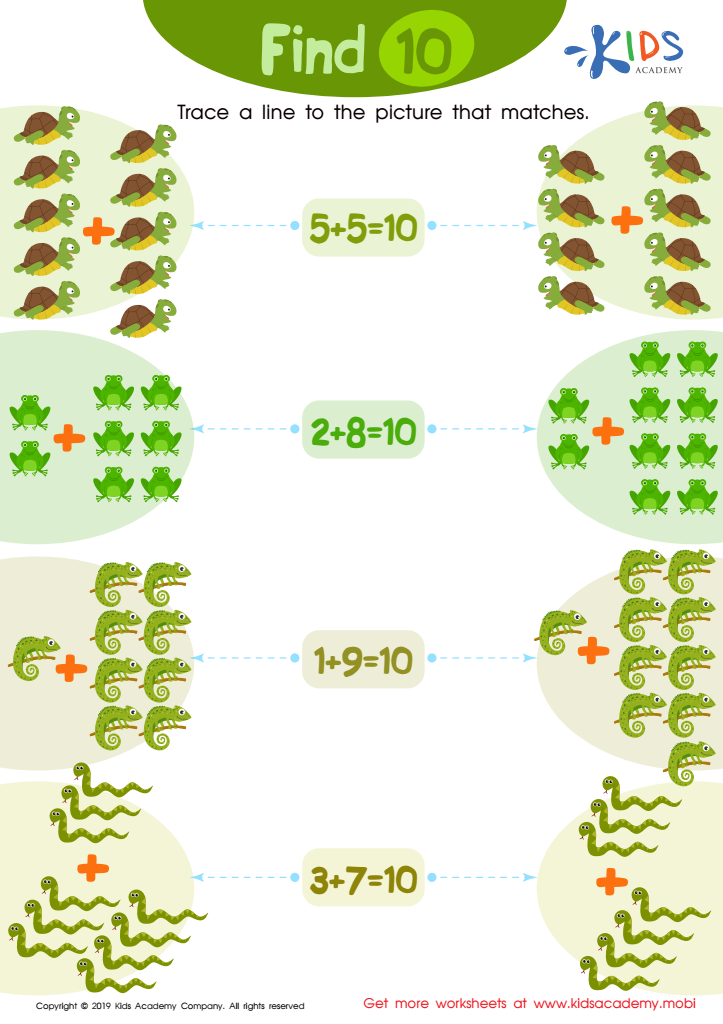
Find 10 Worksheet








Parents and teachers should prioritize addition skills for children aged 3-7 because these foundational skills are crucial for academic success and everyday problem-solving. early understanding of addition lays the building blocks for math competence in later years, promoting analytical and critical thinking abilities.
At this age, children are naturally curious and capable of grasping new concepts quickly. Learning addition not only helps them develop mathematical skills but also enhances their cognitive development, improving memory, attention, and persistence. Proficiency in addition fosters a sense of accomplishment and confidence, motivating children to tackle more complex mathematical challenges as they grow.
Moreover, these skills extend beyond the classroom. Children often encounter situations in daily life that require basic math, such as counting money, sharing toys, or measuring ingredients for recipes. Instilling strong addition skills in early childhood ensures that kids are better equipped to navigate these situations, promoting independence. Additionally, engaging in addition activities can strengthen the bond between parents and children, allowing for shared learning experiences. Thus, emphasizing addition skills during these formative years cultivates not only academic achievement but also critical life skills, shaping well-rounded, confident learners and fostering a lifelong love for mathematics.








