Fine Motor Skills Counting Worksheets for Ages 3-7
7 filtered results
-
From - To
Enhance early math and fine motor skills with our engaging Counting Worksheets for Ages 3-7. Specially designed to reinforce number recognition, counting abilities, and precise hand movements, these worksheets provide a fun and educational experience. Each activity encourages young learners to trace, write, and count while developing their hand-eye coordination and dexterity. Ideal for preschoolers and early primary kids, these worksheets help build foundational skills critical for academic success. Let your child explore numbers in a delightful and interactive way, seamlessly blending learning with play. Boost their confidence and watch their skills flourish with our expertly crafted activities.
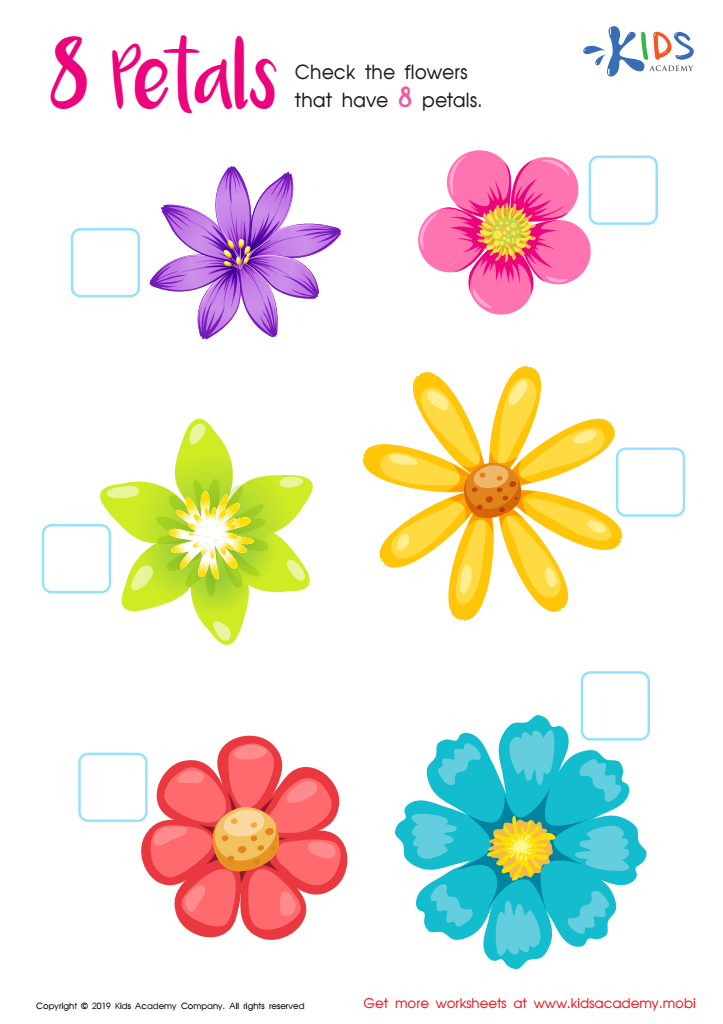
8 Petals Worksheet
 Assign to My Students




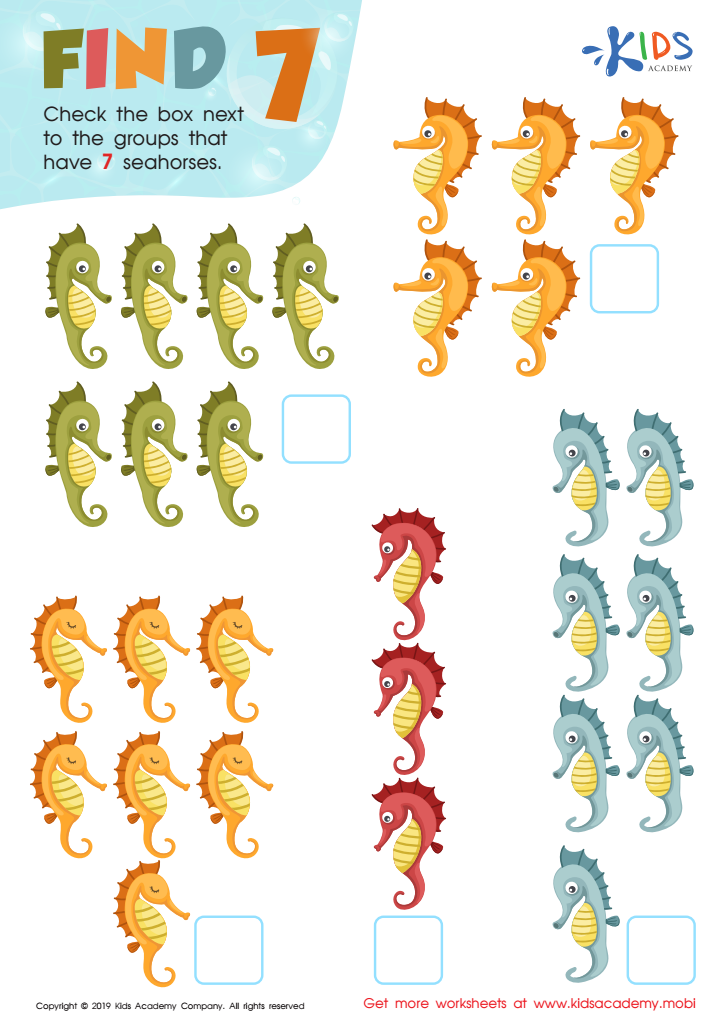
Find 7 Worksheet
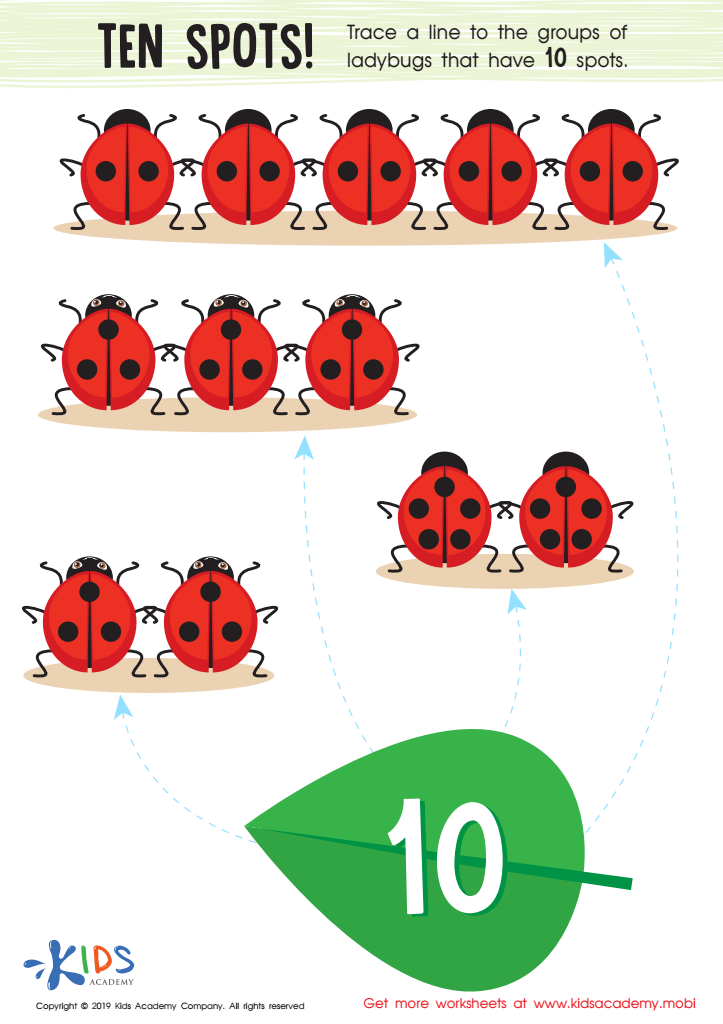
Ten Spots Worksheet
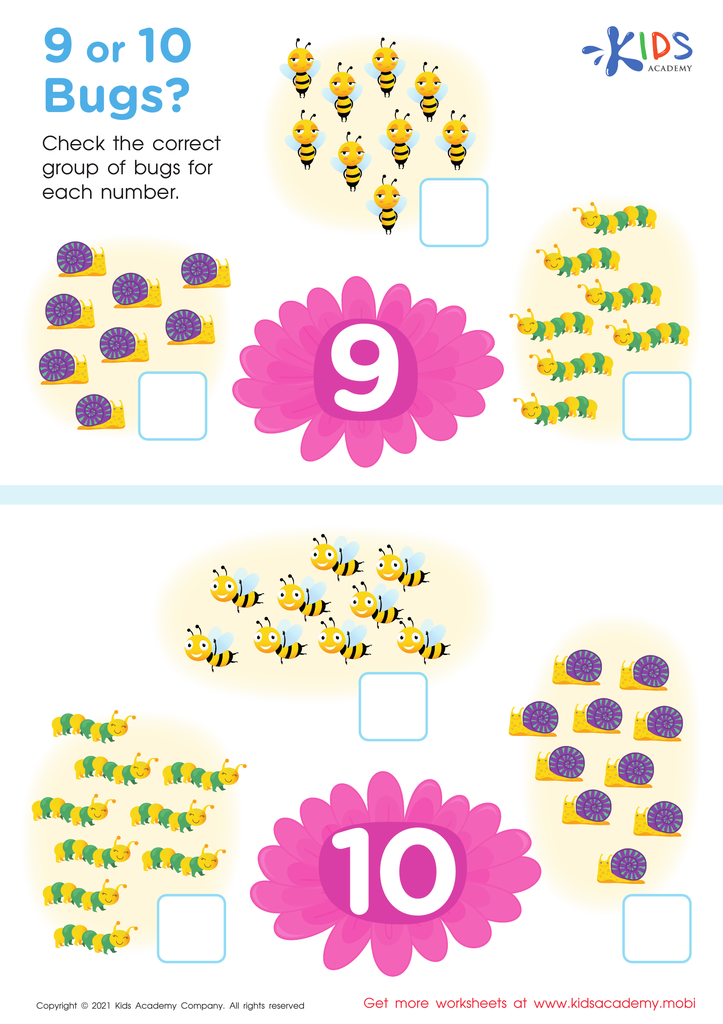
9 or 10 Bugs Worksheet
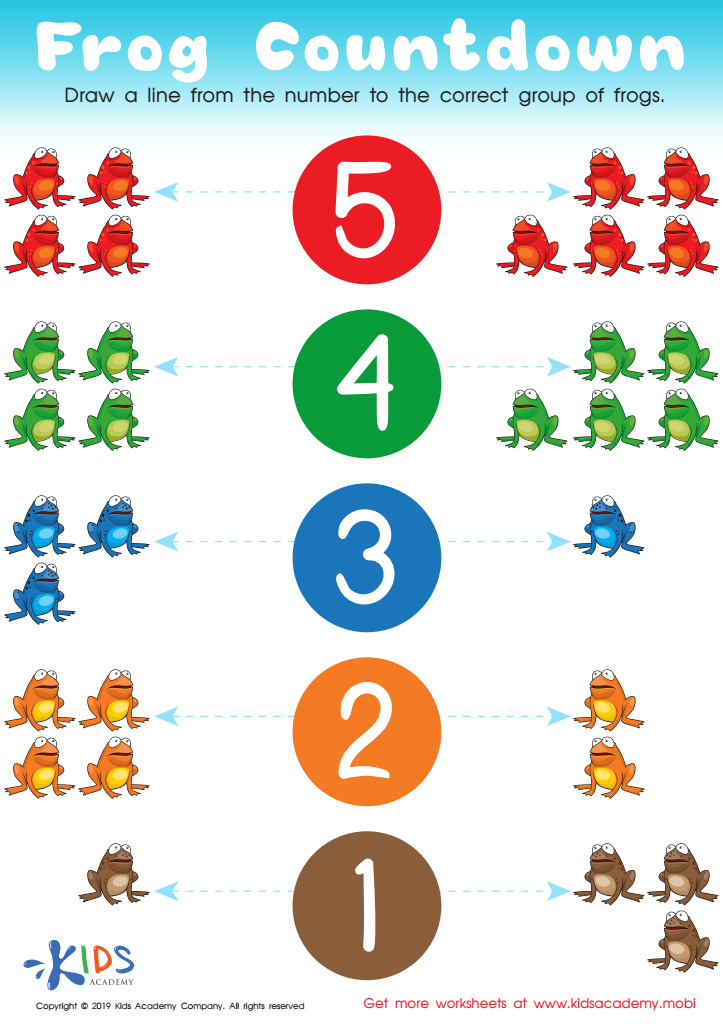
Frog Countdown Worksheet
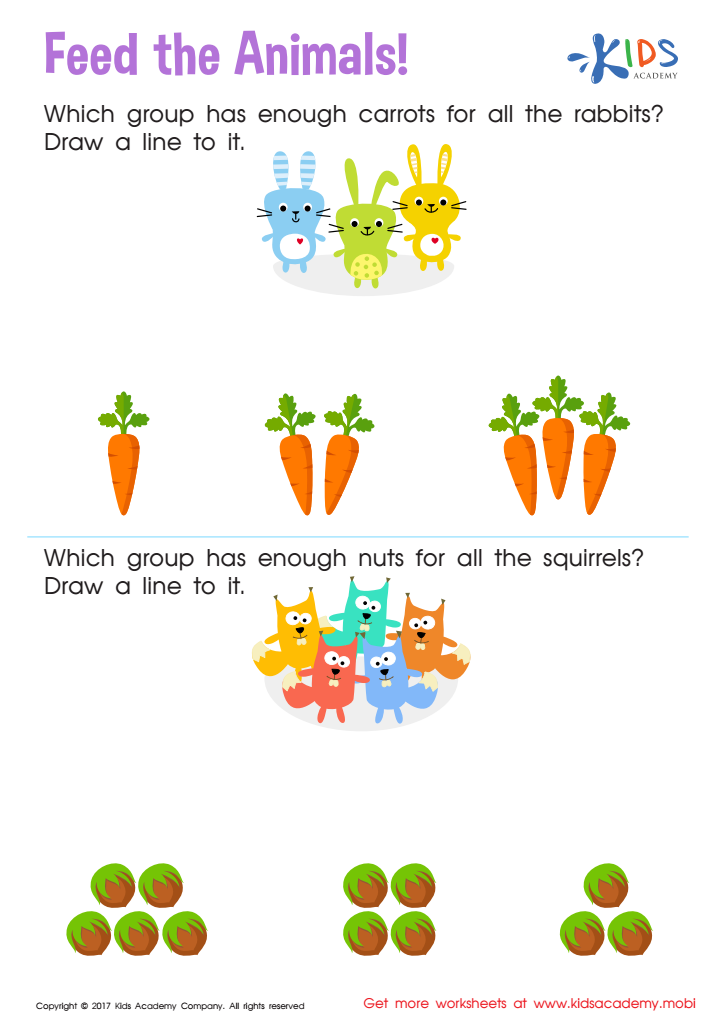
Count and Match: Feed the Animals Worksheet
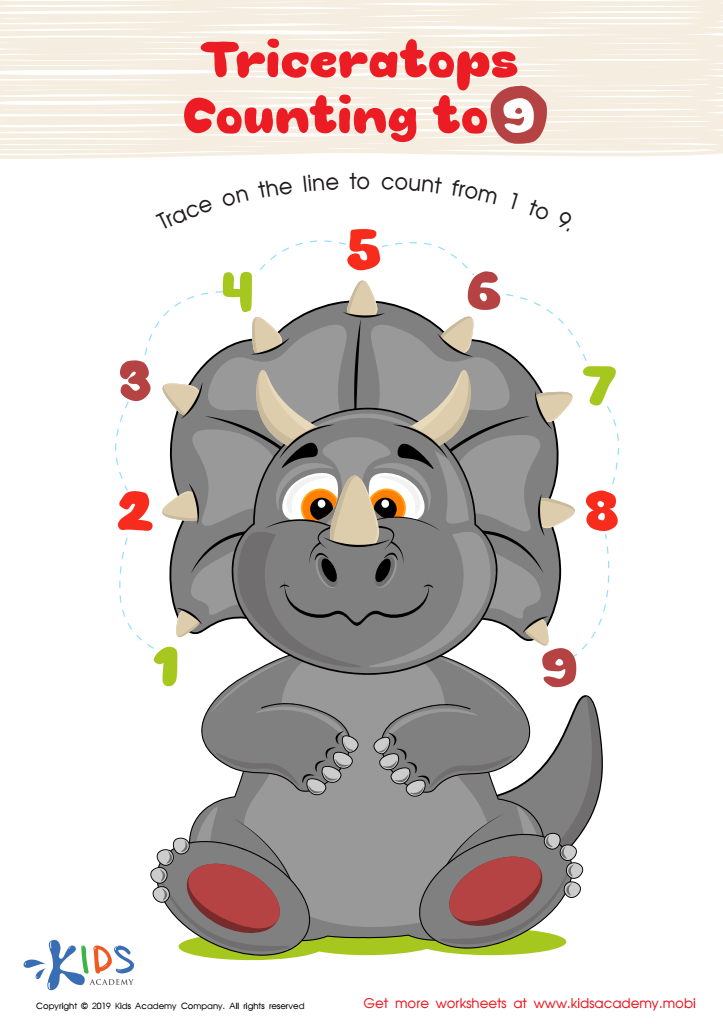
Triceratops Counting to 9 Worksheet








Fine motor skills refer to the ability to use the small muscles in the hands and fingers to perform tasks precisely. For children aged 3-7, developing these skills is critical for many everyday activities and sets the foundation for more complex tasks. One key activity that enhances fine motor skills is counting using things like beads, buttons, or drawing numbers, often termed "fine motor skills counting."
Parents and teachers should care about fine motor skills counting because it combines cognitive and physical development. Manipulating small objects to count enhances a child's hand-eye coordination, dexterity, and muscle strength. This physical capability is essential for future tasks like writing, buttoning clothes, or using a computer mouse.
Counting specifically nurtures numerical understanding, laying the foundation for math skills. Kids learn to recognize numbers, comprehend quantity, and develop basic arithmetic skills while honing their motor ability. For example, picking up and lining beads in sequence requires fine control and counting, reinforcing both fine motor skills and early math concepts simultaneously.
Consistent practice with fine motor skills counting prepares children for academic success. It also boosts confidence as they become more self-sufficient in performing daily tasks, fostering independence and a positive sense of achievement. Hence, this dual-benefit activity is crucial in early childhood education.








