Animal Classification Math Worksheets for Ages 3-7
4 filtered results
-
From - To
Discover our engaging "Animal Classification Math Worksheets" designed for children ages 3-7! These worksheets combine early math skills with exciting animal themes, making learning fun and interactive. Kids will explore concepts such as sorting, counting, and classifying animals while enhancing their critical thinking abilities. Our materials promote hands-on learning through vibrant visuals and age-appropriate activities that capture young learners' imaginations. Ideal for preschool, kindergarten, and early elementary classrooms, these worksheets ensure a playful approach to foundational math skills. Download your set today to inspire your child’s love for animals and mathematics! Transition from play to education seamlessly with our carefully crafted resources.
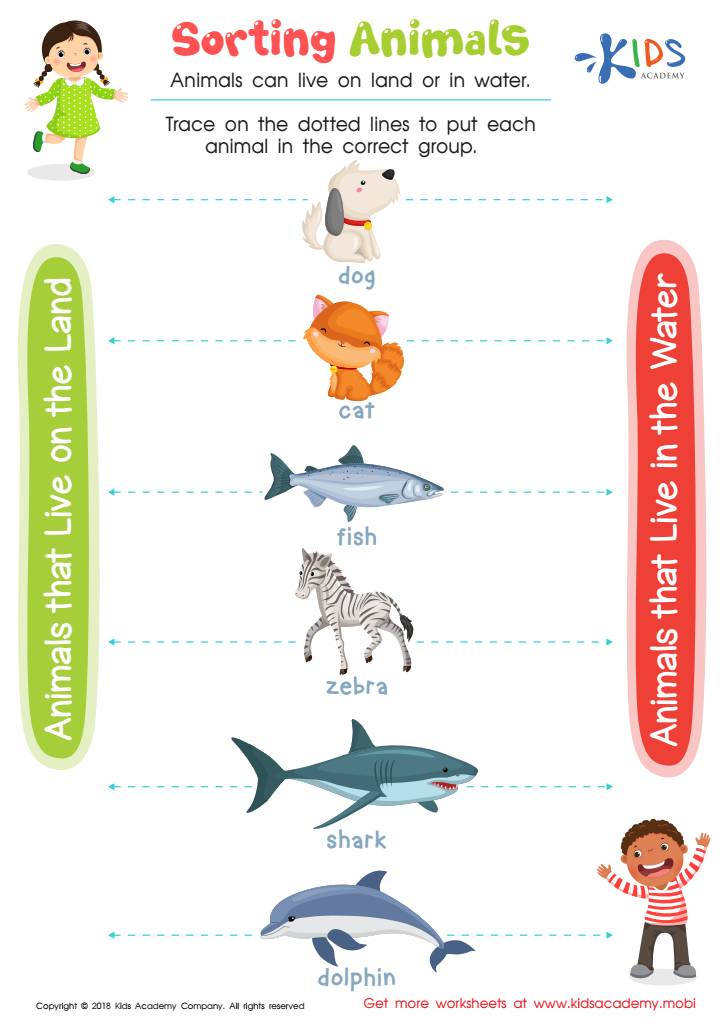
Sorting Animals Worksheet
 Assign to My Students
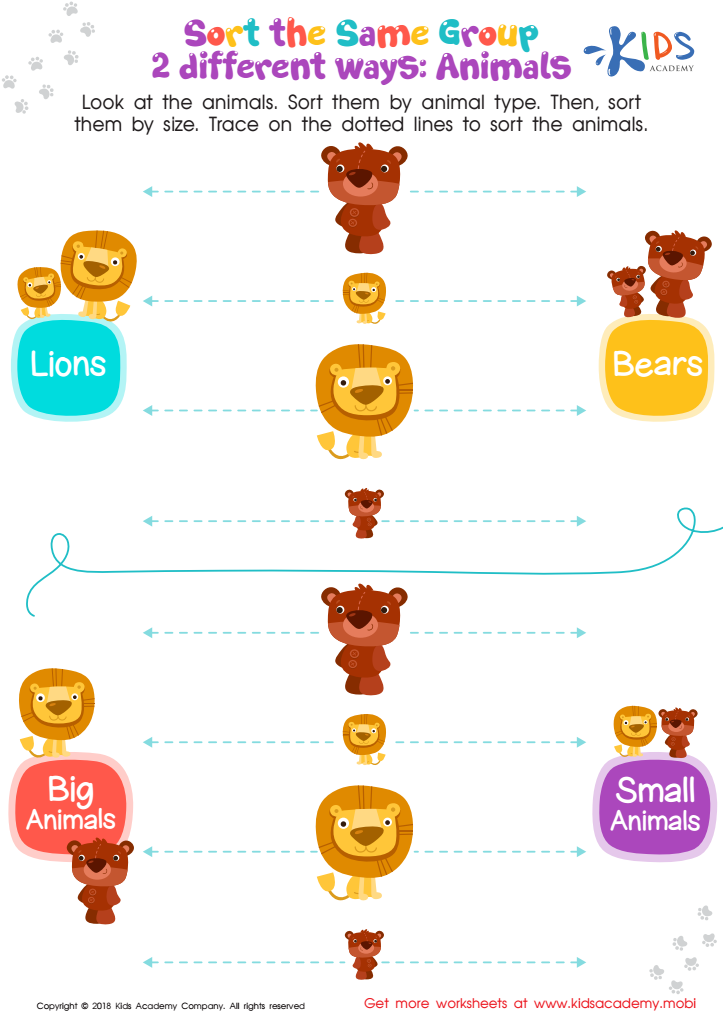
Sort the Same Group 2 Different Ways: Animals Worksheet
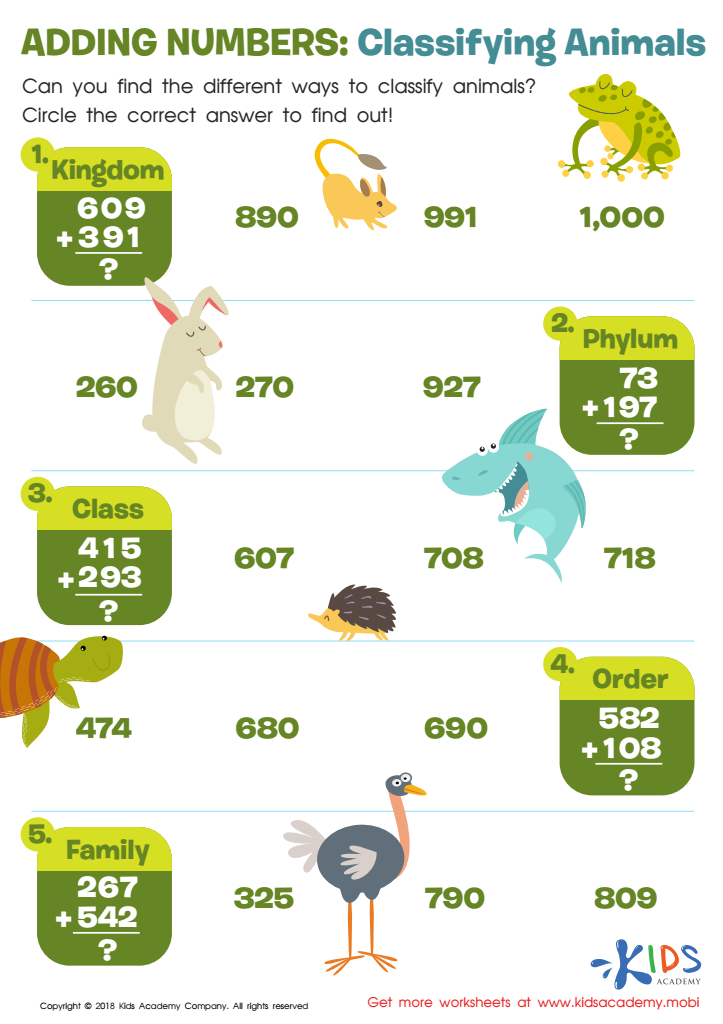
Adding Numbers: Classifying Animals Worksheet
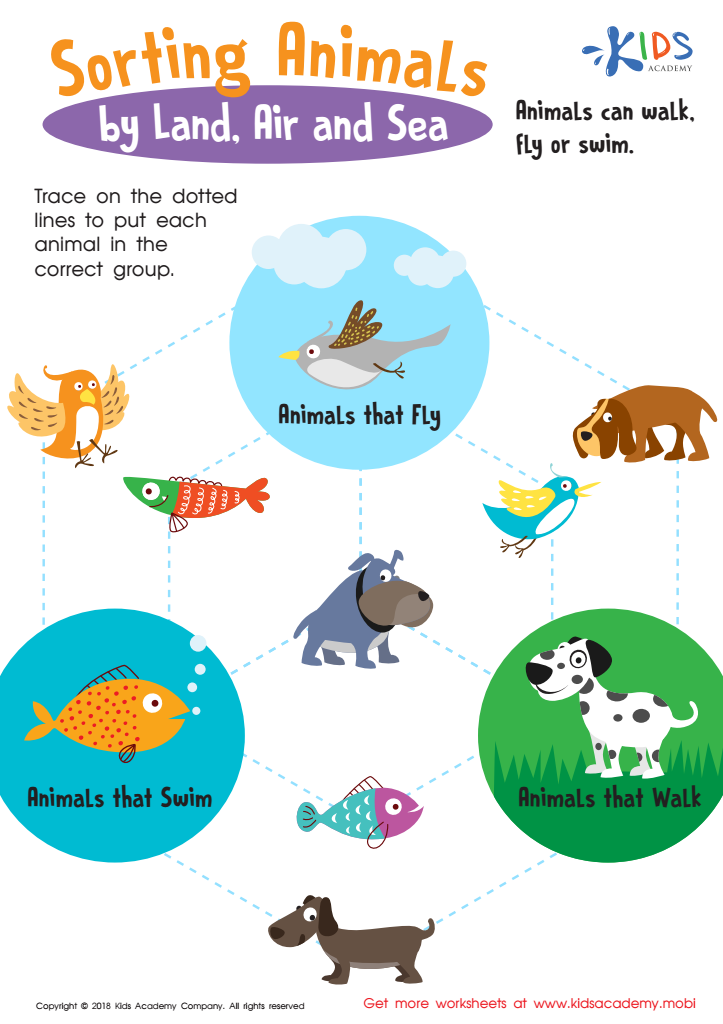
Sorting Animals by Land, Air and Sea Worksheet




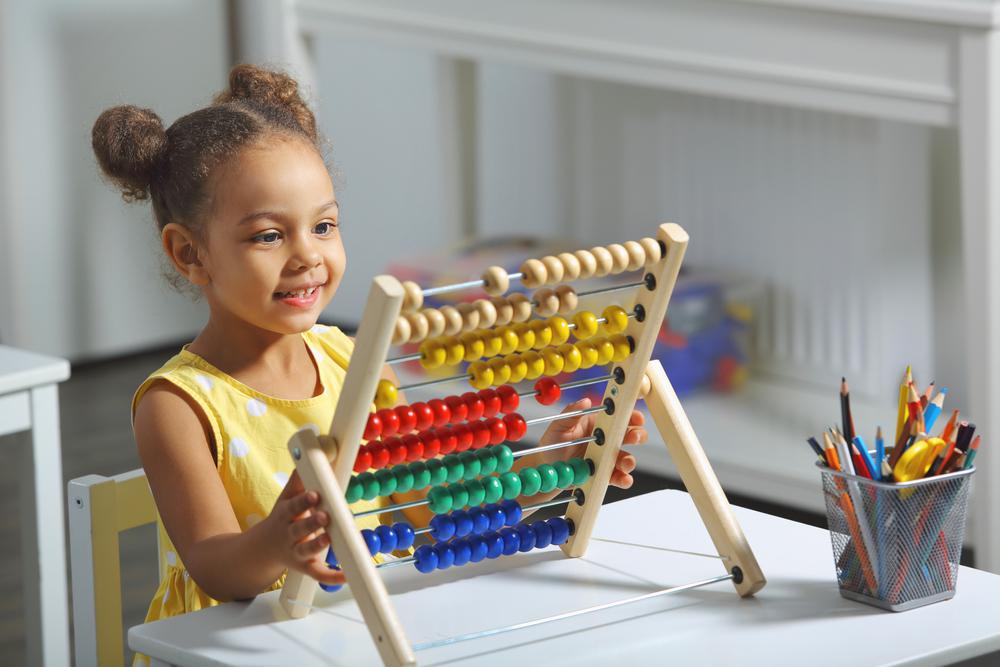



Animal Classification Math for children aged 3-7 is a playful yet essential educational tool that fosters both cognitive and emotional development. Engaging in animal classification activities helps young learners understand the concept of sorting and categorization, fundamental skills in both math and science. When children learn to classify animals into groups—such as mammals, birds, or reptiles—they experience hands-on learning, enhancing their critical thinking and problem-solving abilities.
Moreover, this type of activity integrates various subjects, offering interdisciplinary learning opportunities. For example, children can enhance their literacy skills by learning the names of different animals and their characteristics while practicing math by counting and comparing them.
Parents and teachers should also recognize the social aspect of animal classification math. Collaborative learning promotes communication and teamwork, allowing children to work together, share ideas, and build friendships all while exploring the fascinating world of animals.
In summary, by incorporating animal classification into math lessons, educators and parents enrich the educational experience of young children, laying a foundation for future learning in mathematics, science, literacy, and social skills. It's a fun and effective way to inspire curiosity and knowledge in our youngest learners.








