Basic Addition Math Worksheets for Ages 3-7 - Page 2
69 filtered results
-
From - To
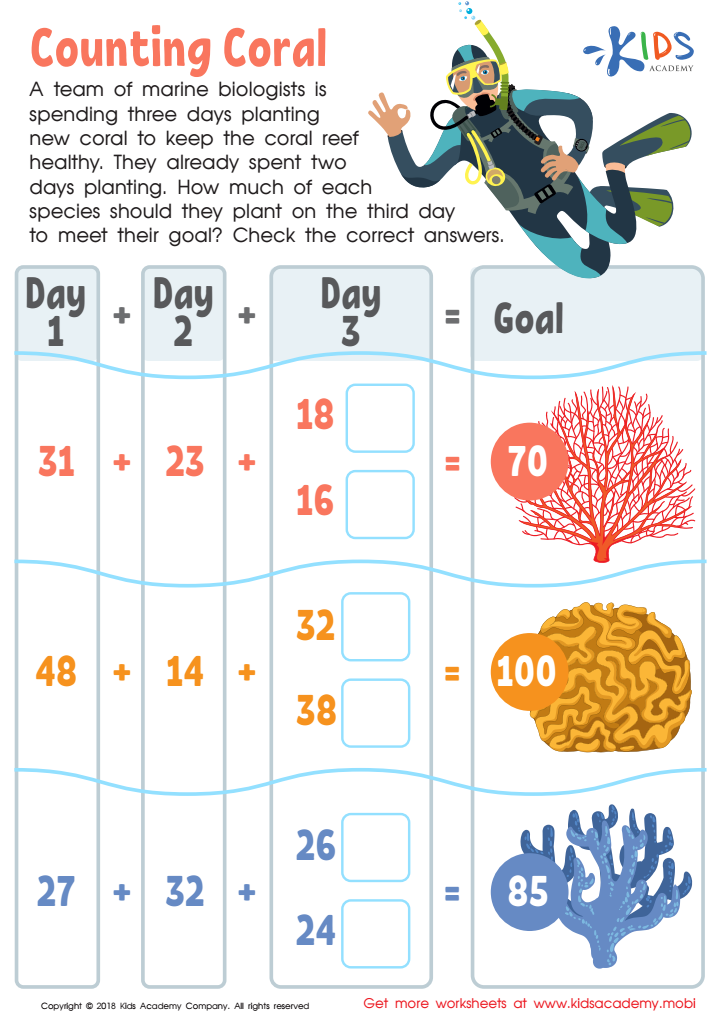
Counting Coral Worksheet
 Assign to My Students
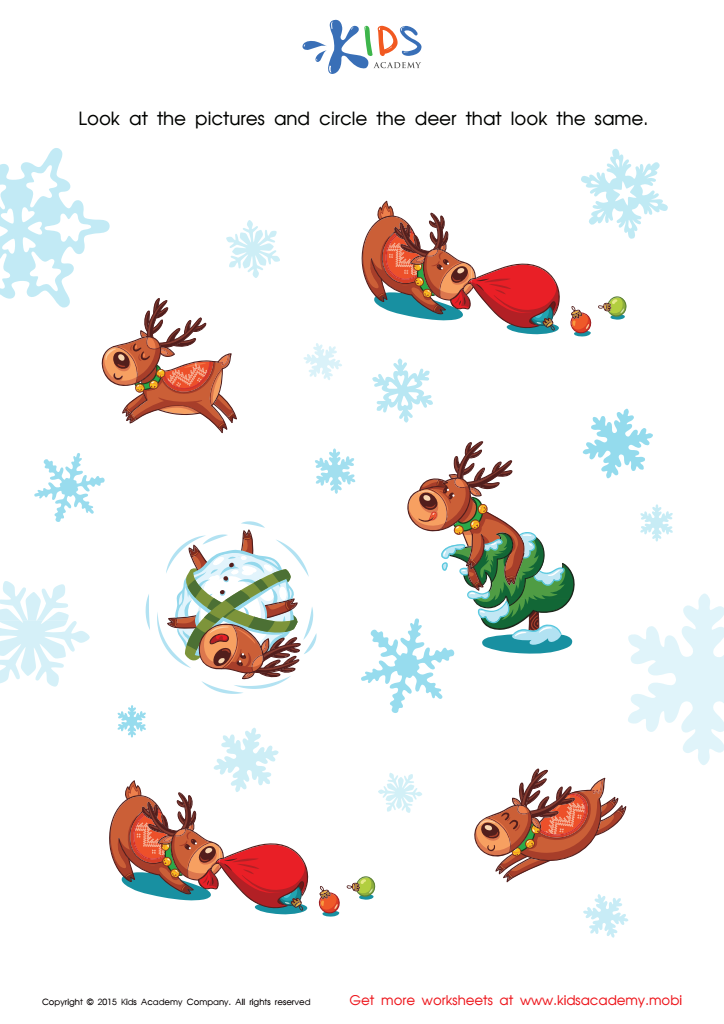
Count the Deer Worksheet
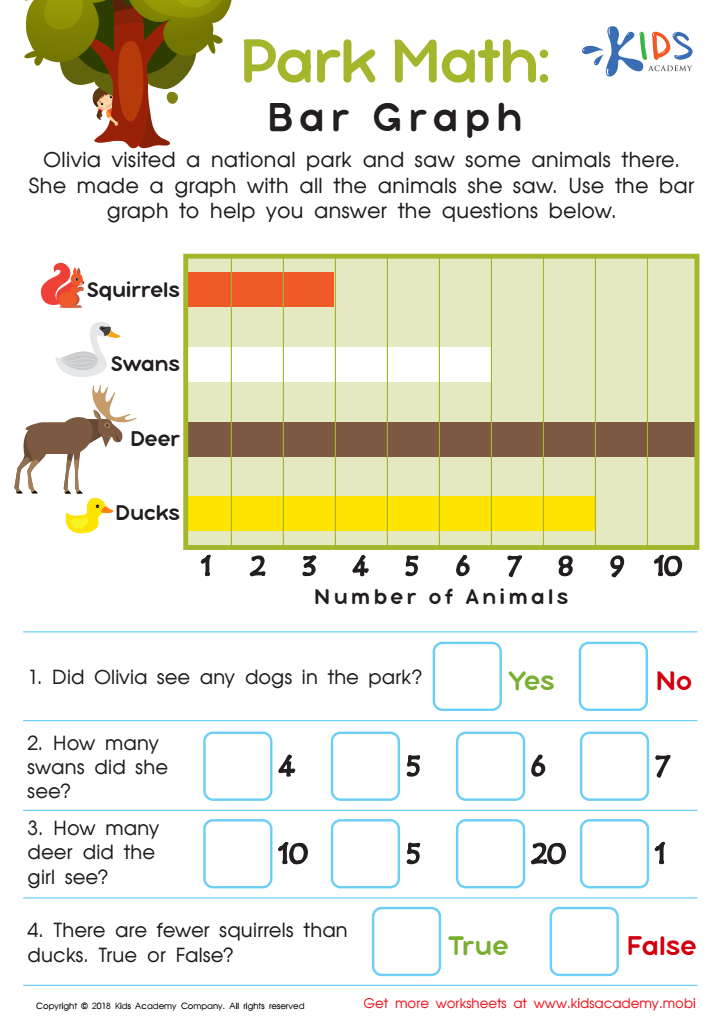
Park Math: Bar Graph Worksheet
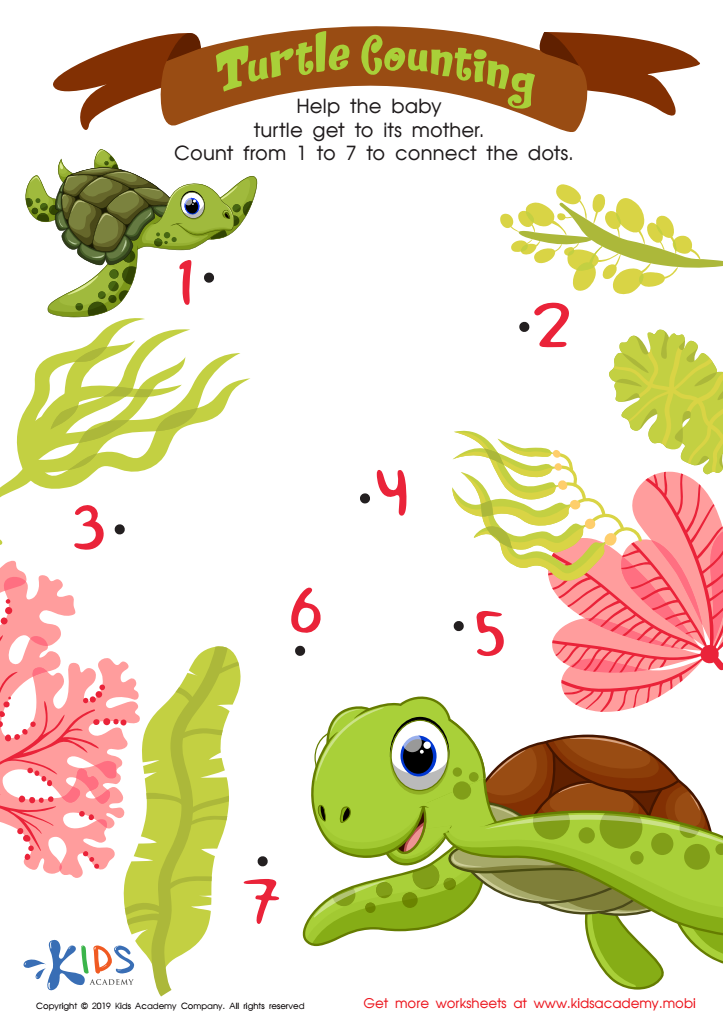
Turtle Counting Worksheet
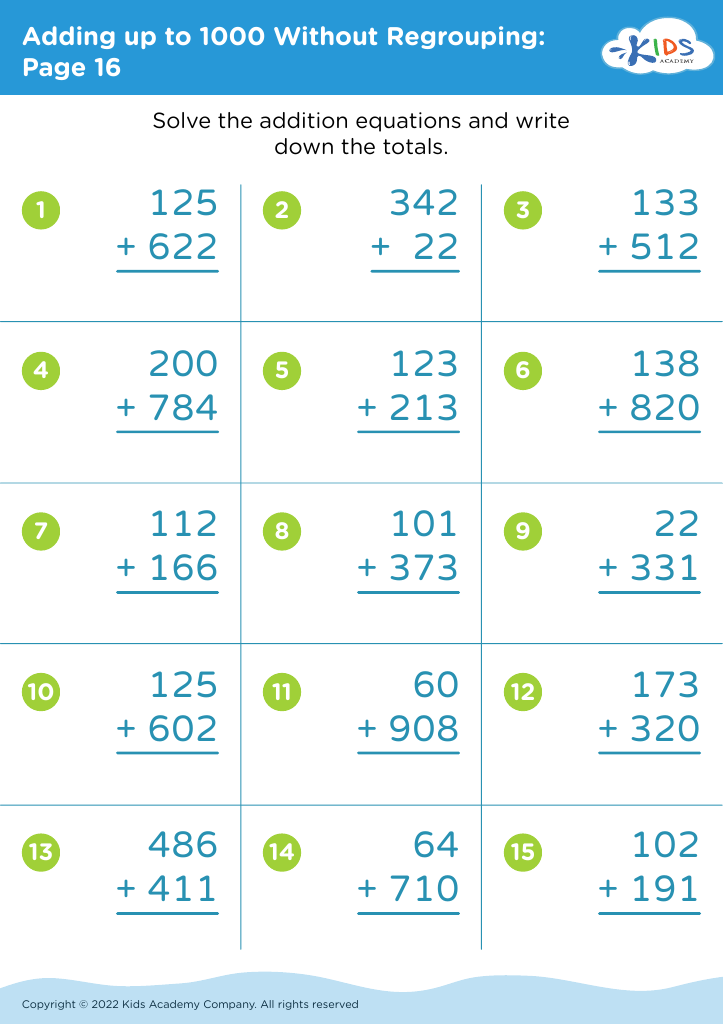
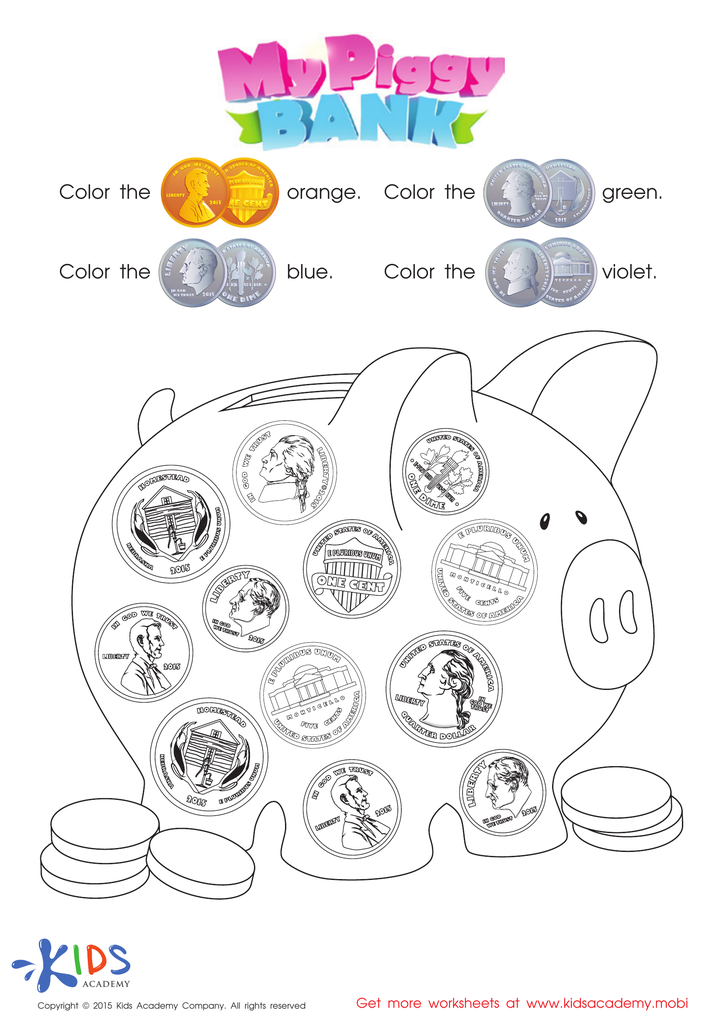
Recognizing Money Money Worksheet
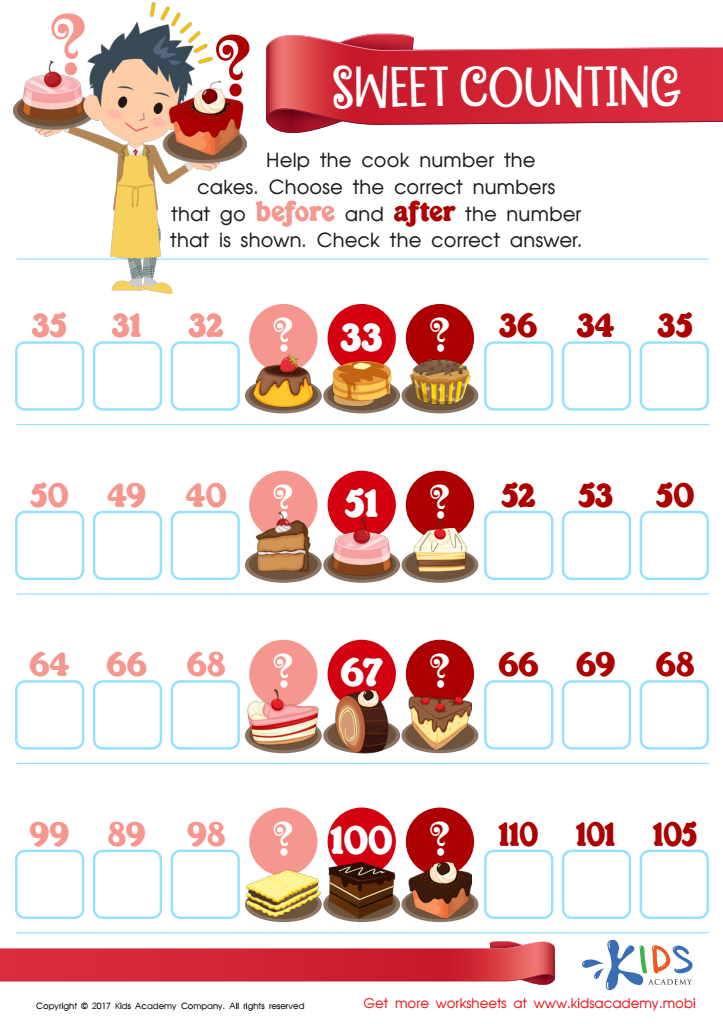
Sweet Counting - Part 1 Worksheet
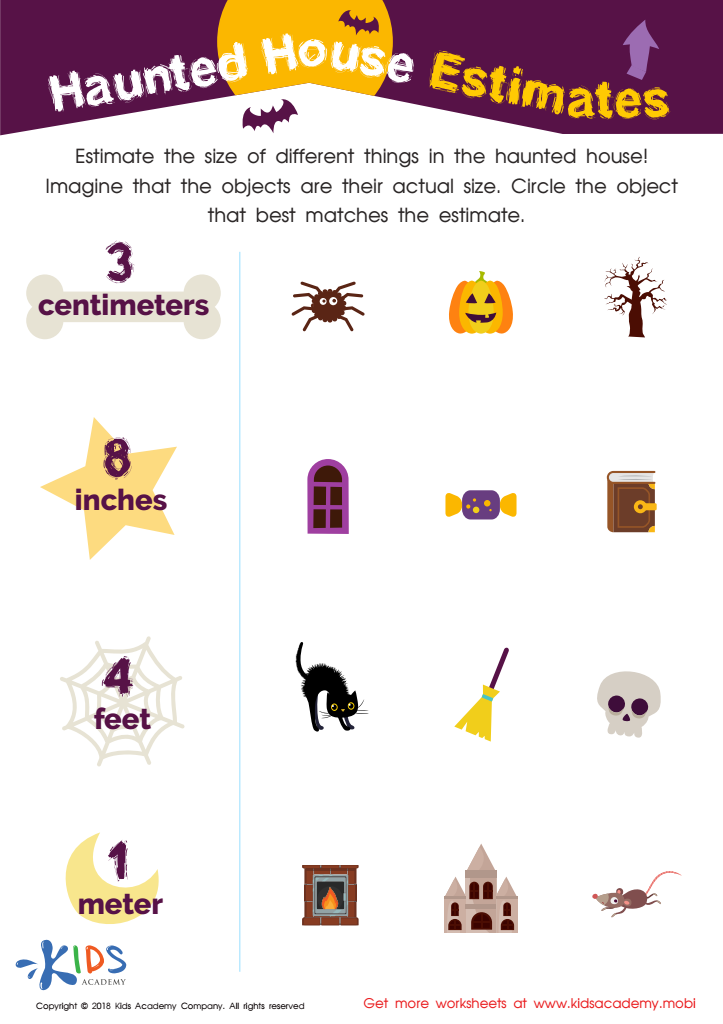
Haunted House Estimates Worksheet
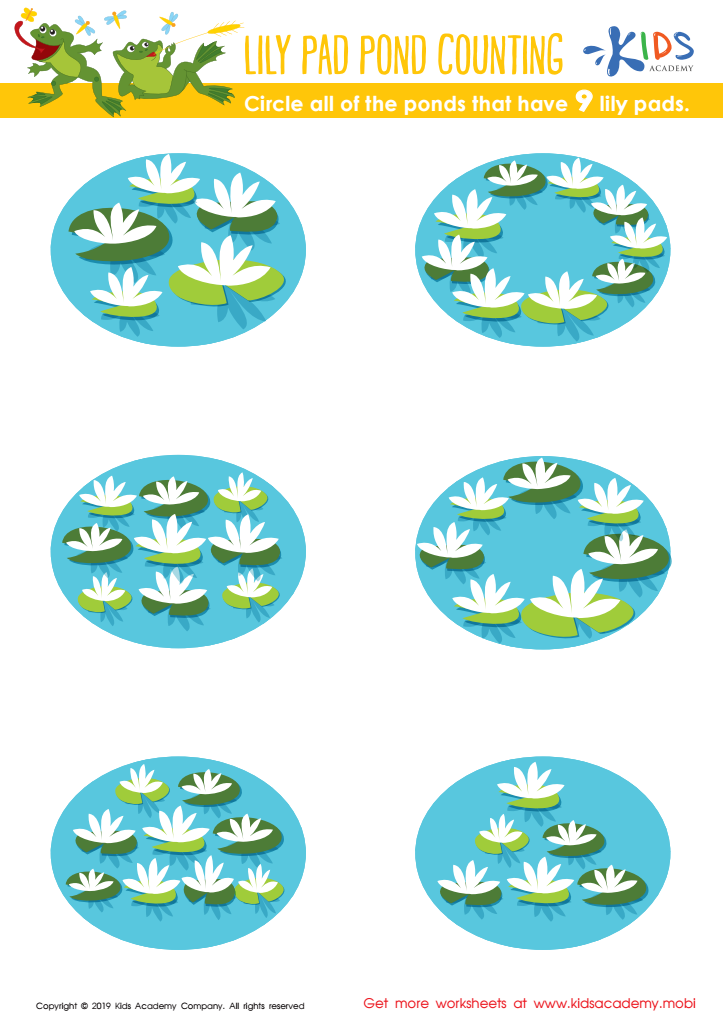
Lily Pad Pond Counting Worksheet
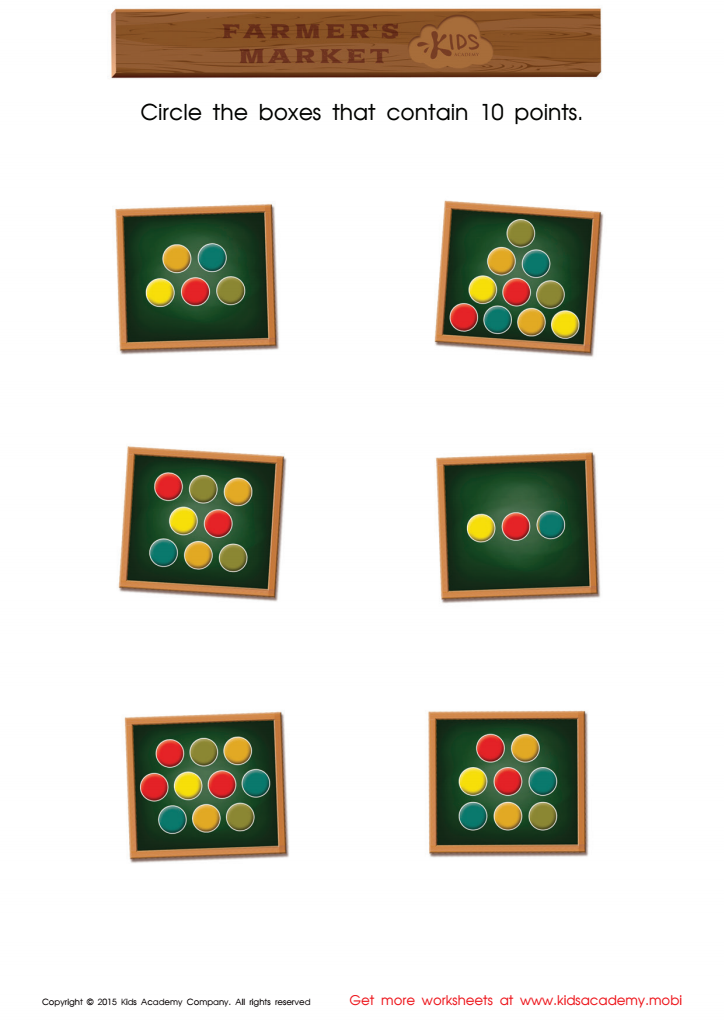
Count and Match Points 10 Math Worksheet
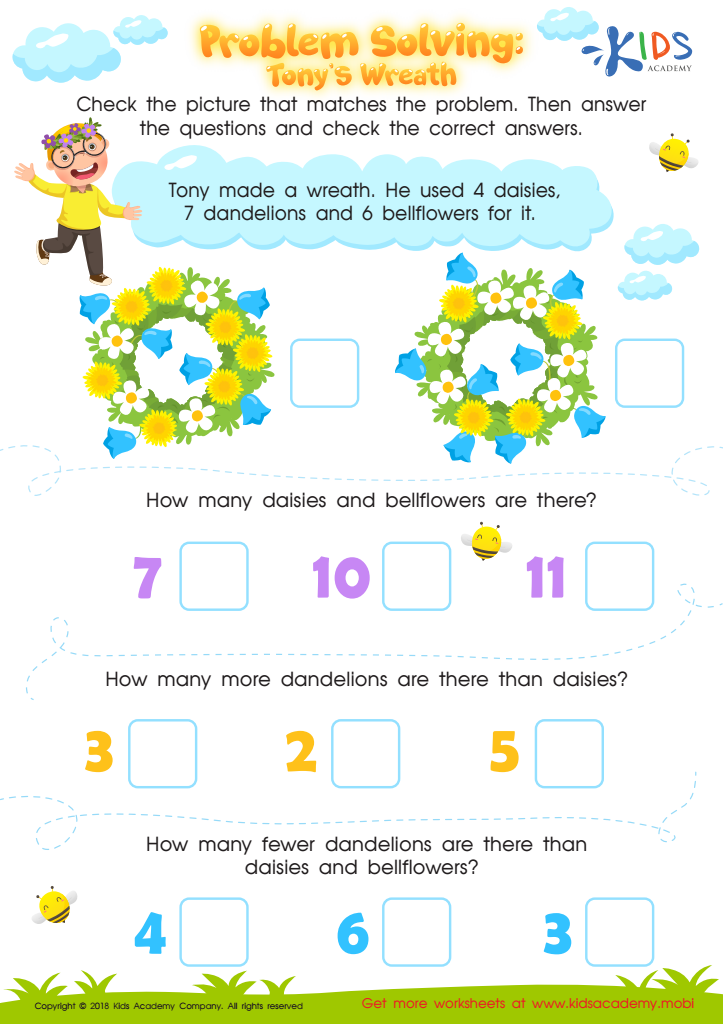
Problem Solving: Tony's Wreath Worksheet
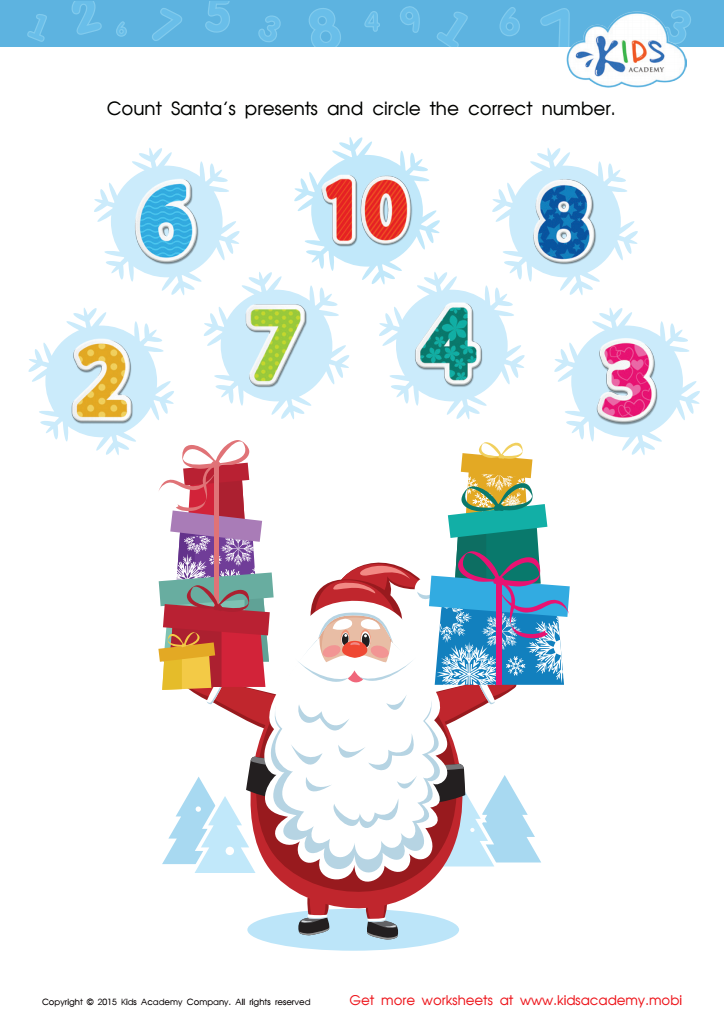
Count Santa's Presents Worksheet
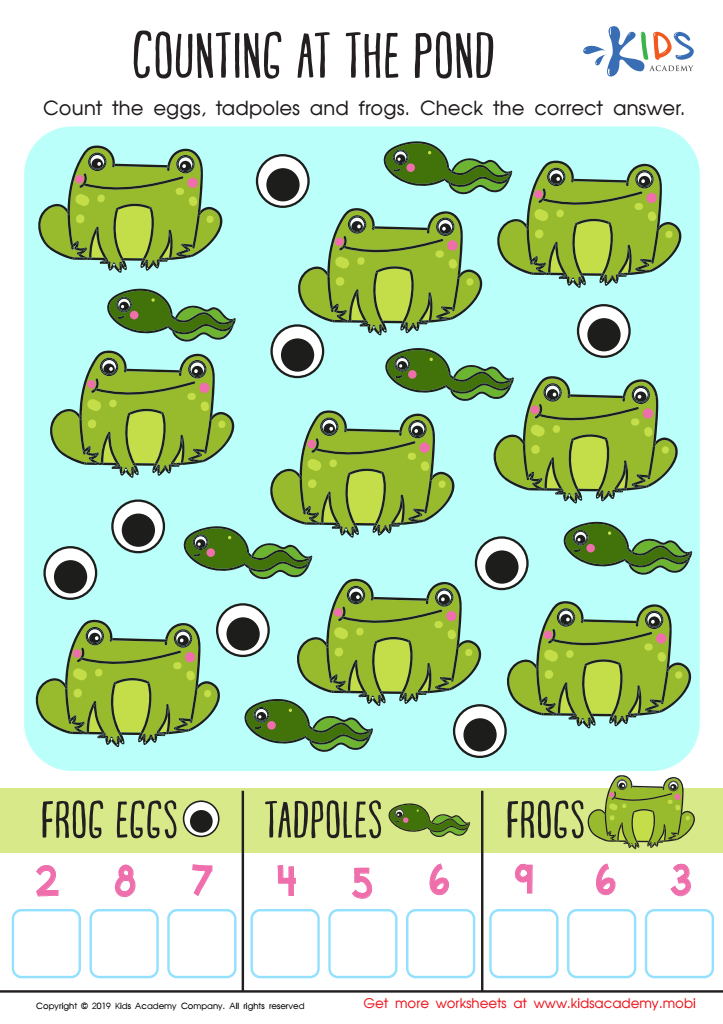
Counting at the Pond Worksheet
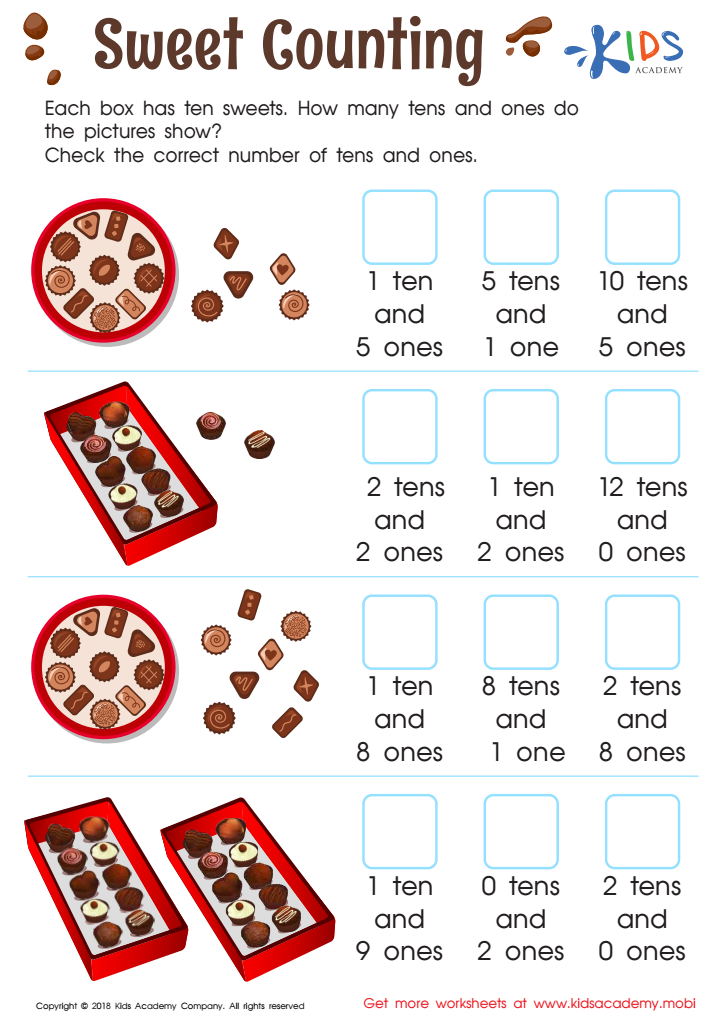
Sweet Counting - Part 2 Worksheet
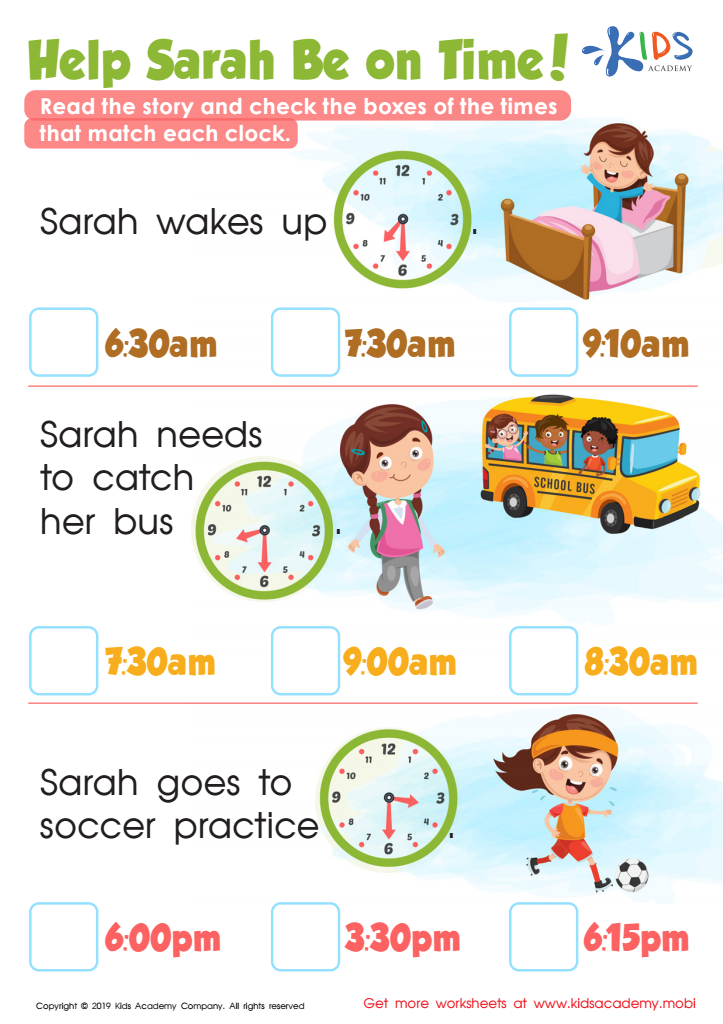
Help Sarah Be on Time! Worksheet
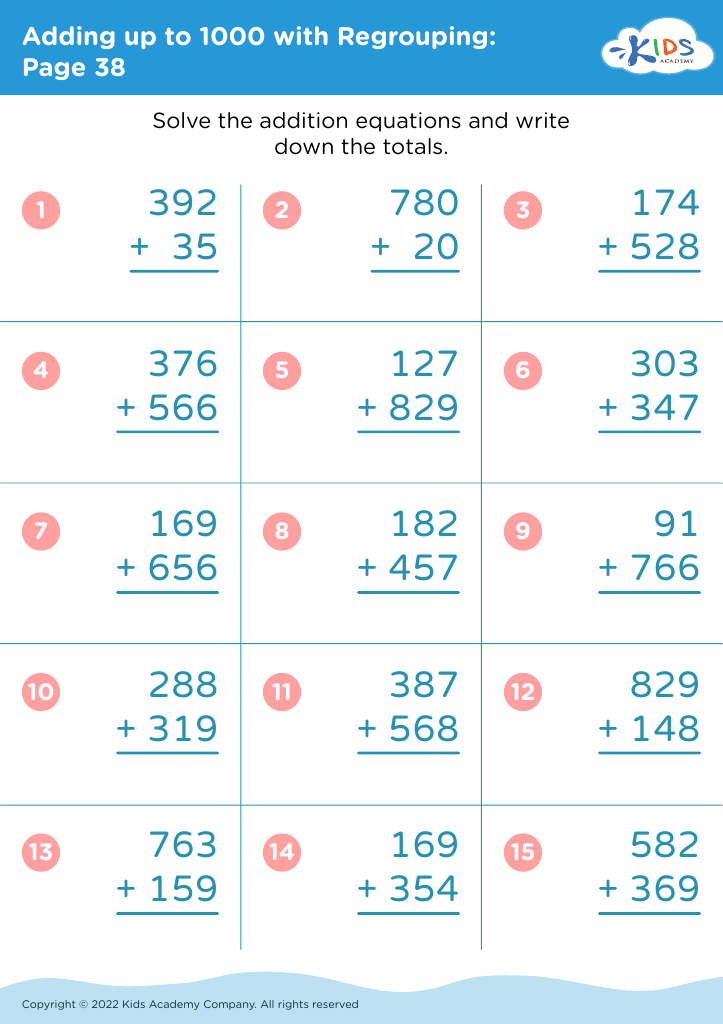
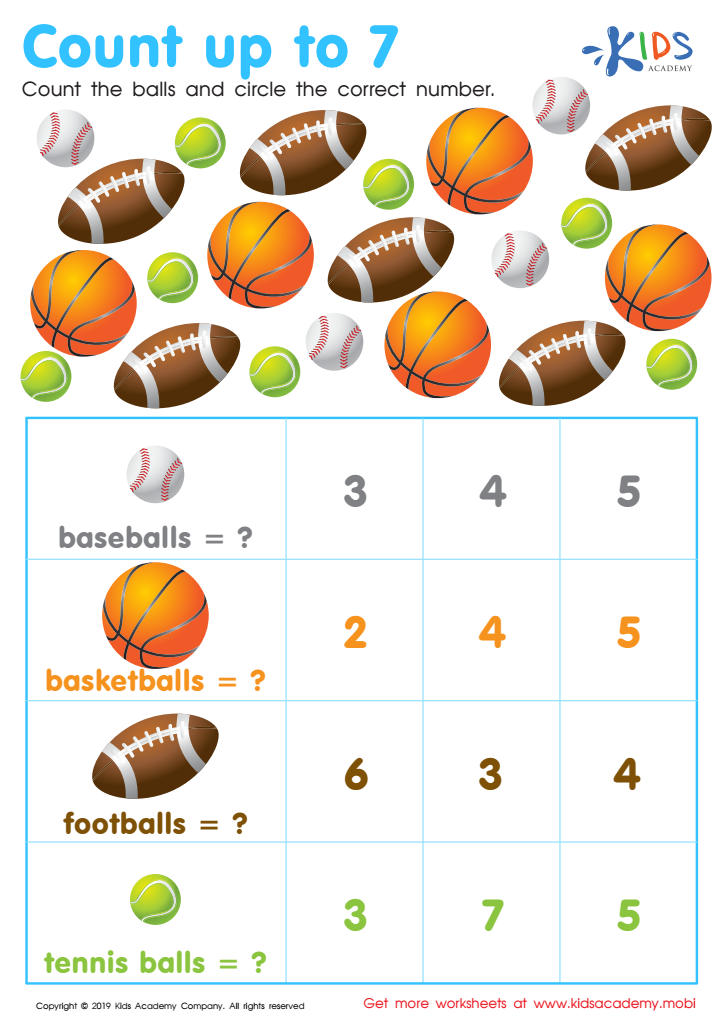
Count up to 7 Worksheet
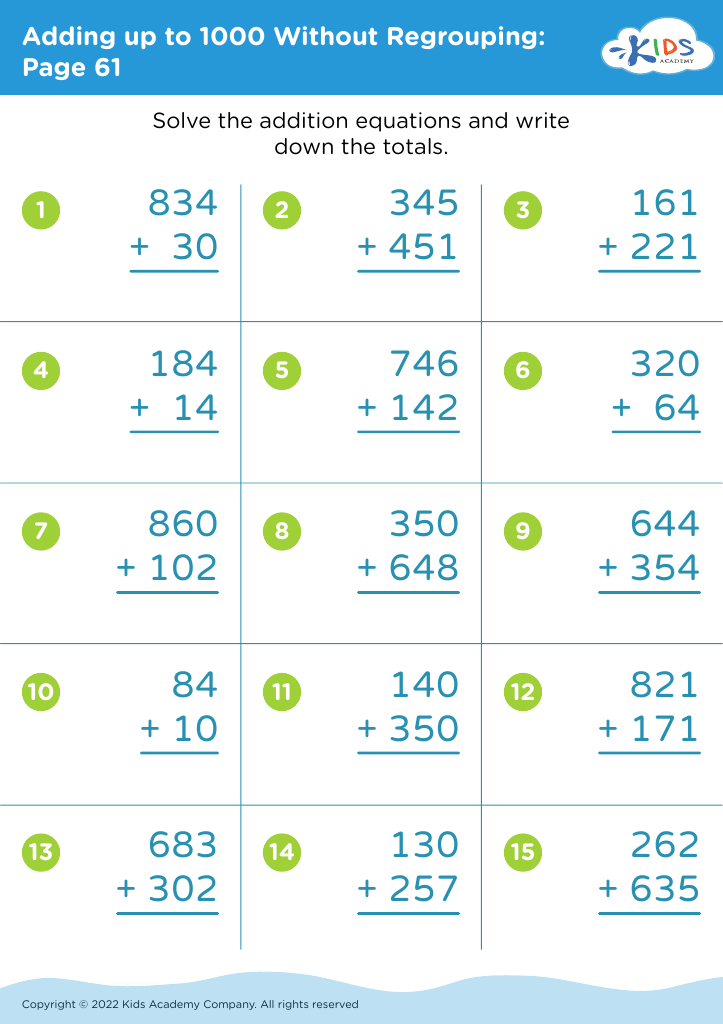
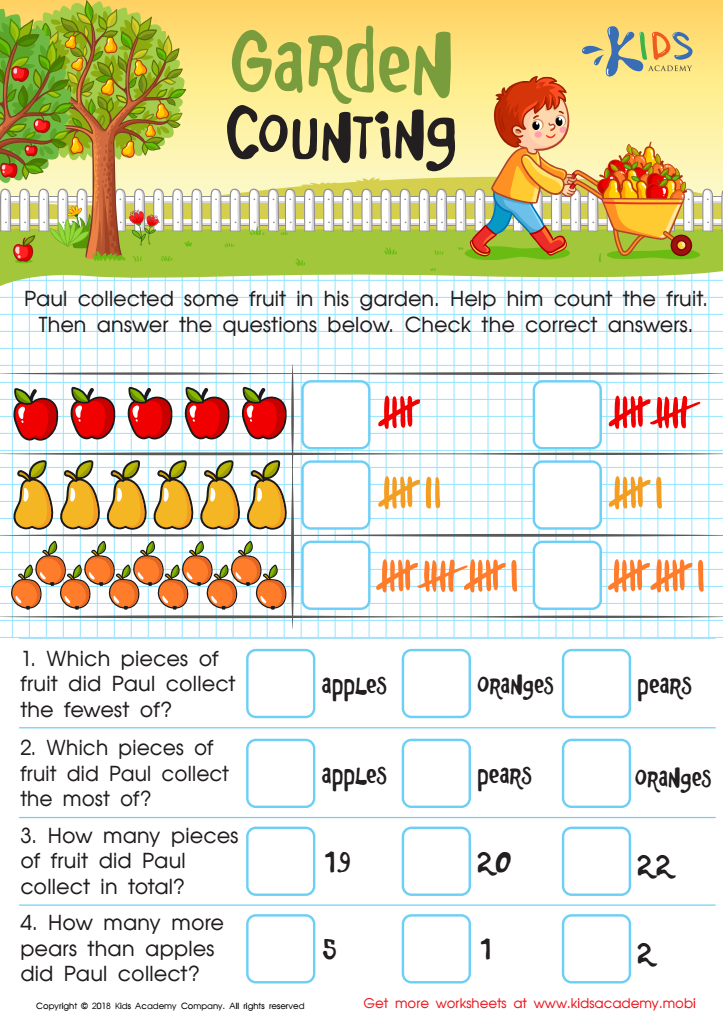
Garden Counting Worksheet
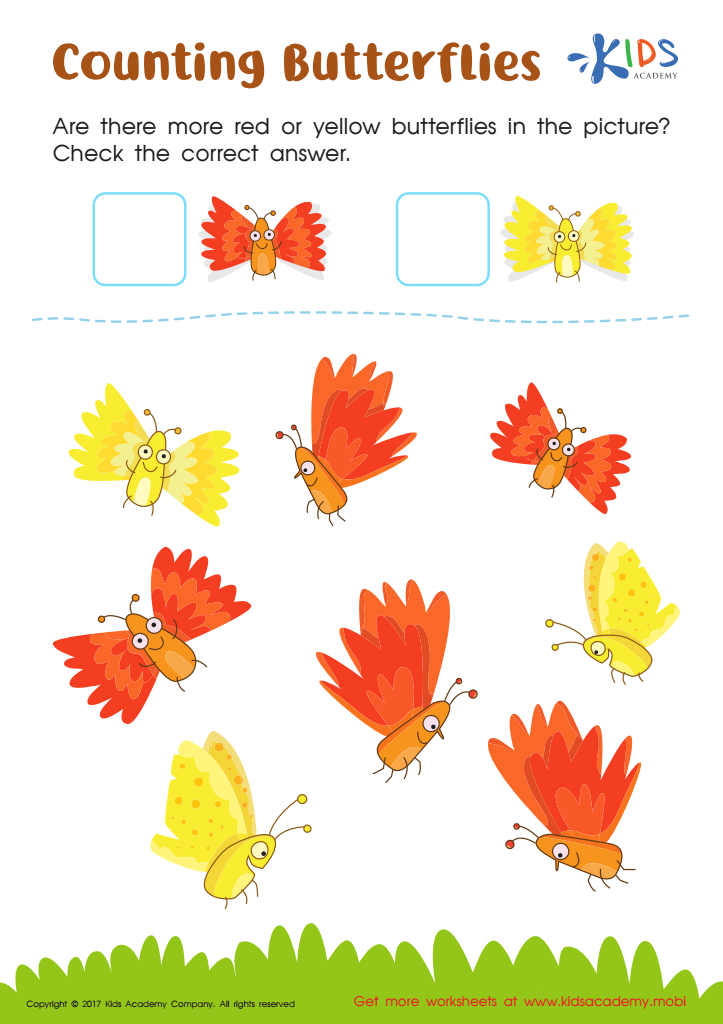
Counting Butterflies Worksheet
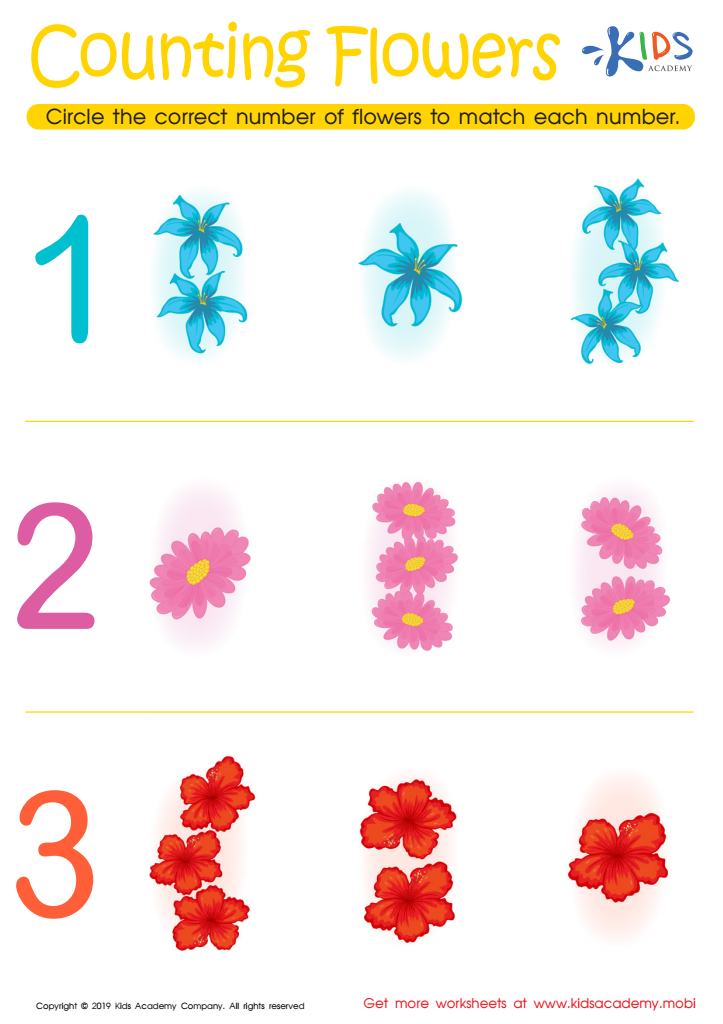
Counting Flowers Worksheet
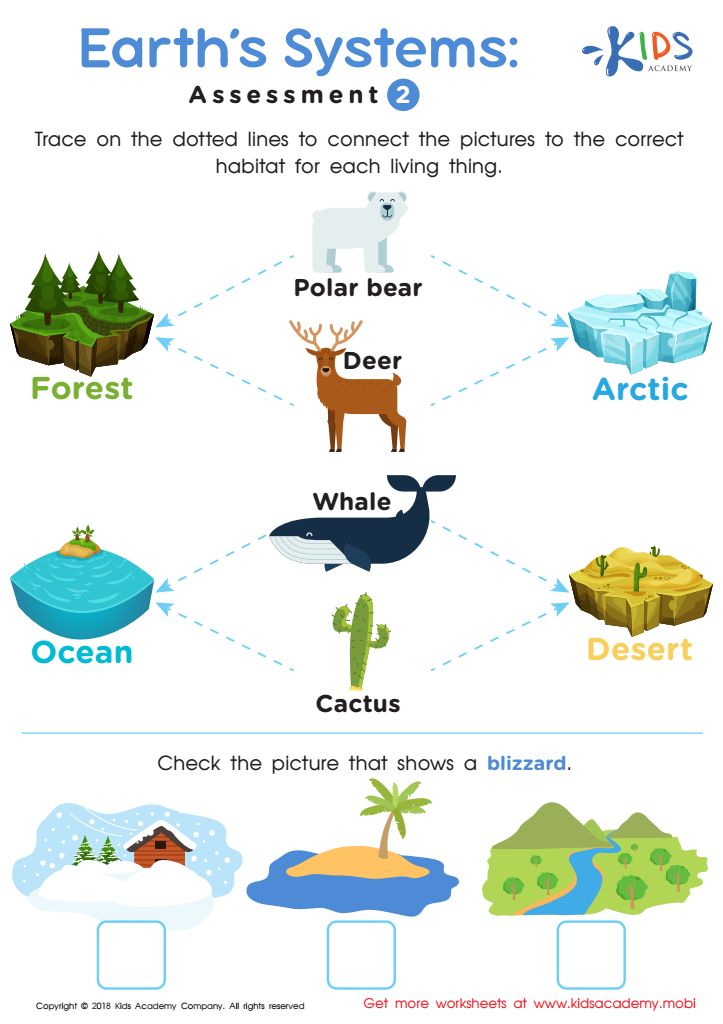
Earth's Systems: Assessment 2


.jpg)




Basic addition is a foundational skill that plays a crucial role in a child's early education and overall development. For children aged 3-7, mastering basic addition forms the building blocks for more complex mathematical concepts they will encounter later in their academic journey. Understanding how to combine groups of objects helps children develop logical thinking and problem-solving abilities, essential skills for everyday life.
Additionally, basic addition introduces children to patterns and relationships in numbers. It fosters cognitive development, as children learn to categorize and quantify their world. Engaging in addition activities encourages social interaction, promoting communication skills through group work and play-based learning.
Moreover, early proficiency in addition builds confidence. Children who grasp these fundamentals are more likely to excel in mathematics as they grow, making learning enjoyable and reducing anxiety toward the subject.
Parents and teachers play a vital role by providing supportive environments and resources that make learning fun and engaging, allowing children to explore numbers through games and real-life situations. Therefore, fostering a strong foundation in basic addition is essential, as it underpins future learning, ignites curiosity, and nurtures a lifelong love of mathematics.








