Develop critical thinking Math Worksheets for Ages 3-7
13 filtered results
-
From - To
Unlock your child's potential with our critical thinking math worksheets for ages 3-7 at Kids Academy! These expertly designed printables foster essential problem-solving and analytical skills through engaging, age-appropriate math activities. Delightful themes and interactive exercises make learning math exciting and fun. Our worksheets focus on developing crucial cognitive abilities such as pattern recognition, logical reasoning, and sequential thinking. Perfect for home or classroom use, they provide a strong foundation for academic success. Help your child build confidence and a love for math with our comprehensive collection of critical thinking worksheets. Start exploring and watch the learning magic unfold!
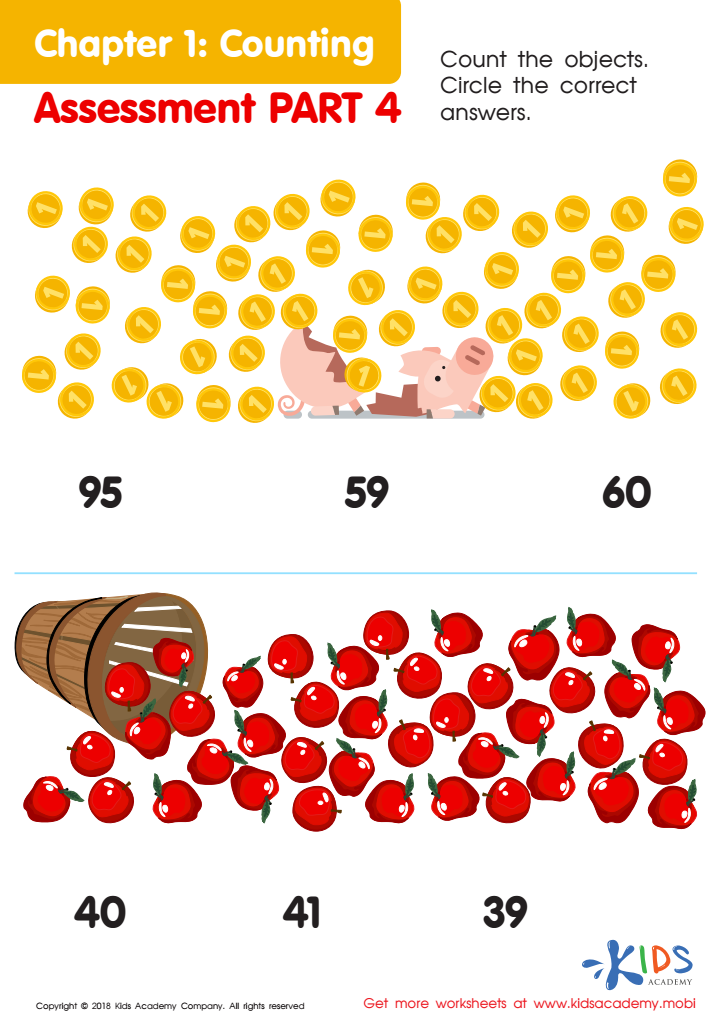
Counting: Assessment 4 Worksheet
 Assign to My Students
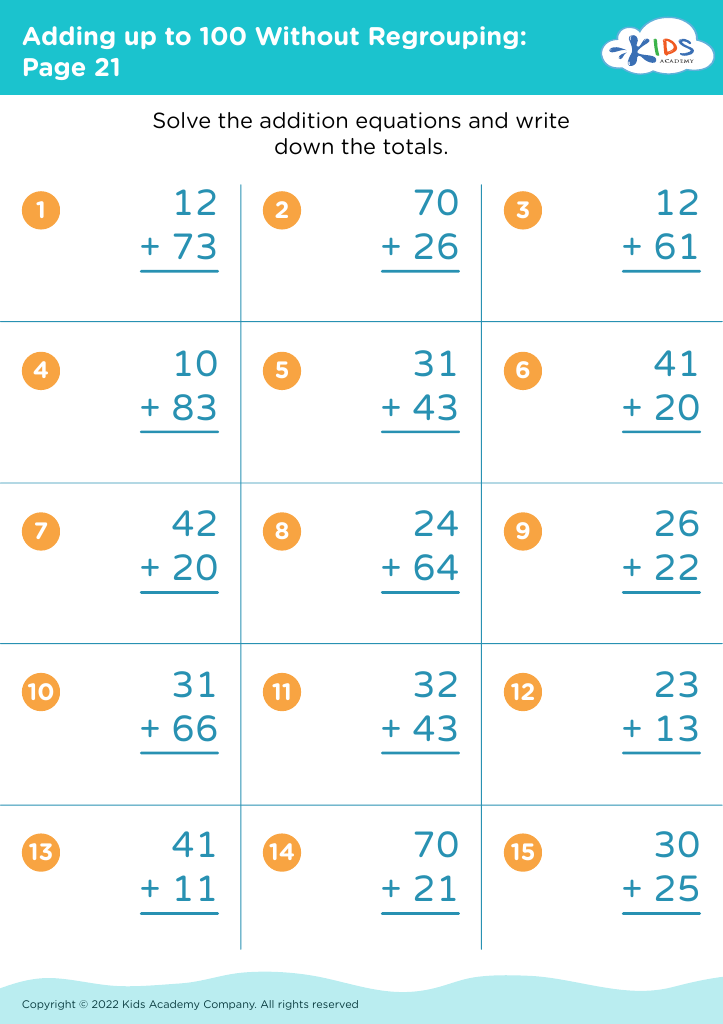
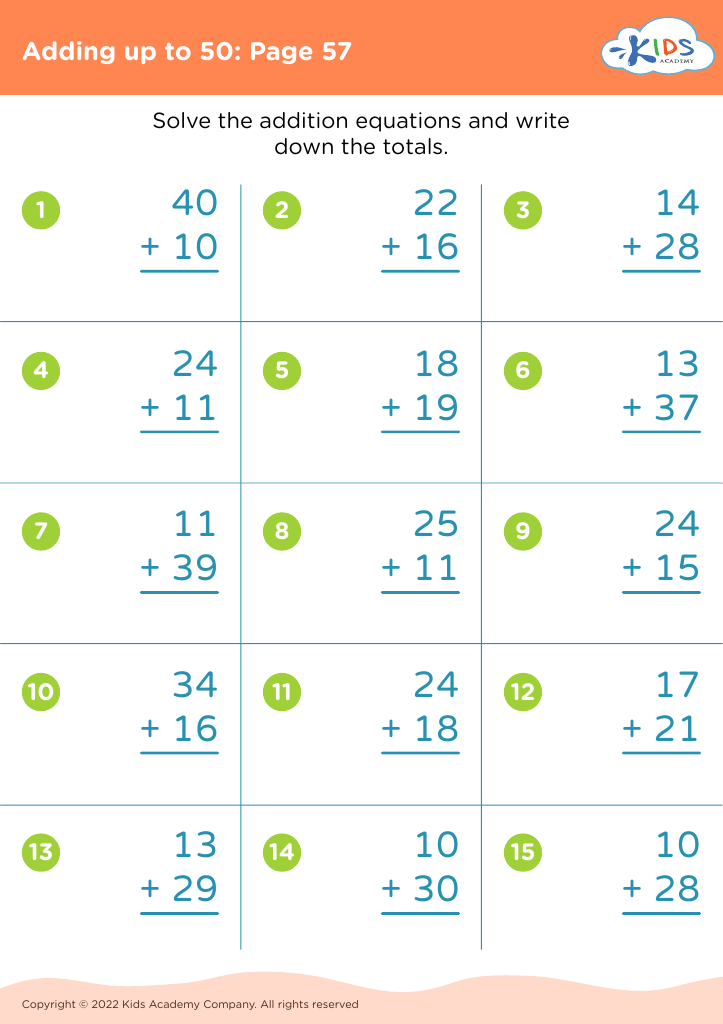
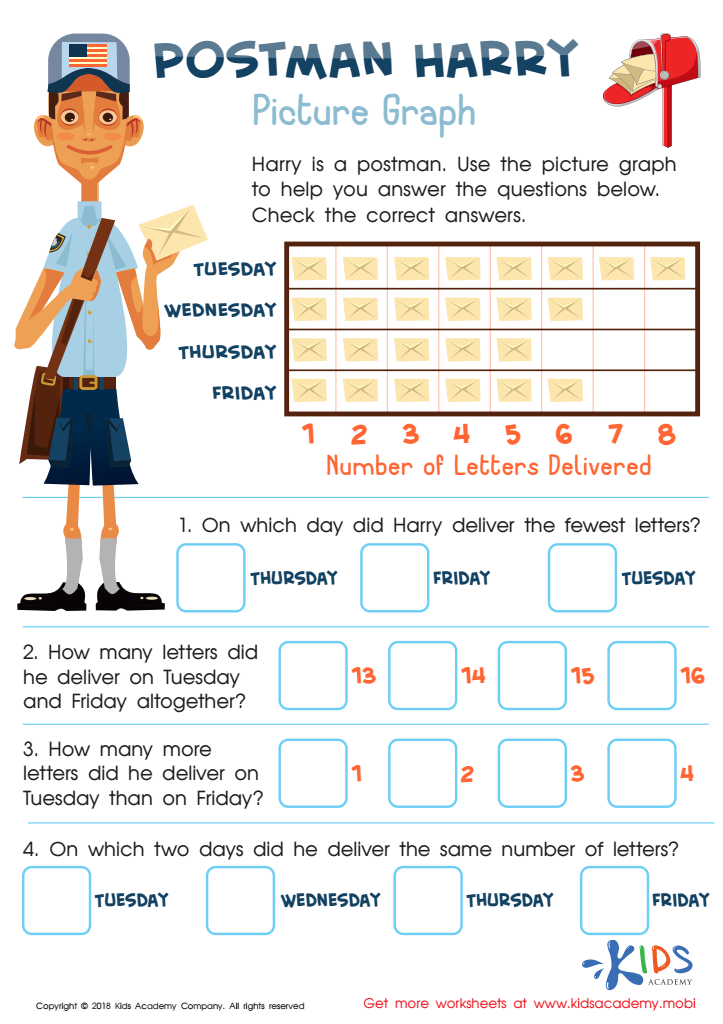
Postman Harry: Picture Graph Worksheet
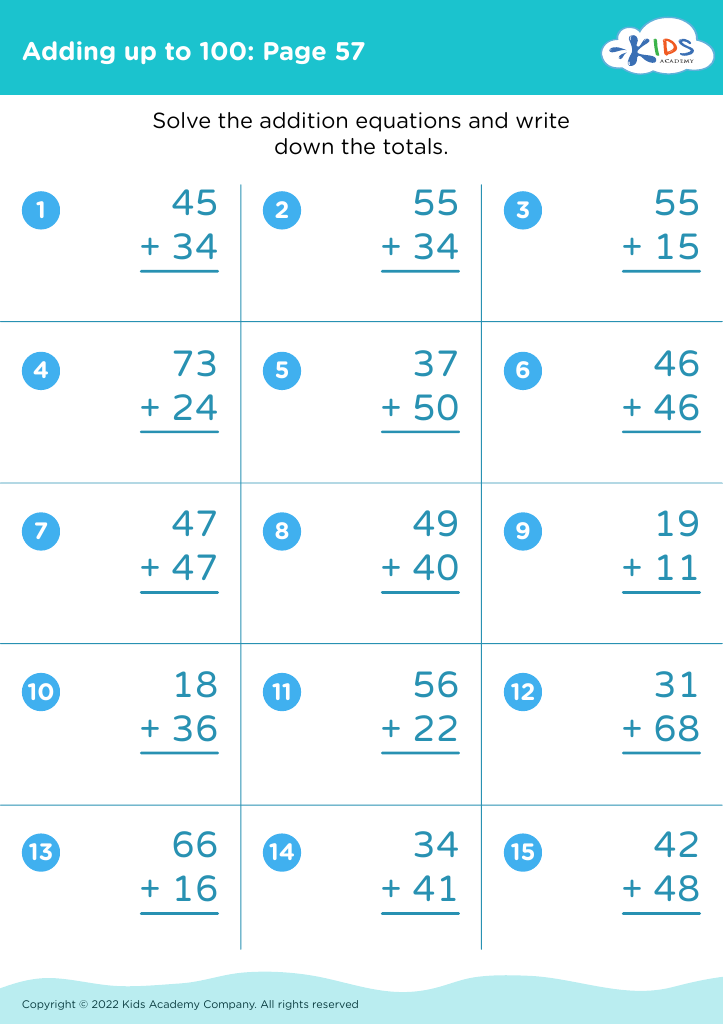
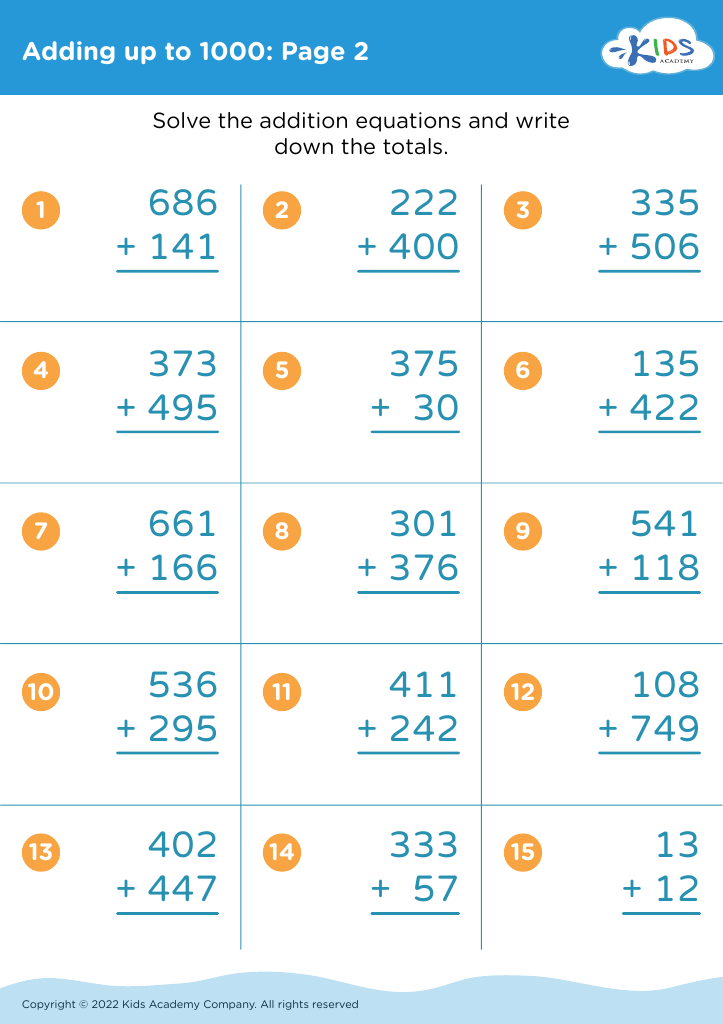
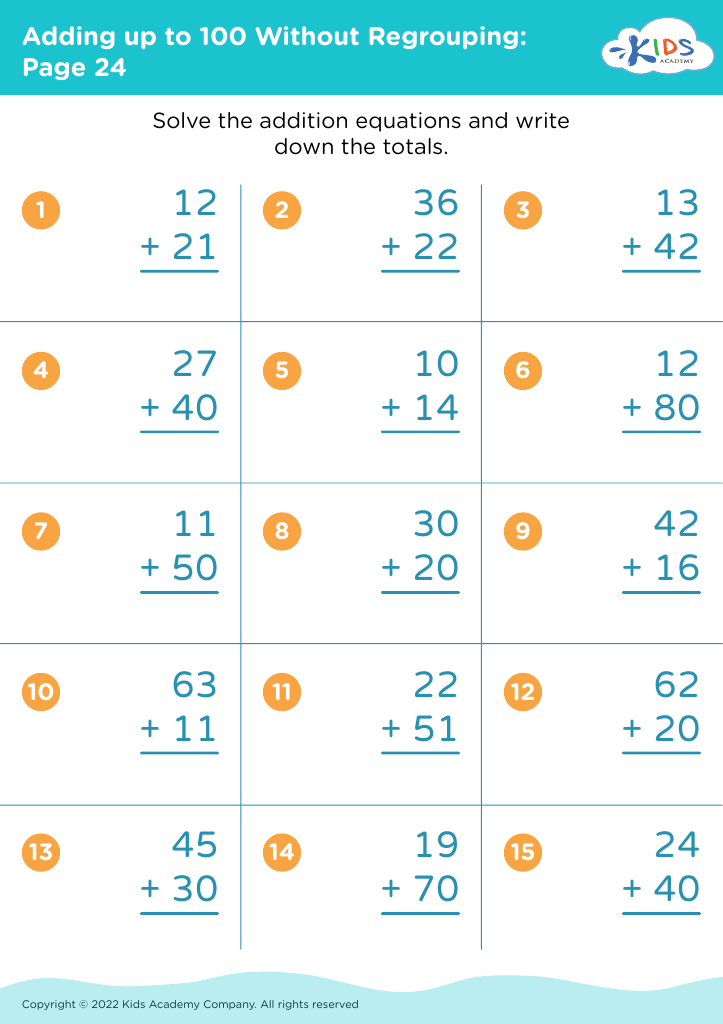
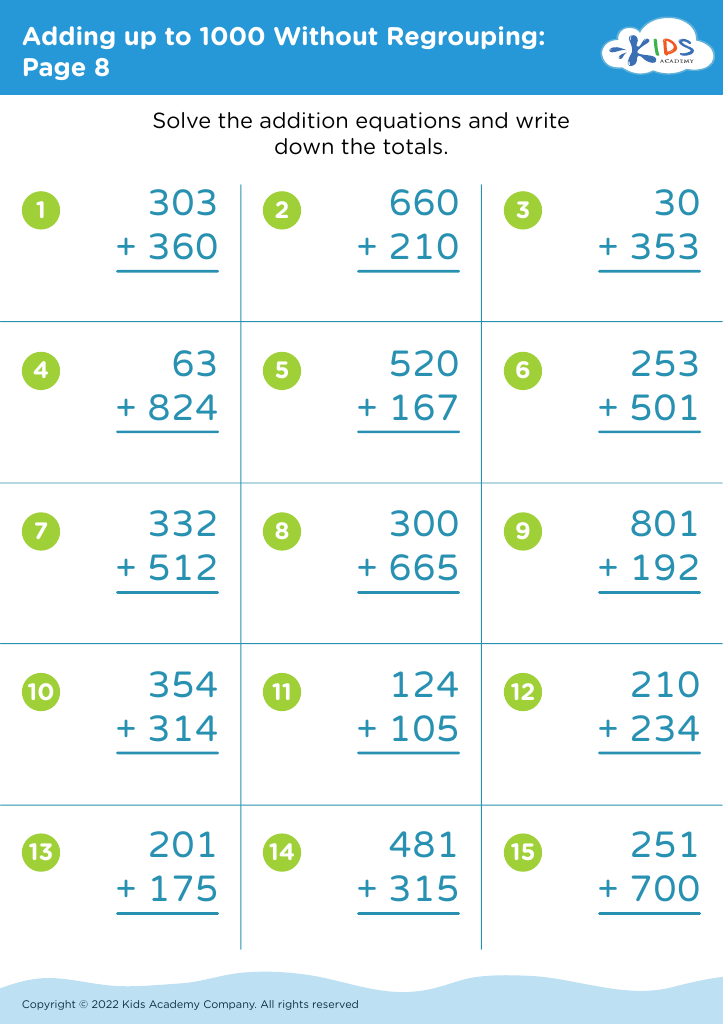
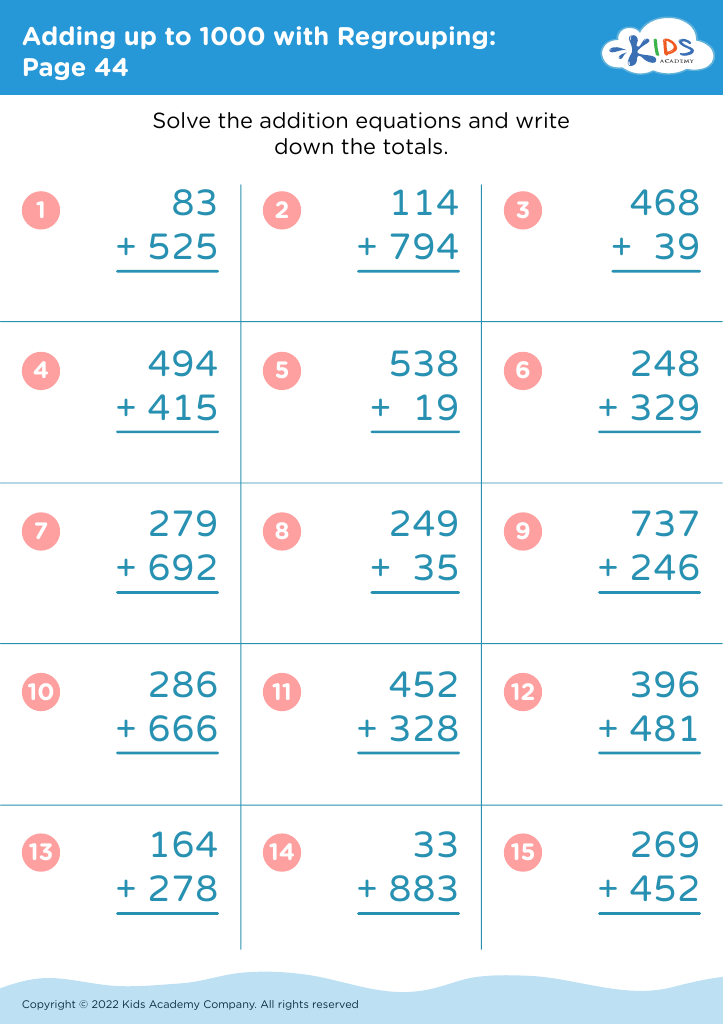








Developing critical thinking in math for children ages 3-7 is crucial because it lays the early foundation for lifelong learning and problem-solving skills. At this formative stage, children's brains are exceptionally receptive to new information and ways of thinking. Introducing them to mathematical concepts and encouraging logical reasoning helps build their ability to think systematically and make sense of the world around them.
When children learn to recognize patterns, sort objects, and understand basic relationships between numbers and quantities, they are not just memorizing facts—they are learning to process and analyze information. This sets the stage for more complex cognitive skills such as problem-solving, analytical reasoning, and decision-making.
Moreover, fostering a love of math and critical thinking early on can mitigate math anxiety and build confidence. It also supports their overall academic success as math skills are often linked to better performance in other subjects like science and reading.
For parents and teachers, investing in critical thinking activities presents the opportunity to cultivate curiosity and resilience. Simple activities like puzzles, counting games, and interactive story problems are not only engaging but also help young children apply math in everyday situations, making learning both practical and enjoyable. In summary, nurturing critical thinking in math isn't just about improving math scores—it's about empowering young minds to tackle challenges creatively and confidently throughout their lives.








