Fraction Addition Math Worksheets for Ages 3-7
15 filtered results
-
From - To
Unlock the world of fractions for your little learners with our Fraction Addition Math Worksheets for Ages 3-7! Designed especially for young minds, these engaging worksheets simplify the concept of adding fractions through colorful visuals and easy-to-follow steps. Perfect for both classroom and home use, our resources help children build a solid math foundation while having fun. Watch as they develop confidence and skills with each completed activity. Ideal for parents and teachers who strive to make math learning enjoyable and effective. Download now from Kids Academy and make fraction addition child's play!
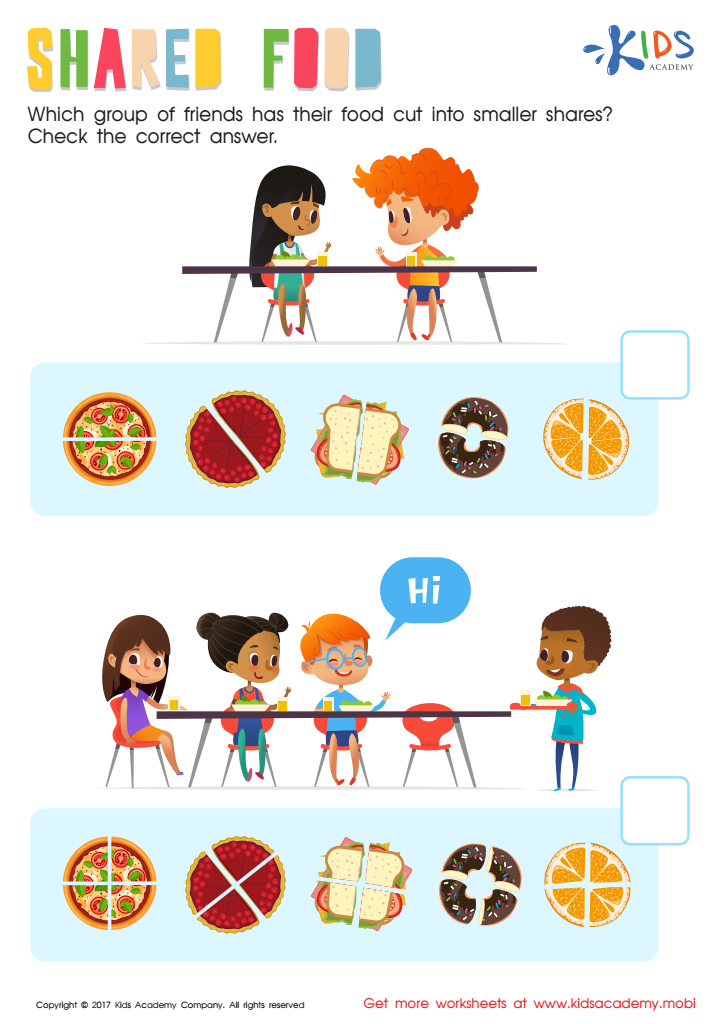
Shared Food Worksheet
 Assign to My Students
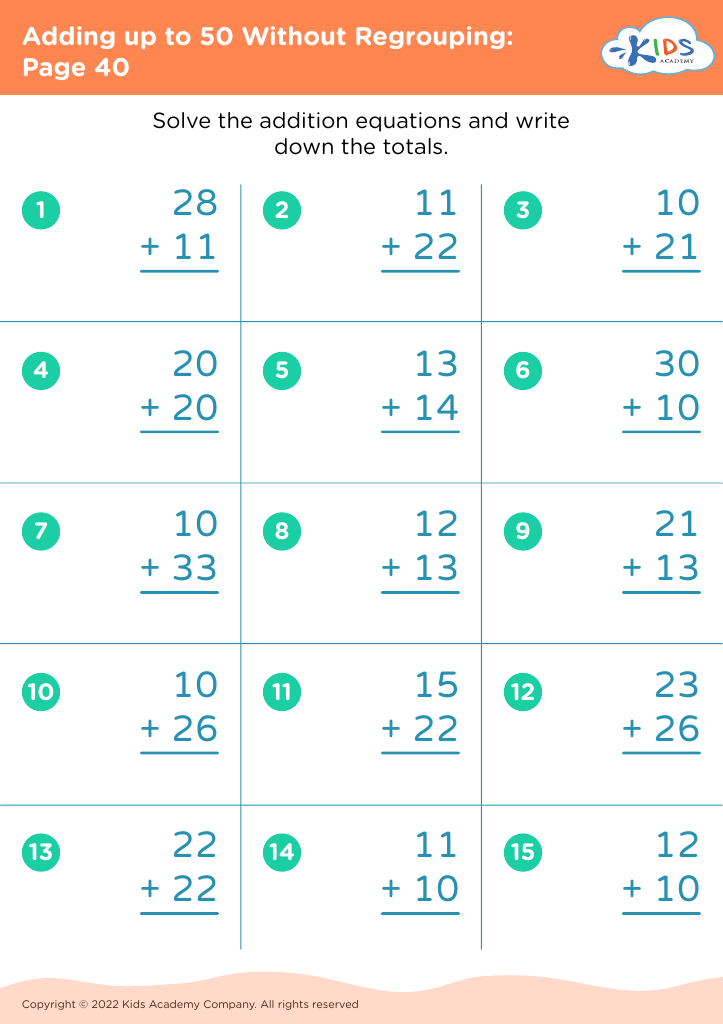
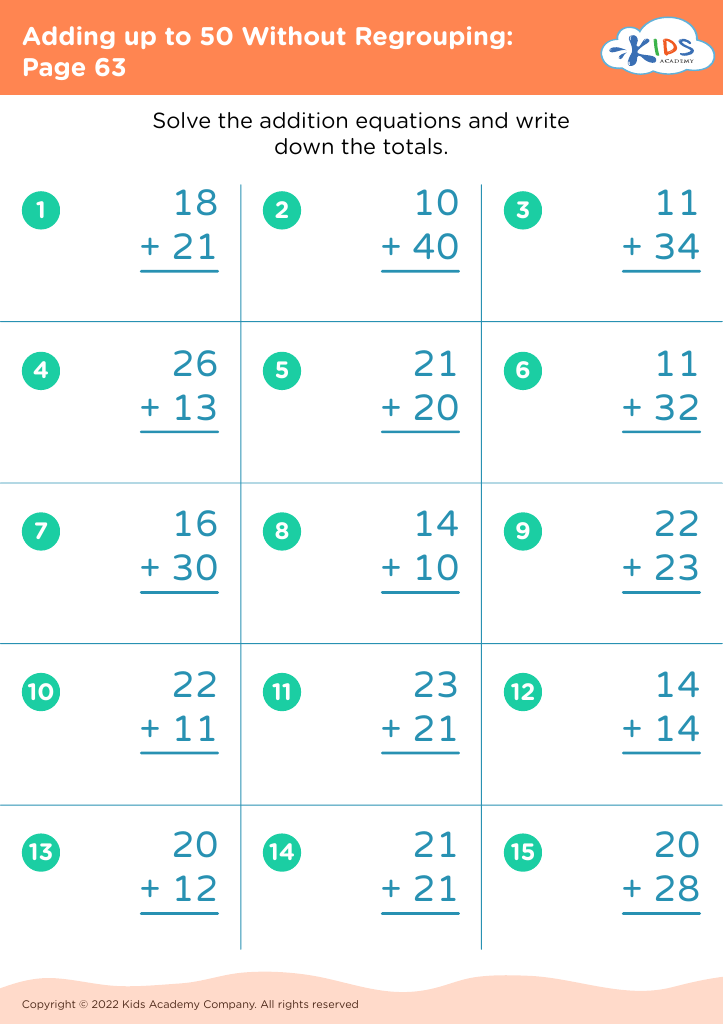
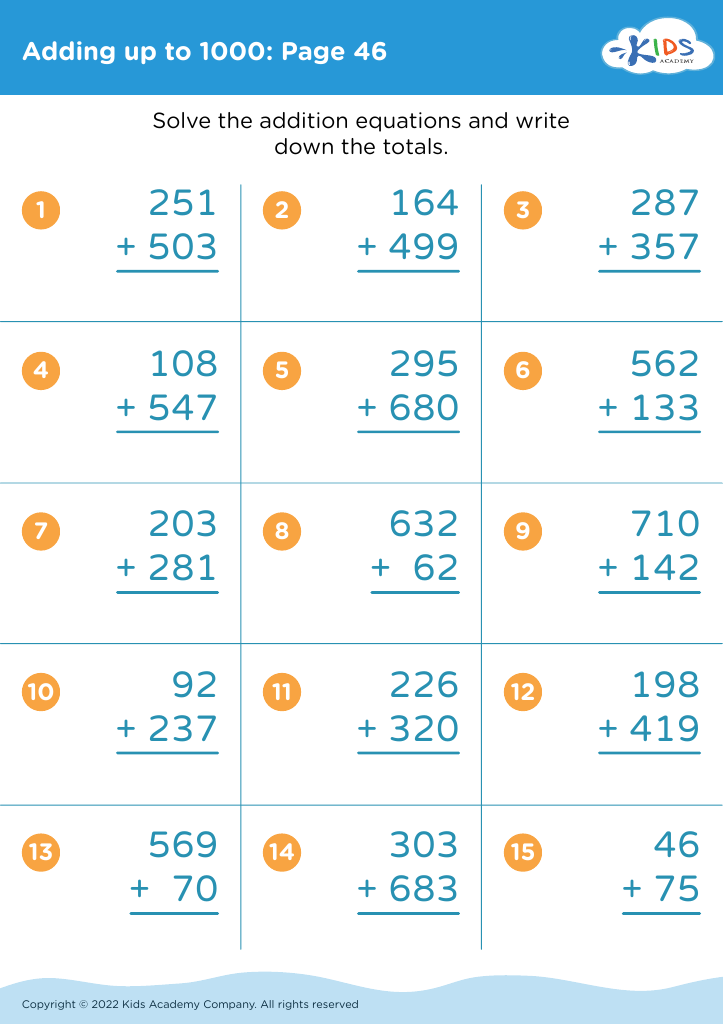
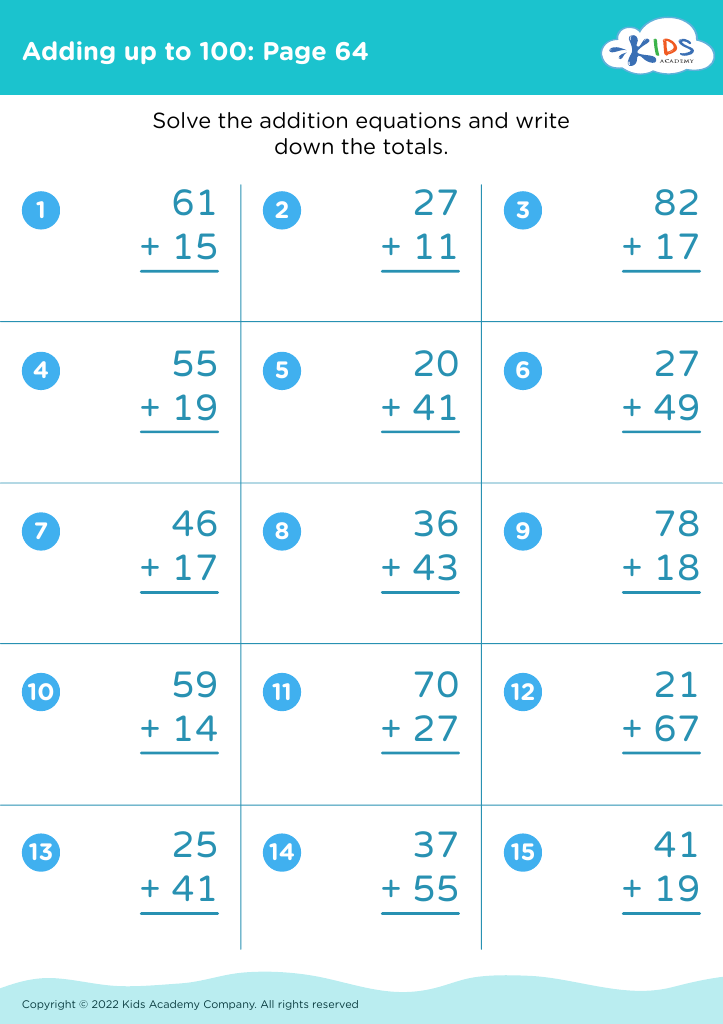
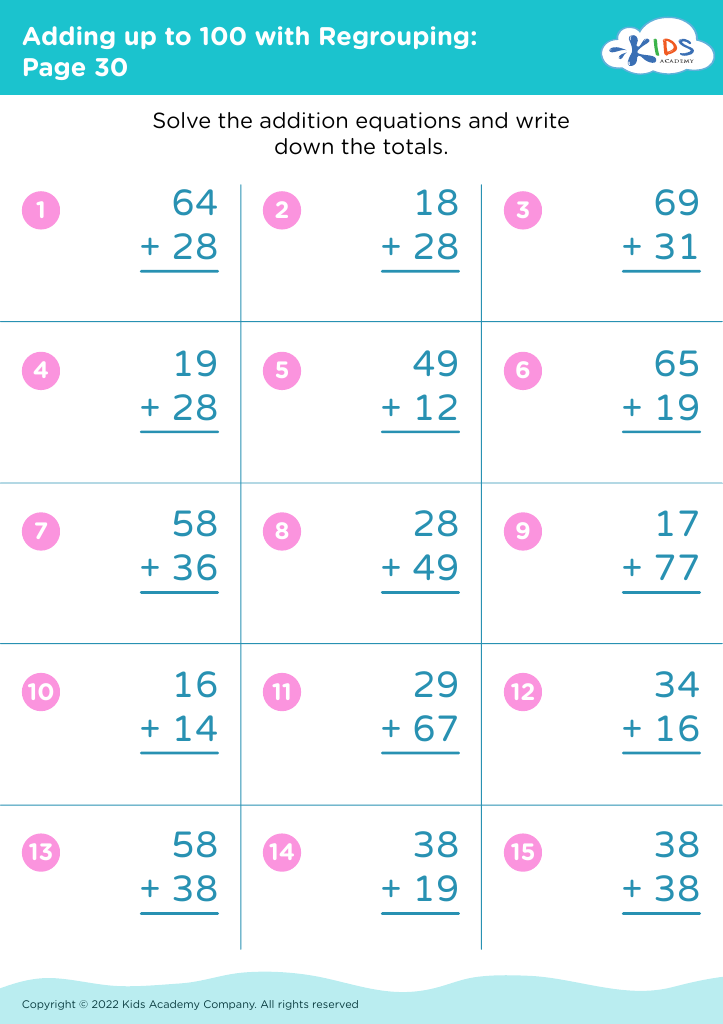
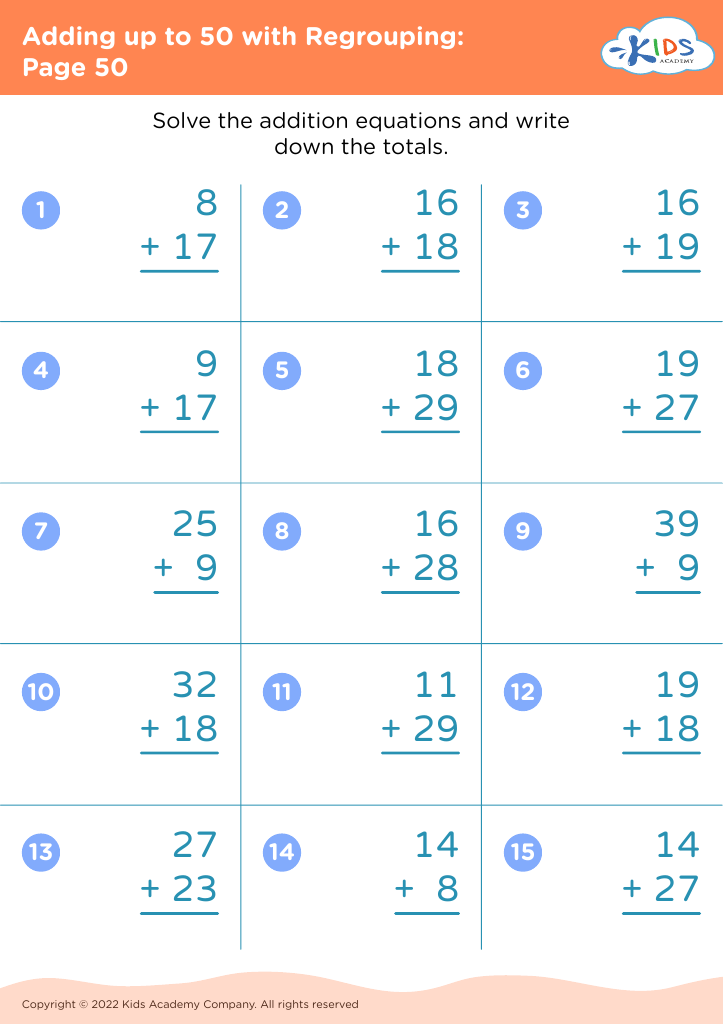
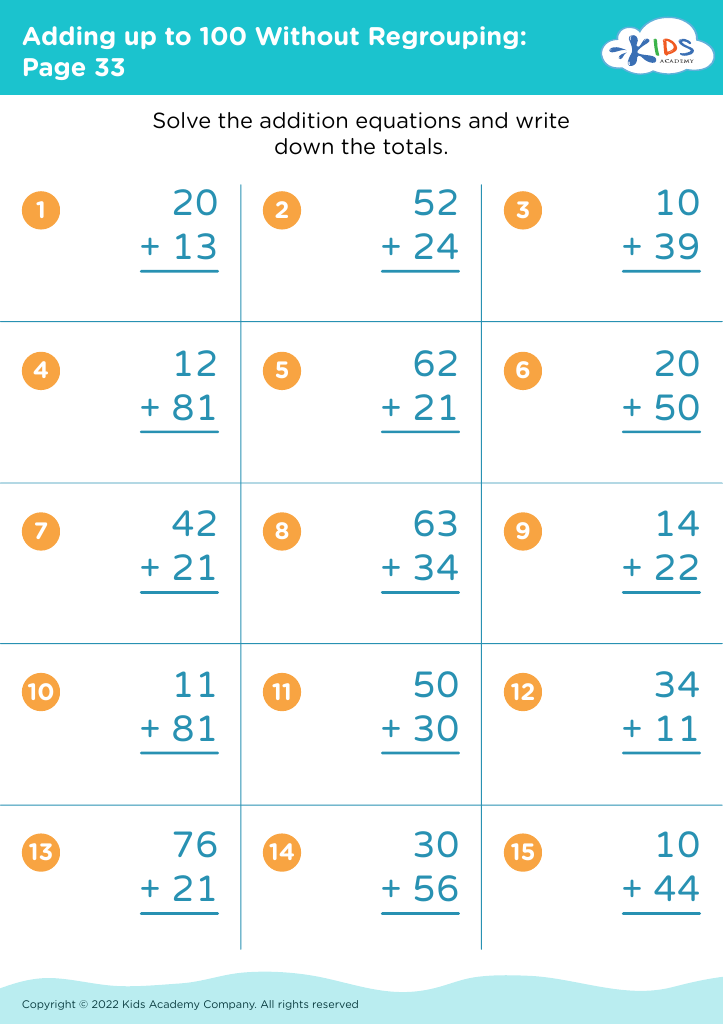






Introducing fraction addition to young children ages 3-7 can be incredibly beneficial for their cognitive and academic development, even at such an early age. At first glance, it might seem like an advanced concept, but incorporating simple and age-appropriate fraction games and activities can lay a strong foundation for more complex mathematical skills.
Firstly, learning fraction addition helps to enhance problem-solving skills. When children understand how to manipulate and combine fractions, they develop critical thinking abilities that translate to other areas of learning and daily life.
Secondly, introducing fraction concepts early helps build a positive attitude towards math. When children find joy and success in these small, manageable tasks, they are more likely to develop a love for math that persists as they grow older.
Additionally, understanding fractions is fundamental for everyday tasks like cooking, measuring, and sharing, making it vital for practical life skills. Introducing these concepts through playful, hands-on experiences helps children grasp them more easily and in a memorable way.
Moreover, engaging with fractions at an early age contributes to overall academic readiness. As children progress in their schooling, they'll encounter more advanced math, and a solid grasp of fractions will be highly advantageous for mastering future concepts.
In summary, nurturing an early understanding of fraction addition not only supports immediate academic skills but also fosters long-term confidence and enjoyment in learning mathematics.








