Recognizing Patterns Math Worksheets for Ages 3-7
26 filtered results
-
From - To
Discover the fun of learning with our "Recognizing Patterns Math Worksheets" designed specifically for children aged 3-7! These engaging worksheets help young learners develop critical thinking skills as they identify and create patterns using shapes, colors, and objects. By engaging with a variety of interactive exercises, kids not only enhance their math skills but also boost their creativity and cognitive abilities. Our carefully crafted materials cater to different learning styles and promote early math proficiency in a playful environment. Download these worksheets today and watch your child's confidence soar as they explore the exciting world of patterns!
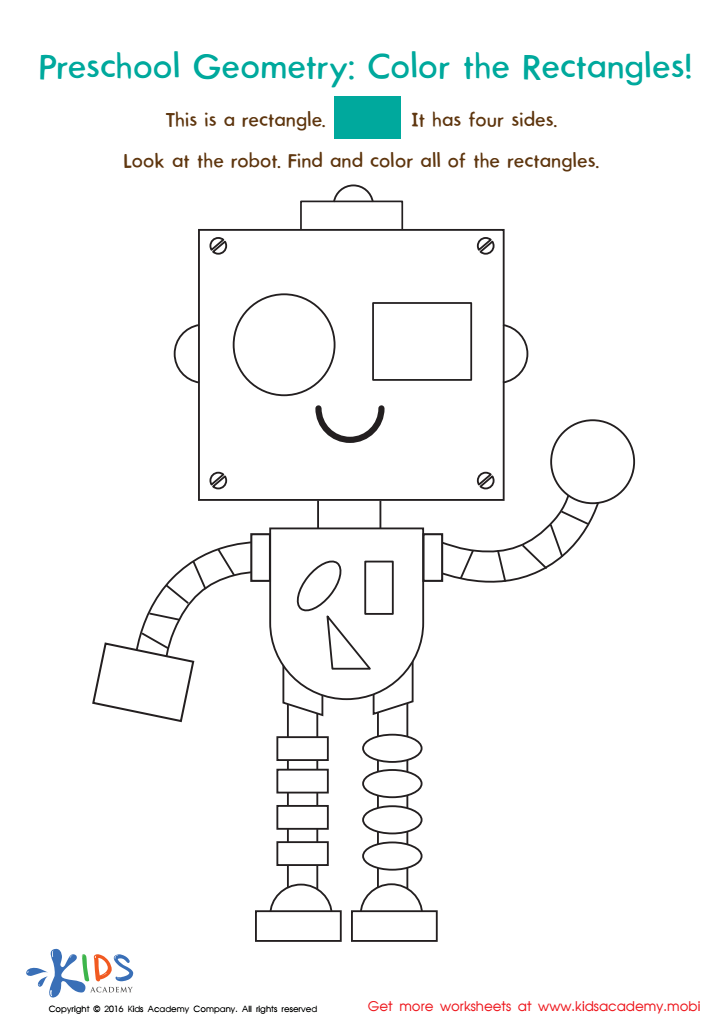
Geometry Worksheet
 Assign to My Students
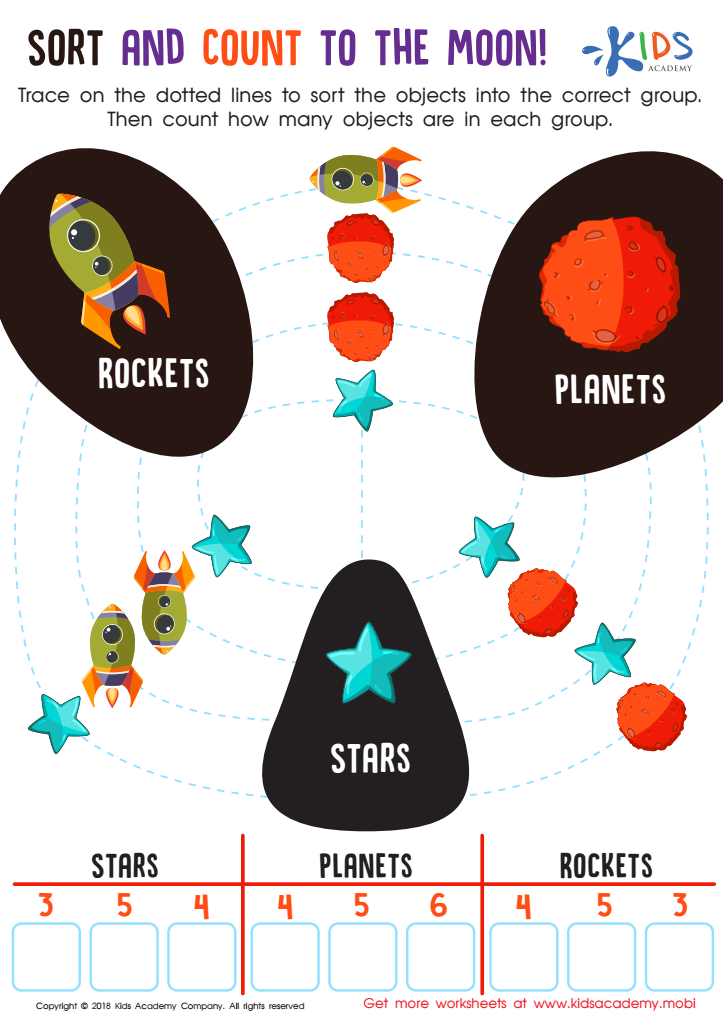
Sort and Count to the Moon Worksheet
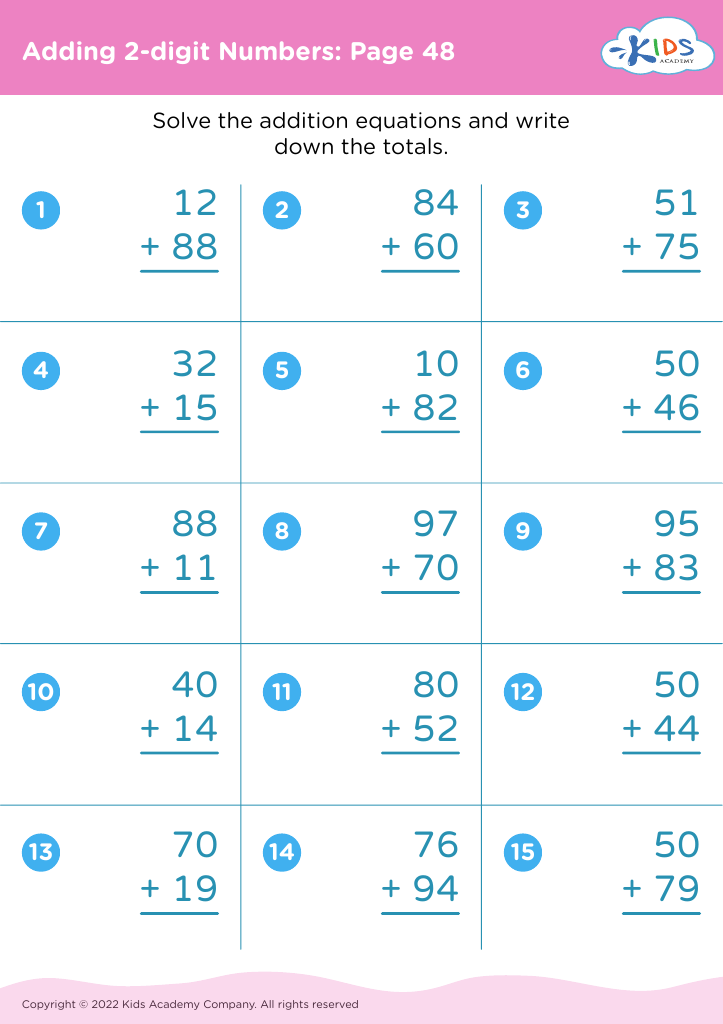
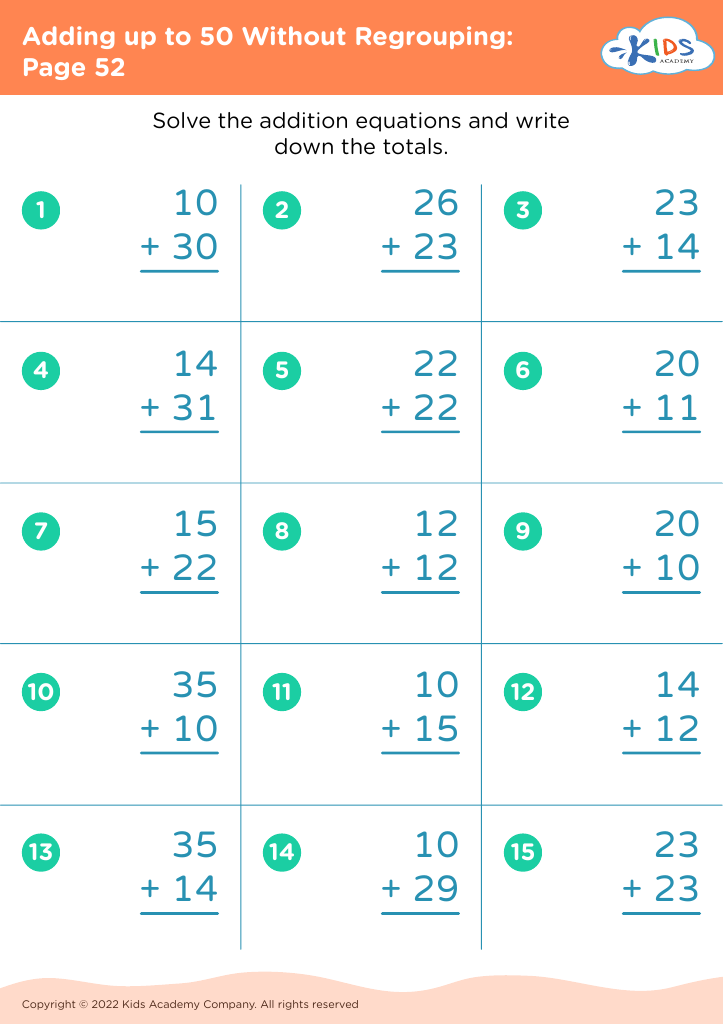
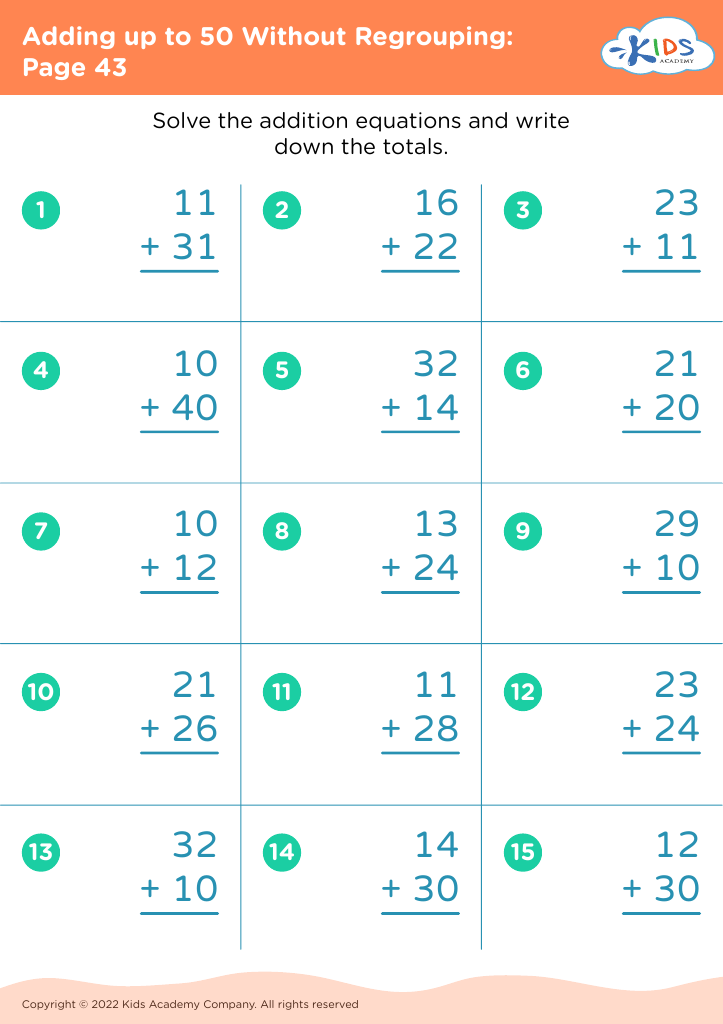
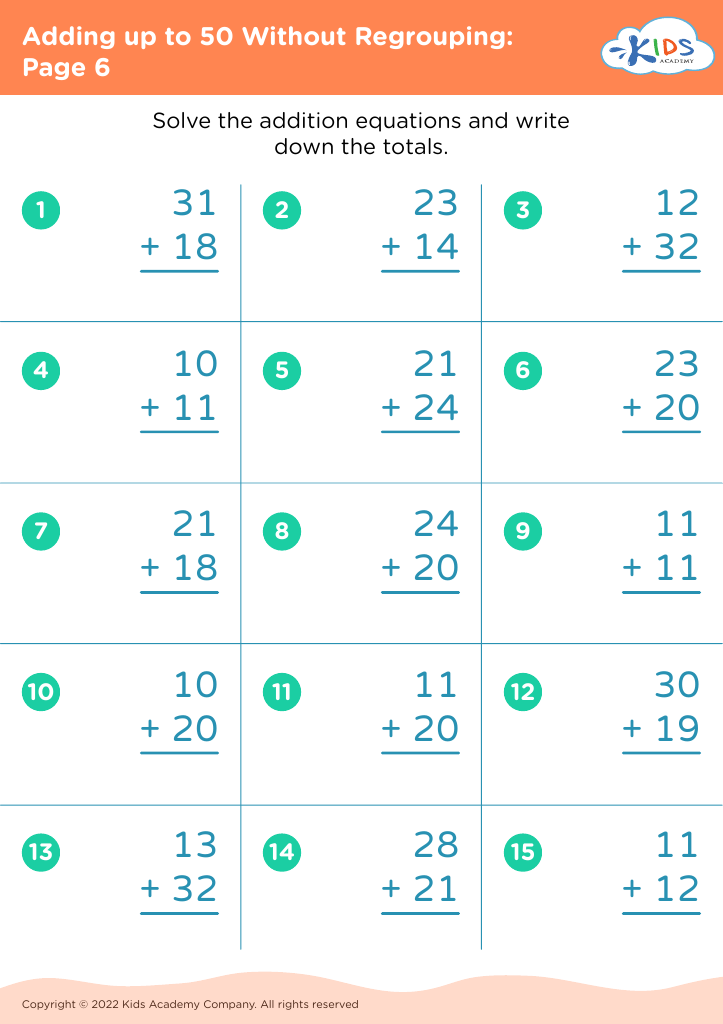
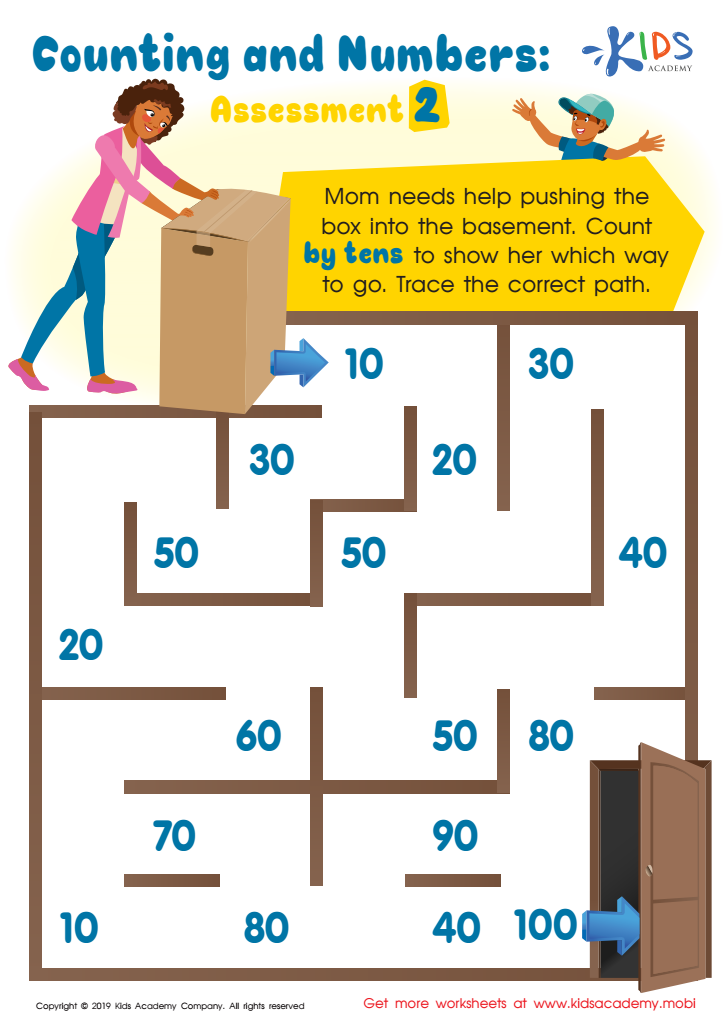
Counting and Numbers: Assessment 2 Worksheet
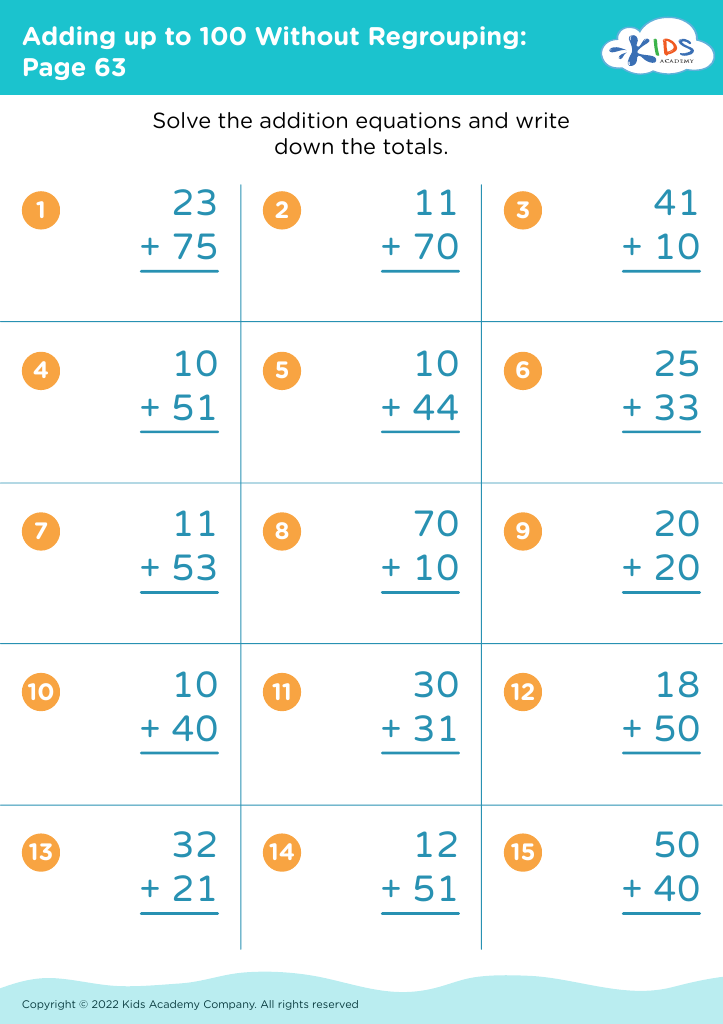
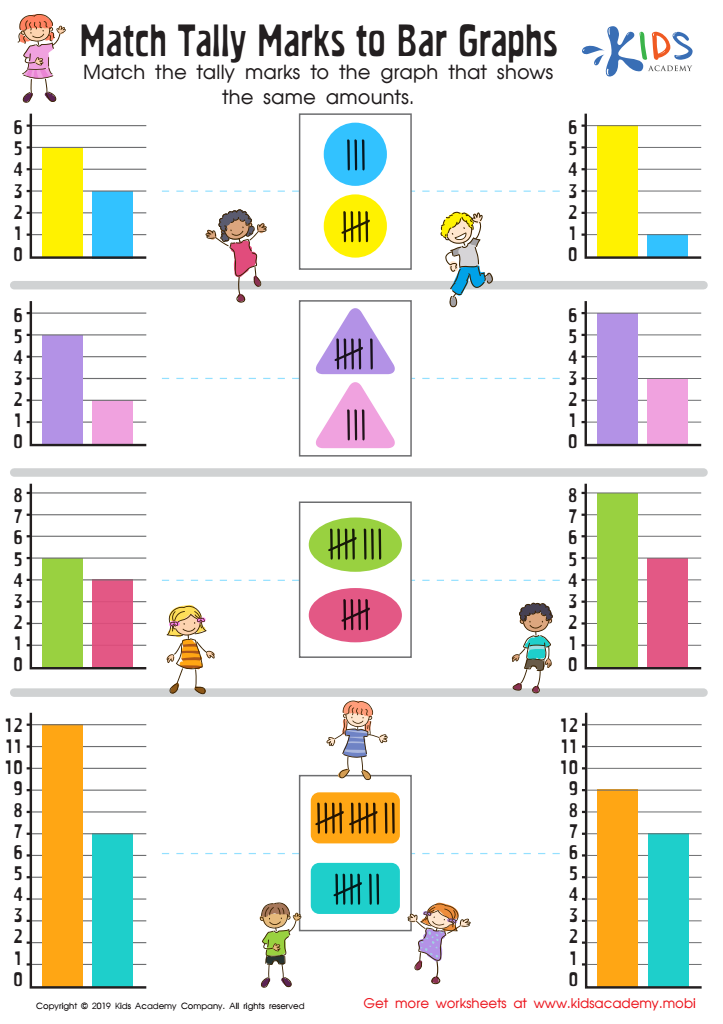
Match Tally Marks to Bar Graphs Worksheet
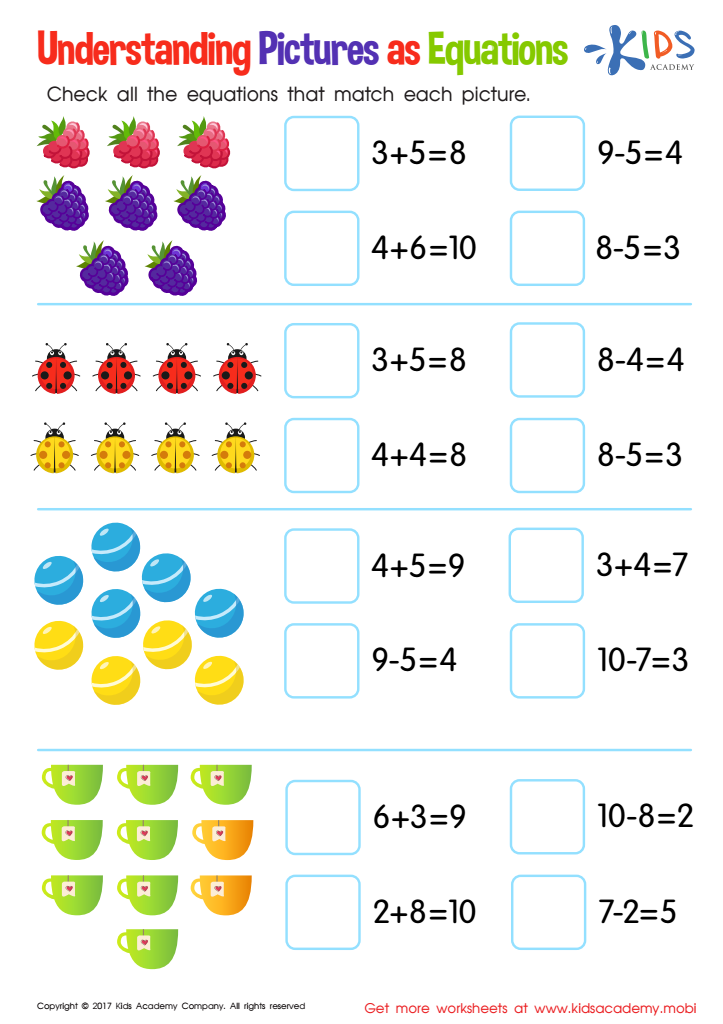
Understanding Pictures as Equations Worksheet



.jpg)



Recognizing patterns is a fundamental skill in mathematics and essential for young learners aged 3-7. Parents and teachers should care about this skill because it lays the foundation for critical thinking, problem-solving, and advanced mathematical concepts later in life. When children learn to recognize patterns, they build cognitive skills that enable them to make predictions, identify relationships, and understand sequencing.
Engaging with patterns fosters creativity and helps children develop their analytical abilities, as they begin to see connections within numbers and shapes. Additionally, pattern recognition is linked to language development, as children describe, classify, and verbalize their thoughts about the patterns they observe.
Promoting this skill at an early age can create a positive attitude toward math, reduce anxiety associated with the subject, and encourage lifelong learning. Hands-on activities, such as sorting objects, recognizing color schemes, or sequencing movements, can be both fun and educational for children, allowing them to internalize these concepts naturally.
Furthermore, early experiences with pattern recognition can enhance children's performance in more complex mathematics as they progress through school. Thus, prioritizing these skills creates a robust educational foundation, ensuring children are well-equipped for future academic challenges.








