Understanding number values Math Worksheets for Ages 3-7
3 filtered results
-
From - To
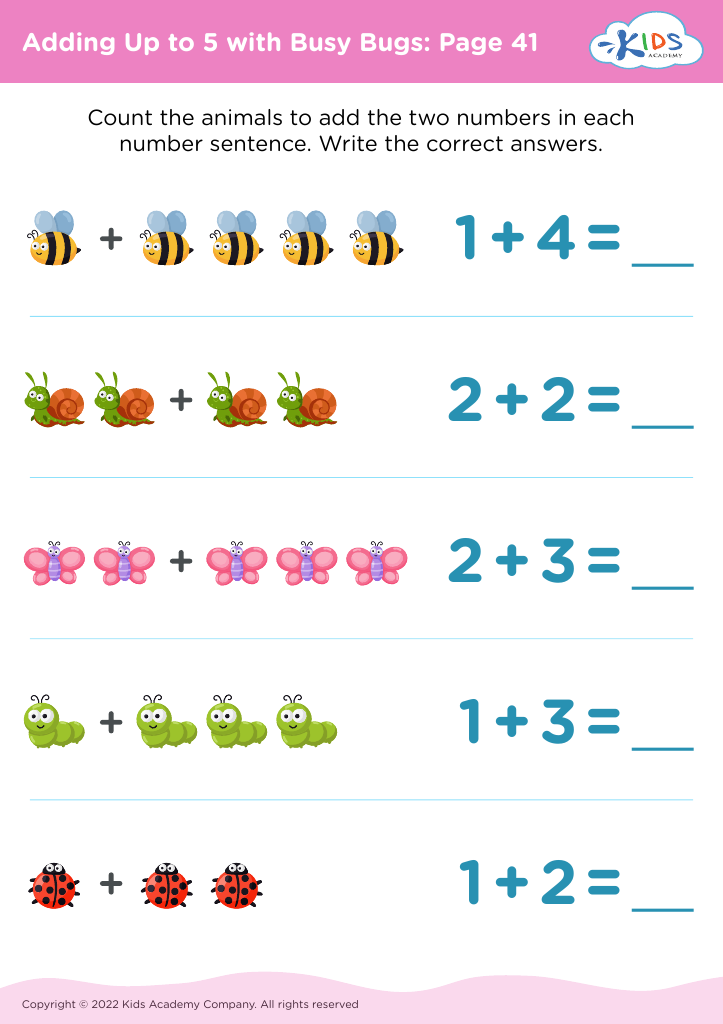
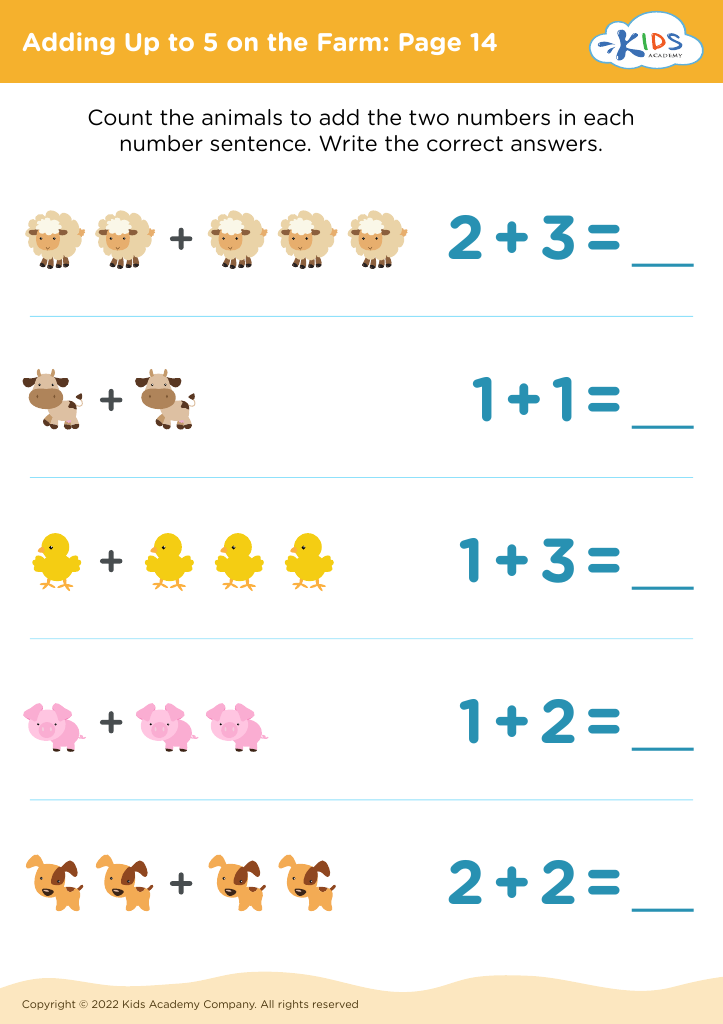
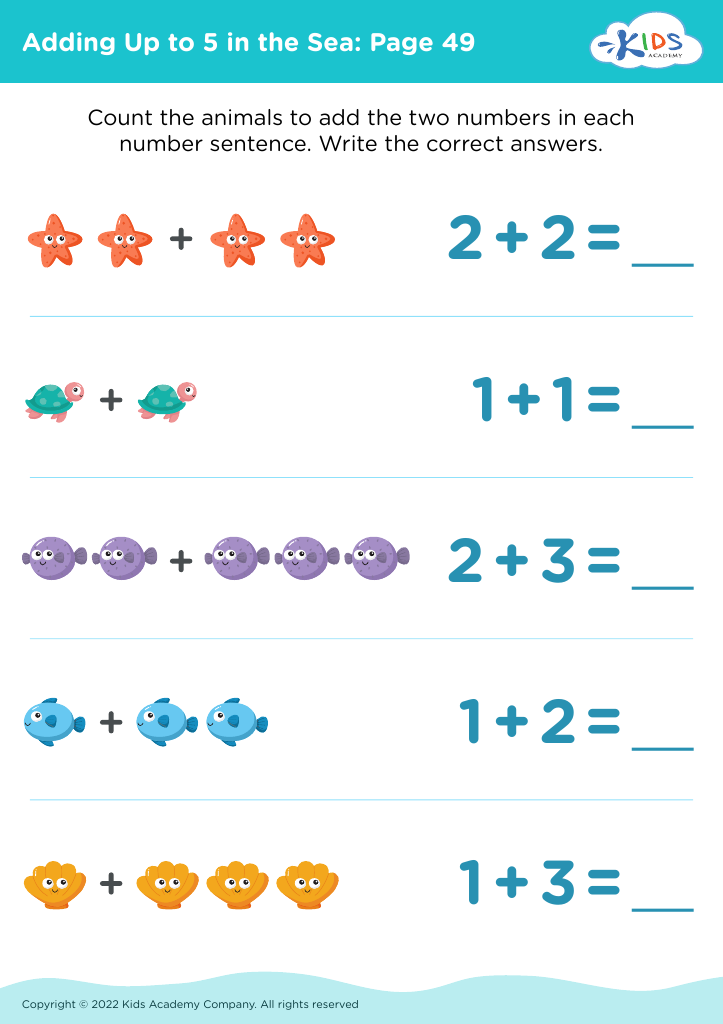
Unlock your child's mathematical potential with our "Understanding Number Values" math worksheets designed for ages 3-7. These engaging worksheets help young learners grasp the concept of number values through fun, interactive activities tailored for early development stages. Each page promotes hands-on learning, encouraging your child to identify, compare, and compose numbers while building foundational math skills. With colorful visuals and age-appropriate exercises, these resources make mastering number values enjoyable and effective. Perfect for home or classroom use, our worksheets foster critical thinking and problem-solving skills, setting the stage for a lifelong love of math! Explore our collection today and watch your child's confidence grow!


.jpg)





Understanding number values is a cornerstone of early mathematical development for children aged 3-7. This foundation is crucial, as it influences future learning and academic success in math. When parents and teachers engage with children in grasping number values, they help build essential skills such as counting, addition, and subtraction, which are needed for more complex mathematical concepts later on.
At this stage, children develop their number sense—an intuitive understanding of quantities and their relationships. This includes recognizing that numbers represent quantities, learning how to compare them, and understanding basic operations. Strong number sense correlates with better problem-solving abilities and critical thinking skills, which are vital in everyday life decisions and learning.
Moreover, early math skills foster confidence and a positive attitude towards learning. When children feel competent in math, they are more likely to embrace challenges and persist when faced with difficulties. Parents and teachers play a crucial role in nurturing this competence through engaging activities, conversations about numbers, and providing a positive learning environment.
In summary, supporting children in understanding number values not only lays the groundwork for academic success but also nurtures a positive relationship with mathematics for a lifetime.








