Understanding sequence Math Worksheets for Ages 3-7
6 filtered results
-
From - To
Introduce young learners to the exciting world of numbers with our "Understanding Sequence Math Worksheets for Ages 3-7." Specially designed for curious minds, these engaging worksheets help kids grasp sequencing concepts, essential for their foundational math skills. Through colorful illustrations and fun activities, children will practice ordering numbers, identifying patterns, and creating sequences. These worksheets are perfect for home or classroom use, fostering a love for math in a playful, interactive way. Boost your child's confidence and set them on the path to math success with activities that make learning sequences both enjoyable and educational!
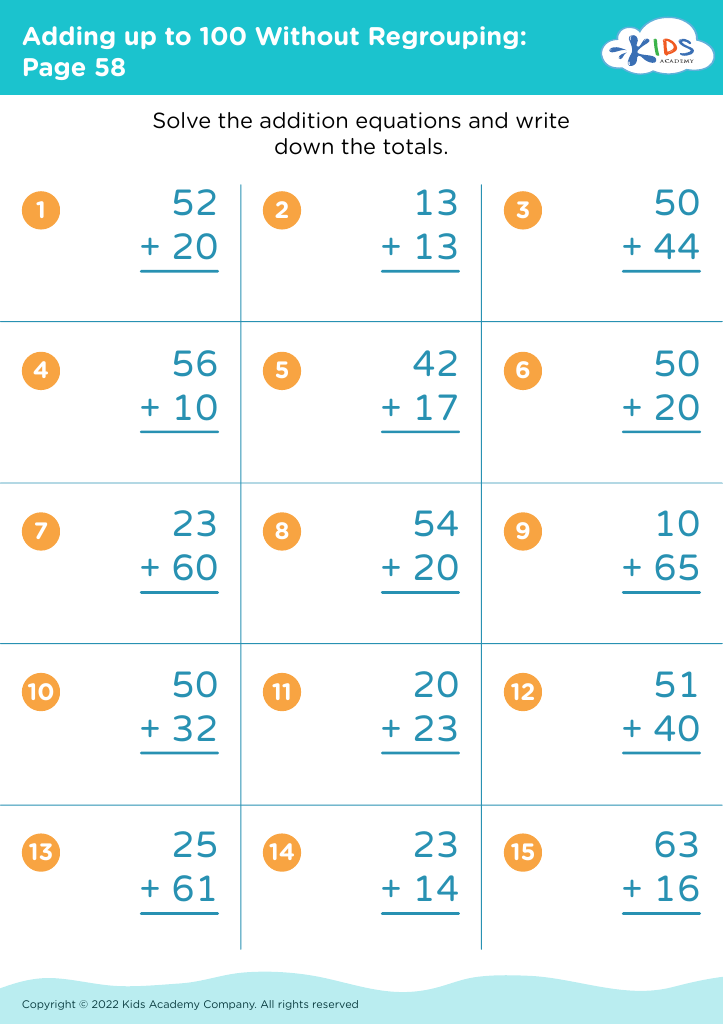
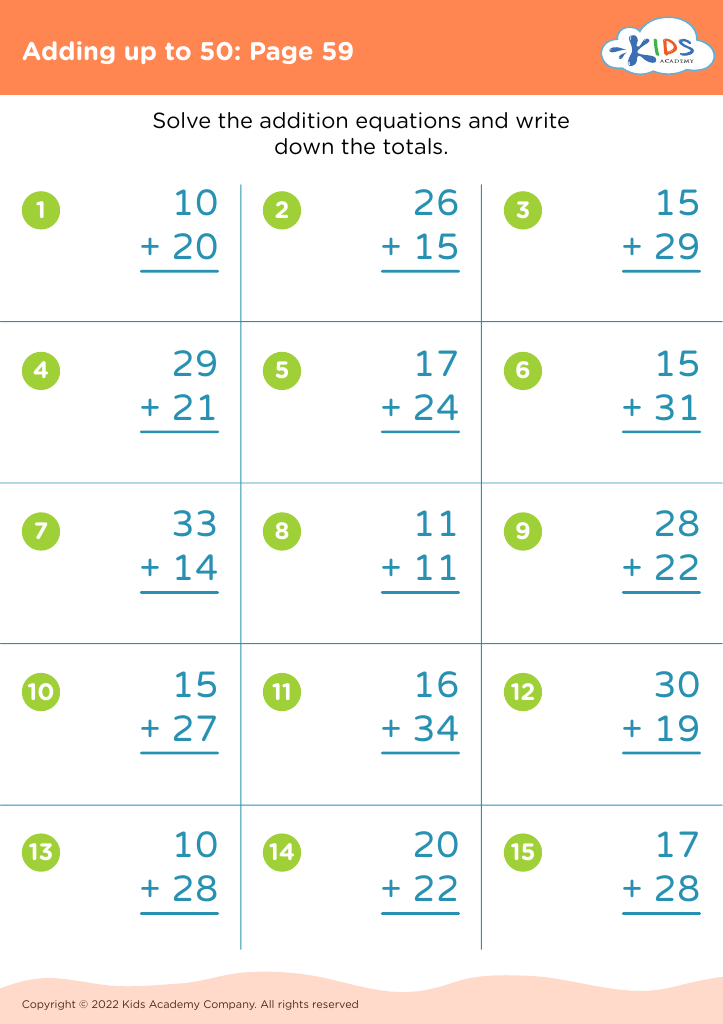
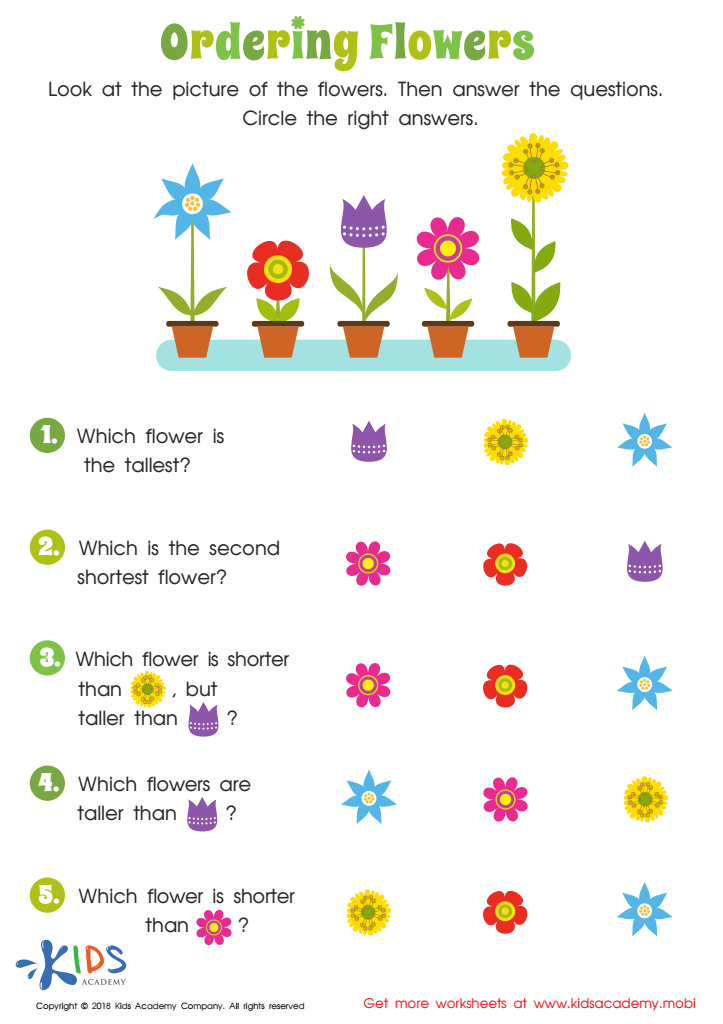
Ordering Flowers Worksheet
 Assign to My Students
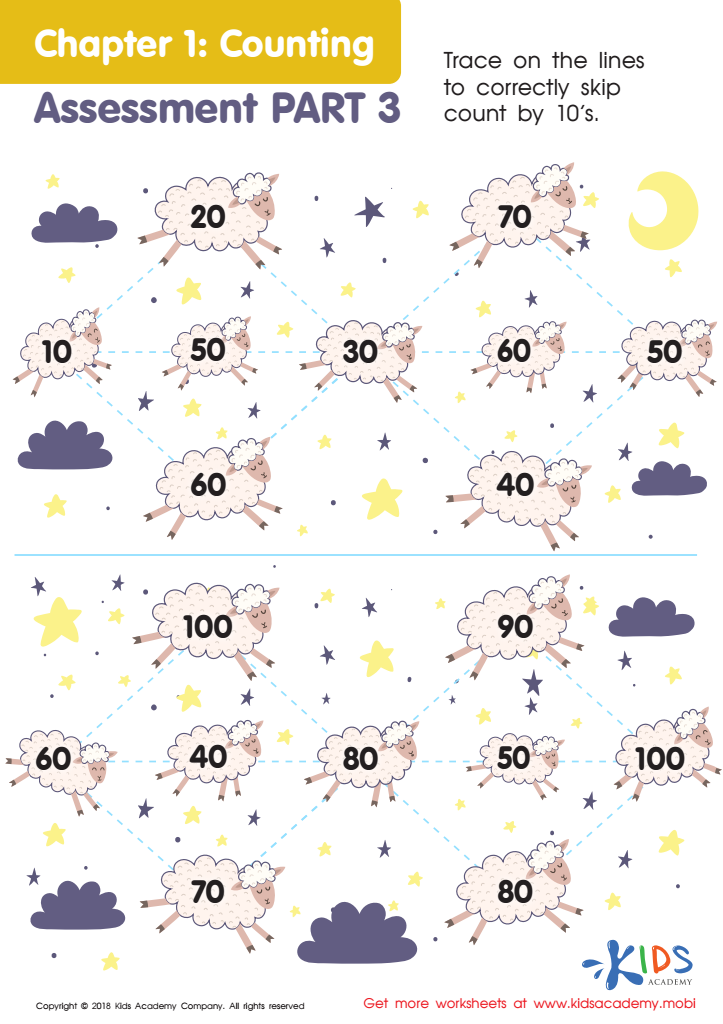
Counting: Assessment 3 Worksheet







Understanding sequence math is fundamental for children ages 3-7 because it lays the groundwork for essential cognitive and academic skills. Parents and teachers should prioritize this area because it promotes logical thinking, problem-solving, and comprehension abilities that are vital as children progress through their educational journey.
Sequence math ensures that young learners grasp concepts like order, patterns, and the flow of time, which are crucial for daily activities and academic proficiency. For example, being able to understand 'first, next, last' helps children follow multi-step instructions, organize their thoughts, and develop narrative skills necessary for reading and writing.
Moreover, early sequencing skills influence future success in more complex mathematical concepts, such as addition, subtraction, multiplication, and division, which inherently rely on an understanding of order and progression. Activities like counting objects sequentially, narrating stories, and identifying patterns contribute to a child's ability to make connections and predict outcomes, which boosts both their confidence and competence.
Importantly, nurturing these skills during early years helps identify potential learning difficulties early on, allowing for timely interventions. Overall, fostering a solid foundation in sequence math equips children with the tools to build a lifetime of learning and problem-solving prowess, making it a critical component of early childhood education.








