Visual perception Math Worksheets for Ages 3-7
57 filtered results
-
From - To
Discover our engaging Visual Perception Math Worksheets designed specifically for children aged 3 to 7! These worksheets help develop critical visual discrimination, spatial awareness, and pattern recognition skills essential for effective learning. Our thoughtfully crafted activities incorporate fun visuals and vibrant illustrations to capture kids' attention while making math concepts enjoyable. Perfect for parents and educators, these worksheets support early math skills by fostering essential cognitive abilities. Give your child a head start in their educational journey with interactive and stimulating worksheets that encourage both independent learning and teamwork. Download our worksheets today and watch your child's confidence in math soar!
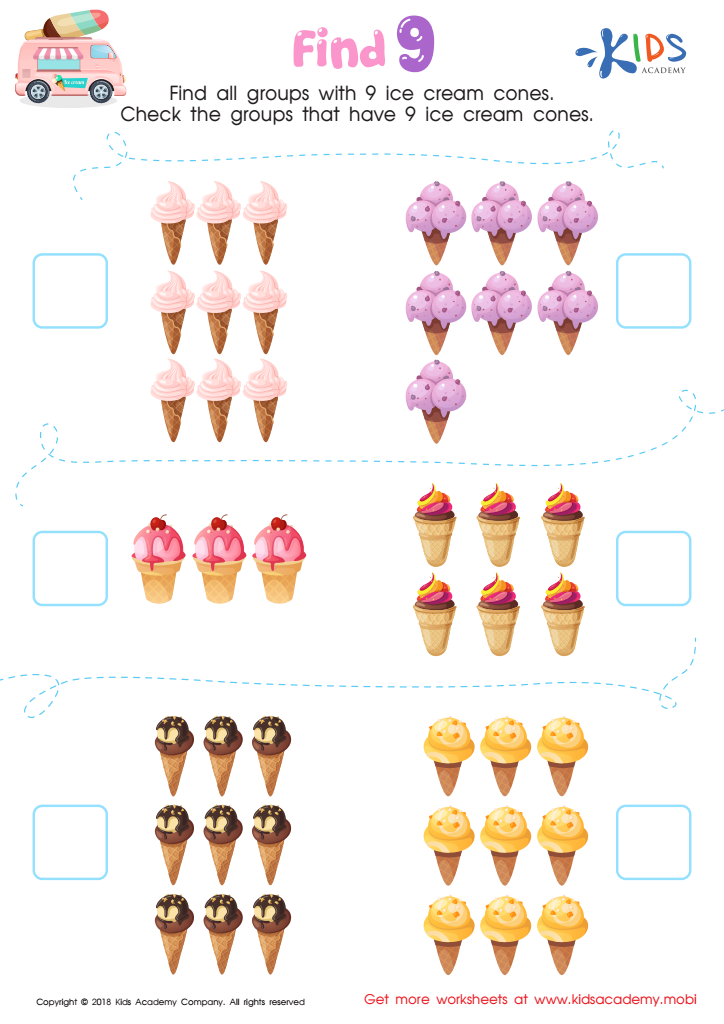
Find 9 Worksheet
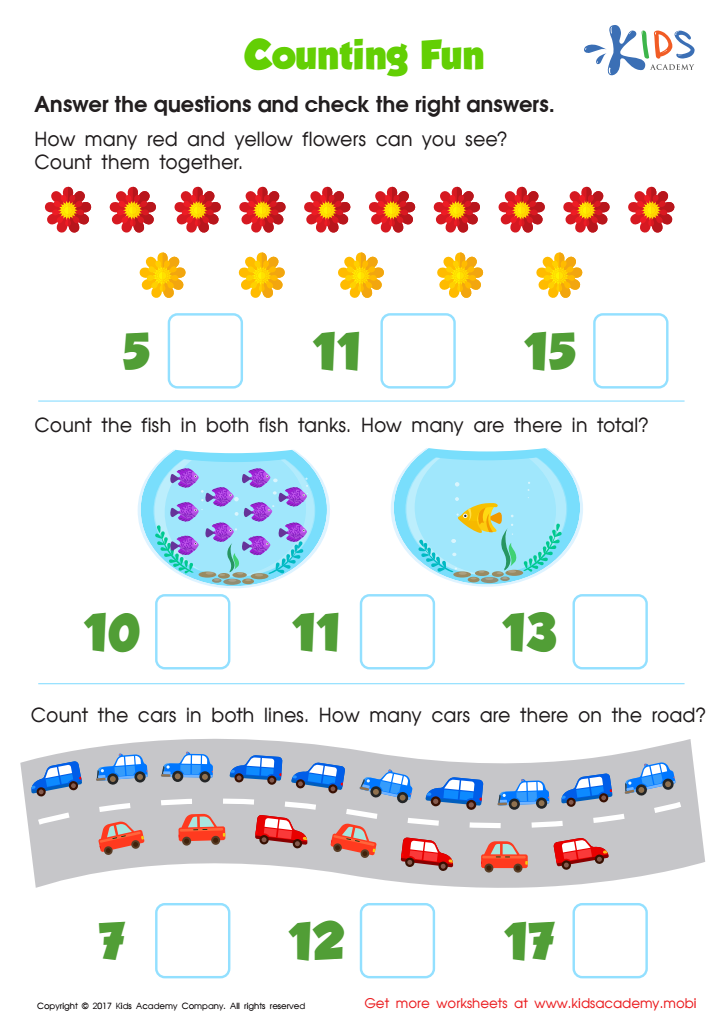
Counting Fun Worksheet
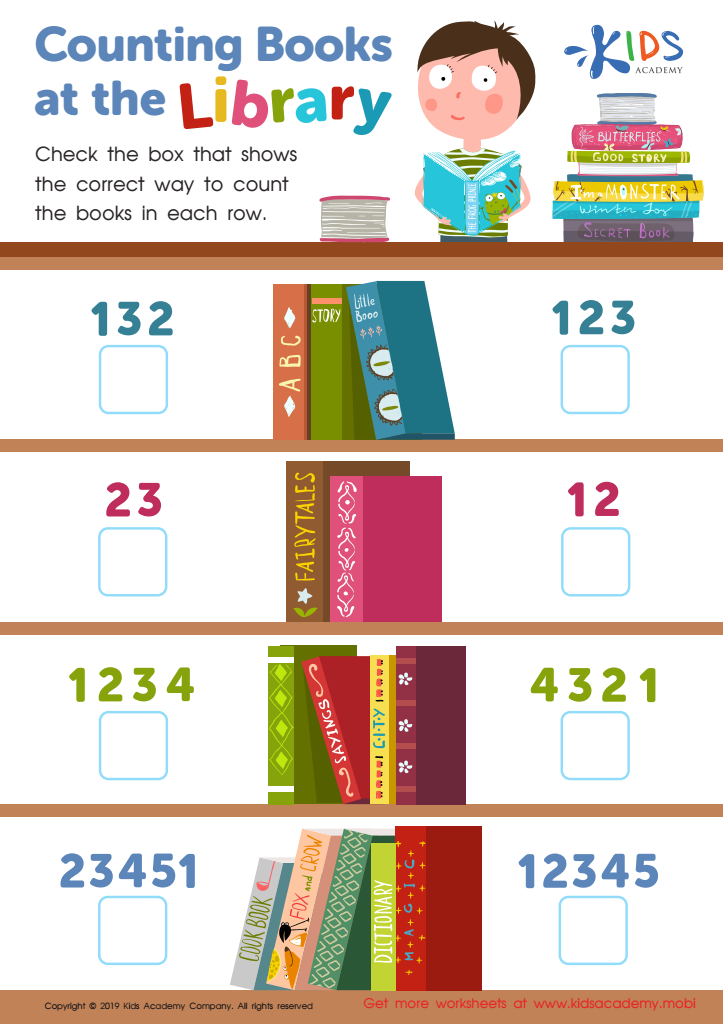
Counting Books at the Library Worksheet
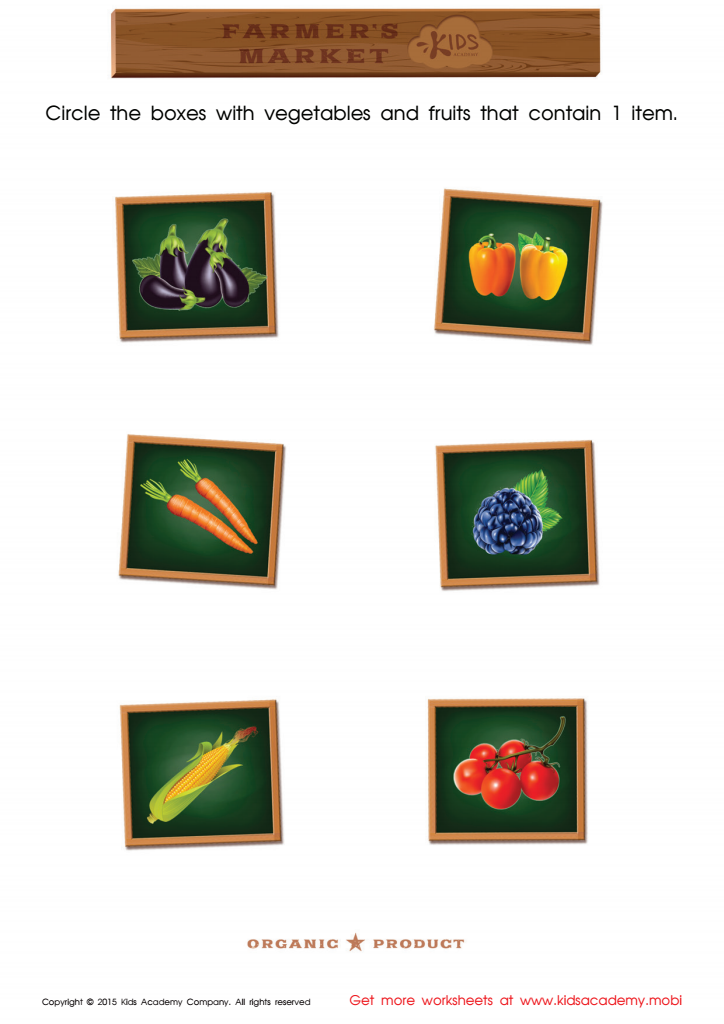
Count and Match Boxes with Vegetables
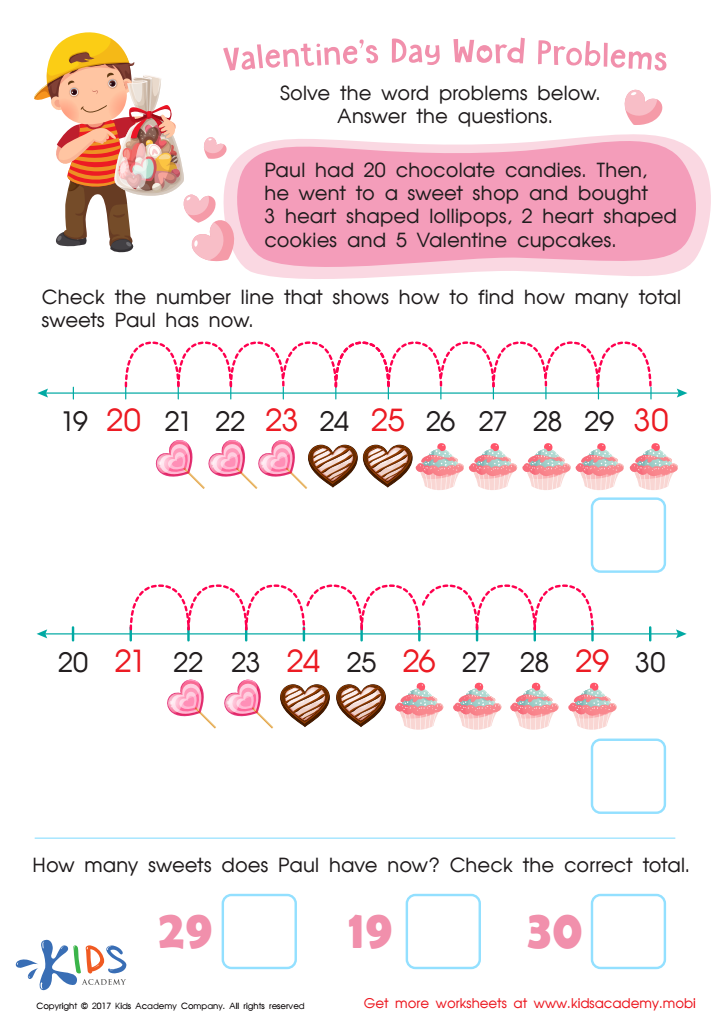
Valentines Day 2 Printable
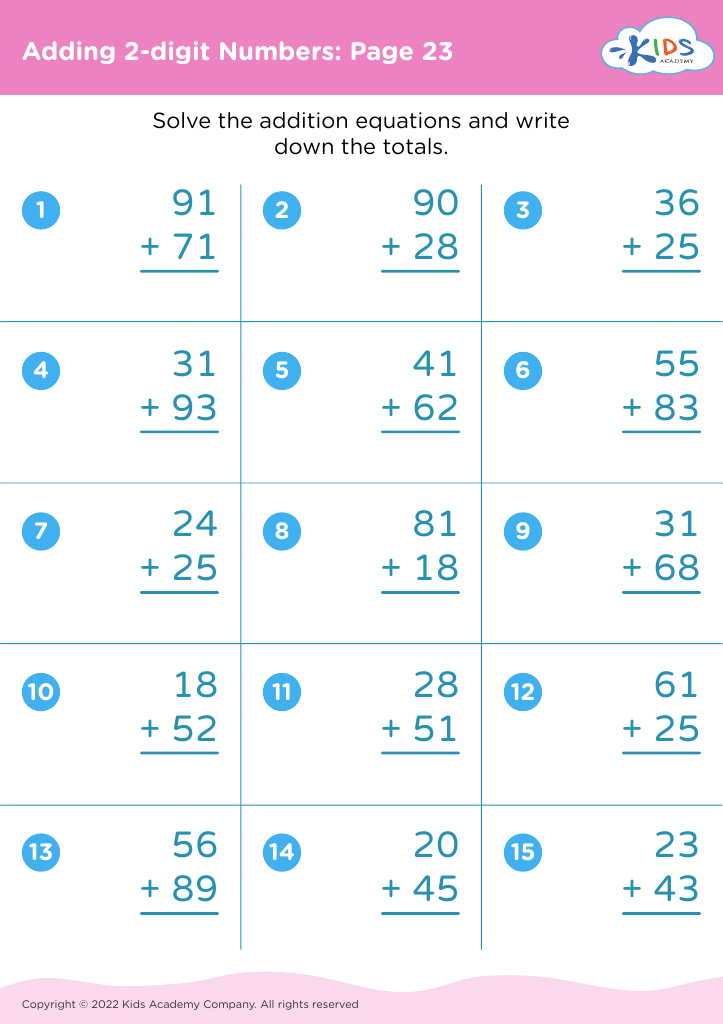
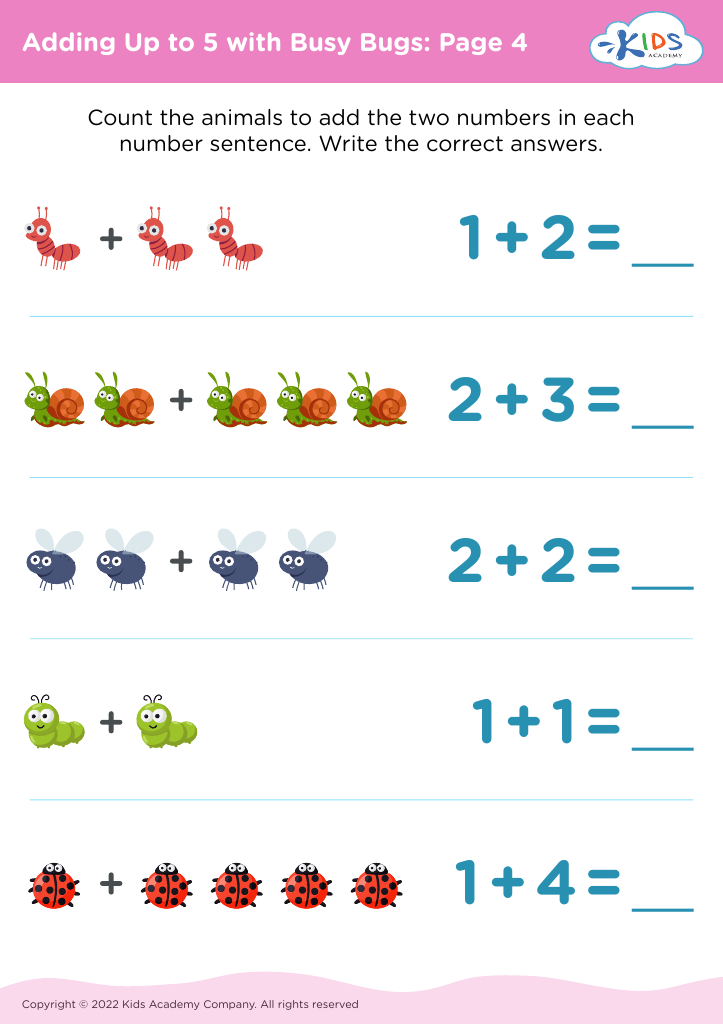
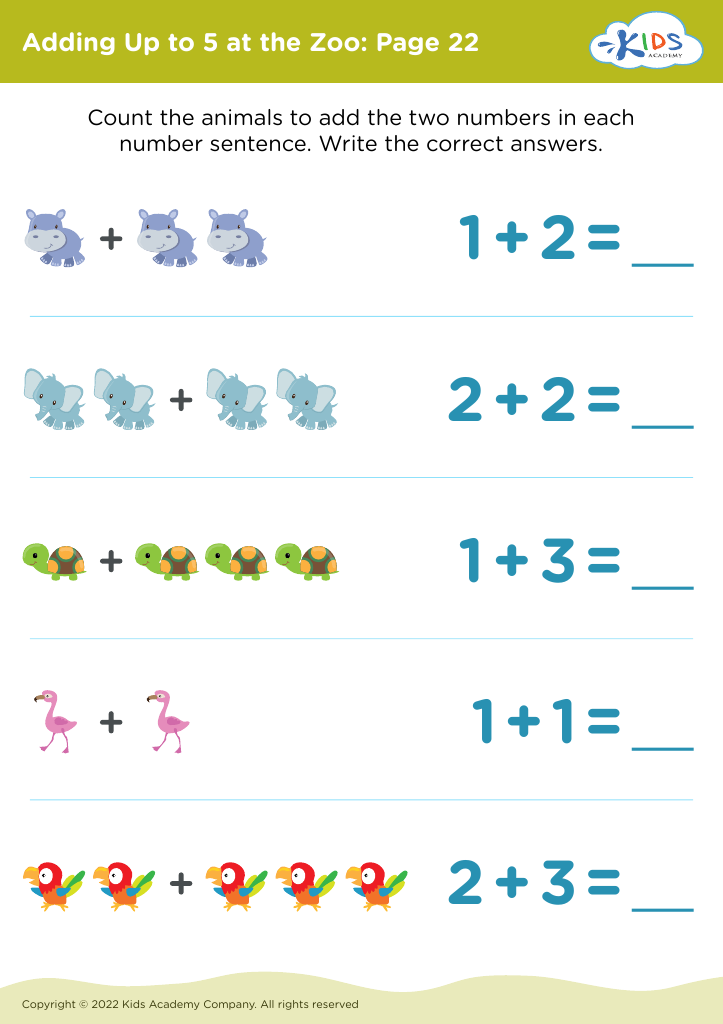
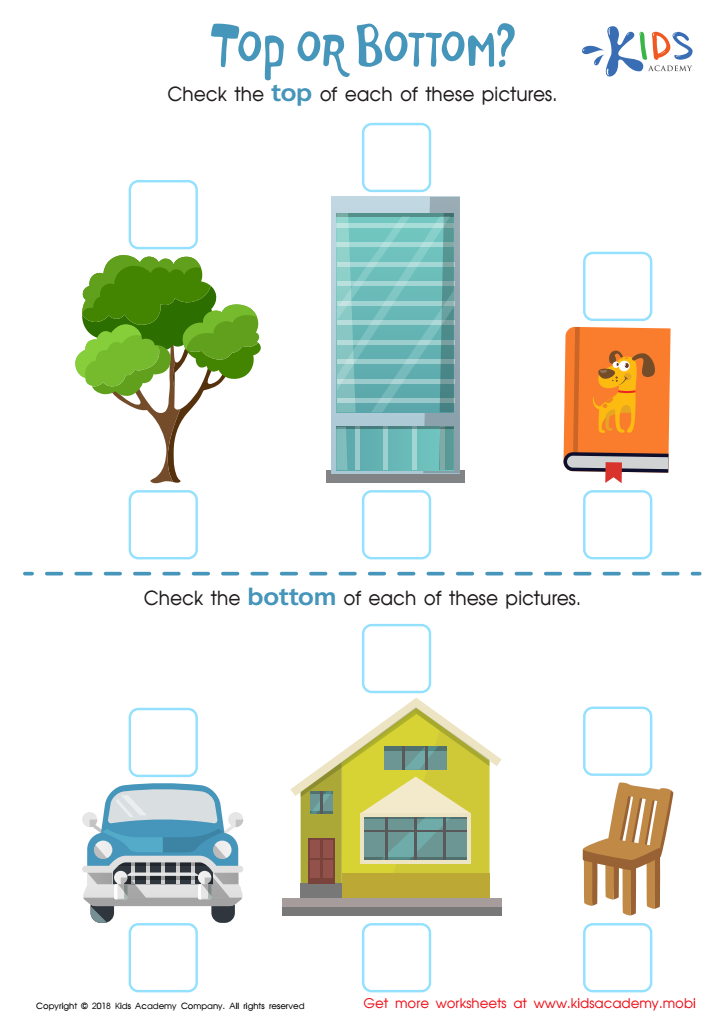
Top or Bottom Worksheet
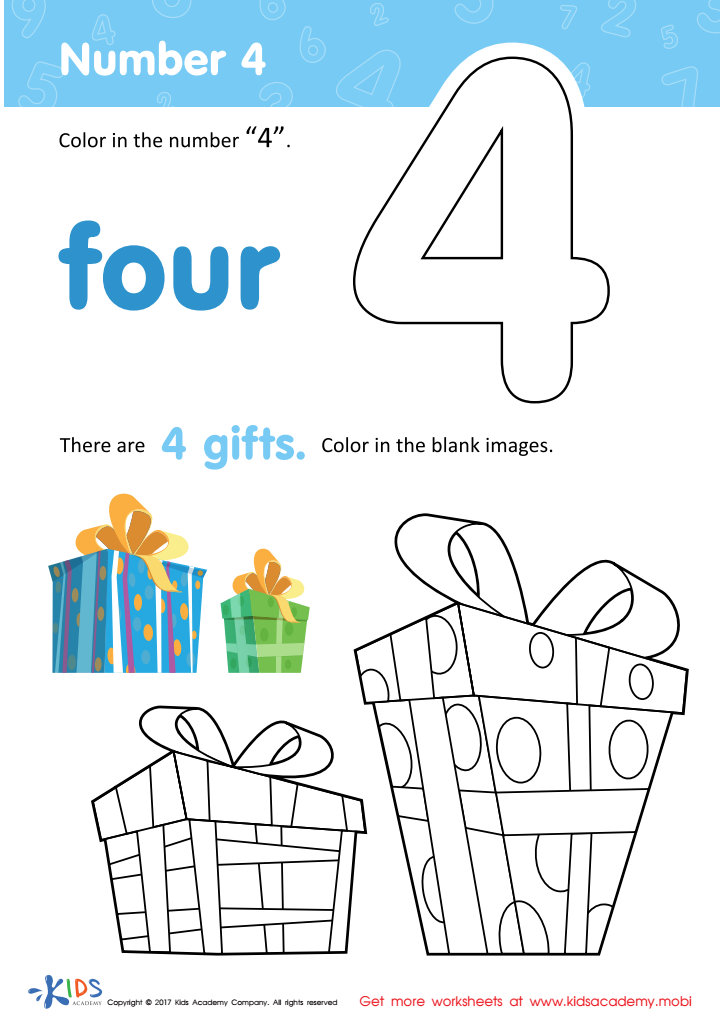
Number 4 Printable
 Assign to My Students
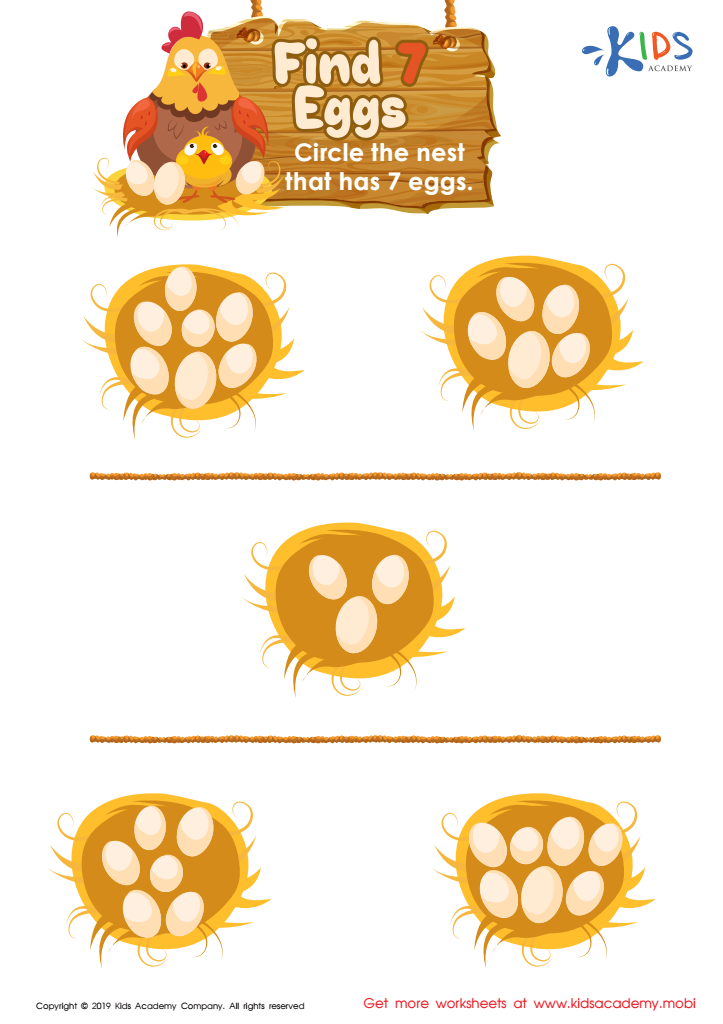
Find 7 Eggs Worksheet
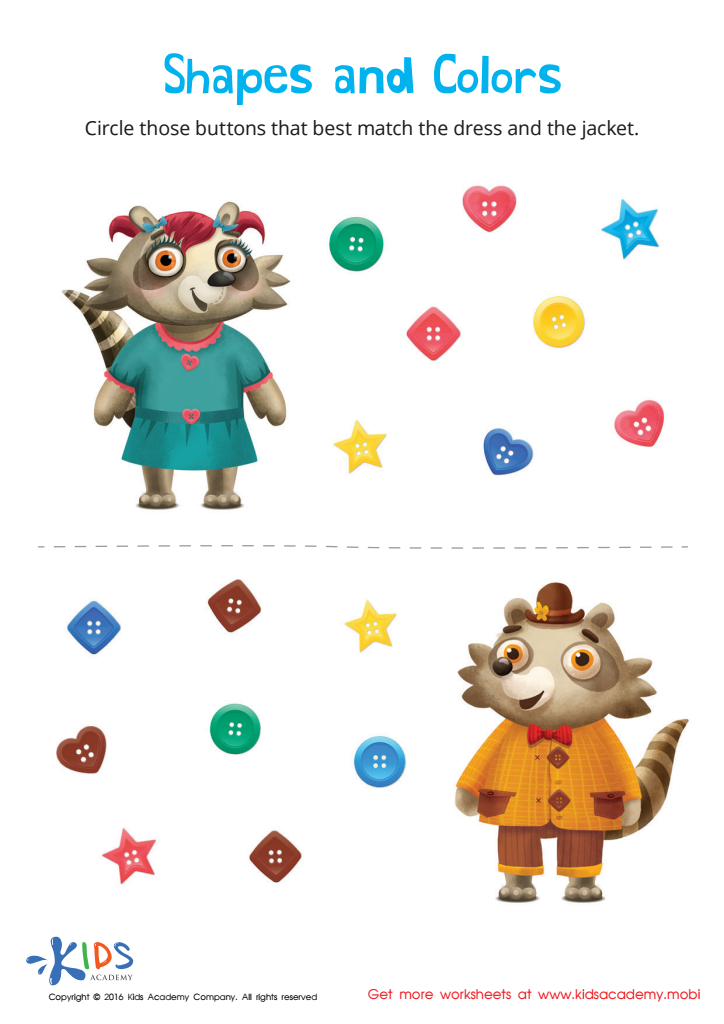
Matching: Shapes and Colors Worksheet
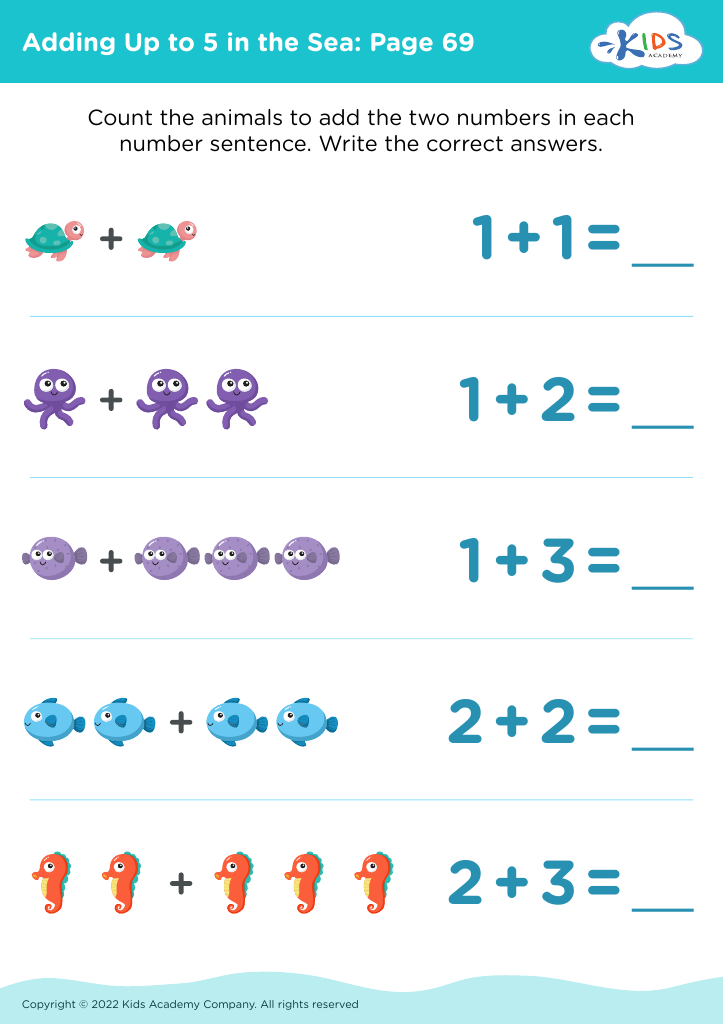
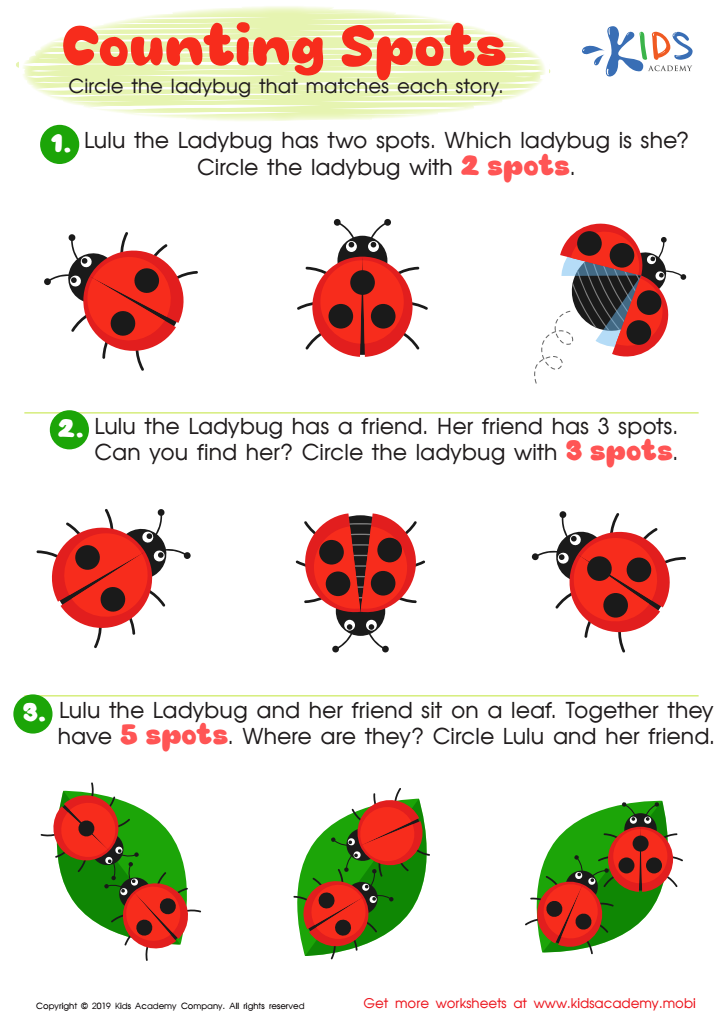
Counting Spots Worksheet
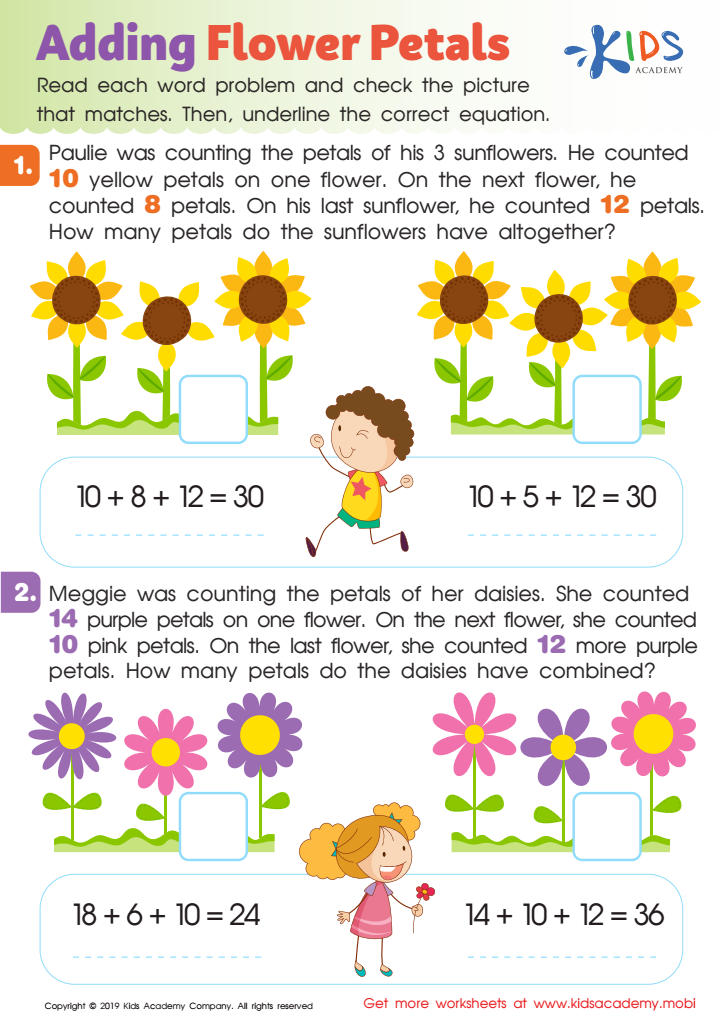
Adding Flower Petals Worksheet
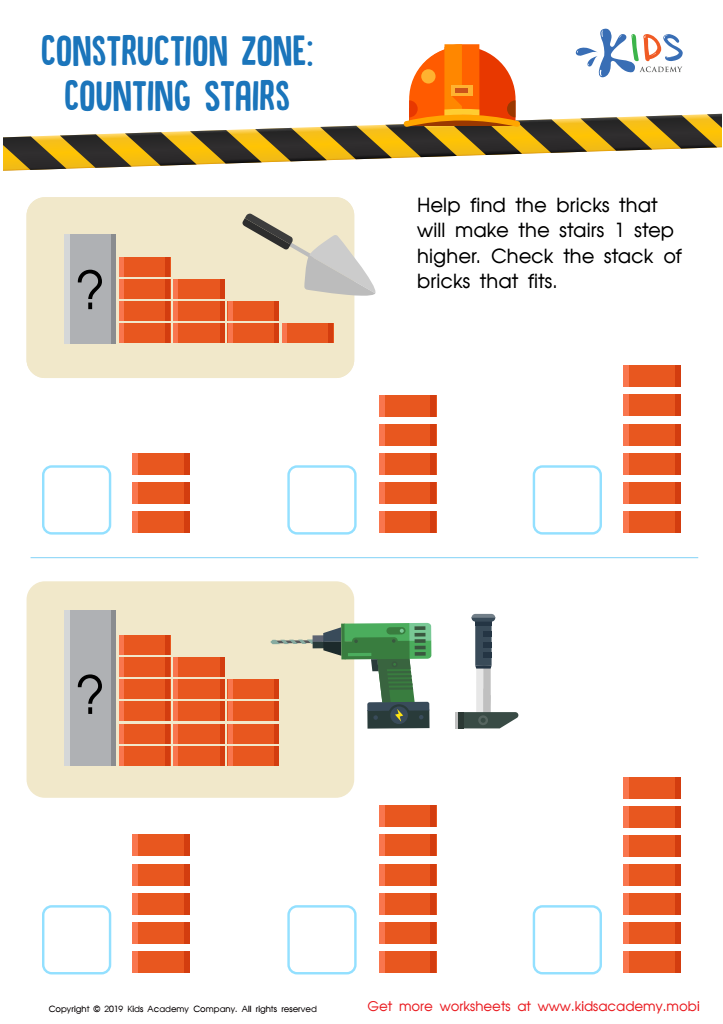
Construction Zone: Counting Stairs Worksheet
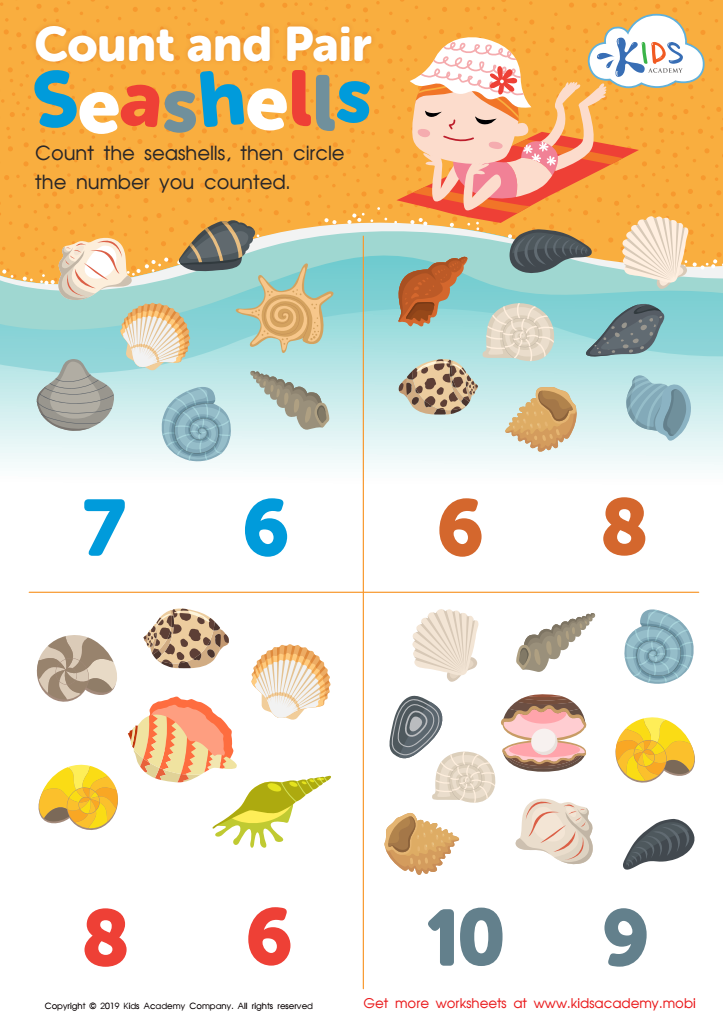
Count and Pair Seashells Worksheet
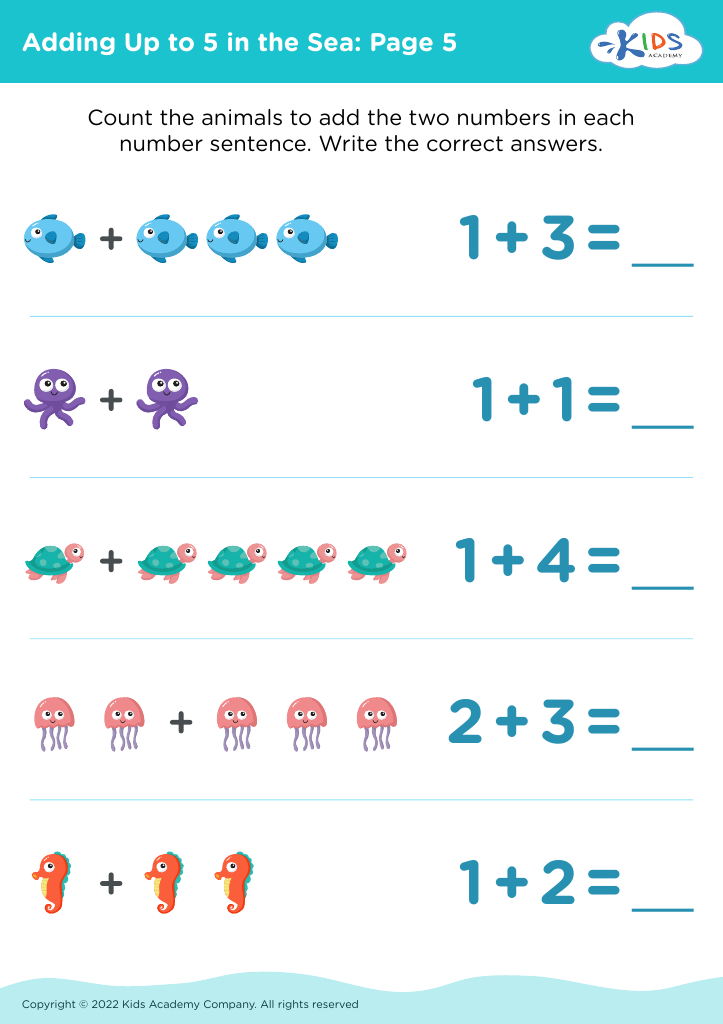
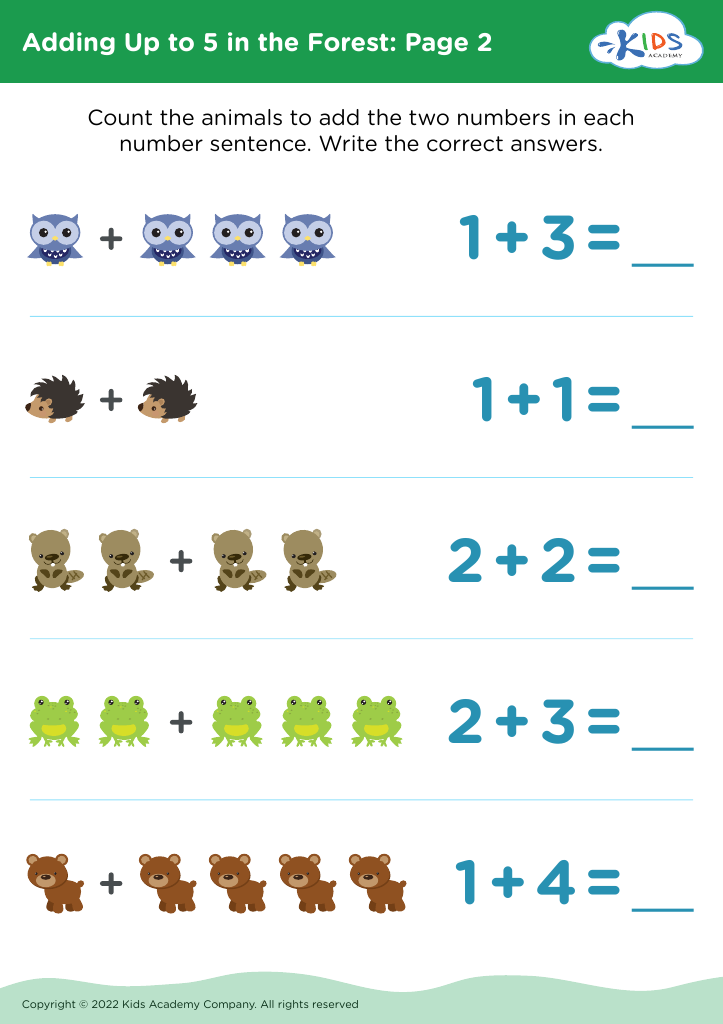
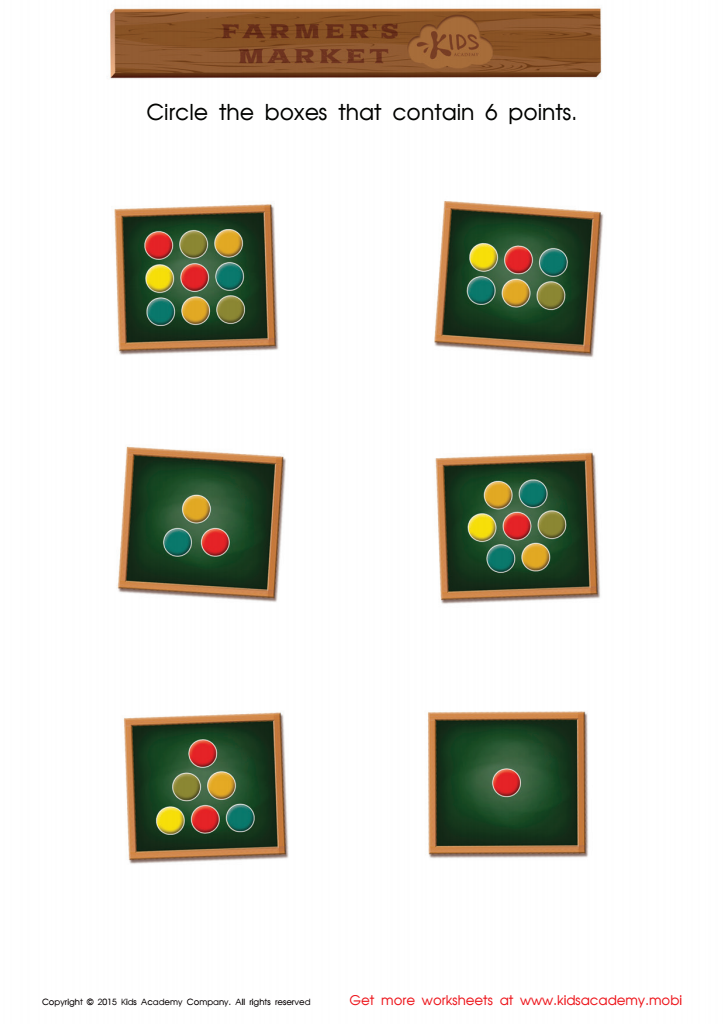
Count and Match Points 6 Math Worksheet
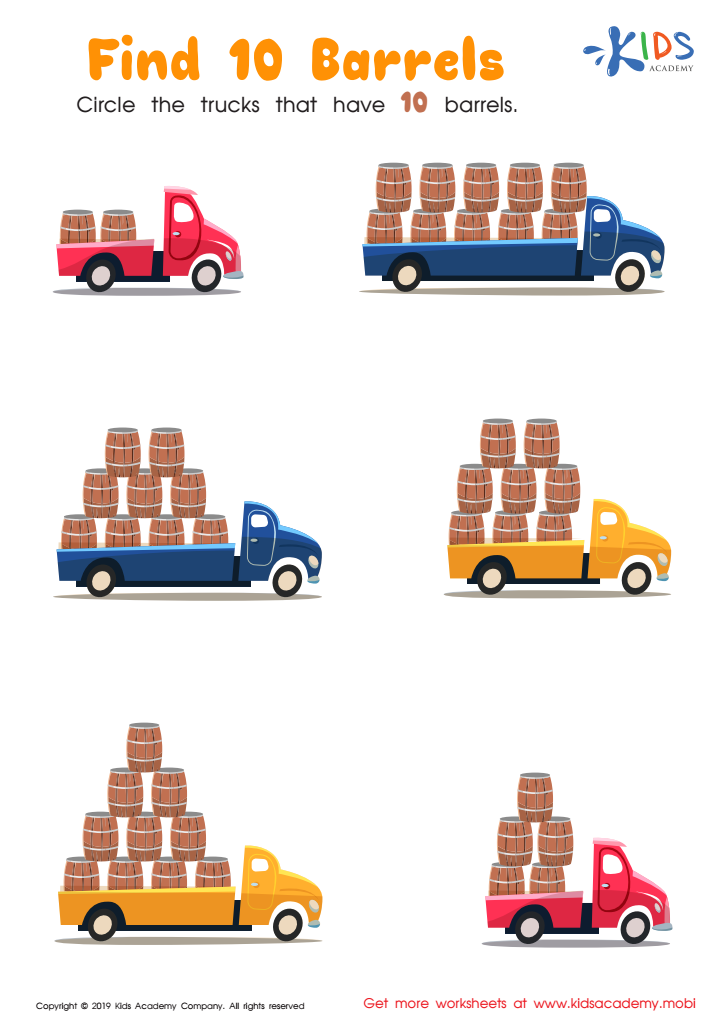
Find 10 Barrels Worksheet
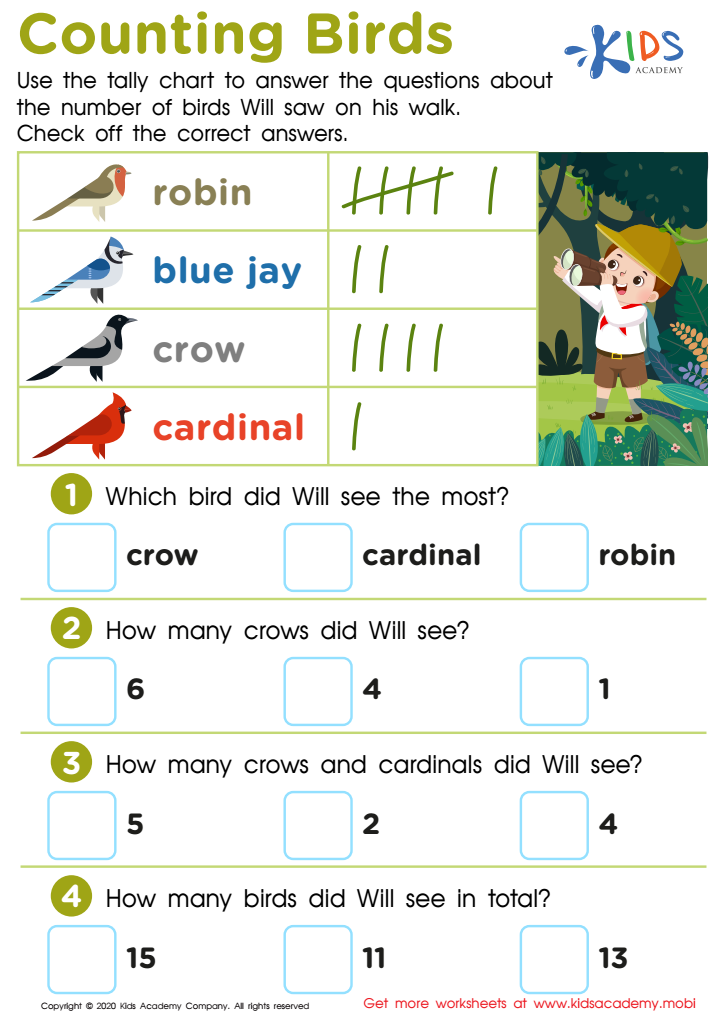
Counting Birds Worksheet
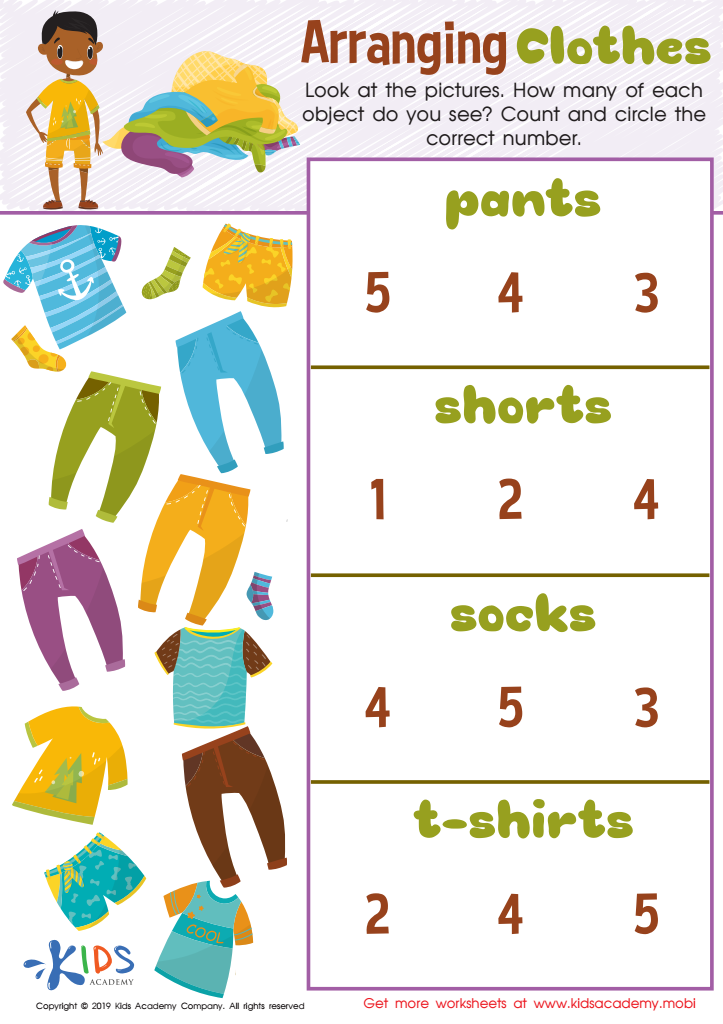
Arranging Clothes Worksheet







%20(1).jpg)
Visual perception is a critical component of early math development for children aged 3 to 7. This skill involves the ability to interpret and make sense of visual information, which is essential for understanding shapes, sizes, patterns, and spatial relationships—all foundational aspects of mathematics. Parents and teachers should prioritize visual perception skills because they directly influence a child's ability to recognize numbers, solve problems, and grasp mathematical concepts.
For example, a child who can visually differentiate shapes is better equipped to understand geometric terms like "triangle" or "circle," while those who can perceive patterns will excel in recognizing sequences—key for early addition and subtraction tasks. As students progress, strong visual perception provides a groundwork for more complex mathematical operations, such as measurement and problem-solving.
Encouraging activities like matching games, puzzles, and construction tasks can enhance these skills. Furthermore, fostering visual perception enriches a child's overall cognitive development and boosts confidence, making learning more enjoyable. When parents and teachers invest in strengthening these skills, they help create a solid foundation for future success in math, ultimately boosting academic performance and fostering a positive attitude towards learning.








