Visual perception Math Worksheets for Ages 3-7 - Page 2
57 filtered results
-
From - To
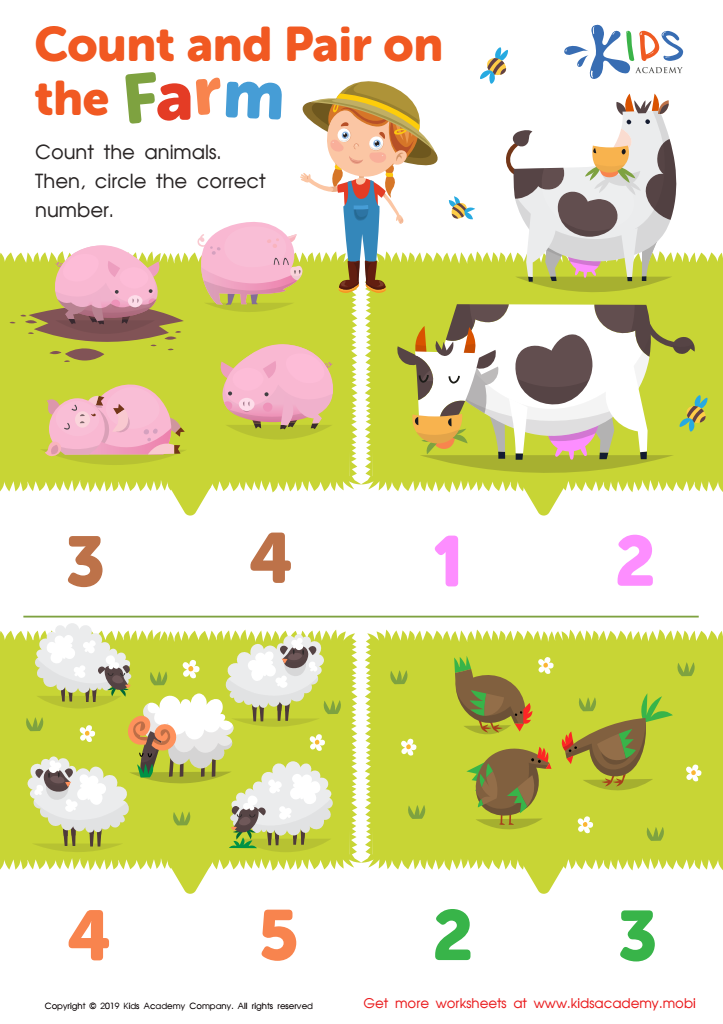
Count and Pair on the Farm Worksheet
 Assign to My Students
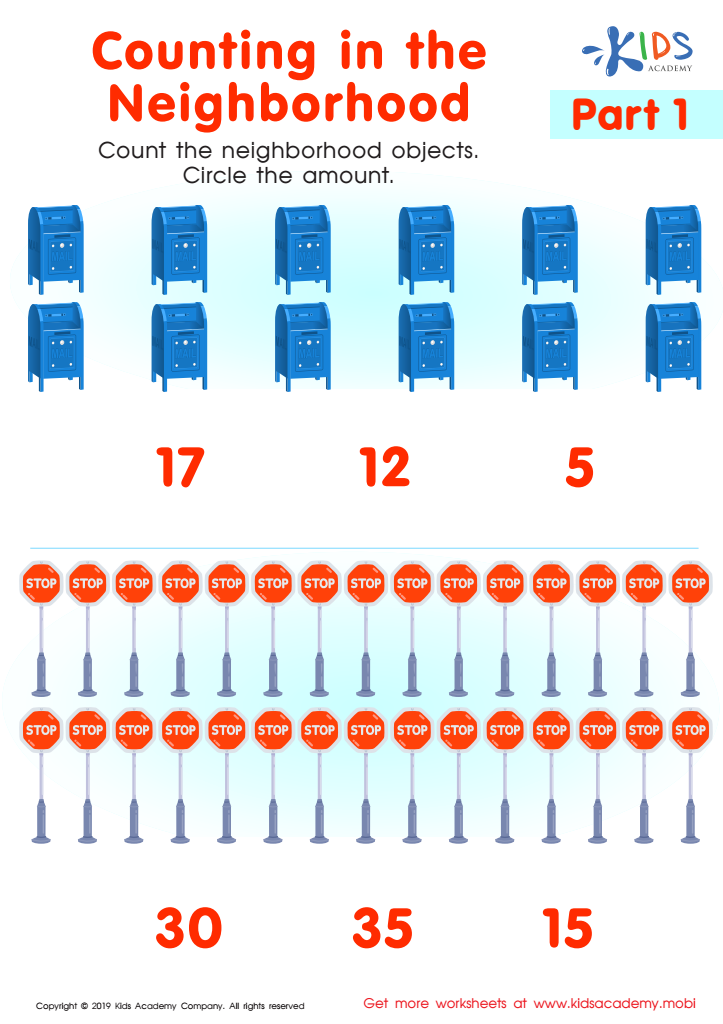
Counting in the Neighborhood Part1 Worksheet
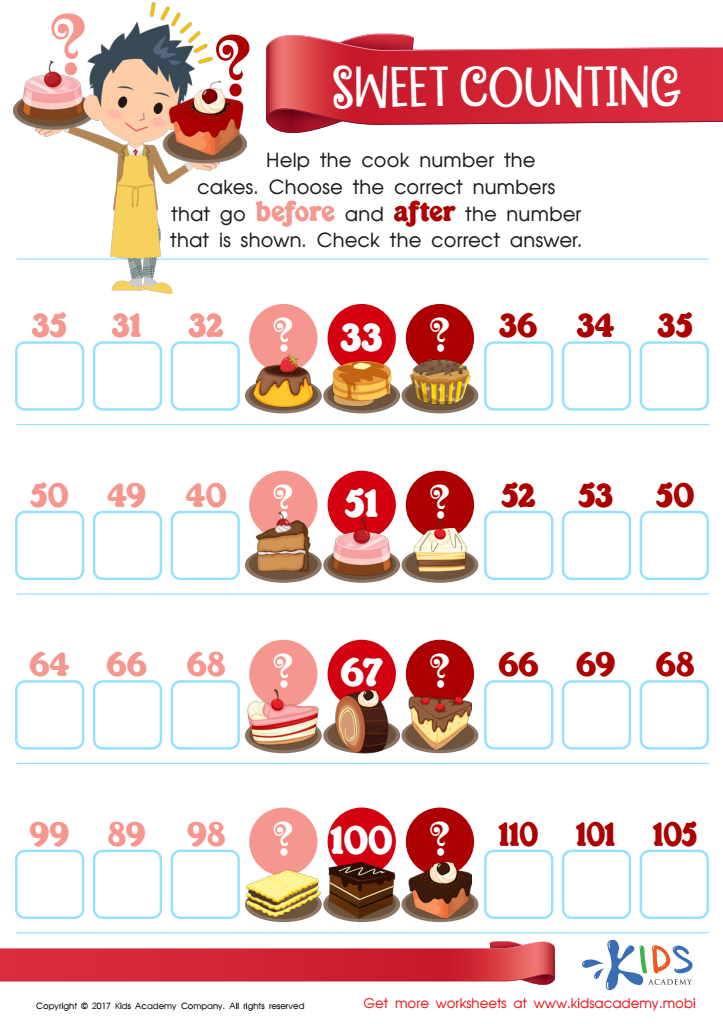
Sweet Counting - Part 1 Worksheet
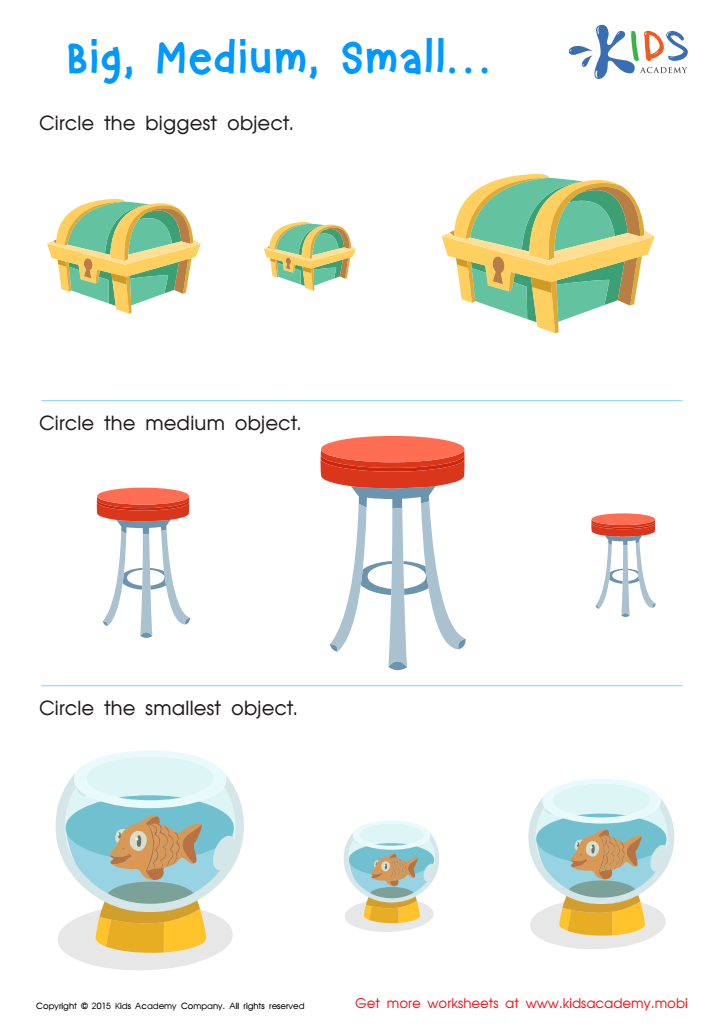
Big Medium Small Worksheet
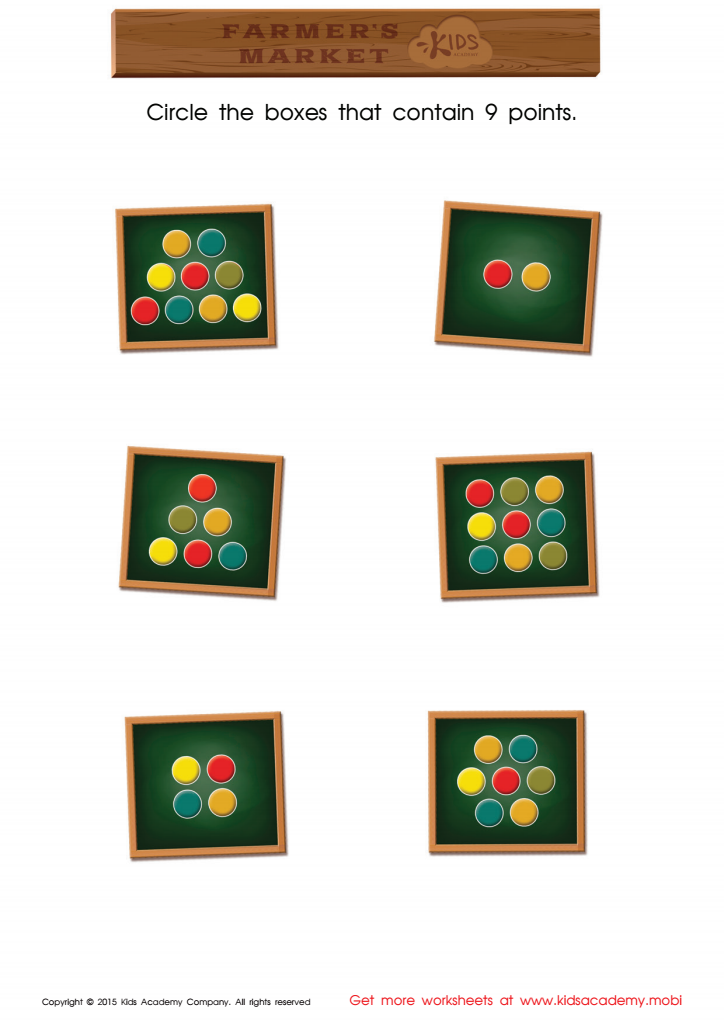
Count and Match Points 9 Math Worksheet
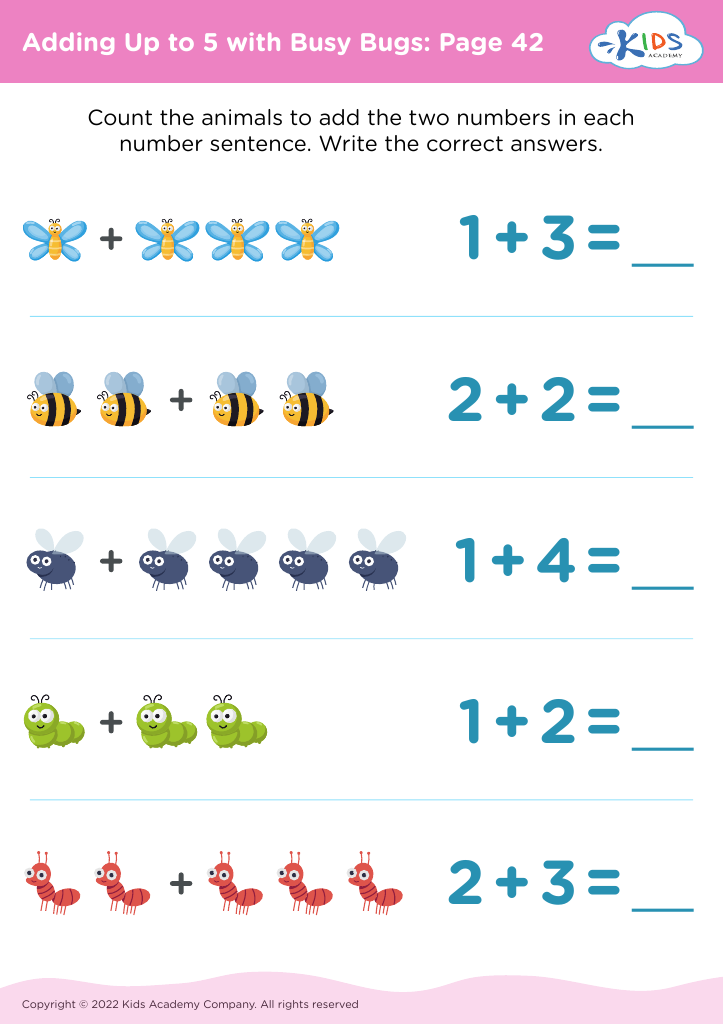
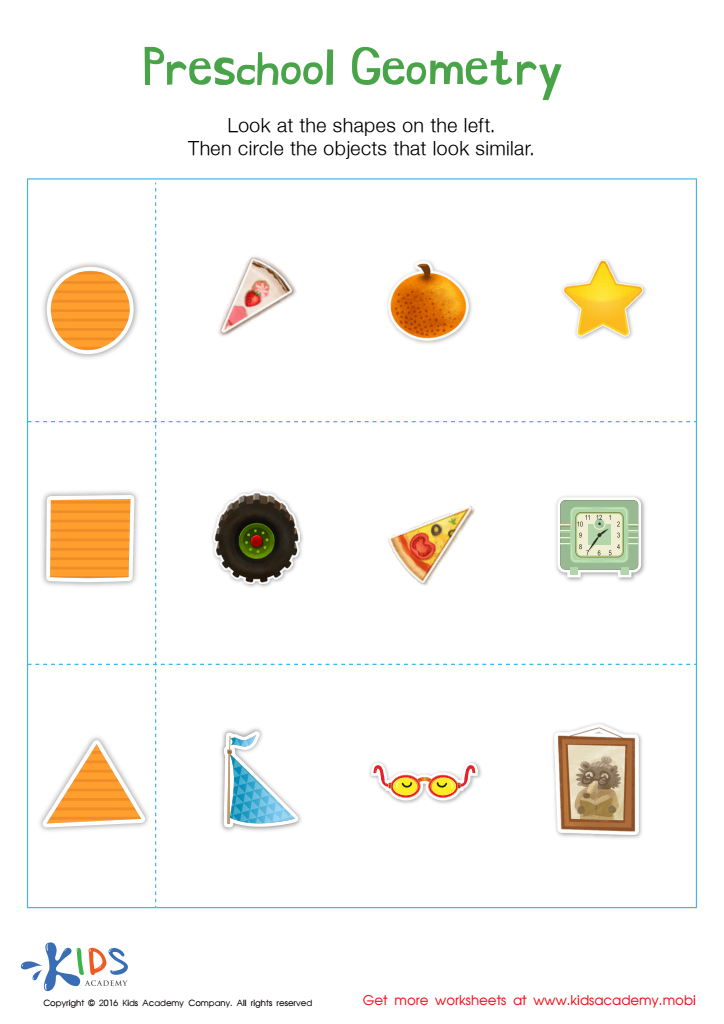
Preschool Geometry Match Up Worksheet
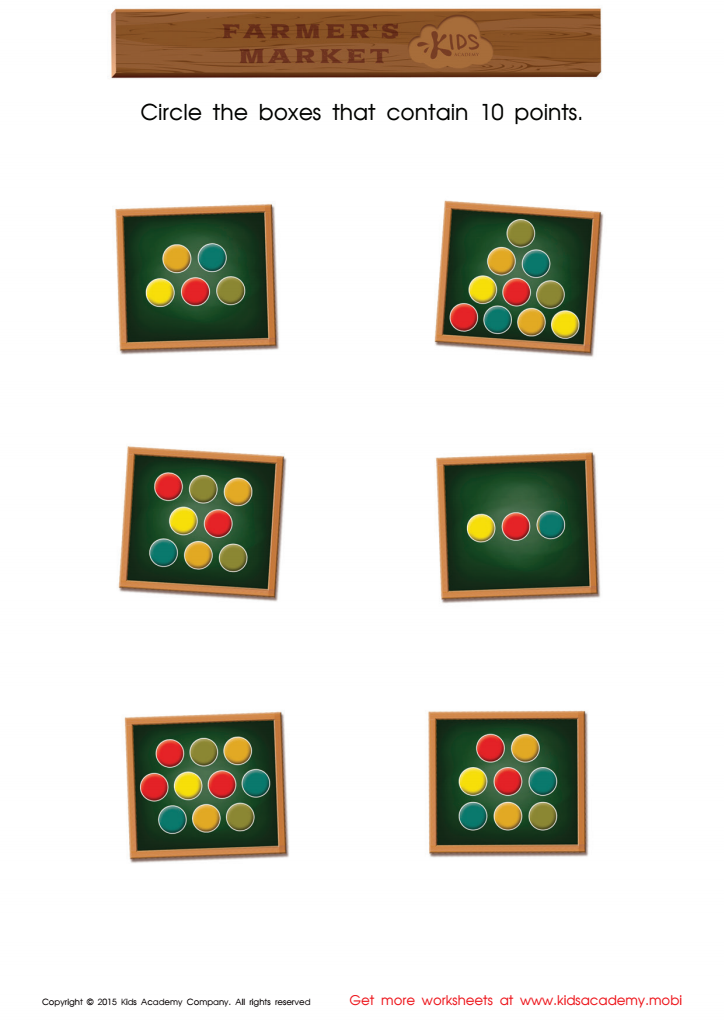
Count and Match Points 10 Math Worksheet
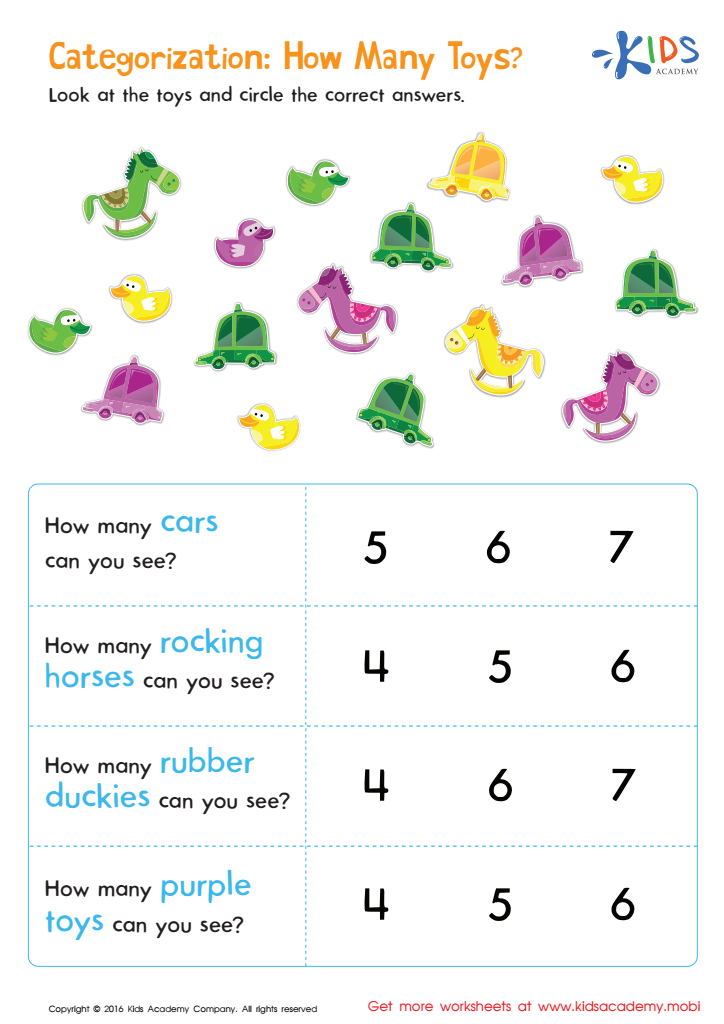
Classifying Toys by Type and Color Sorting Worksheet
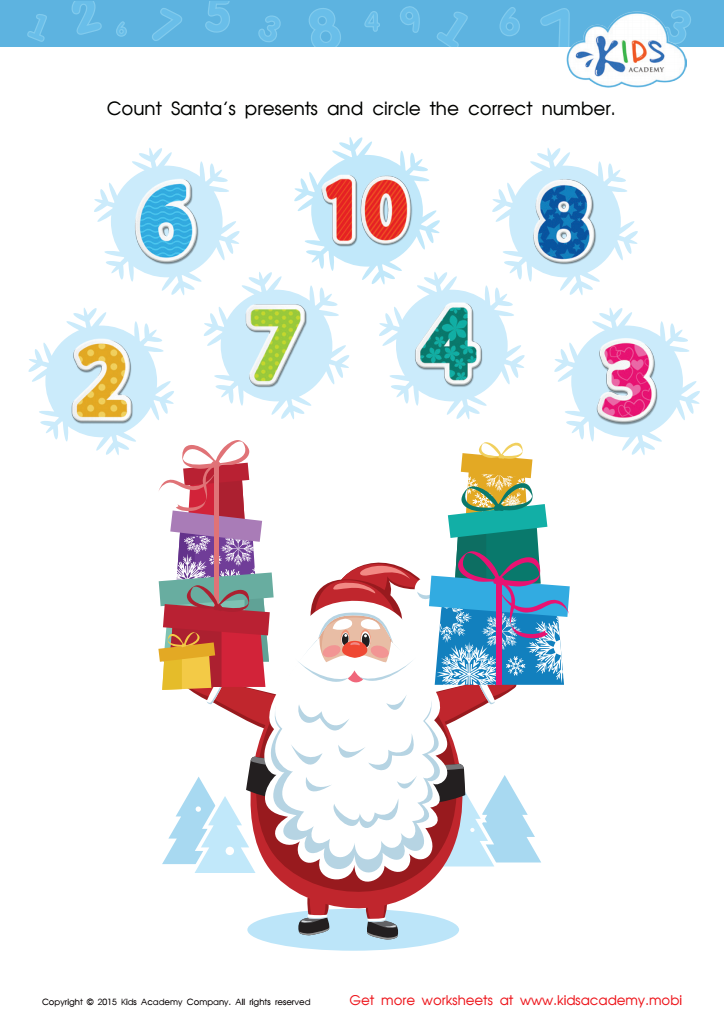
Count Santa's Presents Worksheet
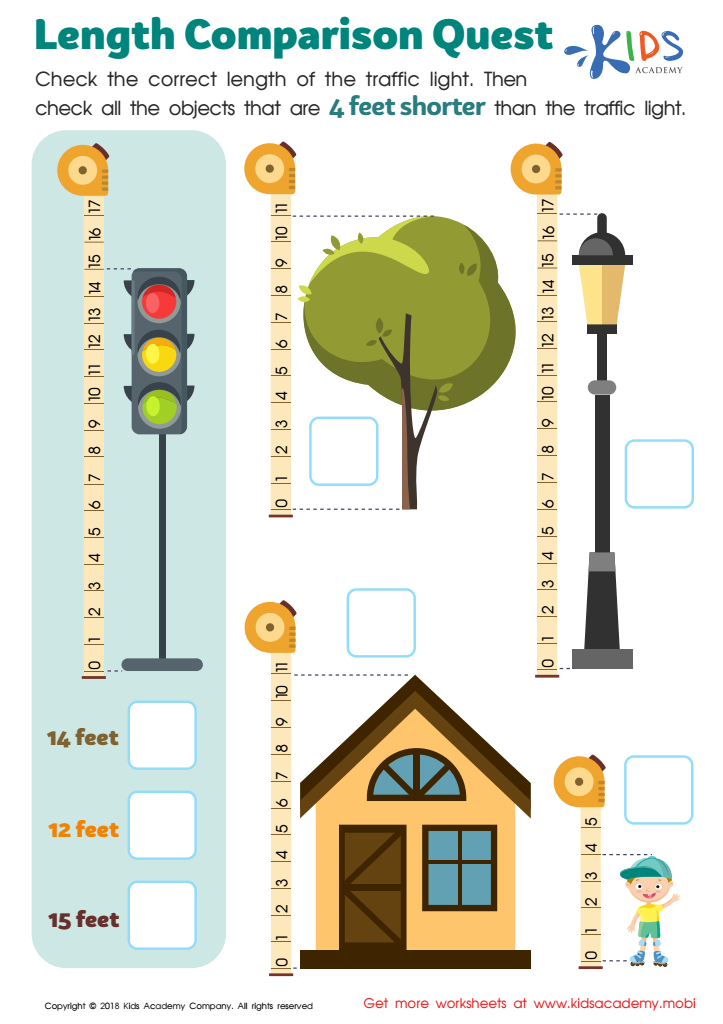
Length Comparison Quest Worksheet
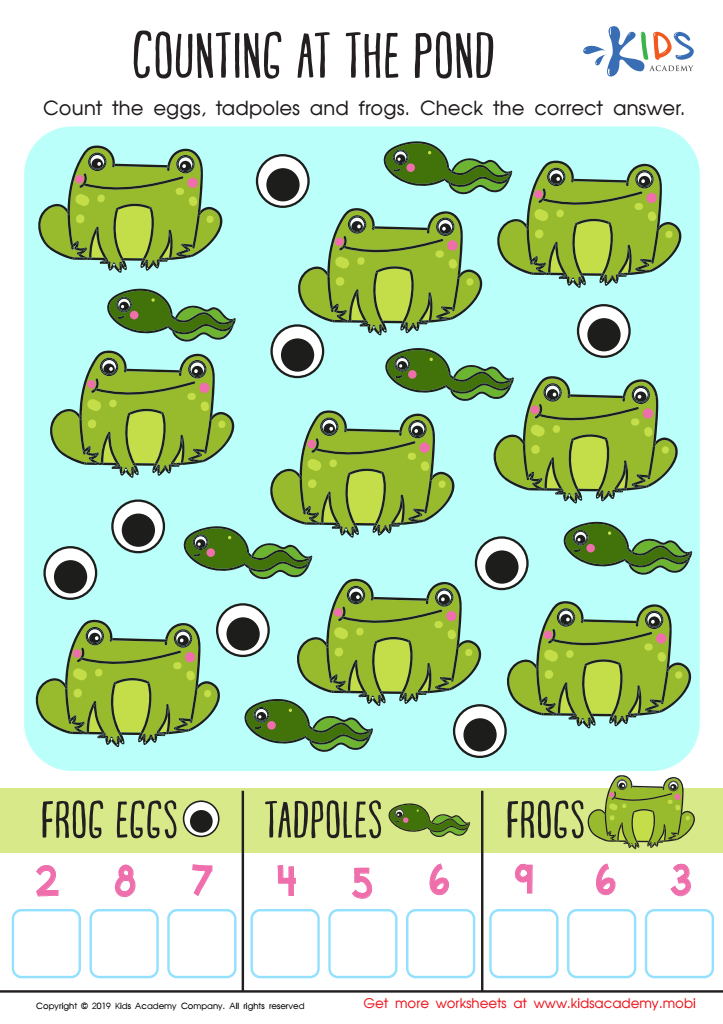
Counting at the Pond Worksheet
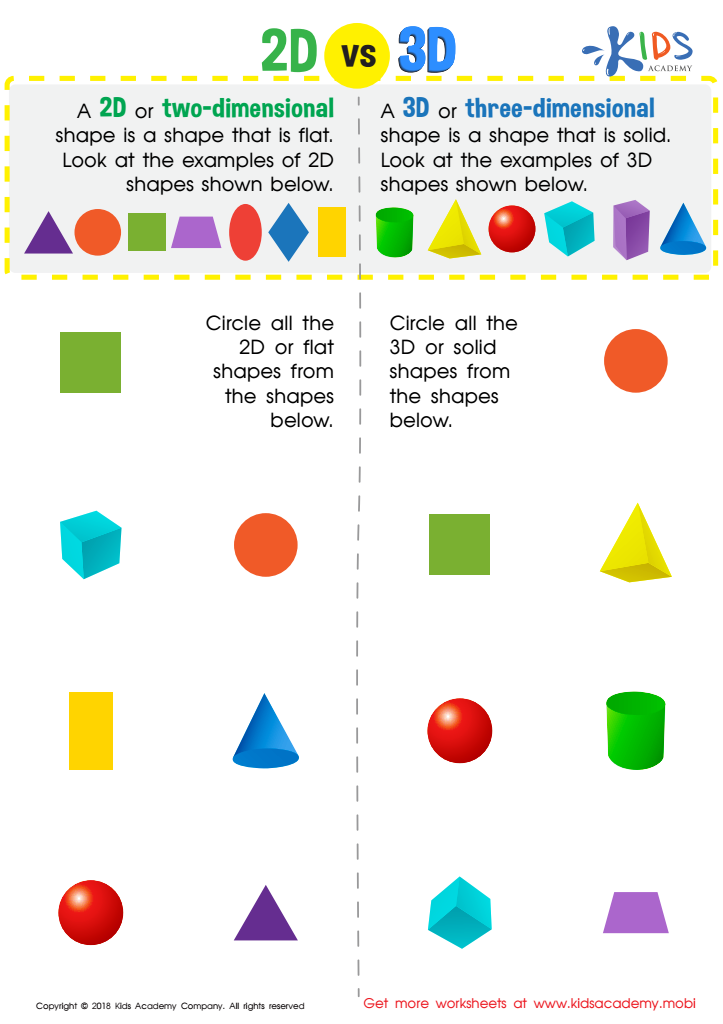
2D vs 3D Shapes Worksheet
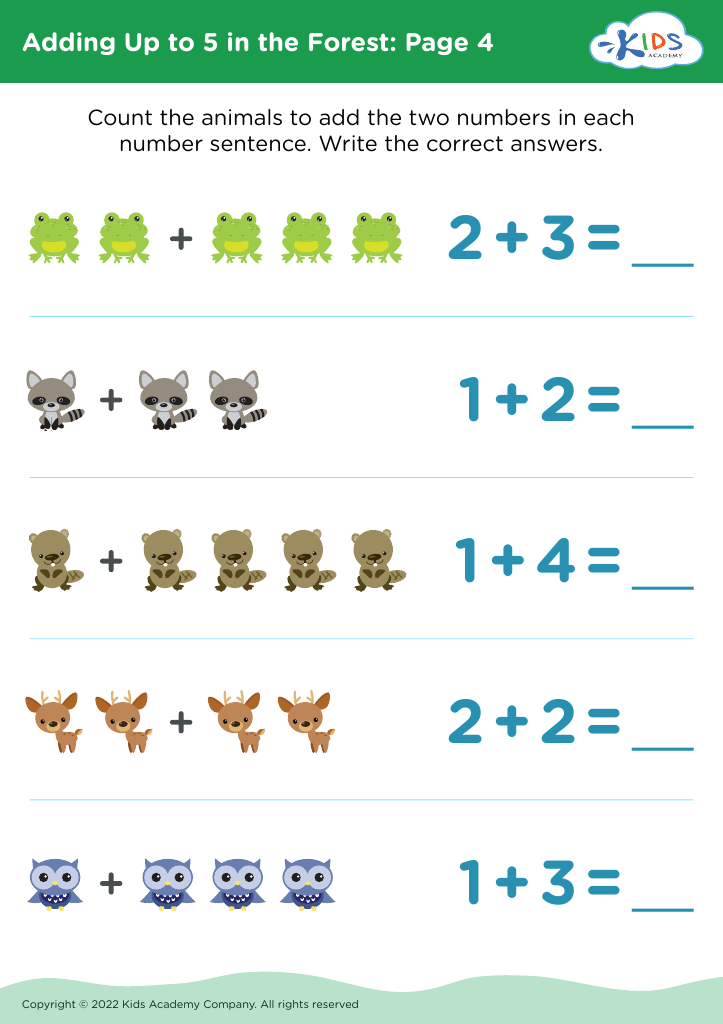
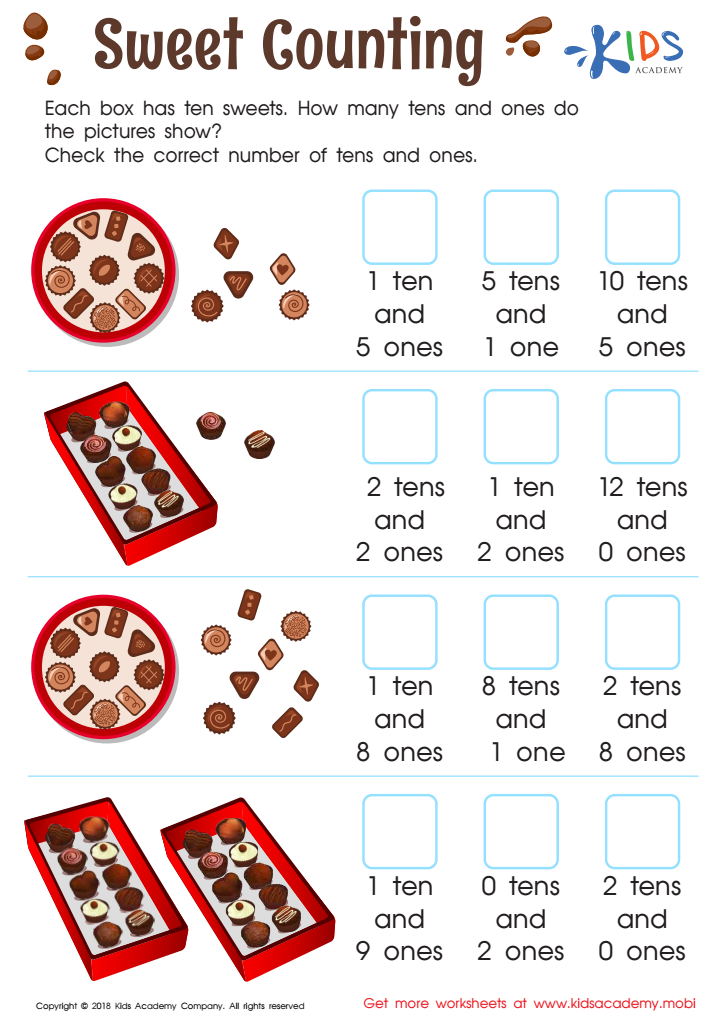
Sweet Counting - Part 2 Worksheet
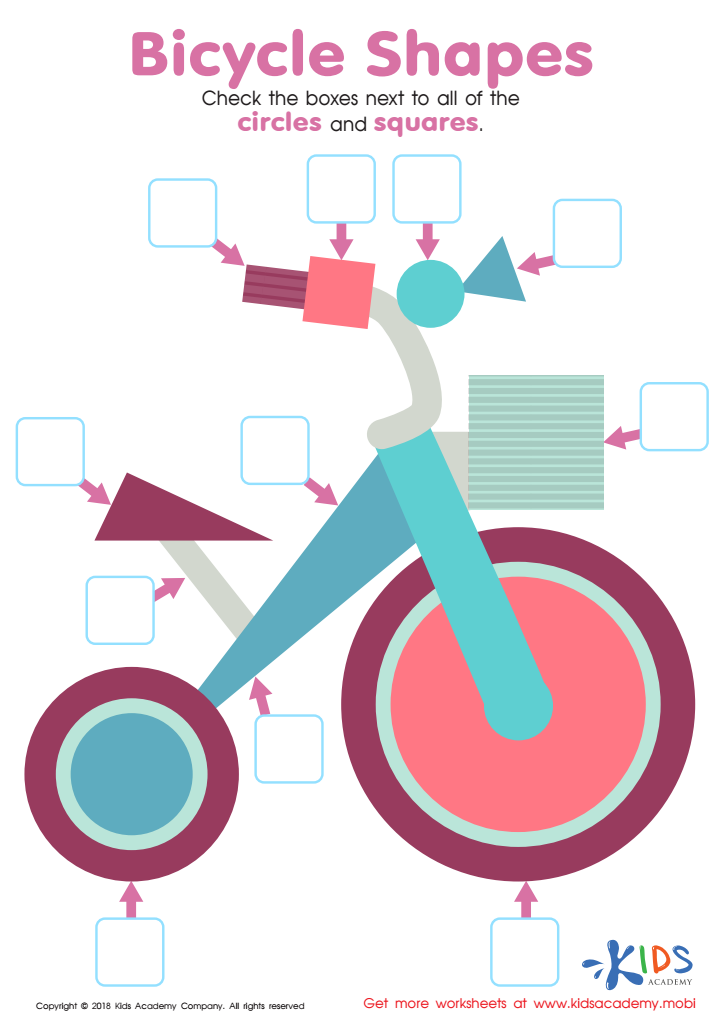
Bicycle Shapes Worksheet
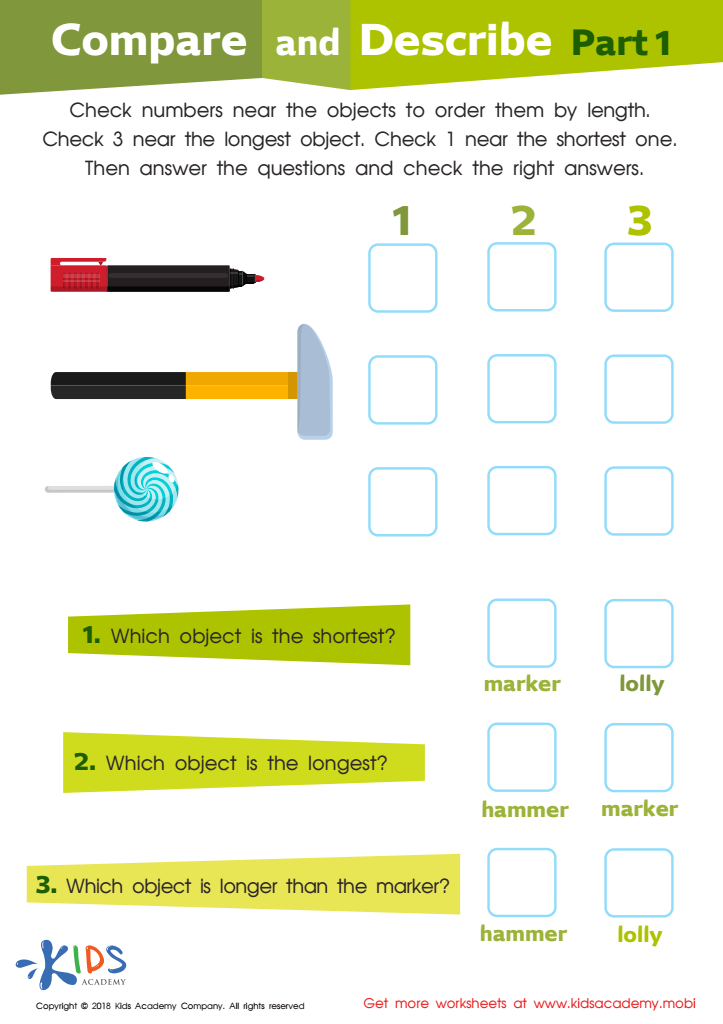
Compare and Describe: Part 1 Worksheet
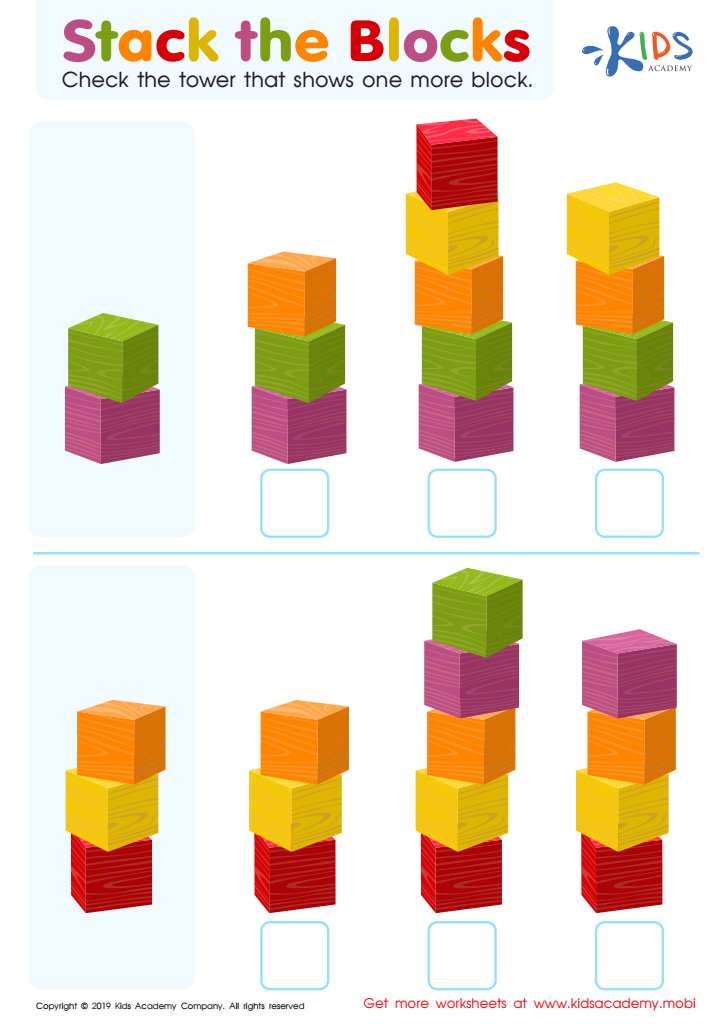
Stack the Blocks Worksheet
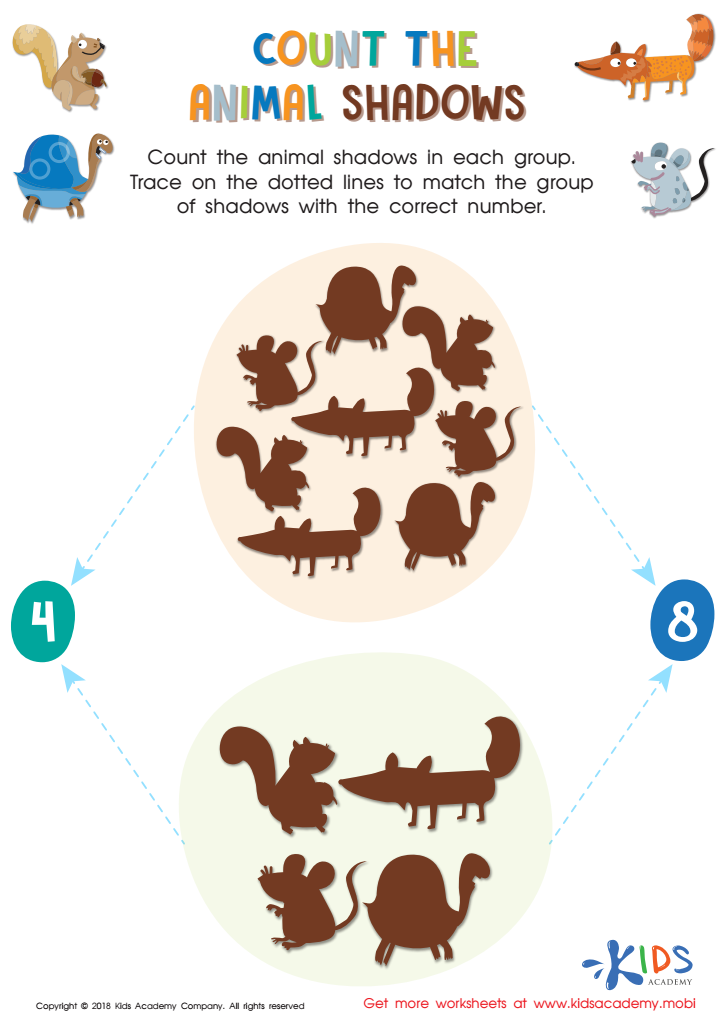
Count the Animal Shadows Worksheet
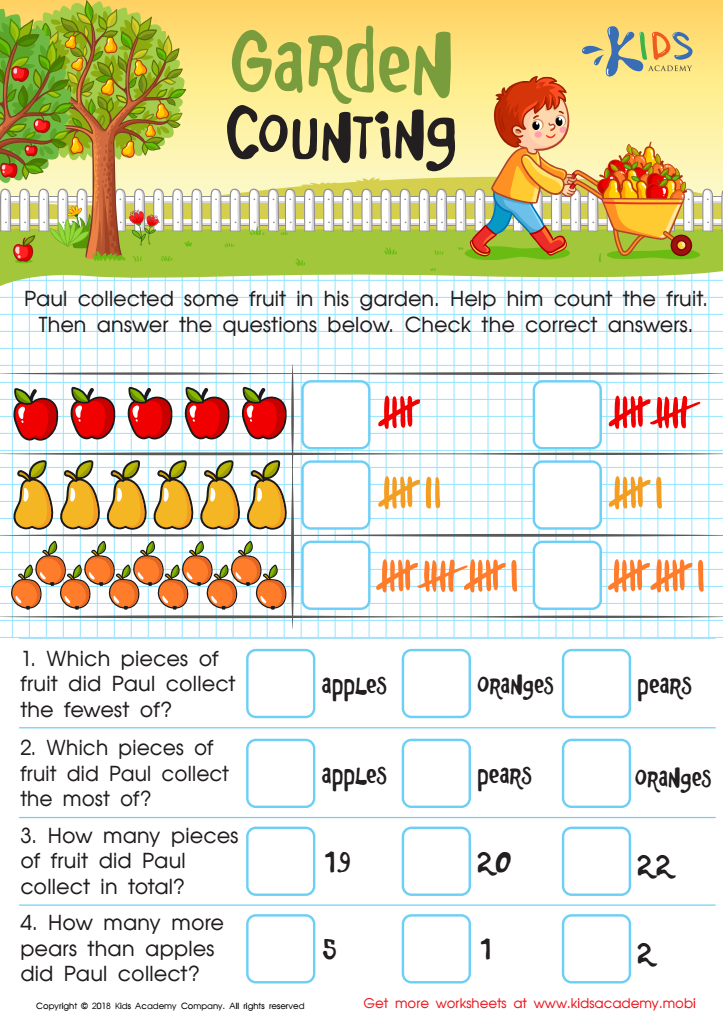
Garden Counting Worksheet
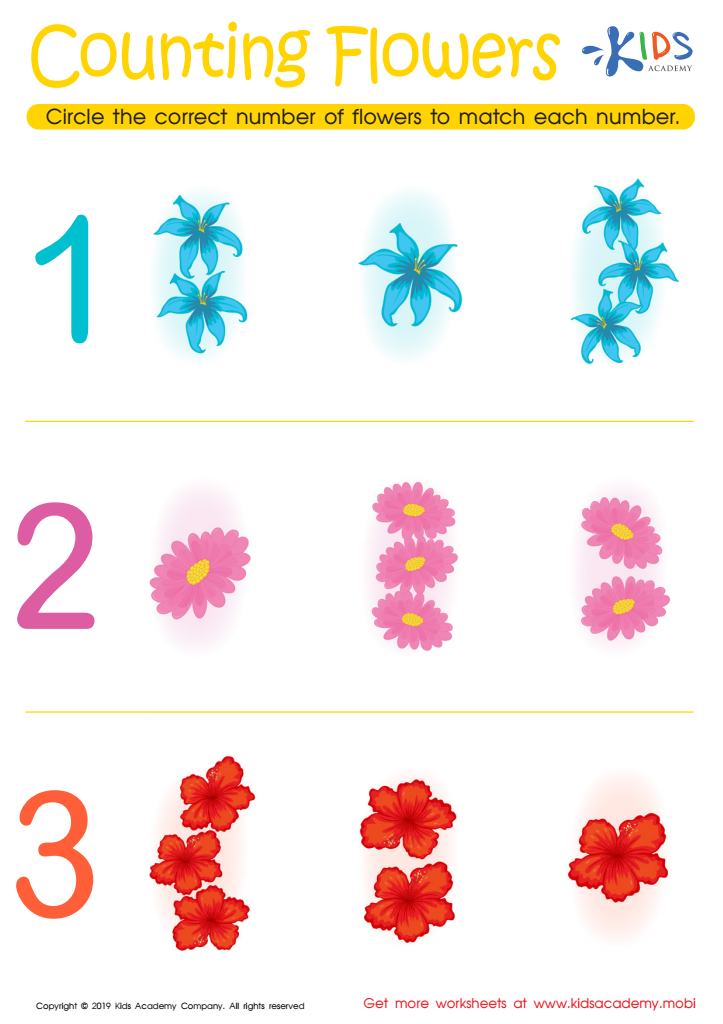
Counting Flowers Worksheet
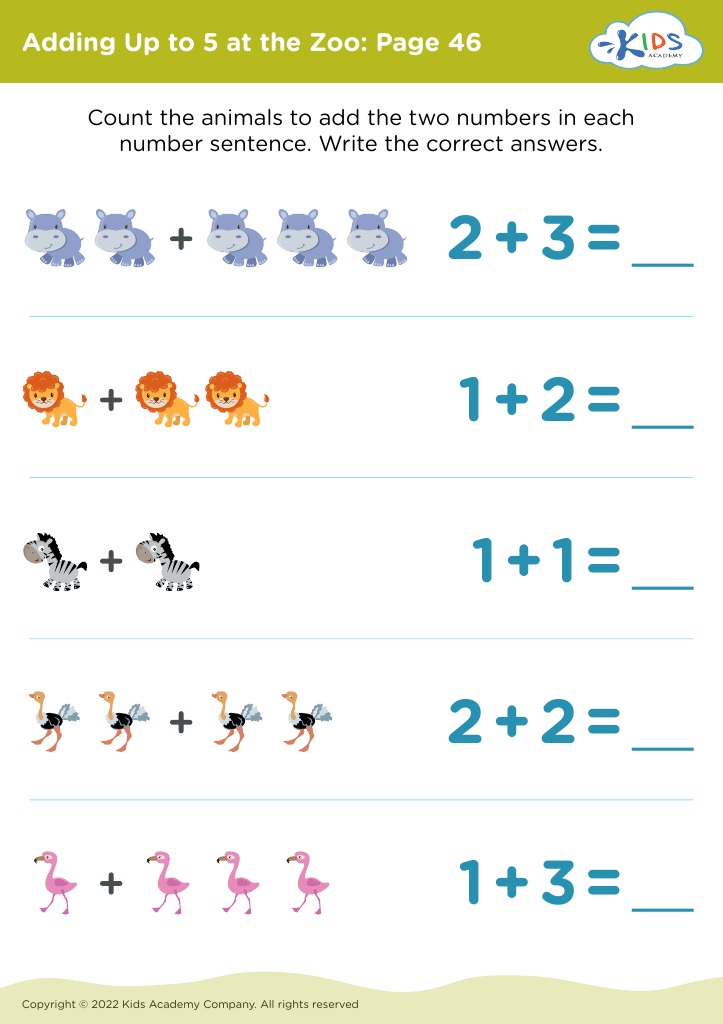
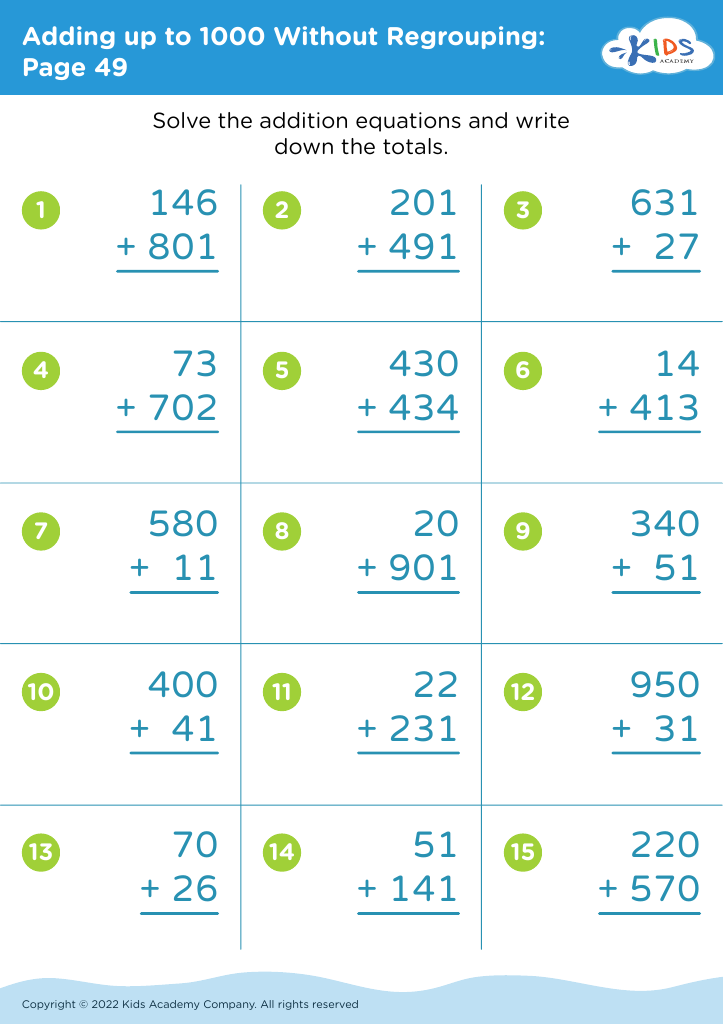
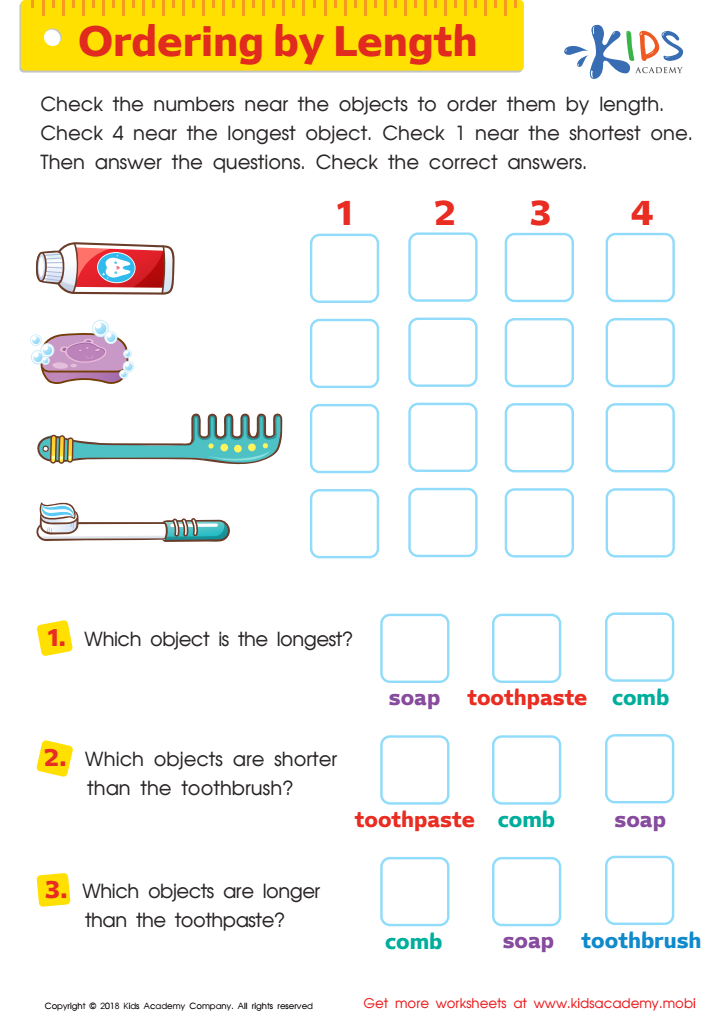
Ordering by Length Worksheet








Visual perception is a critical component of early math development for children aged 3 to 7. This skill involves the ability to interpret and make sense of visual information, which is essential for understanding shapes, sizes, patterns, and spatial relationships—all foundational aspects of mathematics. Parents and teachers should prioritize visual perception skills because they directly influence a child's ability to recognize numbers, solve problems, and grasp mathematical concepts.
For example, a child who can visually differentiate shapes is better equipped to understand geometric terms like "triangle" or "circle," while those who can perceive patterns will excel in recognizing sequences—key for early addition and subtraction tasks. As students progress, strong visual perception provides a groundwork for more complex mathematical operations, such as measurement and problem-solving.
Encouraging activities like matching games, puzzles, and construction tasks can enhance these skills. Furthermore, fostering visual perception enriches a child's overall cognitive development and boosts confidence, making learning more enjoyable. When parents and teachers invest in strengthening these skills, they help create a solid foundation for future success in math, ultimately boosting academic performance and fostering a positive attitude towards learning.








