Counting skills Matching Worksheets for Ages 3-7
16 filtered results
-
From - To
Discover our engaging "Counting Skills Matching Worksheets for Ages 3-7" designed to make learning numbers fun and interactive. These meticulously crafted activities help young learners build foundational counting skills through visually appealing match-ups. Perfect for preschoolers and early elementary students, the worksheets offer a hands-on approach to practicing number recognition, sequencing, and basic arithmetic concepts. With vibrant images and child-friendly themes, these resources keep kids motivated while enhancing their cognitive development. Ideal for teachers, parents, and homeschooling, our counting worksheets provide an excellent way to support your child's math journey from a young age. Explore and download now to start the fun!
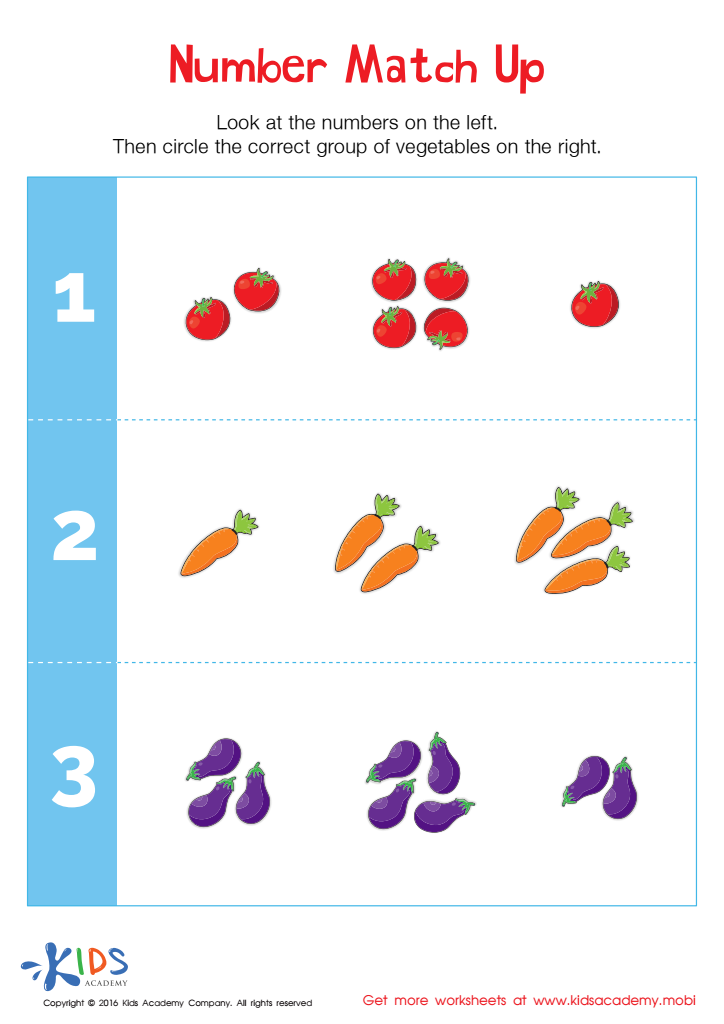
Number Match Up Worksheet
 Assign to My Students
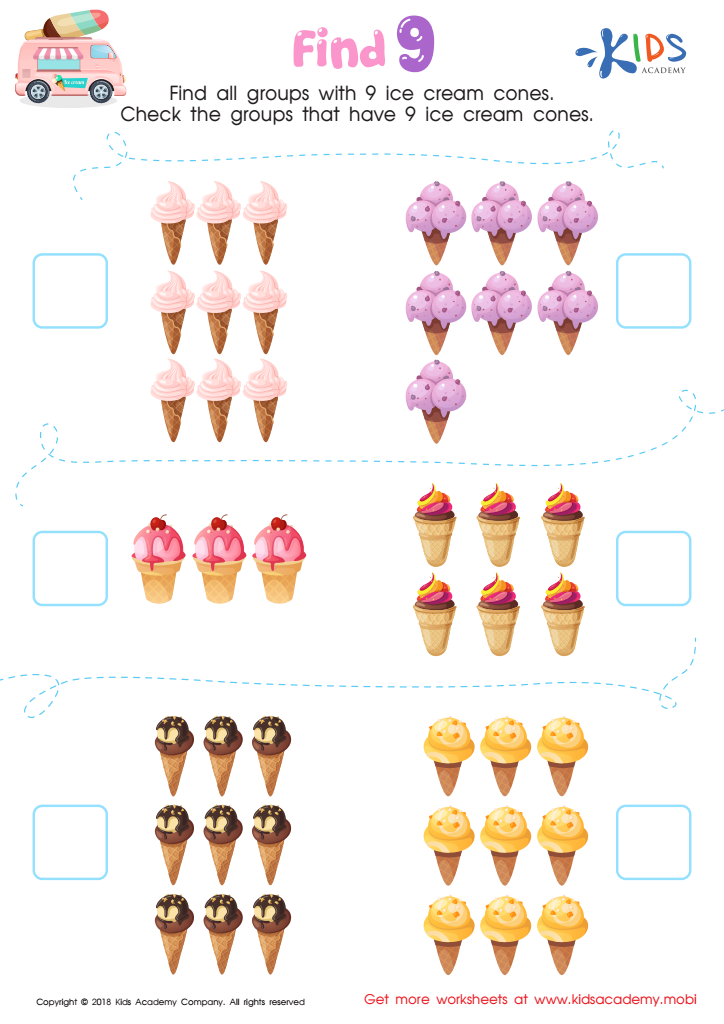
Find 9 Worksheet
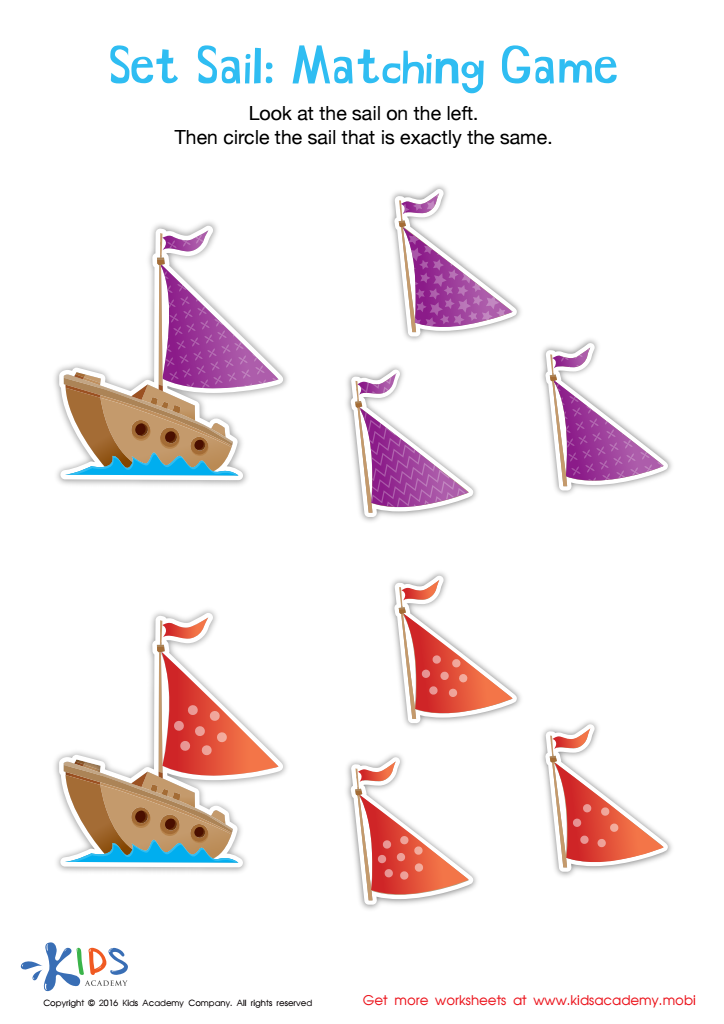
Set Sail Worksheet
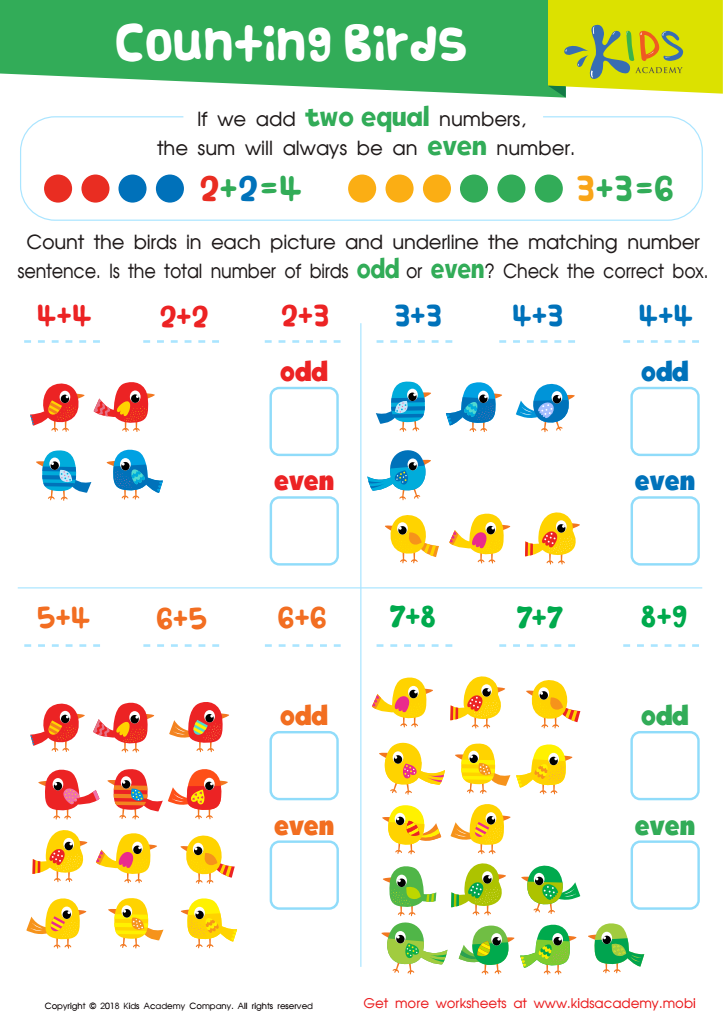
Counting Birds Worksheet
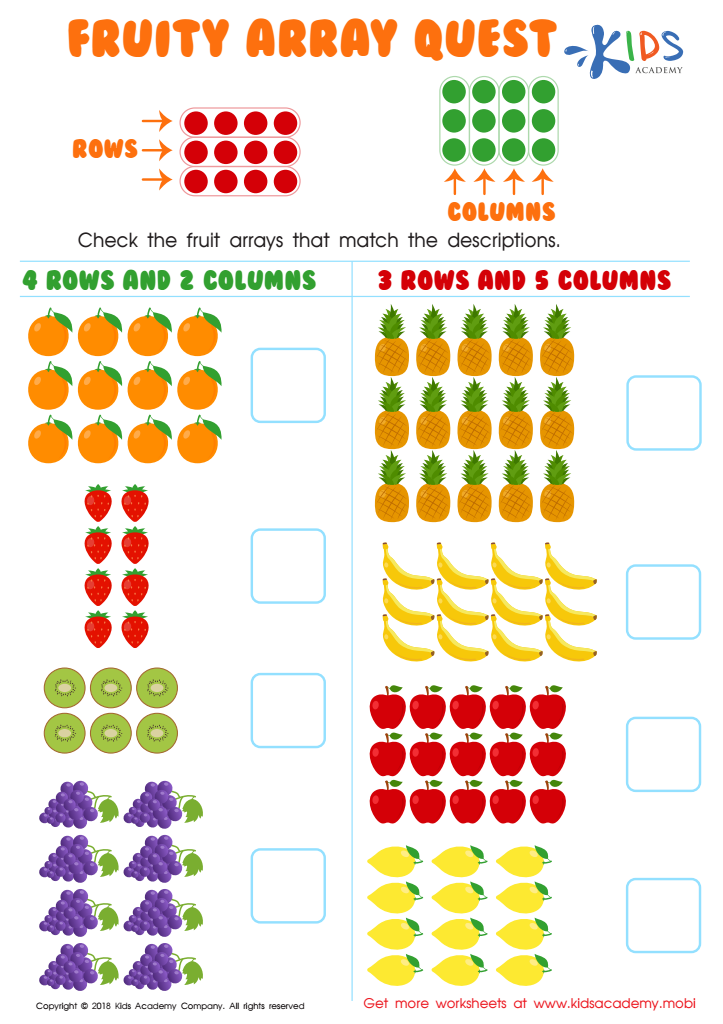
Fruity Array Quest Worksheet
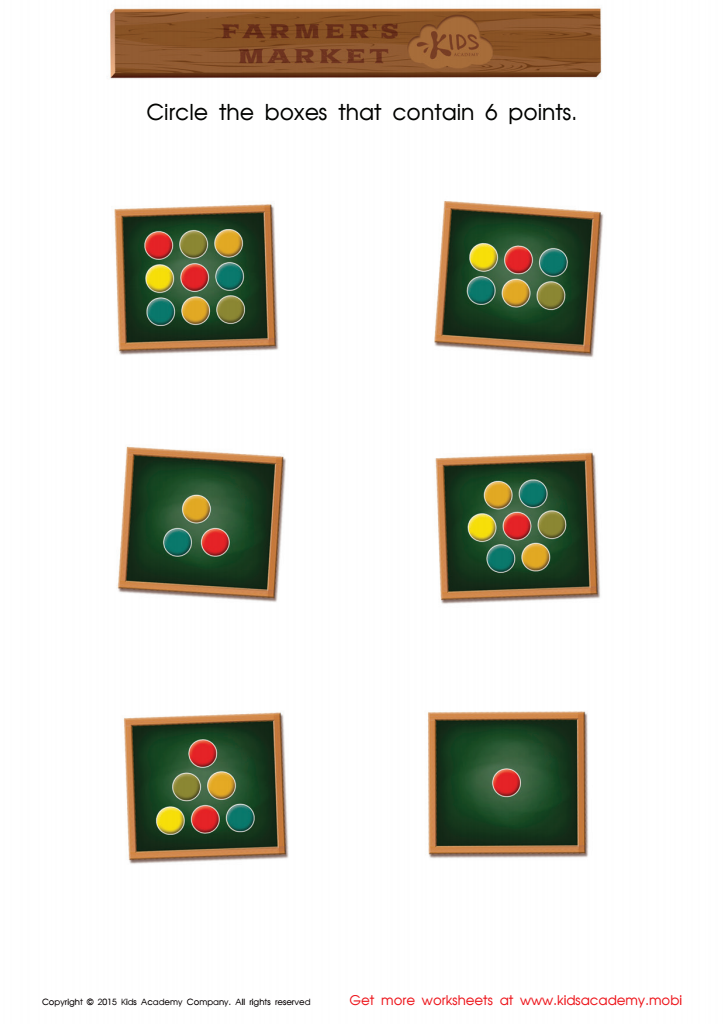
Count and Match Points 6 Math Worksheet
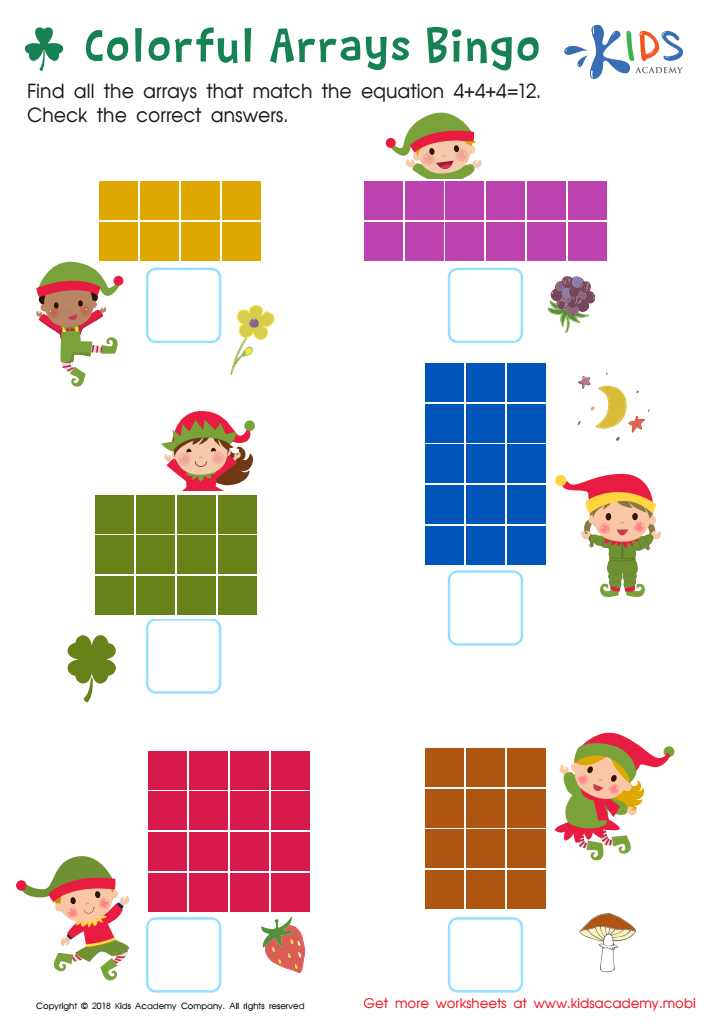
Colorful Arrays Bingo Worksheet
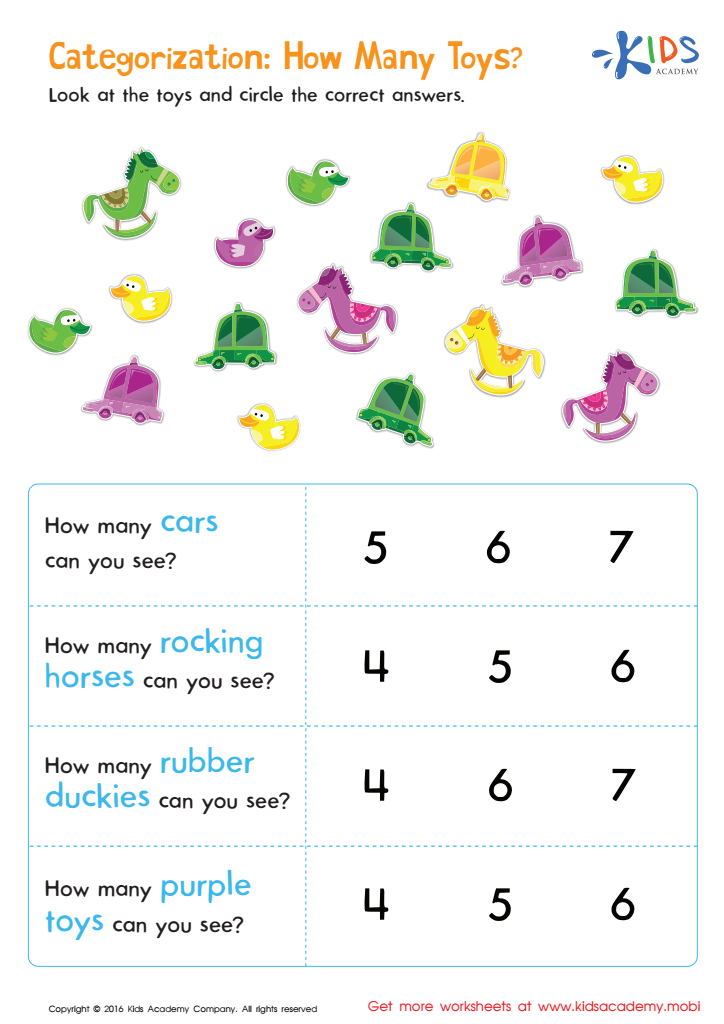
Classifying Toys by Type and Color Sorting Worksheet
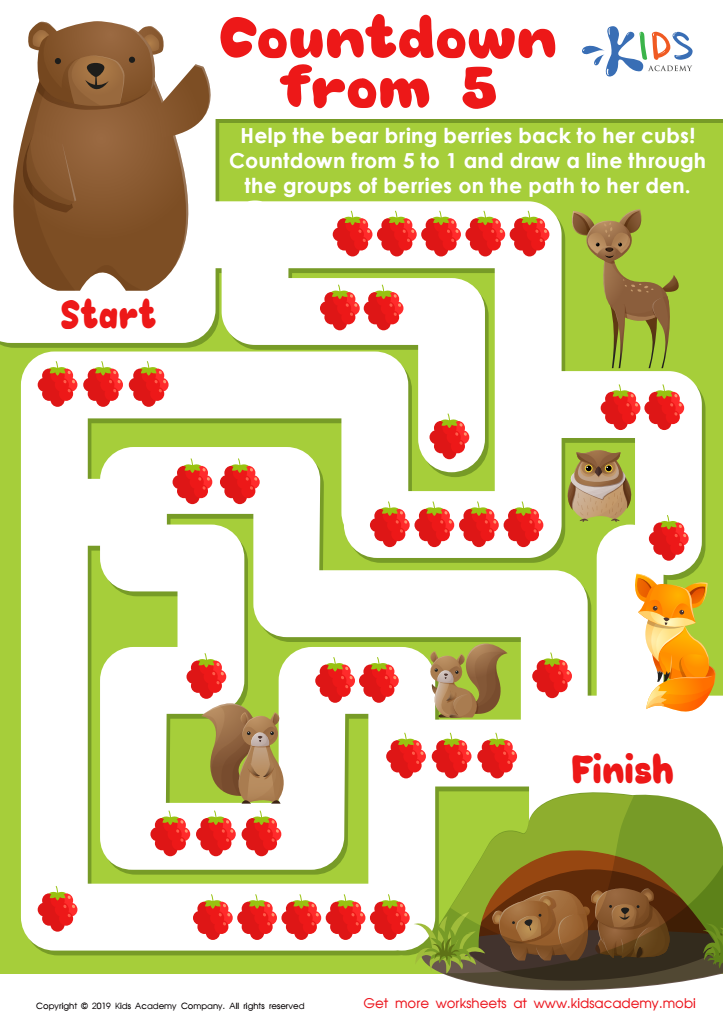
Countdown from 5 Worksheet
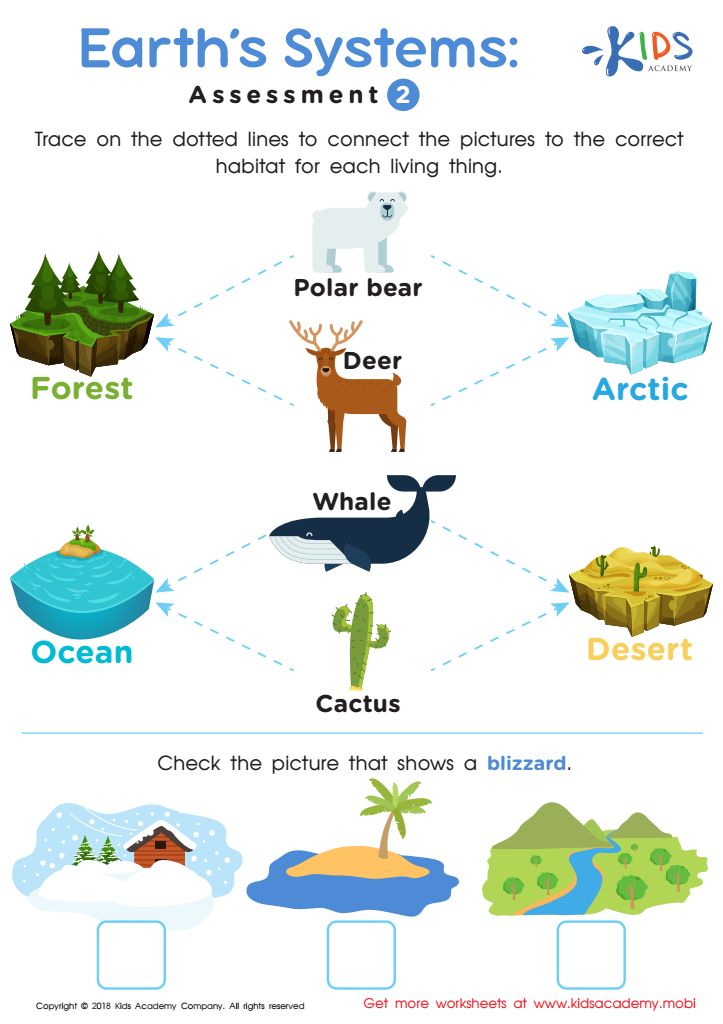
Earth's Systems: Assessment 2
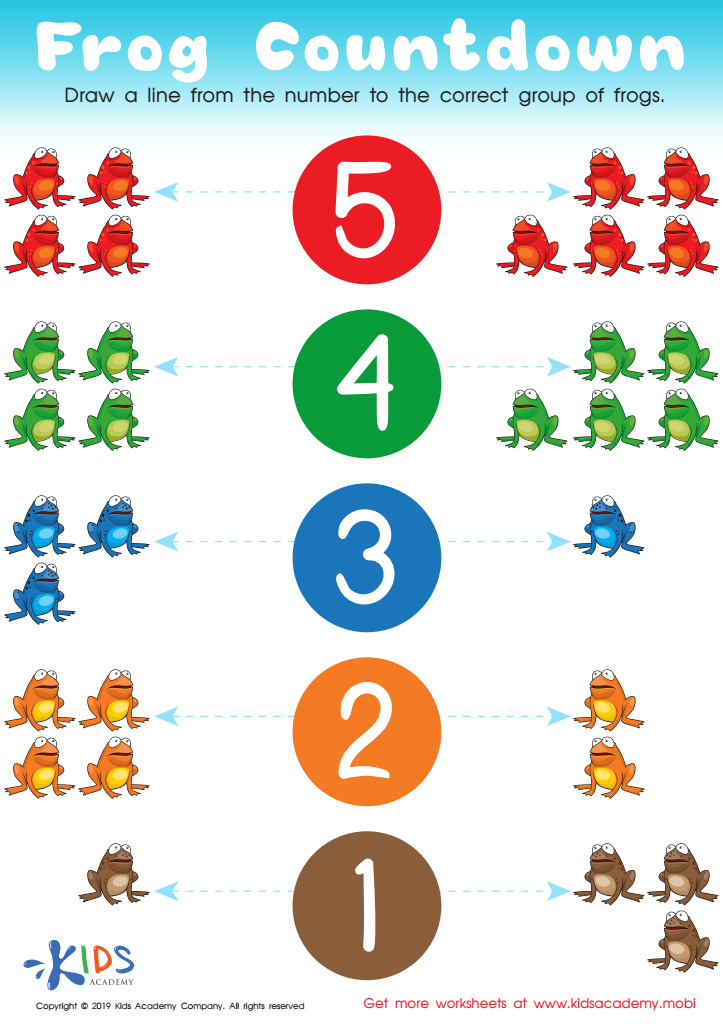
Frog Countdown Worksheet
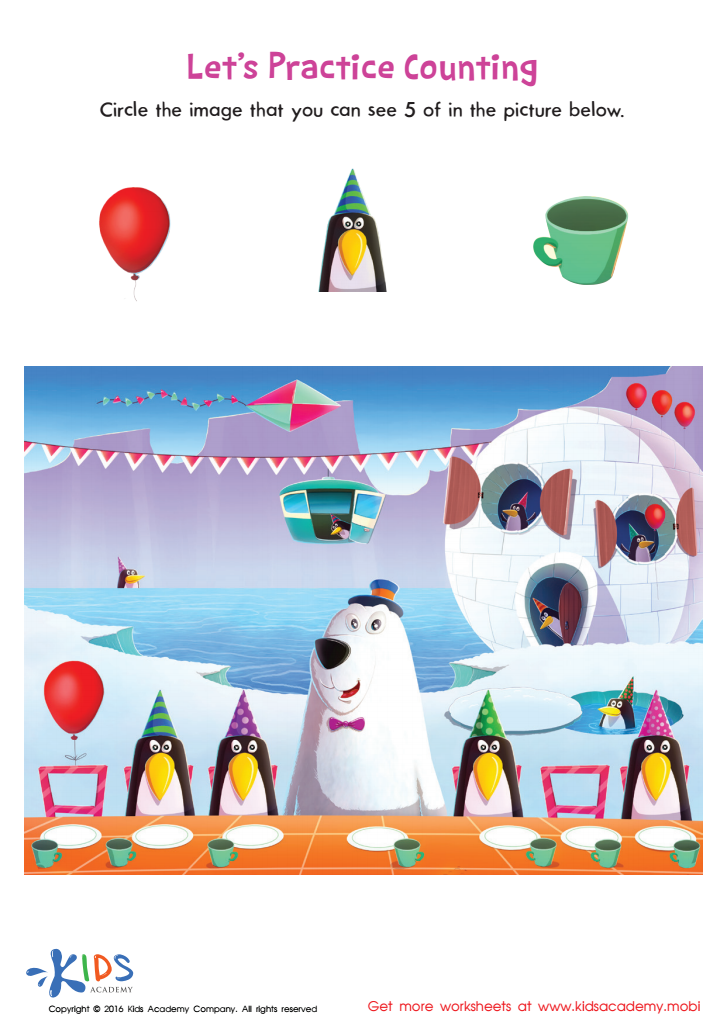
Counting Worksheet: Let's Practice Counting
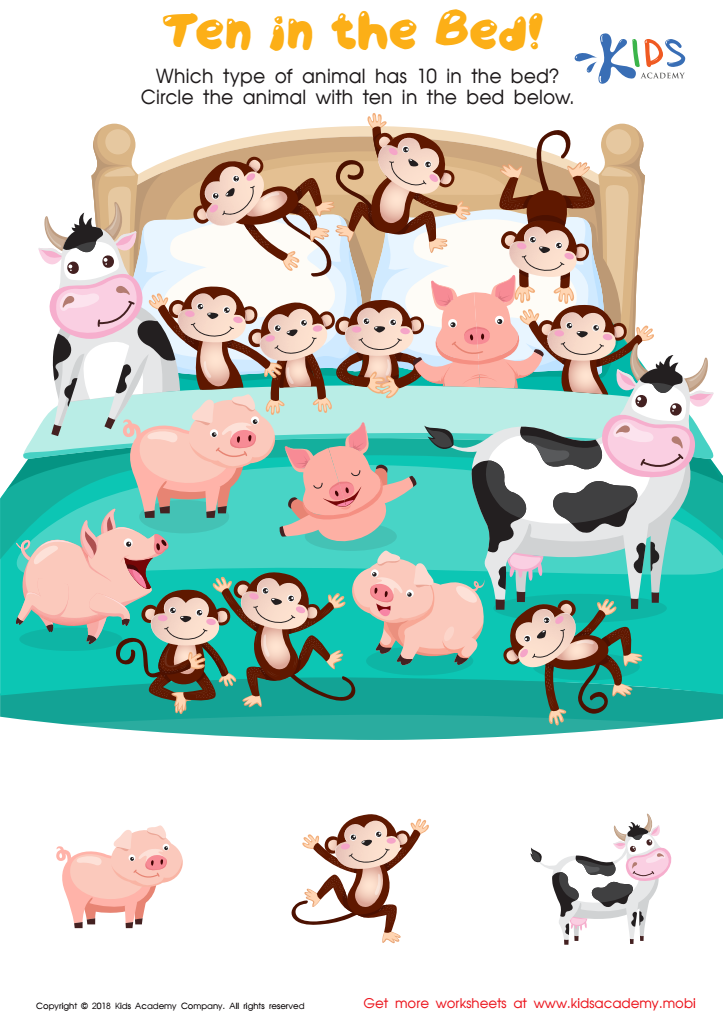
Ten in the Bed Worksheet
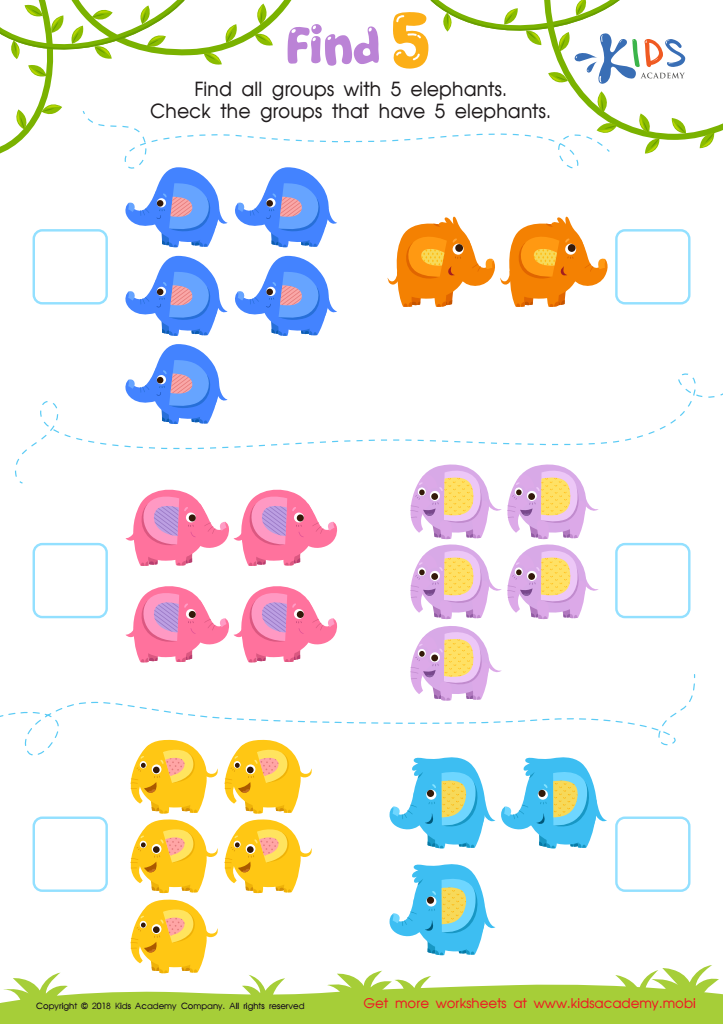
Find 5 Worksheet
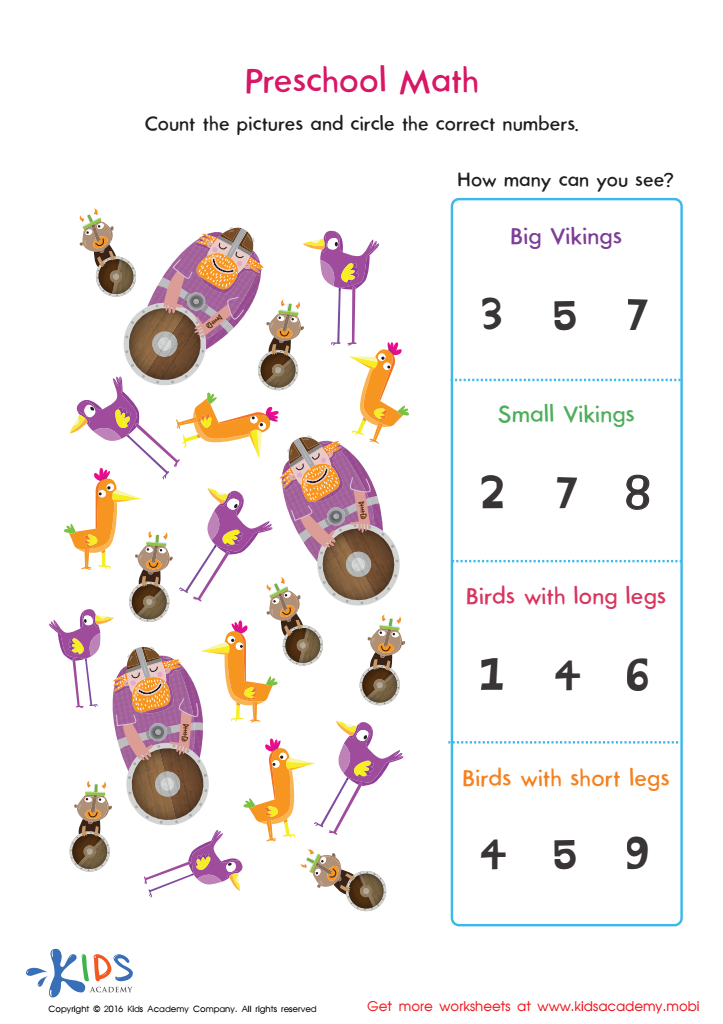





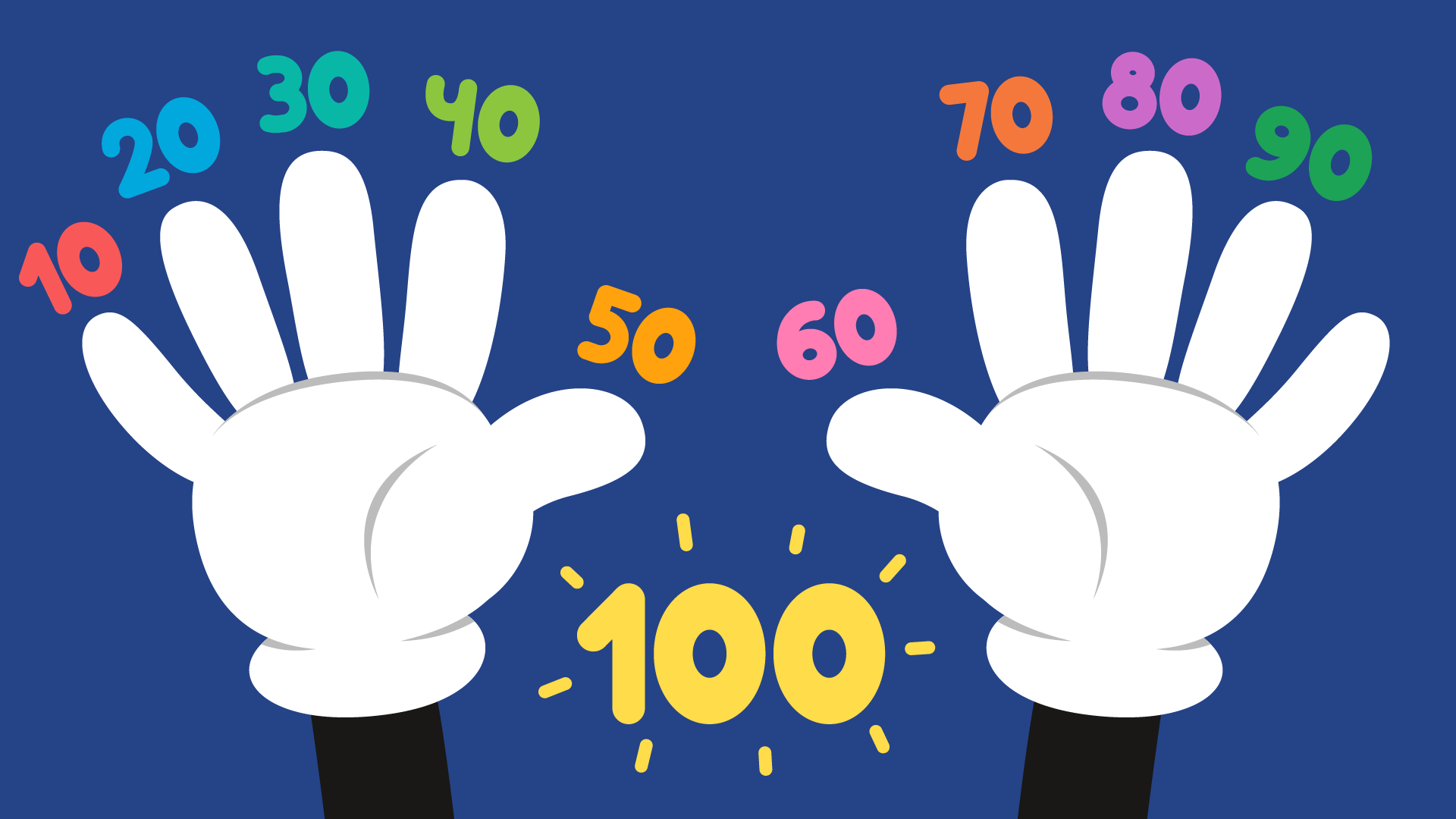

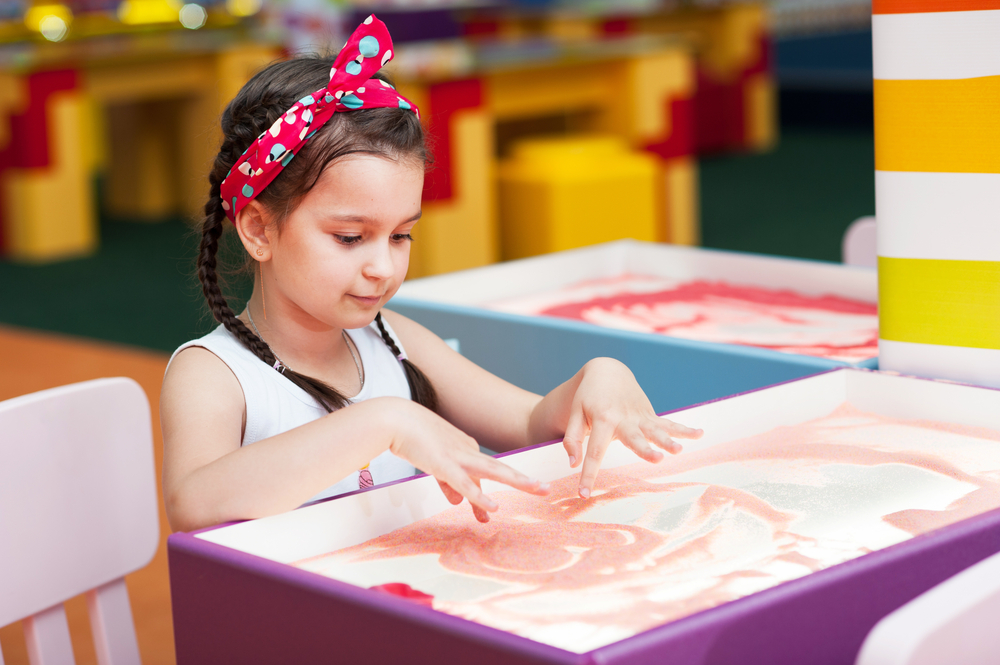
Counting skills and matching abilities form the cornerstone of early mathematical development for children aged 3-7, making them a critical focus for parents and teachers. These foundational skills are not only crucial for simple arithmetic but also play a significant role in broader cognitive development. For instance, counting helps children understand the concepts of quantity, order, and sequence, laying the groundwork for more advanced math skills like addition, subtraction, and problem-solving.
Matching enhances a child’s ability to recognize patterns, categorize objects, and organize information. This can lead to improved memory and concentration, both important for learning in various subject areas. Developing these skills early also boosts a child's confidence, making them more eager to engage in further learning activities.
Moreover, proficiency in counting and matching directly affects daily life skills such as understanding time, money, and measurement. When children grasp these concepts early, they are better equipped to handle real-world scenarios, fostering independence.
Early mastery of counting and matching also supports language development, as discussing numbers and patterns enhances vocabulary and communication skills. Engaging activities like games, songs, and hands-on manipulatives can make the learning process both fun and educational, ensuring a strong, lasting foundation for future academic success.








