
Basic Addition Place Value Worksheets for Ages 3-7
3 filtered results
Difficulty Level
Grade
Age
-
From - To
Subject
Activity
Standards
Introduce young learners aged 3-7 to the foundational concept of place value with our engaging Basic Addition Place Value Worksheets! These printable tools are specially designed to make early math fun and accessible. Kids will enjoy bright illustrations and interactive elements that help them grasp the importance of units, tens, and simple addition. Perfect for preschool, kindergarten, and first-grade students, these worksheets support the development of critical math skills in an enjoyable manner. Boost your child's confidence and proficiency in math with our expertly crafted educational resources, available at Kids Academy!
Favorites
With answer key
Interactive
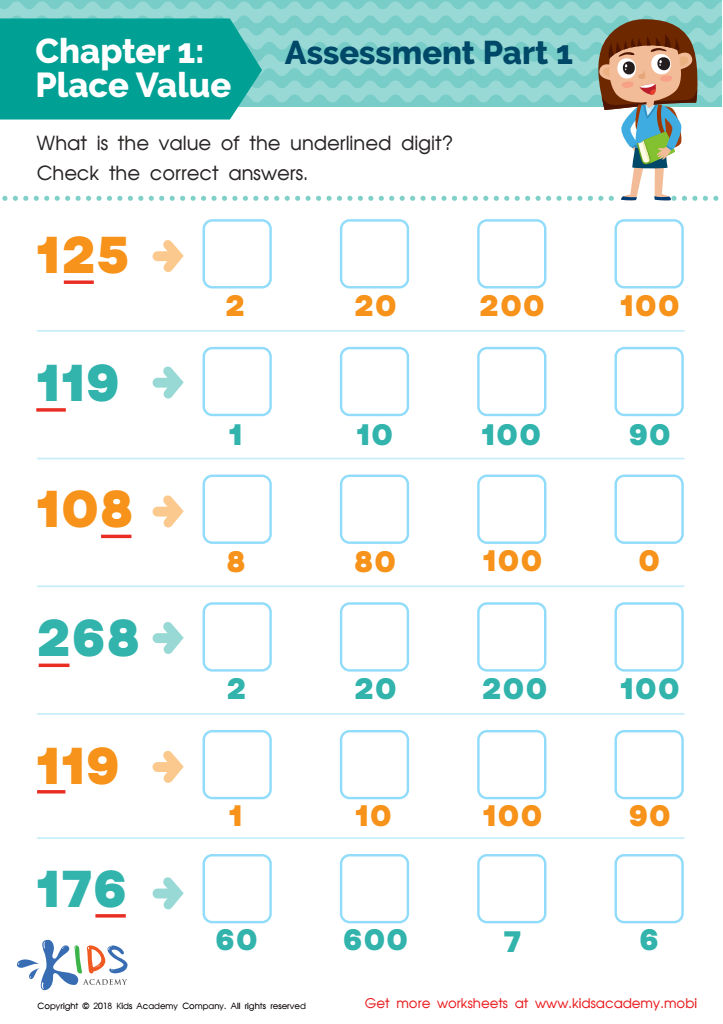
Place Value: Chapter 1 Worksheet
Check your kid's place value understanding with this assessment worksheet. It features 6 questions with one digit underlined for your child to determine the correct value of. Get the download and see if they can correctly choose the answer from the options given. It's a great way to test progress and keep their minds sharp!
 Assign to My Students
Place Value: Chapter 1 Worksheet
Worksheet
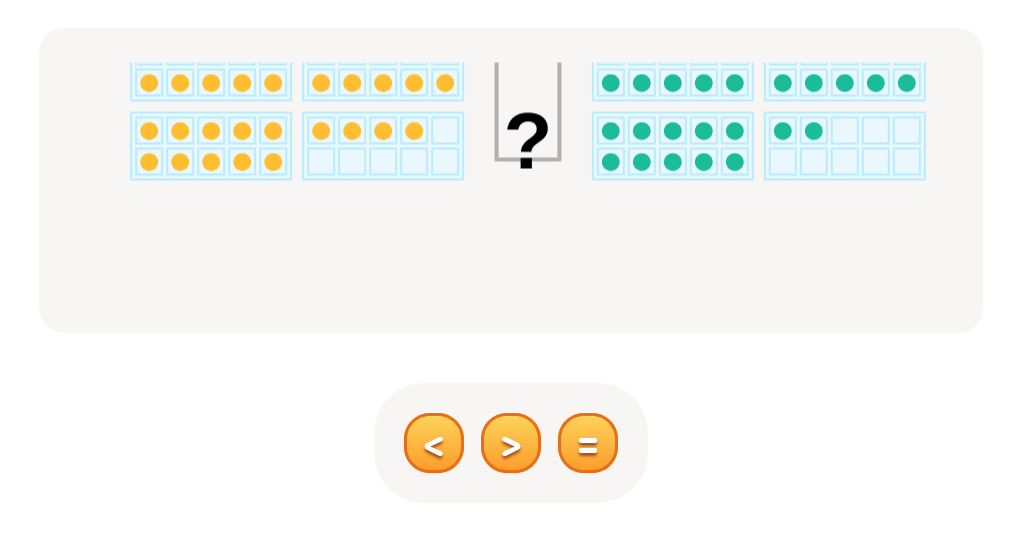

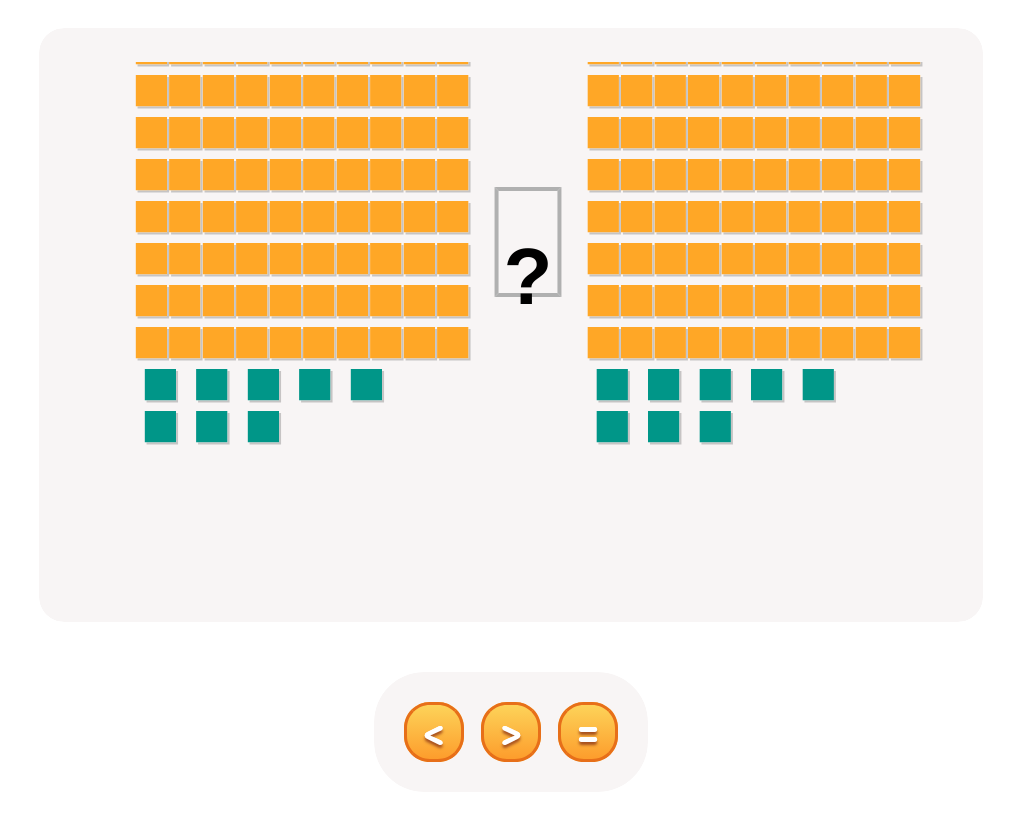
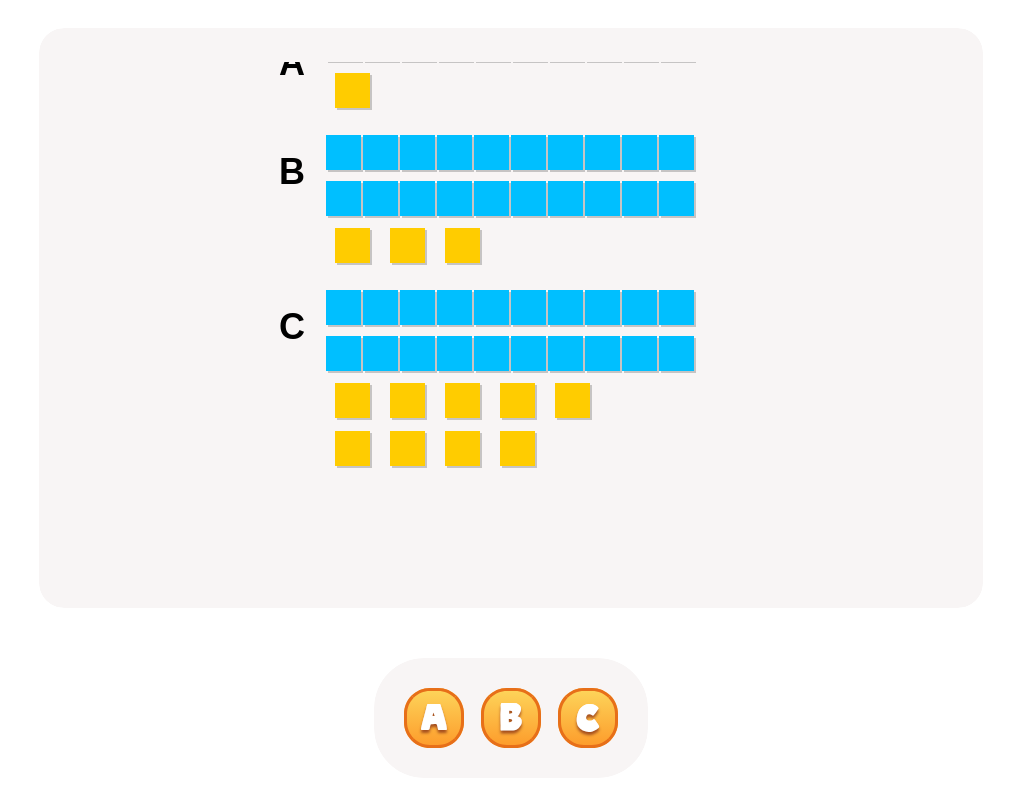
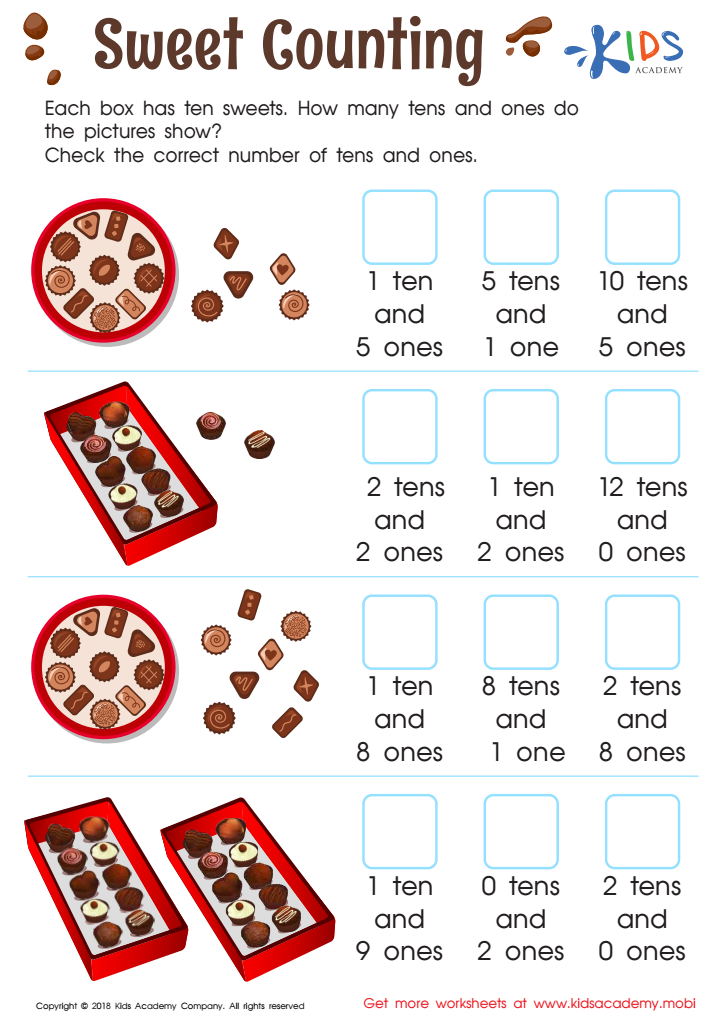
Sweet Counting - Part 2 Worksheet
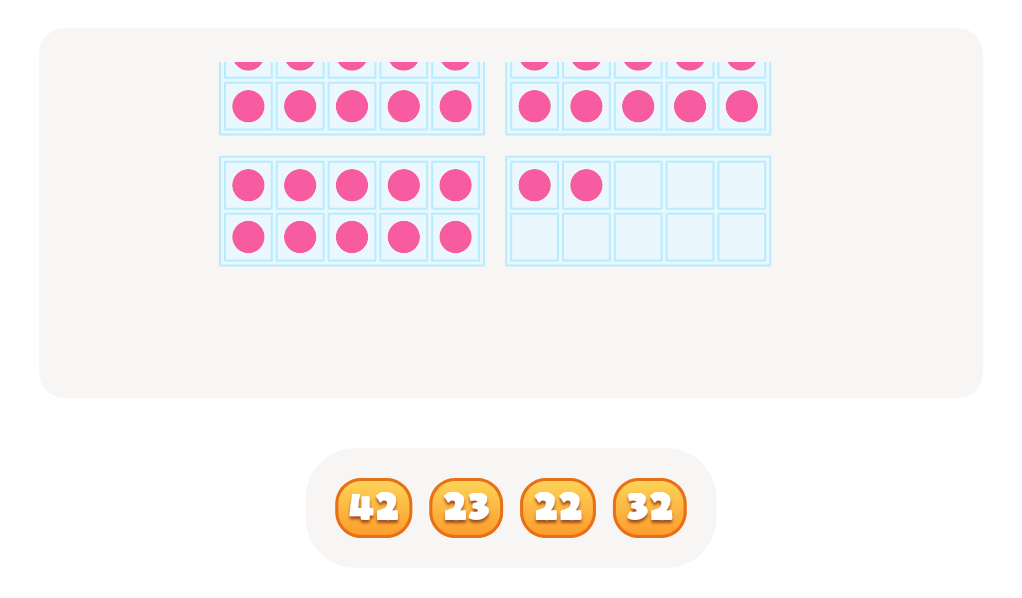
Kids adore sweets! Make counting fun with this sweet-themed worksheet. Guide your child to count chocolates in boxes of 10, plus individual candies. Group them into tens and ones. Ask: "How many ones and tens are in each row?" Check the answer and complete the practice sheet.
Sweet Counting - Part 2 Worksheet
Worksheet
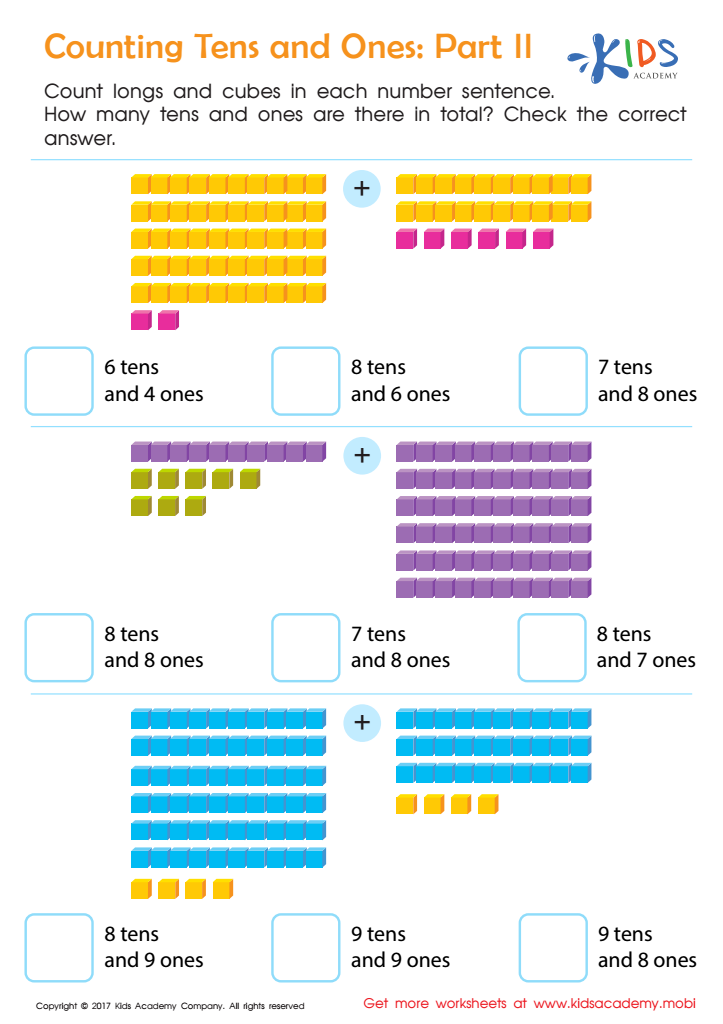
Counting Tens and Ones: Part 2 Worksheet
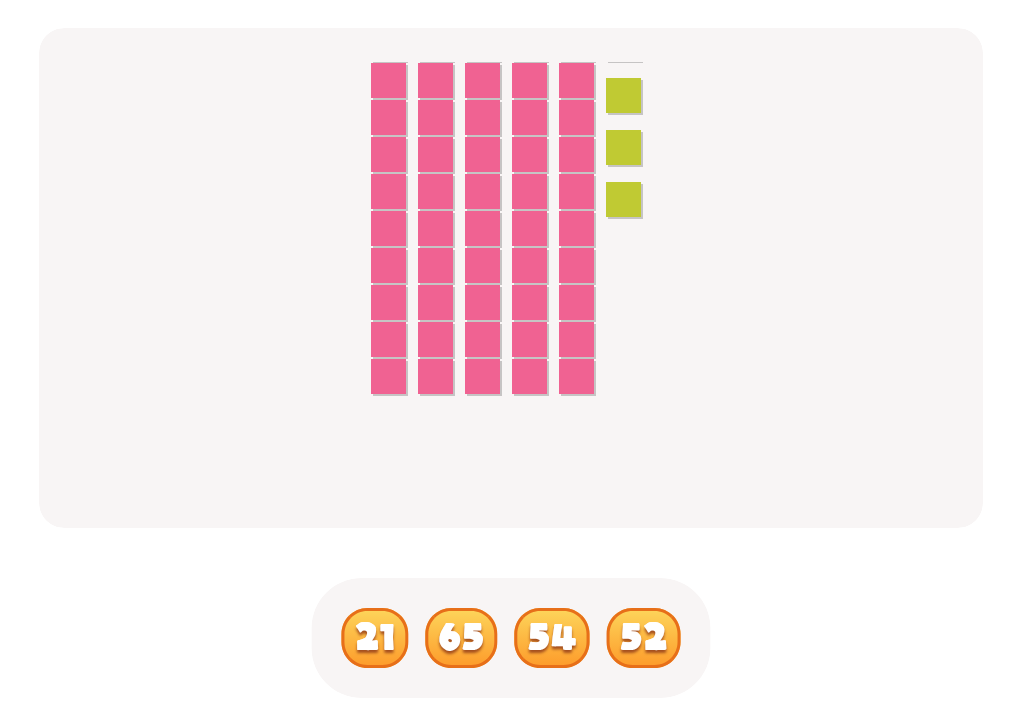
Adding two-digit numbers can be tough for kids. It's essential to give them a strong foundation of numeracy and math, not just teaching them to add. Use longs and cubes to help them get a visual grasp of place value and addition. This fun worksheet can help your child take their skills to the next level, with problems featuring larger numbers.
Counting Tens and Ones: Part 2 Worksheet
Worksheet
Join Kids Academy for Free
Who is primarily going to use this learning content?







Basic addition and place value are fundamental concepts in early mathematics that serve as the building blocks for more complex mathematical understanding and real-world problem-solving. For ages 3-7, getting a solid grasp on these concepts is crucial. Parents and teachers should care because these early math skills not only influence a child's ability to perform arithmetic operations but also have broader educational implications.
Learning basic addition introduces children to the idea of combining quantities, which is essential for everyday activities like counting objects, sharing, or understanding simple transactions. Mastery of addition makes larger mathematical problems more approachable as the child progresses in their education.
Place value, on the other hand, helps children understand the significance of a number's position, which demystifies the decimal system. For instance, recognizing that in the number 42, the '4' represents 40 and not just 4, aids in more sophisticated mathematical thinking like regrouping during subtraction or understanding multiplication.
Supporting children in these areas allows them to build confidence in their abilities, fosters a love for math and logic, and lays the groundwork for future academic success. Skills like patterns, sequences, and logical reasoning also develop through learning basic addition and place value. Therefore, paying attention to these foundational concepts is essential for both immediate learning objectives and long-term educational development.








