Reading skills improvement Building Vocabulary Worksheets for Ages 3-7
5 filtered results
-
From - To
Enhance your child's reading journey with our engaging Building Vocabulary Worksheets, specifically designed for ages 3-7. These fun, interactive activities promote vocabulary acquisition and improve essential reading skills, laying a solid foundation for lifelong learning. Our worksheets incorporate colorful graphics and relatable themes to capture young learners' attention, making vocabulary practice enjoyable. Parents and educators will appreciate the structured approach to introducing new words, enhancing comprehension, and fostering a love for reading. Explore our collection to support your child's literacy development today and watch their confidence soar as they master new vocabulary through play-based learning!
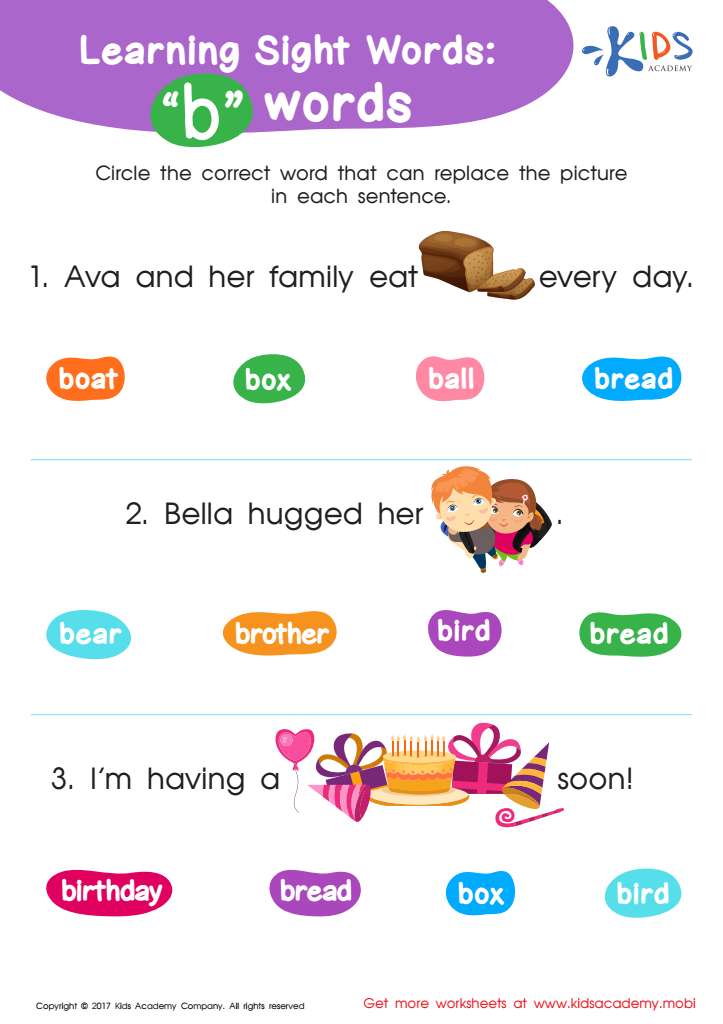
Sight Words Free Worksheet – B Words
 Assign to My Students











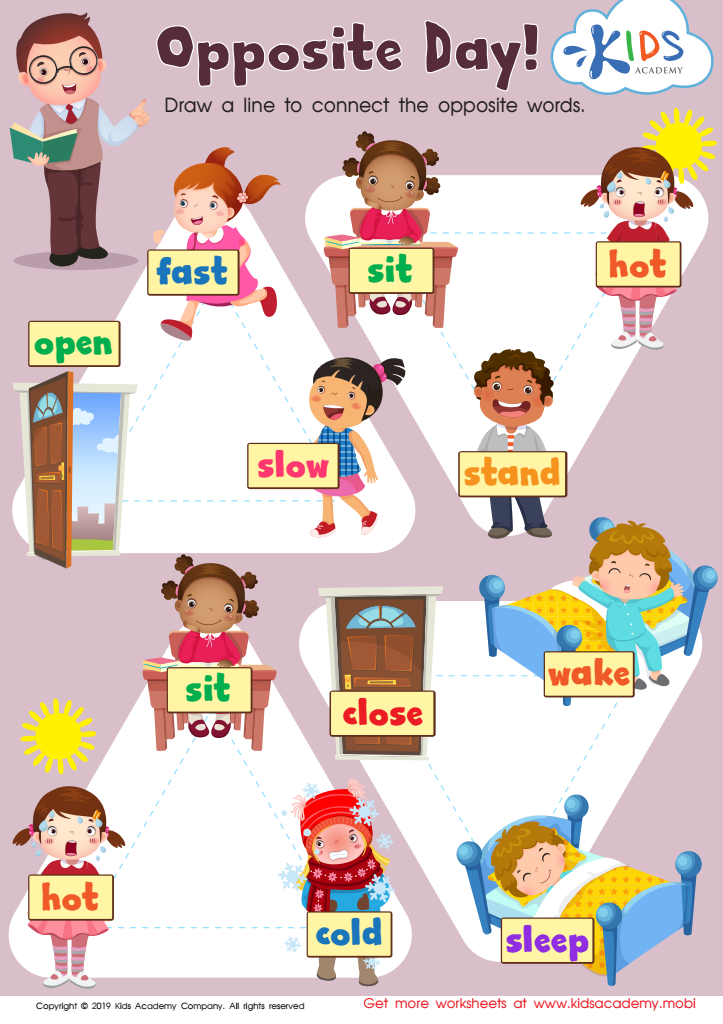
Opposite Day Worksheet
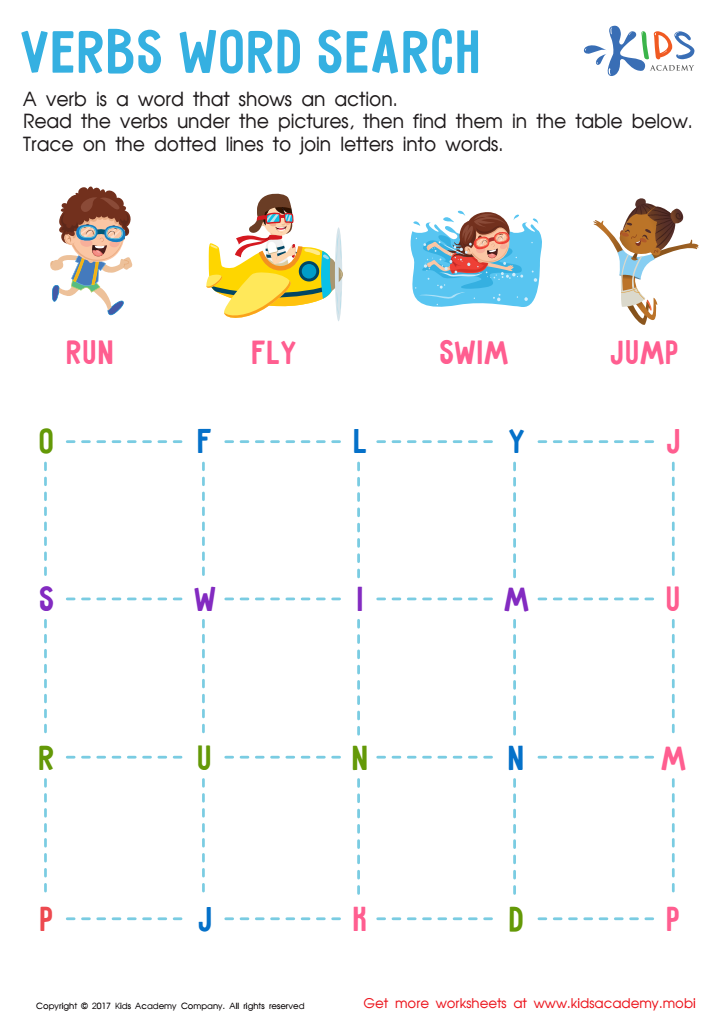
Verbs Word Search Worksheet
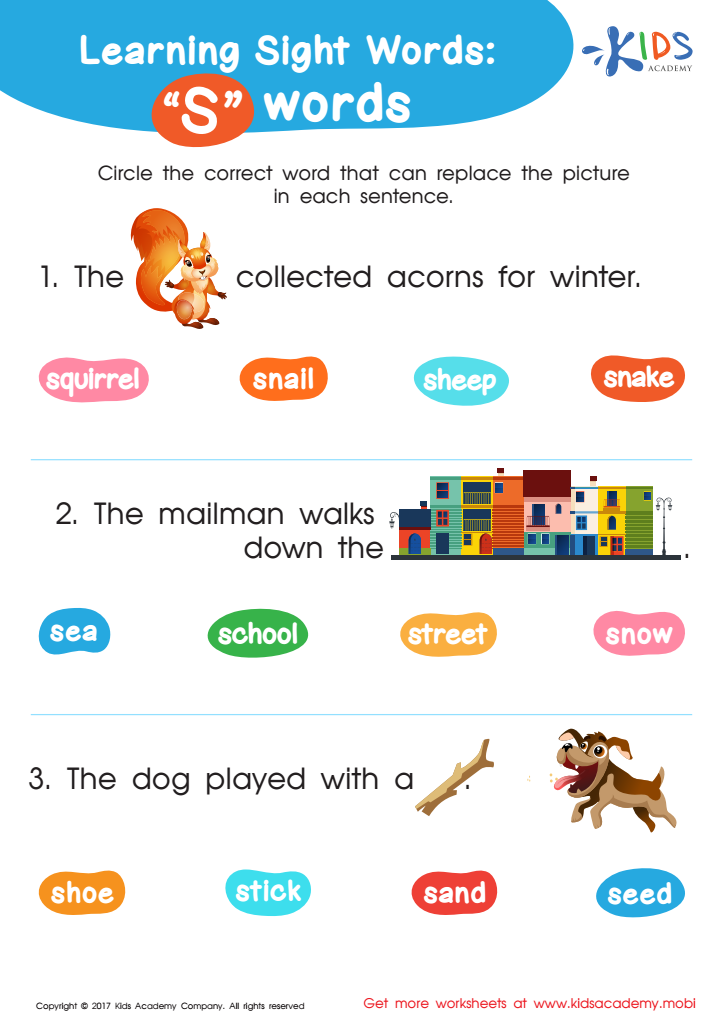
S Words Sight Words Worksheet
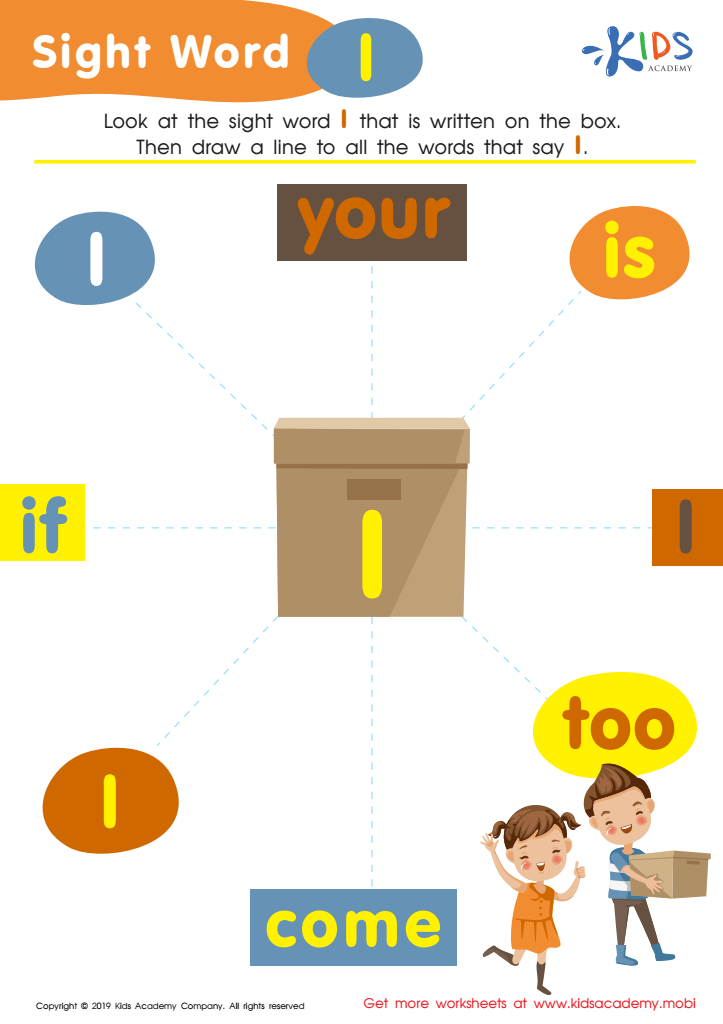
Sight Word I Worksheet








Enhancing reading skills and building vocabulary for children aged 3-7 is crucial for their overall development. This period is a foundational time when children's cognitive abilities rapidly evolve. Strong reading skills directly impact academic success, influencing future learning across all subjects. When children acquire new words and concepts, it enriches their understanding of the world, empowers them to express their thoughts, and increases their confidence in communication.
For parents and teachers, fostering vocabulary development creates a more supportive learning environment. Engaging children in diverse reading activities—such as storytelling, phonetic games, and reading aloud—improves comprehension and vocabulary retention. Programs centered around early literacy not only aid in language skills but also cultivate a love for reading that can last a lifetime.
Furthermore, children with robust vocabularies are generally better equipped to engage in critical thinking and problem-solving. They are more likely to participate in classroom discussions and express their ideas clearly, promoting positive social interactions. By prioritizing reading skill improvements and vocabulary building, parents and teachers lay the groundwork for lifelong learning and achievement, ensuring that children become motivated, capable learners ready to embrace future challenges.








