Basic arithmetic practice Reading Worksheets for Ages 3-7
3 filtered results
-
From - To
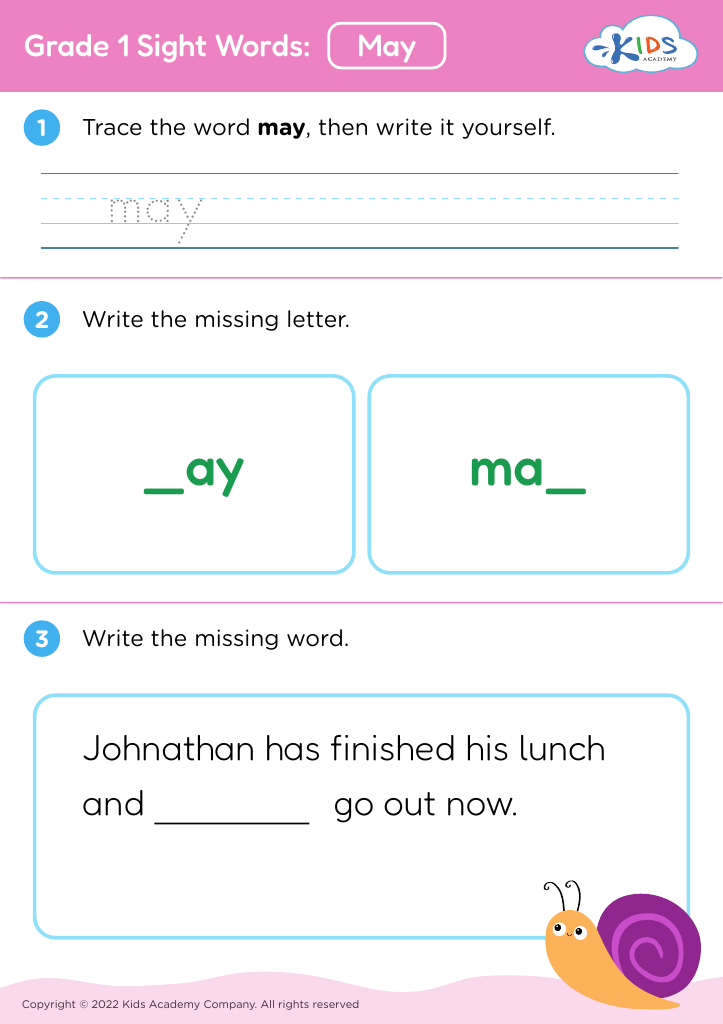
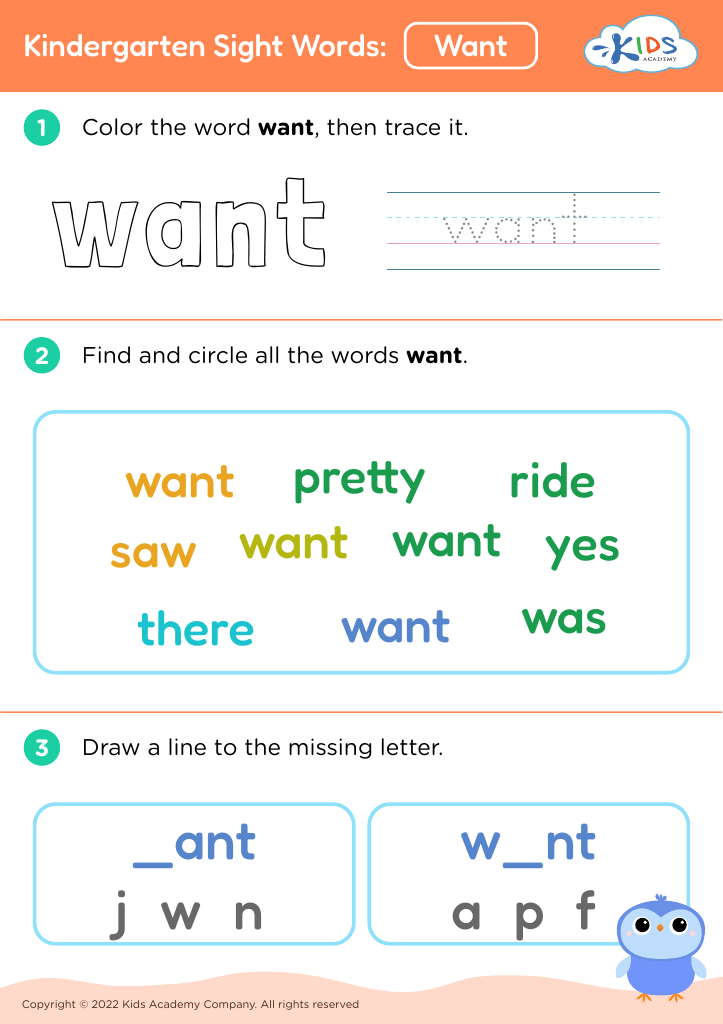
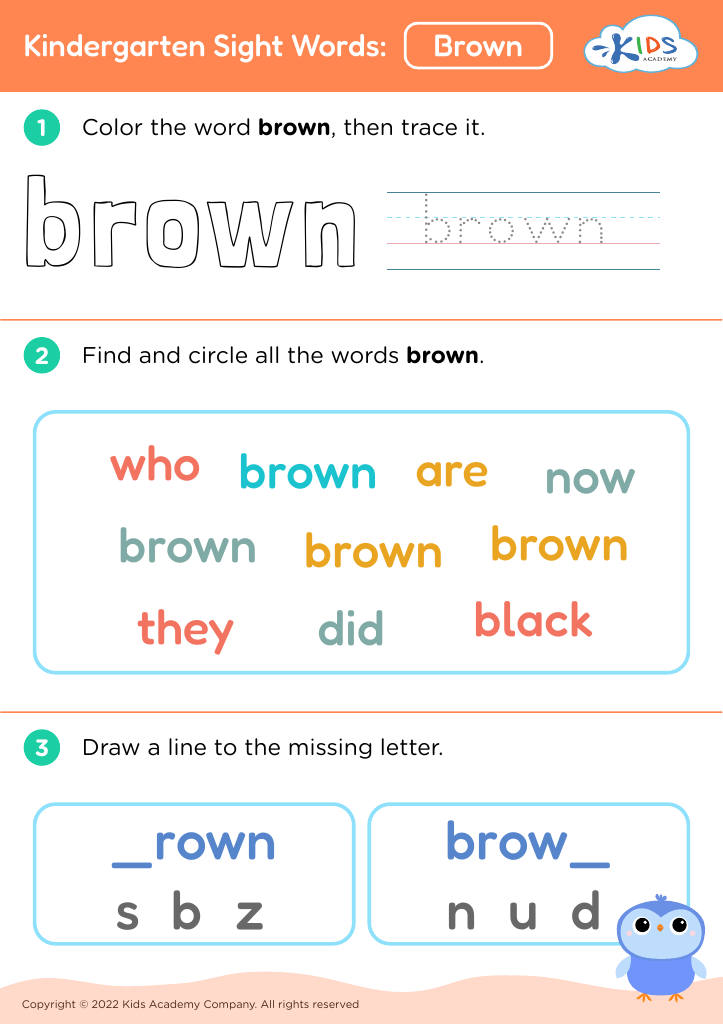
Discover engaging Basic Arithmetic Practice Reading Worksheets designed specifically for children aged 3-7. Perfect for early learners, these printable sheets blend fun reading exercises with foundational math skills, such as counting, addition, and subtraction. Each worksheet uses vibrant illustrations and interactive scenarios to captivate young minds and develop essential numeracy skills in a playful and supportive way. Created by education experts, these resources foster confidence and a love for learning, making math both enjoyable and accessible. Ideal for parents and teachers seeking to enhance students' early learning experiences. Visit us today to start building your child's arithmetic foundation!





.jpg)


Parents and teachers should prioritize basic arithmetic and reading practice for children aged 3-7 because these foundational skills are critical for cognitive development and future academic success. At this early stage, children's brains are particularly receptive and form neural connections that lay the groundwork for more complex learning later on.
Arithmetic teaches basic number sense, essential for problem-solving and logical thinking. Familiarity with numbers and simple operations like addition and subtraction helps children understand patterns, make comparisons, and develop analytical skills. Additionally, it fosters a comfort with math that can reduce anxiety around the subject in later school years.
Reading, on the other hand, not only helps with language acquisition but also expands vocabulary, comprehension skills, and fosters a love for learning. Early reading practice aids in recognizing letters and sounds, building phonemic awareness, which is crucial for fluent reading and writing. Story-telling and picture books also promote imagination, empathy, and understanding of various concepts and cultures.
Combined, these skills enhance overall brain development, setting children up for a balanced educational journey. Proactive engagement from parents and teachers can therefore ignite curiosity, instill confidence, and equip children with tools they need for lifelong learning.








