Color recognition Reading Worksheets for Ages 3-7 - Page 2
29 filtered results
-
From - To
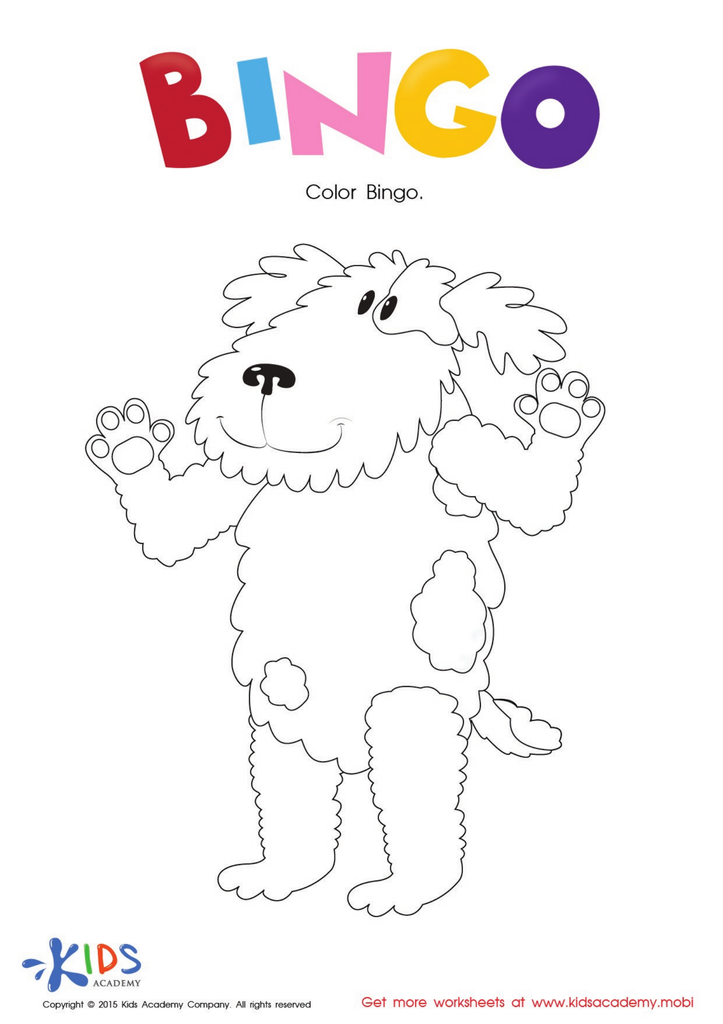
The Bingo Song: Coloring The Dog Worksheet
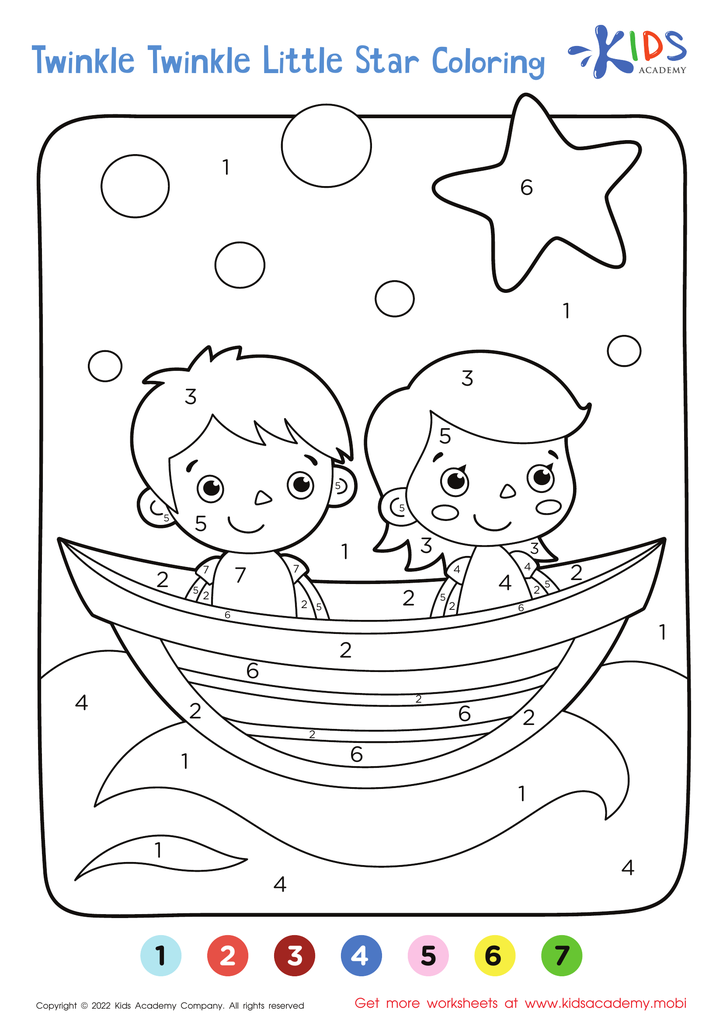
Twinkle, Twinkle, Little Star – Coloring by Numbers
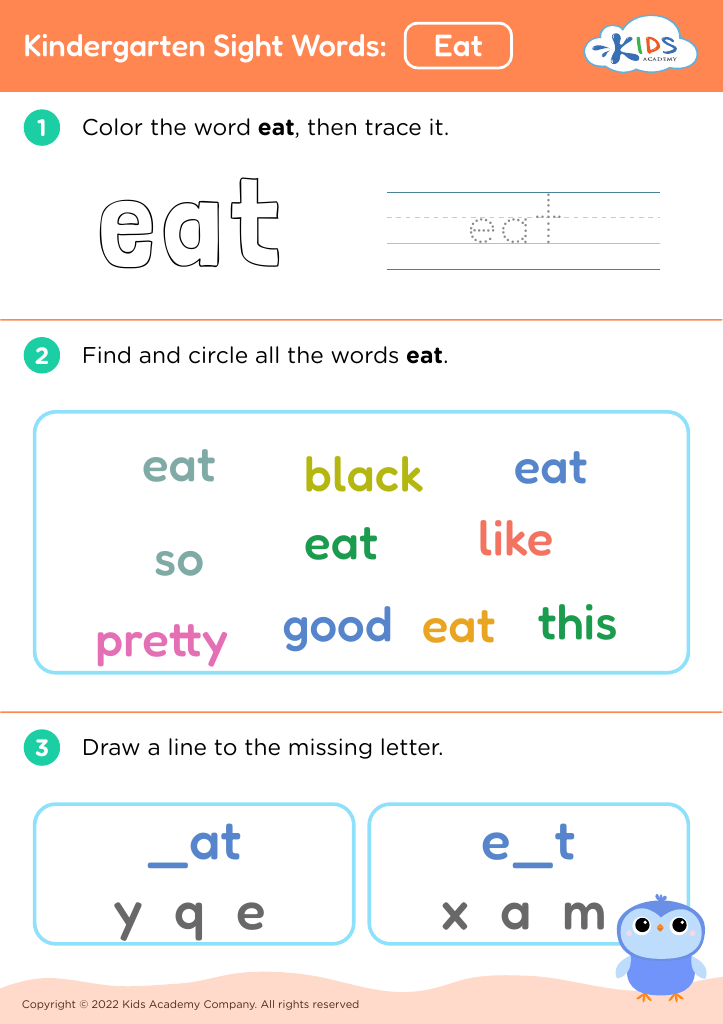






Color recognition is a crucial cognitive skill for children ages 3-7, significantly impacting their reading and overall development. For parents and teachers, fostering color recognition enhances a child’s ability to categorize and differentiate objects, laying the groundwork for more complex learning tasks. Recognizing colors entwines visual perception and language development, helping children expand their vocabulary as they name and describe colors.
In the context of reading, understanding colors can enrich story comprehension. Many picture books utilize colors to convey meanings and emotions, creating connections between the text and illustrations. When children can identify colors, they often engage more deeply with the material, enhancing their interpretive skills. Furthermore, colors can be used as tools in teaching phonics and sight words, making learning more interactive and enjoyable.
Beyond academic implications, color recognition encourages creativity and self-expression. By recognizing colors, children can better understand and appreciate art and design, nurturing their creative thinking. Parents and teachers play a key role in this journey; activities such as sorting colored objects, coloring, and reading colorful books can make learning enjoyable. Supporting children in color recognition provides a foundational skill that benefits their education and enriches their everyday experiences.








