Critical Thinking Reading Worksheets for Ages 3-7 - Page 3
58 filtered results
-
From - To
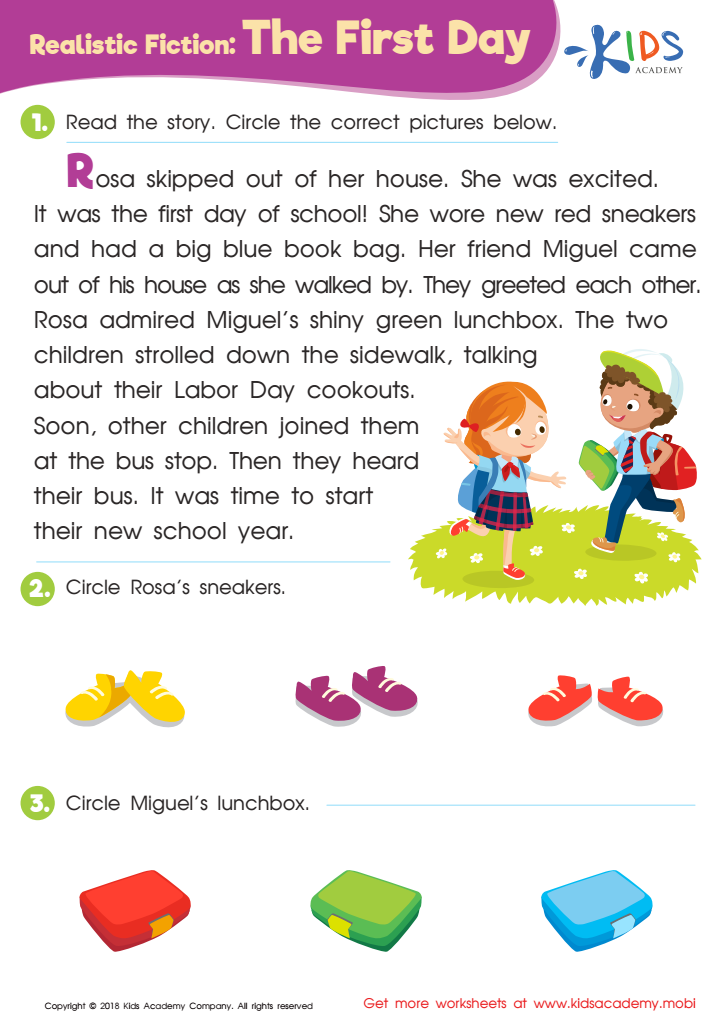
Realistic Fiction: The First Day Worksheet
 Assign to My Students
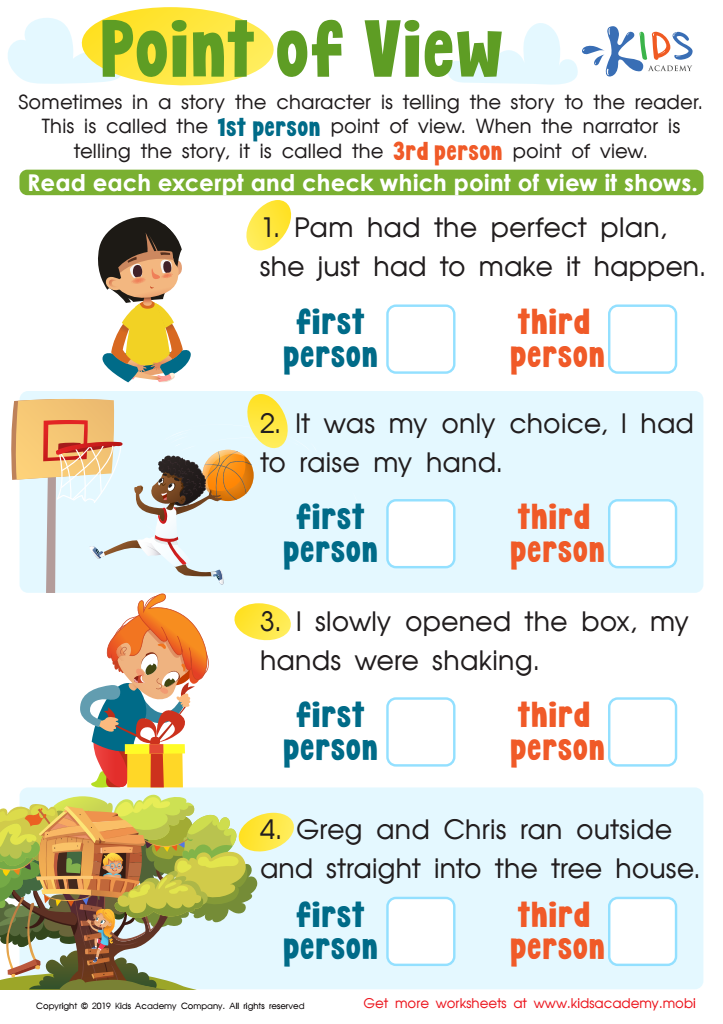
Point of View Printable
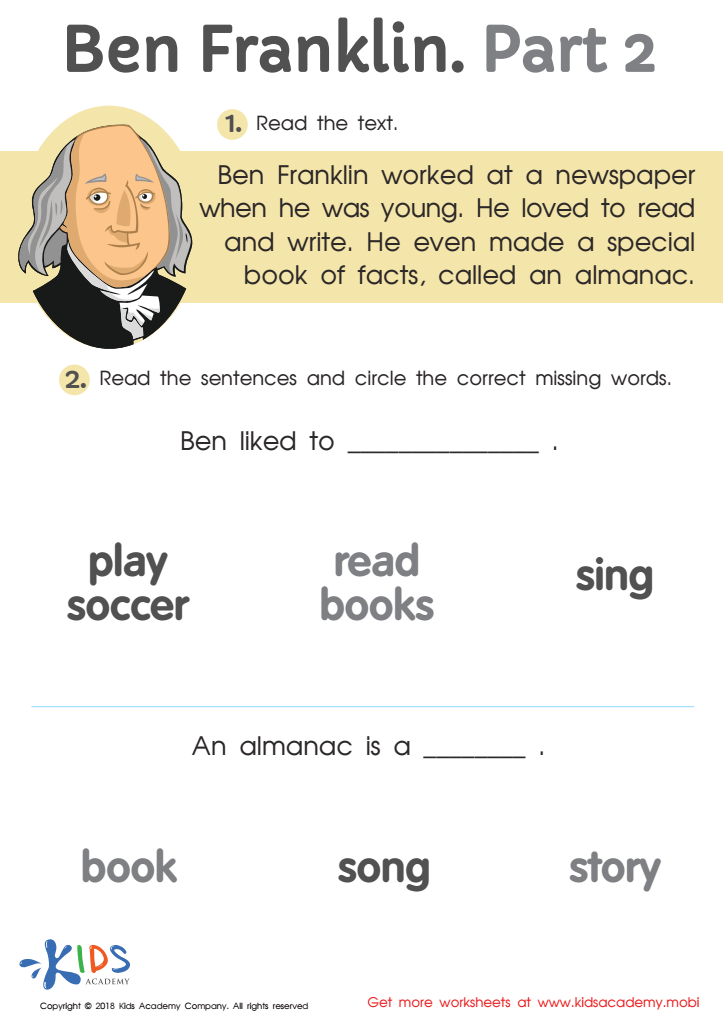
Ben Franklin Part 2 Worksheet
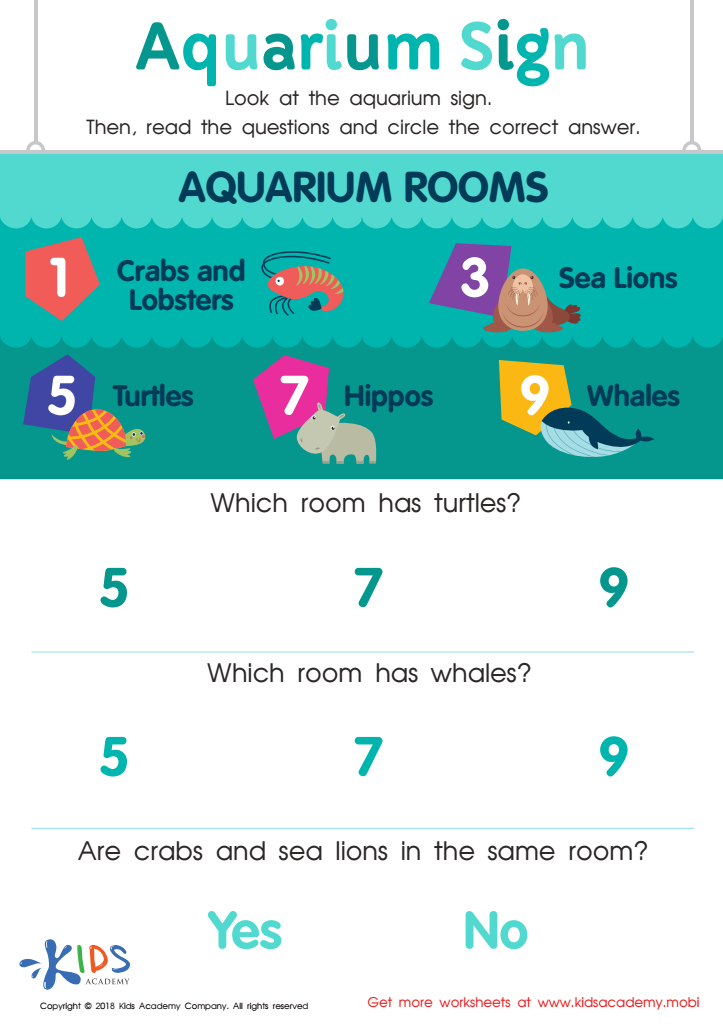
Assessment: Aquarium Sign Worksheet
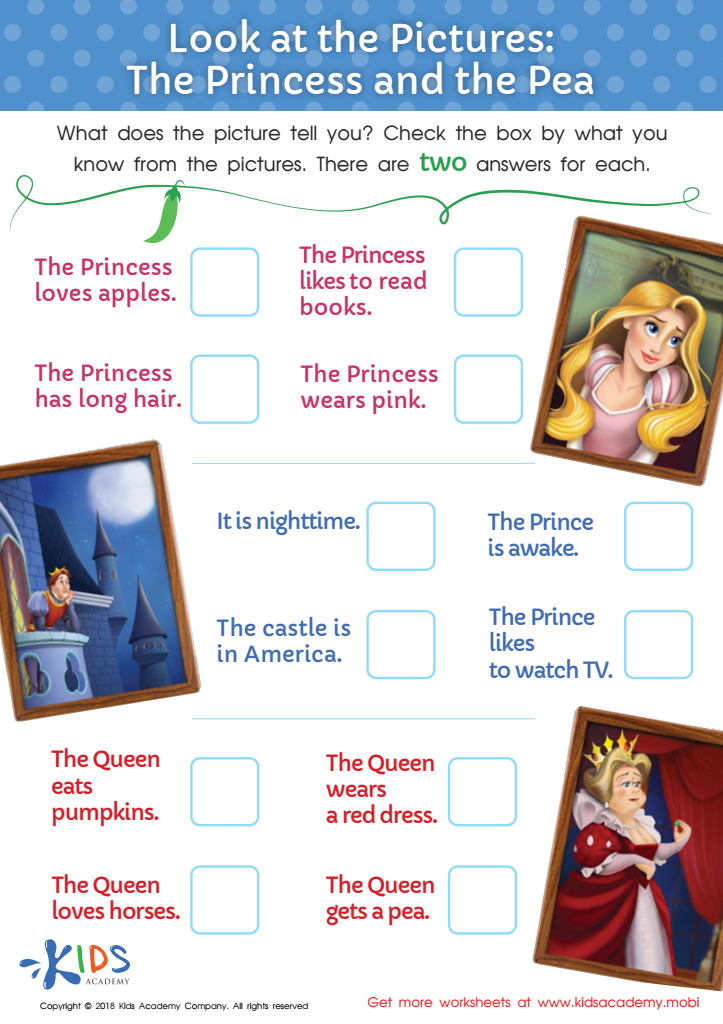
Look at the Pictures: The Princess and the Pea Worksheet
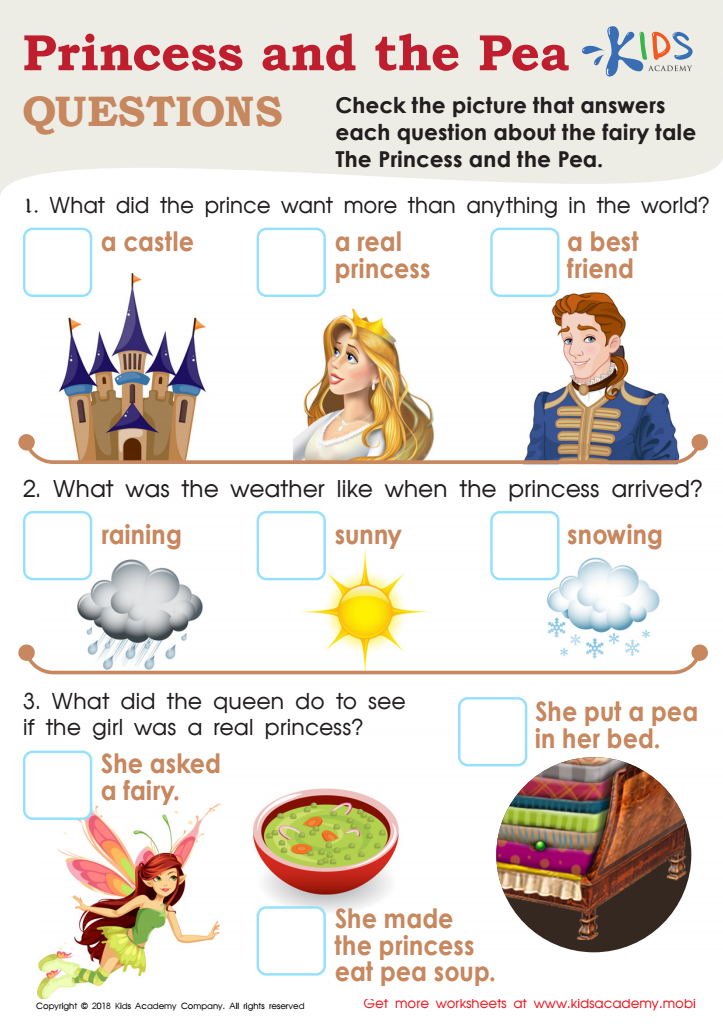
Princess and the Pea Questions Worksheet
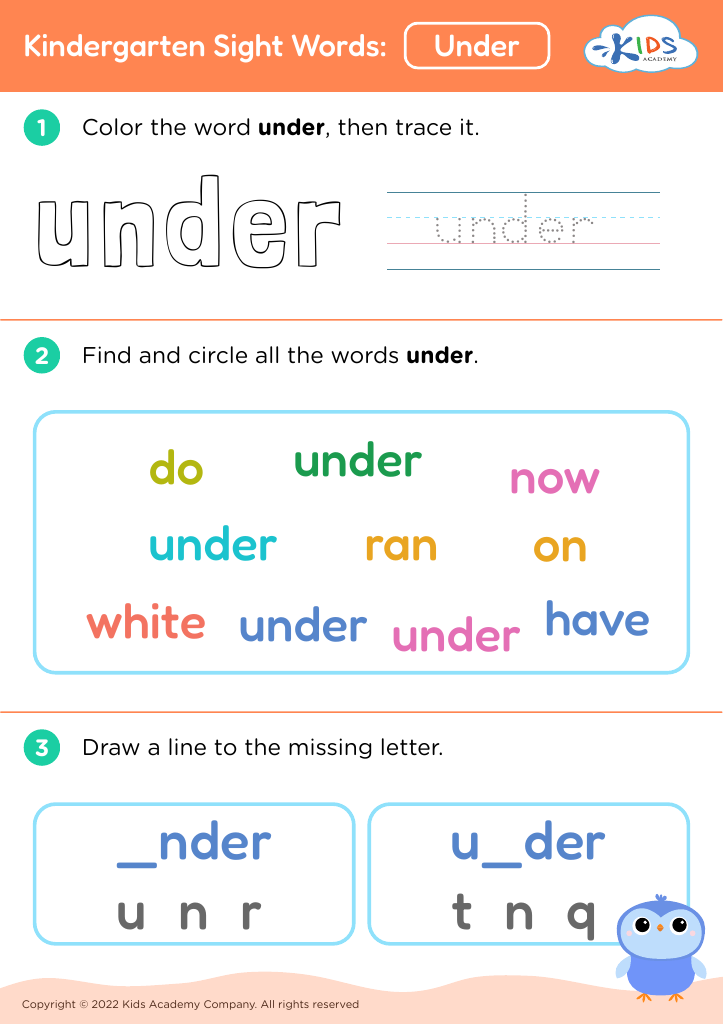
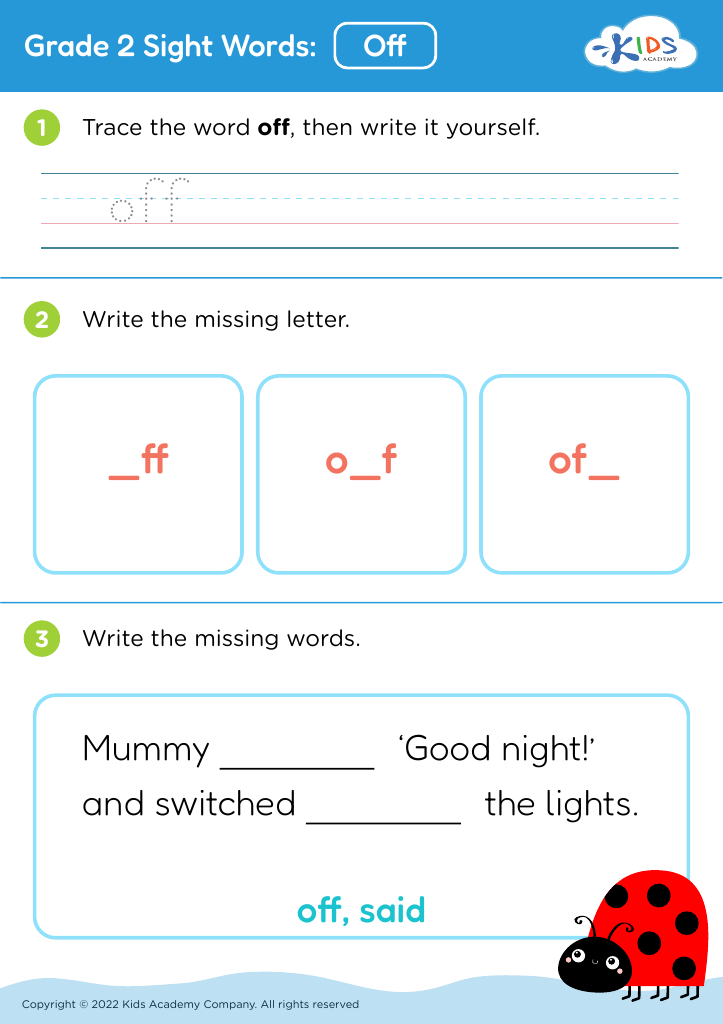


.jpg)





Critical thinking reading for ages 3-7 is vital for young learners as it lays the foundation for lifelong skills. At this early age, children are developing cognitive abilities, and fostering critical thinking helps them learn to assess information critically, ask questions, and analyze outcomes. Engaging with texts encourages them to not only understand what they read but to evaluate and form opinions, which is essential in a world filled with information.
For parents and teachers, nurturing these skills means guiding children through stories and discussions that stimulate curiosity and creativity. When children ask questions about narratives or characters, they learn to make connections, understand diverse perspectives, and enhance their vocabulary.
Moreover, critical thinking cultivates problem-solving abilities. By encouraging young readers to predict outcomes or consider alternative endings to stories, we empower them to think autonomously and independently. This will not only benefit academic performance later on but also prepares children to be informed, thoughtful individuals in society. When parents and teachers prioritize critical thinking reading, they invest in a child's intellectual growth and emotional development, ensuring they navigate the complexities of the world with confidence and clarity. This early educational focus ultimately fosters a love for learning that lasts a lifetime.








