
Number identification Reading Worksheets for Ages 3-7
4 filtered results
Difficulty Level
Grade
Age
-
From - To
Subject
Activity
Standards
Introducing our Number Identification Reading Worksheets for Ages 3-7, specifically designed to develop your child's number recognition and reading skills simultaneously. These engaging, interactive worksheets combine educational fun with essential learning principles, helping young learners confidently identify numbers and understand their significance. Crafted by experienced educators, these resources are perfect for both classroom and at-home activities. Watch your child thrive as they enjoy colorful, age-appropriate exercises tailor-made to enhance their early math and reading abilities. Empower your child's learning journey with our comprehensive number identification worksheets today! Perfect for nurturing confident and curious minds.
Favorites
With answer key
Interactive
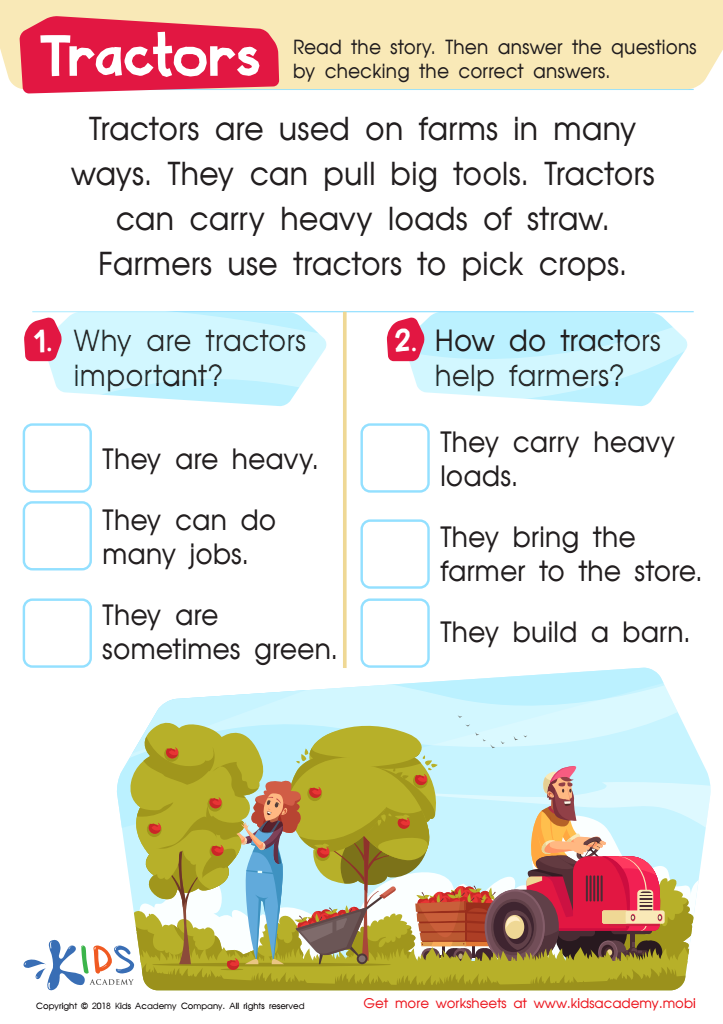
Tractors Worksheet
Kids love tractors! Let them read about what they do, what they use, and who uses them with this free worksheet. After reading, they can answer reading comprehension questions to test their knowledge; multiple choices make it easy! Little do they know, they're boosting their literacy skills along the way!
 Assign to My Students
Tractors Worksheet
Worksheet
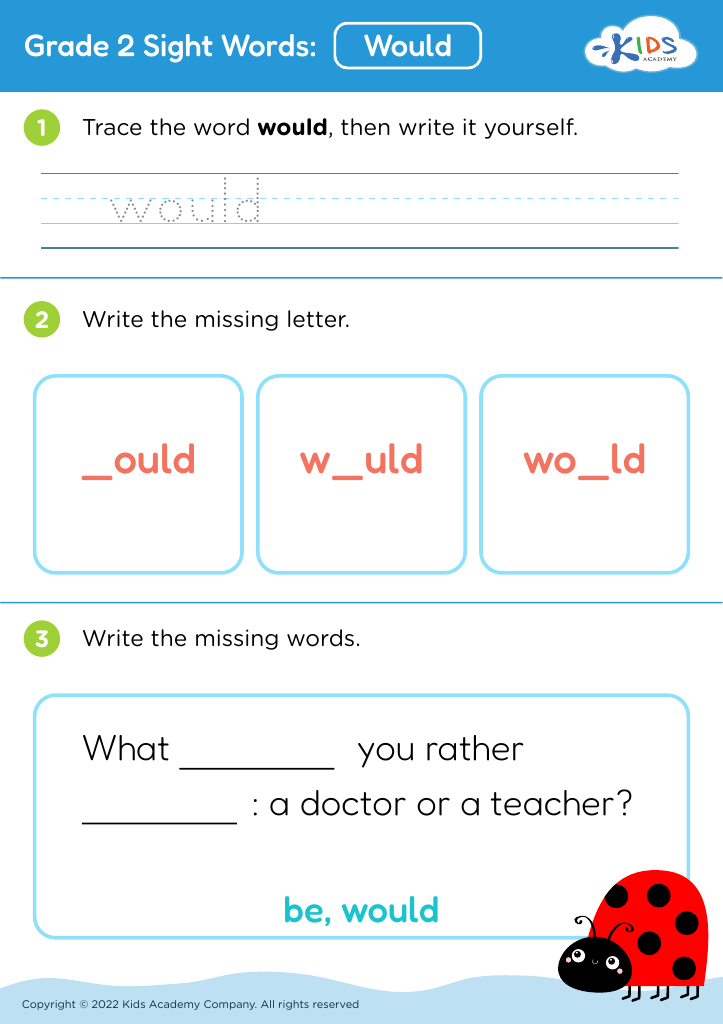
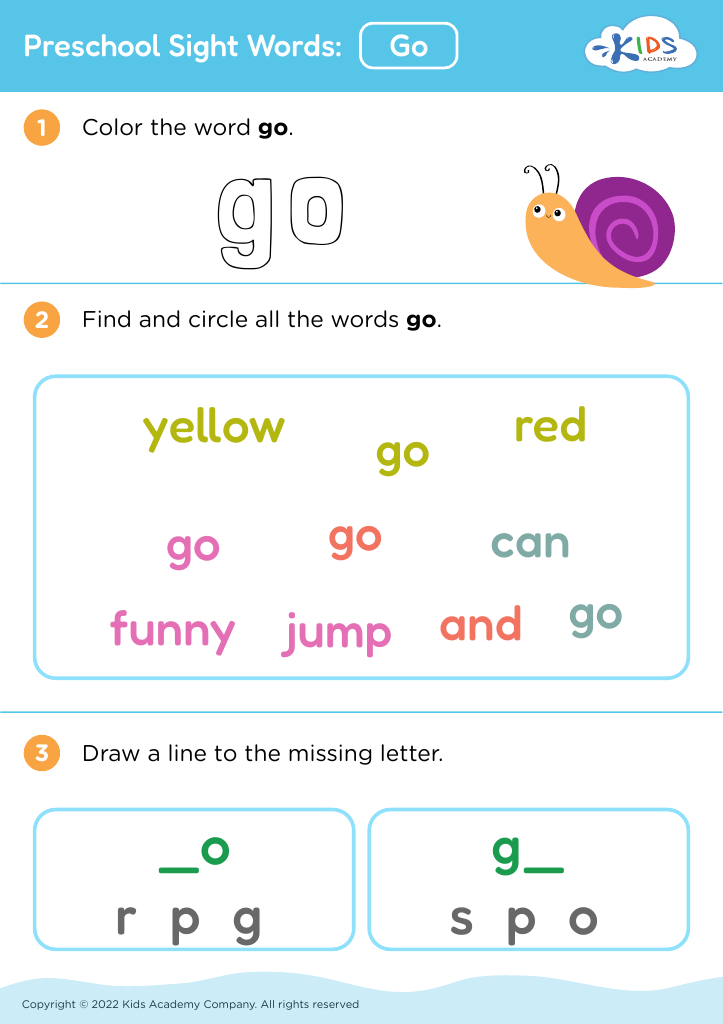
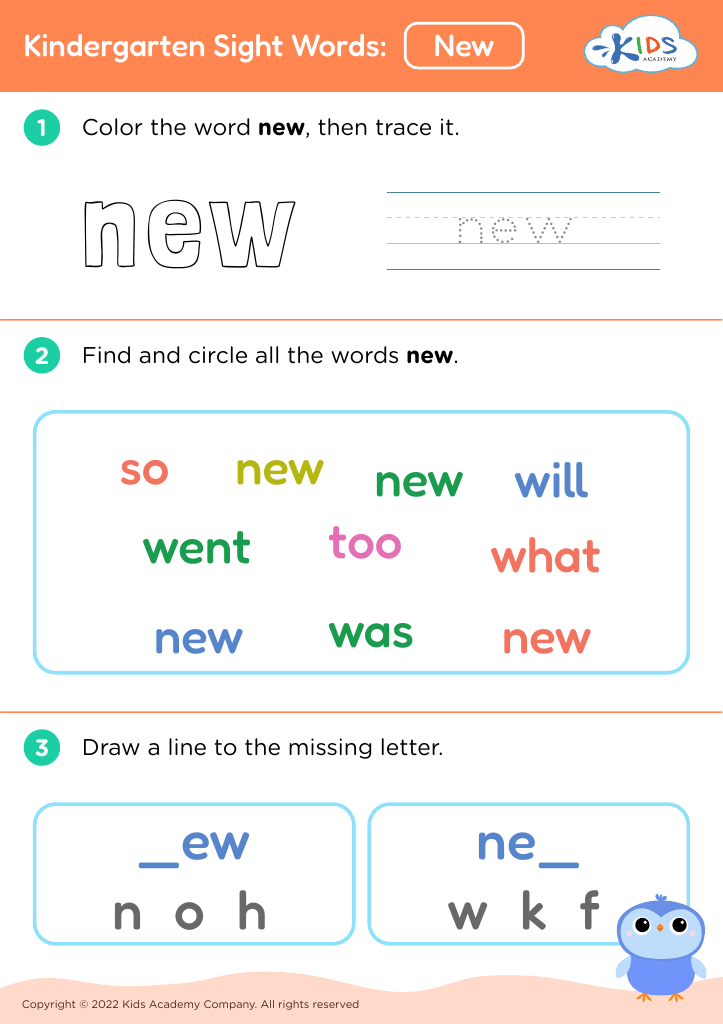
Join Kids Academy for Free
Who is primarily going to use this learning content?






Number identification is a crucial foundational skill for young children aged 3-7, profoundly influencing their later academic success and daily life competencies. Ensuring that kids can recognize numbers is akin to building the bedrock upon which more complex mathematical concepts are constructed, including counting, addition, subtraction, and beyond. For parents and teachers, understanding and prioritizing number identification goes beyond mere academics—it can enhance cognitive development, problem-solving skills, and logical thinking.
At this age, children are in a critical period of brain development, and engaging them in activities that promote number recognition primes them for future learning. Kids who proficiently identify numbers often exhibit greater confidence in math, setting a positive trajectory for lifelong learning. Moreover, early number skills are interlinked with literacy; they develop pattern recognition, memory, and sequencing abilities, which are transferable to reading and writing.
Furthermore, number identification skills are indispensable in everyday life tasks, like telling time, knowing addresses, or understanding prices, making it a practical life skill. Investing time in developing these skills cultivates an environment that fosters curiosity, learning fun, and achievement. Thus, for both teachers and parents, emphasizing number identification translates to nurturing well-rounded, capable, and confident learners.








