Pattern recognition Reading Worksheets for Ages 3-7
4 filtered results
-
From - To
Unlock your child's potential with our Pattern Recognition Reading Worksheets for Ages 3-7. Designed to enhance critical thinking and reading fluency, these engaging activities help young learners identify sequences and improve comprehension. Perfect for preschool and early elementary students, our worksheets boost literacy skills through fun, interactive exercises that captivate and challenge growing minds. Explore a wide range of themes and difficulty levels tailored to your child’s unique learning pace. Foster a love for reading while developing essential pattern recognition with Kids Academy’s expertly crafted worksheets. Join us on the journey to academic success today!
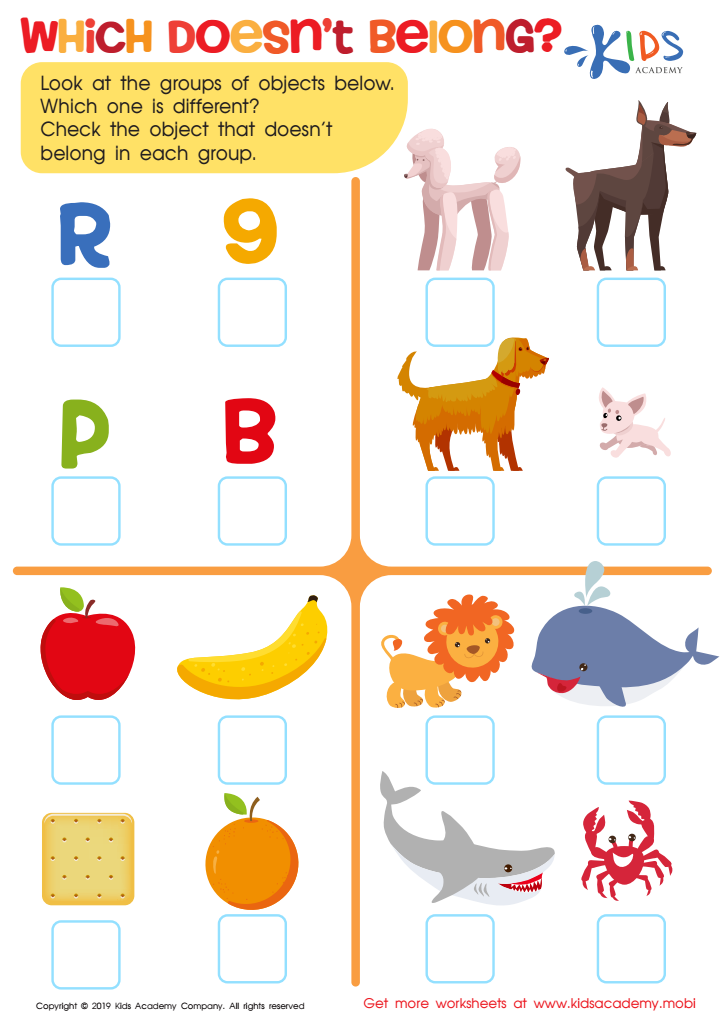
Which Doesn't Belong? Worksheet
 Assign to My Students
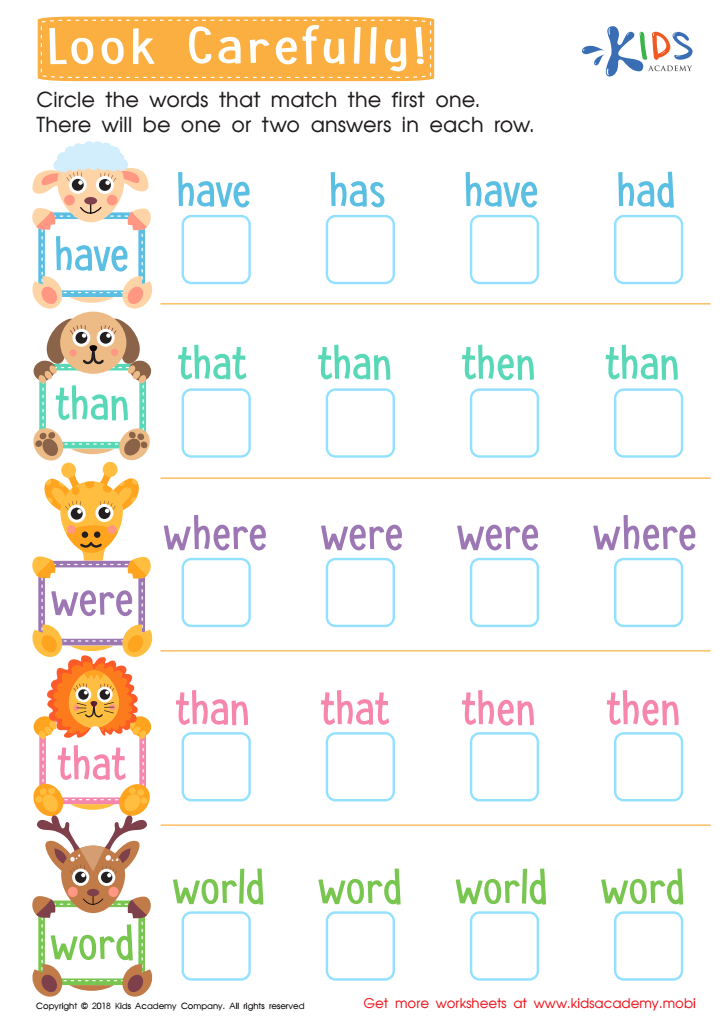
Look Carefully Worksheet
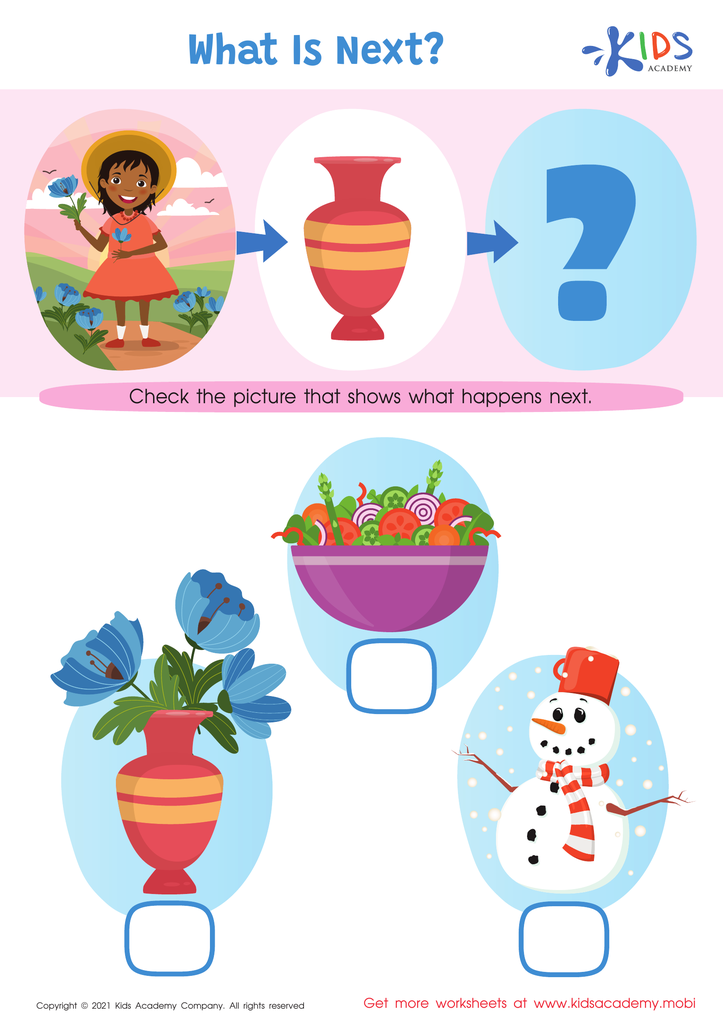
What is Next? Worksheet
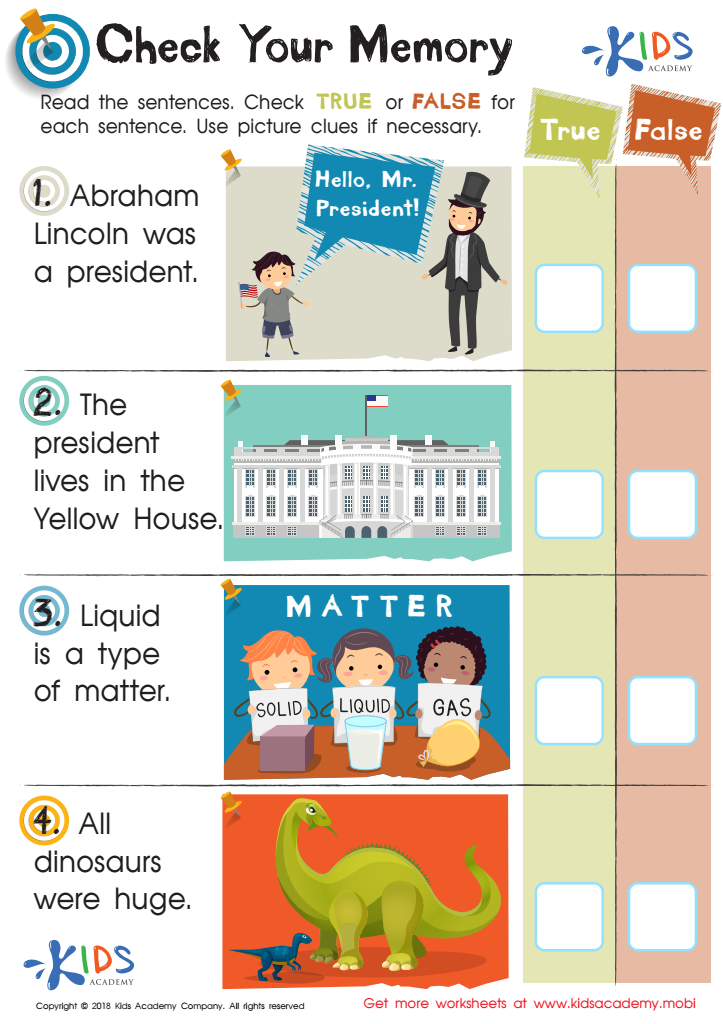
Check Memory Worksheet







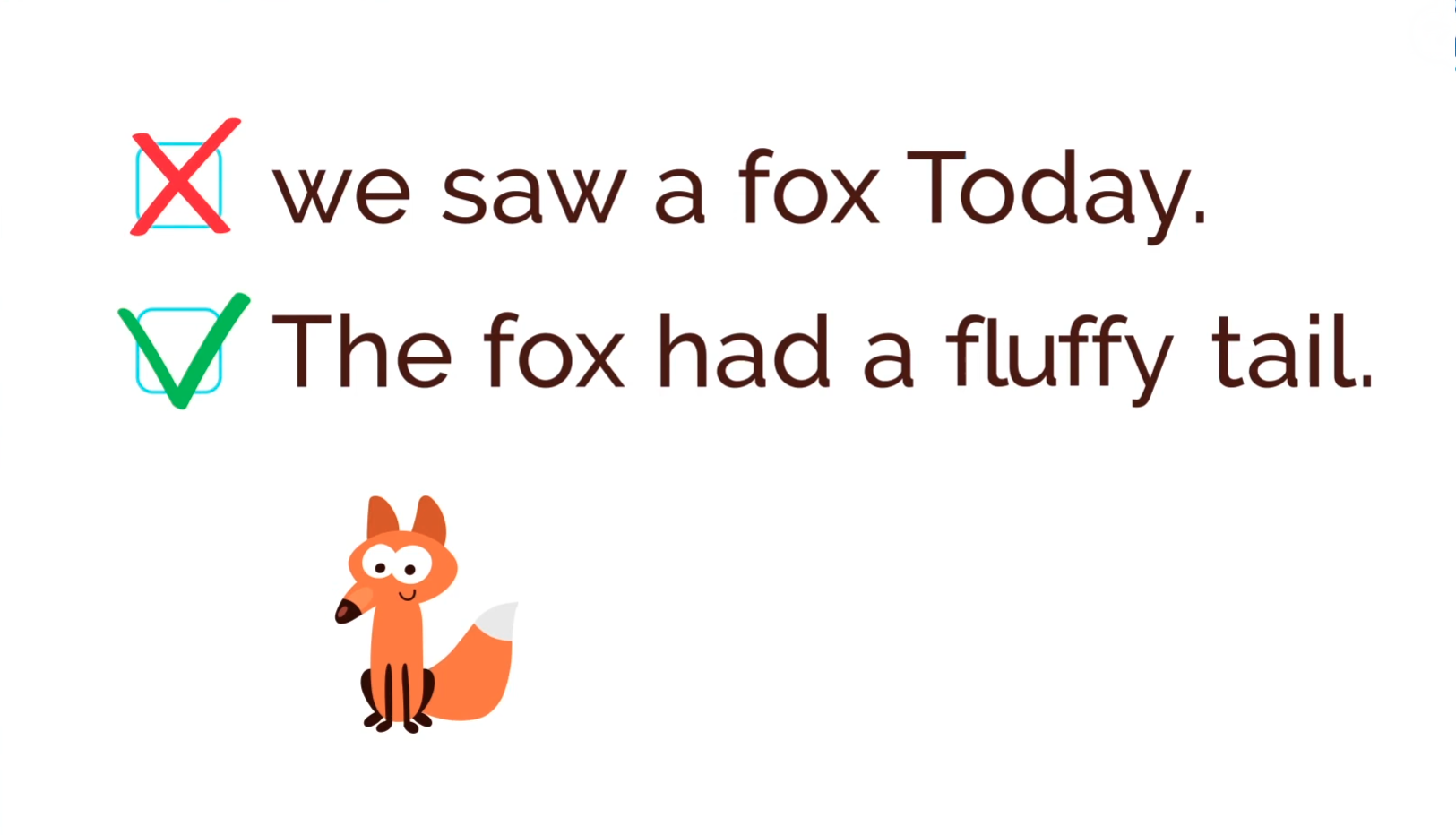
Pattern recognition is a foundational skill that significantly impacts early reading development, making it essential for parents and teachers to prioritize this in children ages 3-7. At its core, pattern recognition involves identifying predictability and repeated elements in various forms—shapes, sounds, and sequences, among others. For young children learning to read, these patterns often appear in letter shapes, phonetic sounds, and word structures.
Recognizing visual patterns helps children differentiate between letters and words, facilitating their understanding of how characters construct meaning. For example, consistent exposure to the word "cat" helps a child recognize that the pattern “c-a-t” matches the concept of a small, furry animal. Phonetically, hearing similar sounds in different words builds awareness of how certain letter patterns sound, aiding in pronunciation and comprehension. Moreover, pattern recognition fosters memory and prediction skills, enabling kids to anticipate what comes next in a sentence or story, fostering fluency and confidence.
Ignoring pattern recognition can hinder a child’s ability to decode words effectively, dragging on reading progress and limiting academic potential. Thus, incorporating activities and exercises that enhance context clues, decode sounds, and extract meaning from text should be an integral part of early childhood education. This engagement enriches children's cognitive growth, equipping them with vital tools for lifelong learning and communication.








