Sequencing Skills Reading Worksheets for Ages 3-7
8 filtered results
-
From - To
Enhance your child’s literacy development with our Sequencing Skills Reading Worksheets, designed for ages 3-7! These engaging worksheets promote essential sequencing skills through fun stories and activities, helping young learners organize events in the correct order. By participating in these interactive exercises, children will improve their comprehension, critical thinking, and narrative abilities. Our resources are aligned with early education standards, making them perfect for classroom or at-home use. Explore a variety of themes and challenges that foster a love for reading. Download our Sequencing Skills Reading Worksheets today and watch your child thrive in their reading journey!
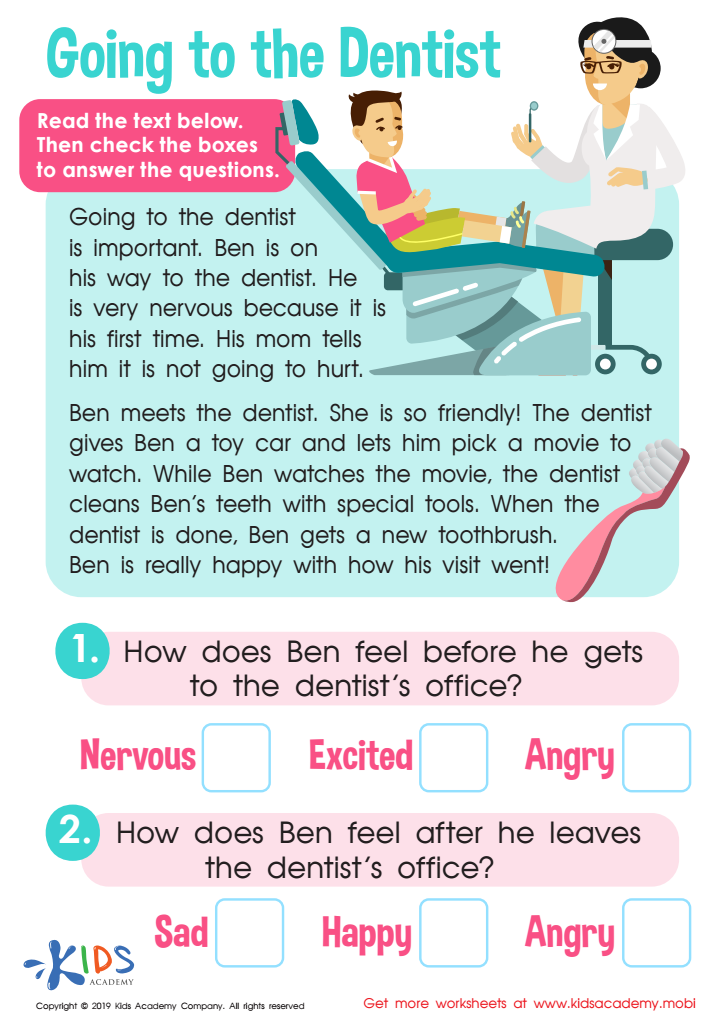
Going to the Dentist Worksheet
 Assign to My Students
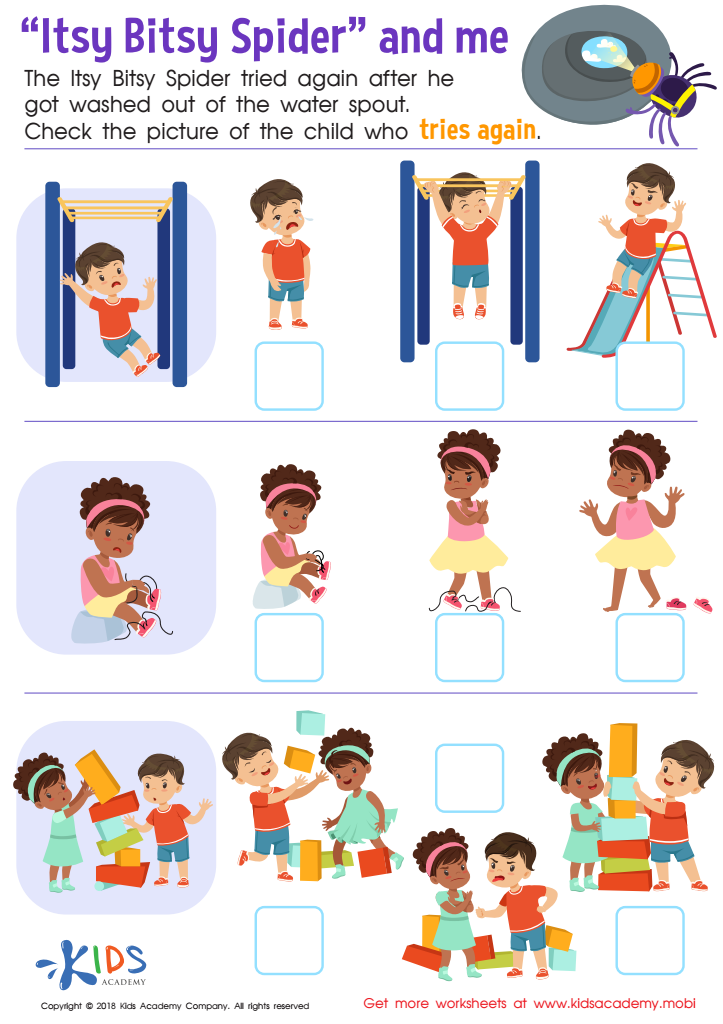
Itsy Bitsy Spider and Me Worksheet
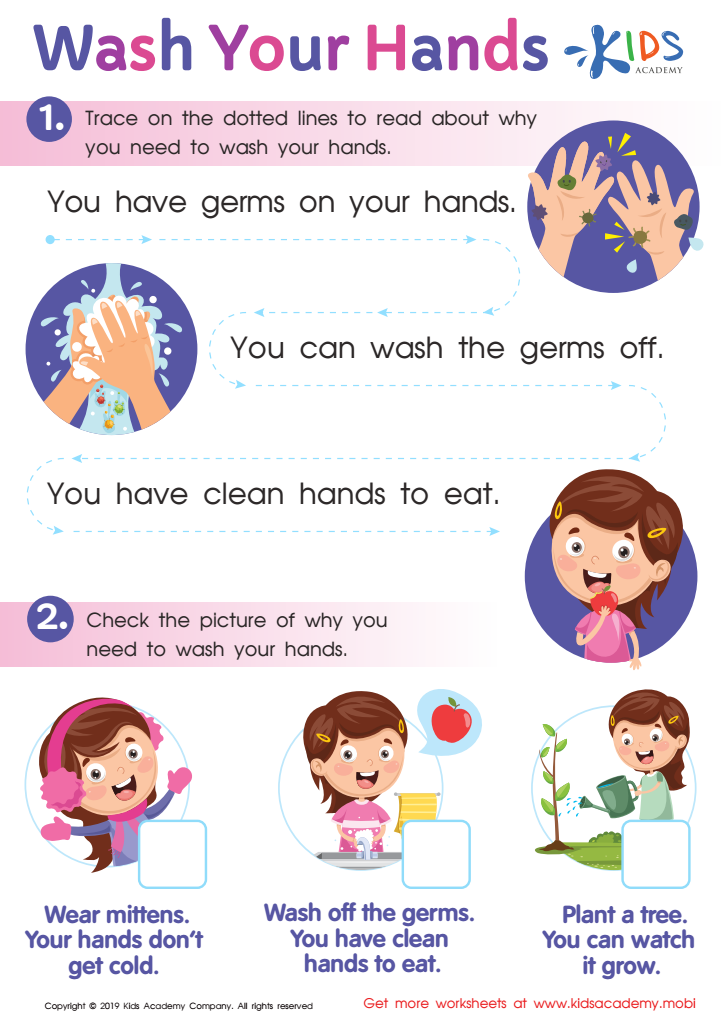
Wash Your Hands Worksheet
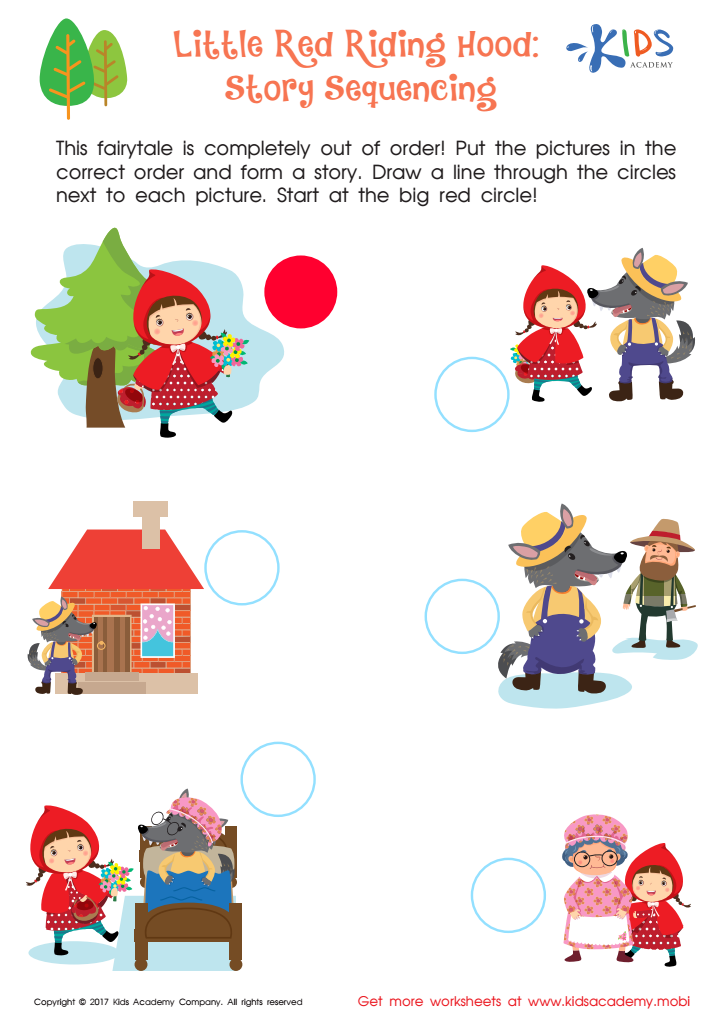
Story Sequencing Printable
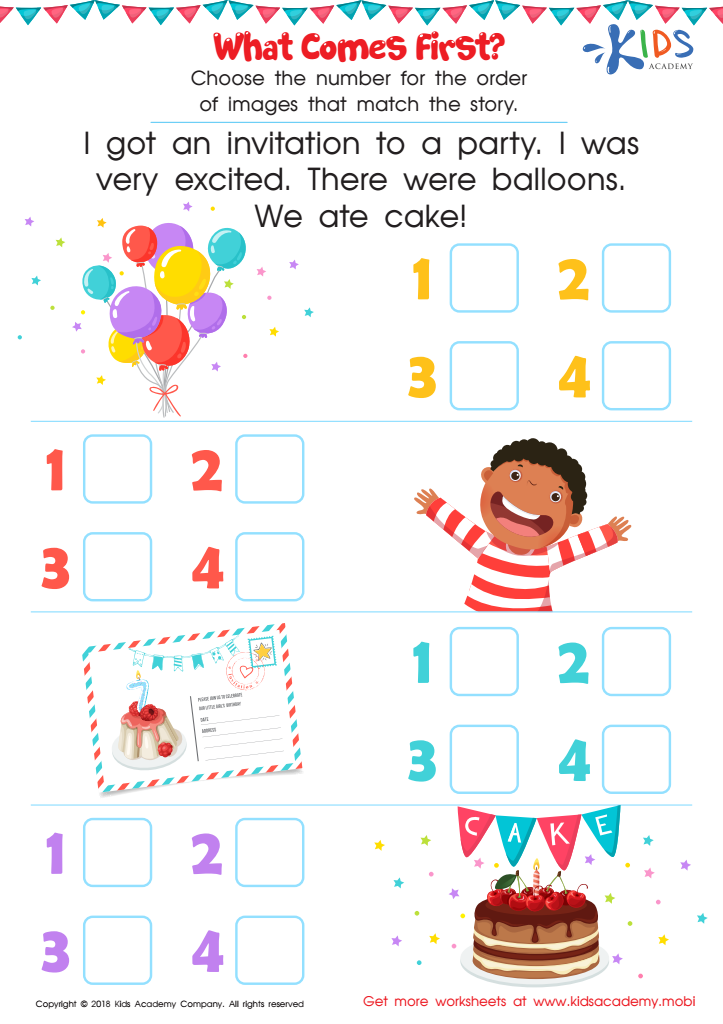
What Comes First Worksheet
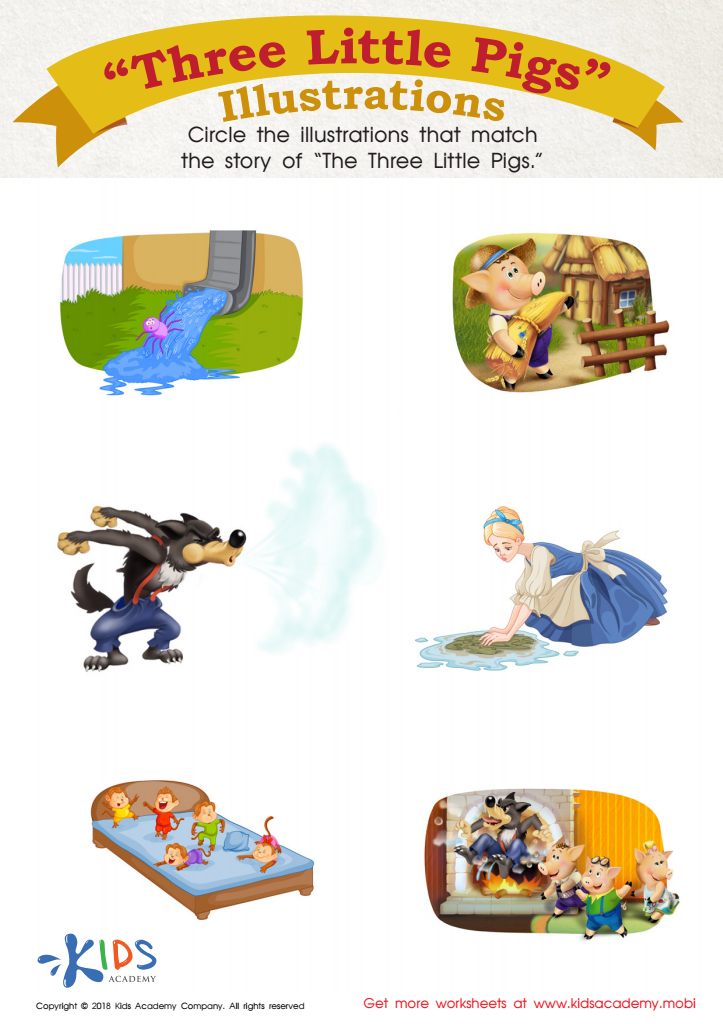
Three Little Pigs: Illustrations Worksheet
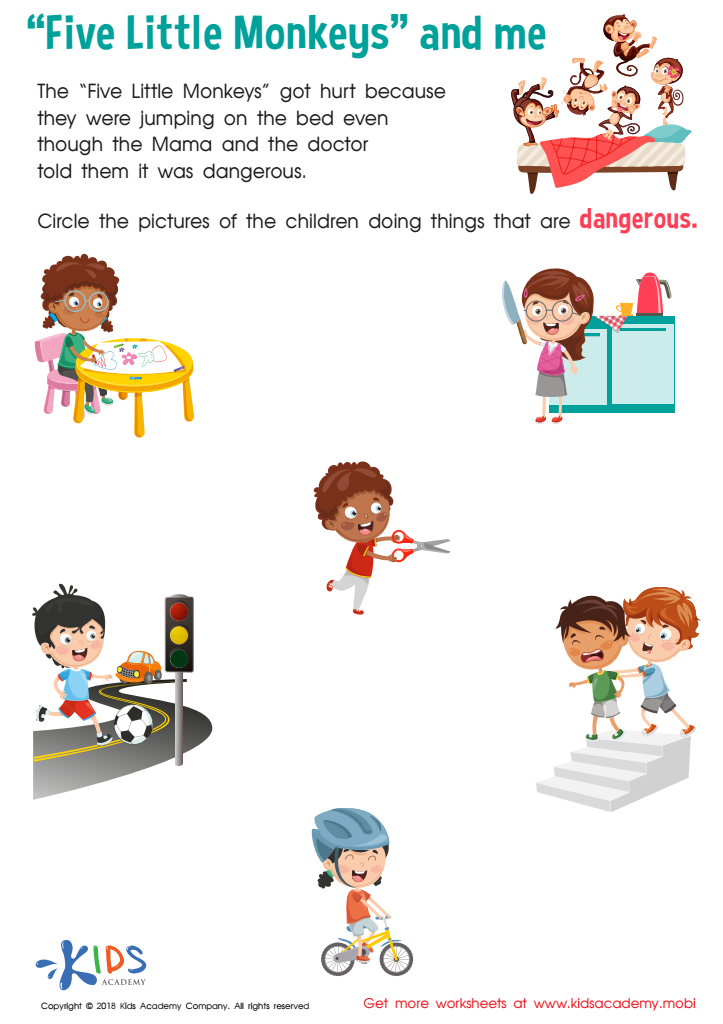
Five Little Monkeys and Me Worksheet
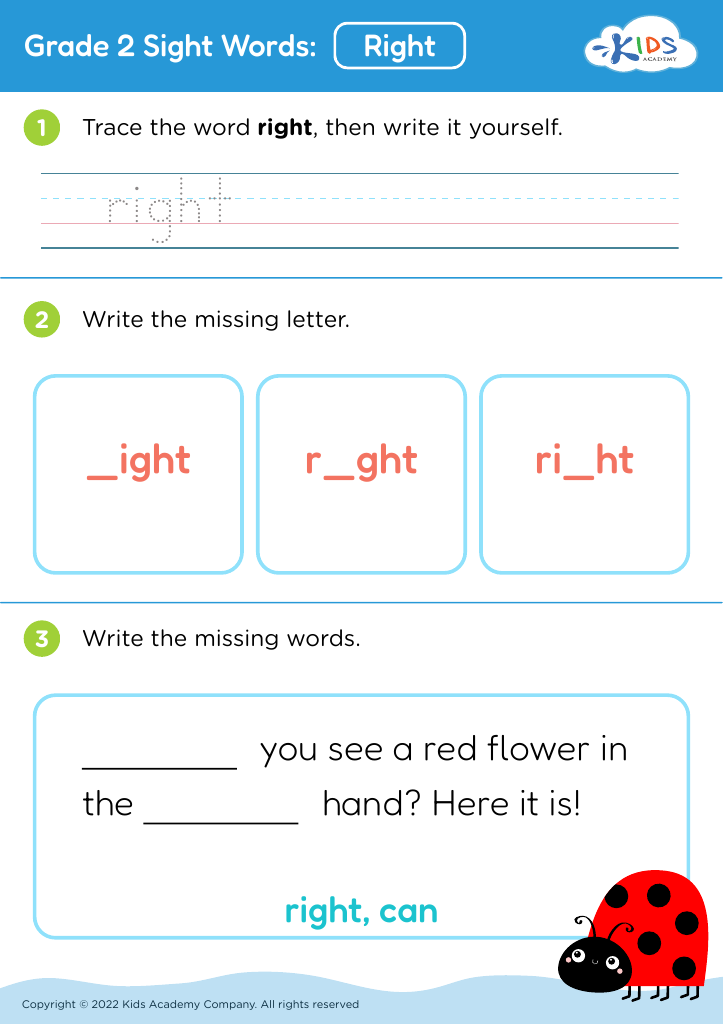








Sequencing skills are crucial for early literacy development in children aged 3 to 7. These skills lay the foundation for effective reading comprehension, as they help children understand the order of events, which is essential for making sense of stories and texts. When children can identify the sequence of actions, they improve their ability to recall details and predict outcomes, enhancing their understanding of language and narrative structure.
Developing sequencing skills also supports cognitive abilities, such as critical thinking and problem-solving. By analyzing storylines and characters' actions, children learn to make connections between ideas and recognize cause-and-effect relationships. This boosts their overall cognitive development and prepares them for more complex literary materials in later years.
Moreover, engaging in activities that promote sequencing—such as storytelling, reordering events in pictures, or using chronological timelines for daily routines—creates interactive and enjoyable learning experiences. These experiences not only foster a love for reading but also strengthen parent-child or teacher-student bonds.
In sum, prioritizing sequencing skills in young readers is essential for building a strong foundation for effective reading comprehension, cognitive development, and overall academic success. This investment in early education leads to lifelong benefits in literacy and critical thinking.








