Analytical thinking Reading Comprehension Worksheets for Ages 3-7
4 filtered results
-
From - To
Discover a variety of analytical thinking reading comprehension worksheets designed for young learners aged 3-7. These engaging resources help children develop critical thinking skills while enhancing their reading comprehension abilities. Each worksheet is crafted to stimulate curiosity and promote deeper understanding of texts, through enjoyable activities that encourage children to analyze, evaluate, and make connections. Ideal for home use or classroom settings, our worksheets support literacy development and foster a love for reading. Give your child the tools to think critically and succeed in their learning journey! Explore our collection today and watch them thrive.
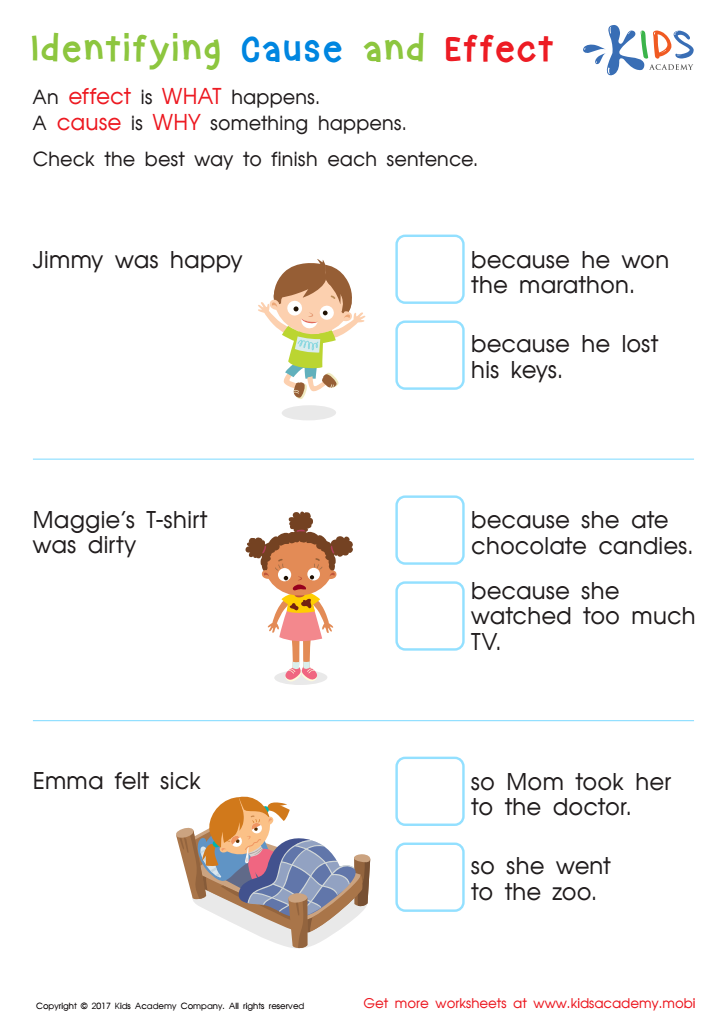
Indentifying Cause and Effect Worksheet
 Assign to My Students
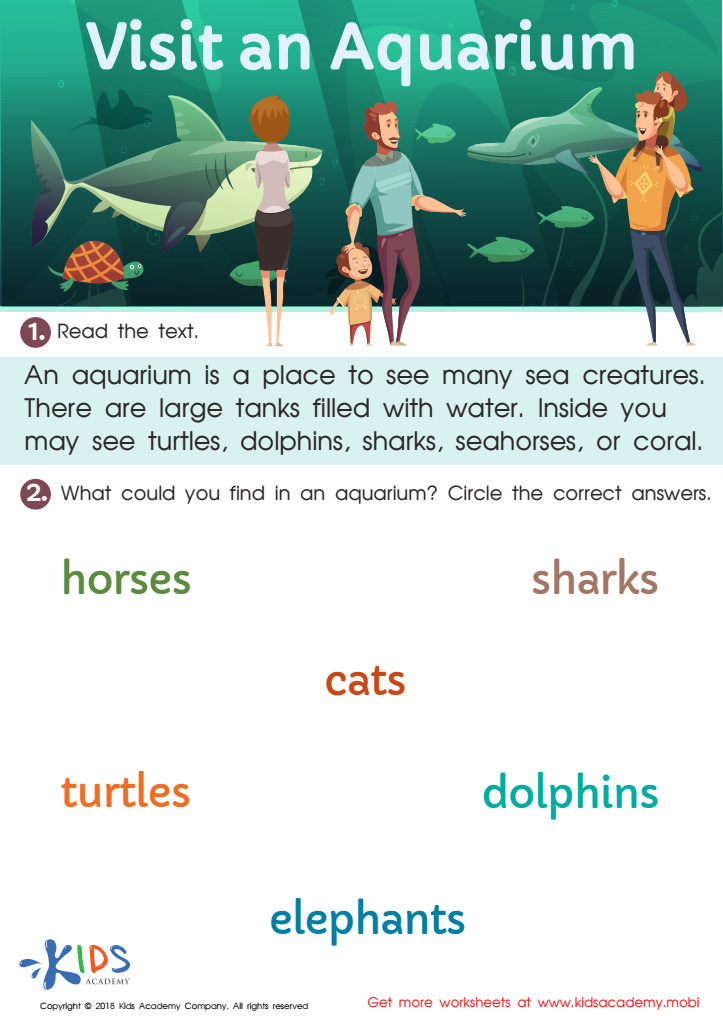
Visit an Aquarium Worksheet
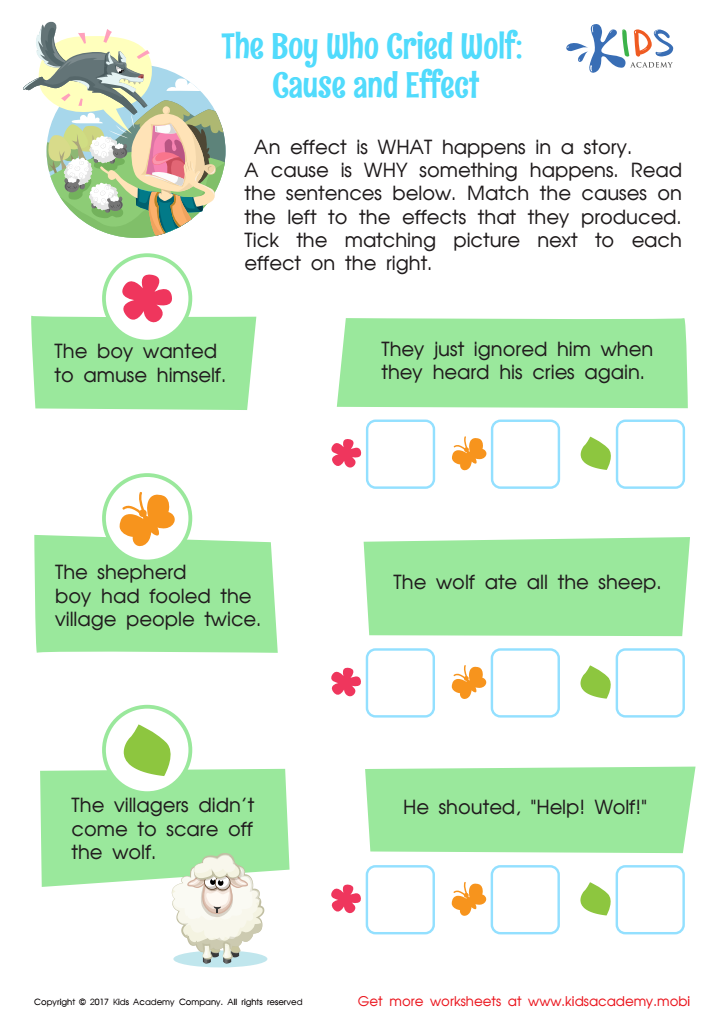
The Boy Who Cried Wolf: Cause and Effect Worksheet
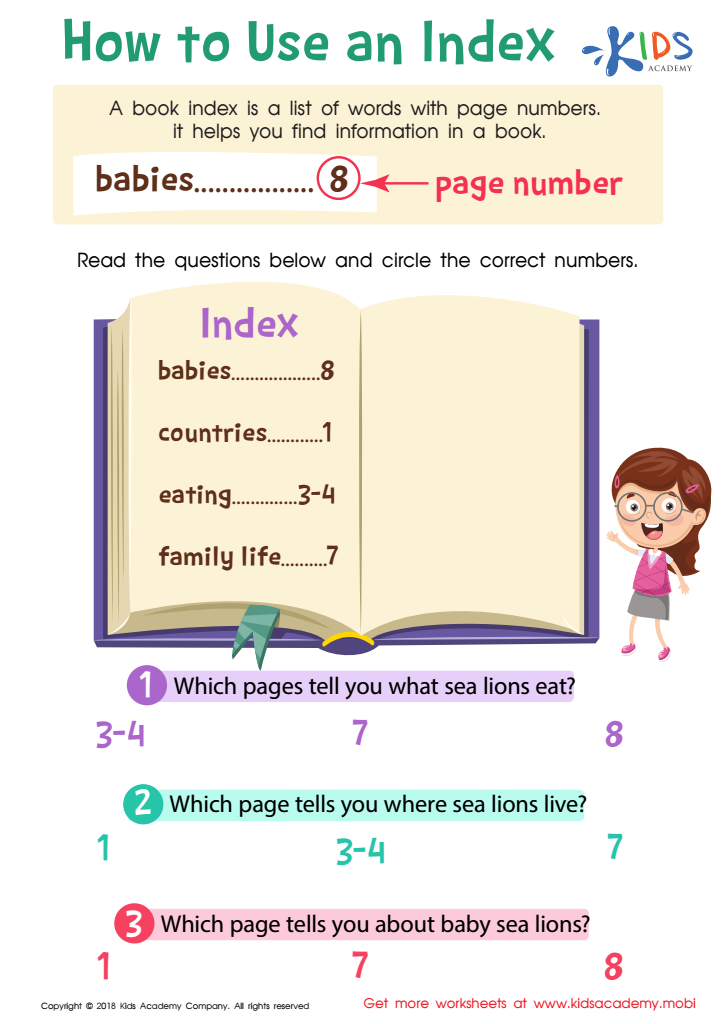
How Use Index Worksheet








Parents and teachers should prioritize Analytical Thinking and Reading Comprehension for children aged 3-7 because these skills lay the foundation for lifelong learning. At this early age, children are naturally curious and eager to explore the world around them. Developing analytical thinking boosts cognitive abilities, enabling children to evaluate information, make connections, and solve problems. When combined with reading comprehension, this cognitive skill enhances their understanding of stories, patterns, and concepts.
Reading comprehension goes beyond simply decoding words; it entails grasping the meaning, context, and implications of a text. Encouraging analytical thinking during storytime or reading exercises allows children to ask questions, predict outcomes, and articulate insights, fostering a deeper connection to the material. This engagement not only enhances their vocabulary and language skills but also cultivates their imagination and critical thinking.
Moreover, strong analytical thinking and comprehension skills will benefit children across various subjects as they progress in their education. Children who can analyze and comprehend effectively are more likely to excel academically and face challenges confidently. Consequently, nurturing these skills early on prepares them for success in school, further developing their social and emotional capacities as they interact with peers and explore diverse perspectives.








