Vocabulary Building Reading Comprehension Worksheets for Ages 3-7
12 filtered results
-
From - To
Unlock your child's potential with our Vocabulary Building Reading Comprehension Worksheets designed for ages 3-7! These engaging worksheets help young learners enhance their vocabulary, understanding, and reading skills through fun and interactive activities. Each worksheet is tailored to promote language development, encouraging students to explore new words in context. From colorful illustrations to age-appropriate texts, your child will be excited to learn while mastering essential vocabulary. Perfect for classroom use or at-home practice, our resources ensure that children build a solid foundation for future reading comprehension. Ignite a love for reading and language today with our carefully crafted worksheets!
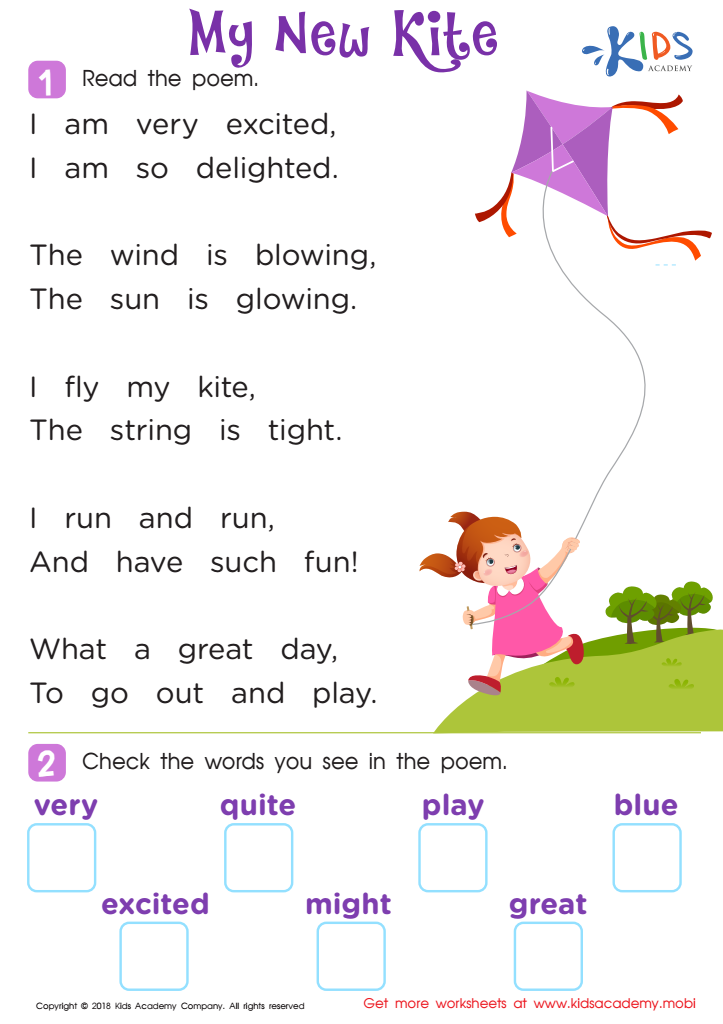
Poem: My New Kite Worksheet
 Assign to My Students
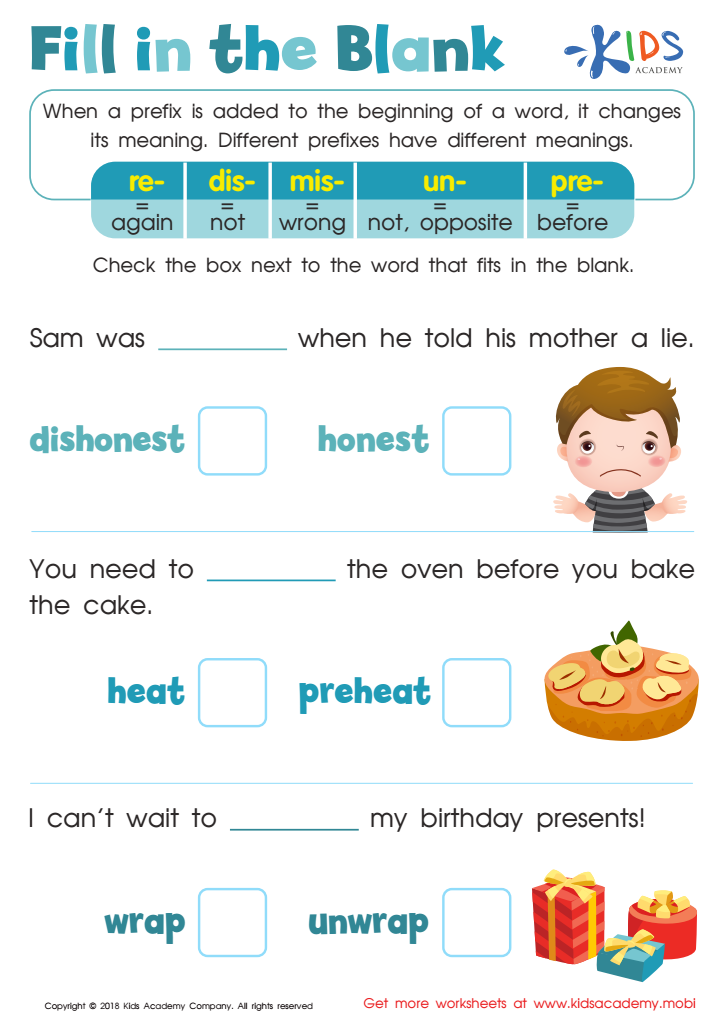
Reading: Fill in the Blank Worksheet
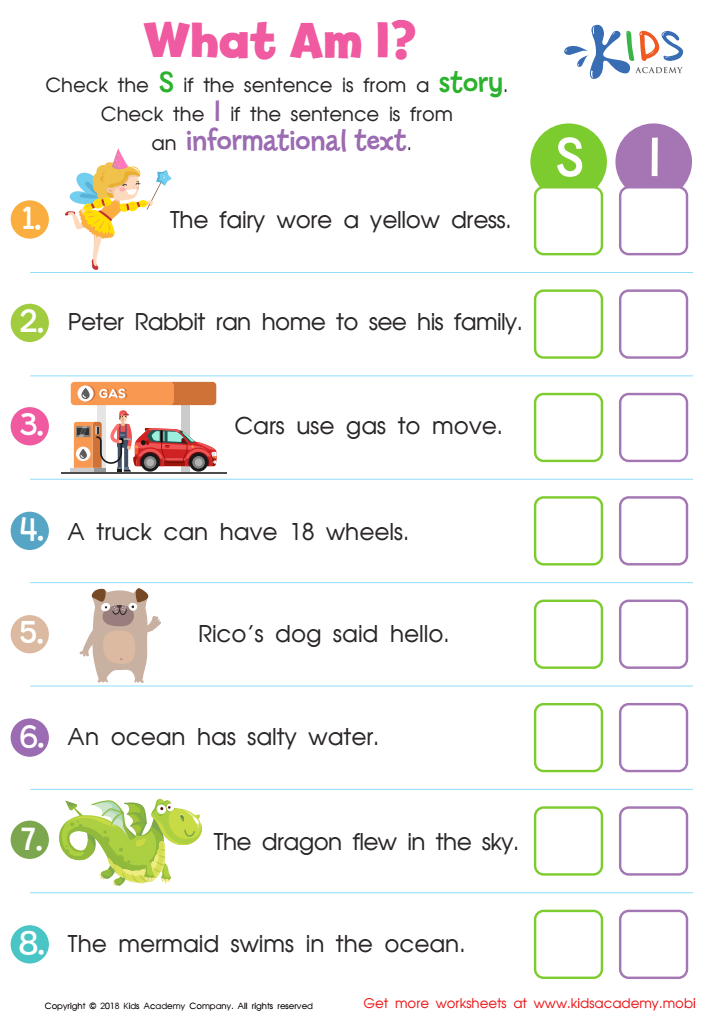
What Am I? Worksheet
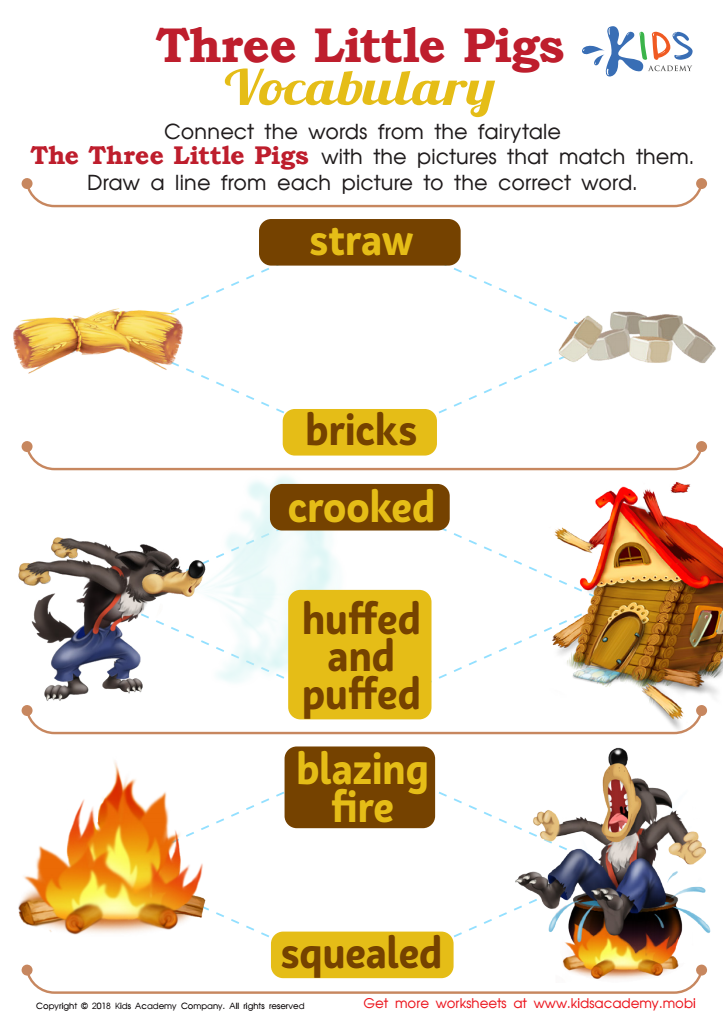
Three Little Pigs Vocabulary Worksheet
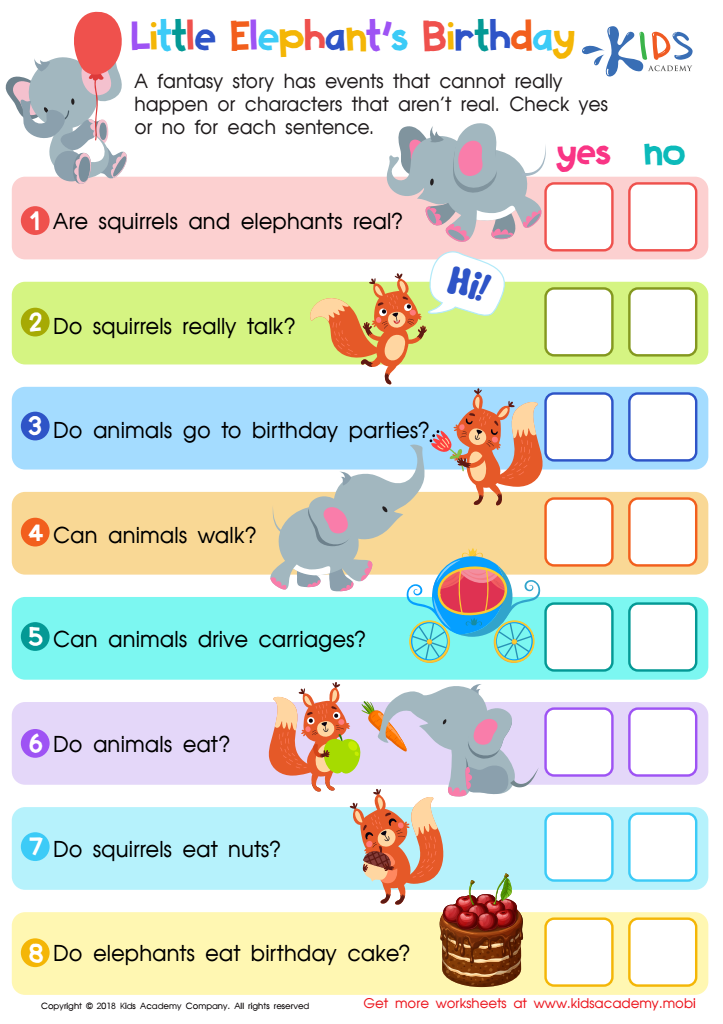
Little Elephant's Birthday Worksheet
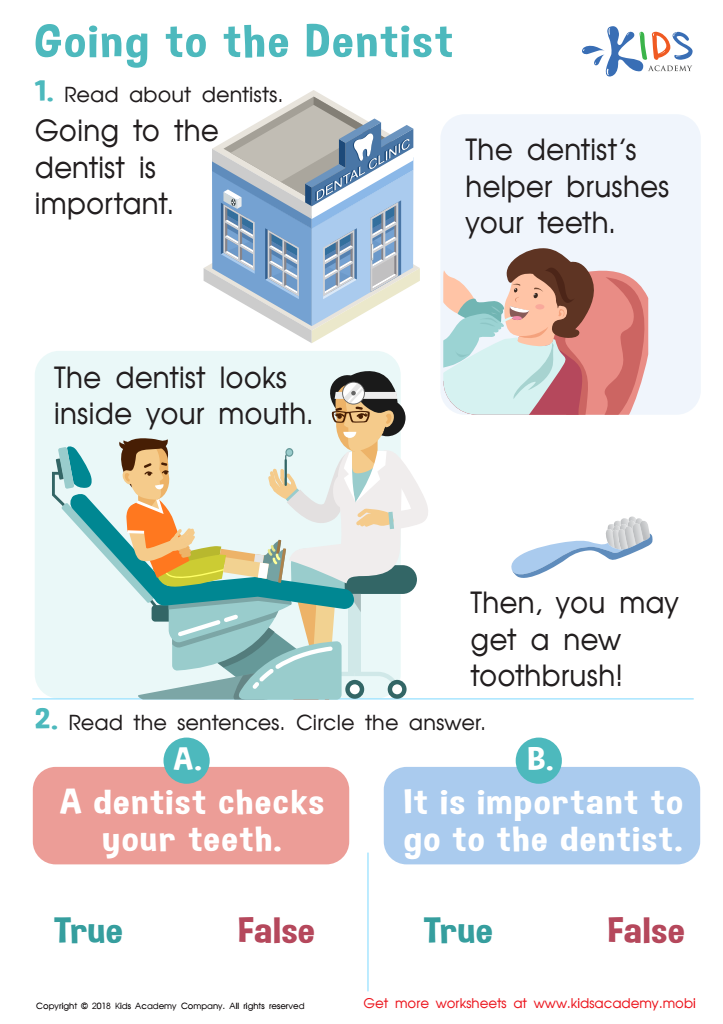
Going to the Dentist Part 2 Worksheet
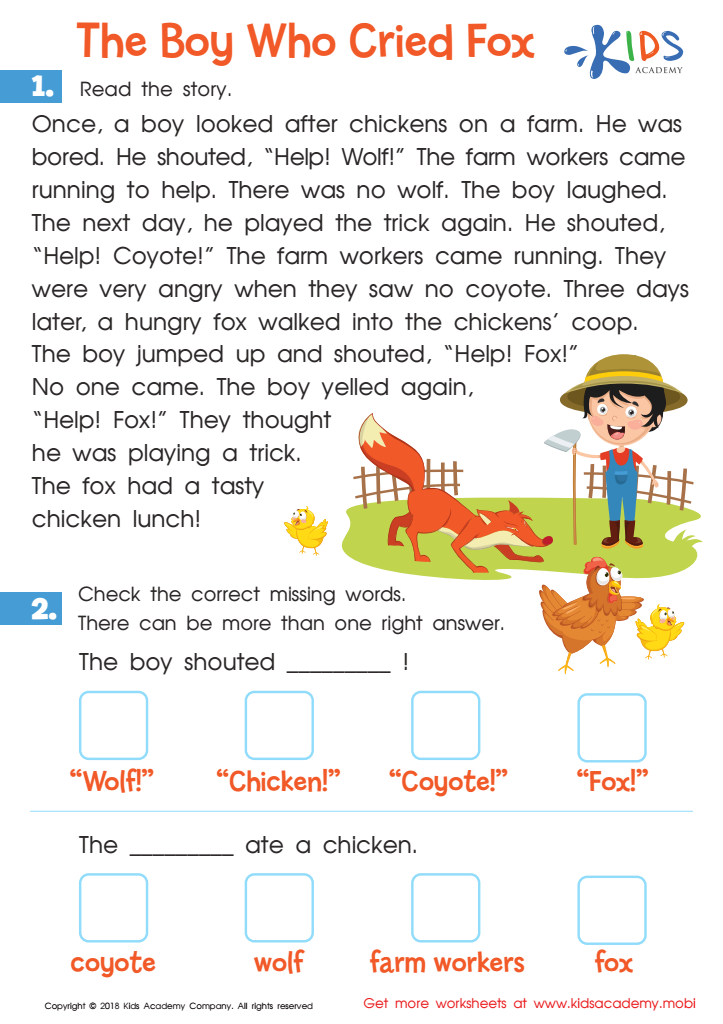
The Boy Who Cried Fox Worksheet
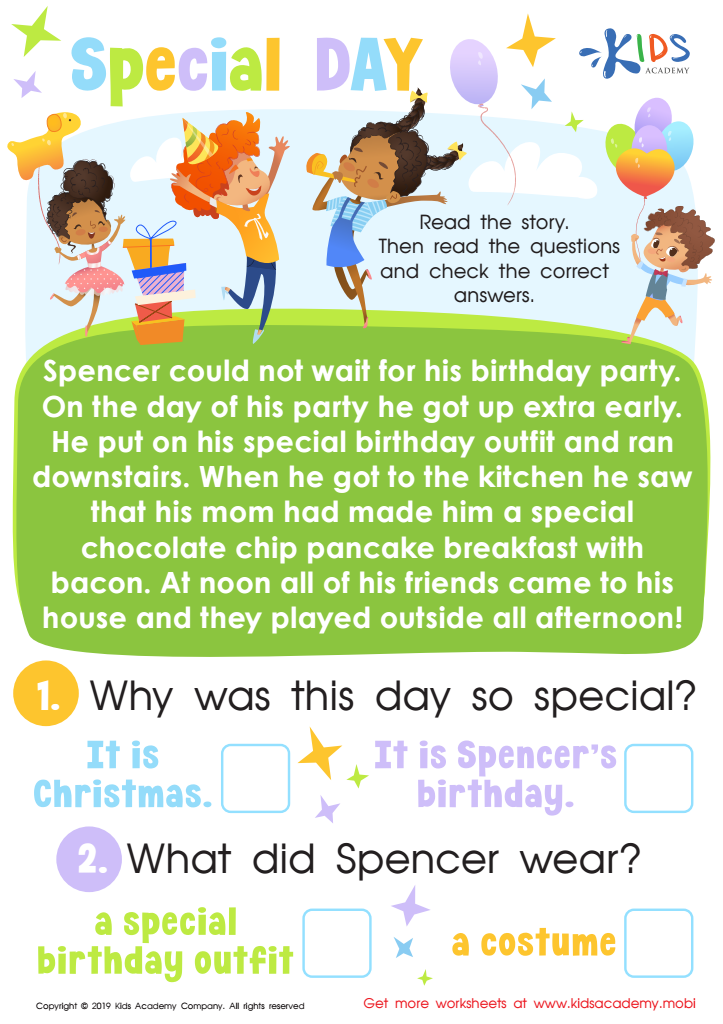
Special Day Worksheet
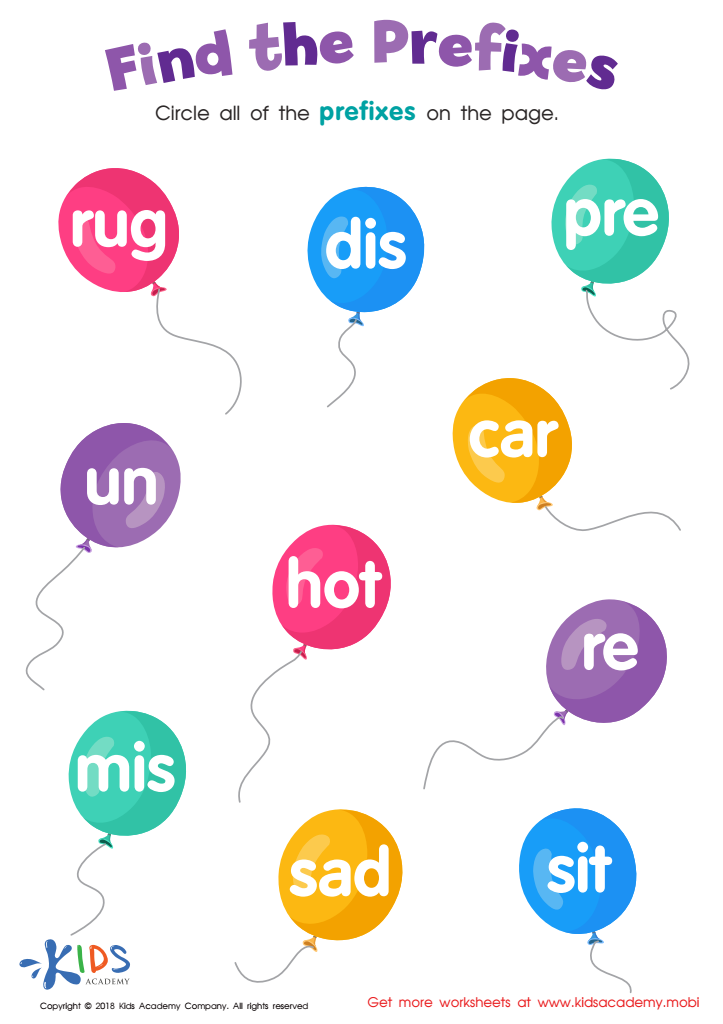
Reading: Find the Prefixes Worksheet
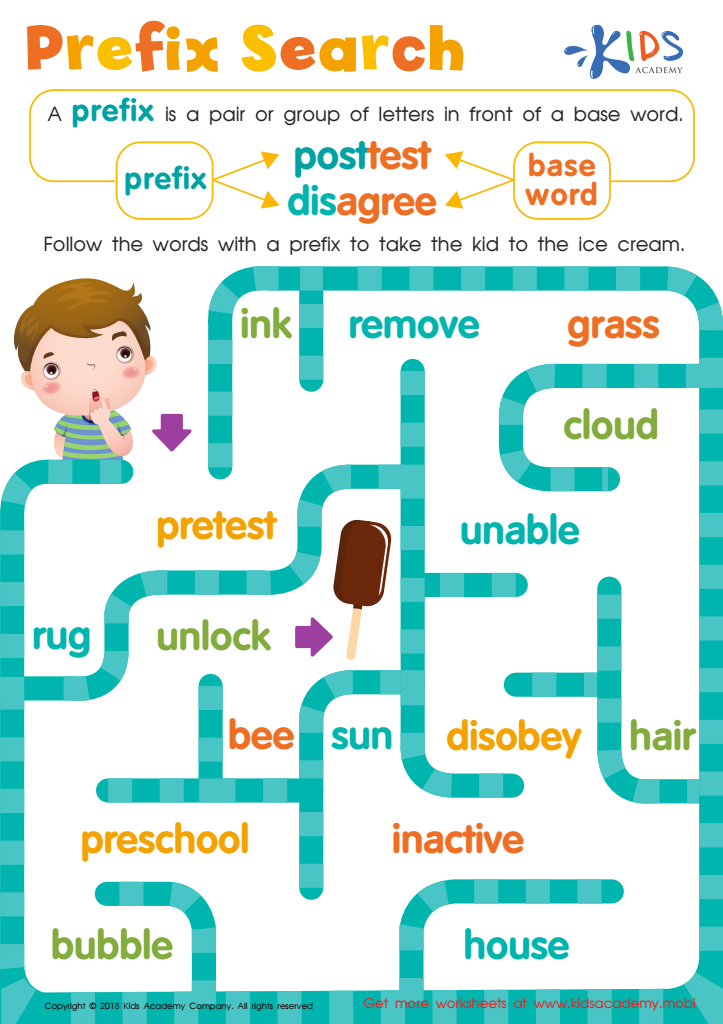
Reading: Prefix Search Worksheet
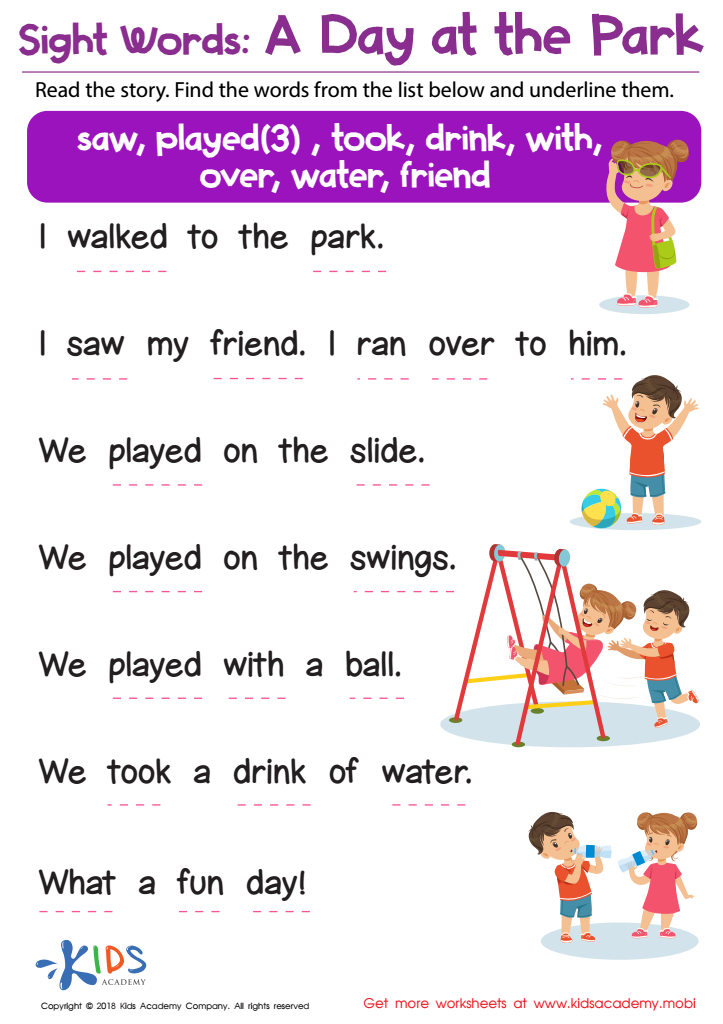
Sight Words: A Day at the Park Worksheet
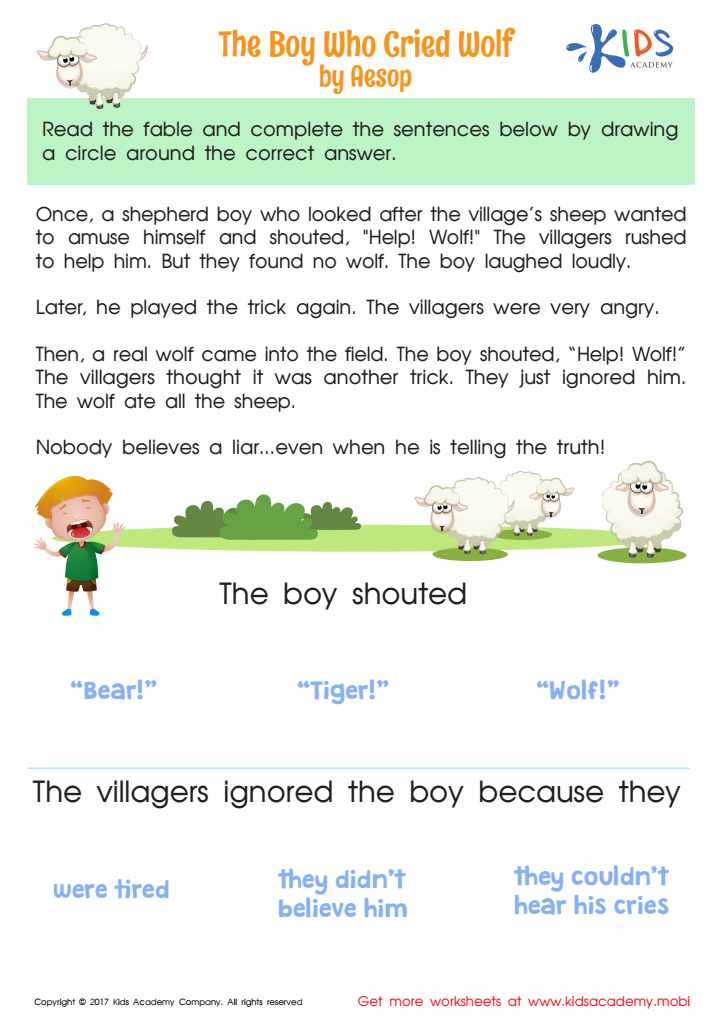
The Boy Who Cried Wolf Worksheet








Vocabulary building and reading comprehension are crucial for children aged 3-7 as they lay the foundation for lifelong learning. At this developmental stage, children are particularly receptive to language, making it the ideal time for them to expand their vocabulary. A rich vocabulary enhances their ability to express thoughts, understand language nuances, and engage in meaningful conversations, thus fostering social skills.
Moreover, vocabulary and comprehension are intertwined; as children encounter new words within various contexts, they develop stronger comprehension skills. This capacity not only enables them to understand stories better, but also enhances their academic performance across subjects. Early exposure to diverse language boosts cognitive skills, encouraging critical thinking and problem-solving.
Parents and teachers can support vocabulary building through everyday interactions, reading together, and engaging in conversations about stories or experiences. This experience nurtures a love for reading, making it a cherished activity that promotes curiosity and imagination.
Ultimately, investing in vocabulary skills early on establishes a sturdy foundation for future academic success, empowering children to become confident learners equipped to tackle the complexities of language and literacy in later years. Prioritizing this aspect of literacy development is a gift that lasts a lifetime.








