Understanding ecosystems Animals Worksheets for Ages 3-7
3 filtered results
-
From - To
Explore the fascinating world of ecosystems with our "Understanding Ecosystems Animals Worksheets" designed for children ages 3-7! These engaging worksheets introduce young learners to various animals and their environments, fostering curiosity about nature. Each activity promotes essential skills such as identification, matching, and critical thinking, tailored to cater to early education needs. By interacting with colorful illustrations and simple tasks, children will develop a deeper appreciation for wildlife and the complexity of ecosystems. Ideal for classroom settings or at-home learning, these worksheets offer a fun and educational way to nurture a child's love for the planet and its diverse inhabitants!
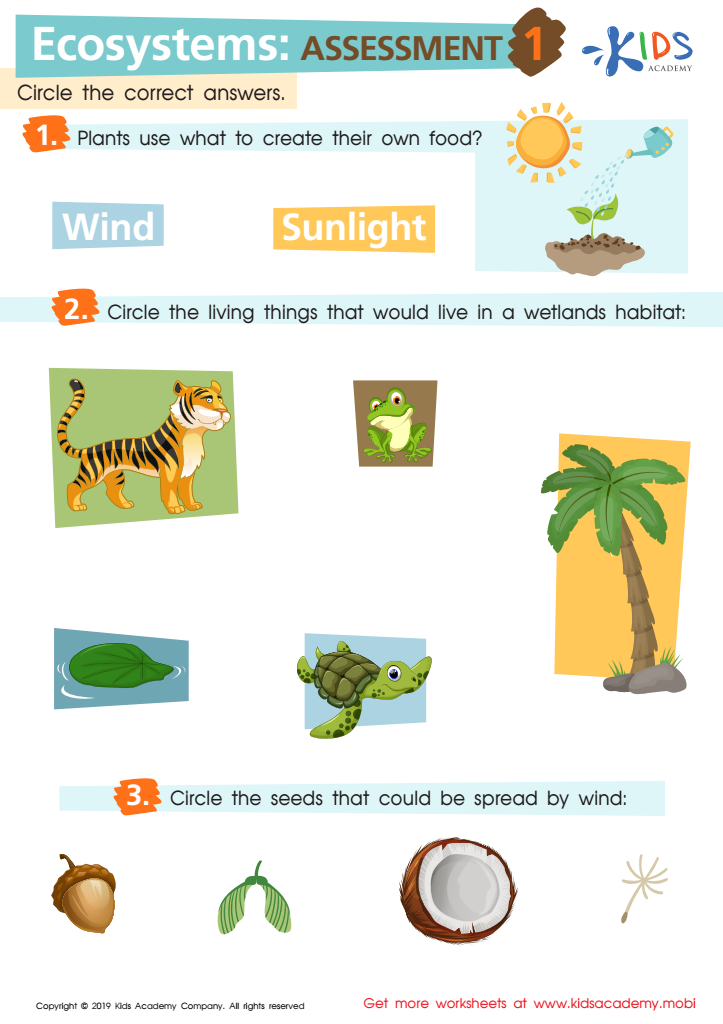
Ecosystems: Assessment 1 Worksheet
 Assign to My Students
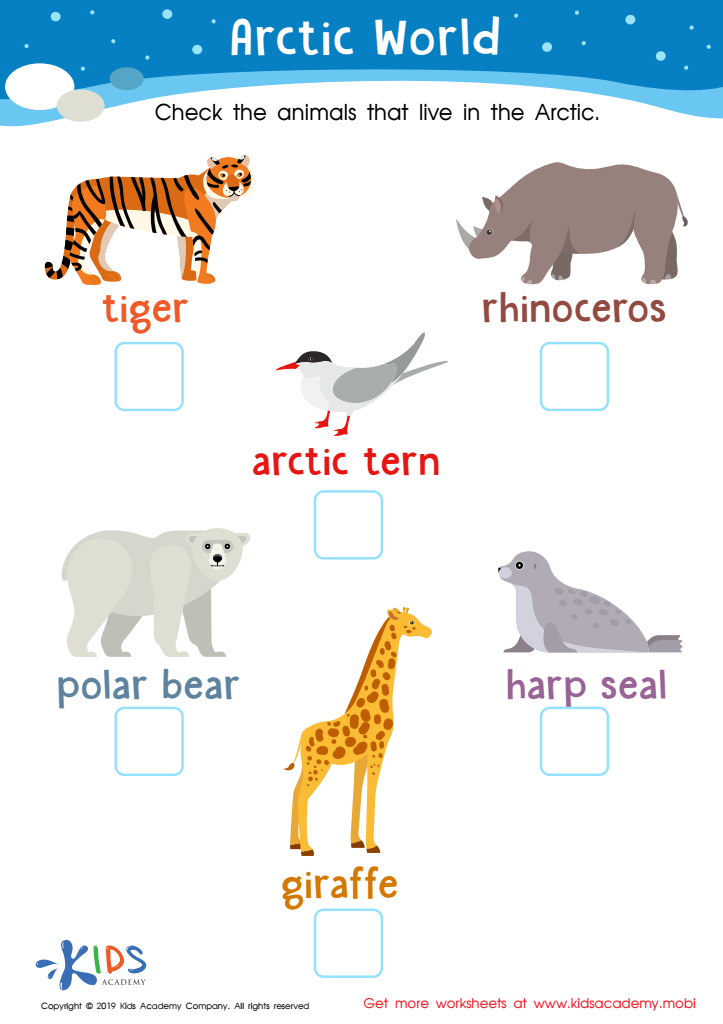
Arctic World Worksheet
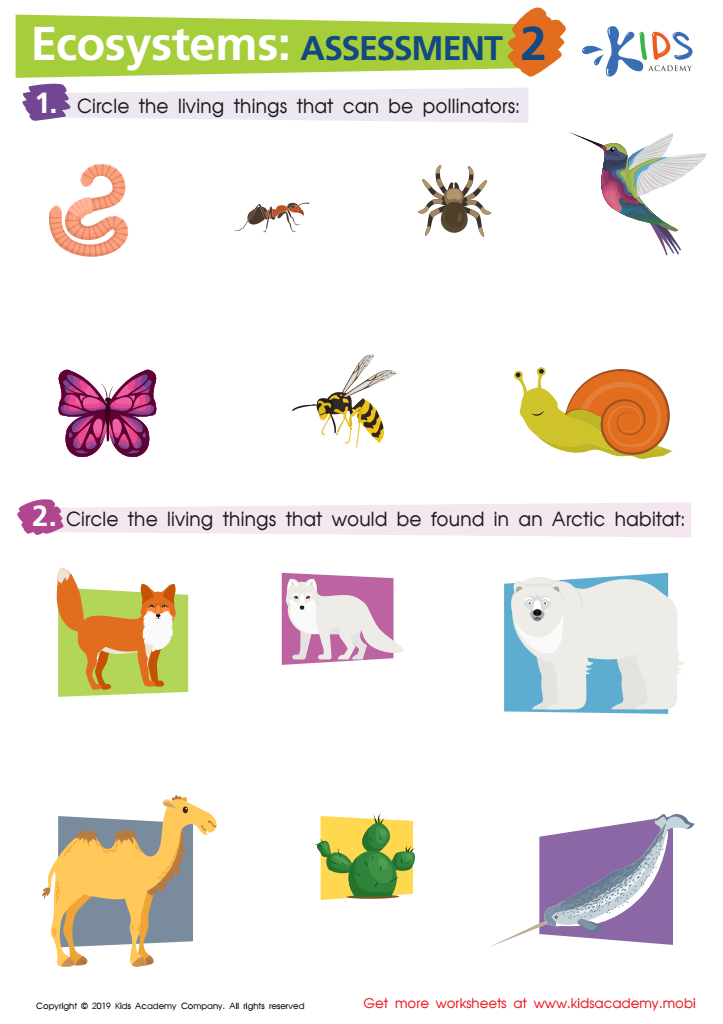
Ecosystems: Assessment 2 Worksheet



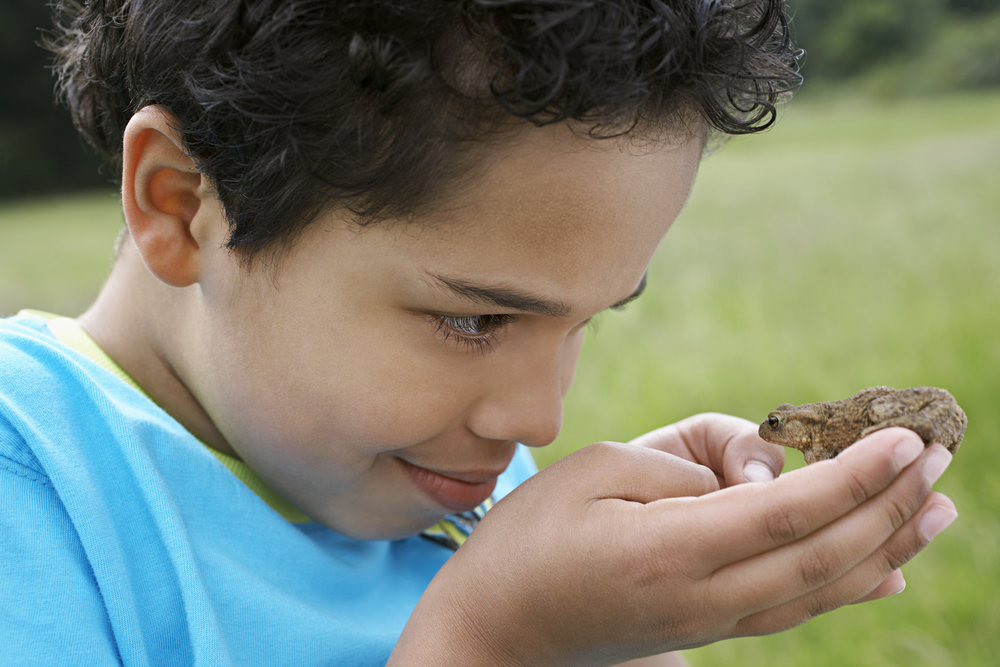




Understanding ecosystems and animals is crucial for children aged 3-7, as it lays the foundation for their environmental awareness and respect for nature. At this stage, children are naturally curious and eager to explore their surroundings. By introducing them to ecosystems, adults can foster a sense of wonder and intrigue about the world, encouraging exploration and critical thinking.
Educators and parents can use this age to teach children about the interconnectedness of living things. For example, explaining how animals, plants, and their habitats interact helps kids understand the effects of human actions on the environment, instilling a sense of responsibility from an early age. Engaging in activities such as observing bugs in a garden or learning about local wildlife promotes active learning and sensory development.
Furthermore, incorporating discussions about ecosystems can enhance language skills and encourage social interactions through group activities or discussions, nurturing collaborative learning. Early exposure to these concepts can also inspire future environmental stewardship, leading to responsible citizenship. In essence, understanding ecosystems and animals helps shape compassionate, informed individuals who value and protect the natural world, ensuring a sustainable future for generations to come.








