Counting practice Science Worksheets for Ages 3-7
5 filtered results
-
From - To
Enhance early math skills with our engaging Counting Practice Science Worksheets designed for children ages 3-7! These interactive worksheets offer a fun and effective way to integrate counting exercises with exciting science themes. Kids will explore numbers through hands-on activities that connect them to the wonders of the natural world, such as counting animals, plants, and more. Tailored for young learners, our resources promote cognitive development while fostering a love for science. Perfect for home or classroom use, these worksheets make learning math an enjoyable experience. Download now and watch your child’s counting abilities soar as they discover the fascinating world around them!
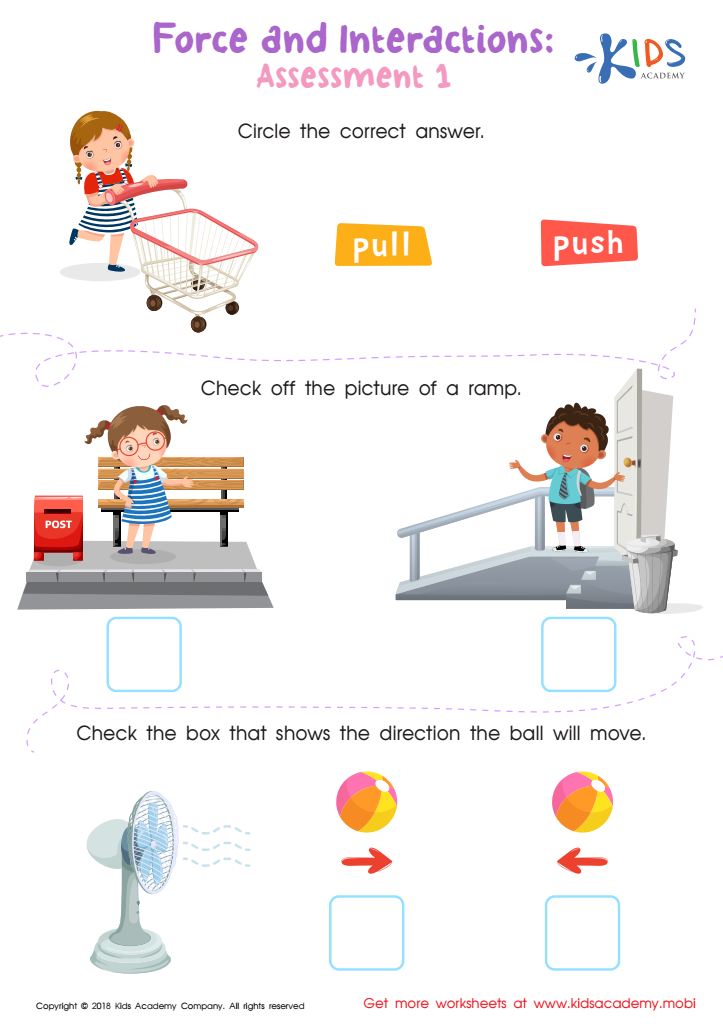
Force and Interactions: Assessment 1 Worksheet
 Assign to My Students
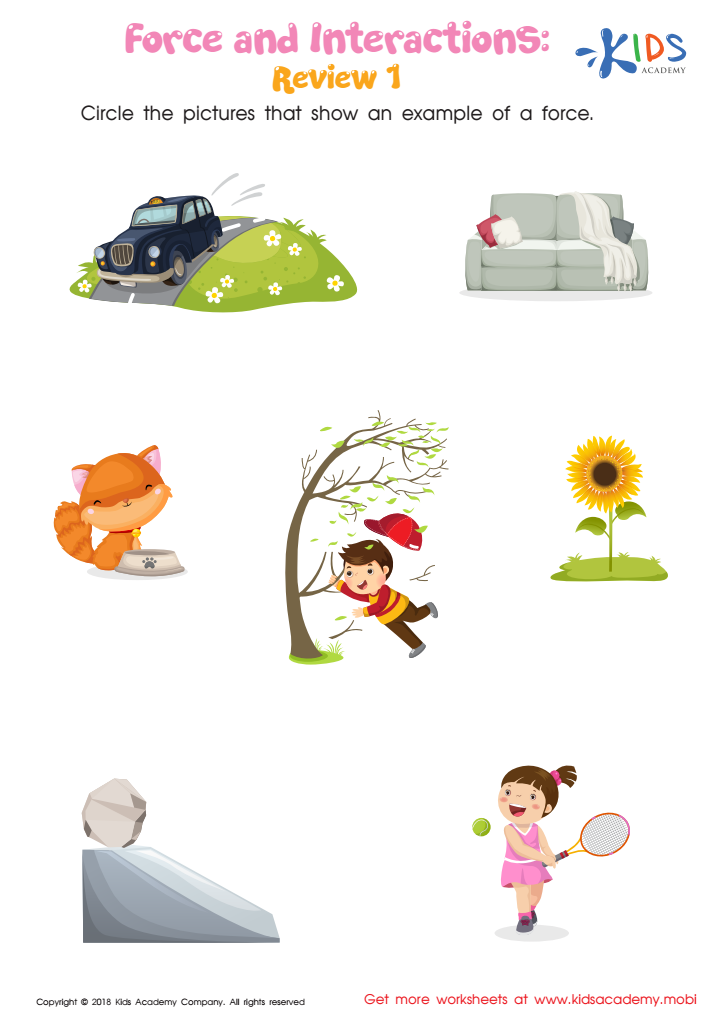
Force and Interactions: Review 1 Worksheet
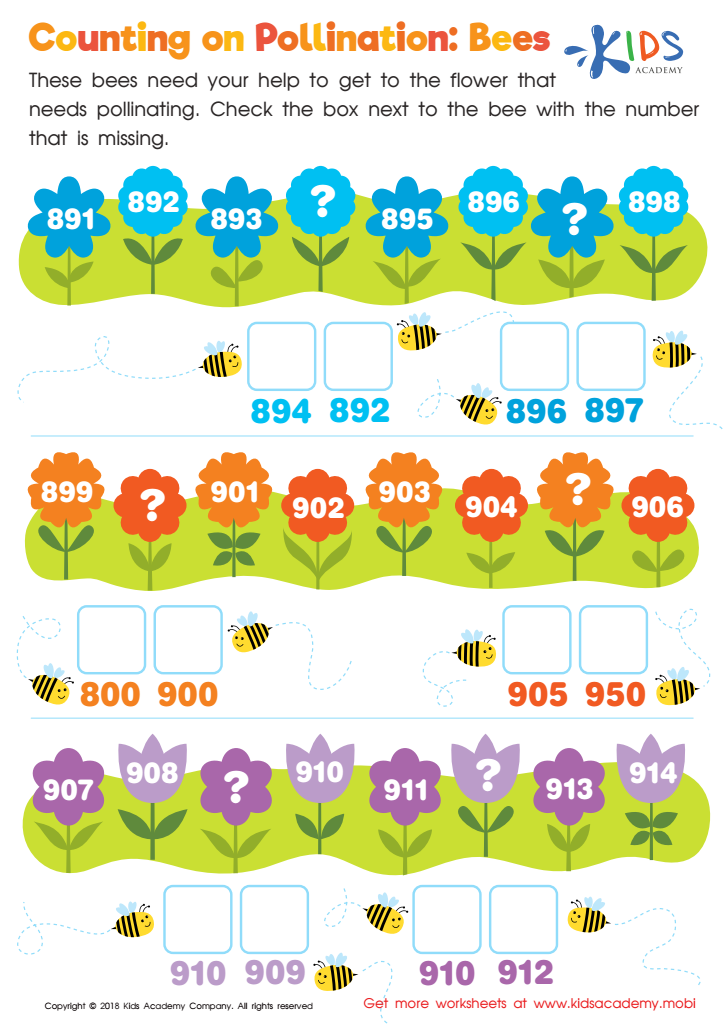
Counting on Pollination: Bees Worksheet
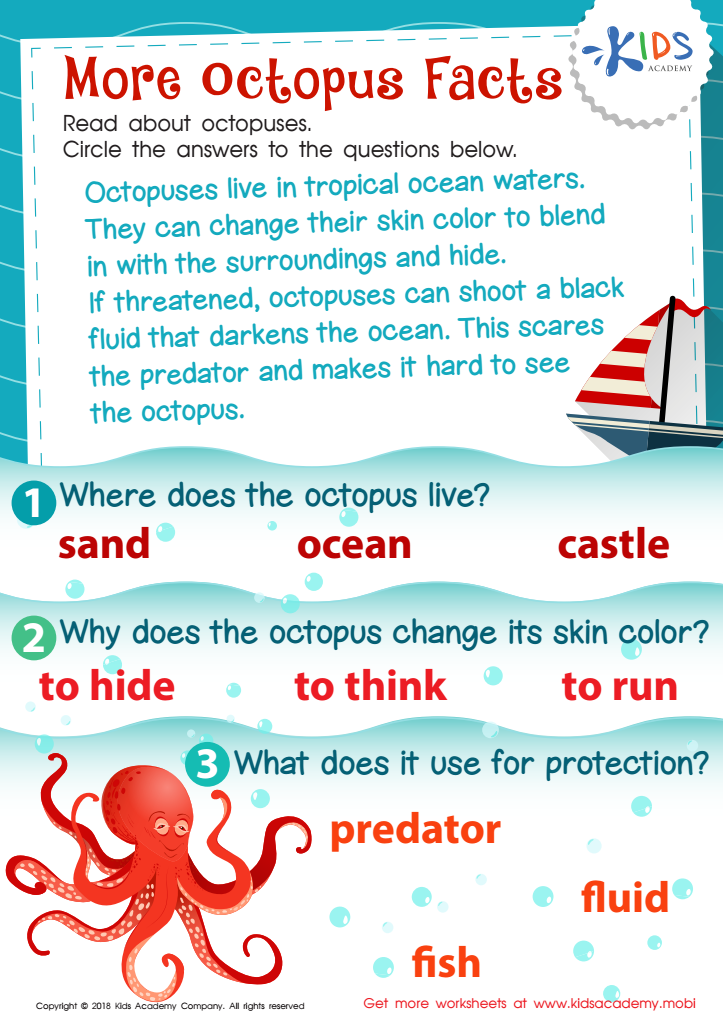
More Octopus Facts Worksheet
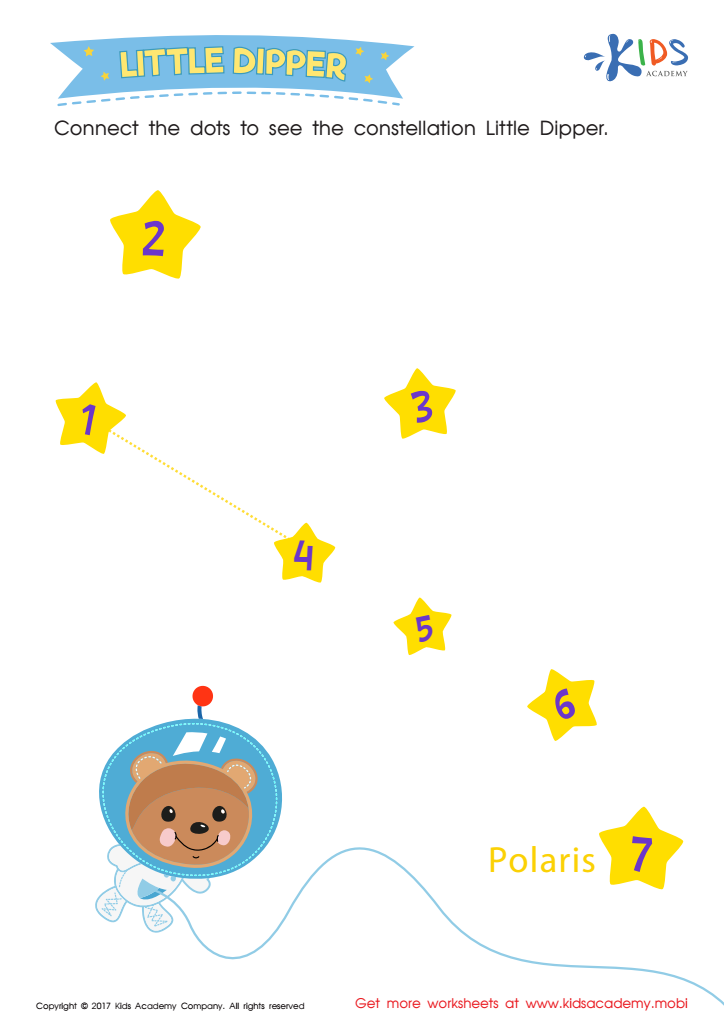








Counting practice in science for children aged 3-7 is pivotal for several reasons. Firstly, it lays a solid foundation for early numeracy skills, which are essential for everyday life and future academic success. By integrating counting into scientific exploration, children learn to quantify observations, analyze data, and engage in basic experiments—skills that foster critical thinking.
Engaging in counting activities in scientific contexts can also spark curiosity and enthusiasm for the natural world. For instance, counting the number of leaves on a tree or the spots on a ladybug ties math directly to real-life situations, making learning relevant and enjoyable. This hands-on experience encourages cognitive development and supports the understanding of concepts such as classification, measurement, and patterns.
Moreover, counting practice promotes a language-rich environment where children can articulate their thoughts and findings, enhancing communication skills. When parents and teachers actively focus on counting in science, they build a more interactive learning atmosphere, enriching children's educational journey. Ultimately, investing time in counting practice fosters foundational skills that significantly influence future learning experiences in both math and science, setting up children for success in a rapidly changing world.







