Enhancing categorization skills Science Worksheets for Ages 3-7
3 filtered results
-
From - To
Enhance your child's categorization skills with our engaging science worksheets designed for ages 3-7! Our interactive resources encourage young learners to classify objects based on various attributes, fostering critical thinking and observational skills. Each worksheet features colorful illustrations and age-appropriate activities that make learning fun and effective. By sorting items into categories such as colors, shapes, and sizes, children develop a deeper understanding of the world around them. Ideal for homeschooling or classroom settings, these worksheets promote cognitive growth while sparking curiosity about science. Download now and watch your little ones thrive in their learning journey!
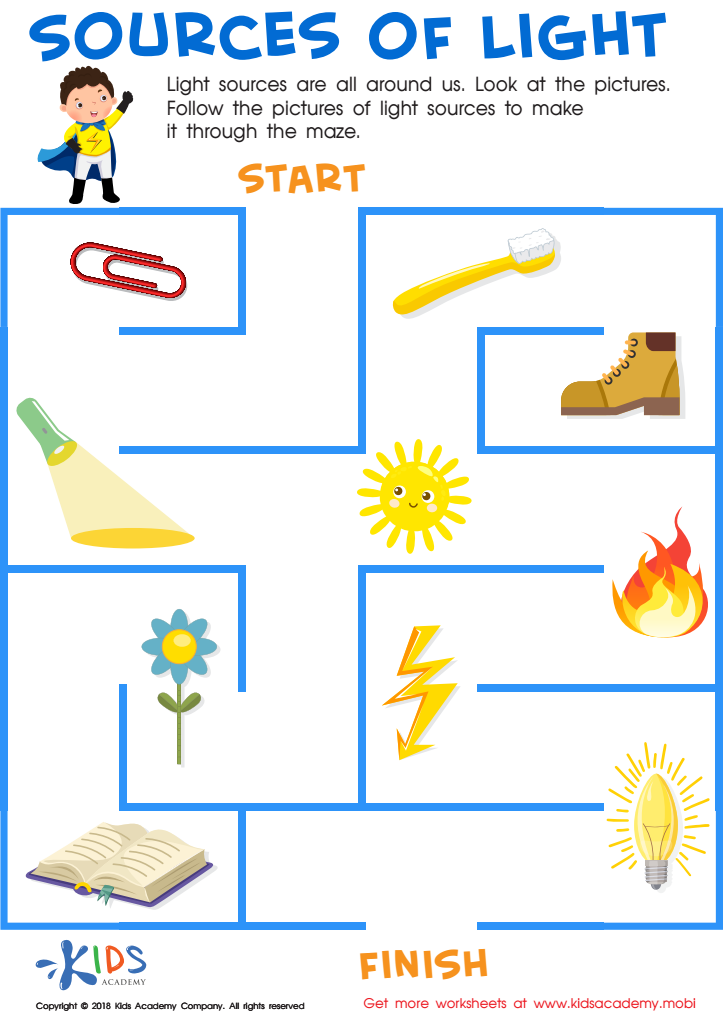
Sources of Light Worksheet
 Assign to My Students
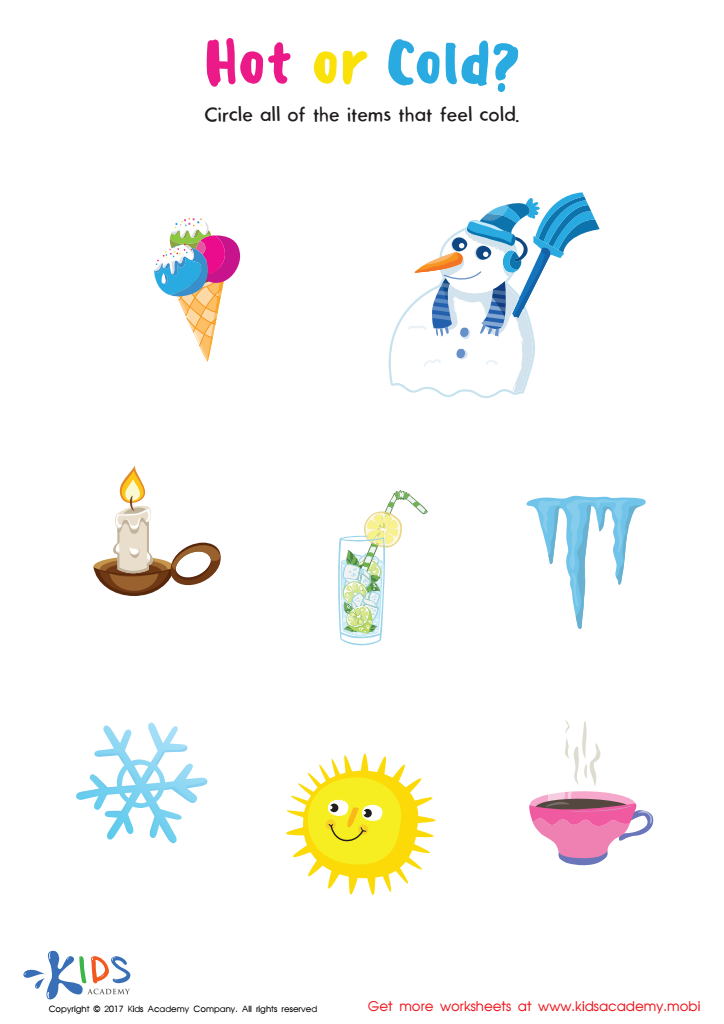
Hot or Cold Printable
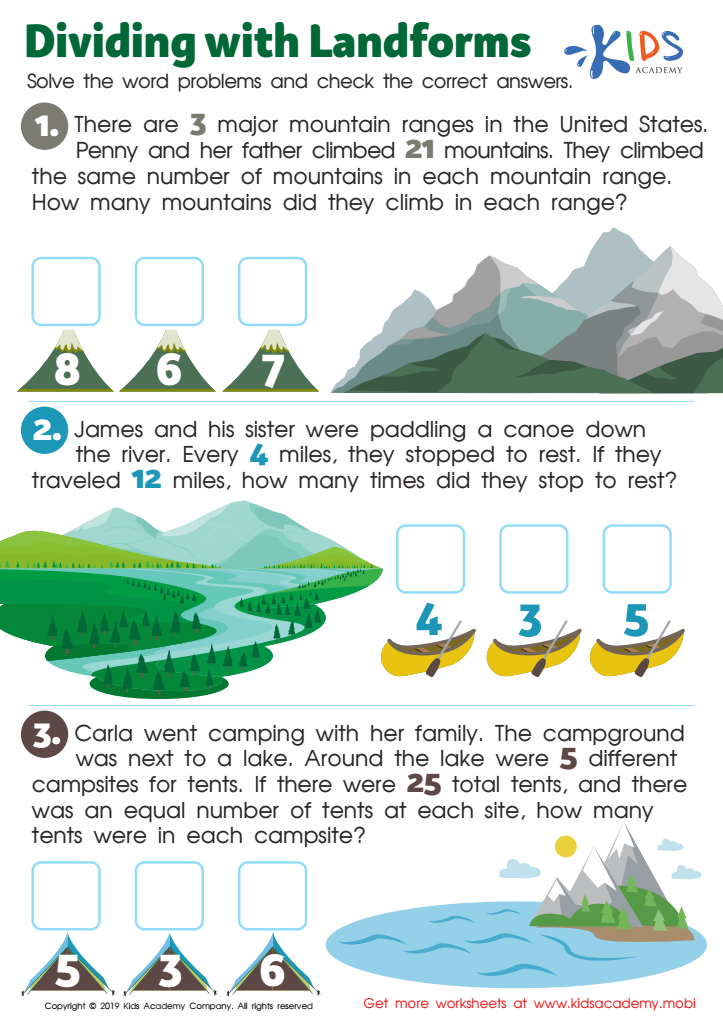
Dividing with Landforms






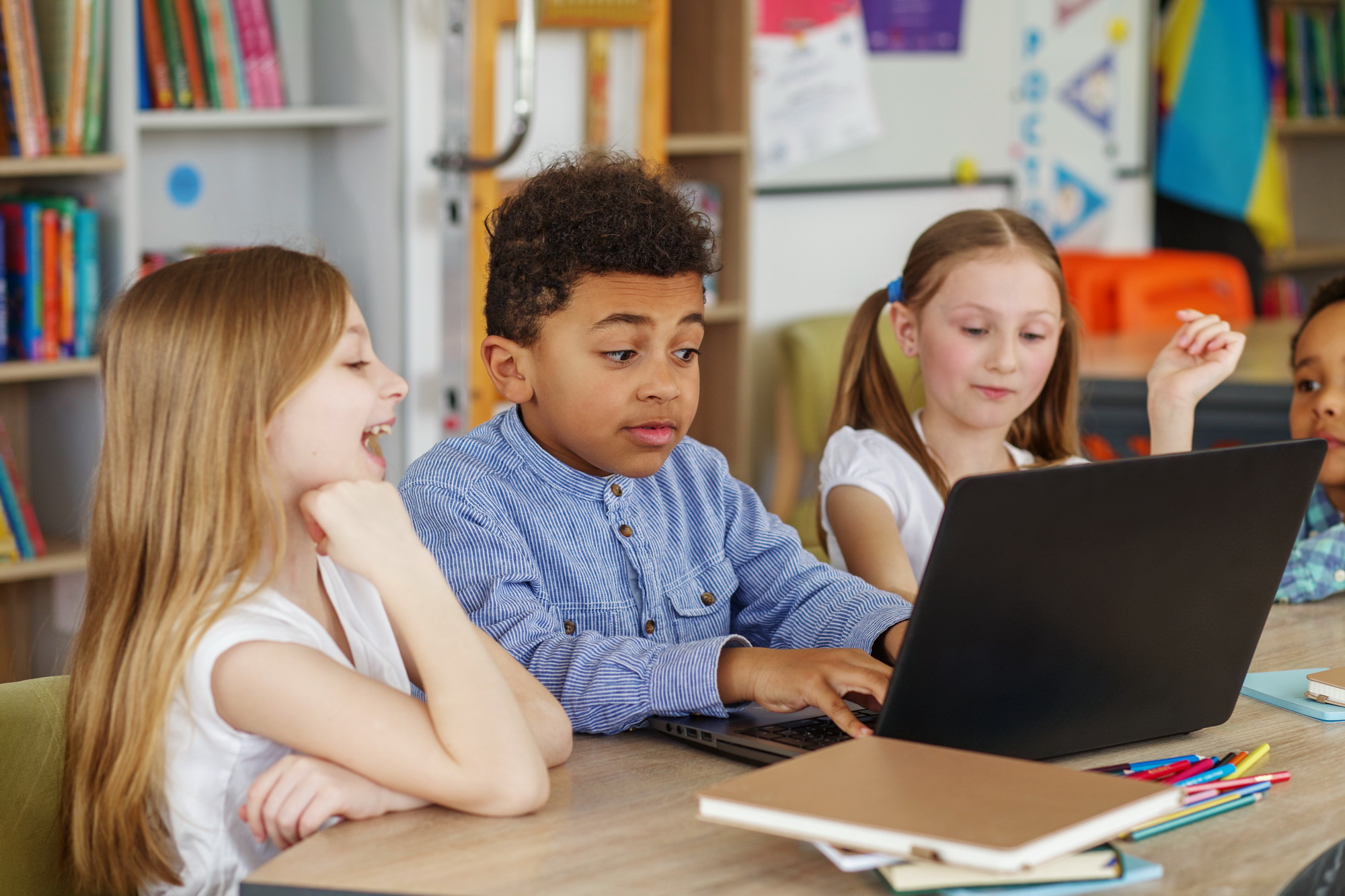
Enhancing categorization skills in young children aged 3-7 is crucial for their cognitive development, particularly in the realm of science. Categorization forms the basis of critical thinking and problem-solving abilities, allowing children to group objects, ideas, or experiences based on shared attributes. When parents and teachers prioritize this skill, they aid in children’s ability to make sense of the world around them.
Science, at its core, involves exploration and classification. By teaching children to categorize objects by color, shape, size, or function, they develop observational skills and learn to make connections between concepts. This foundational understanding aids in grasping scientific principles later in life, such as biology, chemistry, and environmental science.
Furthermore, enhanced categorization skills support language development, as children learn to articulate differences and similarities among items. This helps build vocabulary and fosters communication skills. Engaging children in fun categorization activities—like sorting animals by habitat or grouping fruits and veggies—can make learning enjoyable and interactive.
Ultimately, when parents and teachers invest time in developing these skills, they empower children with the tools necessary for academic success, curiosity, and a love for exploration—essential components of lifelong learning.







