Knowledge application Science Worksheets for Ages 3-7
4 filtered results
-
From - To
Discover our engaging "Knowledge Application Science Worksheets" designed for young learners aged 3-7. These worksheets provide a fun way for children to explore essential scientific concepts, applying their knowledge through hands-on activities. With colorful illustrations and interactive tasks, your child will develop critical thinking and problem-solving skills. Our worksheets cover a range of topics, from basic biology to earth science, ensuring a well-rounded introduction to the world around them. Perfect for at-home learning or classroom use, these resources foster curiosity and a love for science from an early age. Get your children excited about discovery with our carefully curated materials!
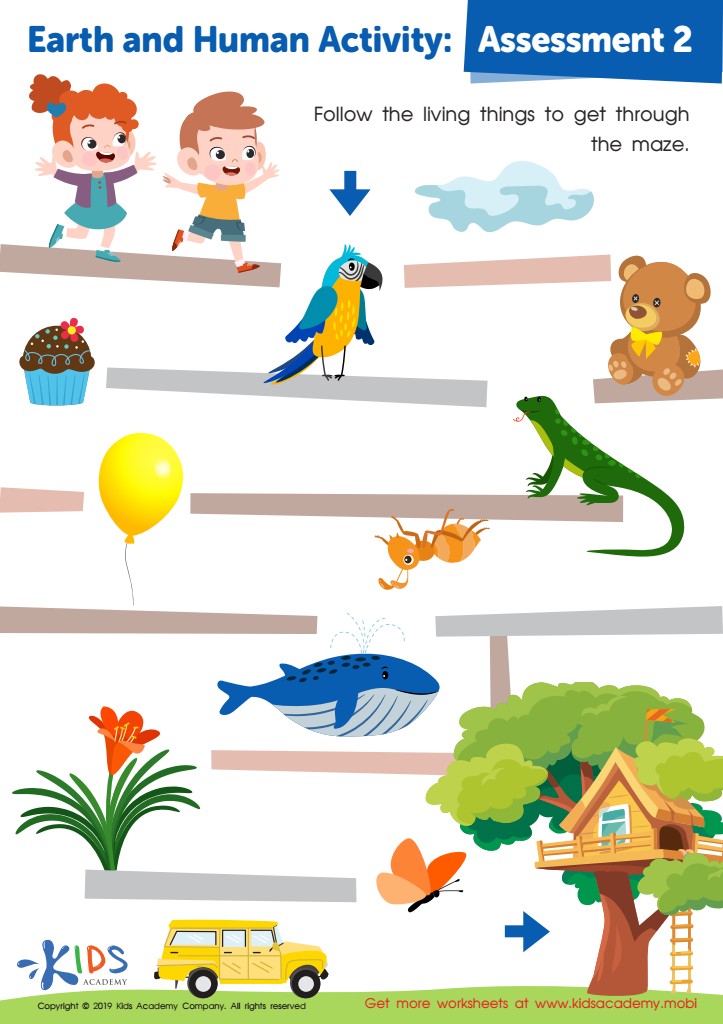
Earth and Human Activity: Assessment 2 Worksheet
 Assign to My Students
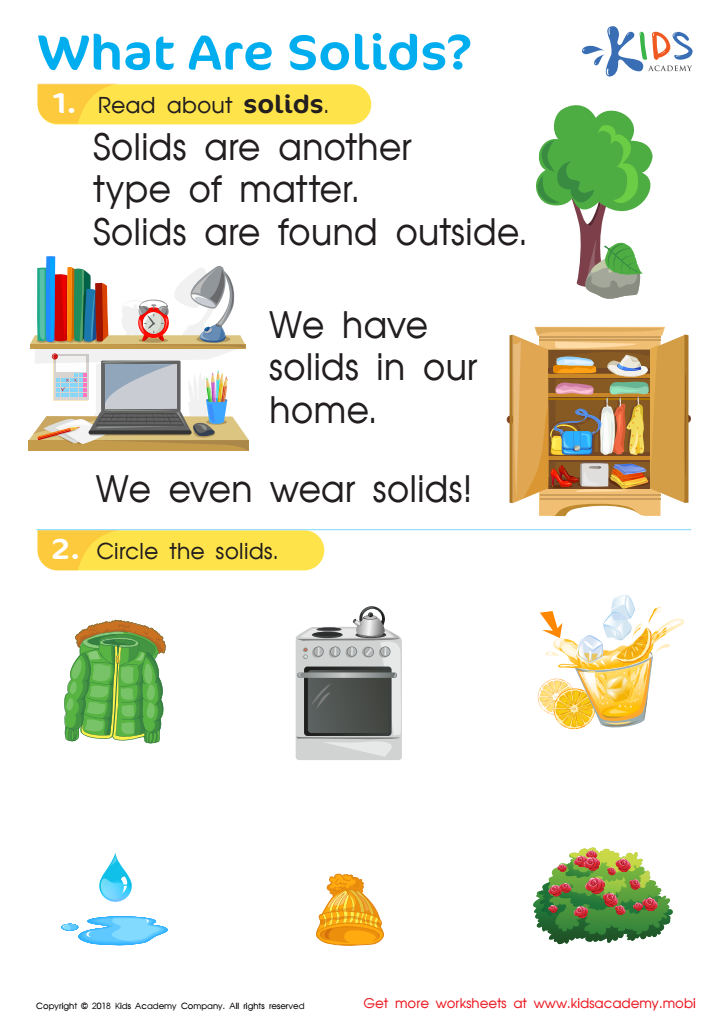
What Are Solids? Worksheet
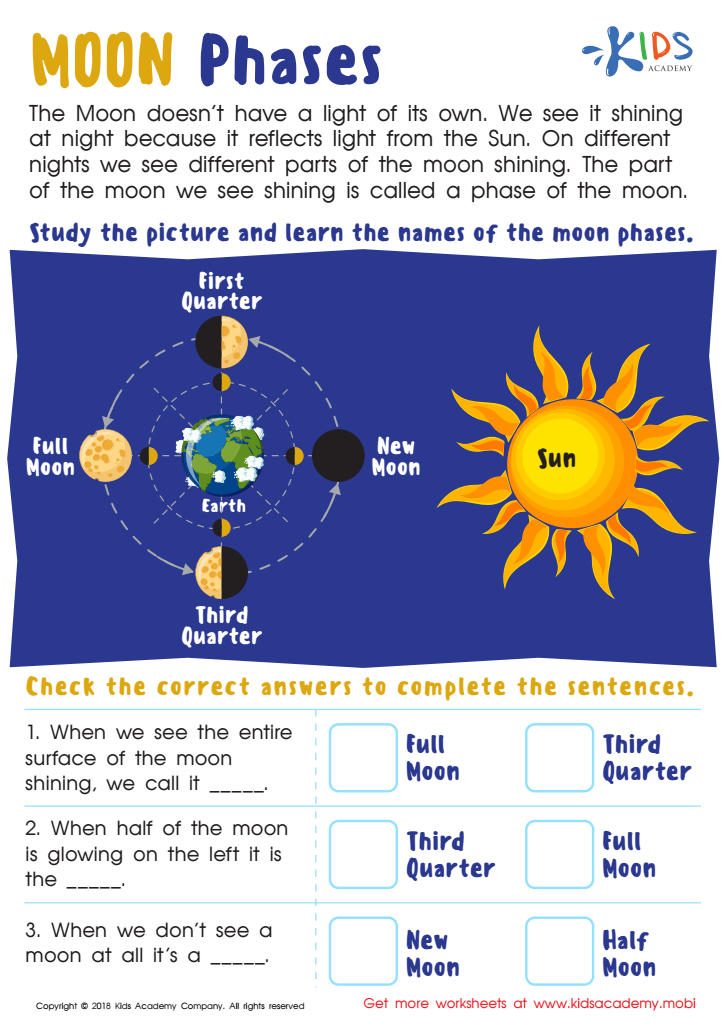
Moon Phases Worksheet
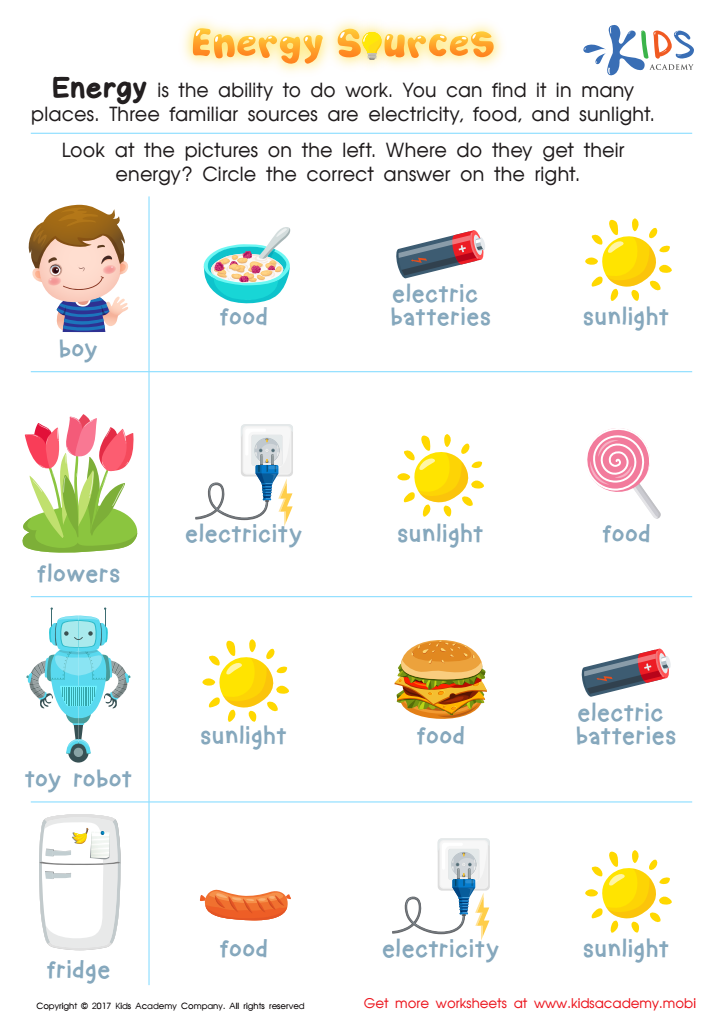
Energy Sources Printable



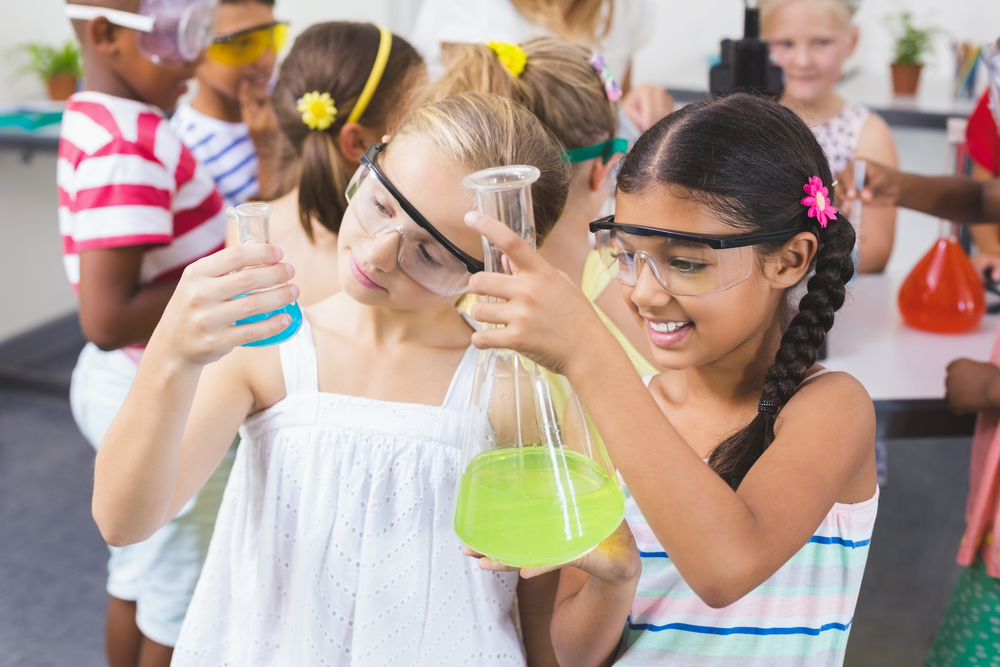

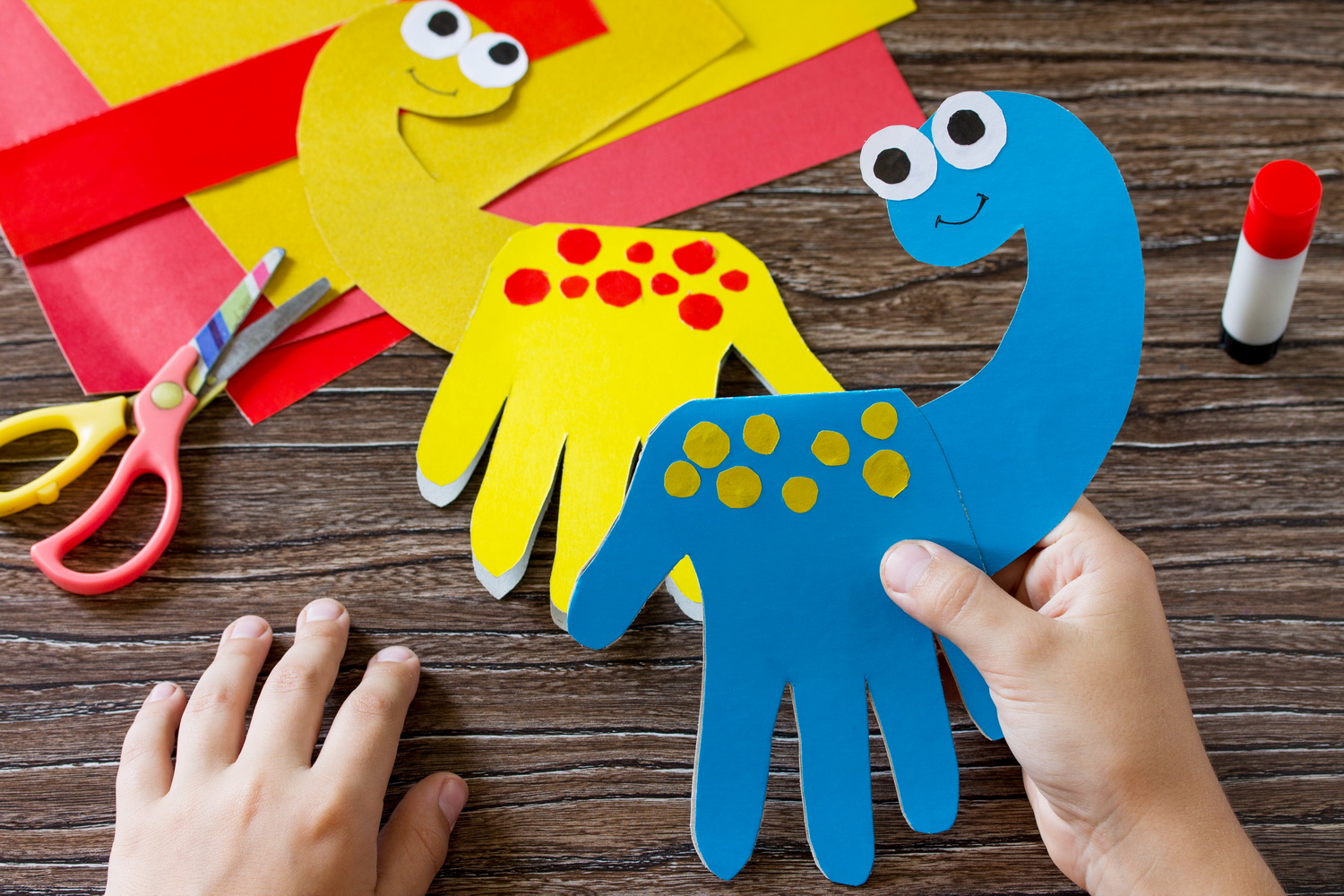
Knowledge application in science for children ages 3-7 is vital for early childhood development and lifelong learning. During these formative years, children are naturally curious, constantly exploring their environment. Engaging them in science helps nurture their curiosity, allowing them to ask questions, make observations, and develop critical thinking skills.
Understanding and applying scientific concepts can promote cognitive advancement by enhancing problem-solving abilities and encouraging logical reasoning. When children experiment and draw conclusions, they learn that failure is part of the learning process, fostering resilience and perseverance.
Furthermore, science education enriches language development; as children describe their observations and findings, they expand their vocabulary and communication skills. Exploring science concepts also contributes to social and emotional learning, encouraging teamwork during group experiments and discussions.
For parents and teachers, facilitating this learning benefits not just academic growth but also life skills. Knowledge application in science cultivates a sense of wonder about the world, laying the foundation for responsible citizenship and informed decision-making in the future. Ultimately, by caring about scientific knowledge application, adults support comprehensive development, preparing young learners not just academically but as curious and engaged members of society.







