Vocabulary expansion Science Worksheets for Ages 3-7 - Page 2
27 filtered results
-
From - To
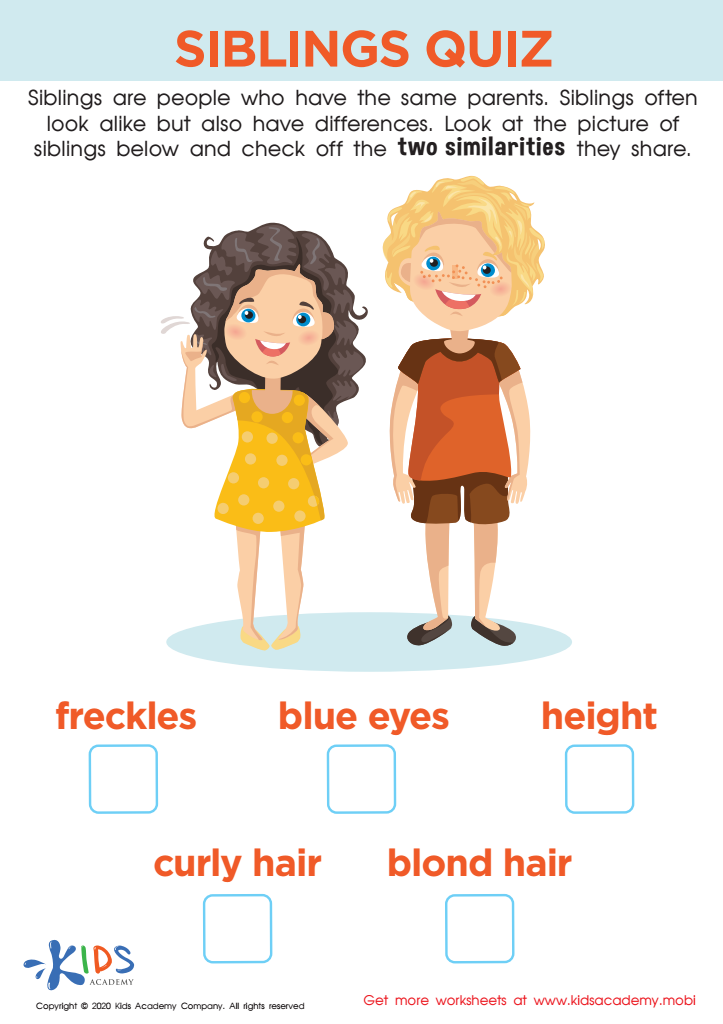
Siblings Quiz Worksheet
 Assign to My Students
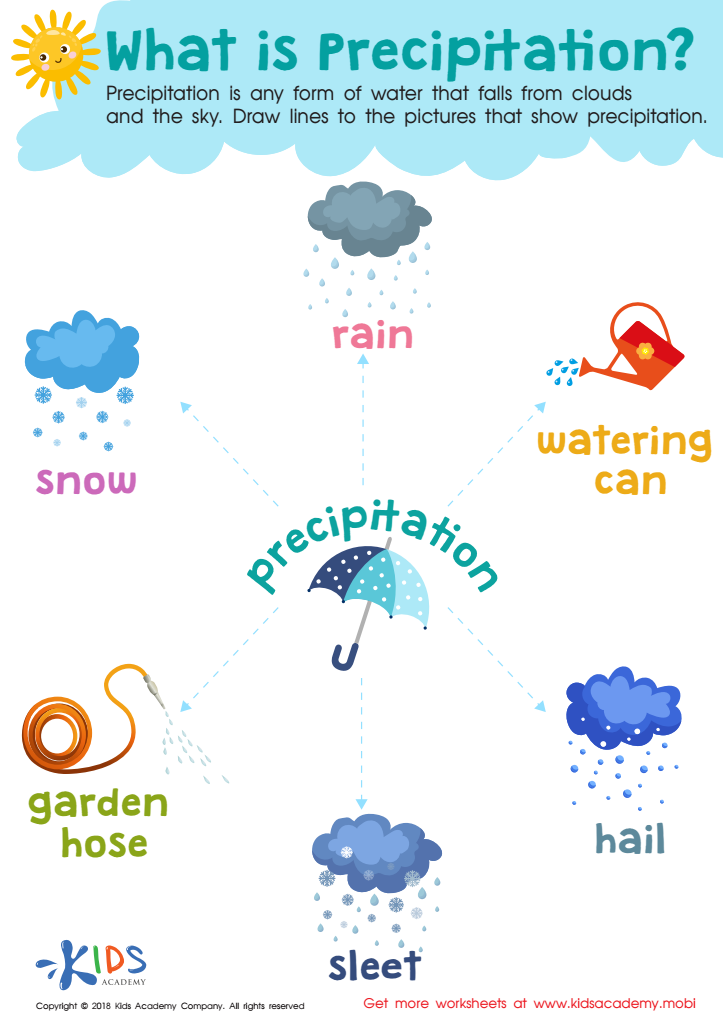
What Is Precipitation? Worksheet
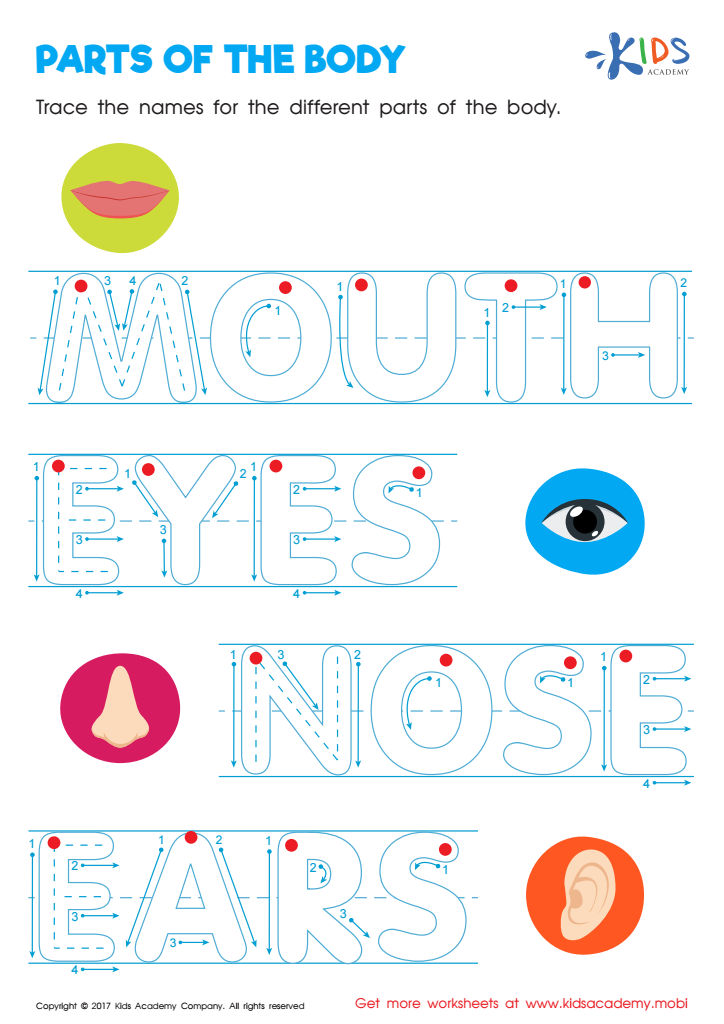





.jpg)

Vocabulary expansion is crucial during the ages of 3-7 as it lays the foundation for a child’s future social, academic, and cognitive development. In these formative years, children's brains are remarkably receptive to learning new words, making it an ideal time to build a rich and varied vocabulary.
Firstly, a robust vocabulary enhances communication skills. Young children who are exposed to a wide array of words are better able to express their thoughts, needs, and emotions. This ability to articulate not only improves social interactions but also boosts their confidence and participation in classroom activities.
Secondly, vocabulary is closely tied to reading comprehension. By learning more words, children can understand texts more easily, fostering a love for reading. This love for reading will, in turn, expose them to even more words, creating a positive feedback loop that enhances overall literacy.
Finally, vocabulary development supports cognitive skills. Knowing more words helps children label and categorize their world more effectively, aiding in problem-solving and critical thinking. Teachers and parents play a key role in this; they can expand children’s vocabularies through everyday conversations, read-alouds, and engaging educational activities.
In summary, a strong vocabulary not only supports young children's immediate communication and social skills but also sets the stage for long-term academic success and intellectual growth. This makes it an essential focus for parents and teachers alike.







