Animal Classification Plants and Animals Worksheets for Ages 3-7
5 filtered results
-
From - To
Discover the fascinating world of Animal Classification with our engaging worksheets designed for children ages 3-7! These printable resources offer a fun and interactive way for young learners to explore the diverse categories of animals and their characteristics. Through colorful visuals and exciting activities, kids will learn to classify various animals and understand the importance of biodiversity. Perfect for pre-kindergarten and early elementary students, our worksheets promote critical thinking and support early science learning in a playful context. Dive into the adventures of the animal kingdom and nurture a love of nature with our educational materials today!
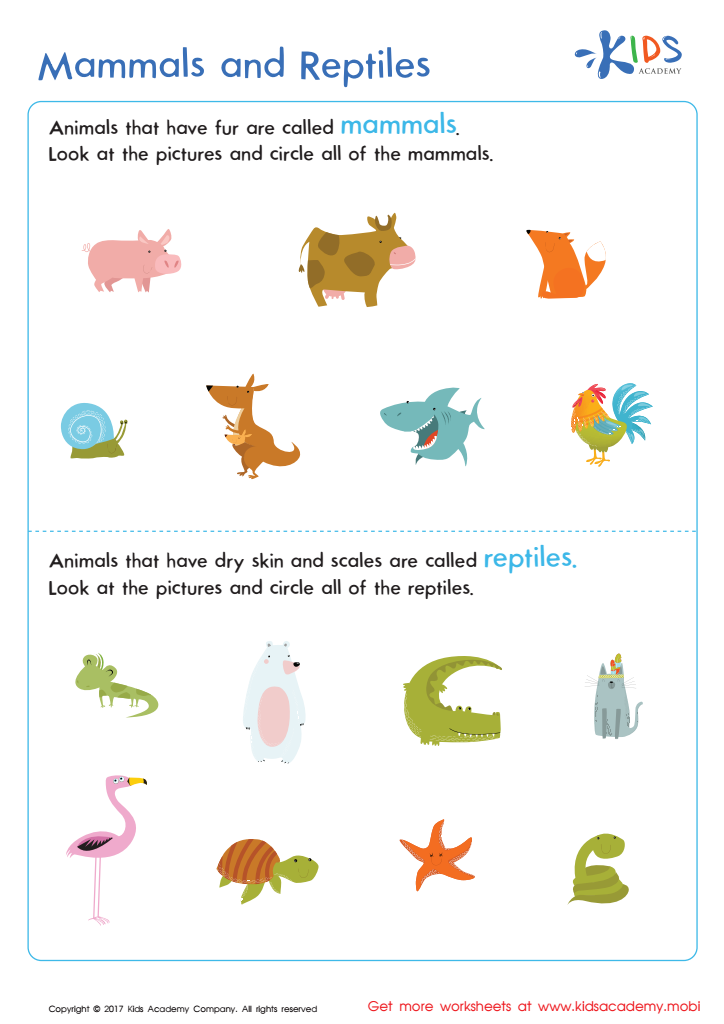
Mammals and Reptiles Worksheet
 Assign to My Students
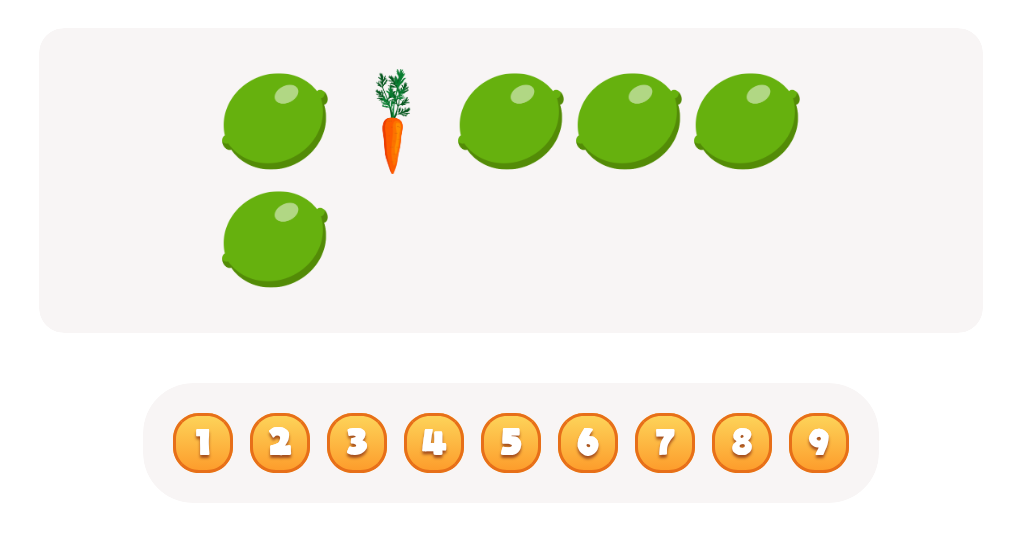

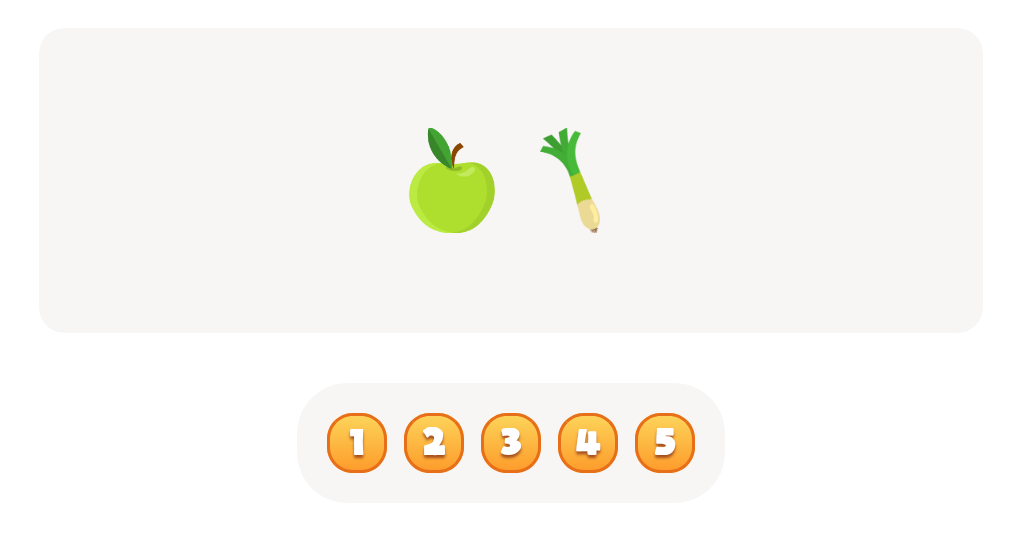
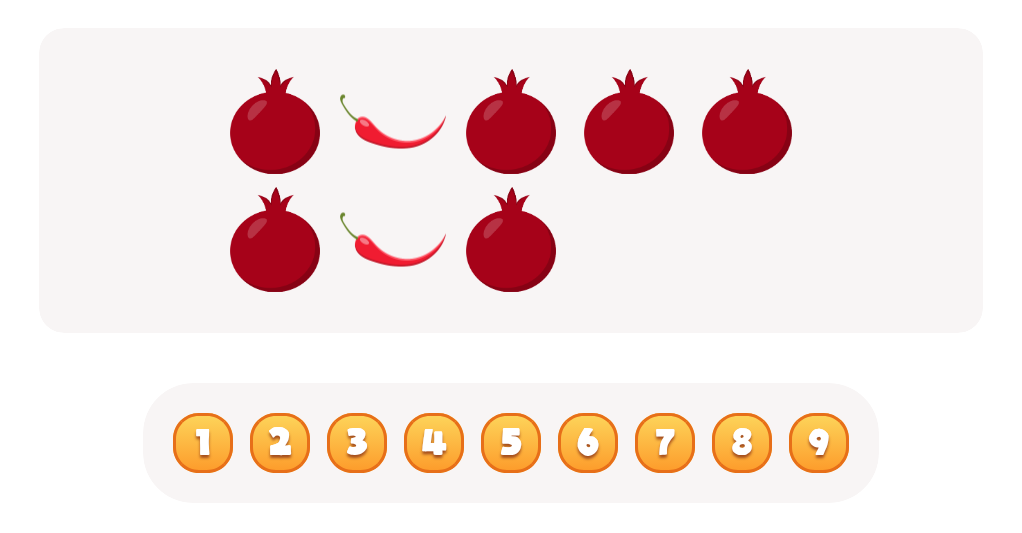
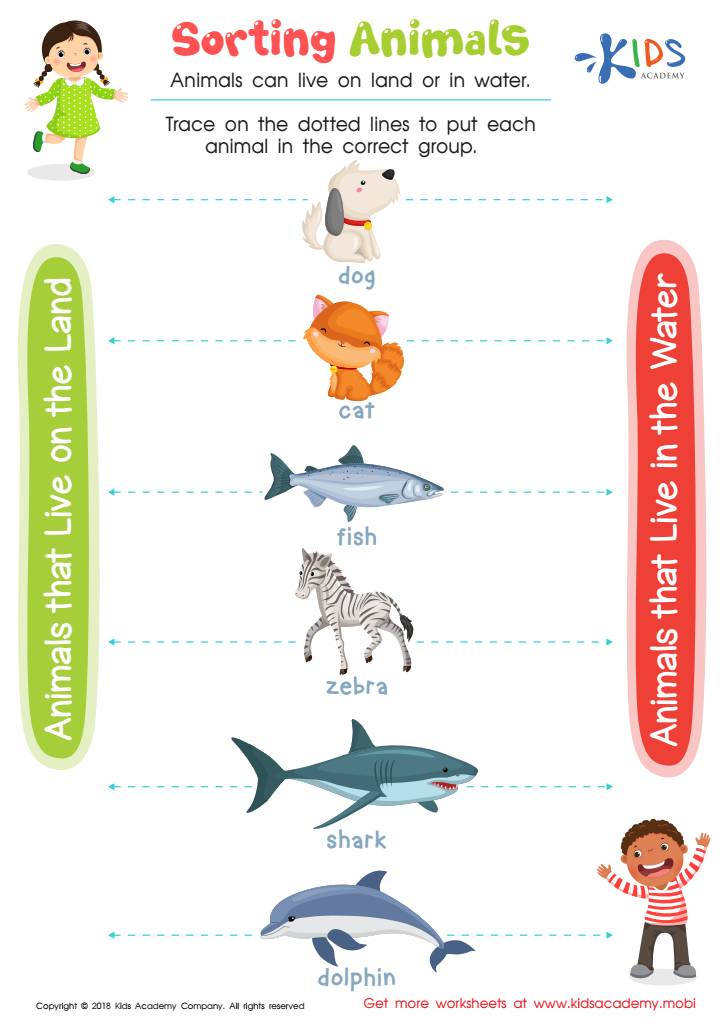
Sorting Animals Worksheet
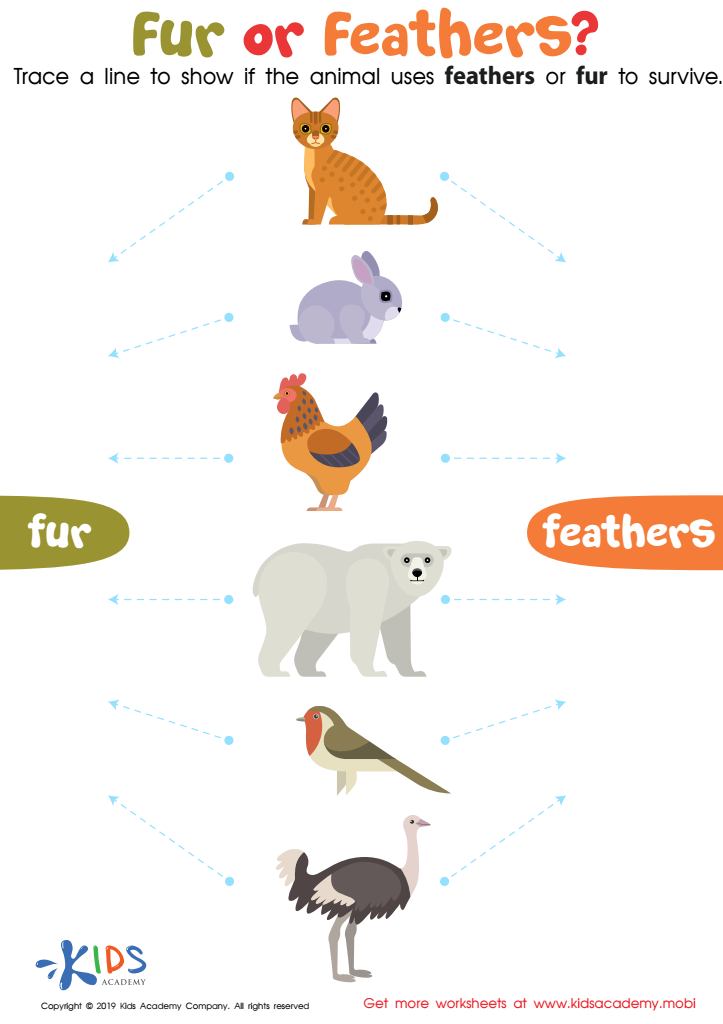
Fur or Feathers? Worksheet
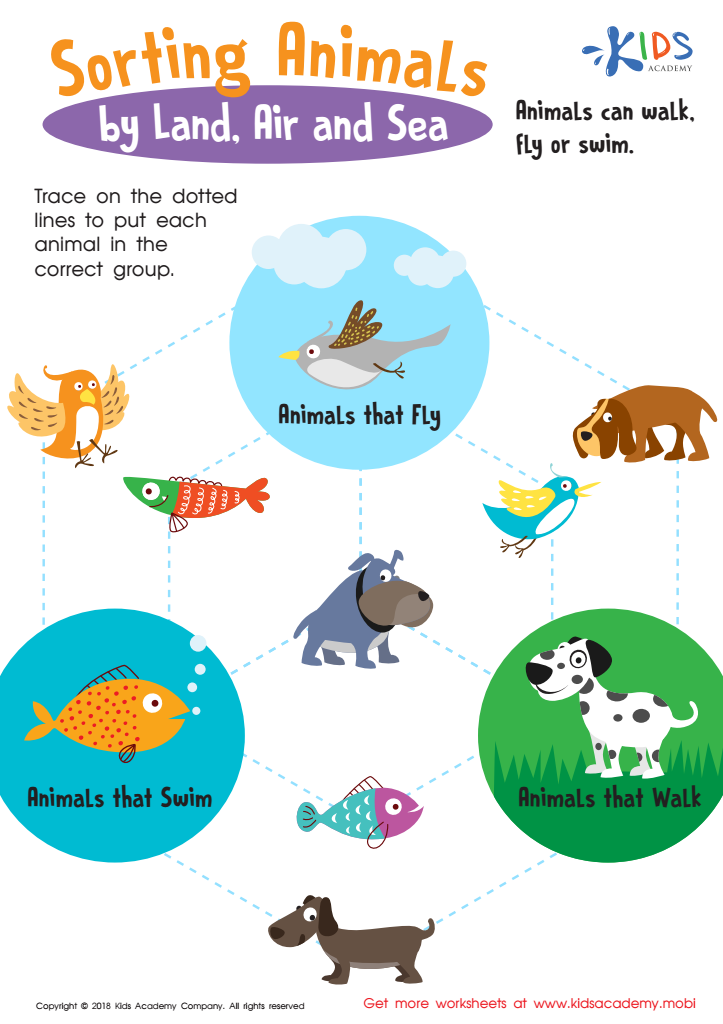
Sorting Animals by Land, Air and Sea Worksheet
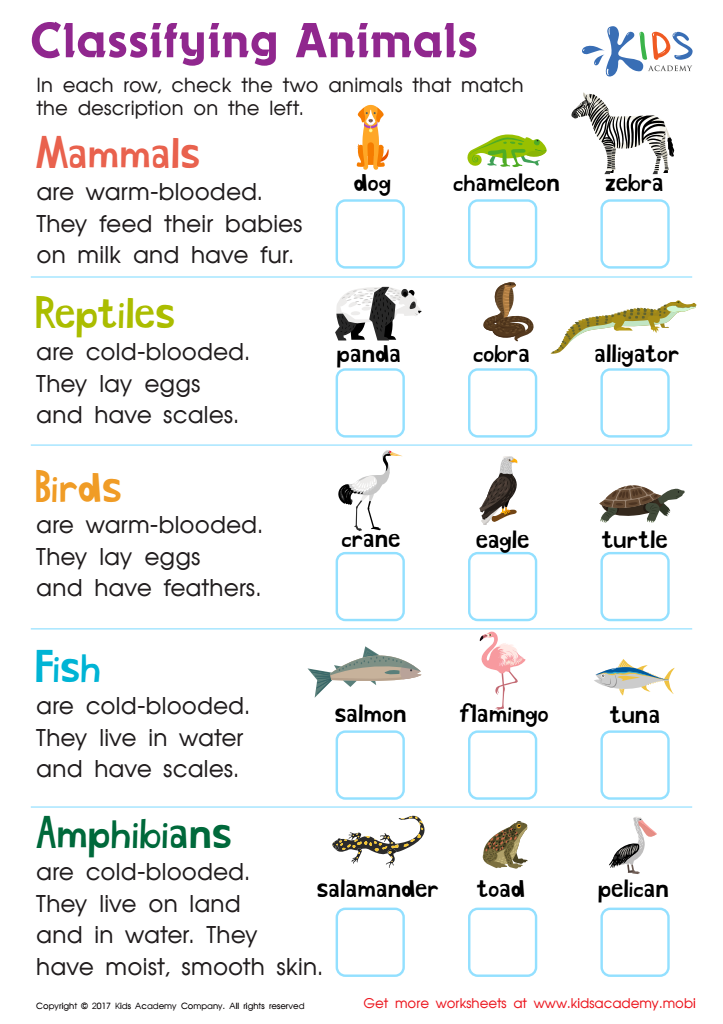
Classifying Animals Worksheet



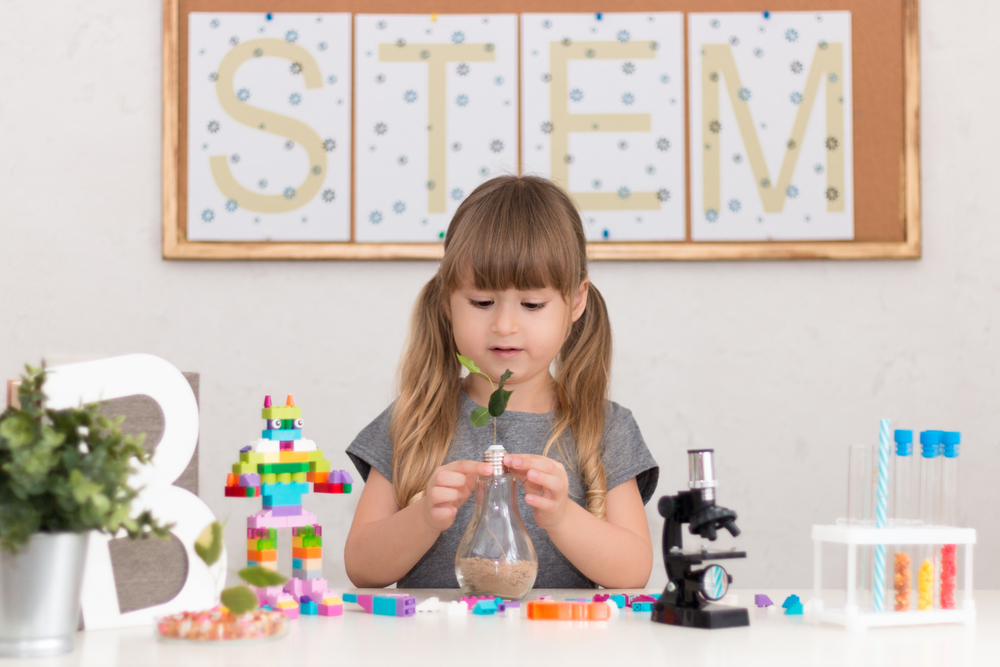




Understanding animal classification is essential for parents and teachers of children aged 3-7 as it lays the foundation for scientific literacy and fosters a sense of curiosity about the natural world. At this age, children are naturally inquisitive, often asking questions about the differences between various plants and animals. Introducing them to basic classification helps answer these questions, nurturing their critical thinking skills and encouraging observation—key components of their cognitive development.
Learning about animal and plant classifications can also promote awareness of biodiversity and the environment. As children discover the different groups, such as mammals, reptiles, or flowering plants, they develop respect and empathy for living creatures, understanding the role each plays in an ecosystem. Engaging with this topic can lead to discussions about conservation and caring for our planet.
Additionally, these concepts foster collaborative learning experiences. Activities like categorizing animals or plants in groups can enhance social skills, teamwork, and communication. Overall, teaching classification in a fun and engaging manner helps children build a sound knowledge base while sparking lifelong interests in science and nature, making it a vital part of early education.








