Vocabulary development Plants and Animals Worksheets for Ages 3-7
4 filtered results
-
From - To
Enhance your child's vocabulary with our engaging "Plants and Animals Worksheets" designed for ages 3-7. These fun and interactive worksheets help young learners explore key terms related to the fascinating world of plants and animals. Through colorful imagery and relatable activities, children will expand their language skills while discovering the beauty of nature. Tailored for early education, these worksheets encourage critical thinking and creativity, making learning an enjoyable experience. Perfect for home or classroom use, our resources support early literacy and science education, ensuring your child understands vital concepts as they grow. Start their vocabulary journey today!
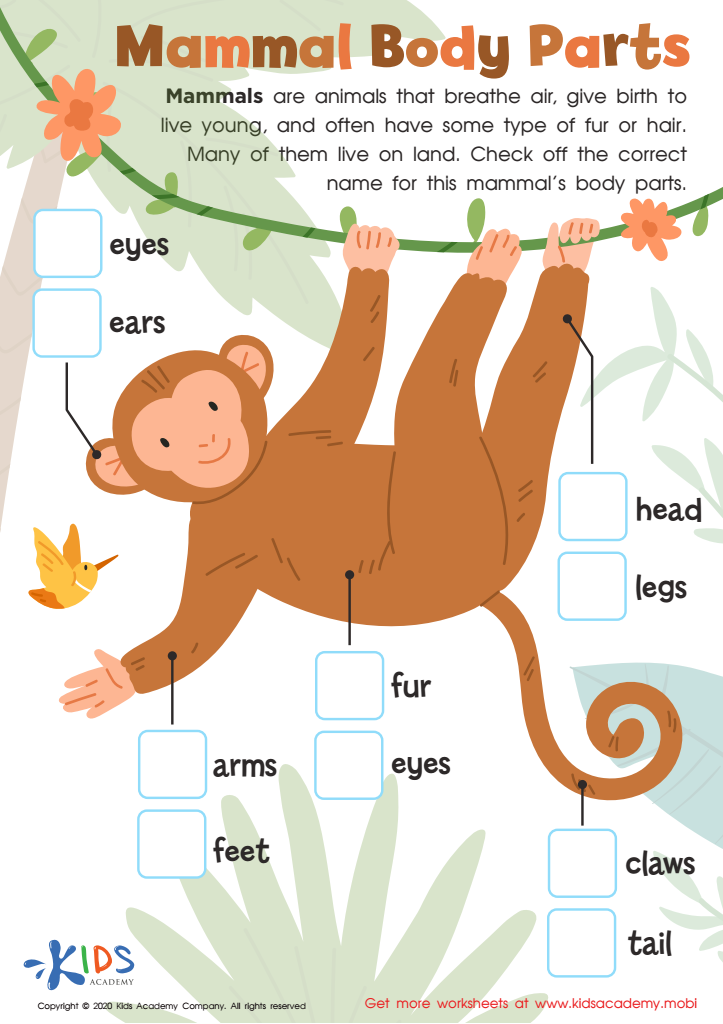
Mammal Body Parts Worksheet
 Assign to My Students











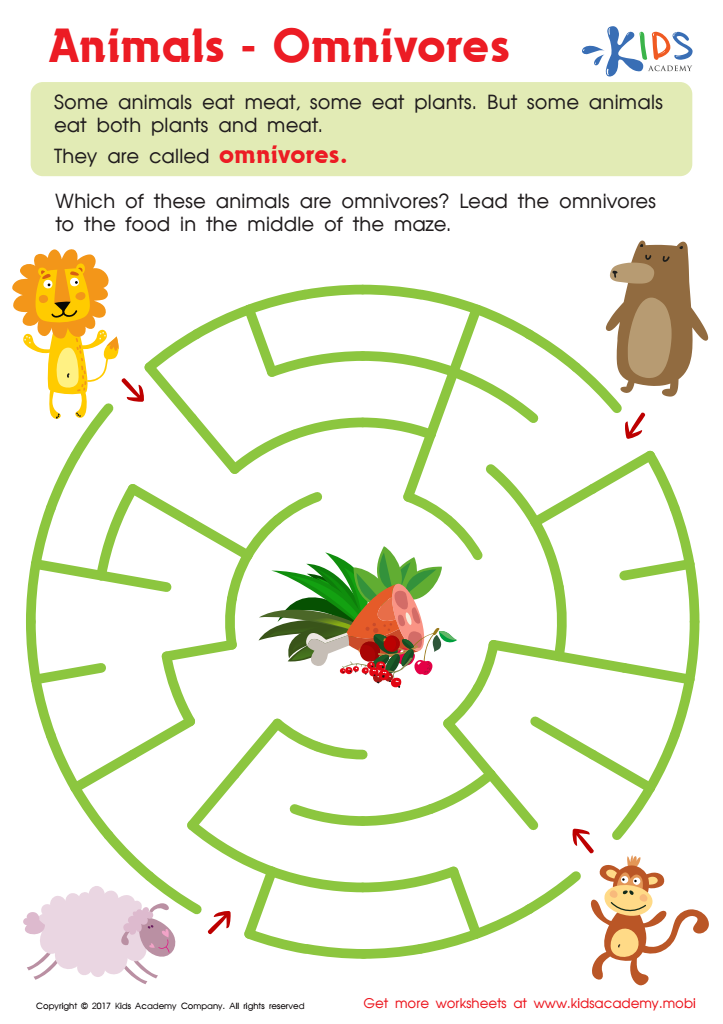
Omnivores Animals Worksheet
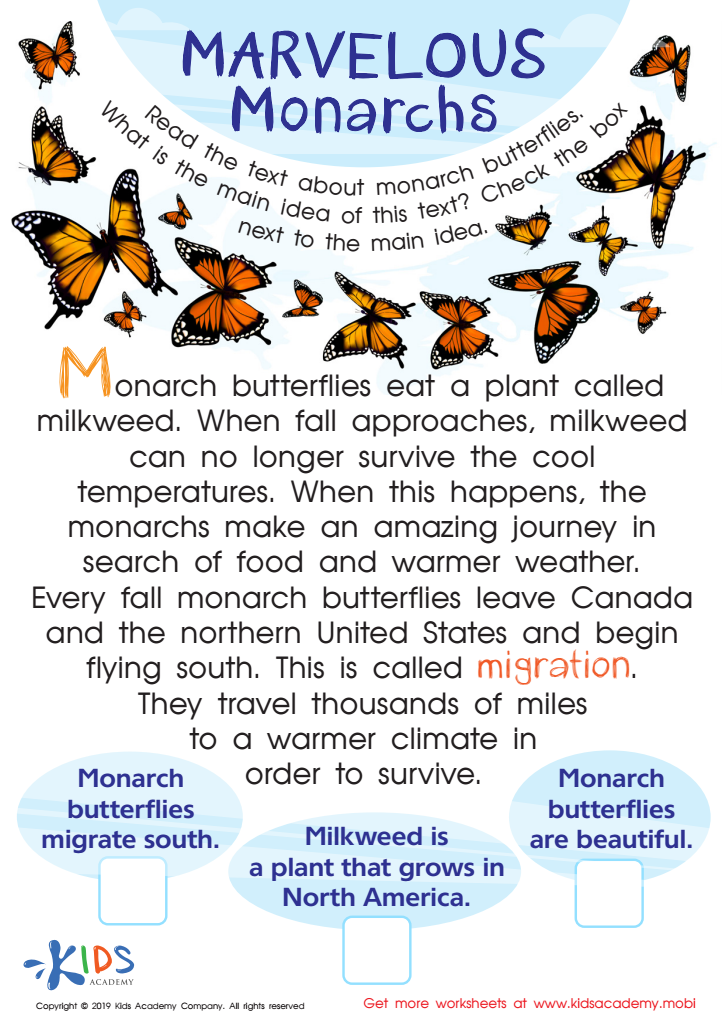
Marvelous Monarchs Worksheet
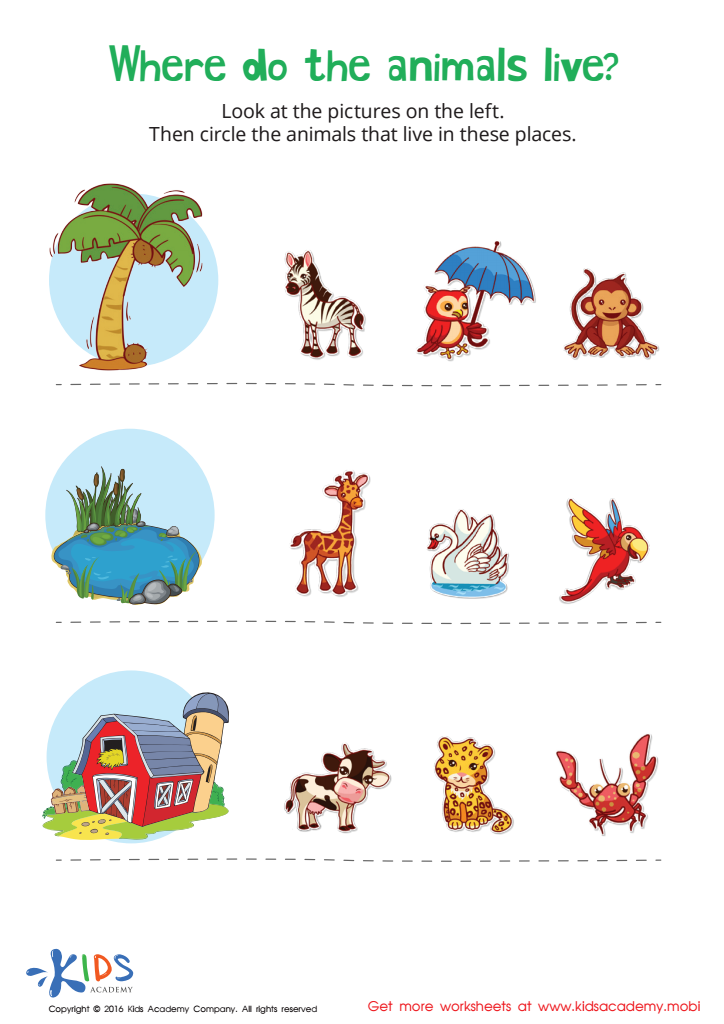
Where Animals Live Worksheet








Vocabulary development in young children, particularly regarding topics like plants and animals, is crucial for several reasons. For ages 3-7, children are at a pivotal stage in their language acquisition and cognitive development. Introducing vocabulary related to plants and animals helps them connect with the natural world, fostering curiosity and a sense of wonder. Utilizing specific terms such as "photosynthesis," "habitat," or "predator" not only enhances their language skills but also enriches their understanding of complex concepts.
Moreover, a strong vocabulary bolsters reading comprehension and communication skills, vital for future academic success. Discussing plants and animals encourages critical thinking as children learn to categorize, compare, and contrast different species or ecosystems. Immersing them in relevant vocabulary broadens their expressions, enabling them to articulate their thoughts and experiences more effectively.
Furthermore, engaging with plants and animals promotes social interaction; children often share their findings, sparking discussions among peers and adults. This ensures a collaborative learning environment, where they learn to listen and communicate respectfully. Ultimately, parents and teachers who prioritize vocabulary growth in these areas set a solid foundation for lifelong learning, fostering a sense of environmental stewardship and a deeper appreciation of the world around them.








