Critical Thinking History Worksheets for Ages 3-7
9 filtered results
-
From - To
Explore our engaging "Critical Thinking History Worksheets for Ages 3-7," designed to spark curiosity and foster essential thinking skills in young learners. These worksheets combine fun historical themes with interactive activities that encourage children to analyze, compare, and evaluate information about the past. Perfect for preschool and early grade classrooms, the materials help develop decision-making, problem-solving, and reasoning abilities through colorful illustrations and age-appropriate challenges. Encourage your child's love for history while nurturing critical thinking! Download our printable worksheets today and make learning history an enjoyable and educational experience for your little ones.
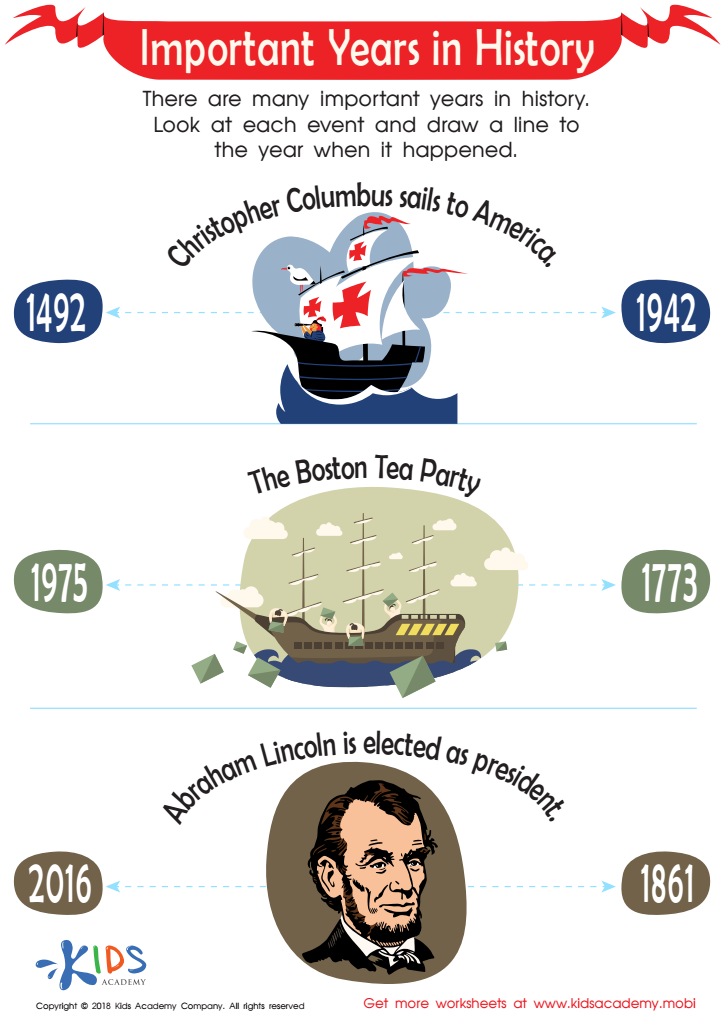
Important Years in History Worksheet
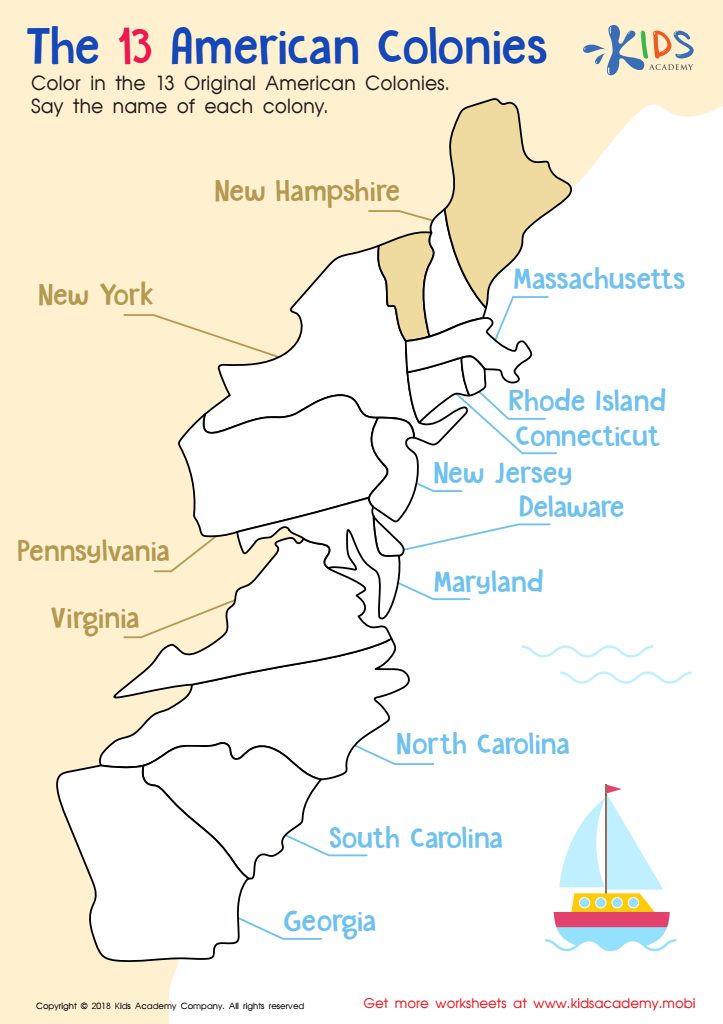
The 13 American Colonies Worksheet
 Assign to My Students
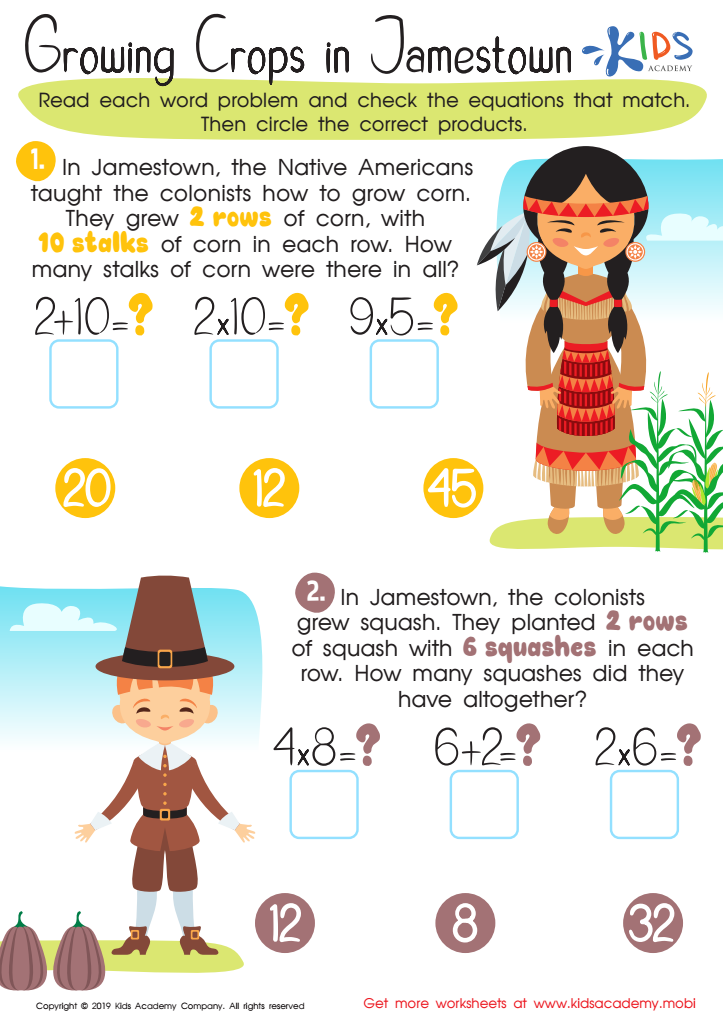
Growing Jamestown Worksheet
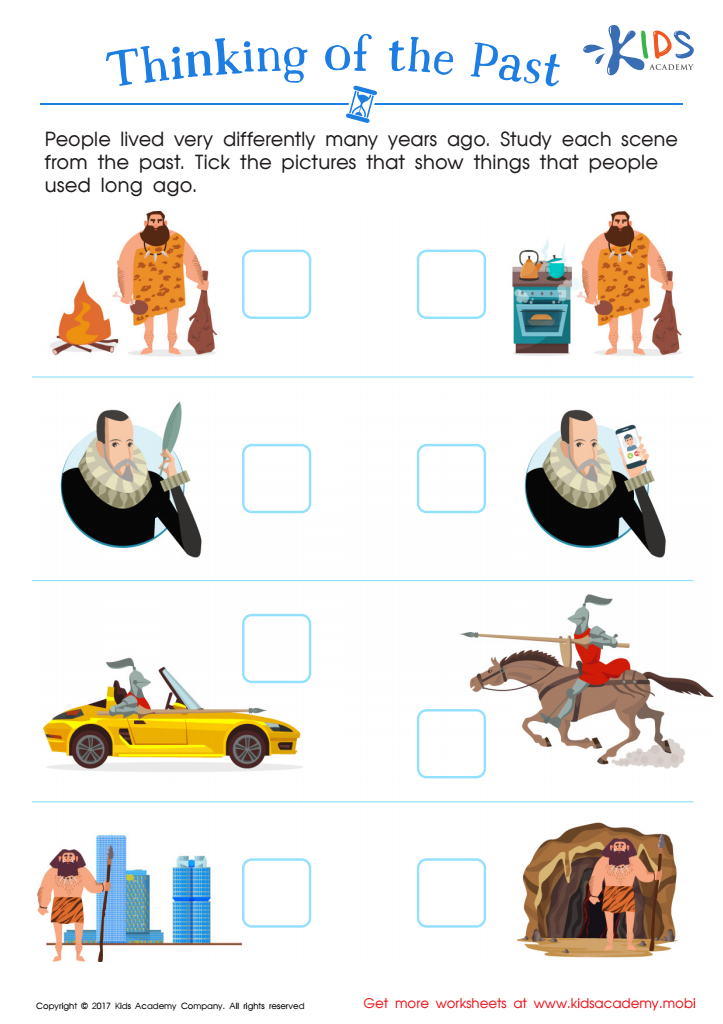
Thinking Past Printable

Thanksgiving Holiday Printable
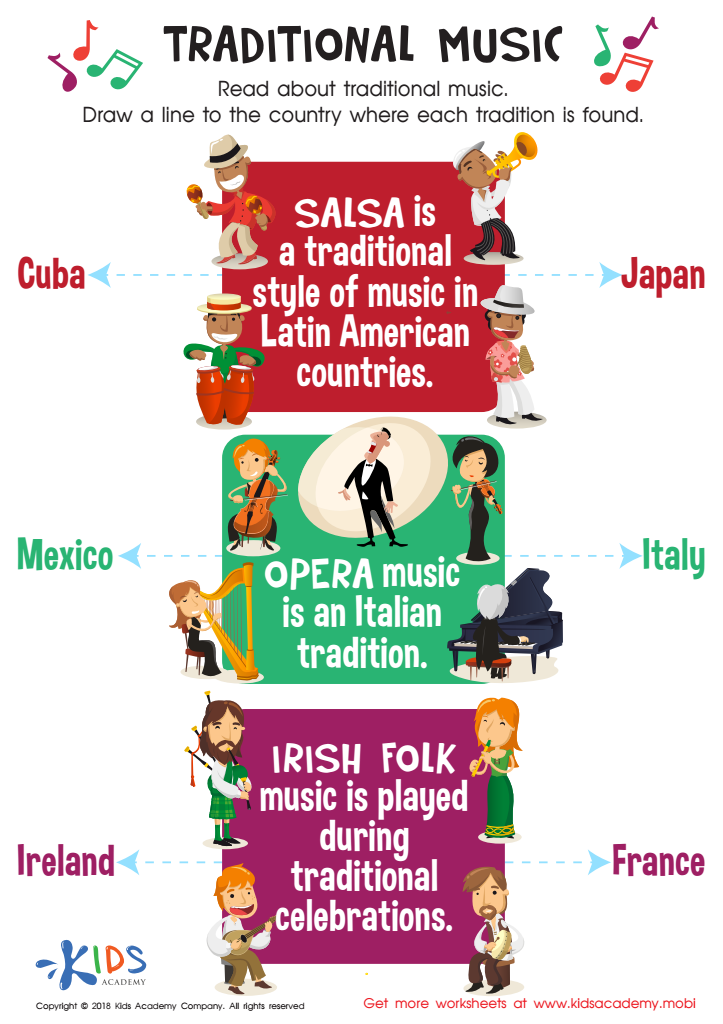
Traditional Music Worksheet
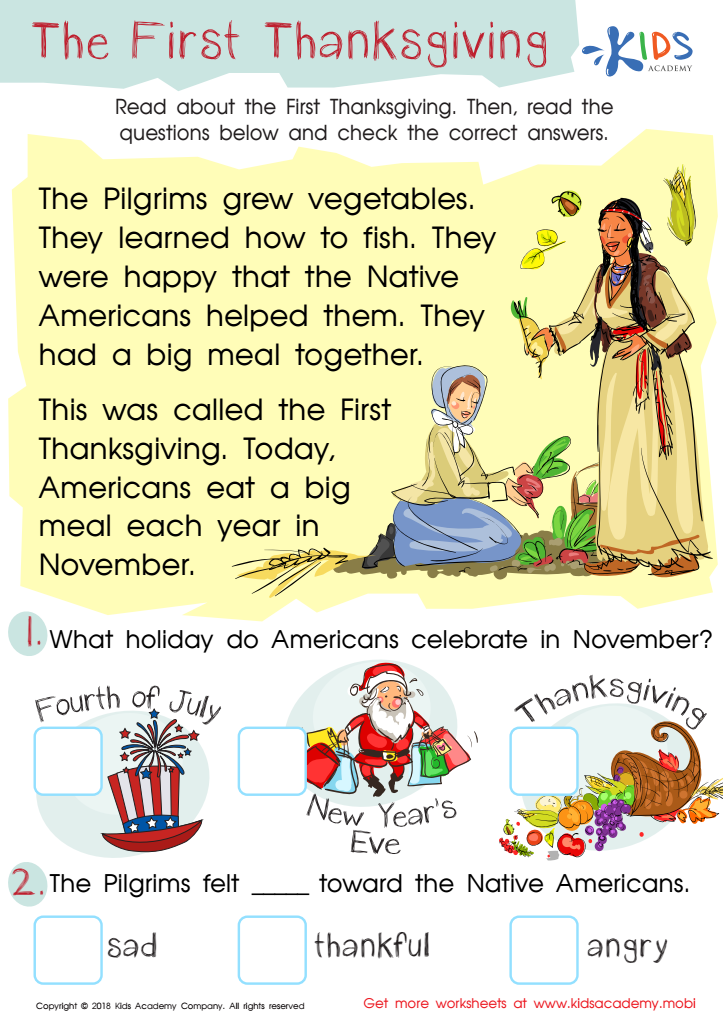
Assessment: First Thanksgiving Worksheet
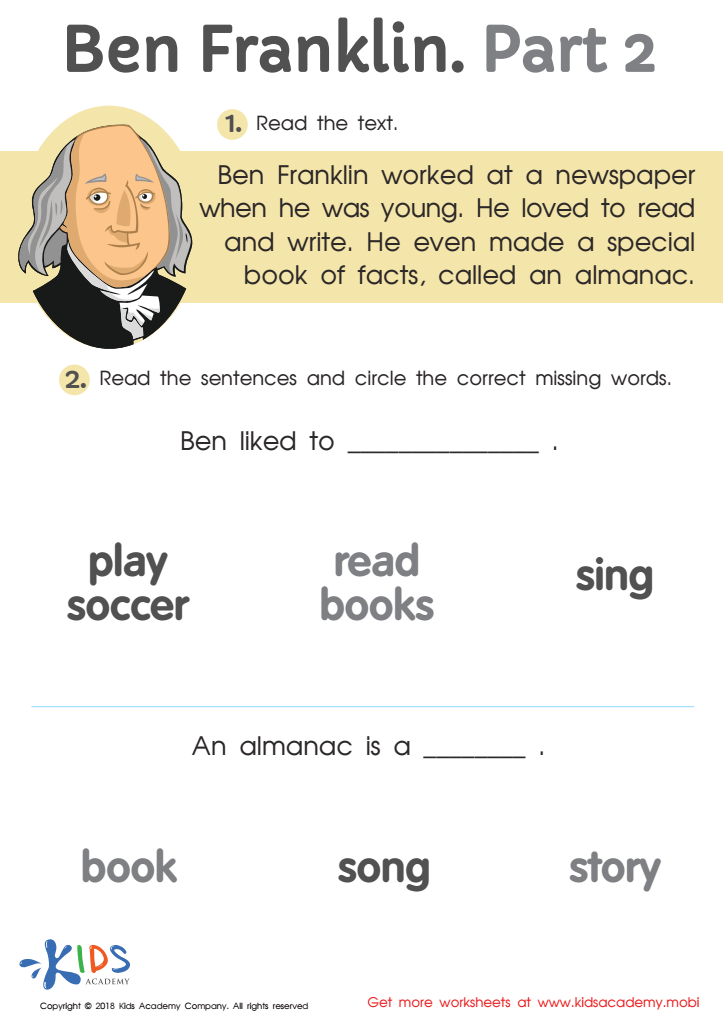
Ben Franklin Part 2 Worksheet
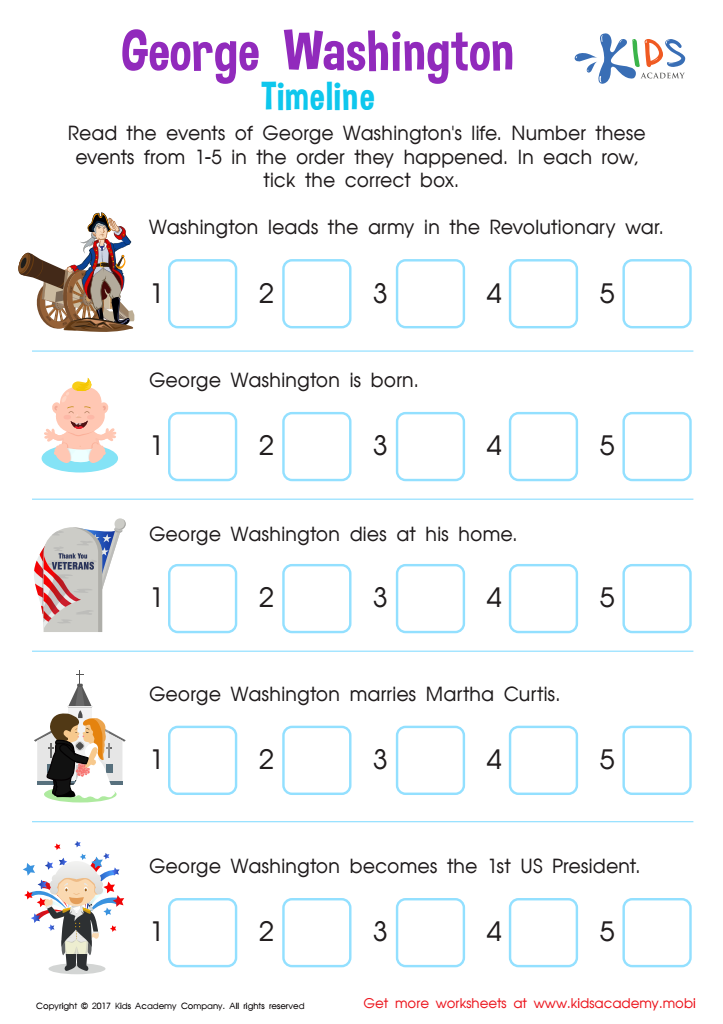
George Washington Timeline Worksheet








Critical Thinking History for ages 3-7 is vital for cultivating young minds, fostering skills that extend beyond mere recollection of facts. At this formative age, children develop essential cognitive abilities, and an early focus on critical thinking encourages curiosity and analytical reasoning. Parents and teachers should care because engaging children in historical narratives helps them understand the world, recognize cause-and-effect relationships, and make connections between past and present.
With critical thinking, kids learn to question, evaluate evidence, and form their opinions rather than passively absorbing information. This skill set empowers them to think independently, enabling resilient problem-solving in their future academic and personal pursuits. Furthermore, such history exploration enhances empathy by allowing children to understand diverse perspectives and experiences.
Incorporating critical thinking in history also nurtures a love for learning, as children discover the fascinating stories of those who came before them. This engagement motivates them to ask where they fit into the larger tapestry of human experience. Altogether, investing in Critical Thinking History at this early stage equips children to be informed, thoughtful citizens prepared to navigate the complexities of the world around them.








