Worksheets for Ages 3-8 - Page 2
4559 filtered results
-
From - To
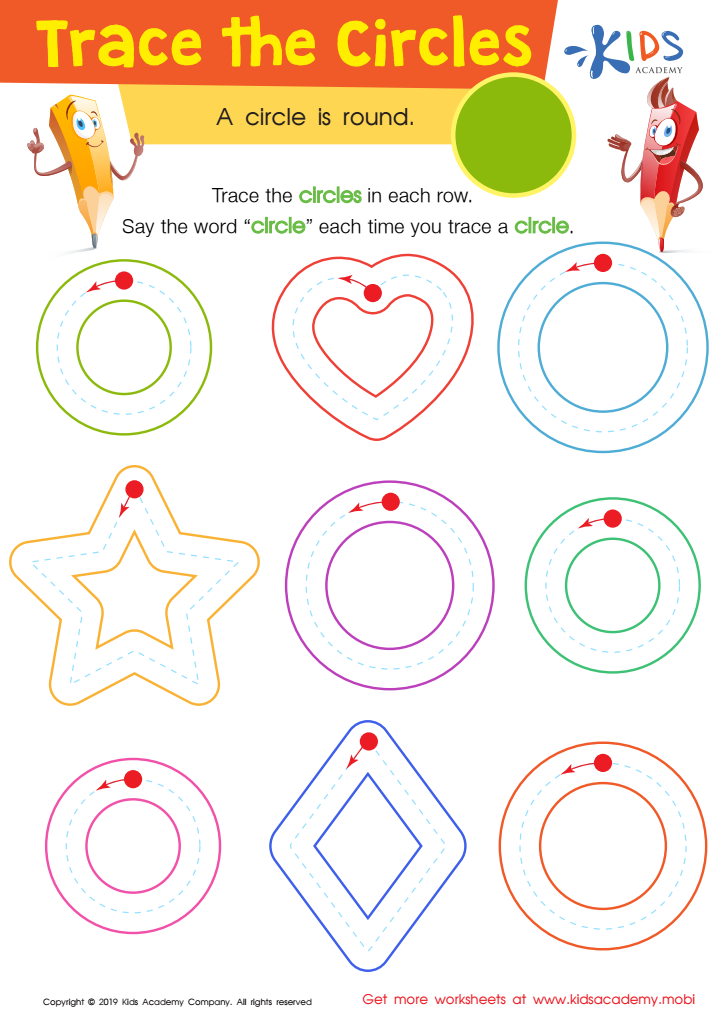
Trace The Circles Worksheet
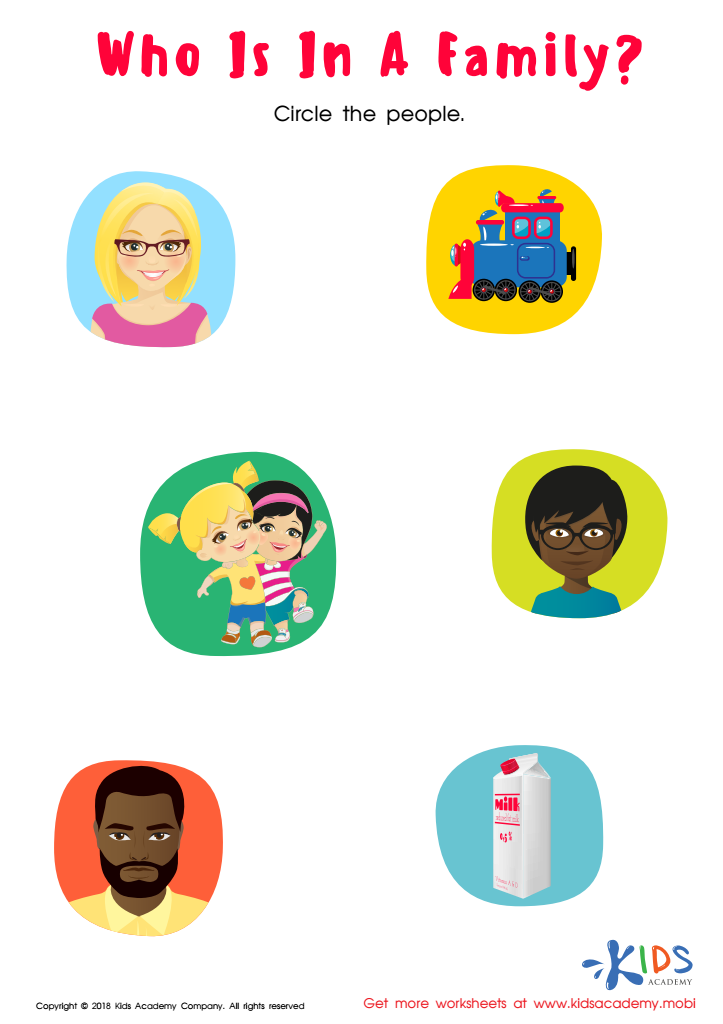
Who Is in a Family? Worksheet
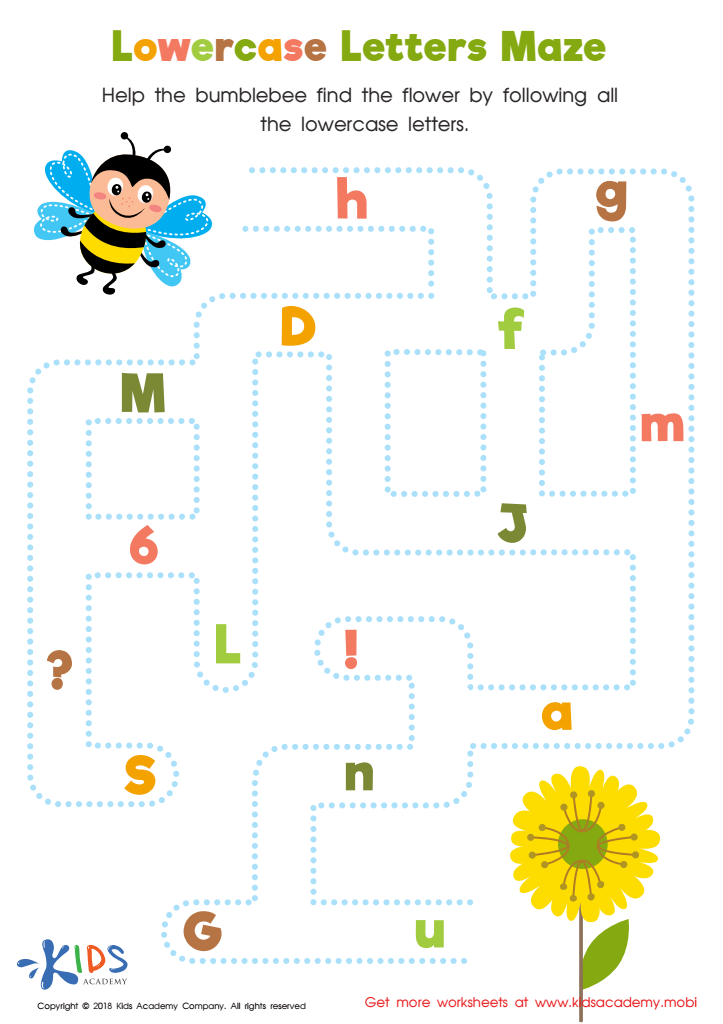
Lowercase Letters Maze Worksheet
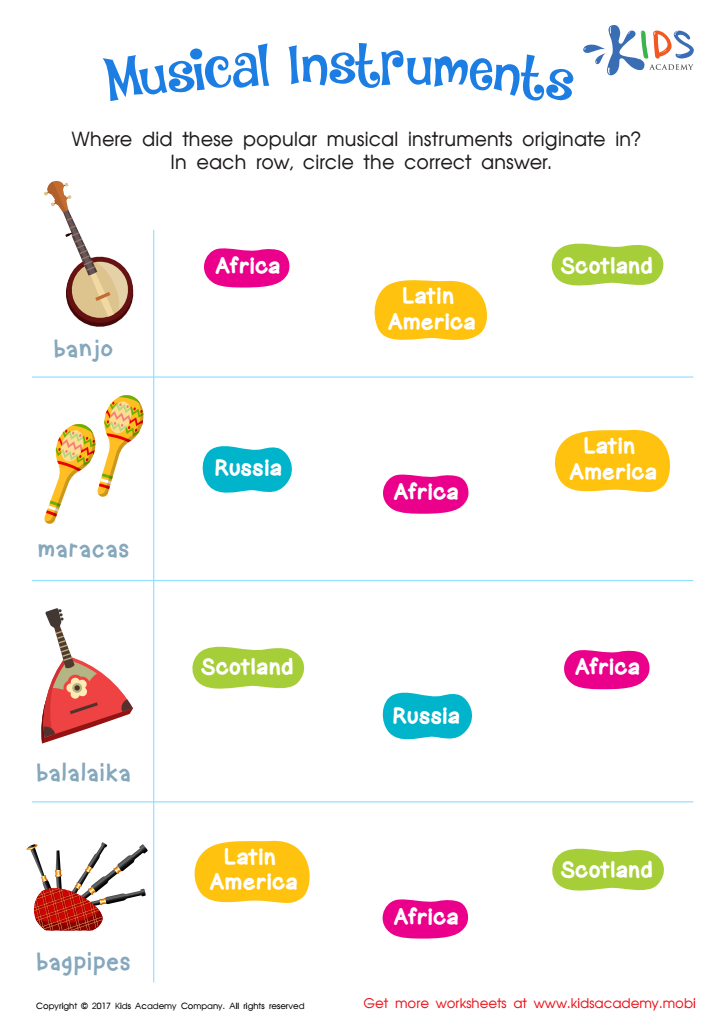
Musical Instruments Printable
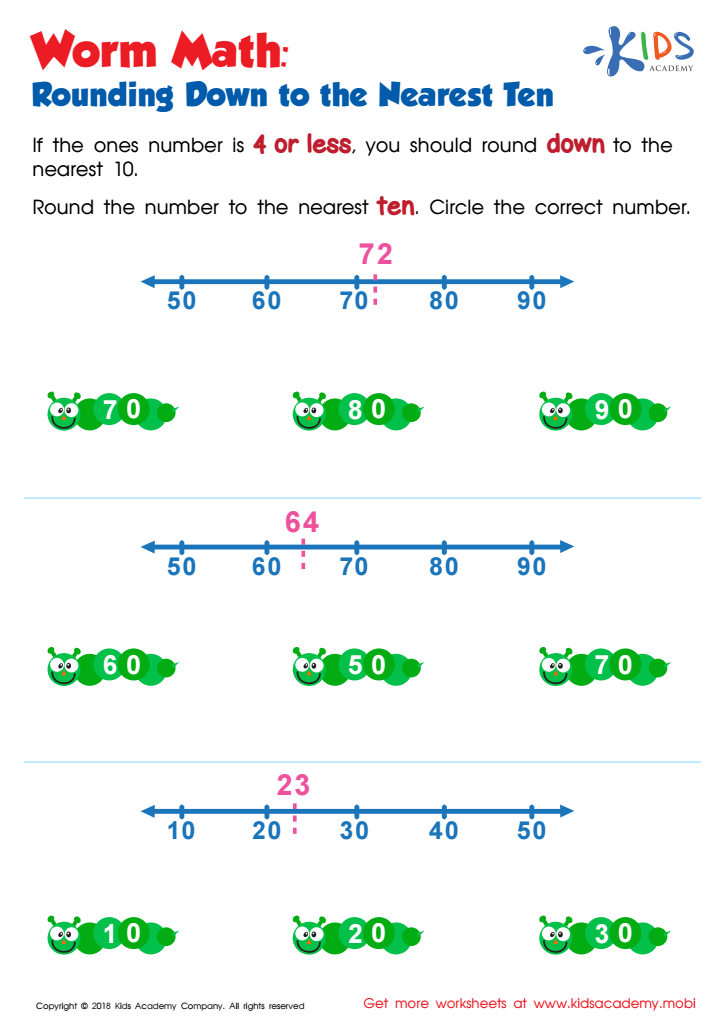
Worm Math Rounding Down to the Nearest Ten Worksheet
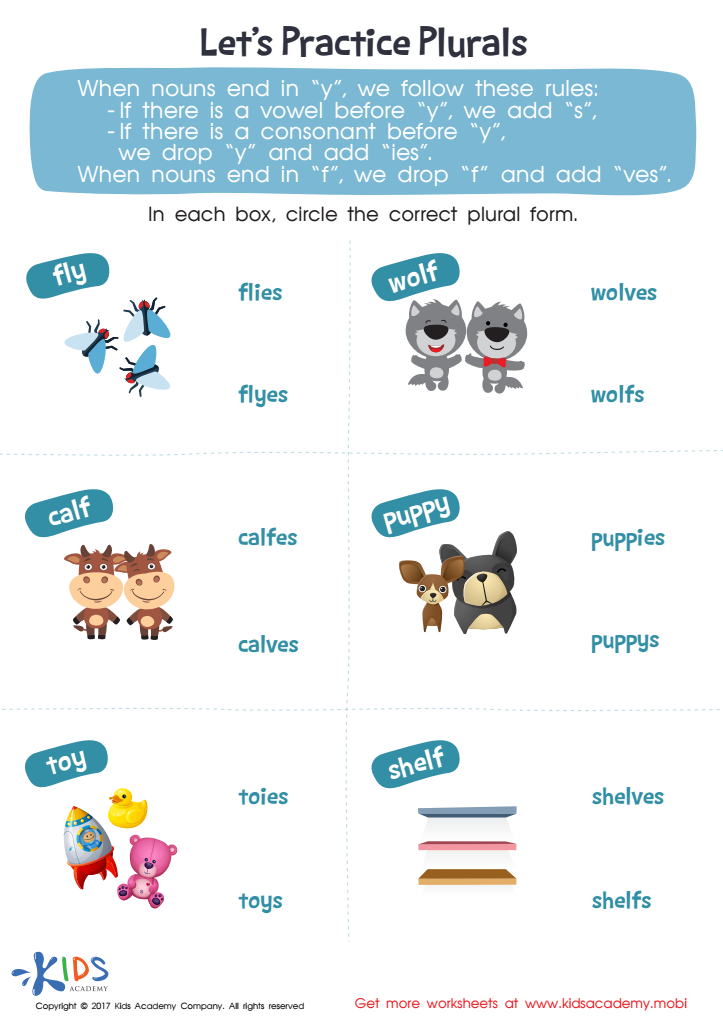
Let's Practice Plurals Word Structure Worksheet
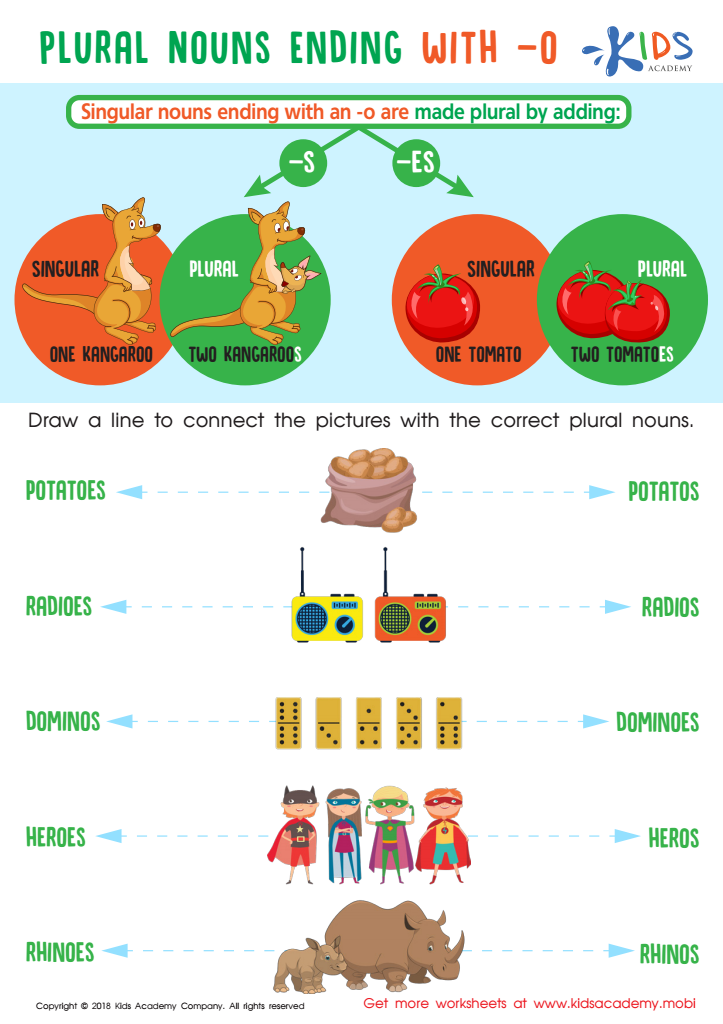
Plural Nouns Ending with -o Worksheet
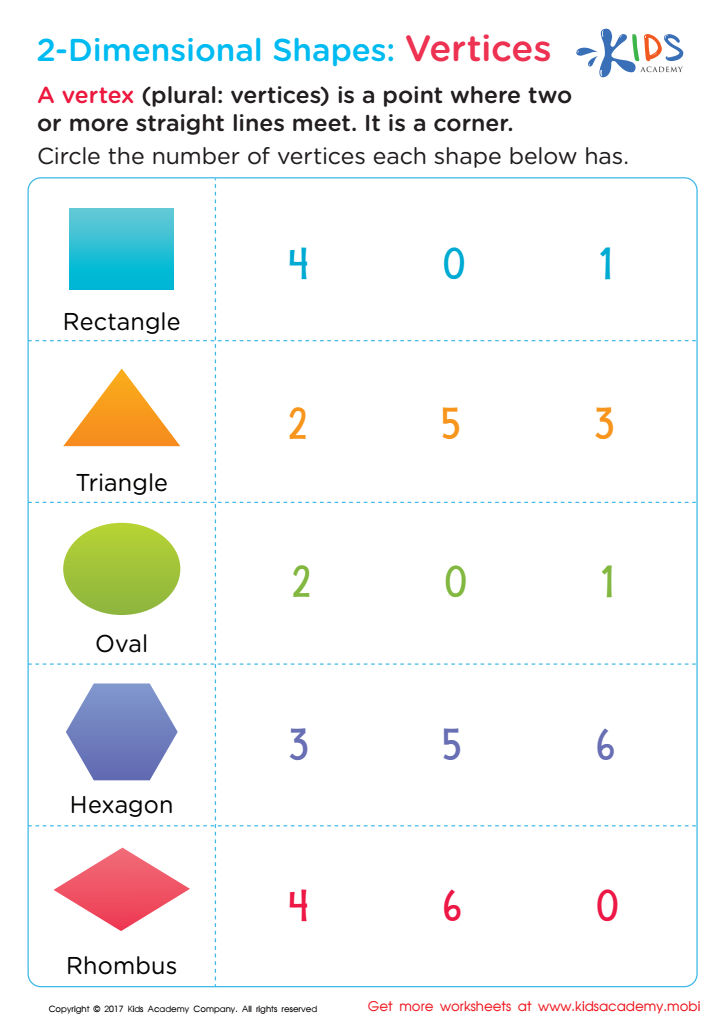
Two–Dimensional Shapes: Vertices Printable
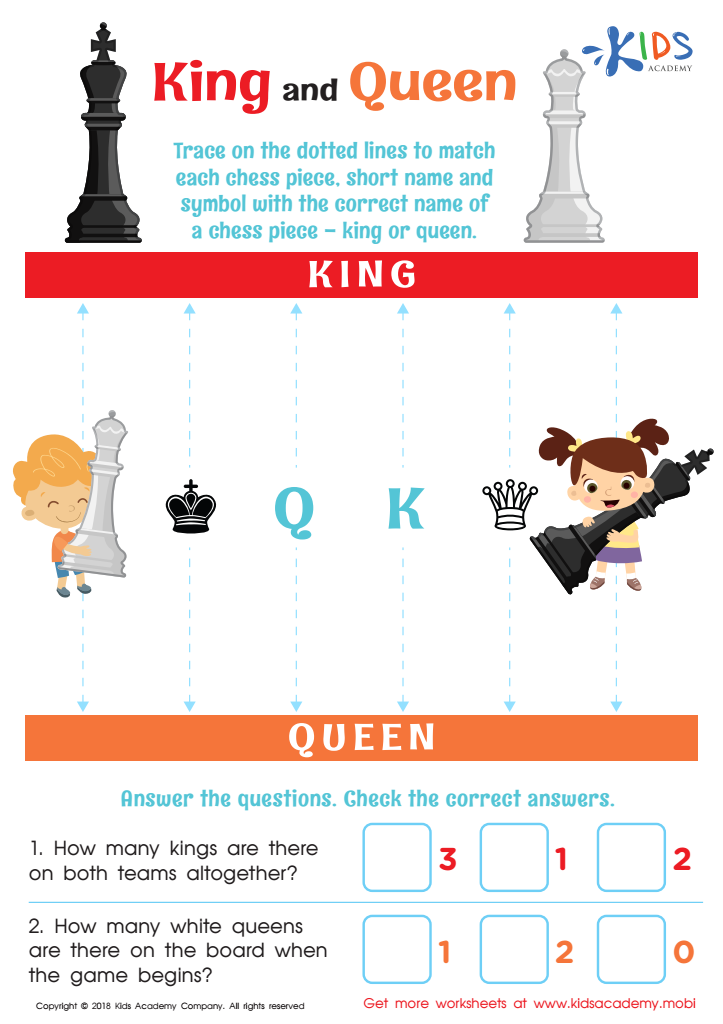
King and Queen Worksheet
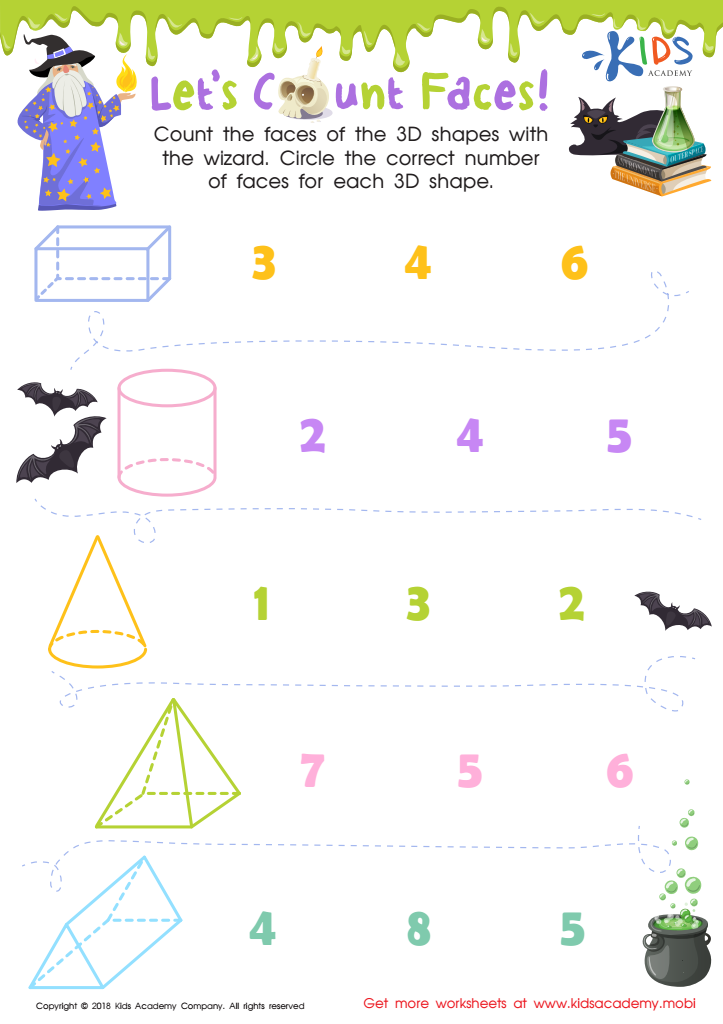
Let's Count Faces! Worksheet
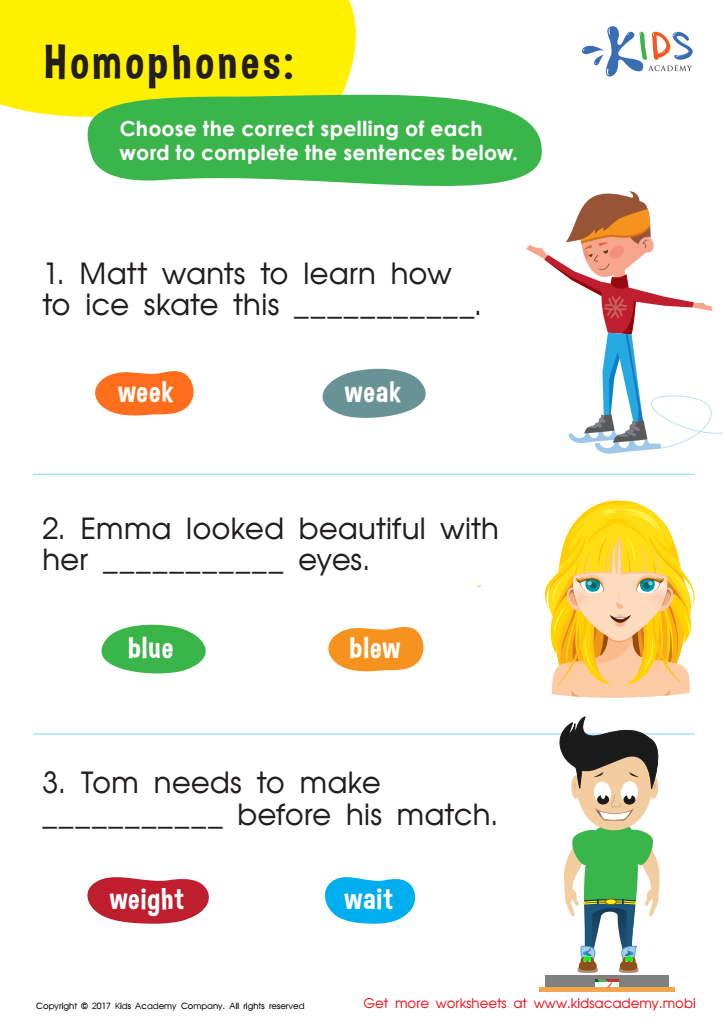
Homophones Ate/Eight Spelling Worksheet
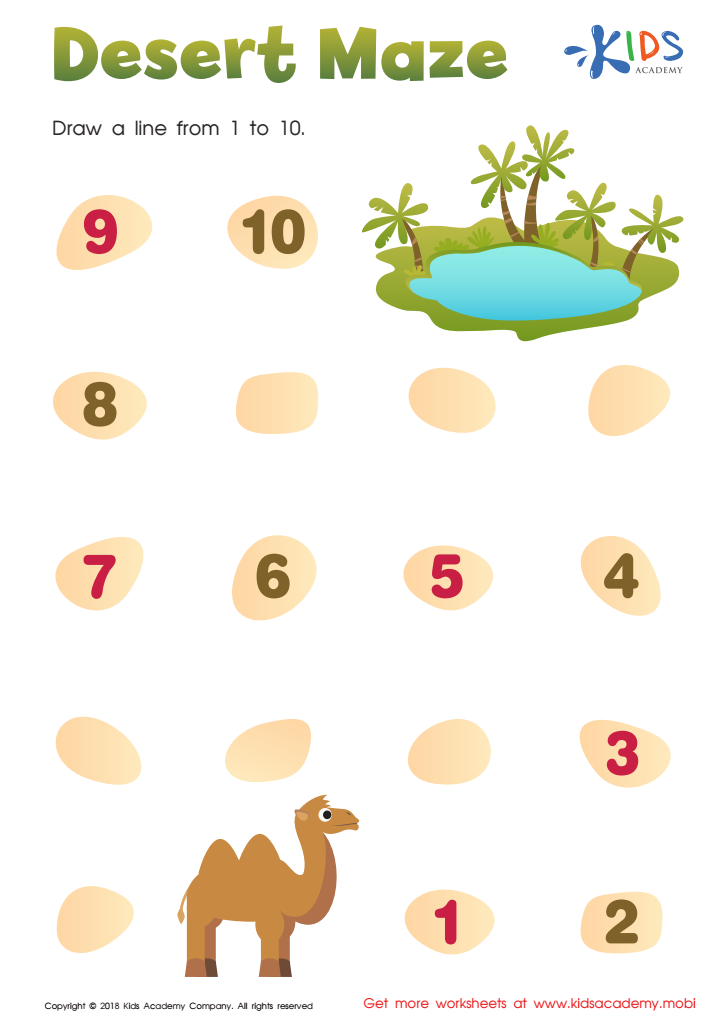
Desert Maze Worksheet
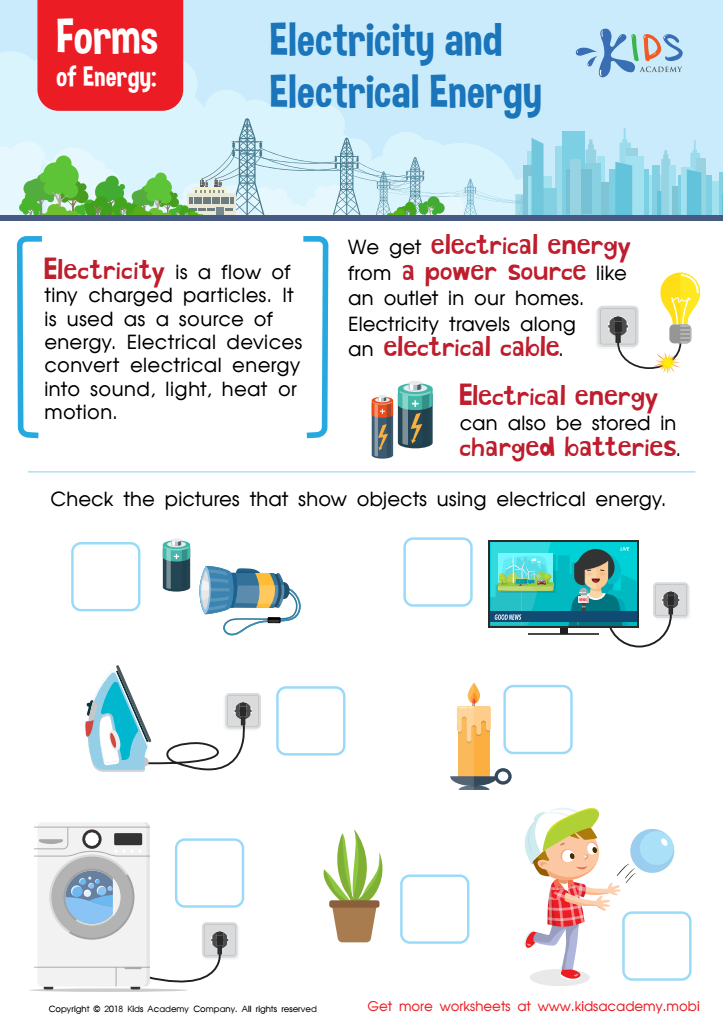
Forms of Energy Worksheet
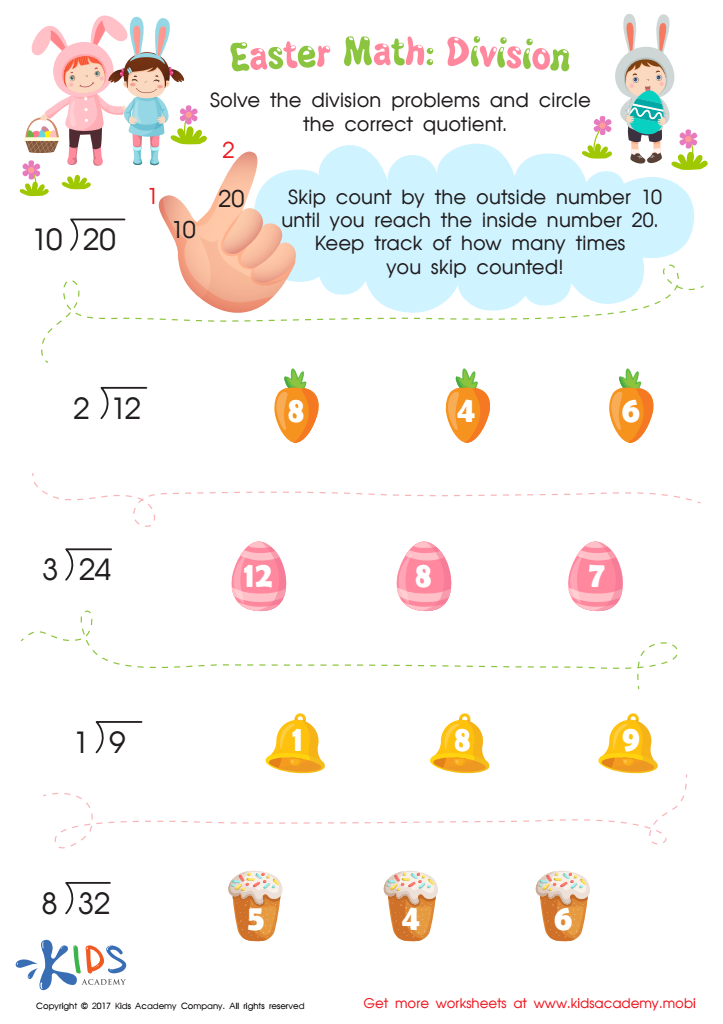
Division Worksheet
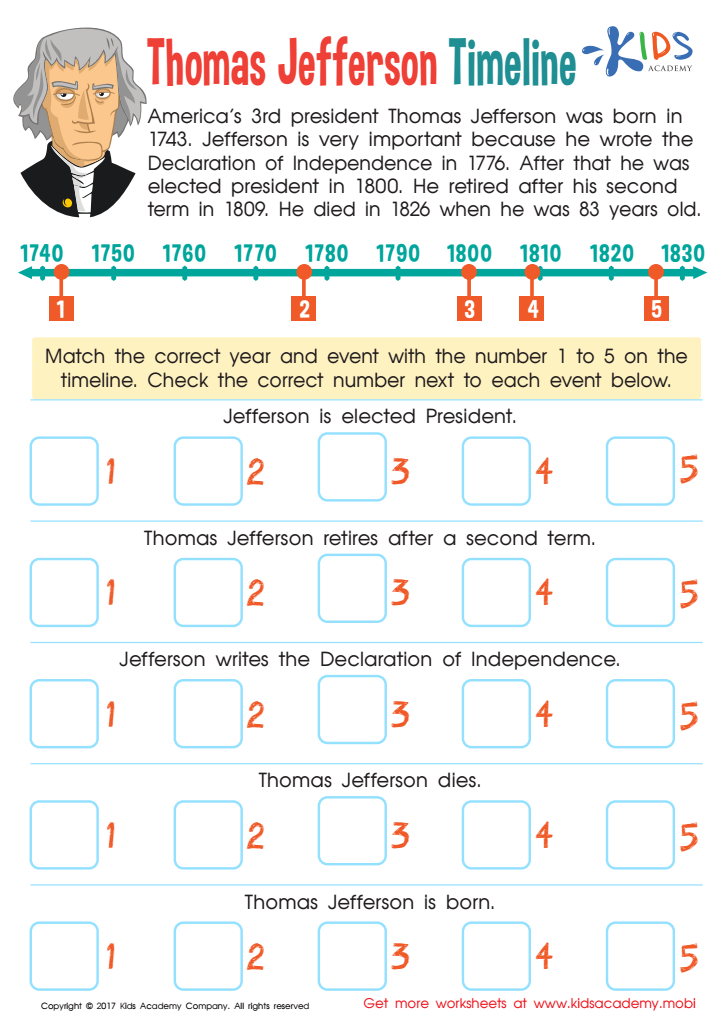
Thomas Jefferson Timeline Worksheet
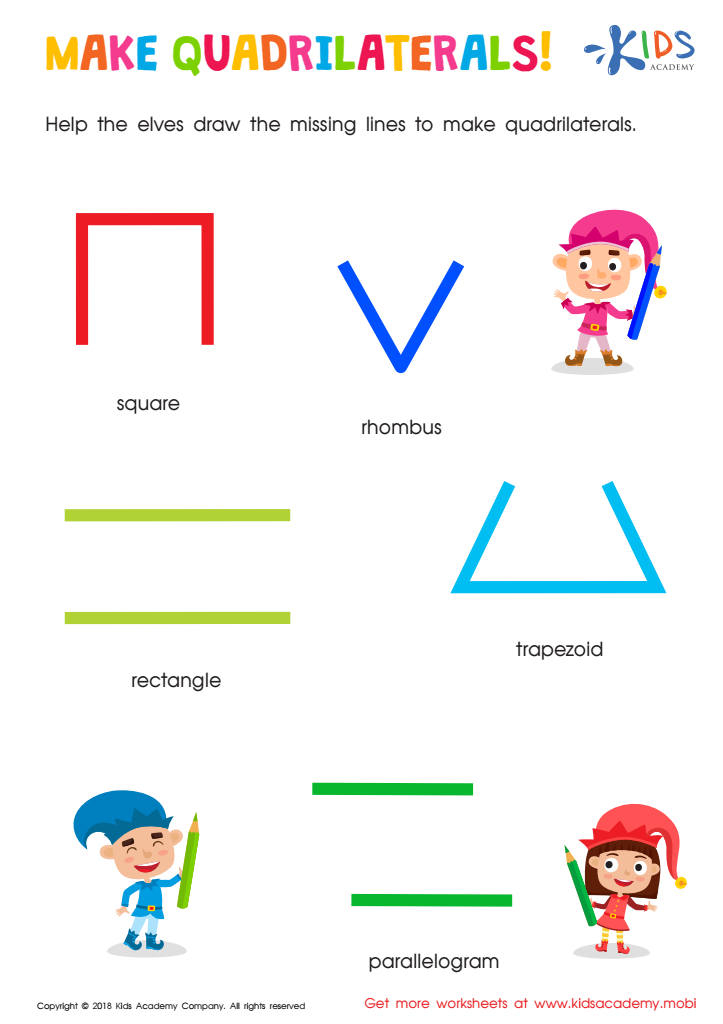
Make Quadrilaterals Worksheet
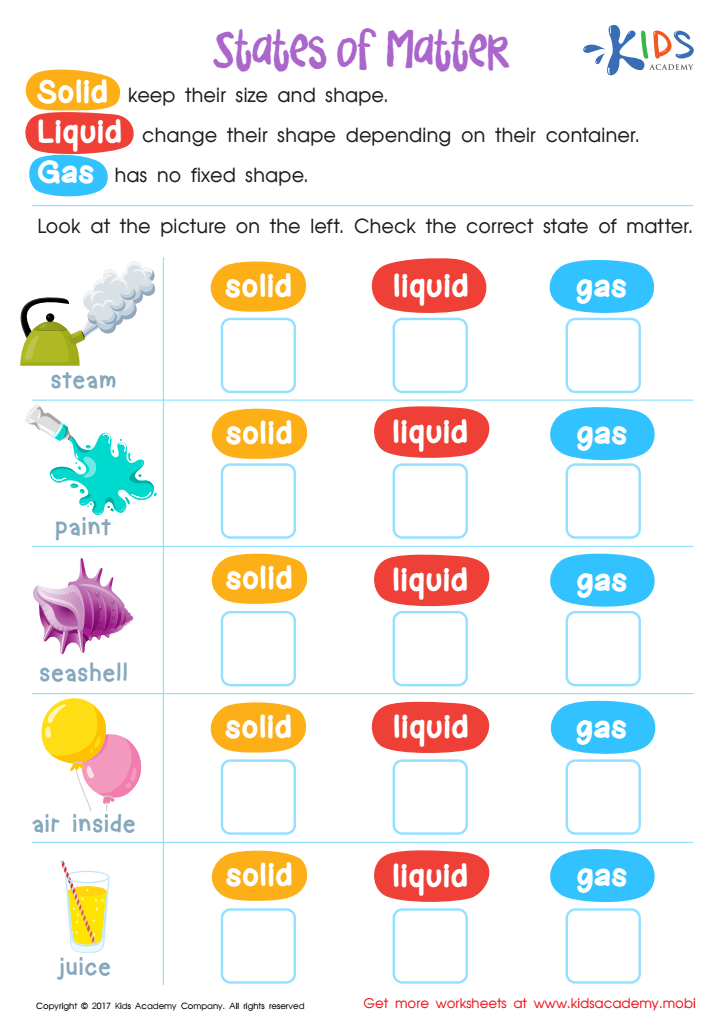
Physical Science: States of Matter Worksheet
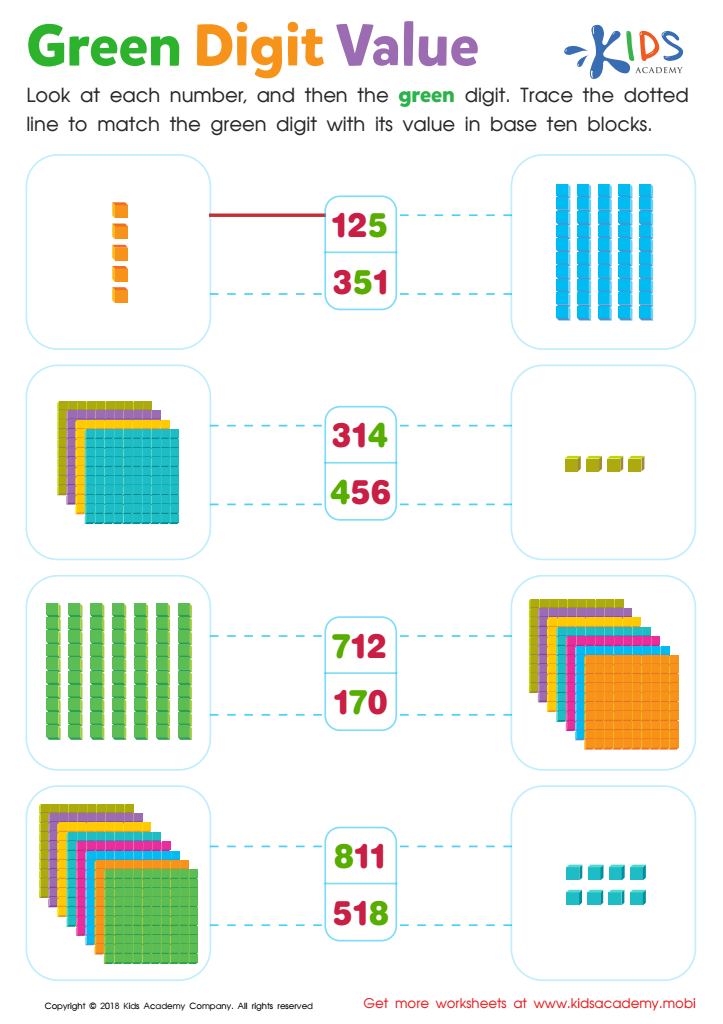
Green Digit Value Worksheet
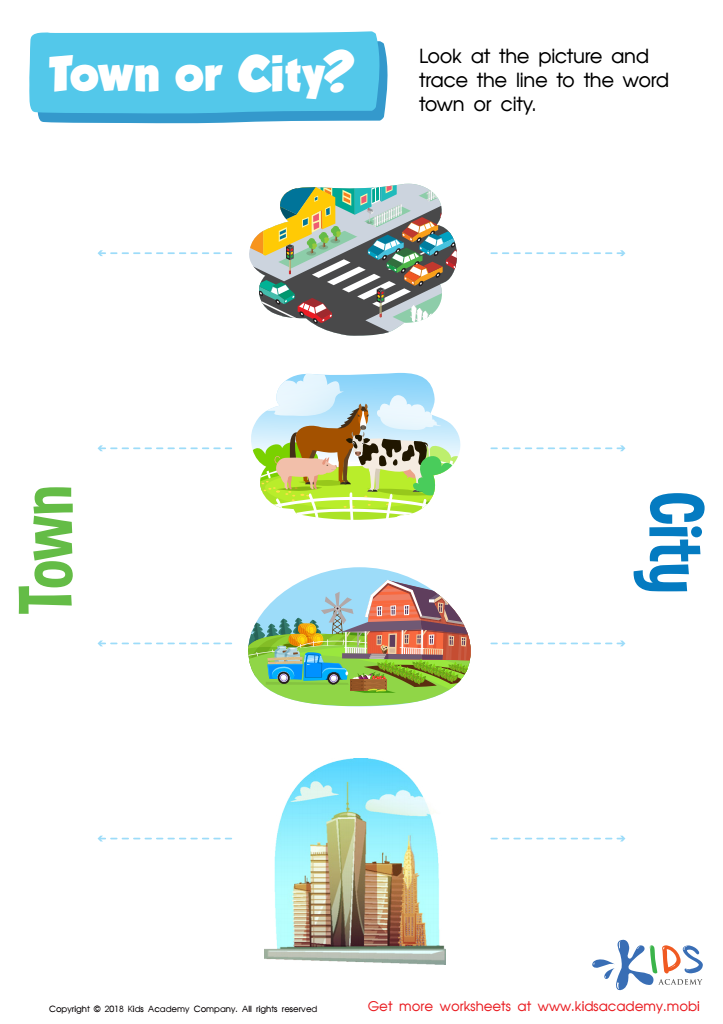
Town or City? Worksheet
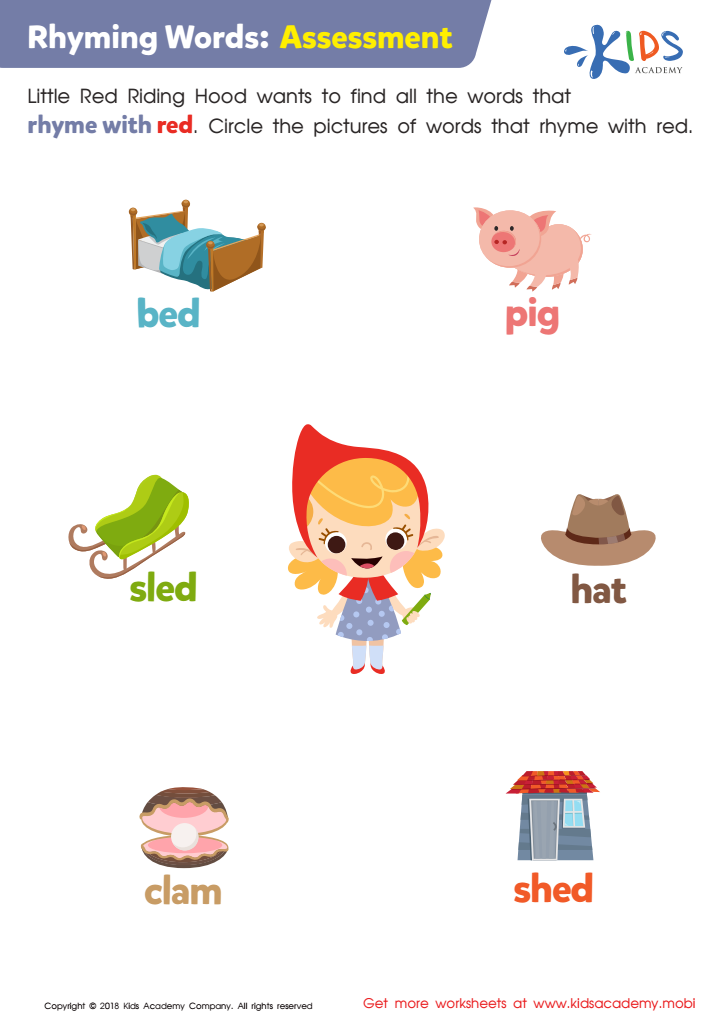
Rhyming Words: Assessment Worksheet
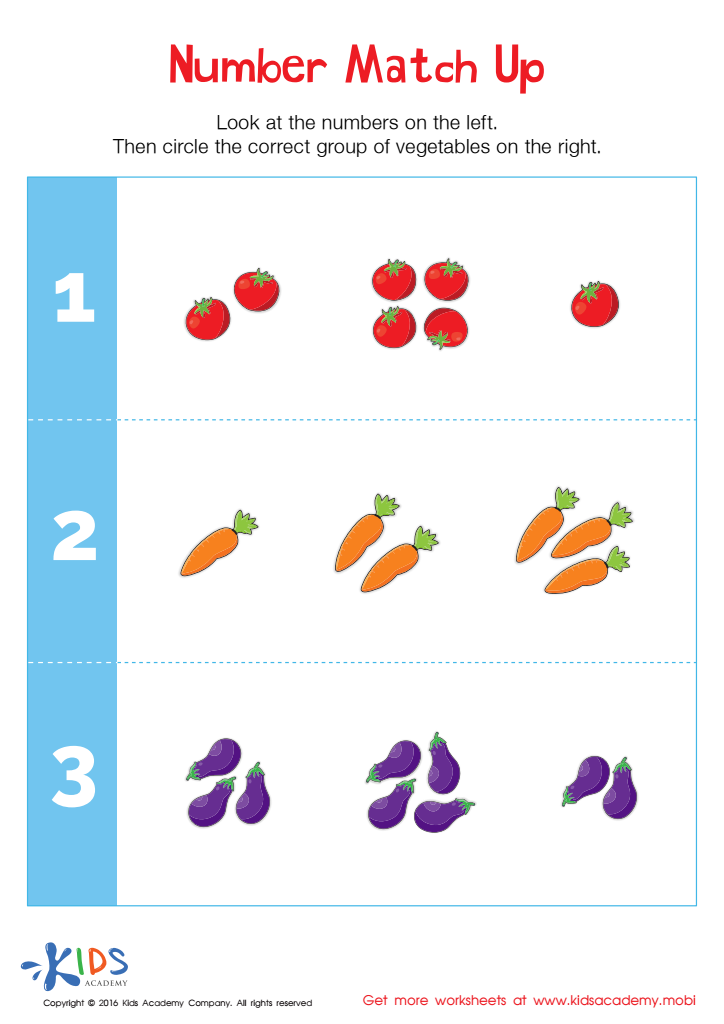
Number Match Up Worksheet

Number 10 Printable
 Assign to My Students
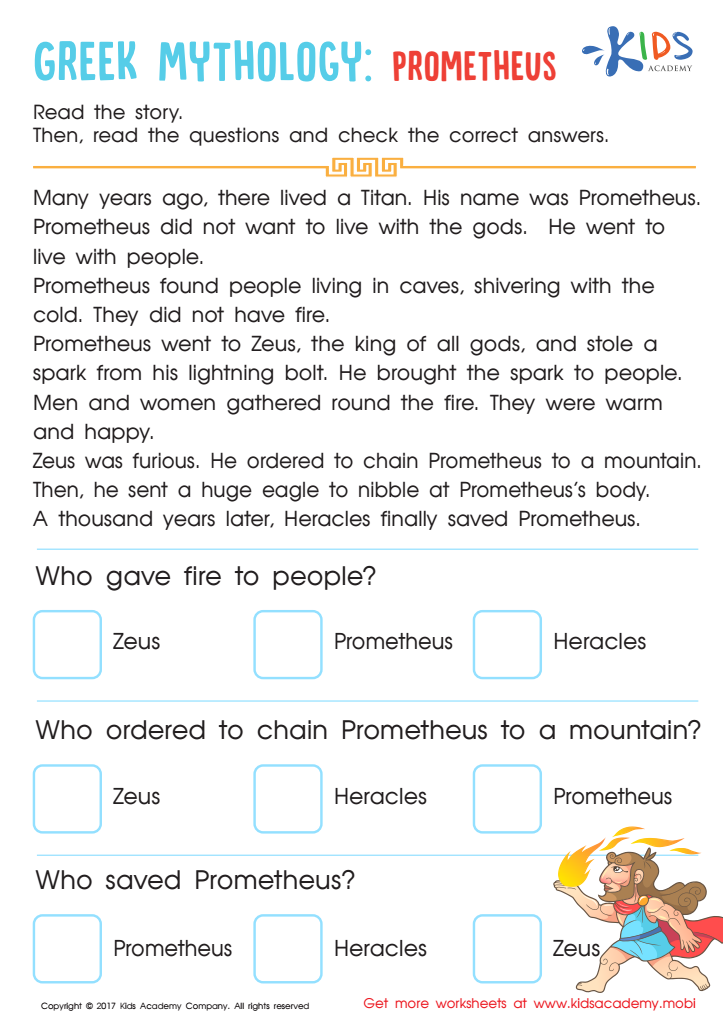
Prometheus Story Worksheet
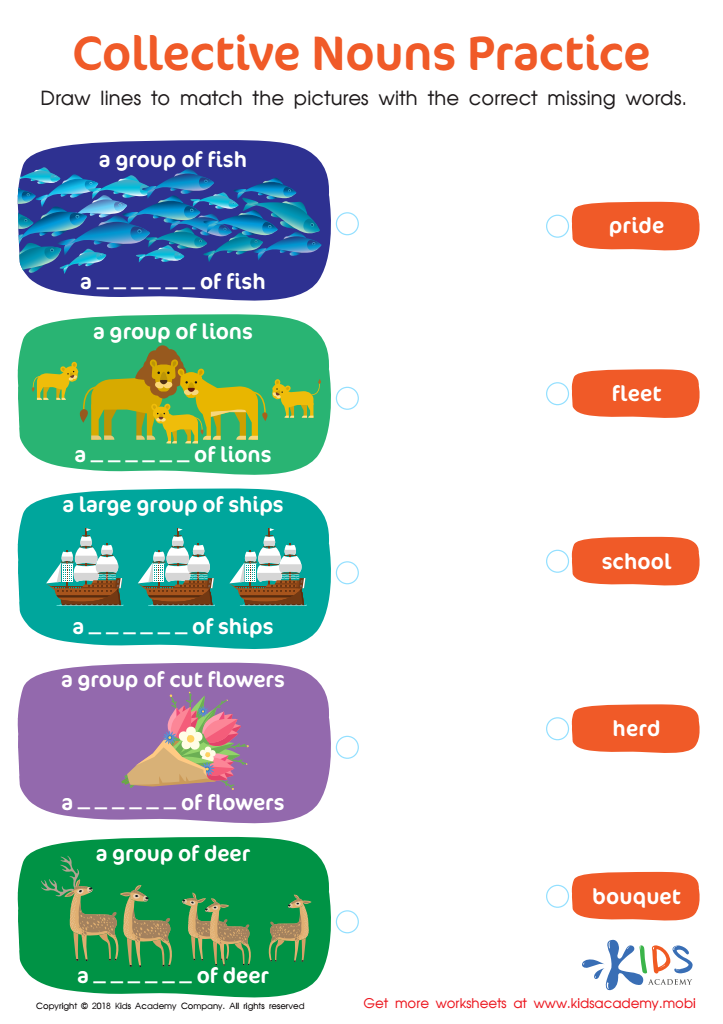
Collective Nouns Practice Worksheet








Parents and teachers should genuinely care about the development and well-being of children ages 3-8 because these early years are foundational for lifelong learning, behavior, and overall health. During this critical period, children's brains are incredibly receptive and form connections that influence their cognitive, social, and emotional growth.
By paying close attention to their development, caregivers can provide enriching experiences that stimulate these areas, such as interactive play, reading, and problem-solving activities. For educators, fostering a nurturing and engaging classroom environment lays the groundwork for academic success and a love of learning.
Moreover, positive relationships formed with attentive parents and compassionate teachers help build children’s confidence and emotional security. Addressing their needs during this stage can also identify any developmental delays or challenges early on, allowing for timely intervention and support.
Ultimately, the efforts parents and teachers invest in young children affect their ability to develop essential skills like critical thinking, empathy, and communication. By prioritizing their care and education, we equip children with the tools they need to navigate future challenges optimally and build a healthier, more prosperous society.








