Fine Motor Skills Alphabet Worksheets for Ages 3-8 - Page 3
85 filtered results
-
From - To

Let's Review! Big Letters Worksheet

Long and Short U Worksheet
 Assign to My Students
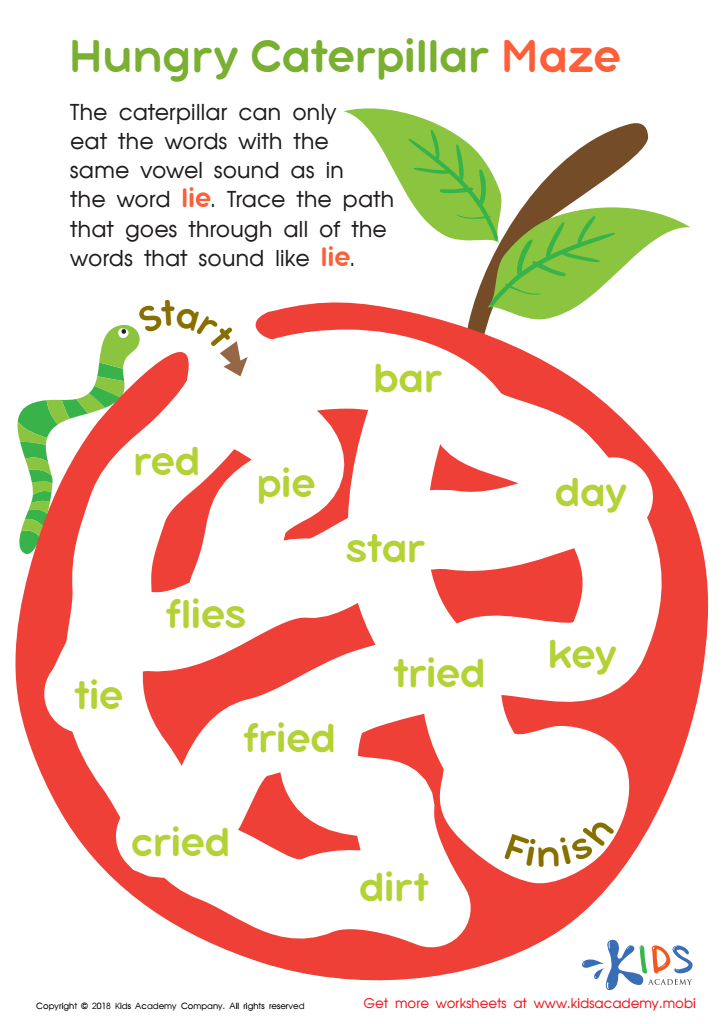
Hungry Caterpillar Maze Worksheet
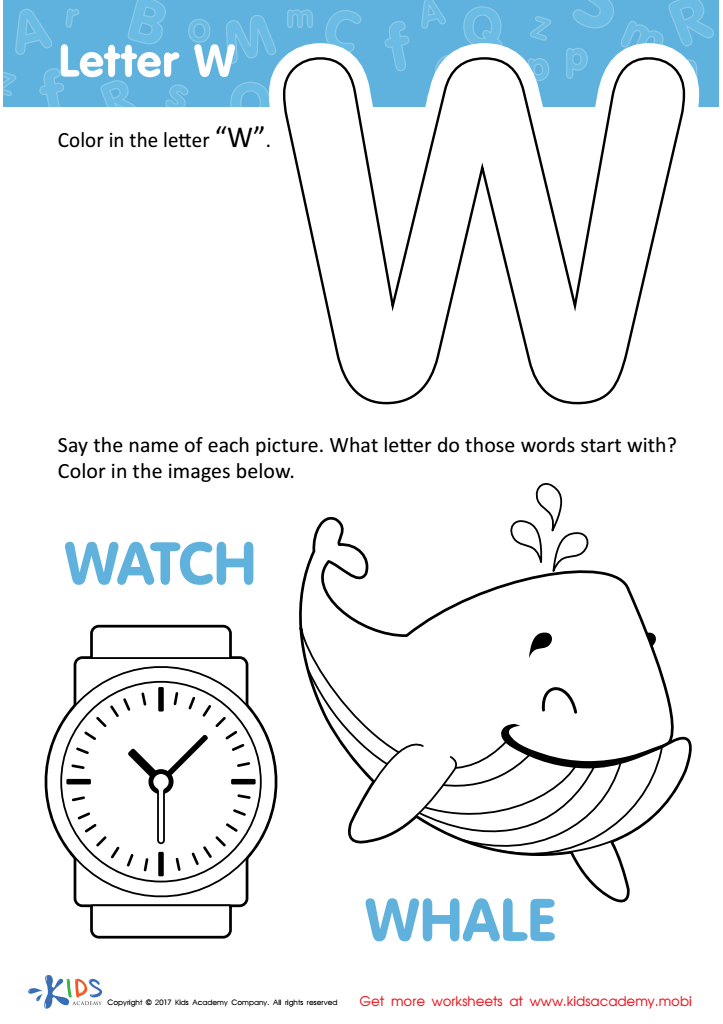
Letter W Coloring Sheet
Assign to My Students
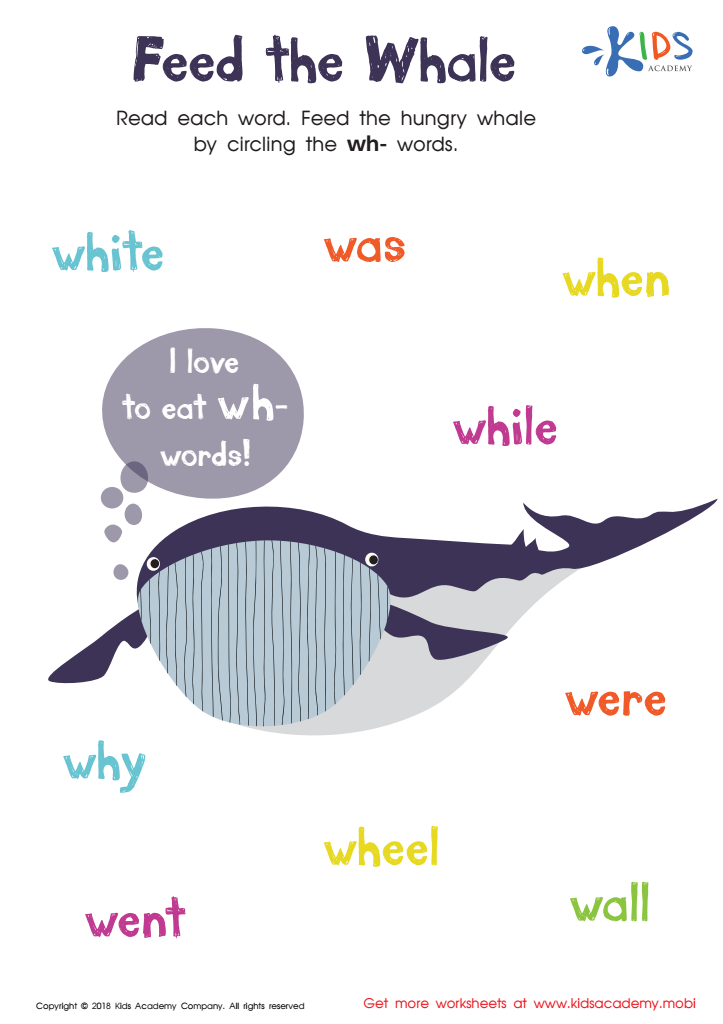
Feed the Whale Worksheet
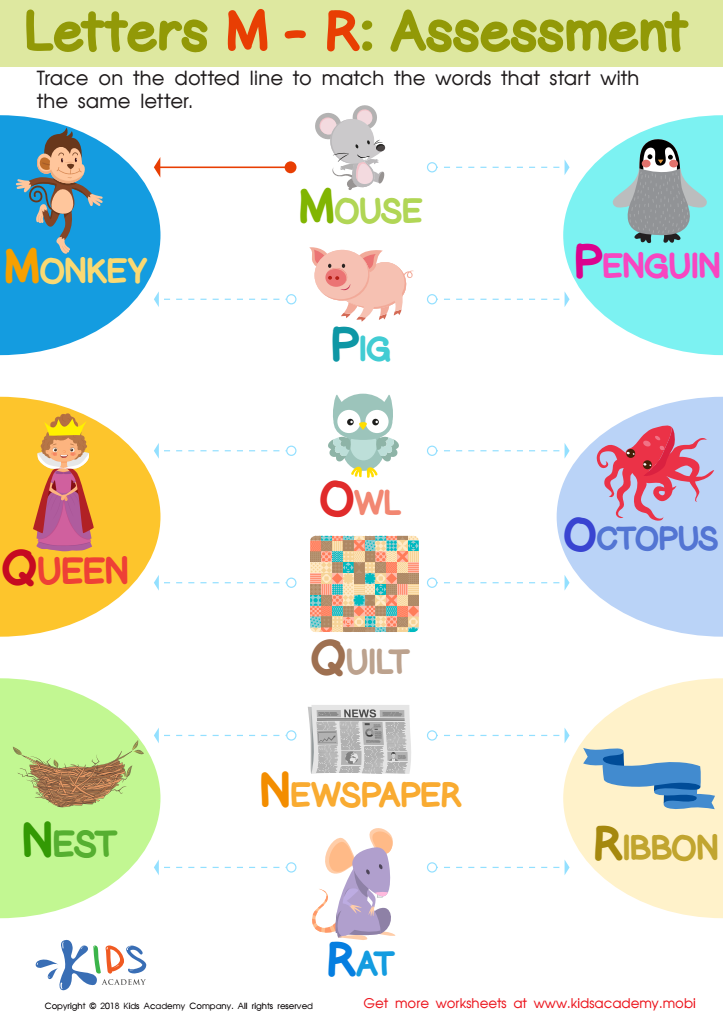
Letters M-R Tracing Worksheet

Lowercase Letters m n o Worksheet

Letter N Tracing Page

Find Uppercase Letters V, W, X Worksheet
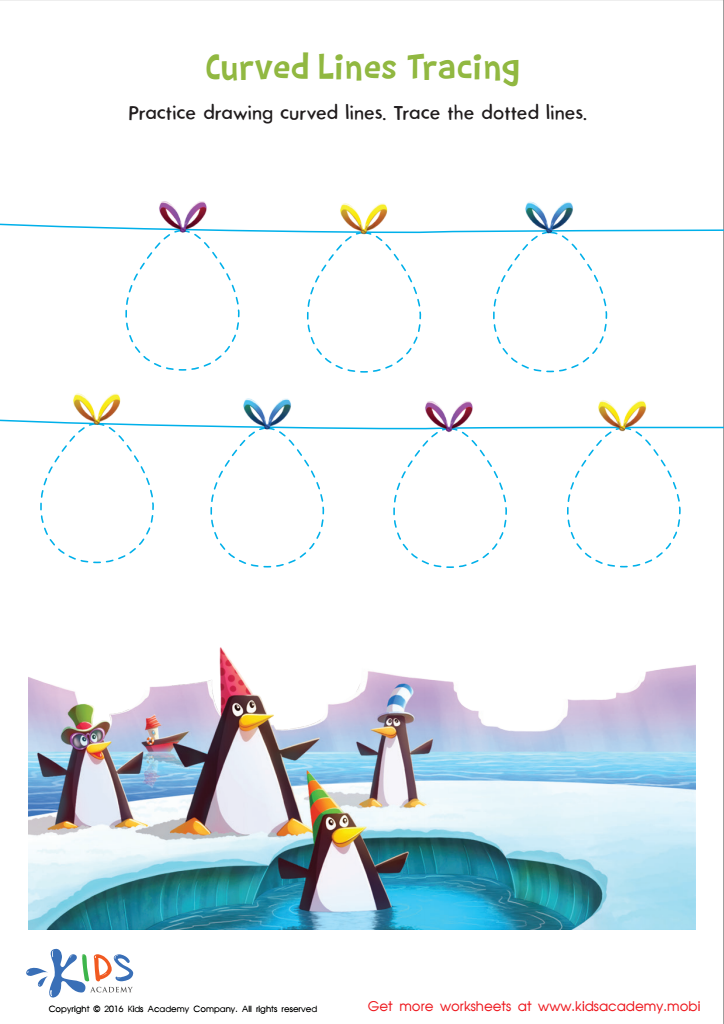
Curved Lines Tracing Worksheet

Lowercase Letters d e f Worksheet
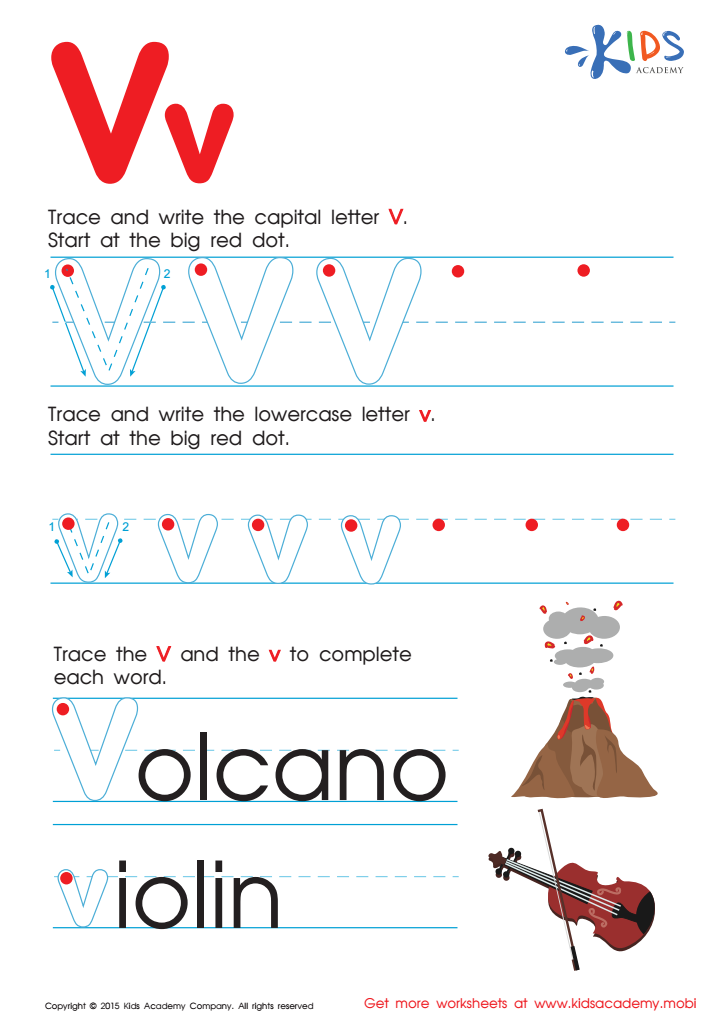
Letter V Tracing Page
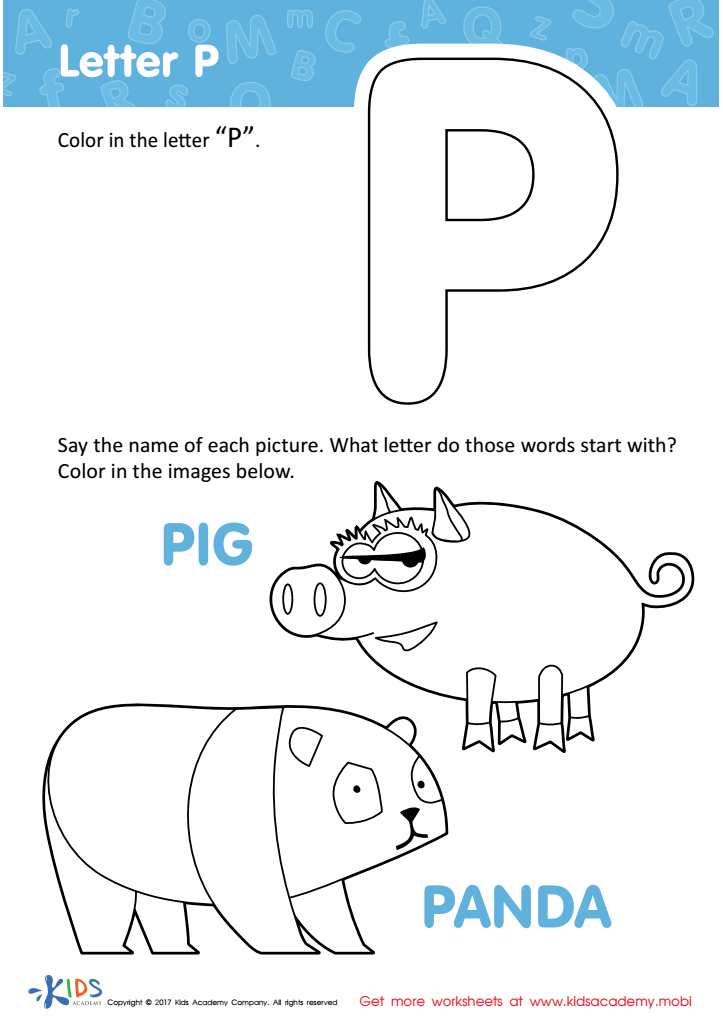
Letter P Coloring Sheet
Assign to My Students
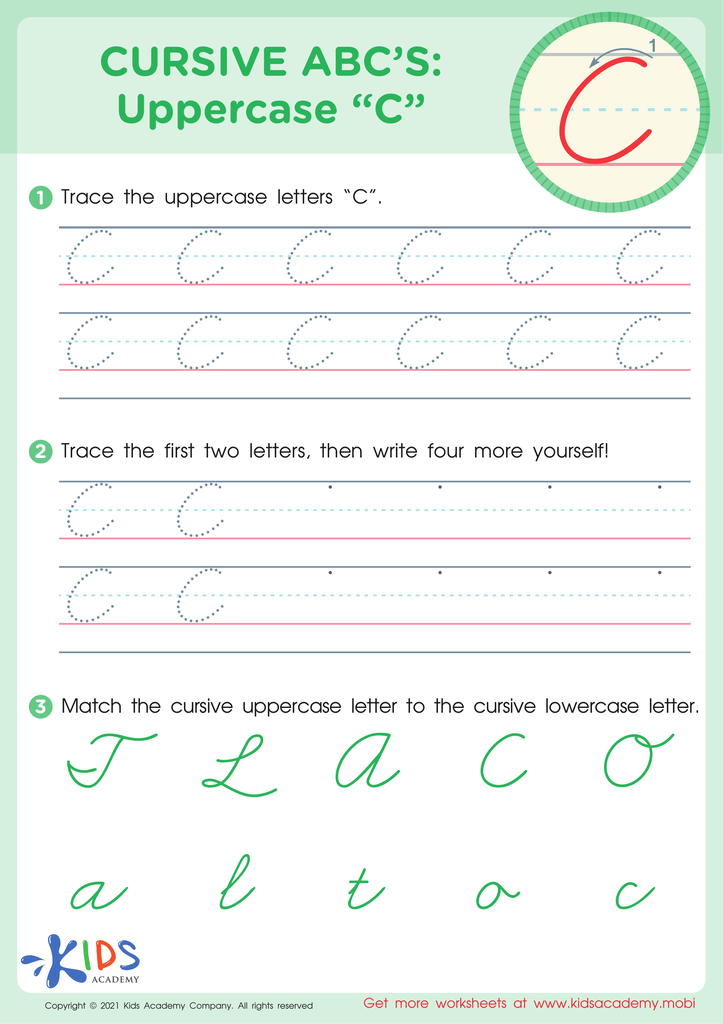
Cursive ABCs: Uppercase C
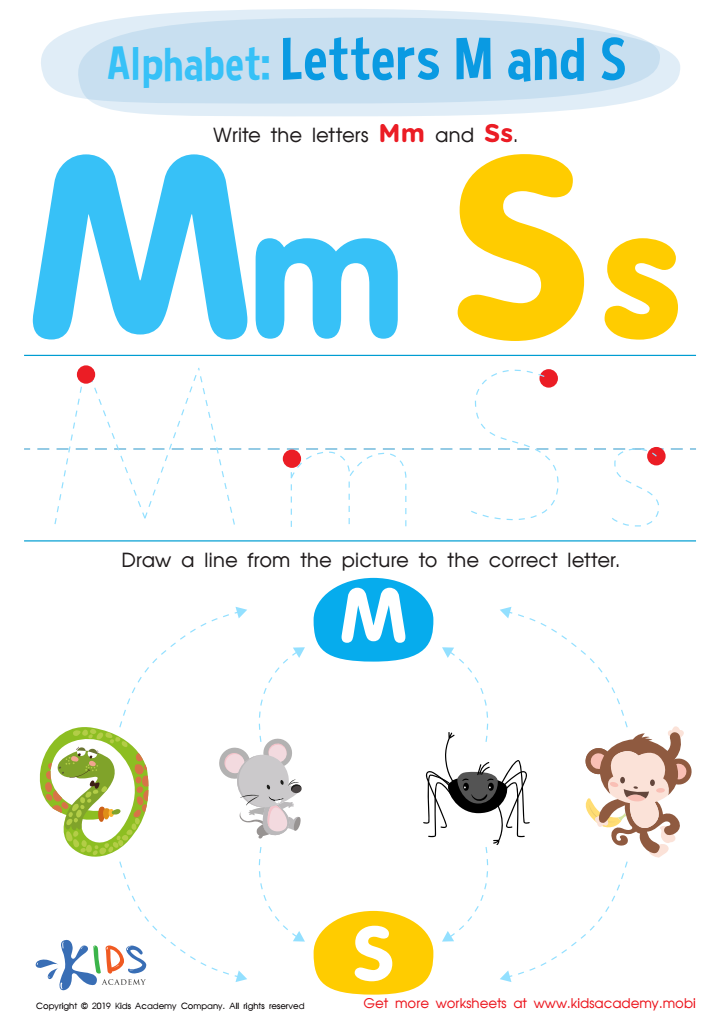
Letters M and S Tracing Worksheet
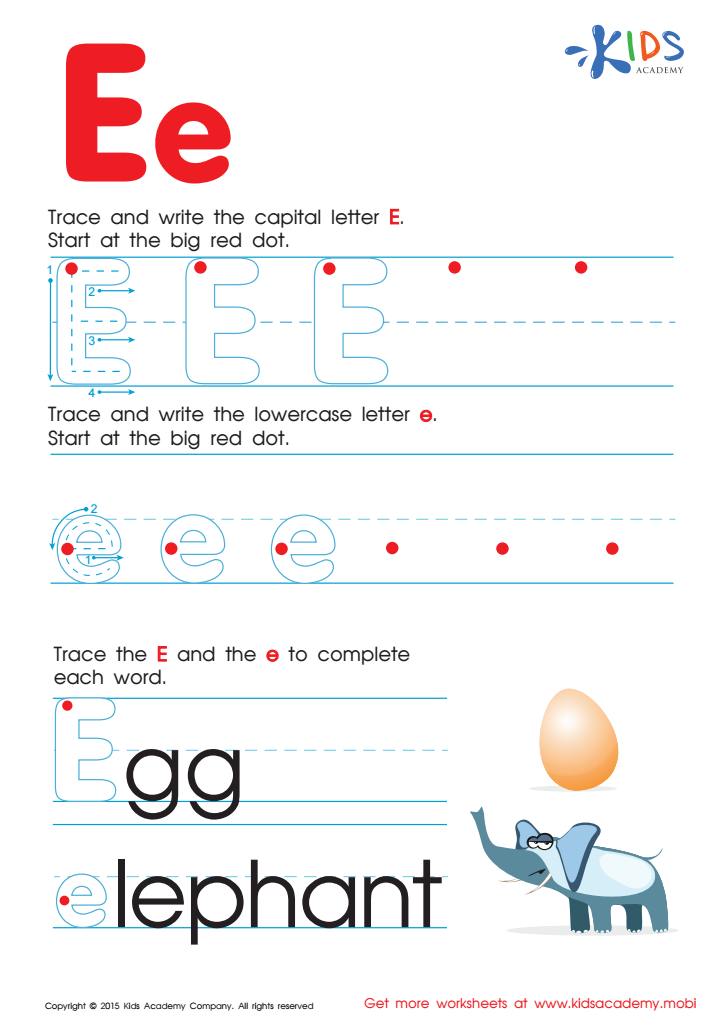
Letter E Tracing Page

Letter A Tracing Worksheet
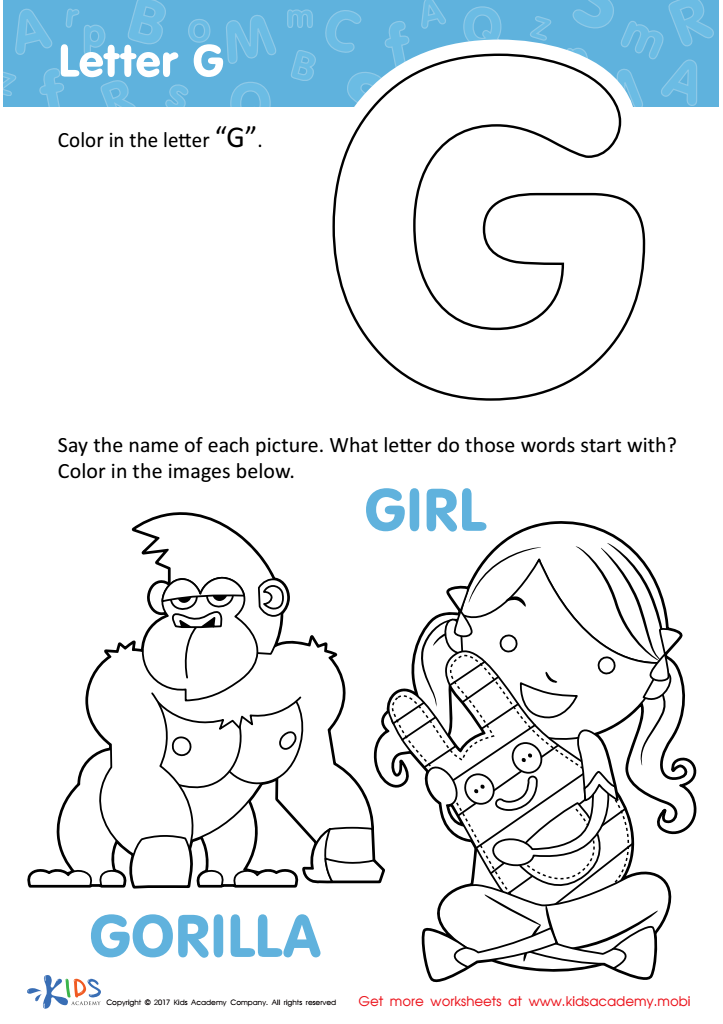
Letter G Coloring Sheet
Assign to My Students
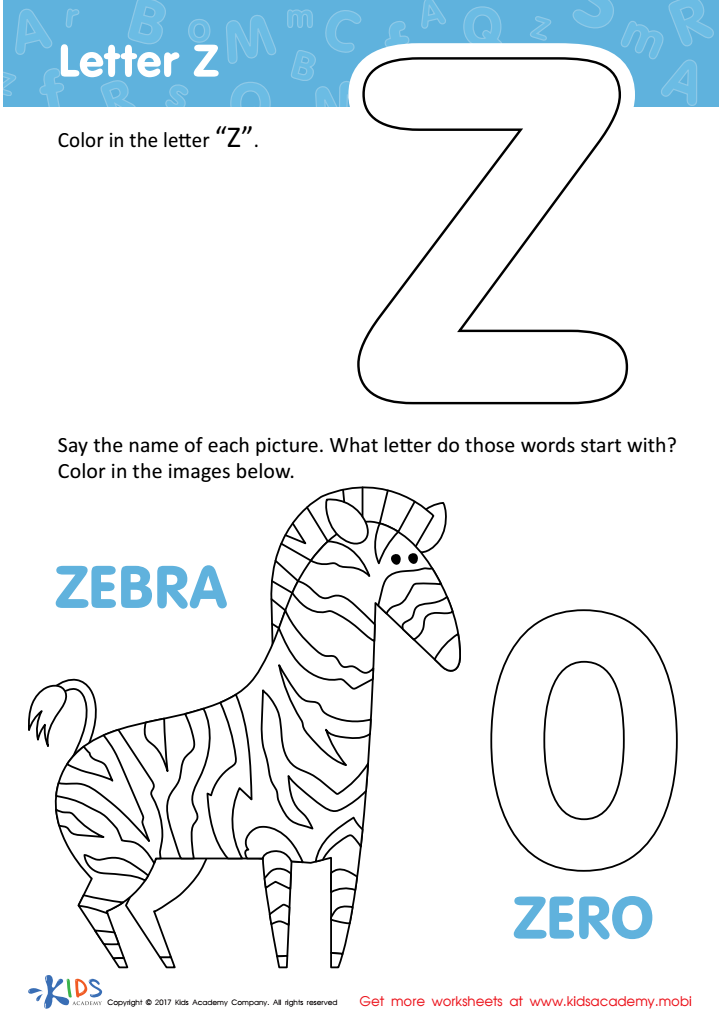
Letter Z Coloring Sheet
Assign to My Students
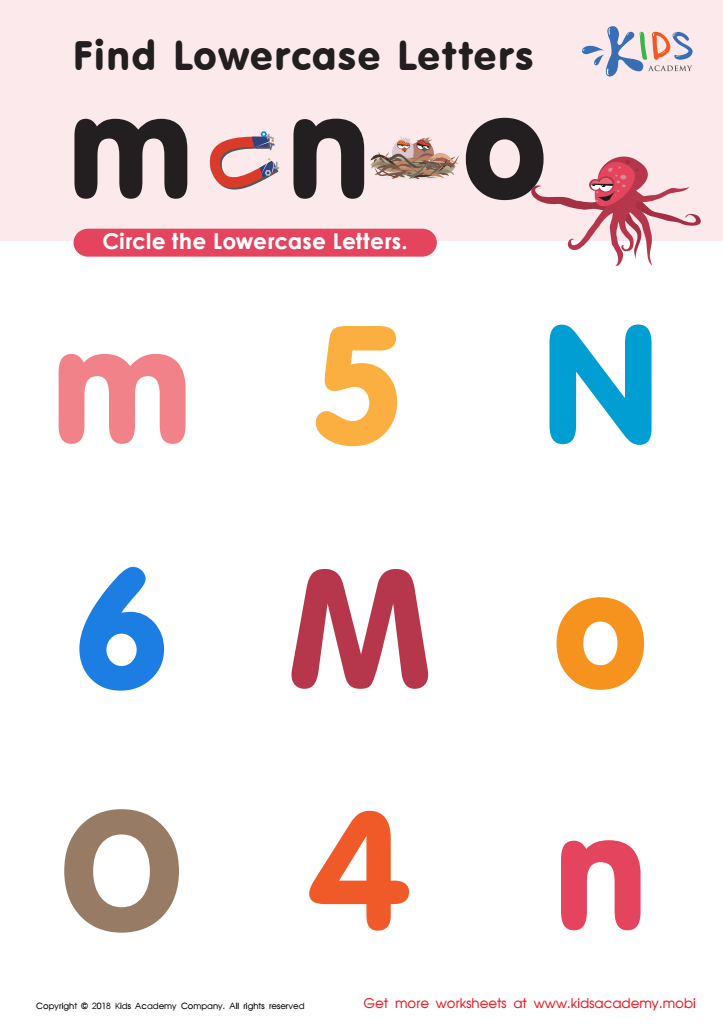
Find Lowercase Letters m n o Worksheet
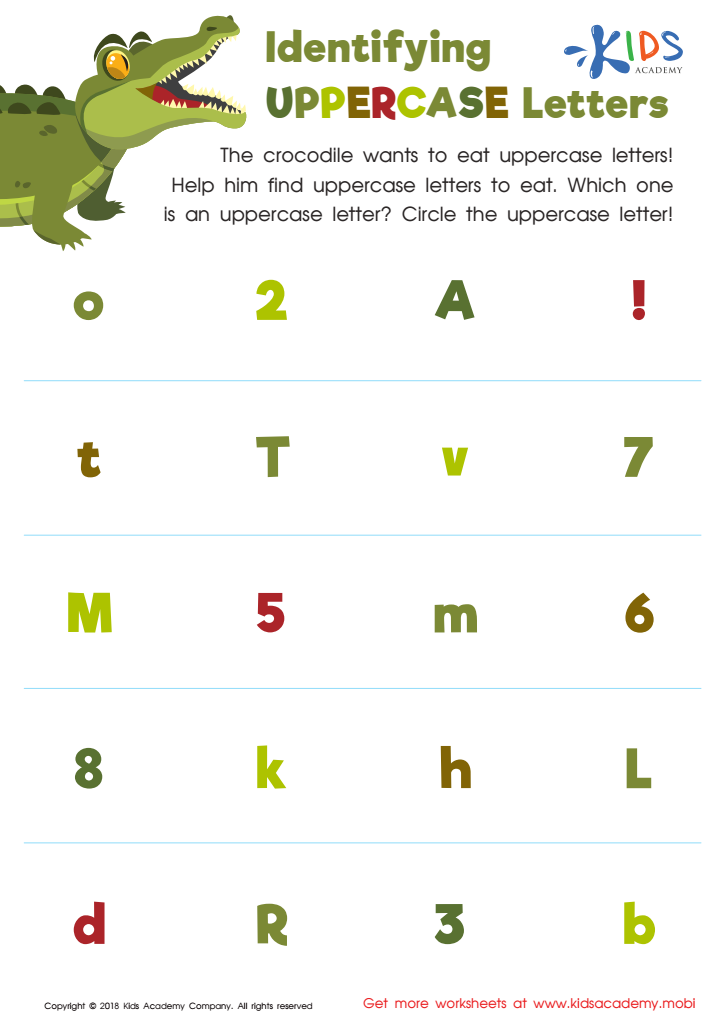
Identifying Uppercase Letters Worksheet
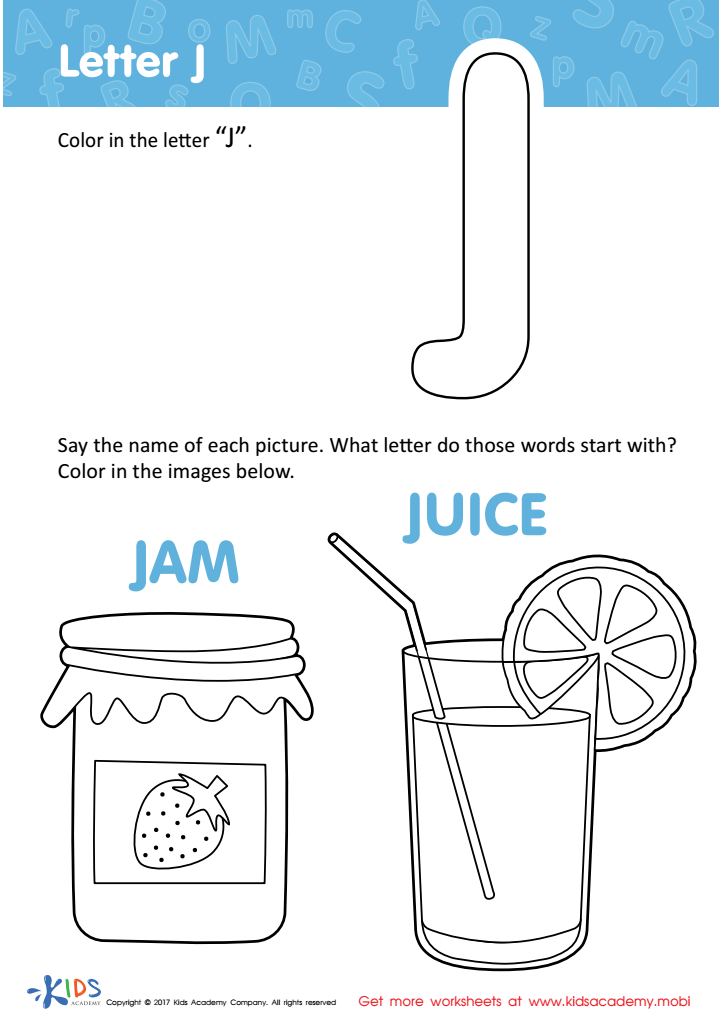
Letter J Coloring Sheet
Assign to My Students

Find lowercase letters a b c Worksheet
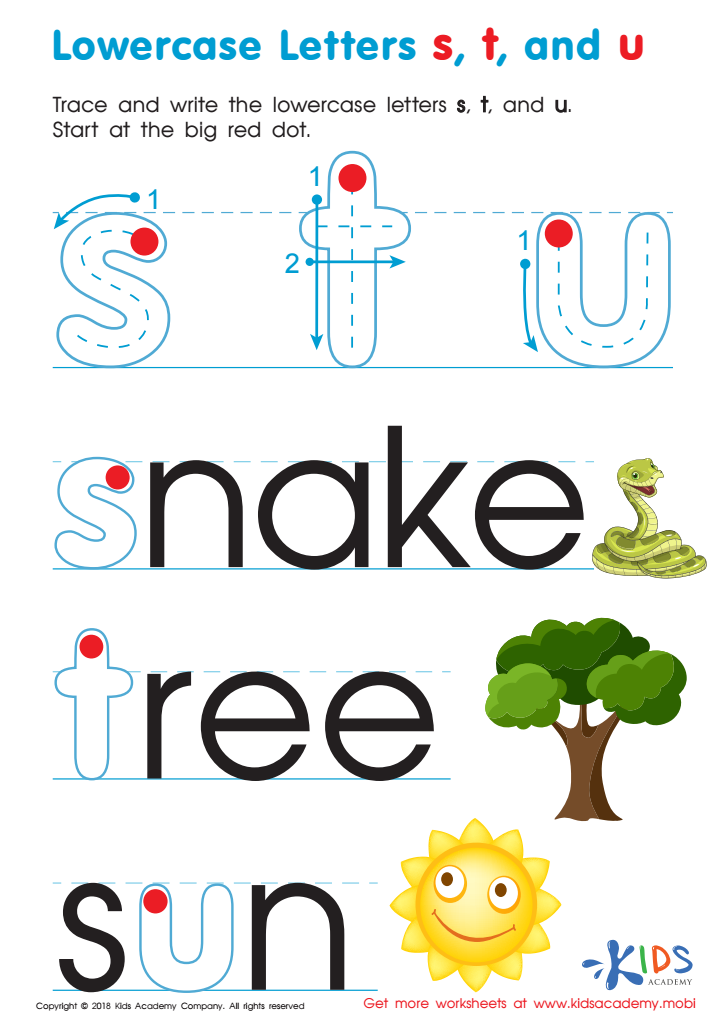
Lowercase Letters s t u Worksheet






Fine motor skills are crucial for children ages 3-8 as they form the foundation for various academic and everyday tasks. These skills involve the coordination of small muscles in the hands and fingers, which are essential for activities such as writing, drawing, cutting, and buttoning a shirt. When children develop strong fine motor skills, they enhance their ability to express themselves through writing and art, which boosts their confidence and fosters creativity.
For parents and teachers, recognizing the importance of fine motor skills in children’s development can lead to more focused learning strategies. Activities that promote these skills, like threading beads, manipulating clay, or practicing scissors, not only help with hand-eye coordination but also improve concentration and patience.
Moreover, developing fine motor skills early can prevent frustration later on, particularly when children begin formal education. They will be more prepared to keep up with their peers in school tasks. Engaging in fun, hands-on activities can create a joyful learning environment where children feel empowered to explore their capabilities. Overall, investing time and resources into fostering fine motor skills is essential for holistic child development, paving the way for future academic success and independence.







