Letter Recognition Worksheets for Ages 3-8
126 filtered results
-
From - To
Explore our engaging Letter Recognition Worksheets designed for children ages 3-8. These worksheets provide a fun and interactive way to help young learners identify and distinguish letters of the alphabet. Featuring colorful illustrations and a variety of activities, kids will practice letter tracing, matching, and recognition skills, making learning enjoyable and effective. Perfect for homeschool environments or classroom settings, our resource promotes early literacy development while catering to diverse learning styles. Whether your child is just starting their alphabet journey or refining their skills, our worksheets offer valuable practice to set them up for reading success. Start learning today!

Letter A Tracing Page
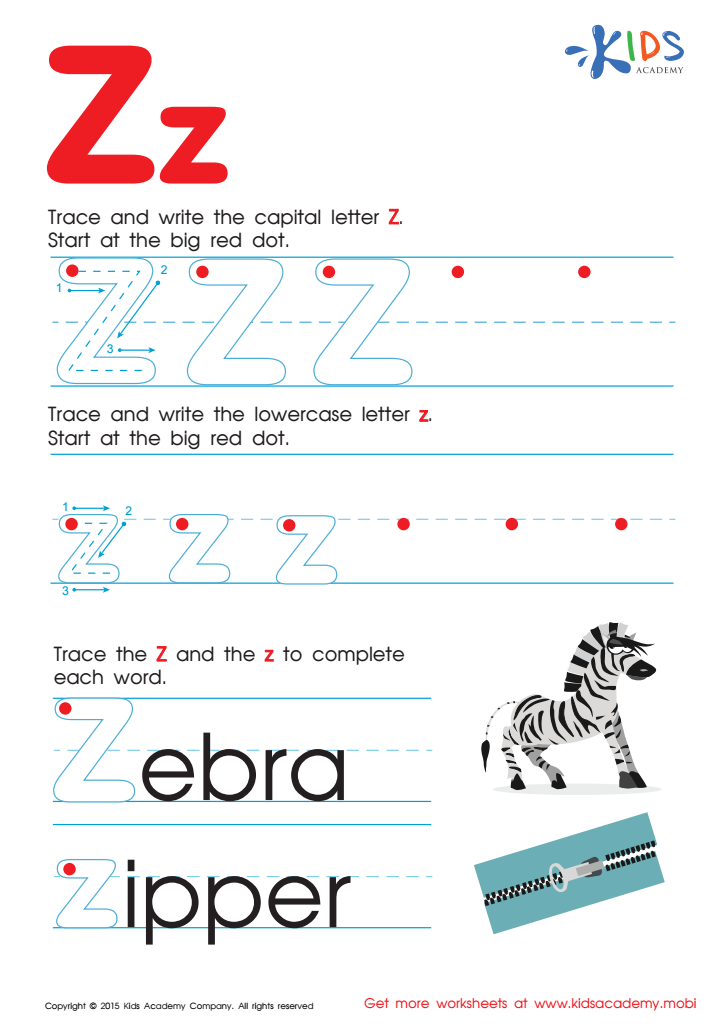
Letter Z Tracing Page
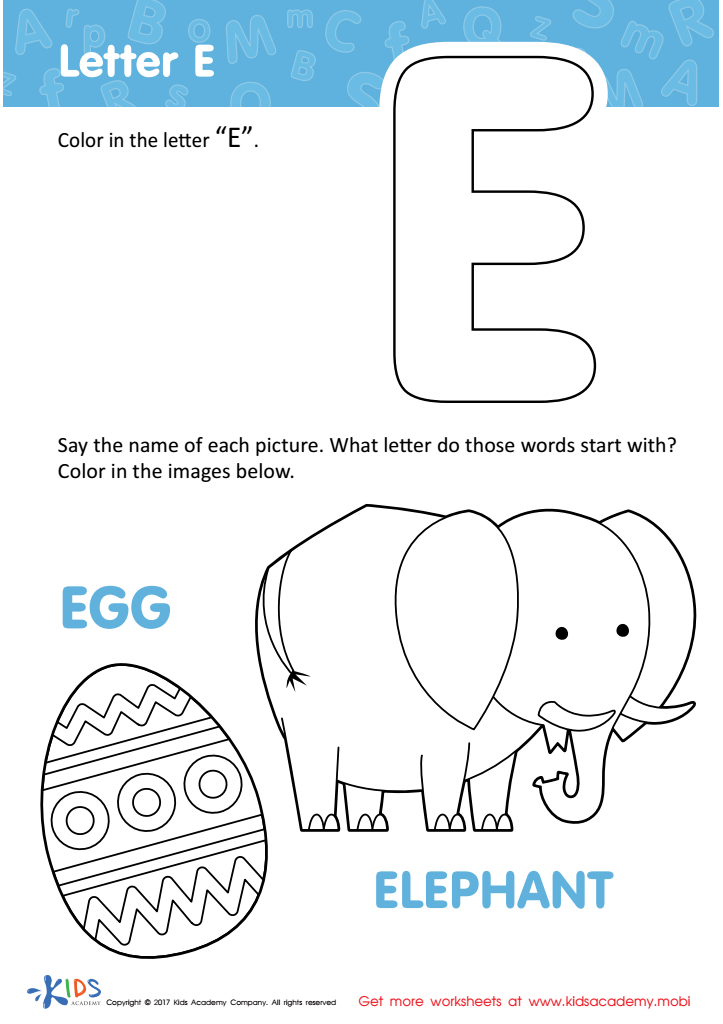
Letter E Coloring Sheet
 Assign to My Students
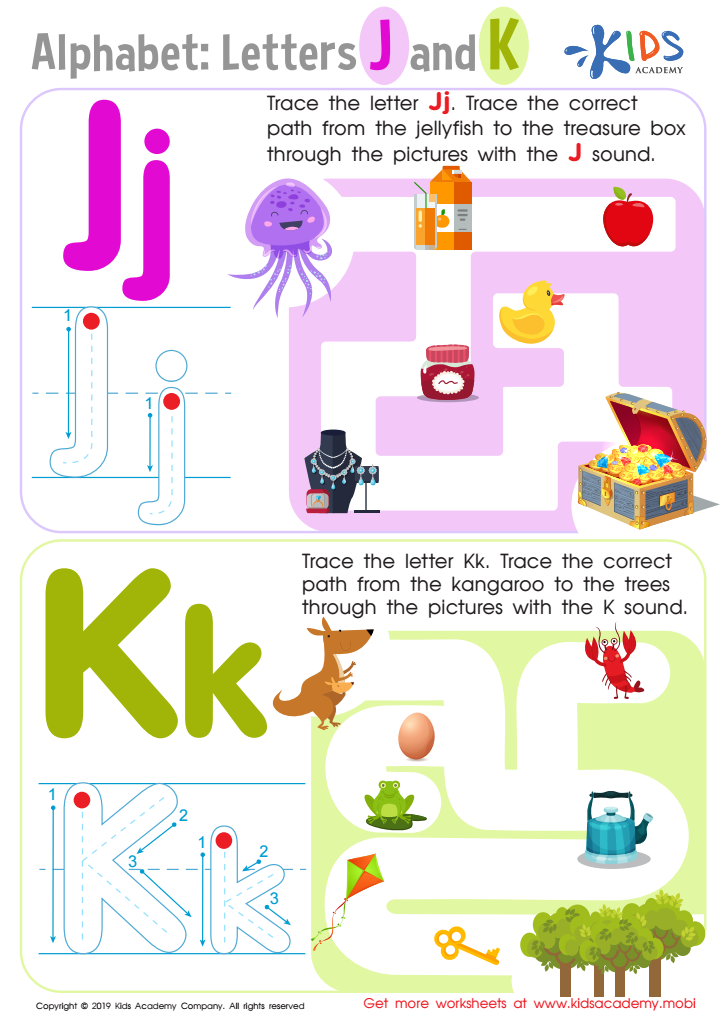
Letters J and K Tracing Worksheet
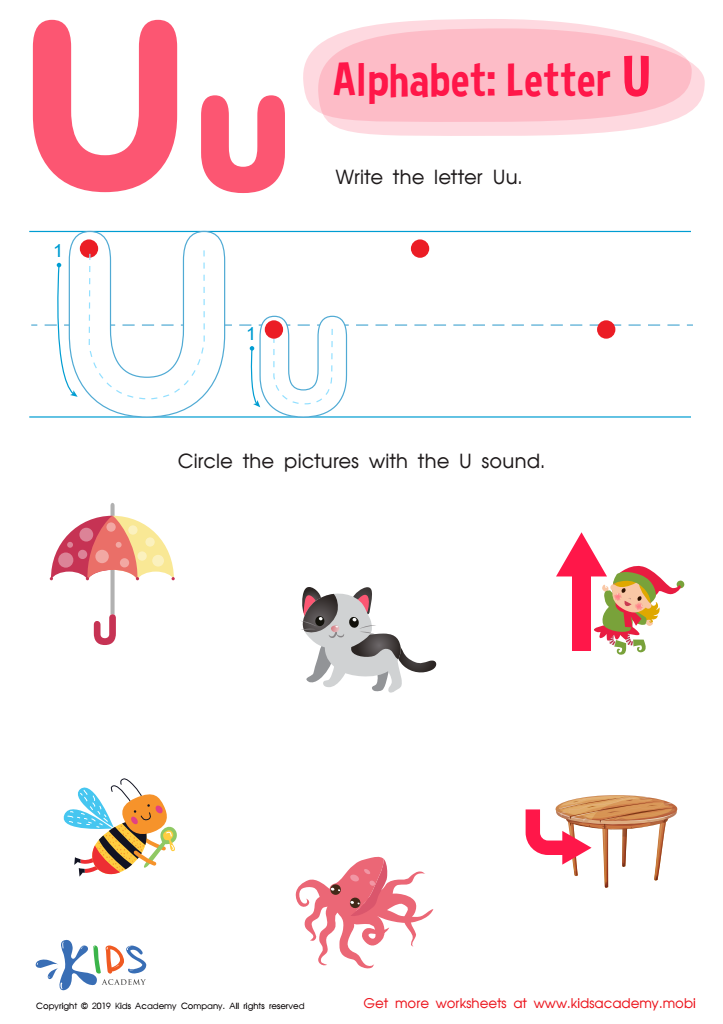
Letter U Tracing Worksheet
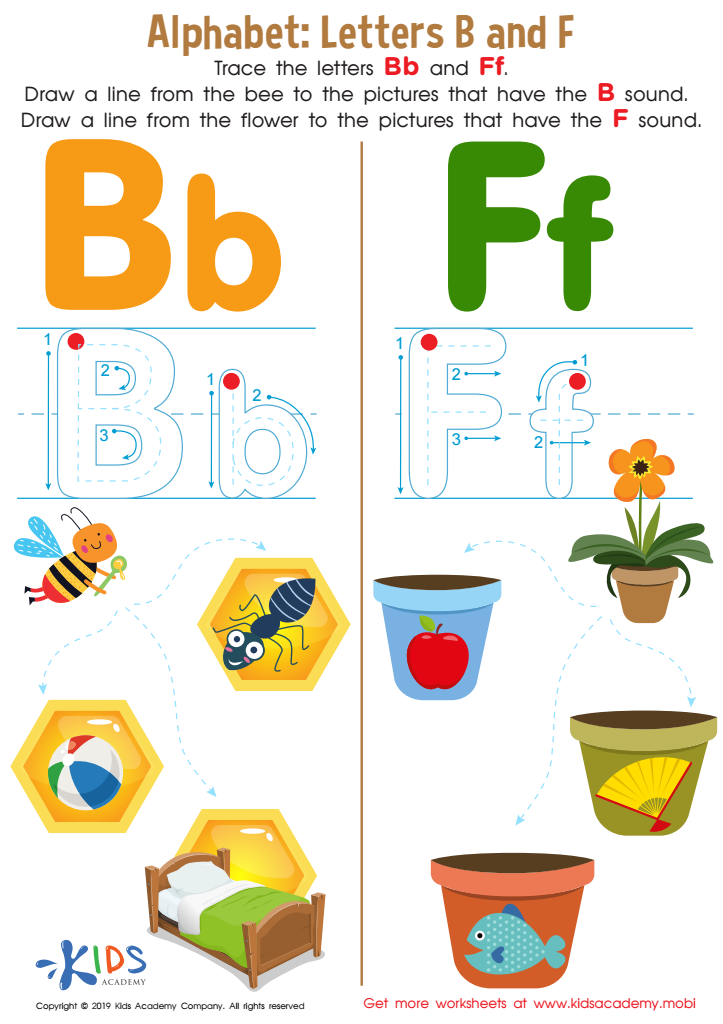
Letters B and F Tracing Worksheet
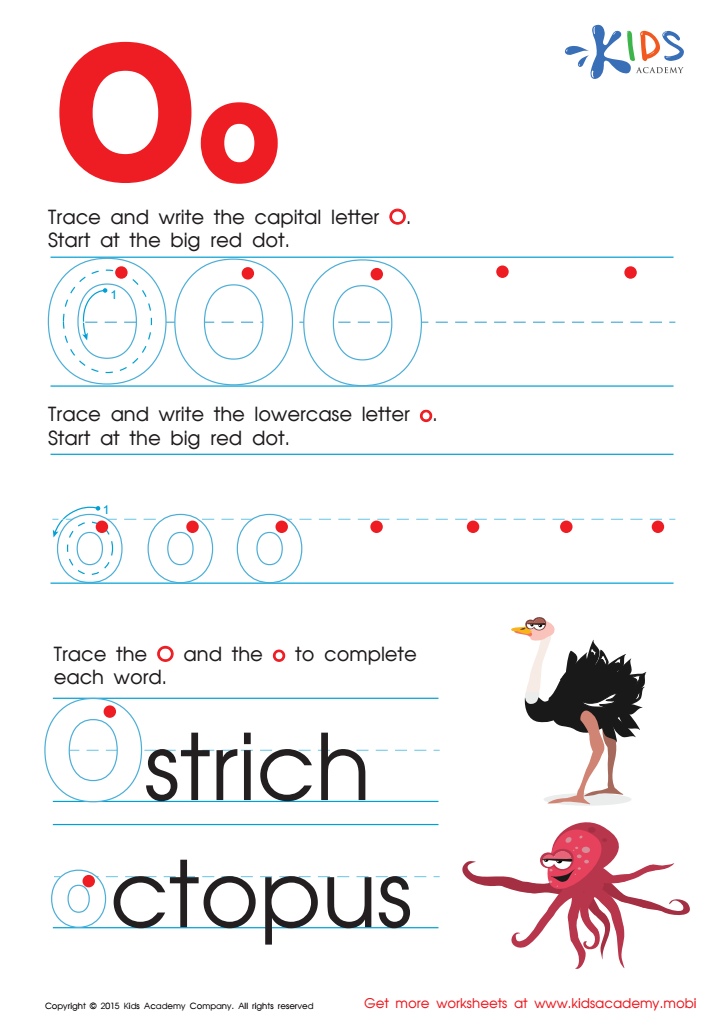
Letter O Tracing Page
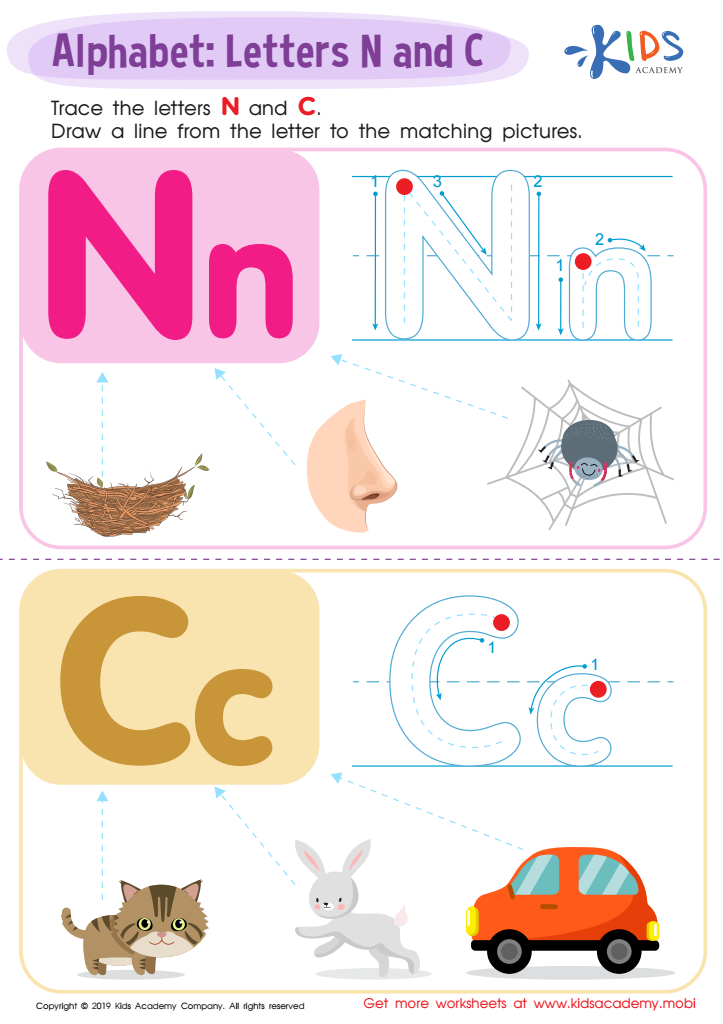
Letter N and C Tracing Worksheet
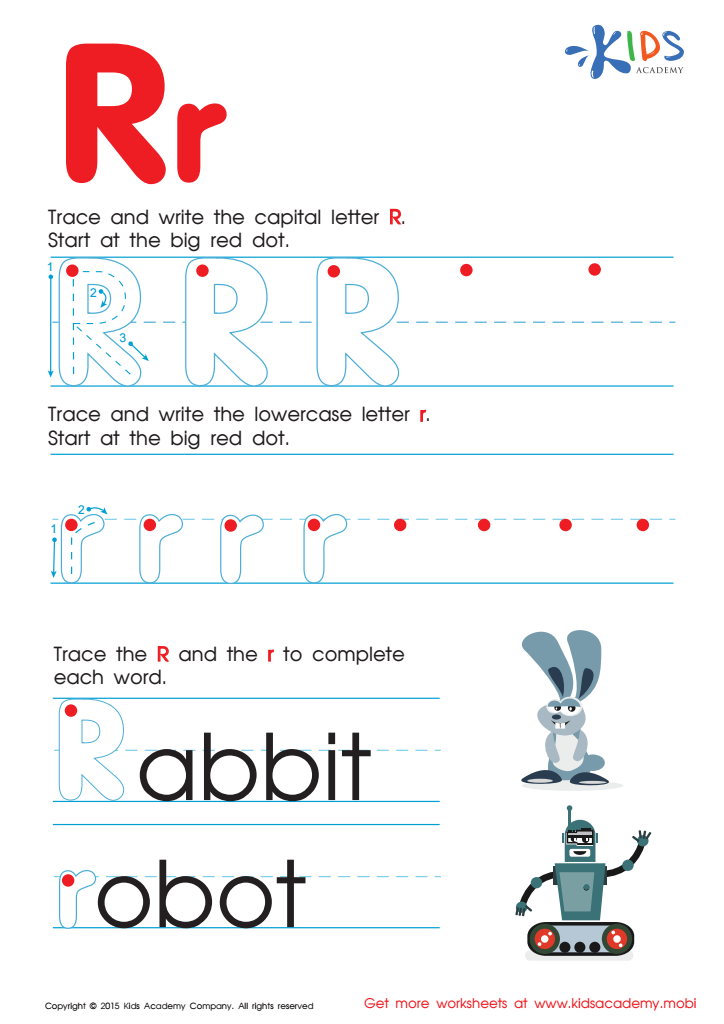
Letter R Tracing Page
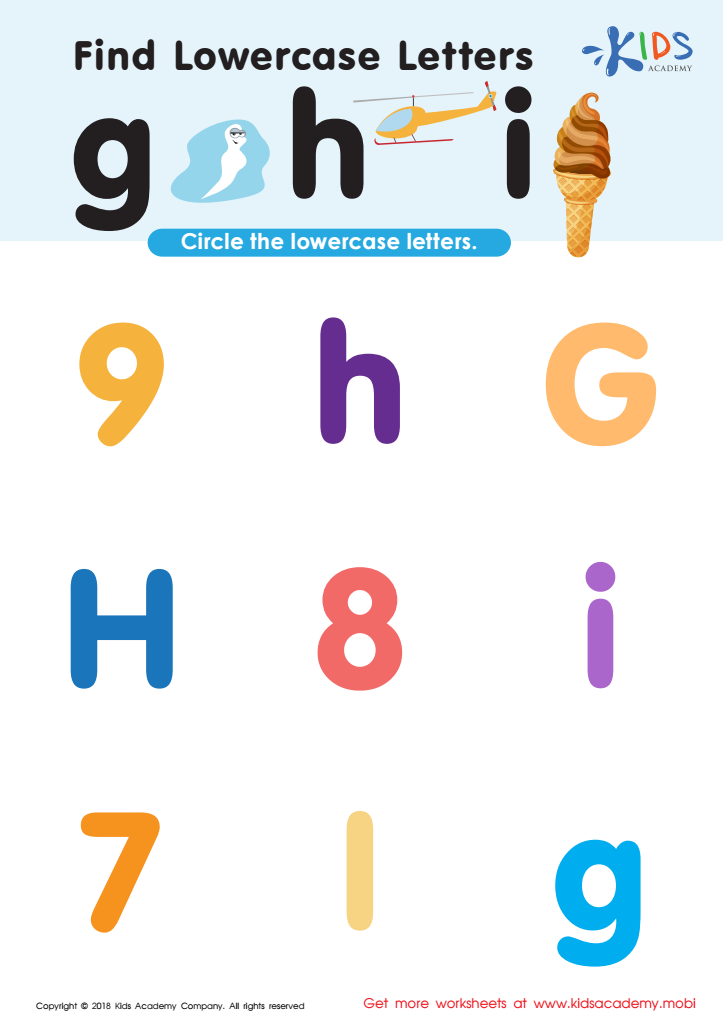
Find Lowercase Letters g h i Worksheet
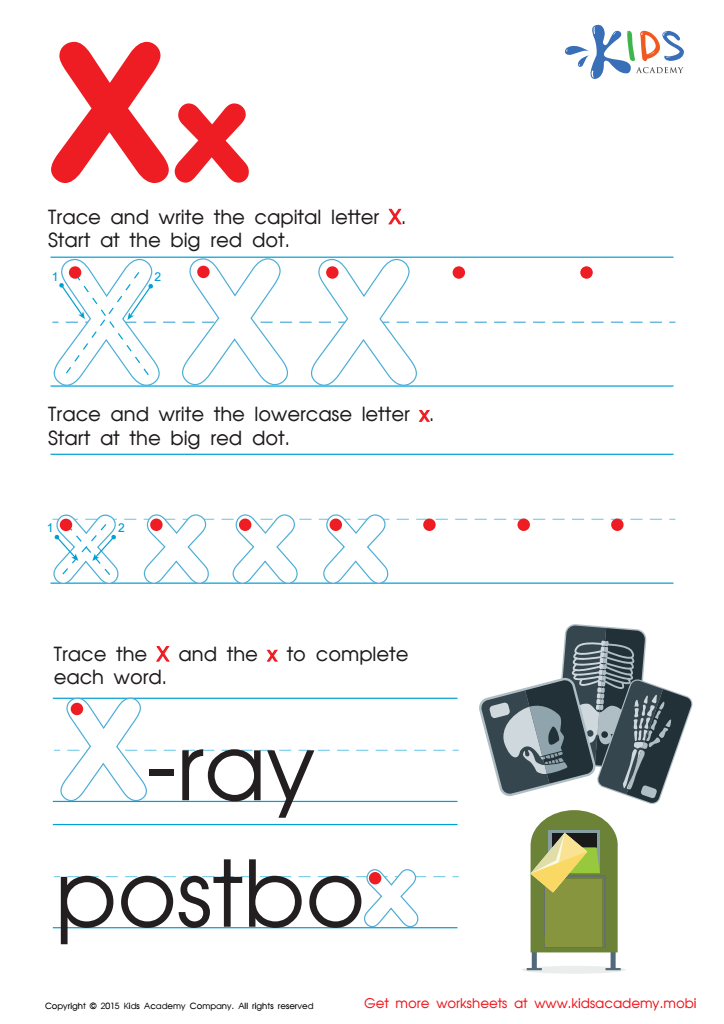
Letter X Tracing Page
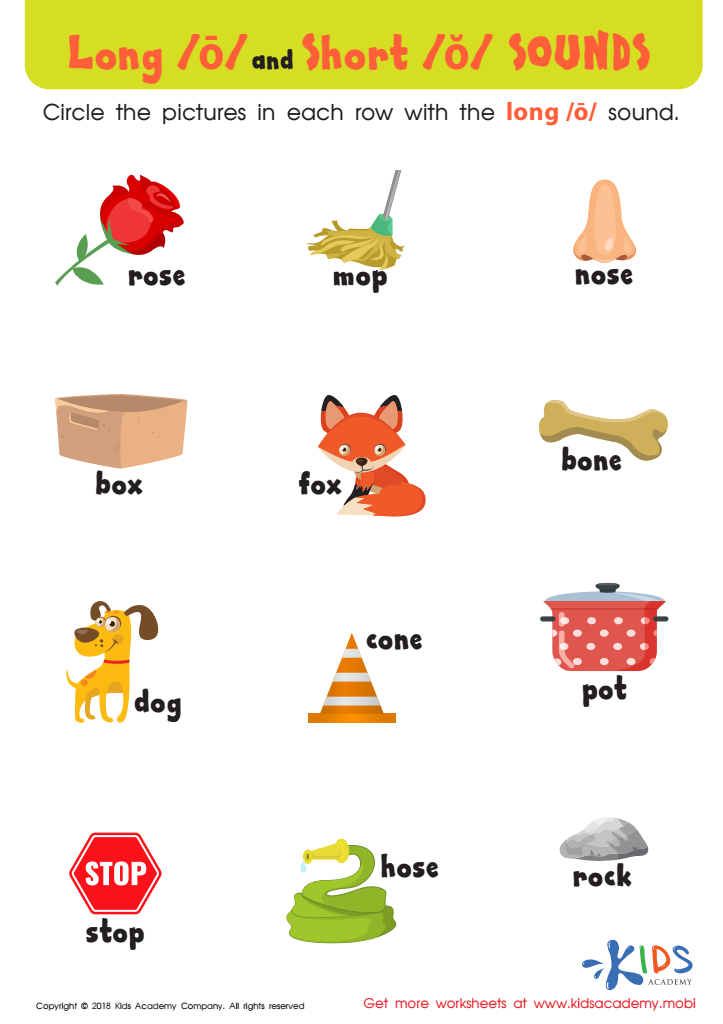
Reading: Long O and Short O Sounds Worksheet
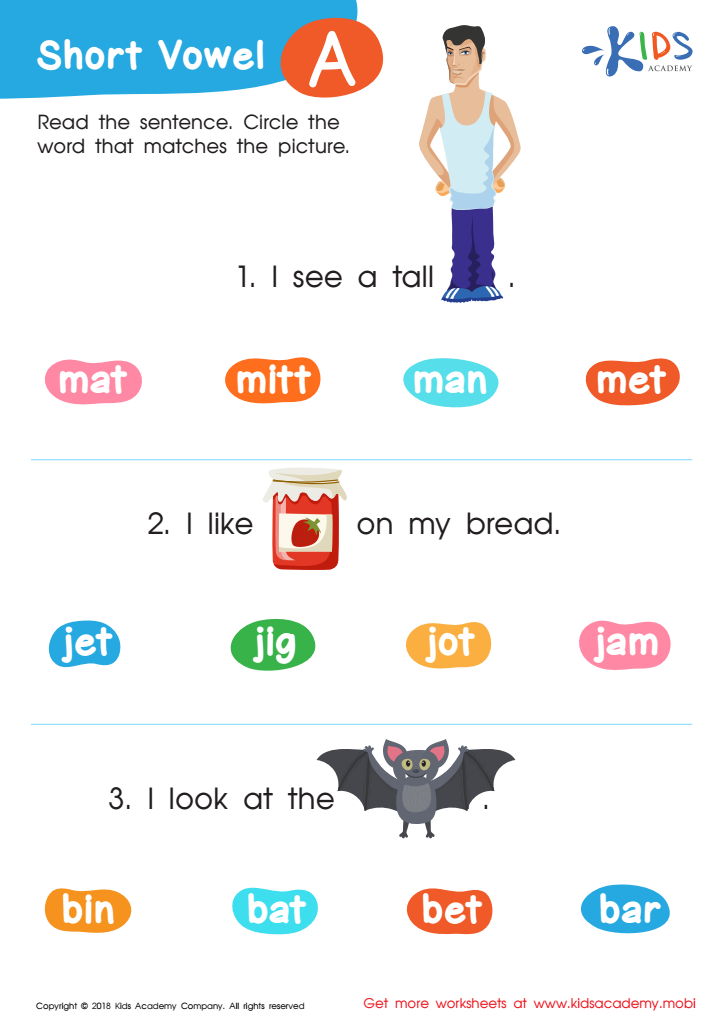
Short Vowel /a/ Worksheet
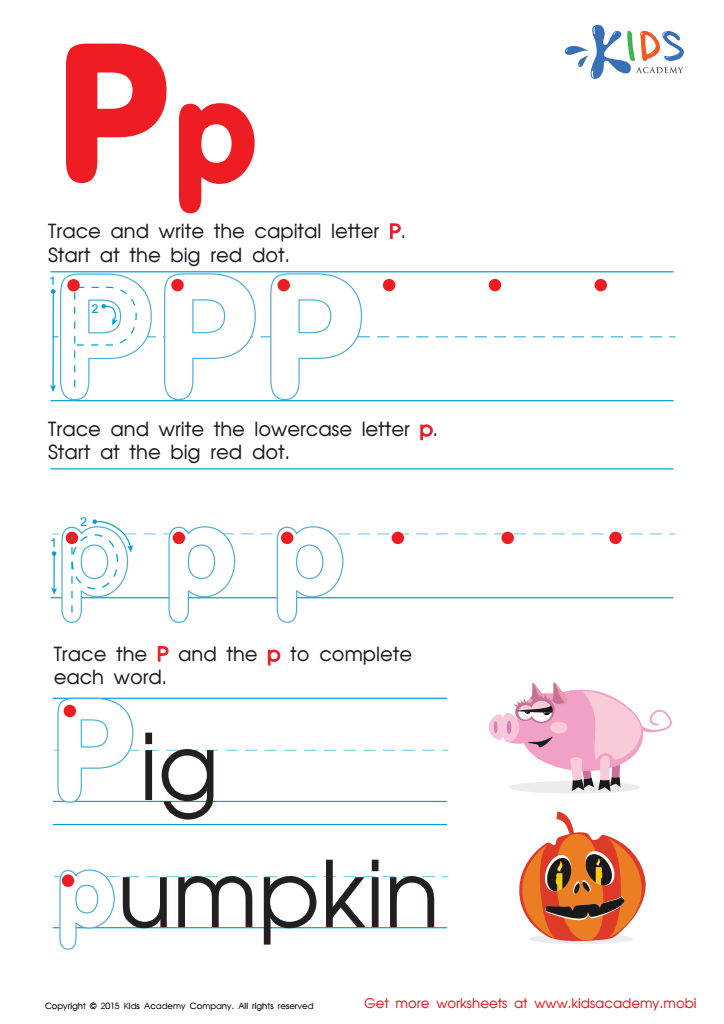
Letter P Tracing Page
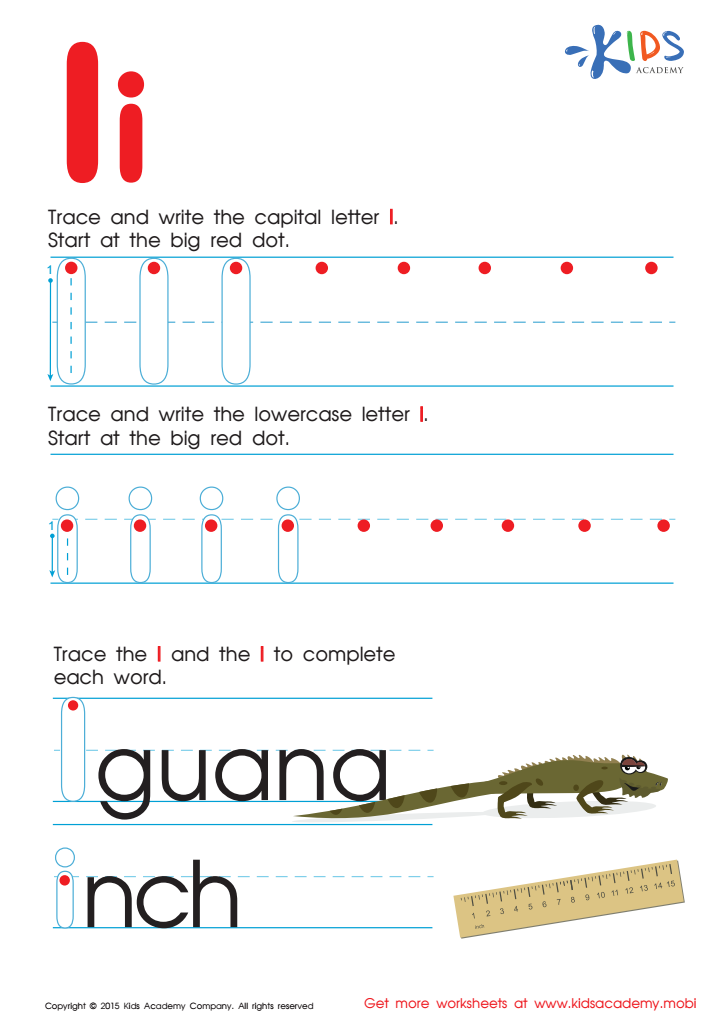
Letter I Tracing Page
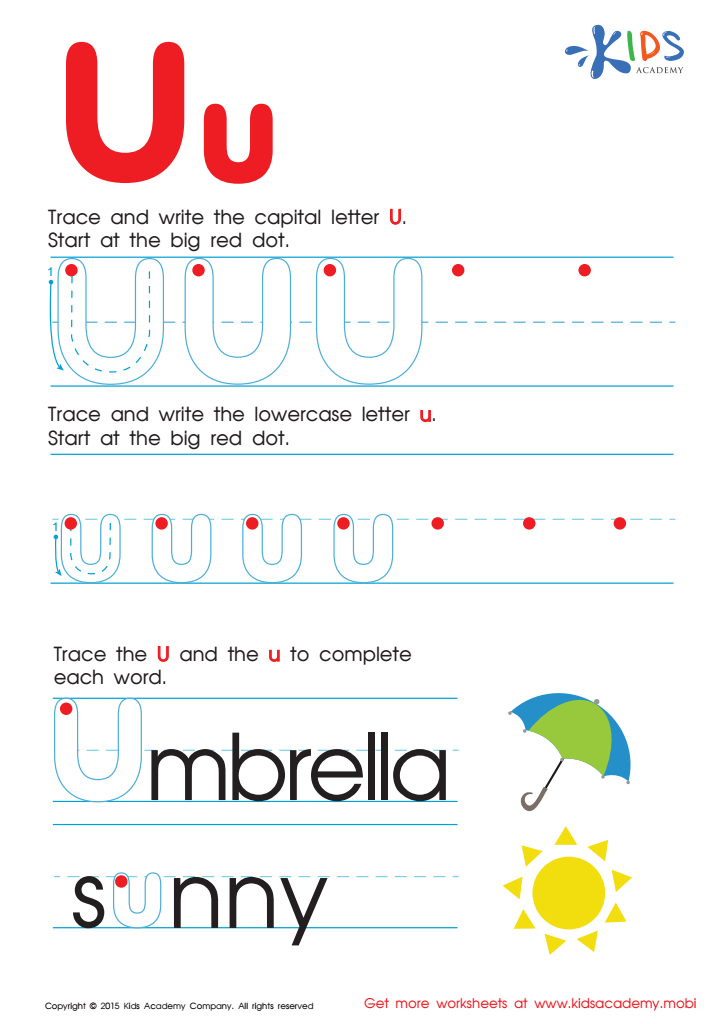
Letter U Tracing Page
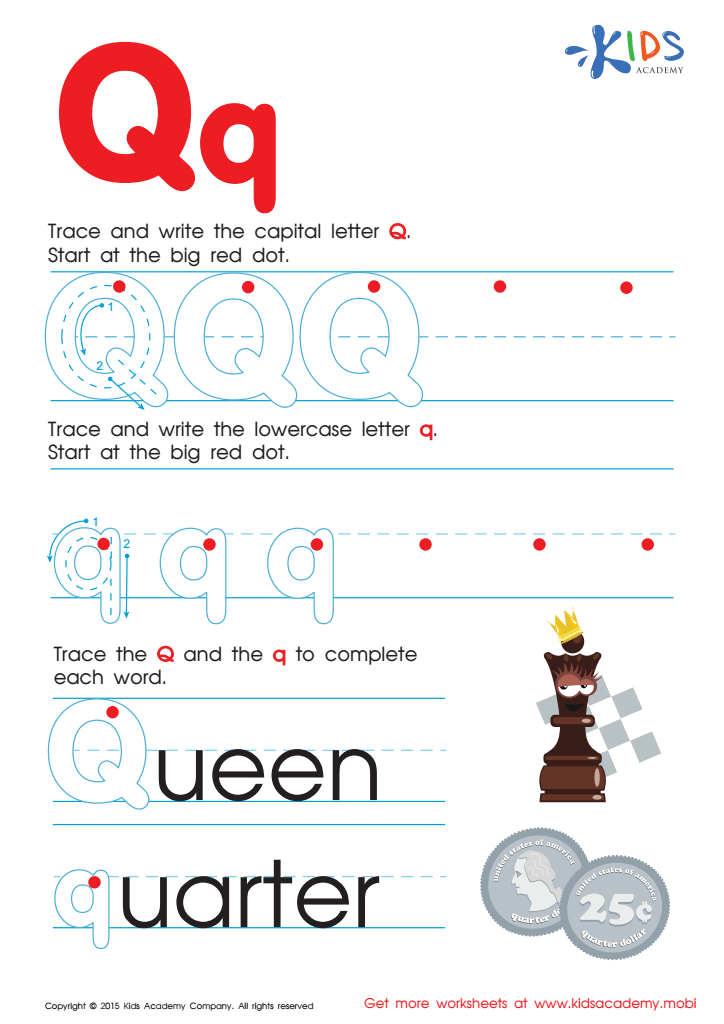
Letter Q Tracing Page
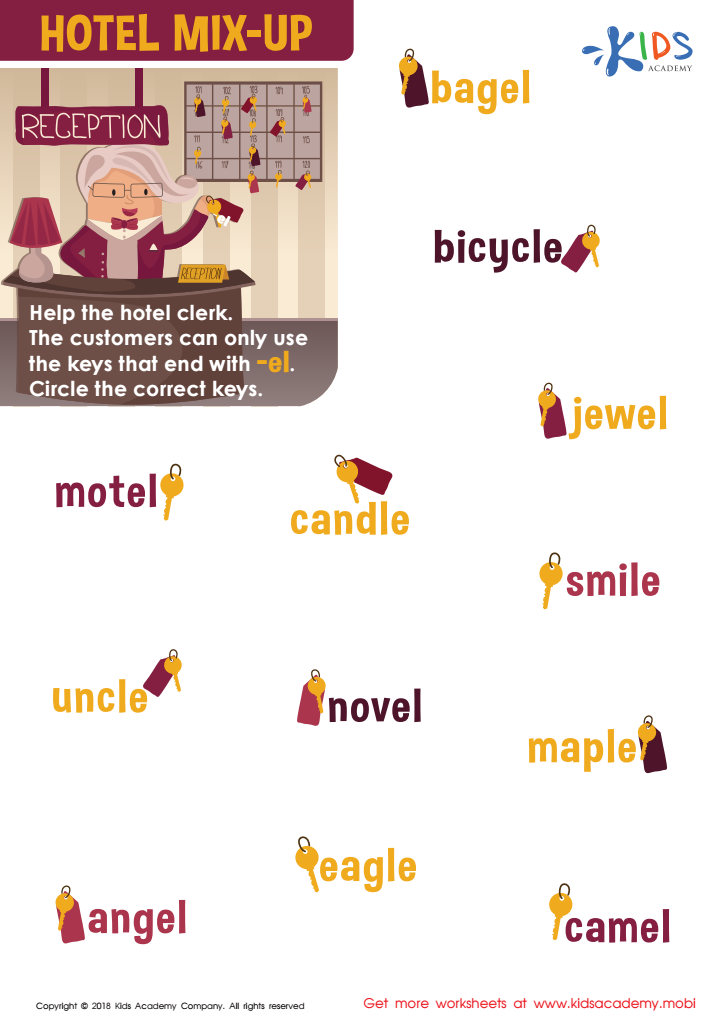
Hotel Mix-up Worksheet
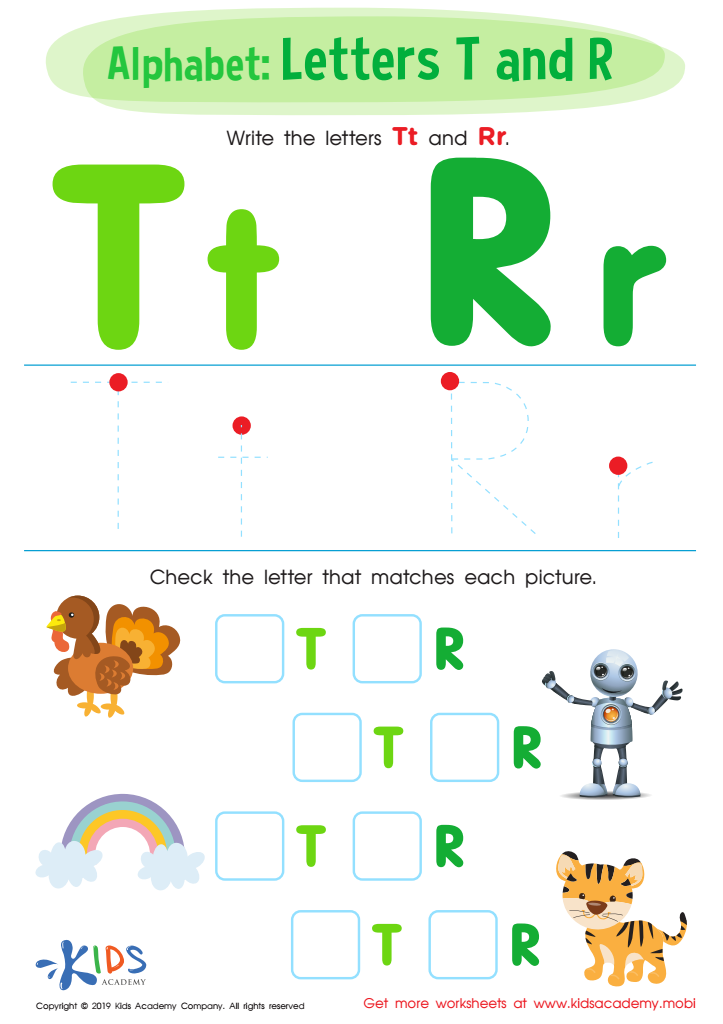
Letters T and R Worksheet
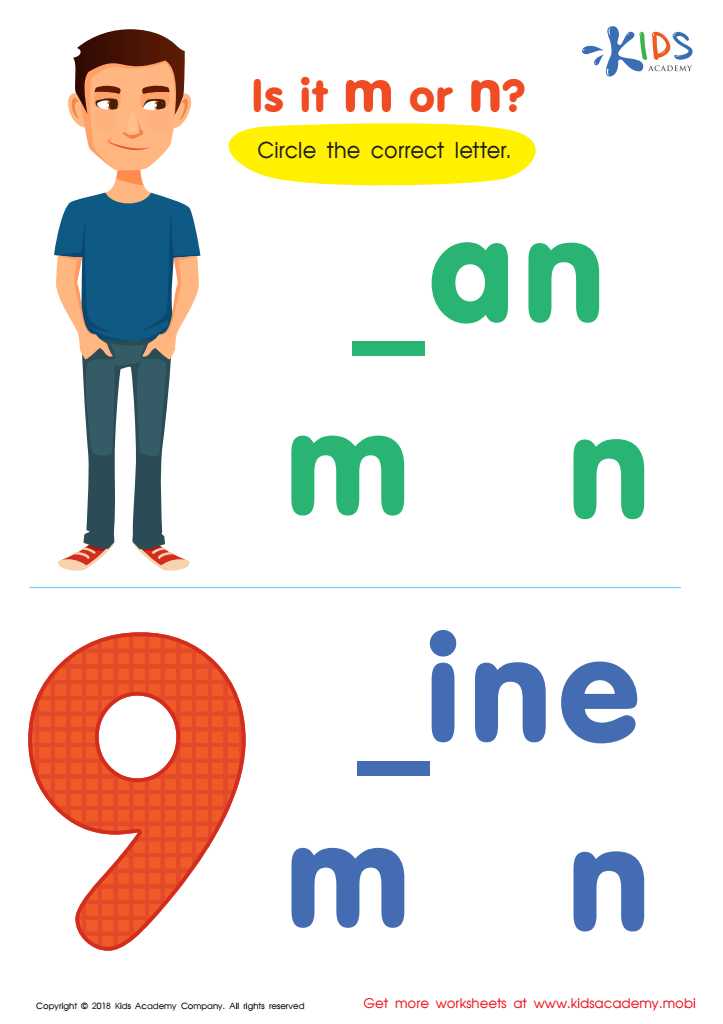
Is It m or n? Worksheet
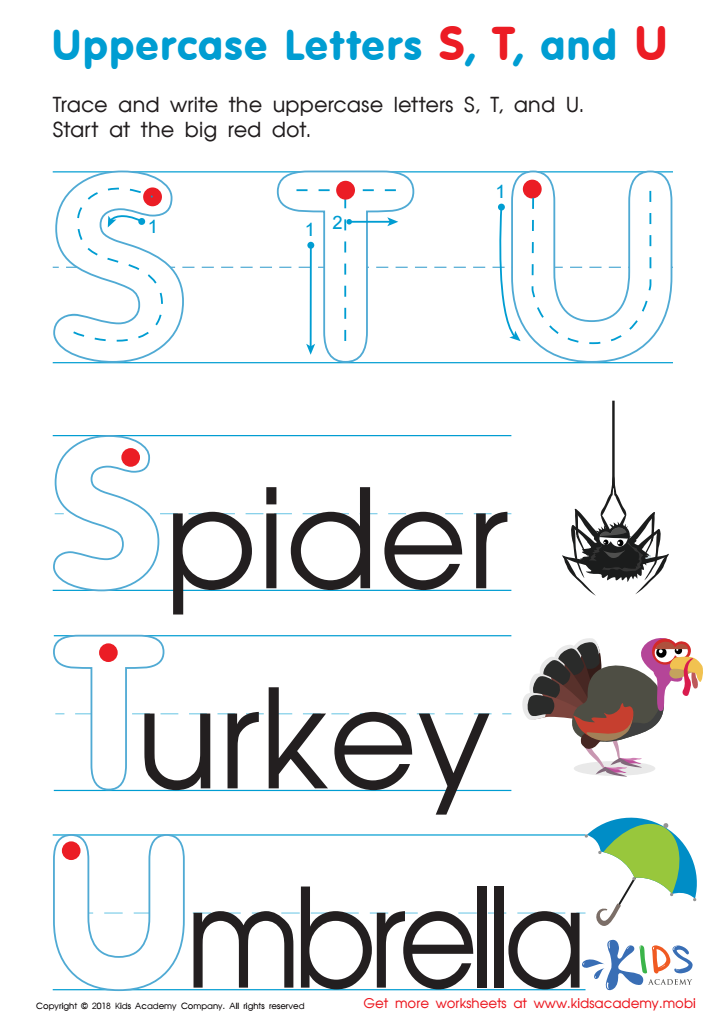
Uppercase Letters S, T, and U Worksheet
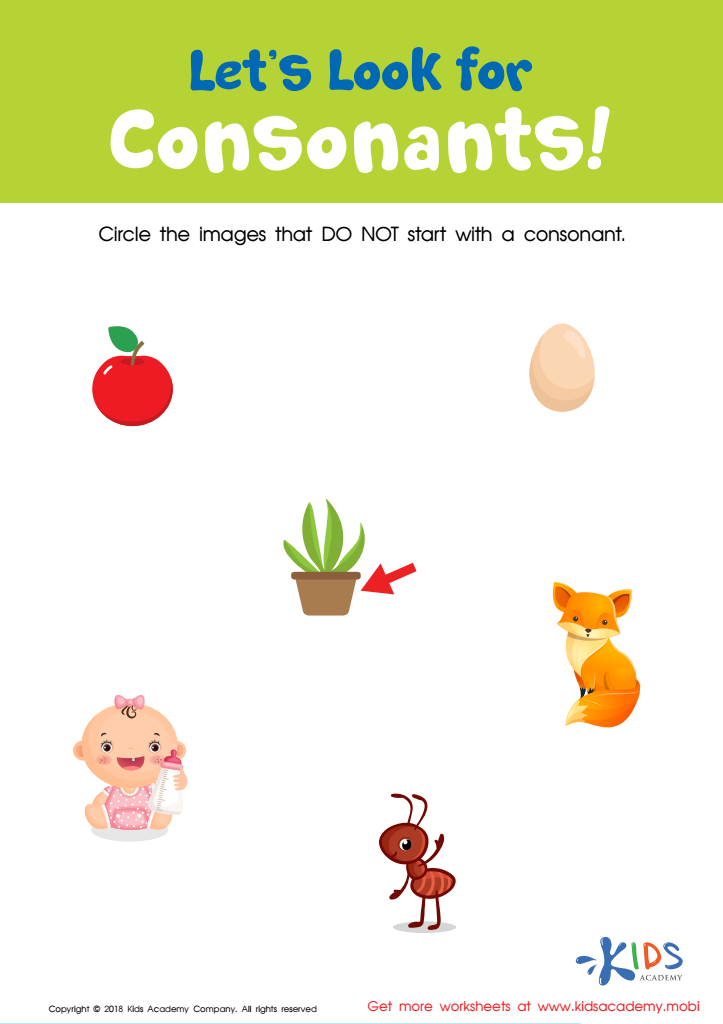
Let's Look for Consonants Worksheet
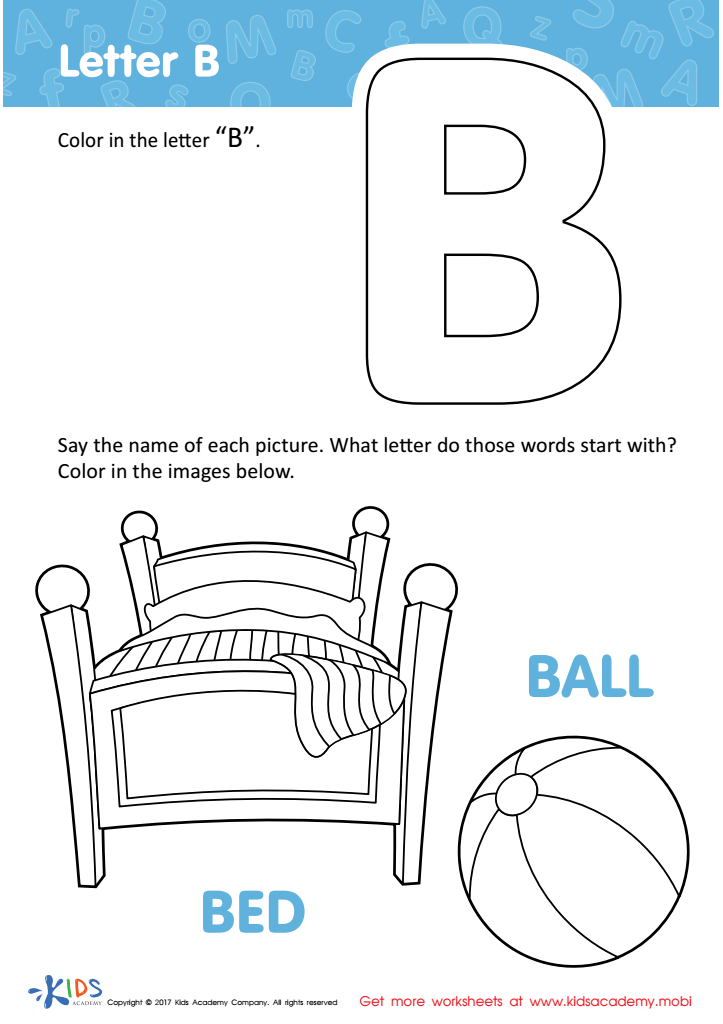
Letter B Coloring Sheet
Assign to My Students
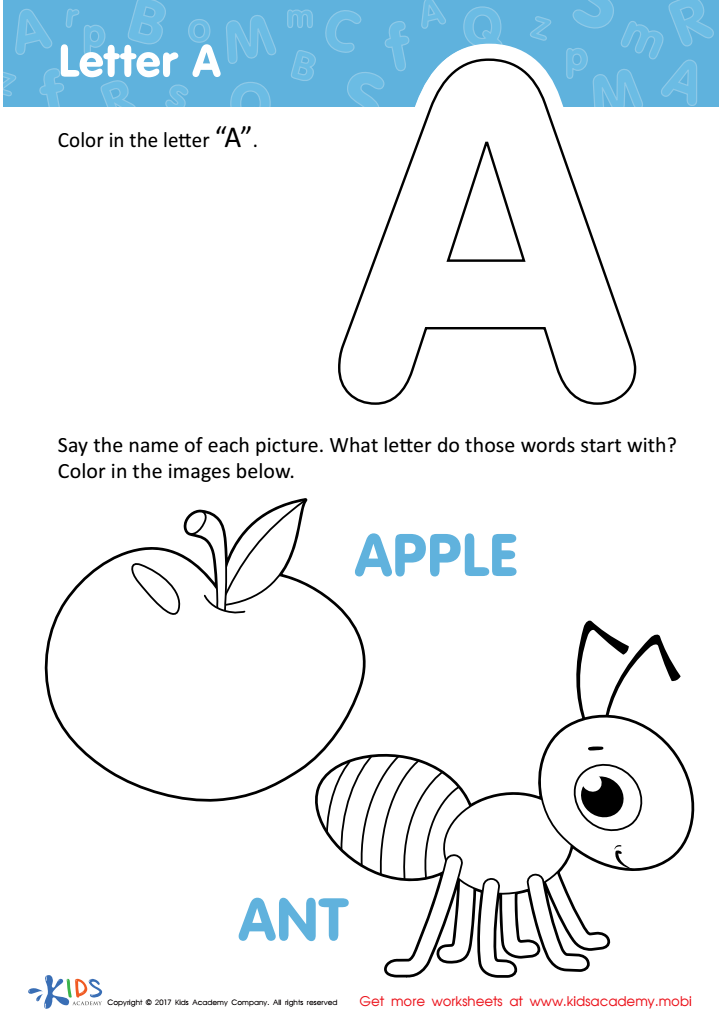
Letter A Coloring Sheet
Assign to My Students








Letter recognition is a foundational skill for young learners aged 3-8, playing a crucial role in early literacy development. First and foremost, recognizing letters helps children understand the alphabetic principle—the idea that letters represent sounds and can be combined to form words. This understanding is essential for reading and writing, skills that are fundamental to academic success.
Moreover, early letter recognition fosters confidence in young children as they begin to decode words independently. When they can identify letters and their corresponding sounds, they become more enthusiastic readers, often leading to a lifelong love for books. Children who grasp letter recognition also tend to perform better in later educational settings, making it a significant predictor of future literacy skills.
Additionally, engaging parents or teachers in letter recognition activities can enhance a child's learning experience. It creates opportunities for bonding as caregivers explore letters through games, stories, and interactive activities. Encouraging a supportive environment allows children to develop linguistic skills in a fun, engaging manner. Ultimately, promoting letter recognition is an impactful step toward ensuring every child has the tools they need for effective communication, critical thinking, and academic achievement in their formative years.







