Cognitive Development Phonics Worksheets for Ages 3-8
13 filtered results
-
From - To
Discover the perfect tool for enhancing your child's cognitive development with our engaging Phonics Worksheets for ages 3-8. These expertly crafted worksheets bolster essential skills such as letter recognition, sound association, and basic reading abilities. Catered to varied learning paces, they pave the way for a confident reading journey. Interactive and fun, the activities encourage young learners to explore the alphabet and phonics with joy. Perfect for parents and educators seeking to support early literacy, our worksheets make learning an enjoyable adventure. Visit Kids Academy and watch your child’s cognitive skills flourish through playful, educational practice.
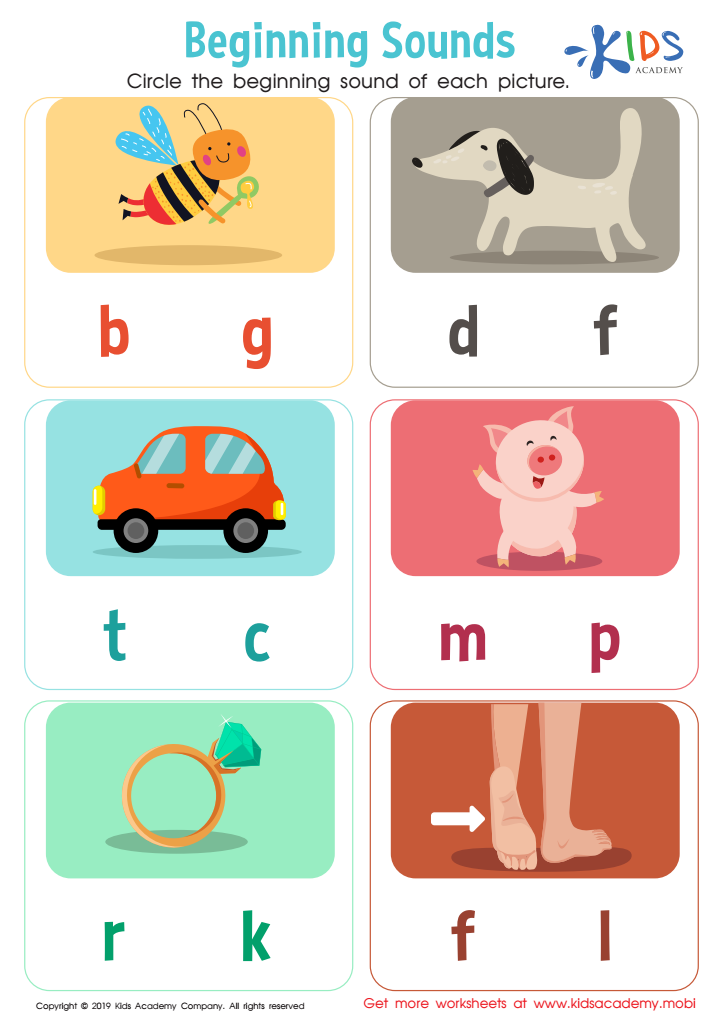
Beginning Sounds Worksheet
 Assign to My Students
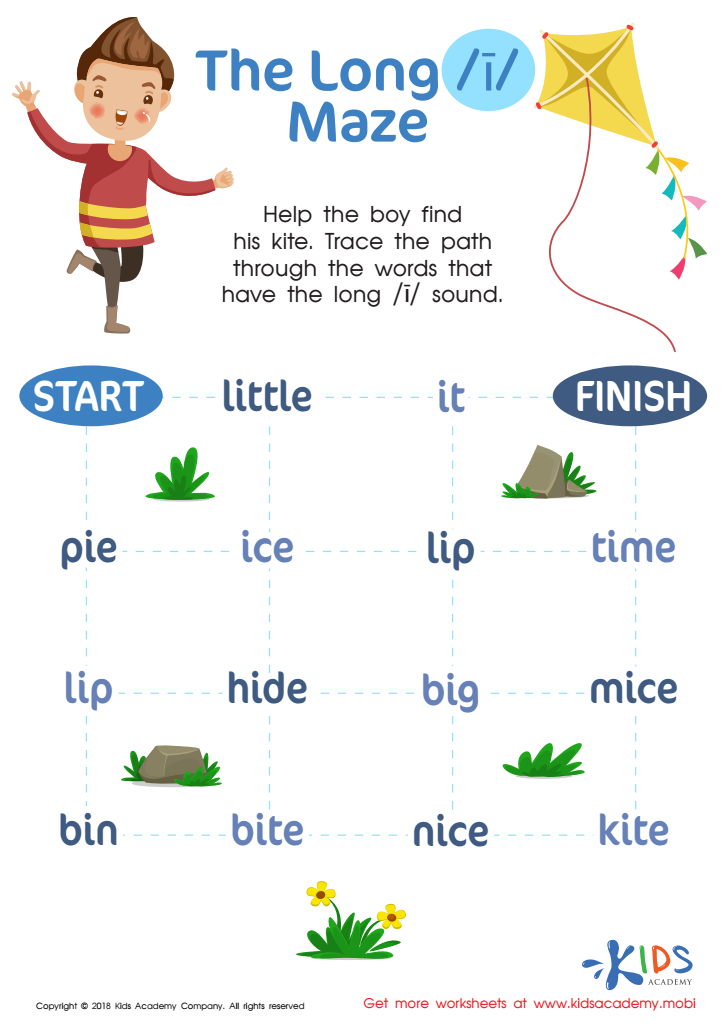
The Long I Maze Reading Worksheet
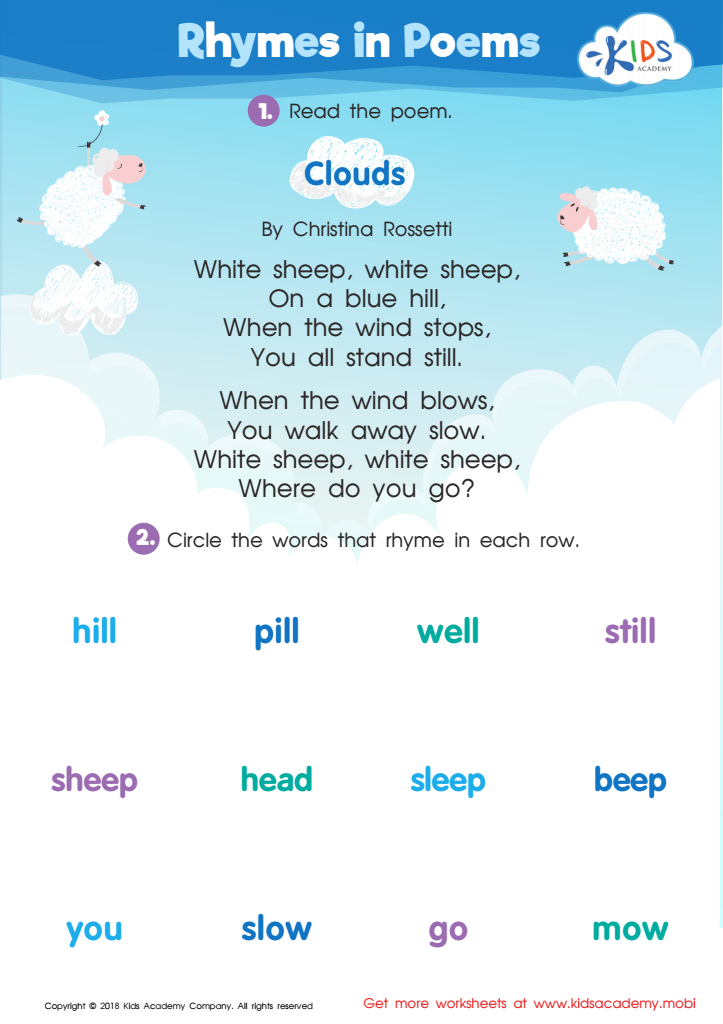
Rhymes in Poems Worksheet
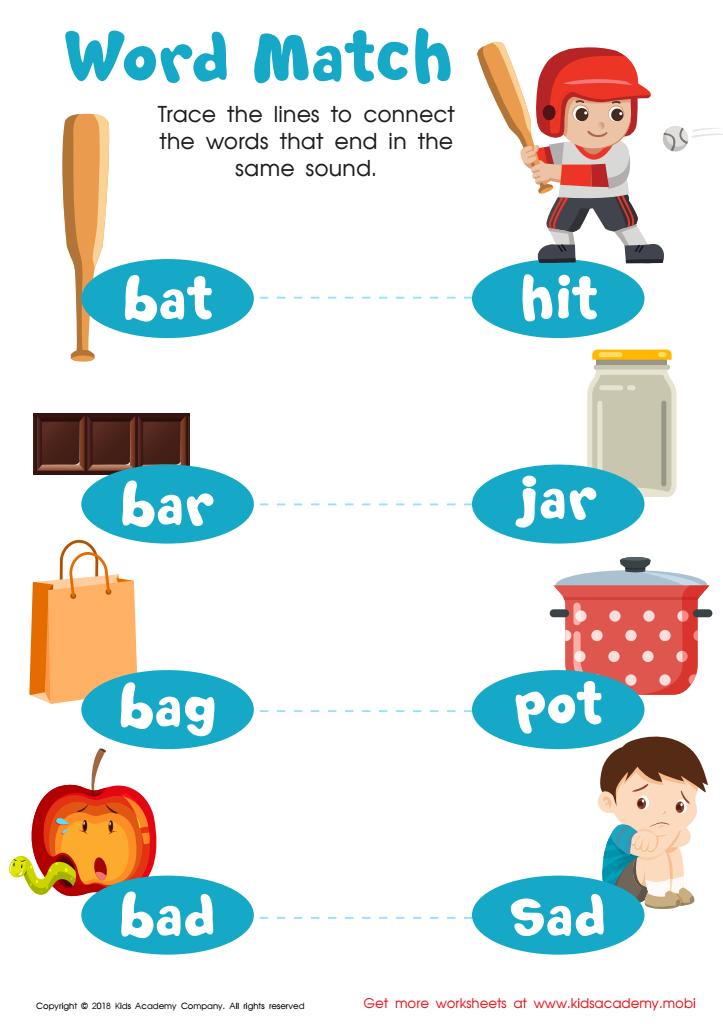
Word Match Reading Worksheet
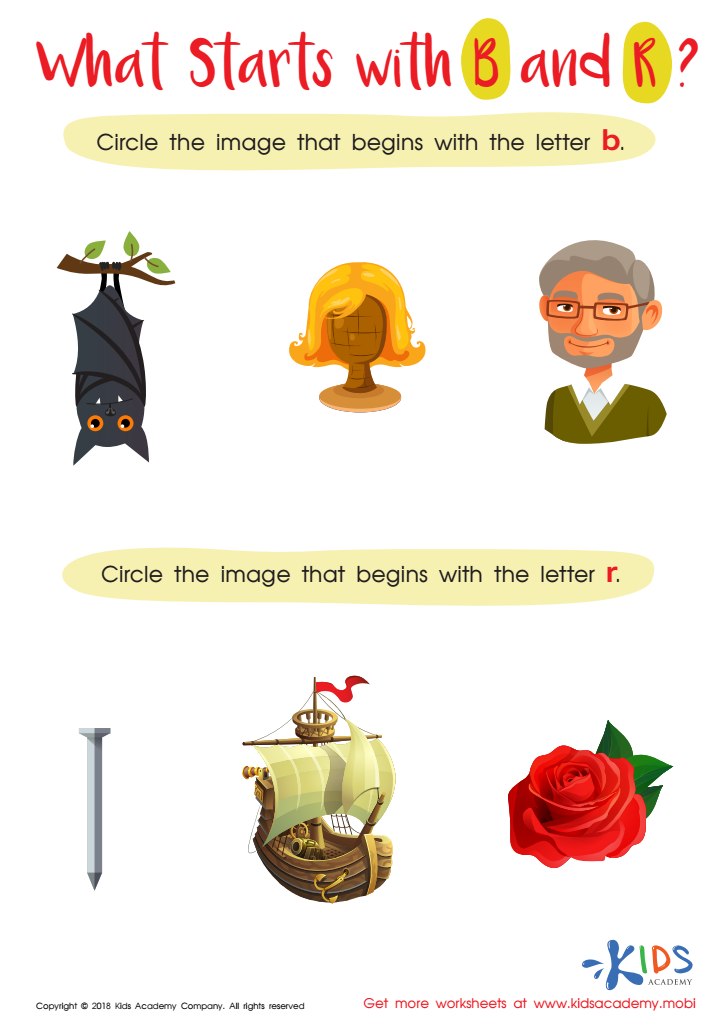
What Starts with B and R? Worksheet
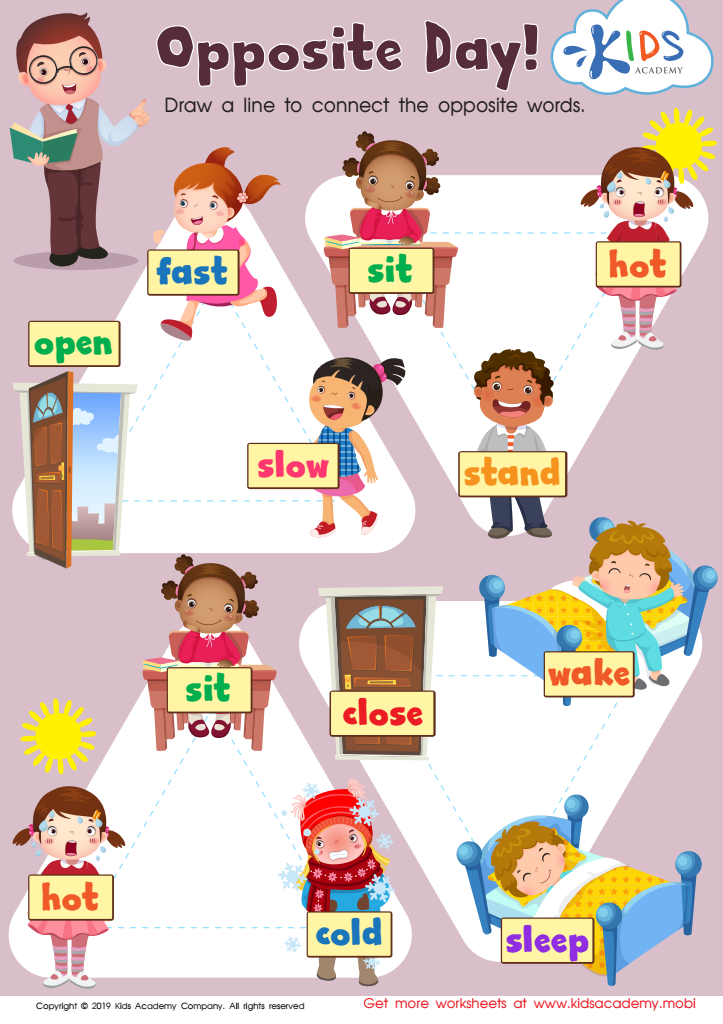
Opposite Day Worksheet
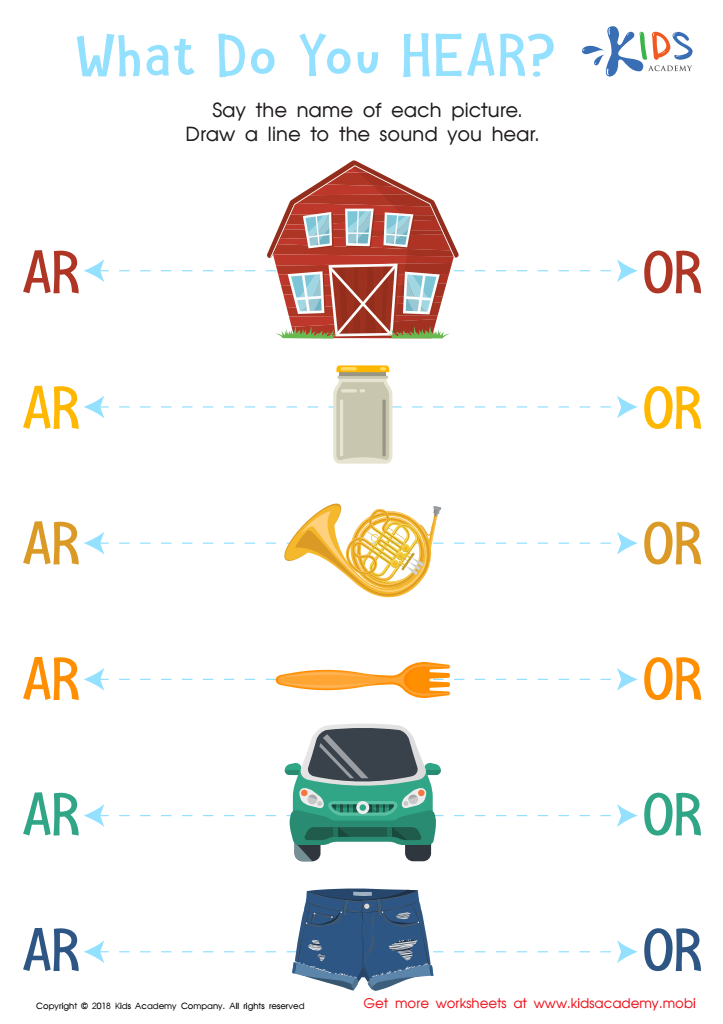
What do you hear Worksheet
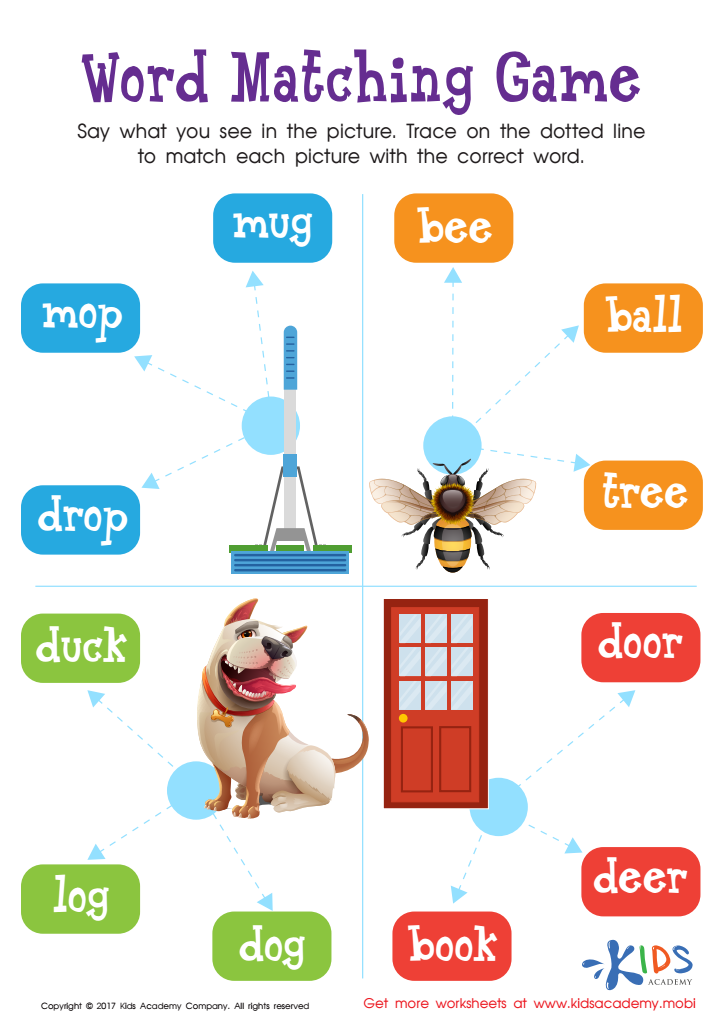
Word Matching Game Worksheet
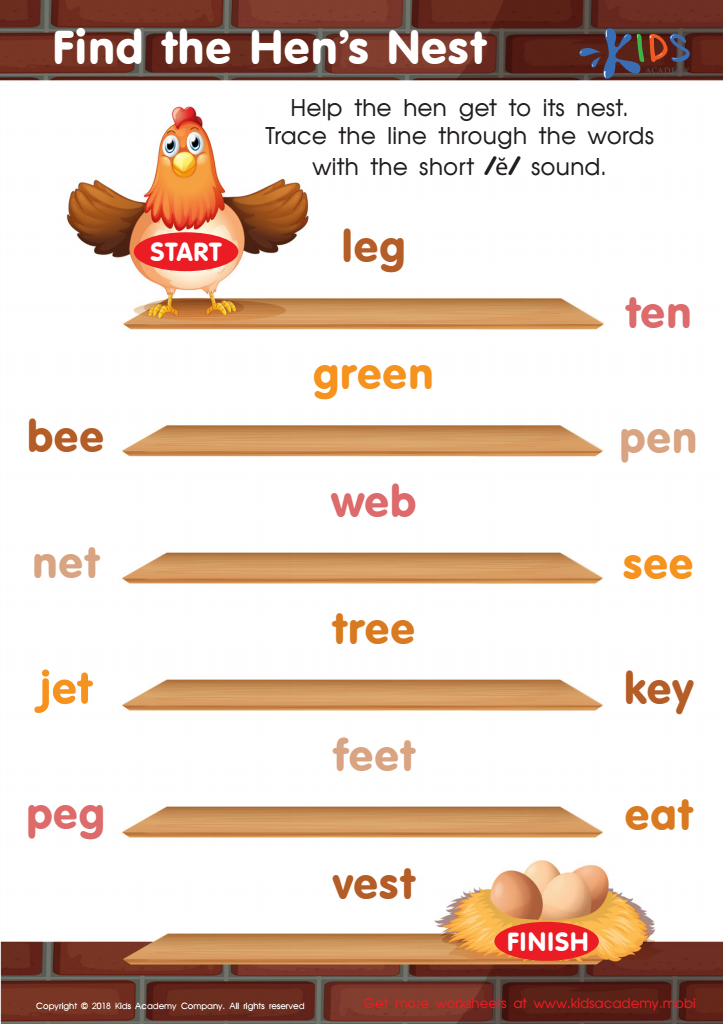
Find Hens Nest Reading Worksheet
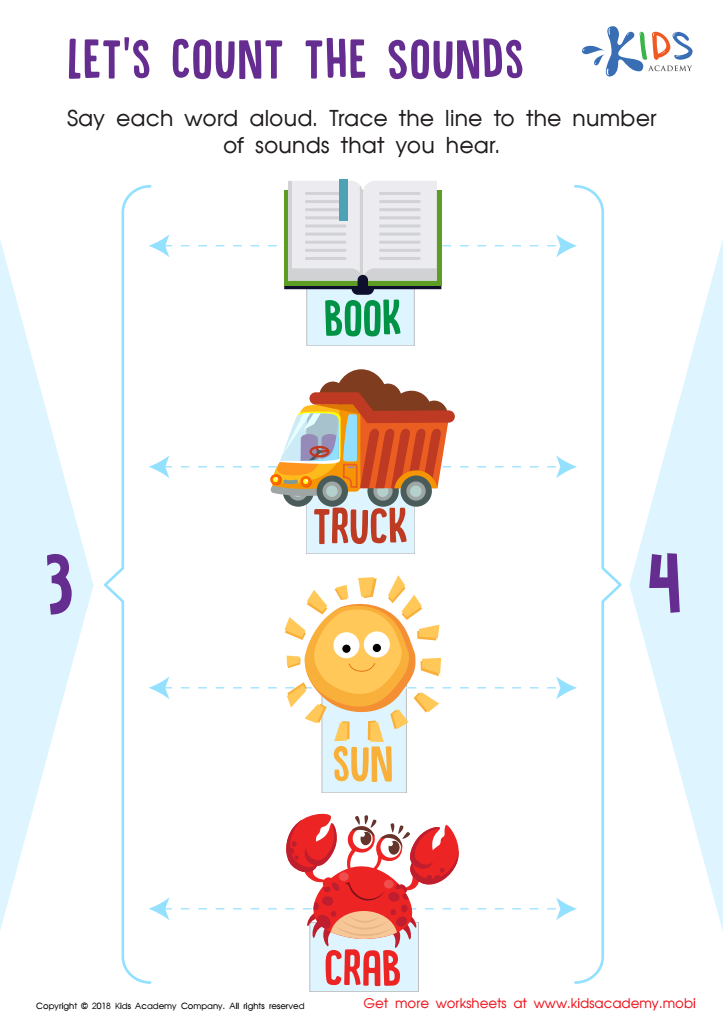
Let's Count the Sounds Worksheet
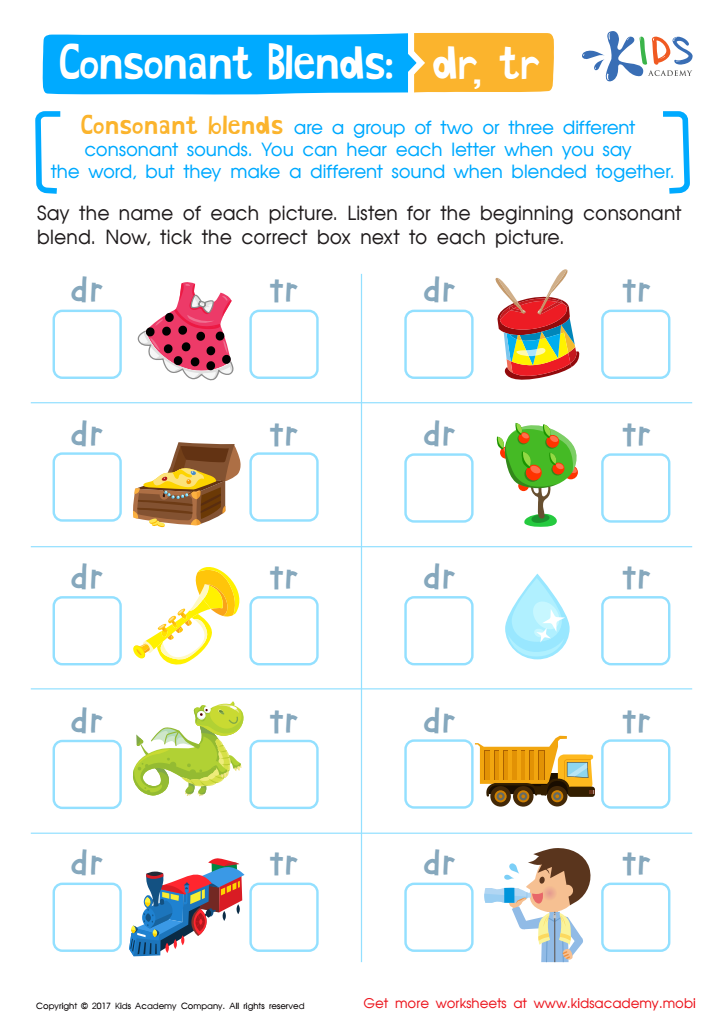
Consonant Blends: "Dr" and "Tr" Printable
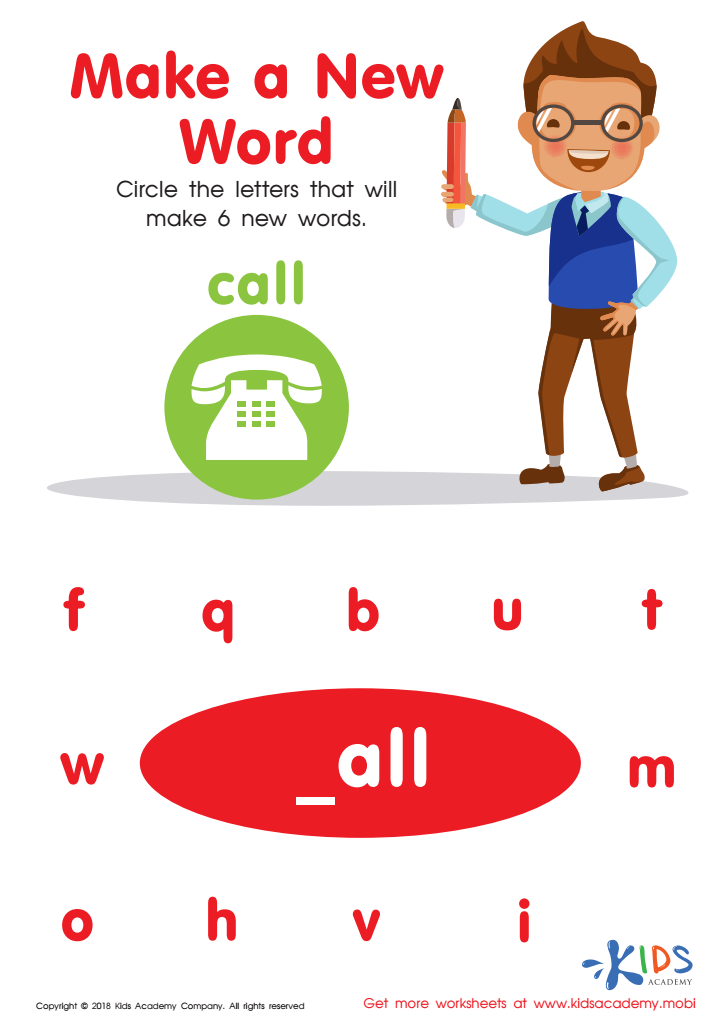
Make a New Word Worksheet
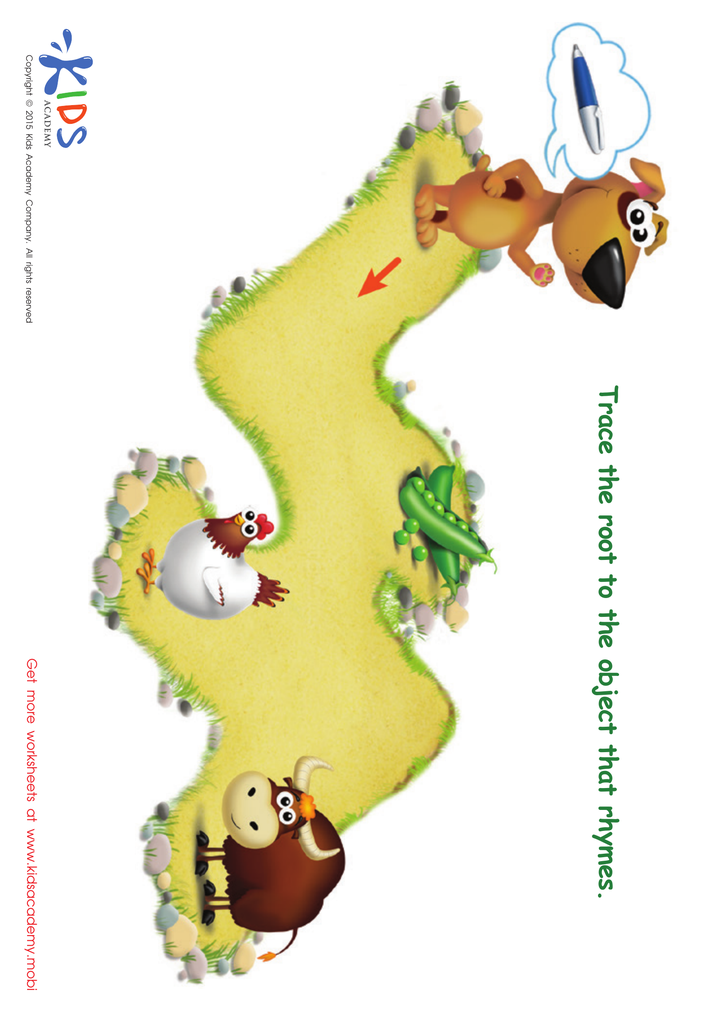
Pen Rhyming Words Worksheet








Cognitive development and phonics are crucial for children aged 3-8 because they lay the groundwork for lifelong learning and literacy. At this early stage, a child's brain is exceptionally receptive to acquiring language and foundational skills. Understanding phonics—the relationship between sounds and their written symbols—plays a fundamental role in decoding words, which is essential for reading fluency and comprehension.
During ages 3-8, children's cognitive abilities rapidly evolve, enabling them to process complex information. Introducing phonics supports this cognitive growth by stimulating critical thinking, memory, and problem-solving. It enhances their ability to recognize patterns, improving not just reading, but also spelling and vocabulary.
Furthermore, phonics instruction promotes independence and confidence. As children become proficient readers, they're more likely to engage in self-guided learning, fostering curiosity and a love for knowledge. This foundation is critical for academic success across all subjects.
For parents and teachers, prioritizing phonics in early education ensures that children do not fall behind, as reading difficulties can hinder overall academic performance. Investing in cognitive development through phonics benefits individual children and strengthens the broader community, contributing to higher literacy rates and better educational outcomes as they grow.
Overall, cognitive development through phonics provides young learners with essential tools, supporting both immediate learning needs and long-term educational and personal growth.







