Vocabulary expansion Phonics Worksheets for Ages 3-8
58 filtered results
-
From - To
Boost your child's language development with our Vocabulary Expansion Phonics Worksheets for ages 3-8 from Kids Academy! Designed to enhance early reading skills, these fun and engaging printable worksheets help young learners build a strong foundation in phonics while expanding their vocabulary. Our expertly crafted activities focus on letter recognition, word formation, and pronunciation, ensuring kids develop critical language skills through hands-on practice. With a variety of colorful and interactive exercises, children will stay motivated and excited to learn. Empower your child’s journey towards literacy with Kids Academy's comprehensive phonics resources today! Perfect for home or classroom use.
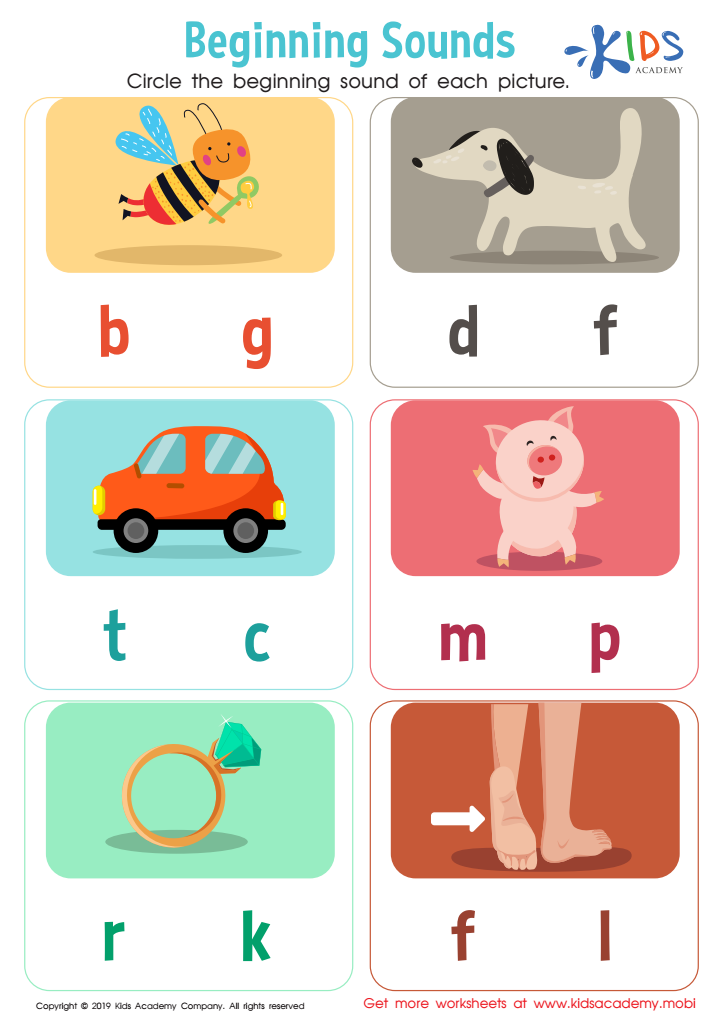
Beginning Sounds Worksheet
 Assign to My Students
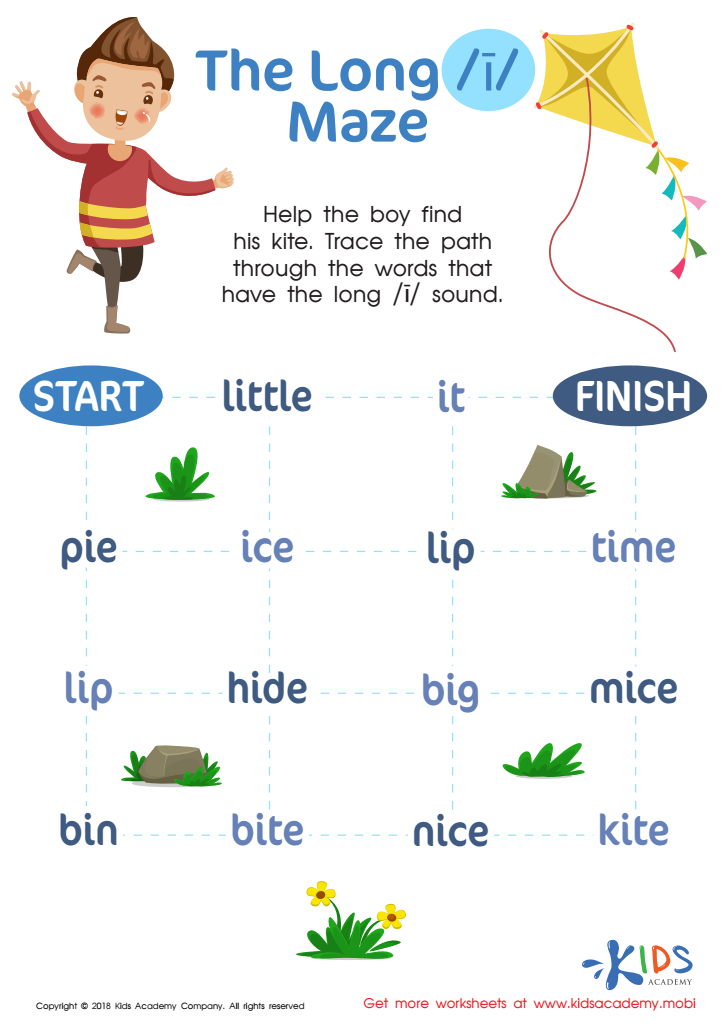
The Long I Maze Reading Worksheet
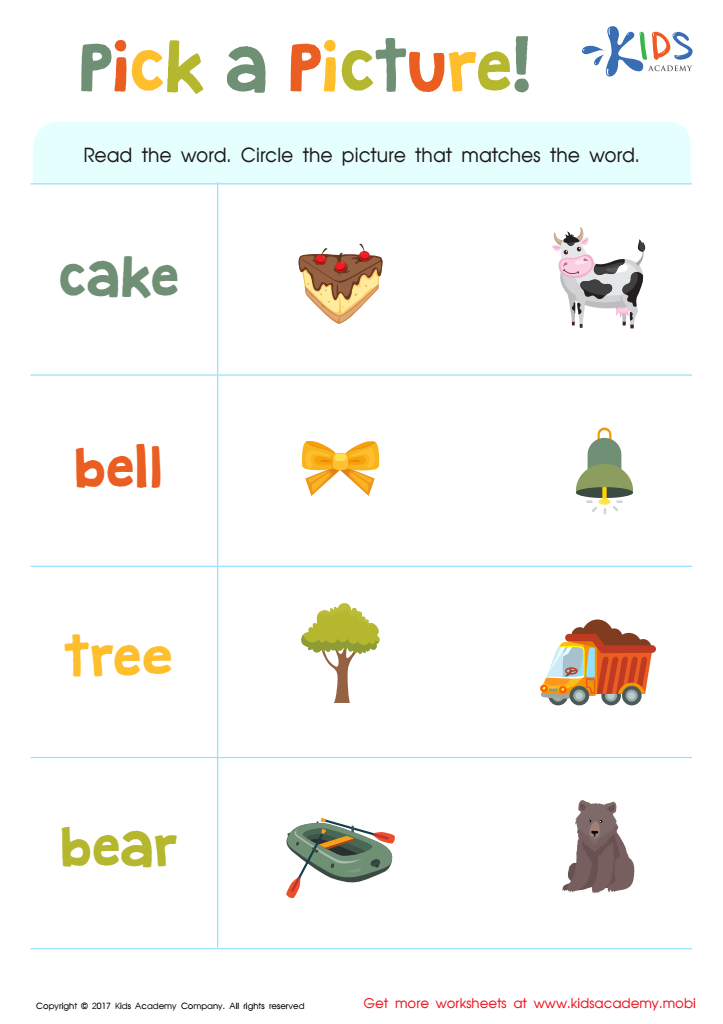
Pick a Picture Word Recognition Worksheet
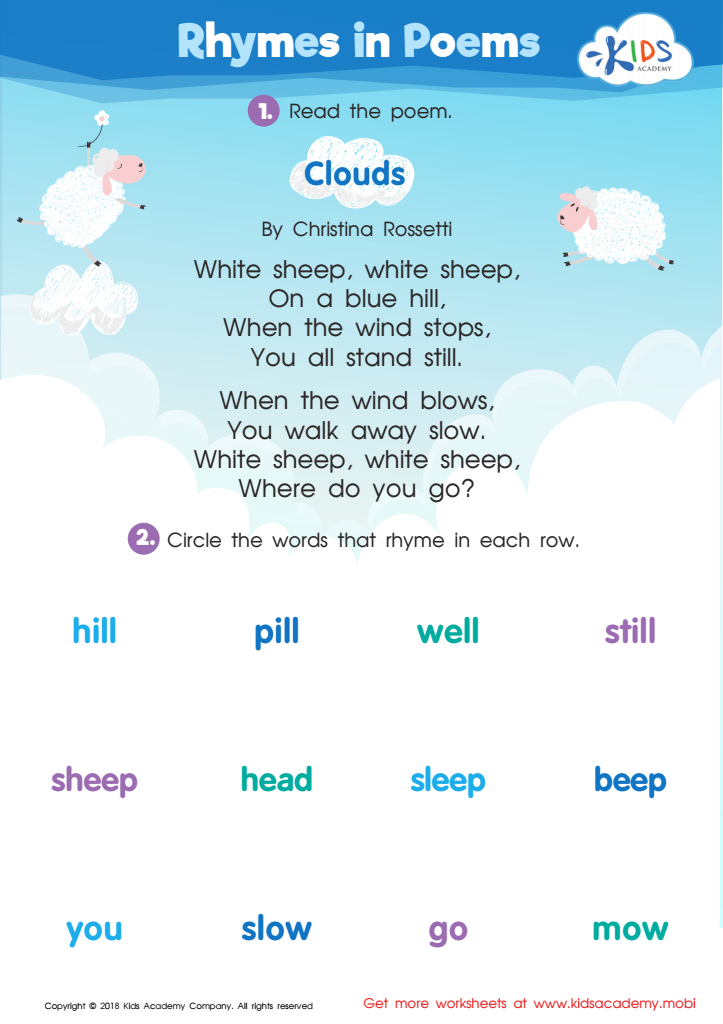
Rhymes in Poems Worksheet
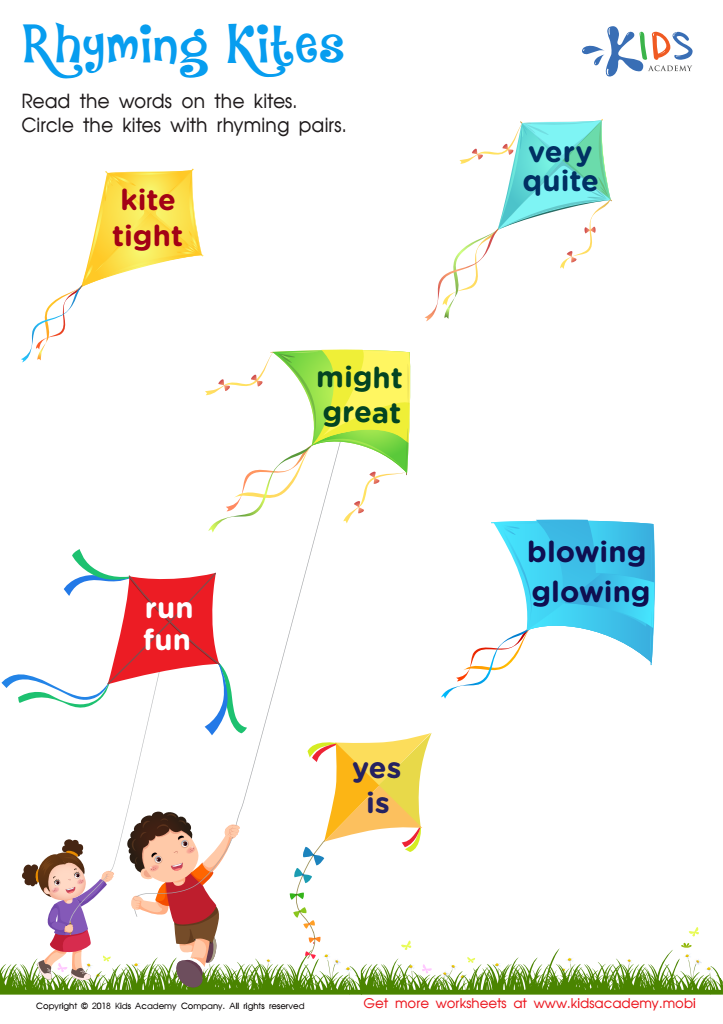
Rhyming Kites Worksheet
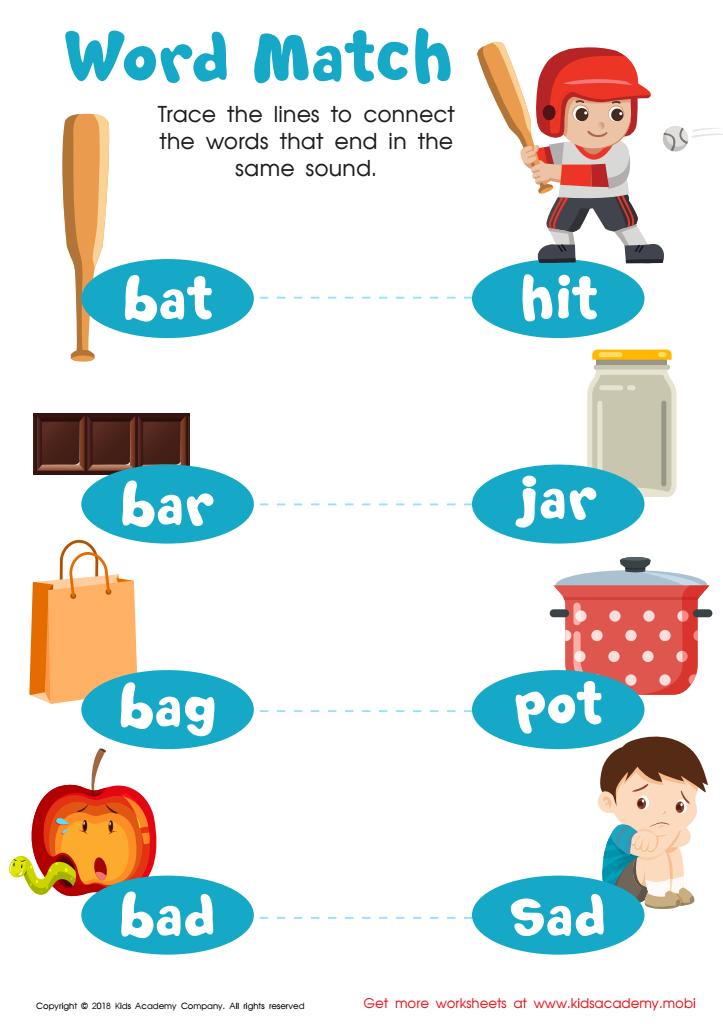
Word Match Reading Worksheet
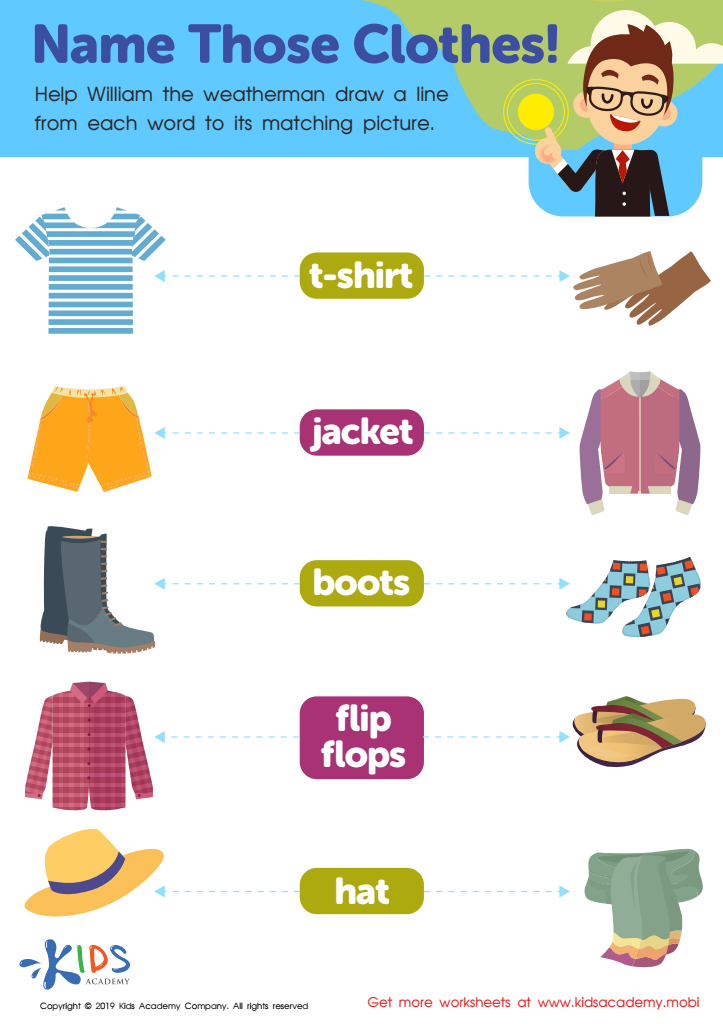
Name Those Clothes Worksheet
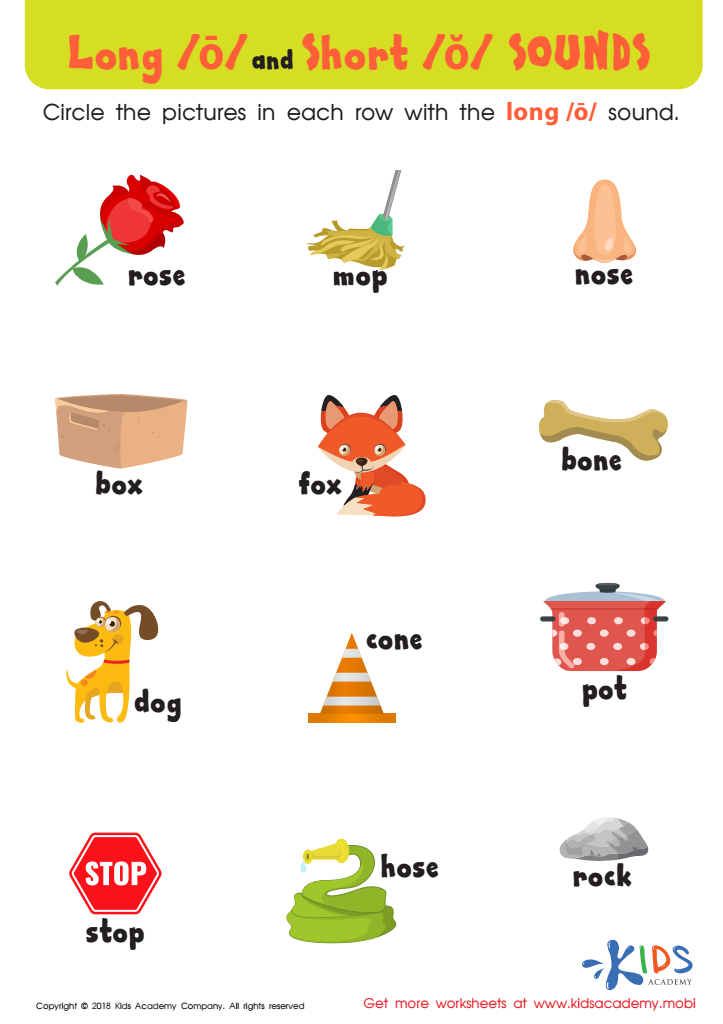
Reading: Long O and Short O Sounds Worksheet
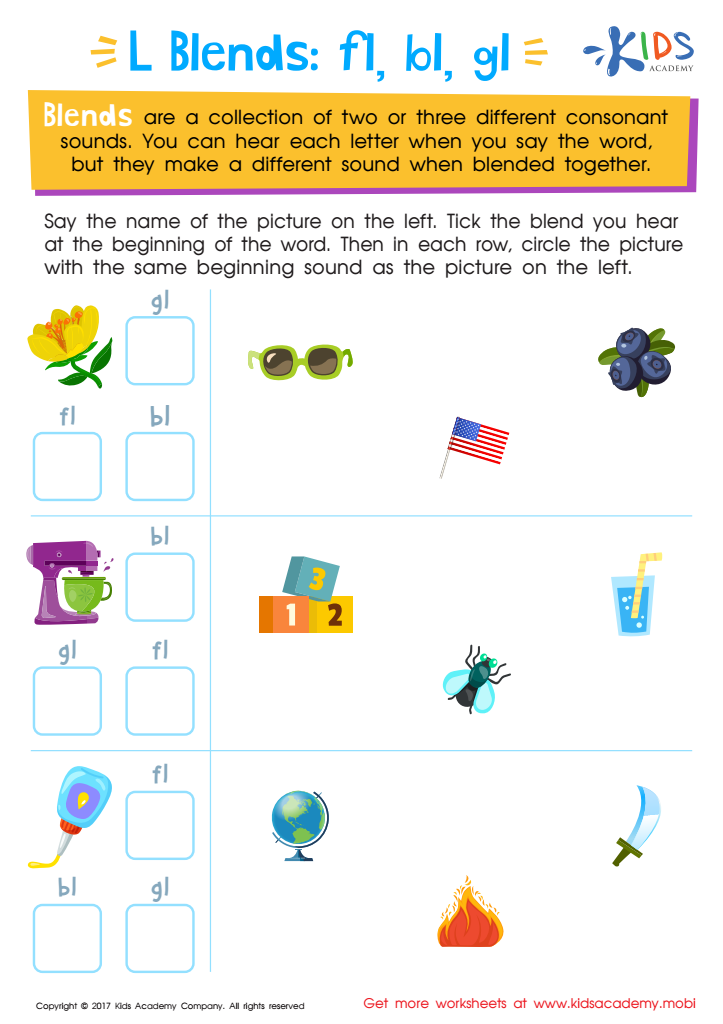
Blending Consonants: "Fl", "Bl" and "Gl" Printable
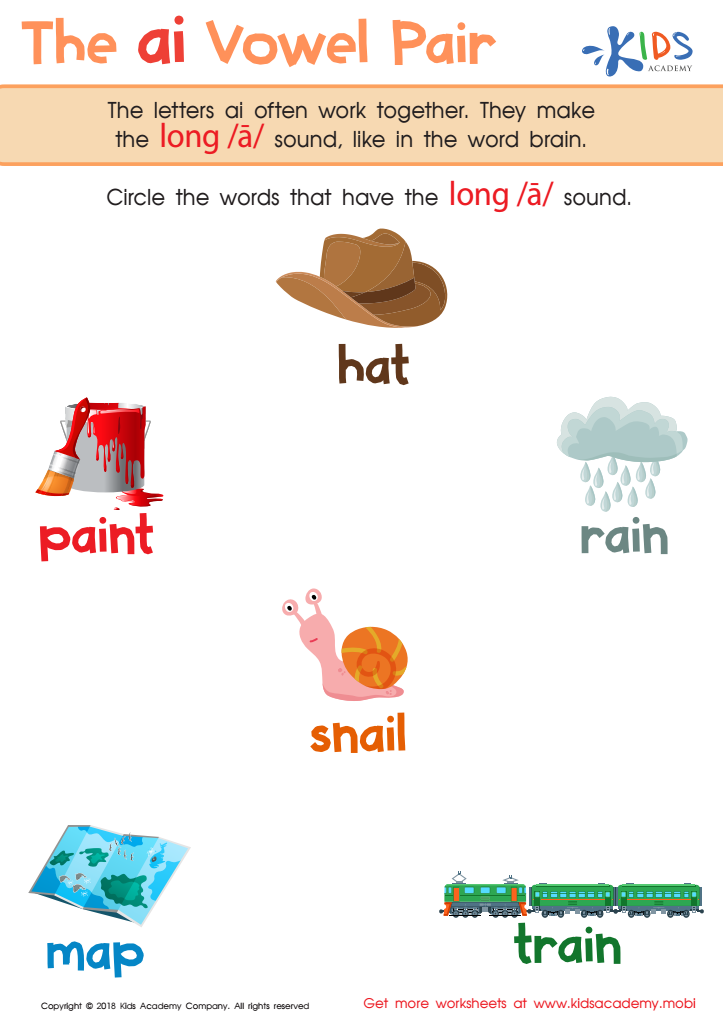
The AI Vowel Pair Worksheet
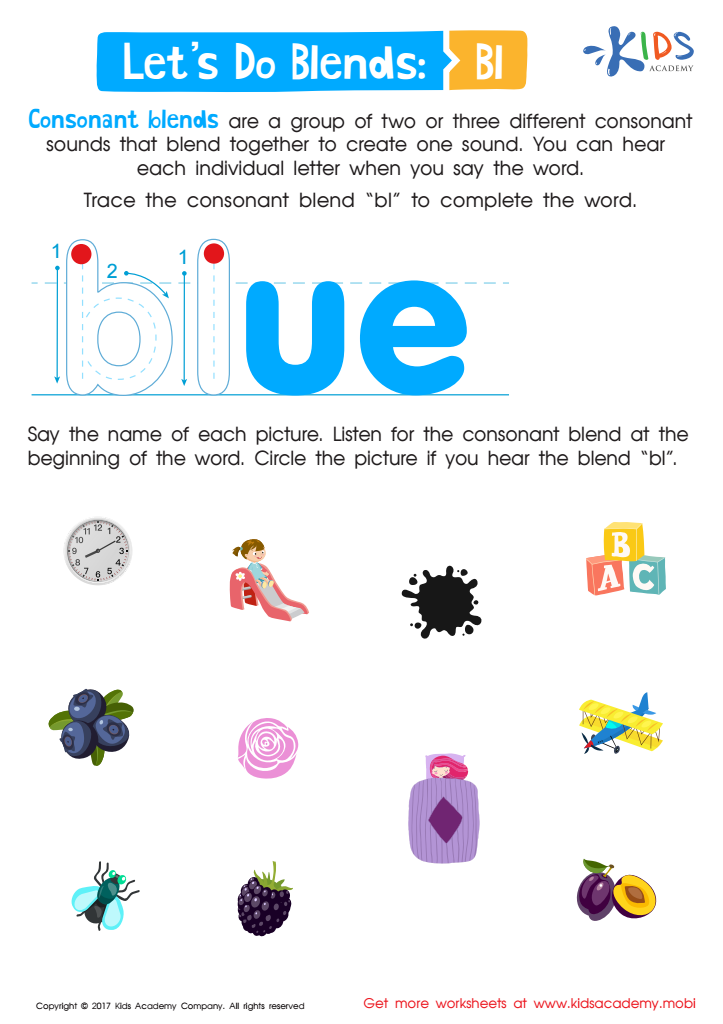
Beginning Blends: "Bl" Words Worksheet
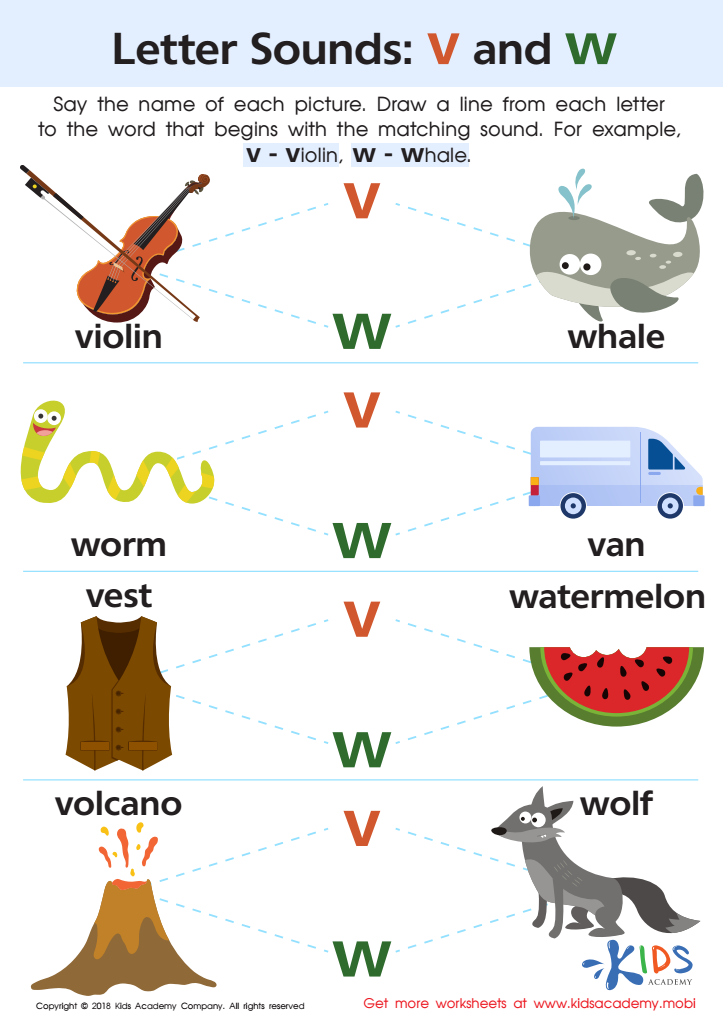
Letter V and W Sounds Worksheet
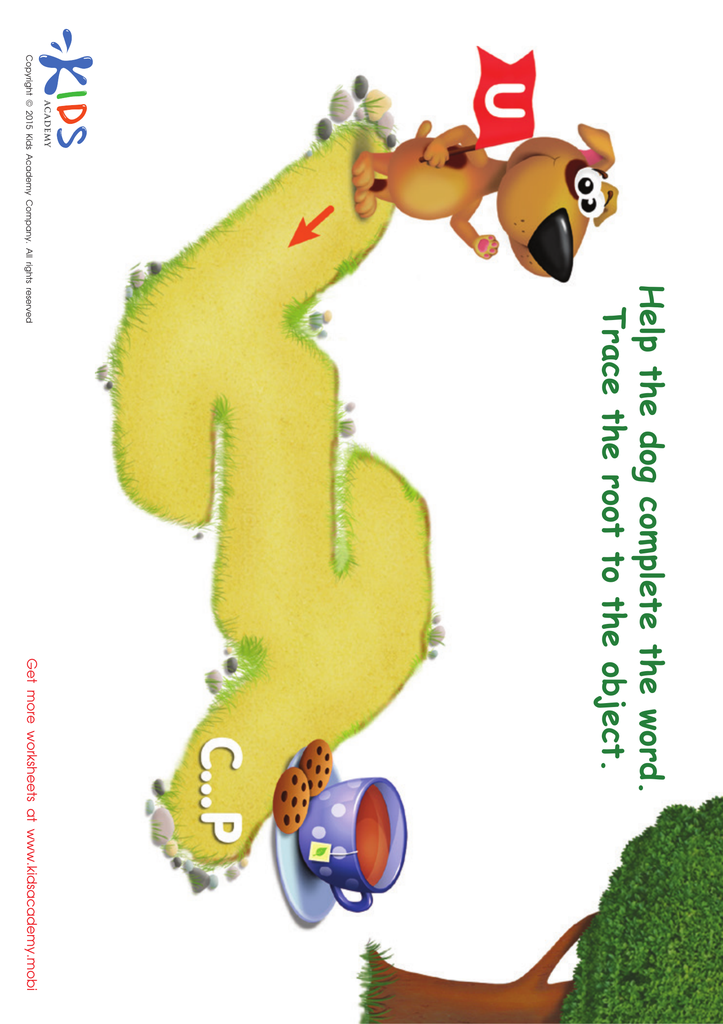
Short Vowel Sound U Worksheet Worksheet
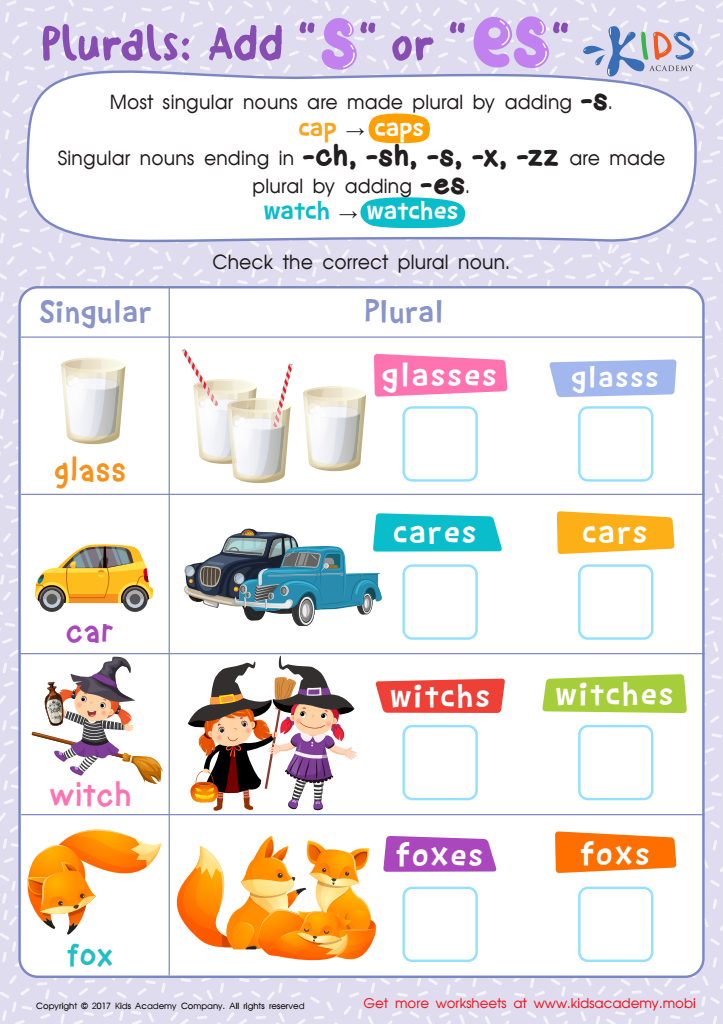
Plurals: "–es" or "–es"? Worksheet
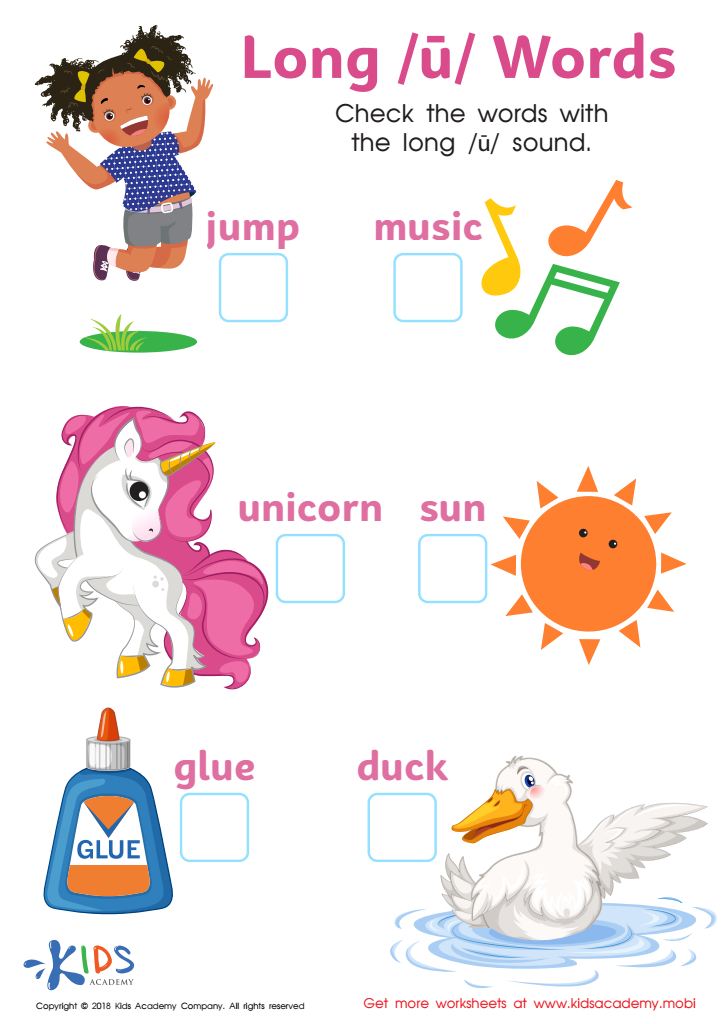
Long U Words Reading Worksheet
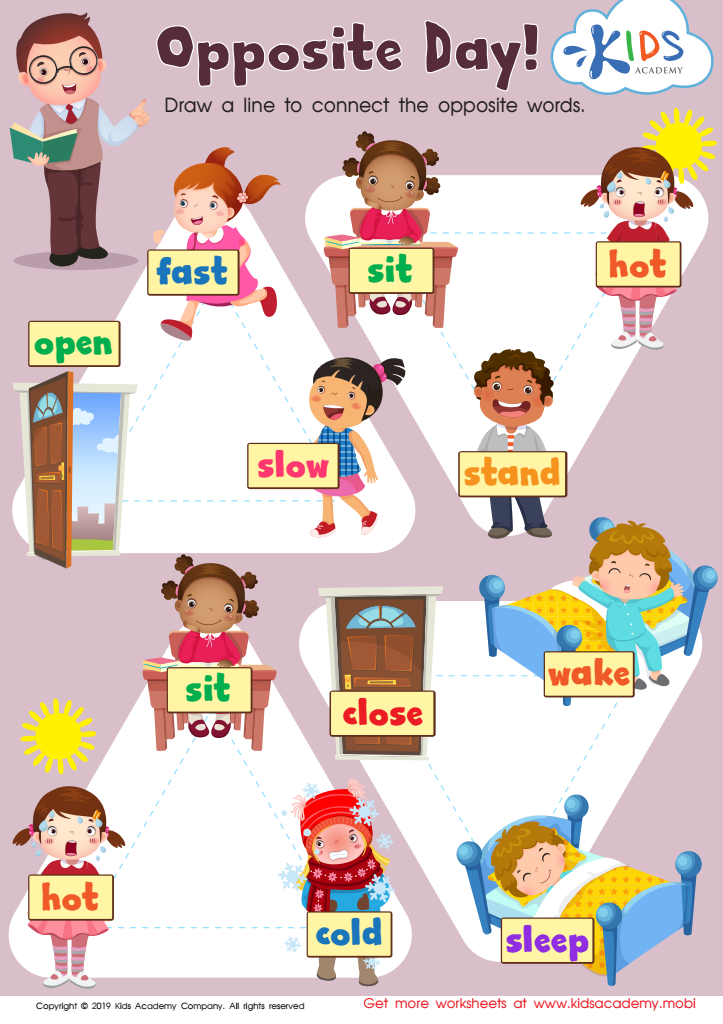
Opposite Day Worksheet
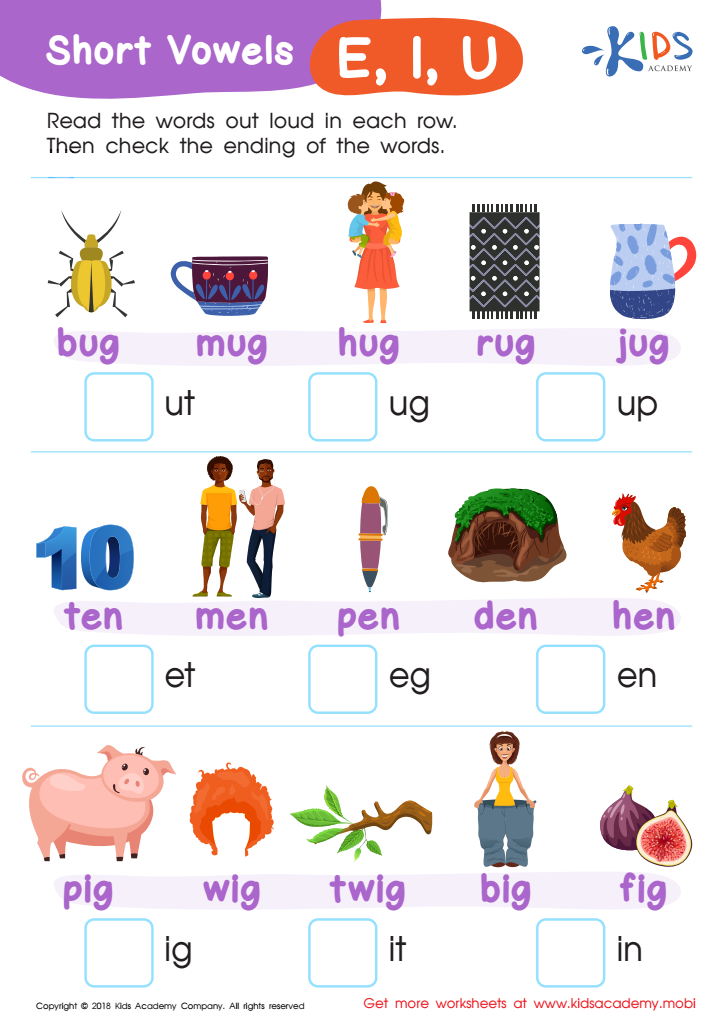
Short Vowels /e/, /i/, and /u/ Worksheet
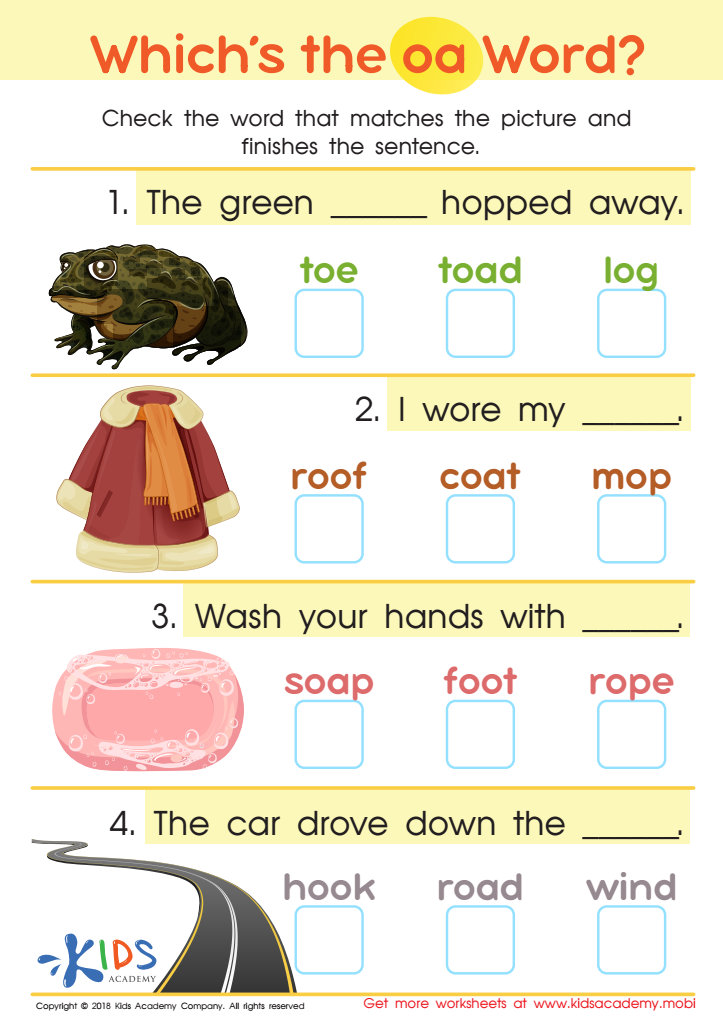
Which's the OA Word? Worksheet
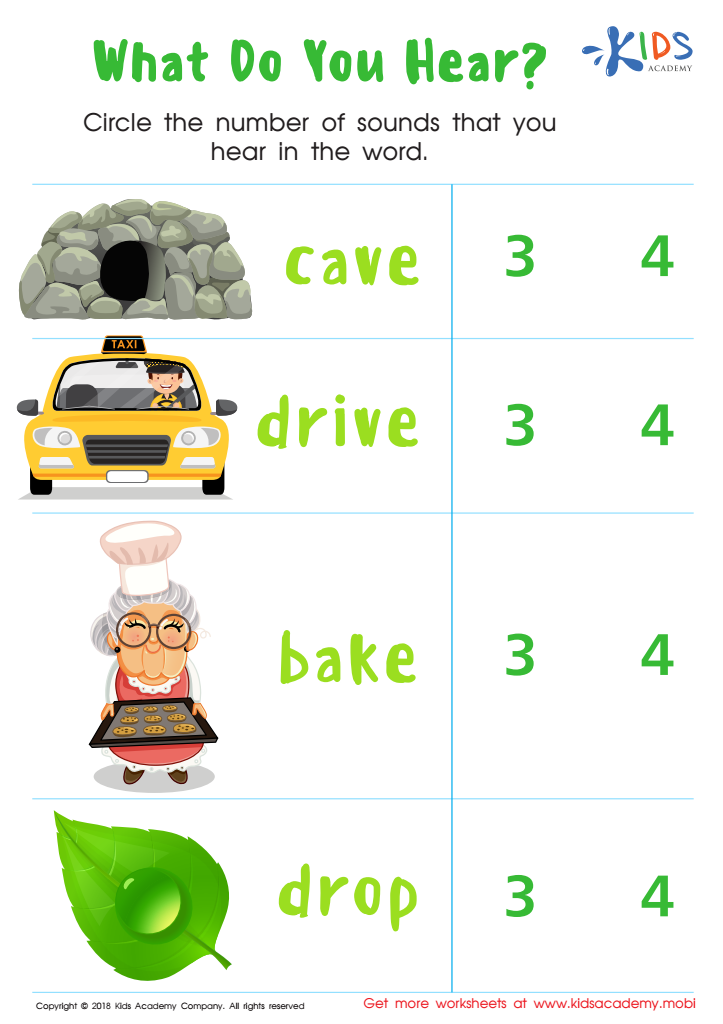
What Do You Hear? Worksheet
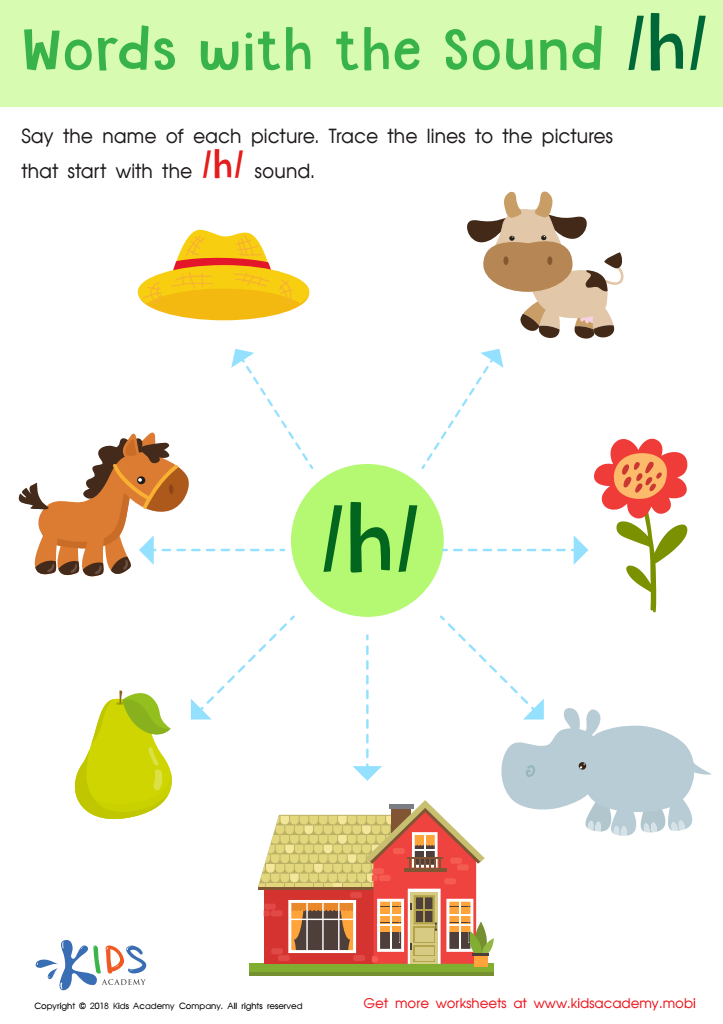
Words with sound h Reading Worksheet
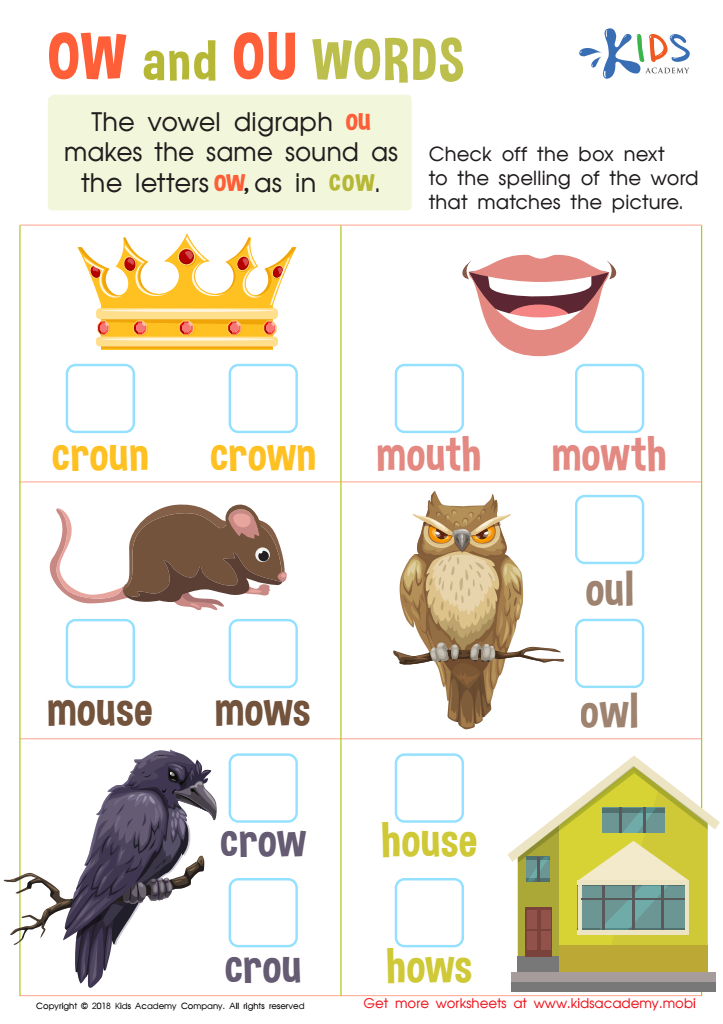
Reading: OW and OU Words Worksheet
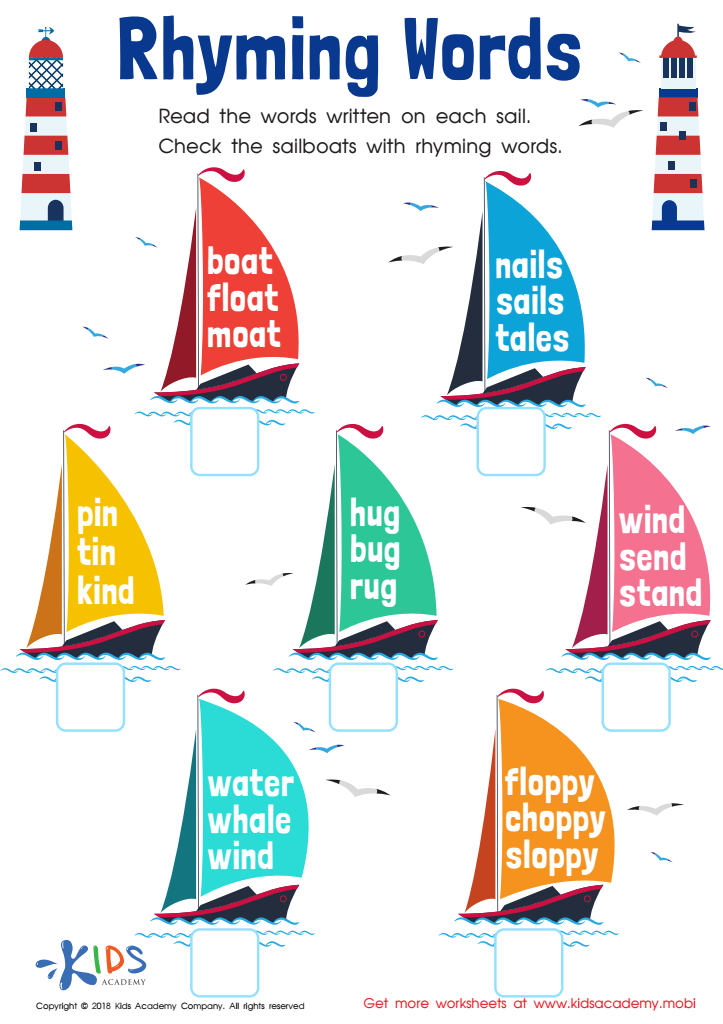
Rhyming Words Worksheet
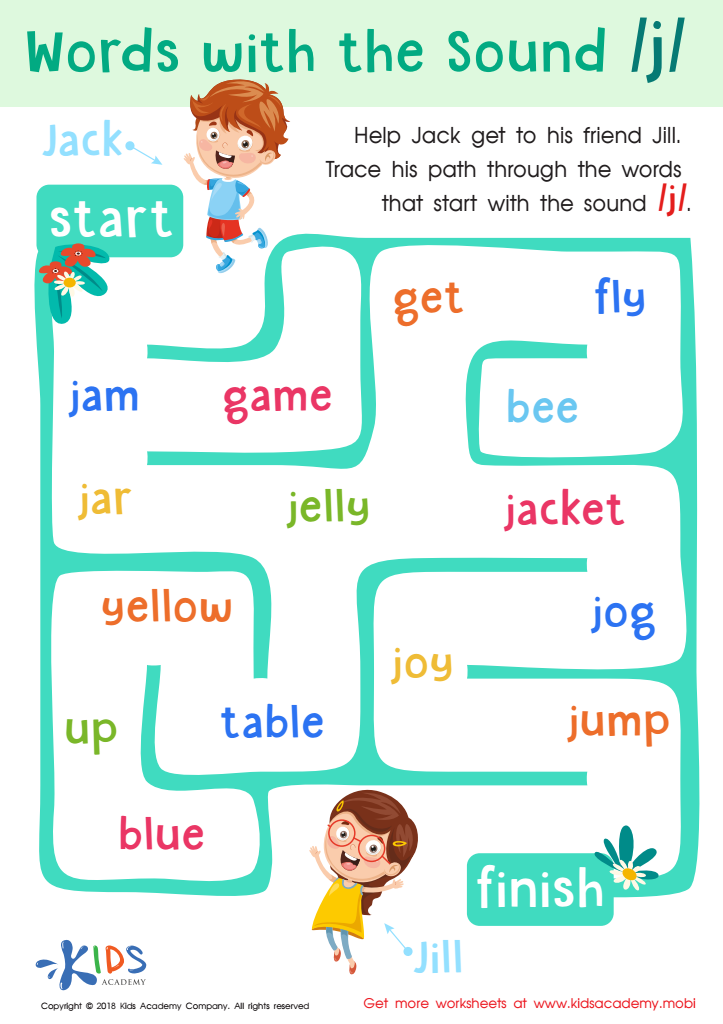
Words with sound j Reading Worksheet
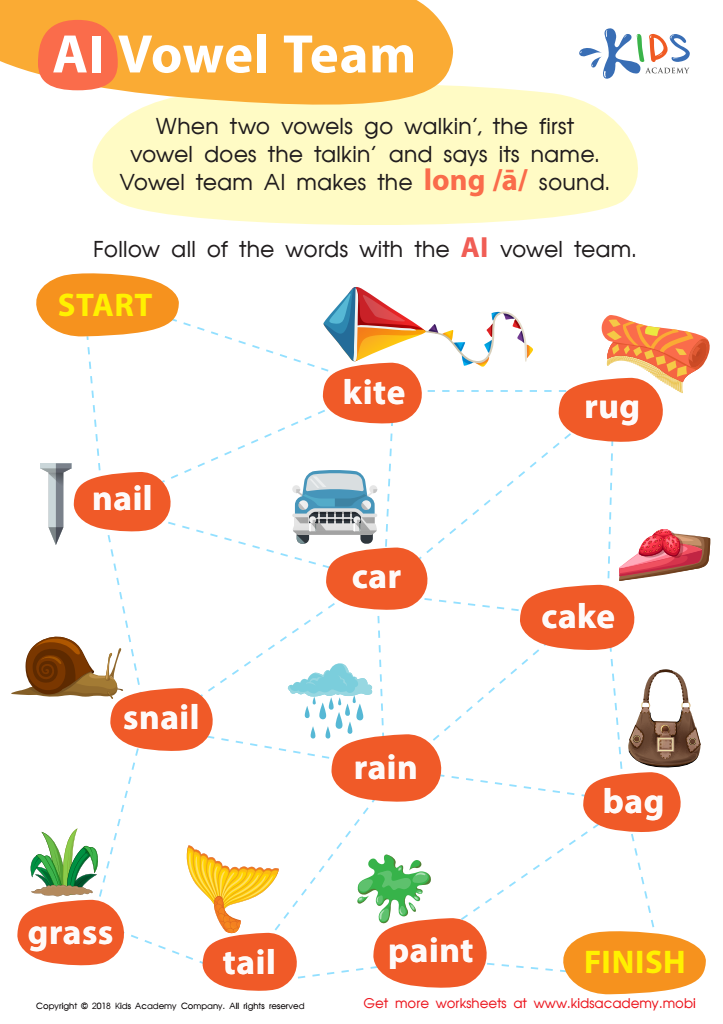
Reading: AI Vowel Team Worksheet








Vocabulary expansion and phonics instruction are foundational aspects of early childhood education that play crucial roles in a child's overall development. For ages 3-8, focusing on these areas helps set the stage for future academic success, effective communication, and lifelong learning.
Firstly, vocabulary expansion is essential because it enhances a child's ability to understand and express ideas. A rich vocabulary aids in reading comprehension and listening skills, enabling children to grasp more complex stories and instructions. This, in turn, boosts their confidence and academic performance across subjects.
Phonics, on the other hand, is the method of teaching reading by correlating sounds with letters or groups of letters. It helps children decode words, making reading an easier and more enjoyable process. Phonics instruction improves spelling and develops a strong foundation for literacy. By understanding sound-letter relationships, children can better tackle unfamiliar words and gradually become independent readers.
Parents and teachers must emphasize these areas to foster a love for reading and learning. Engaging young minds in fun and interactive activities like reading aloud, playing word games, and using phonics apps can make vocabulary and phonics instruction enjoyable. The focus on these educational building blocks during ages 3-8 not only encourages early academic achievement but also promotes continuous intellectual growth, social interaction, and lifelong learning skills.







