Tracing Letters Worksheets for Ages 3-8
58 filtered results
-
From - To
Discover our engaging Tracing Letters Worksheets designed for ages 3-8 at Kids Academy! These printable sheets offer a fun and interactive way for young learners to master the alphabet. Each worksheet features clear, dotted lines that guide children in tracing uppercase and lowercase letters while enhancing their fine motor skills and hand-eye coordination. Perfect for preschoolers, kindergarteners, and early elementary students, our thoughtfully crafted resources help build a strong foundation in handwriting. Empower your little ones to write confidently and explore the magic of letters with our Tracing Letters Worksheets today!
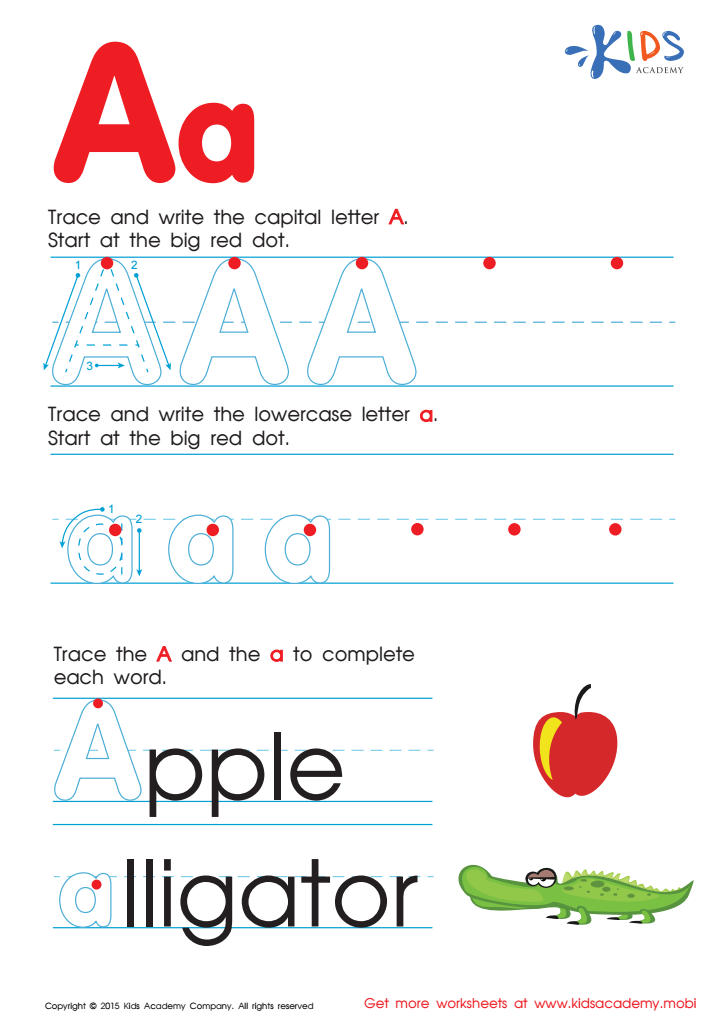
Letter A Tracing Page
 Assign to My Students
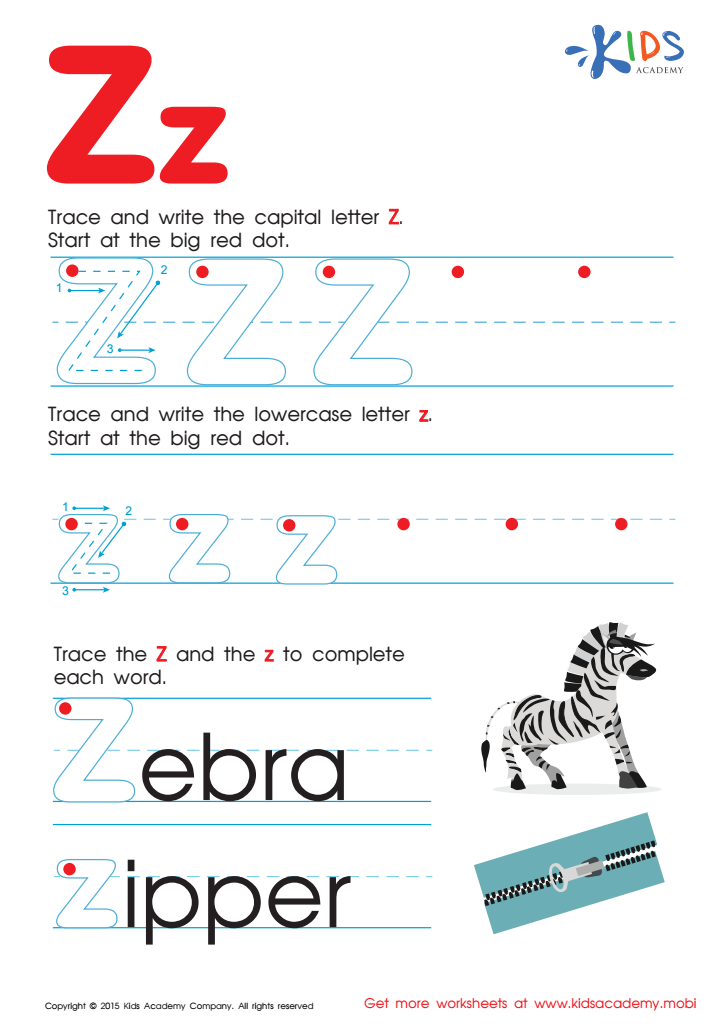
Letter Z Tracing Page
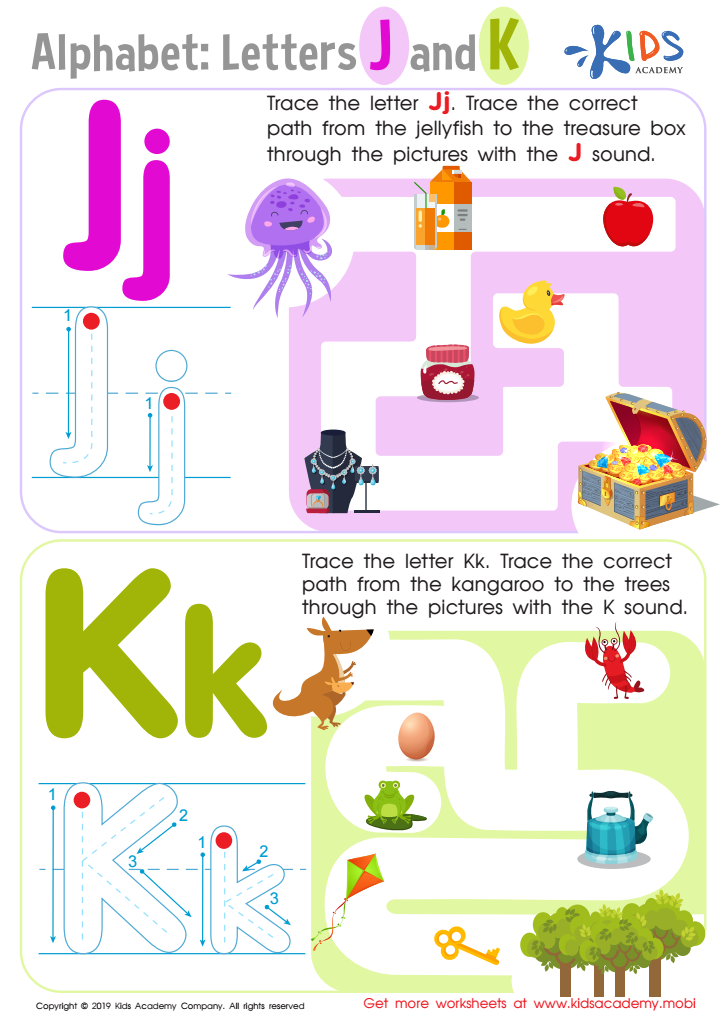
Letters J and K Tracing Worksheet
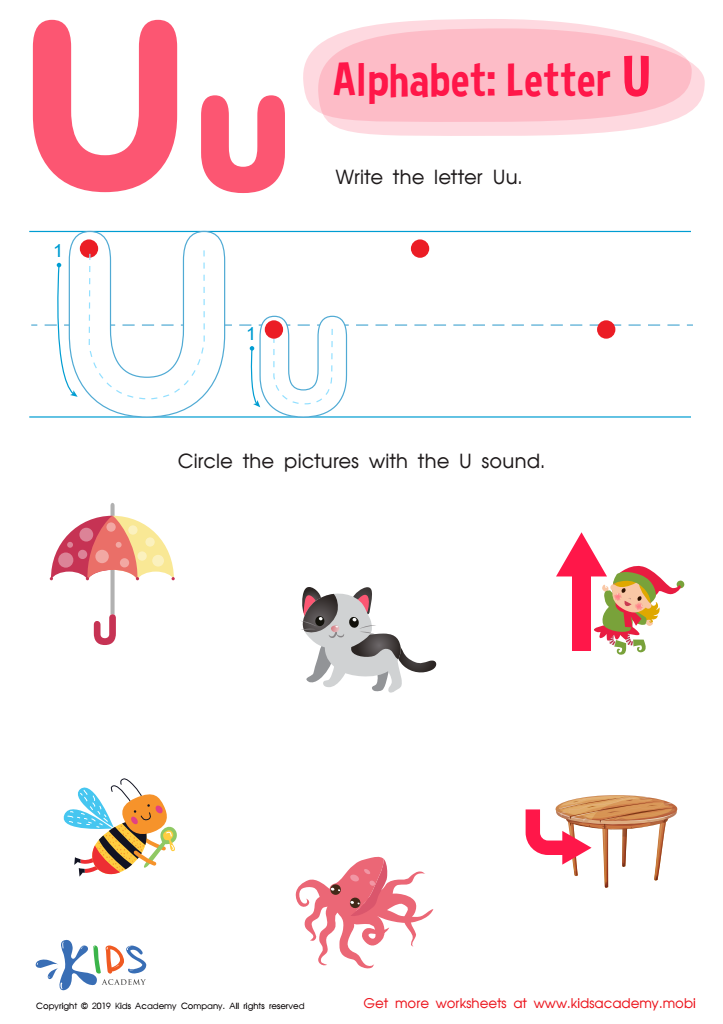
Letter U Tracing Worksheet
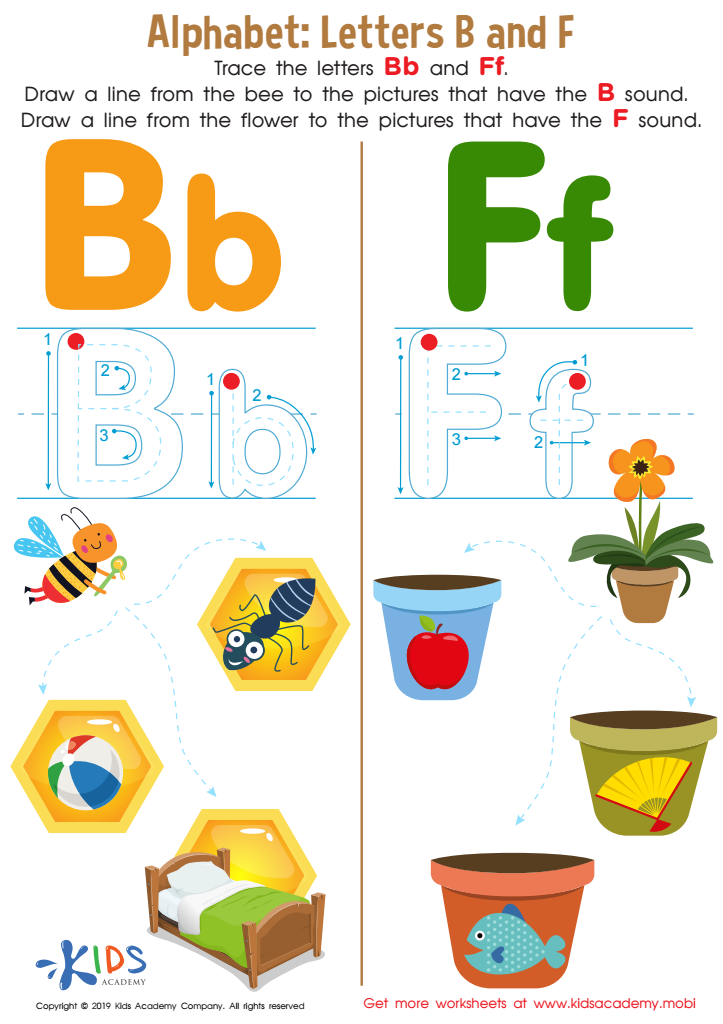
Letters B and F Tracing Worksheet
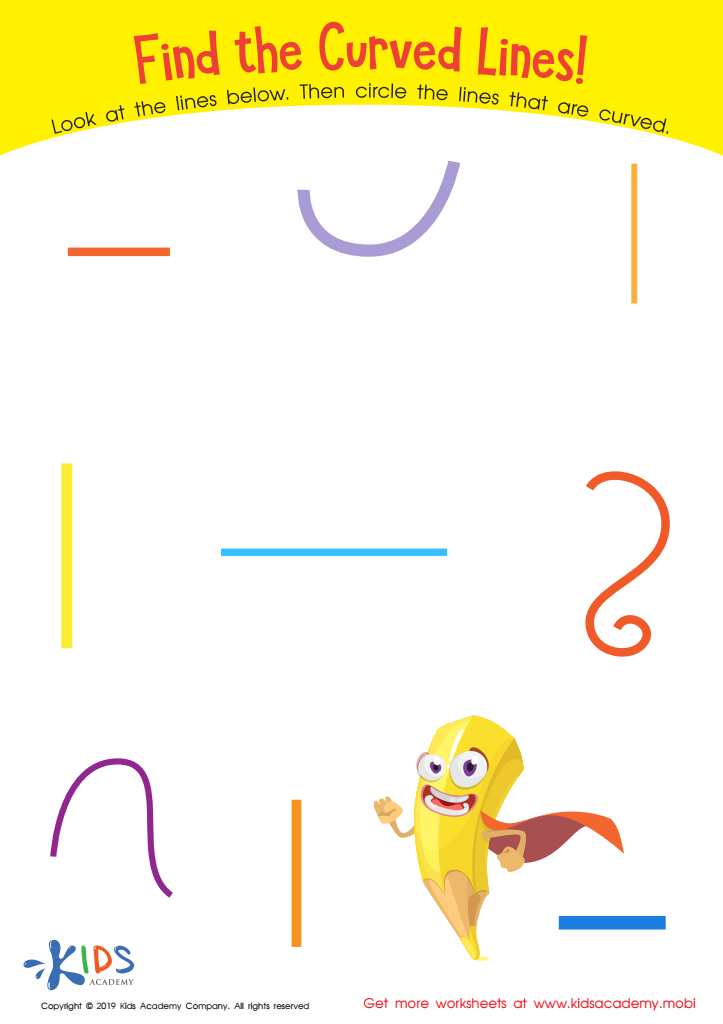
Find the Curved Lines! Worksheet
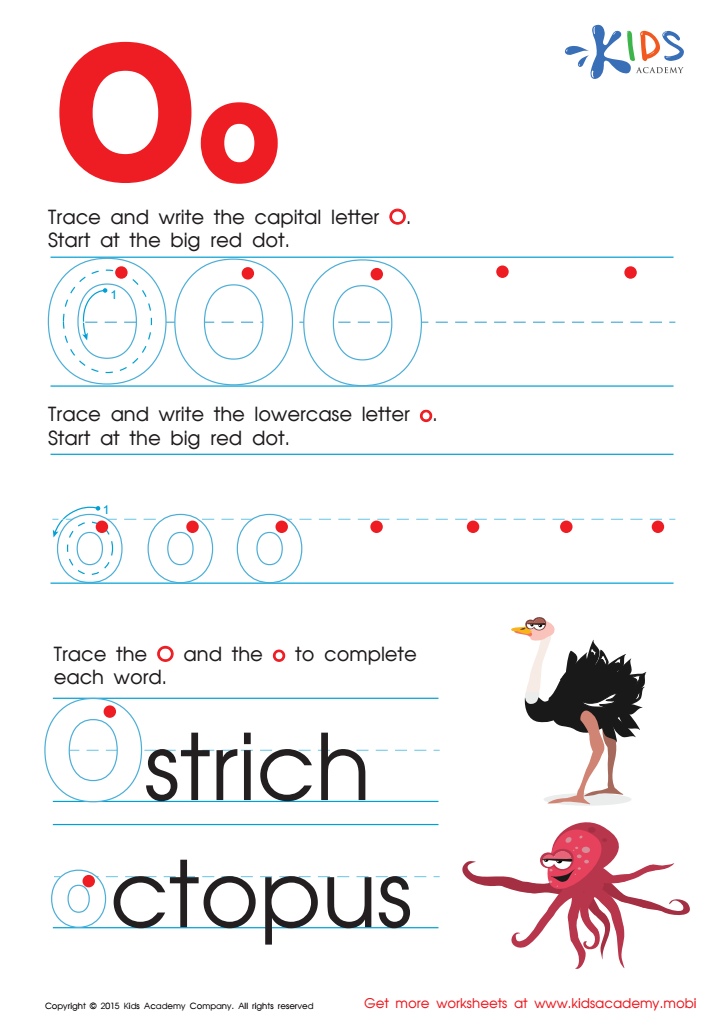
Letter O Tracing Page
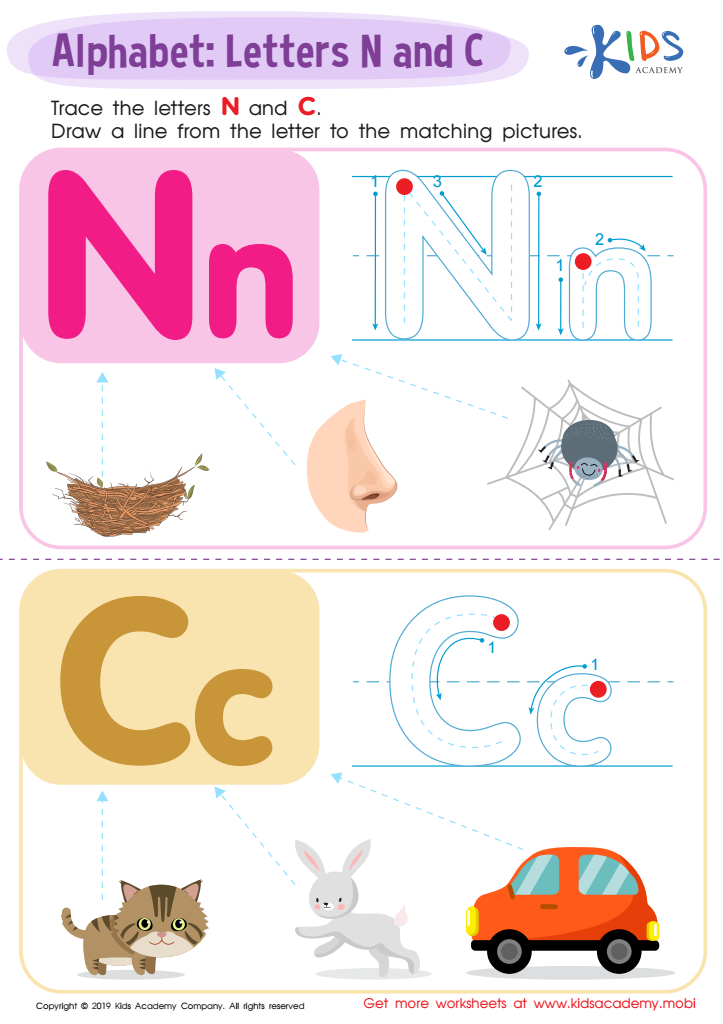
Letter N and C Tracing Worksheet
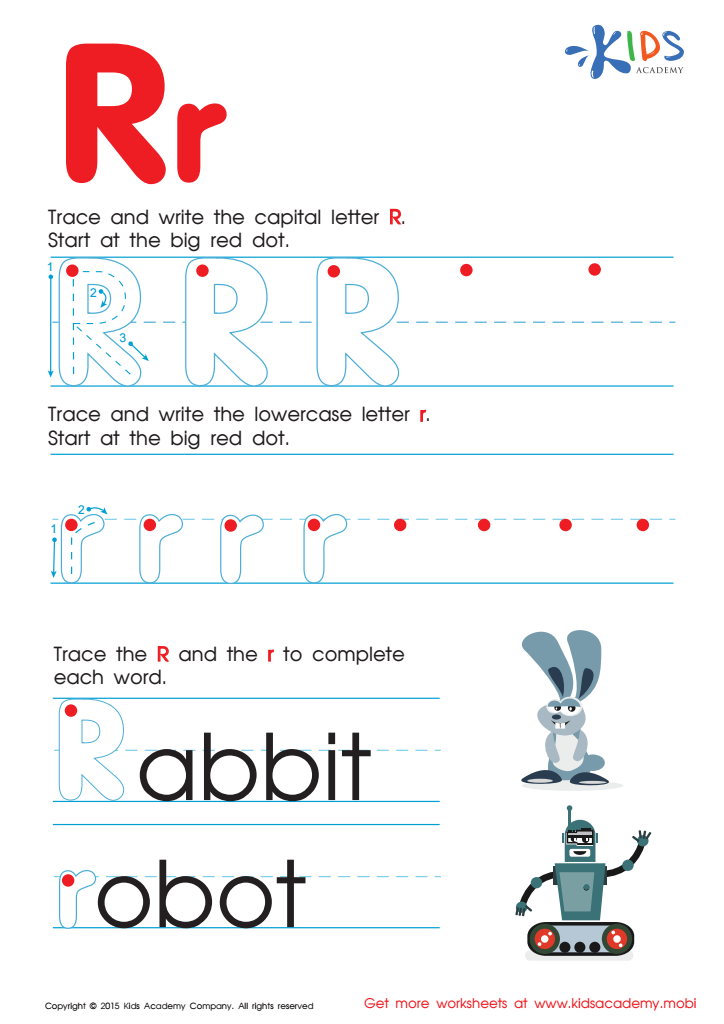
Letter R Tracing Page
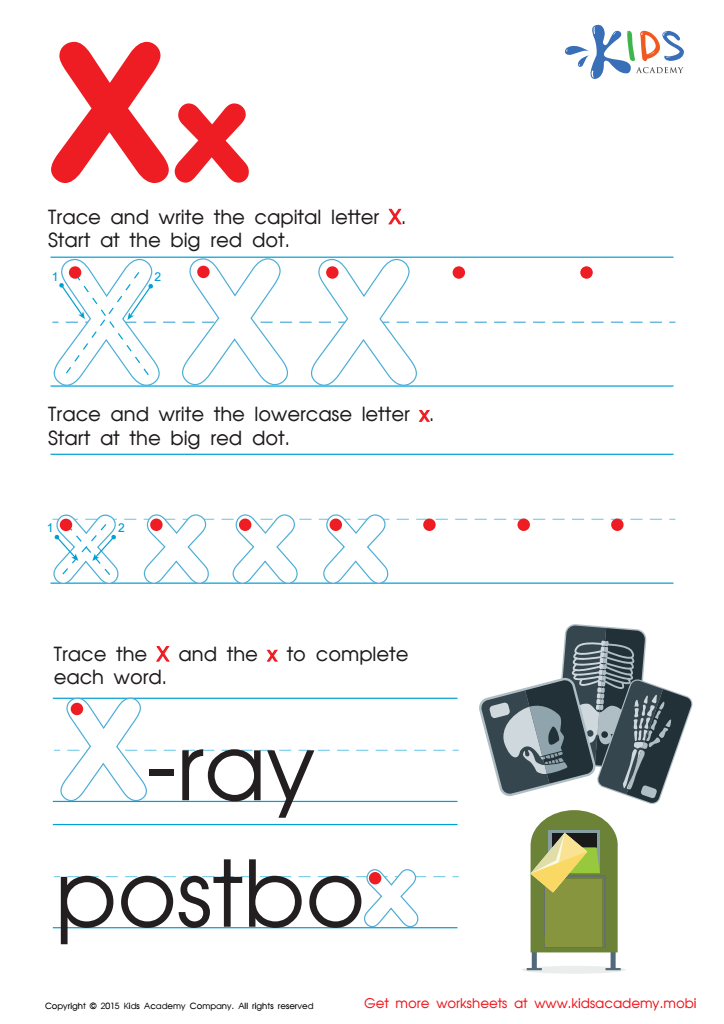
Letter X Tracing Page
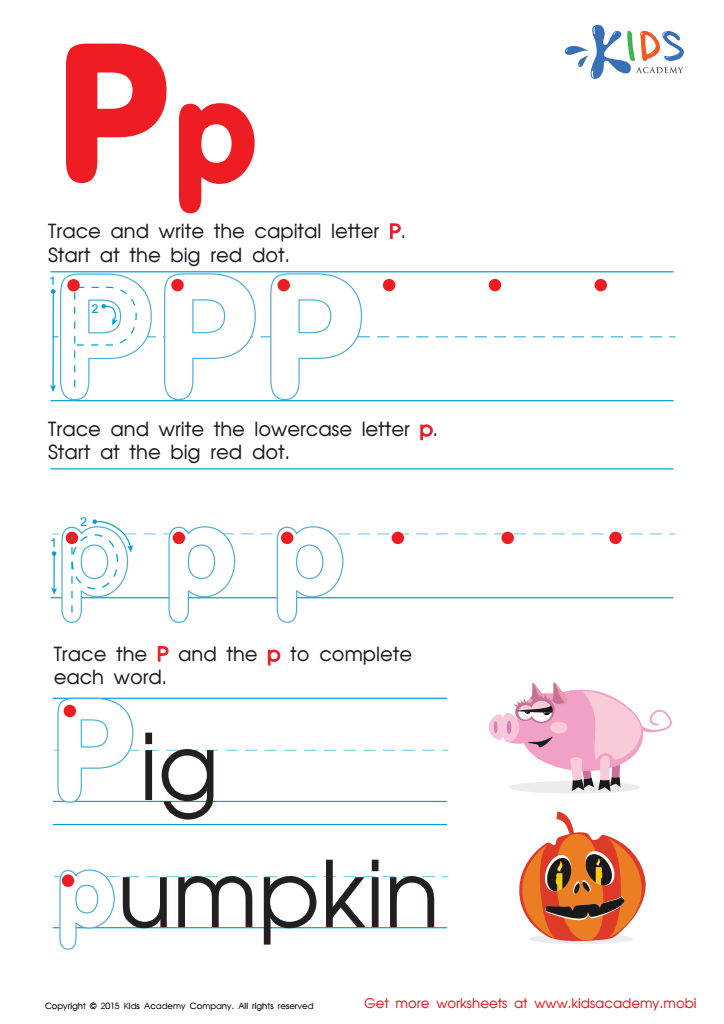
Letter P Tracing Page
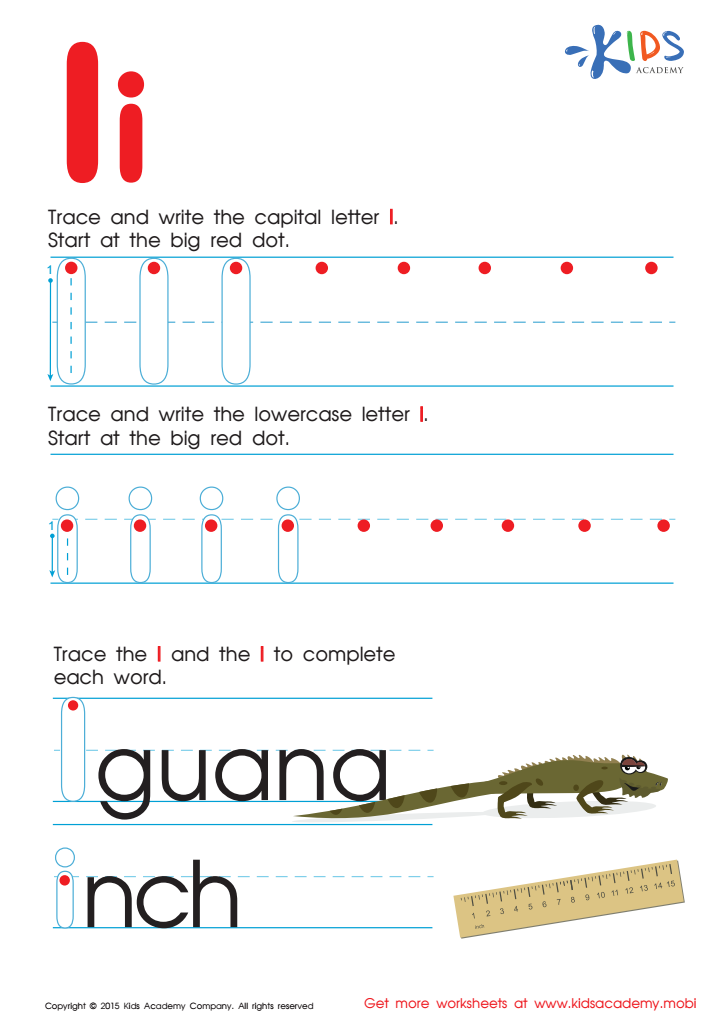
Letter I Tracing Page
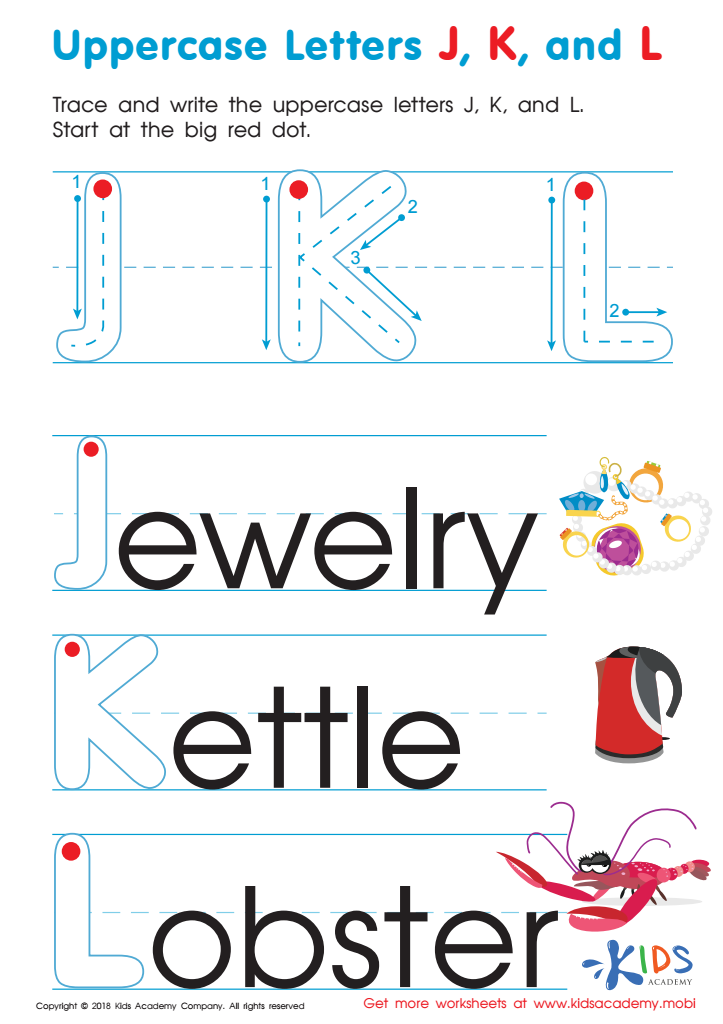
Uppercase Letters J, K, and L Worksheet
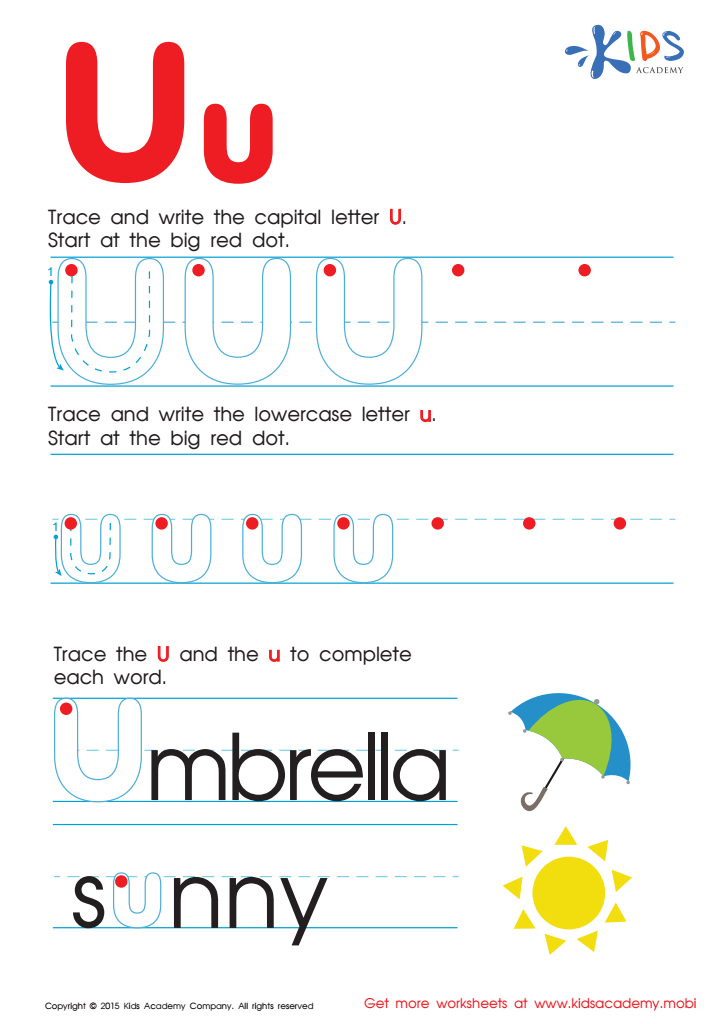
Letter U Tracing Page
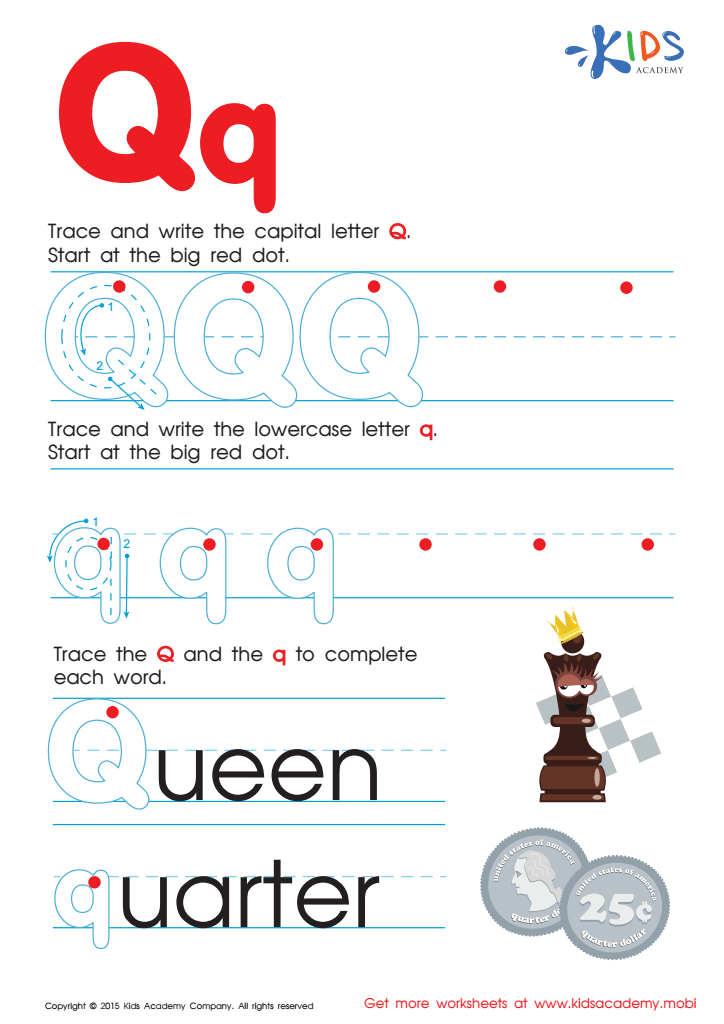
Letter Q Tracing Page
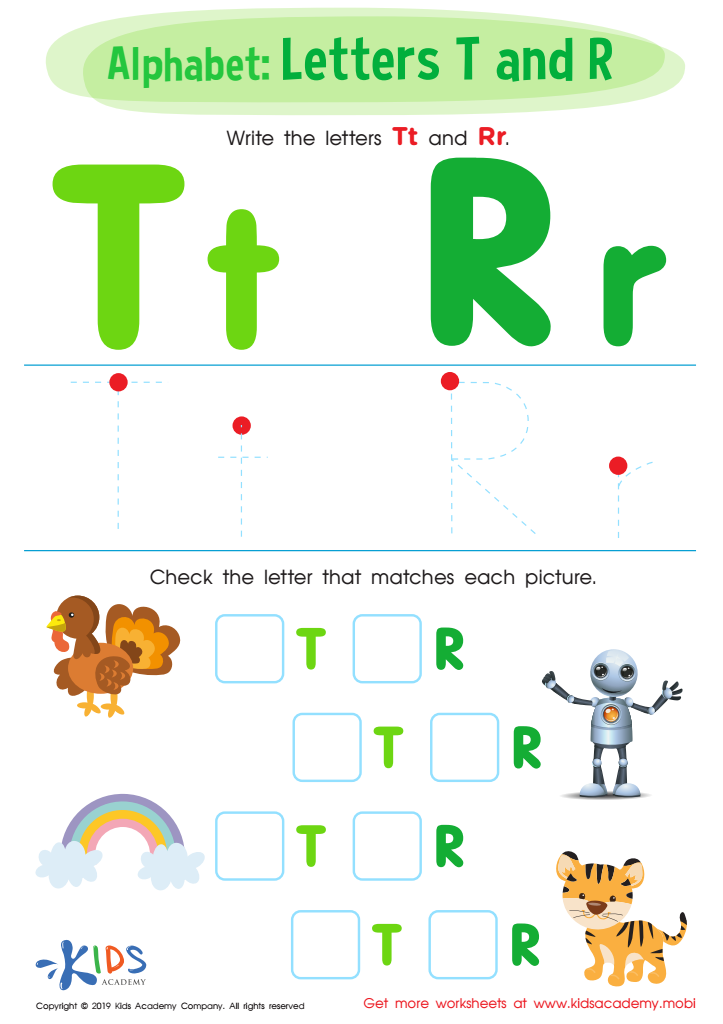
Letters T and R Worksheet
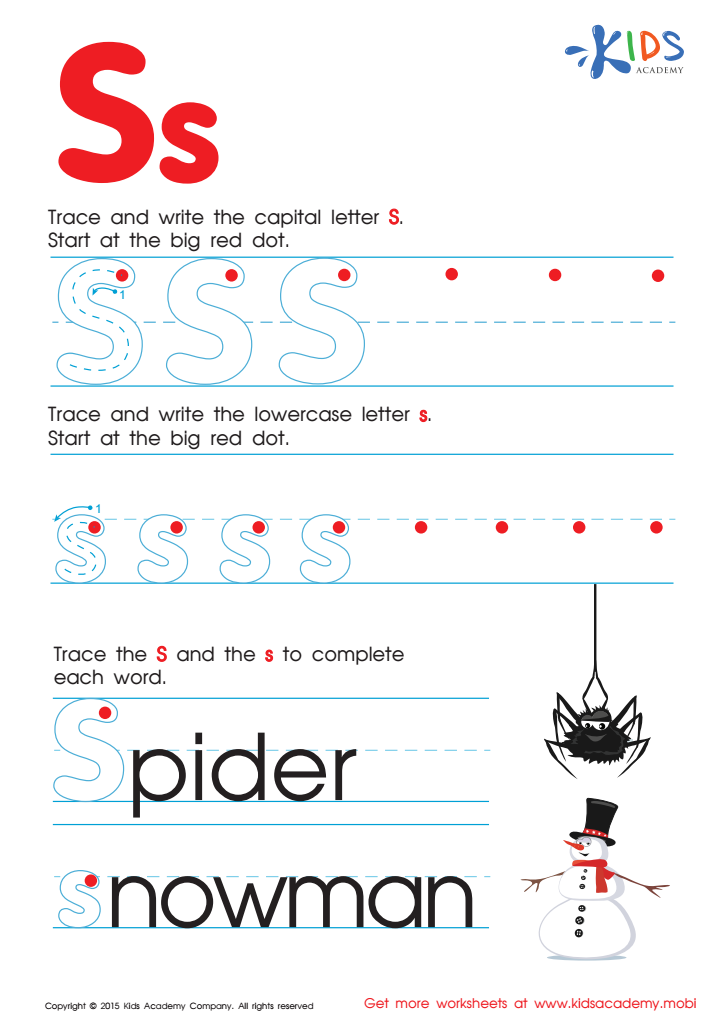
Letter S Tracing Page
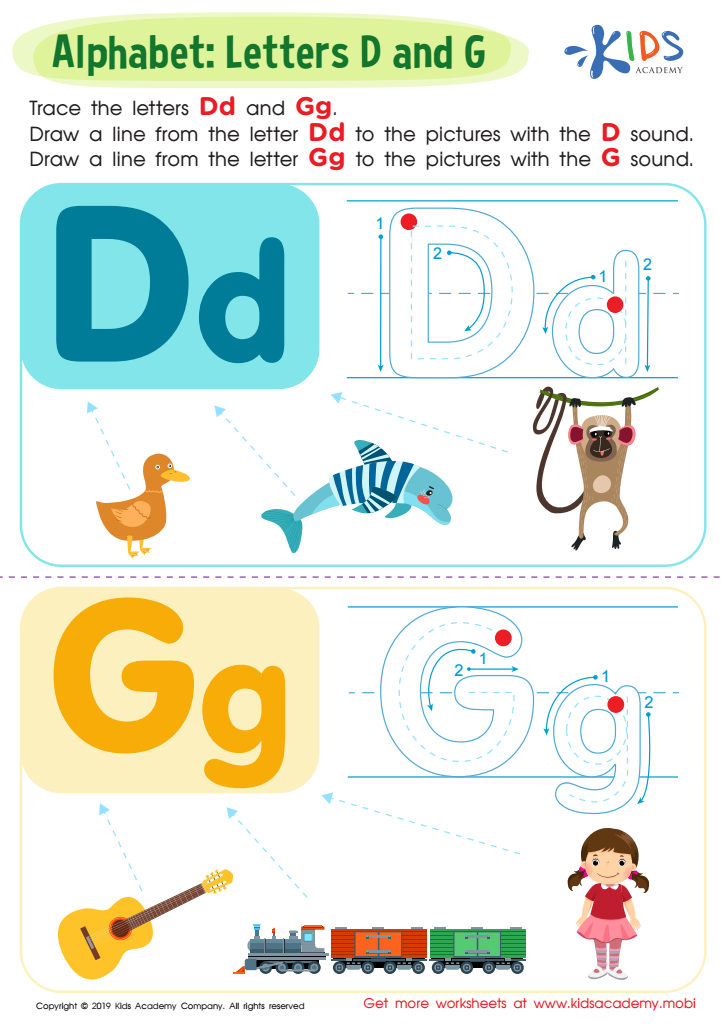
Letter D and G Tracing Worksheet
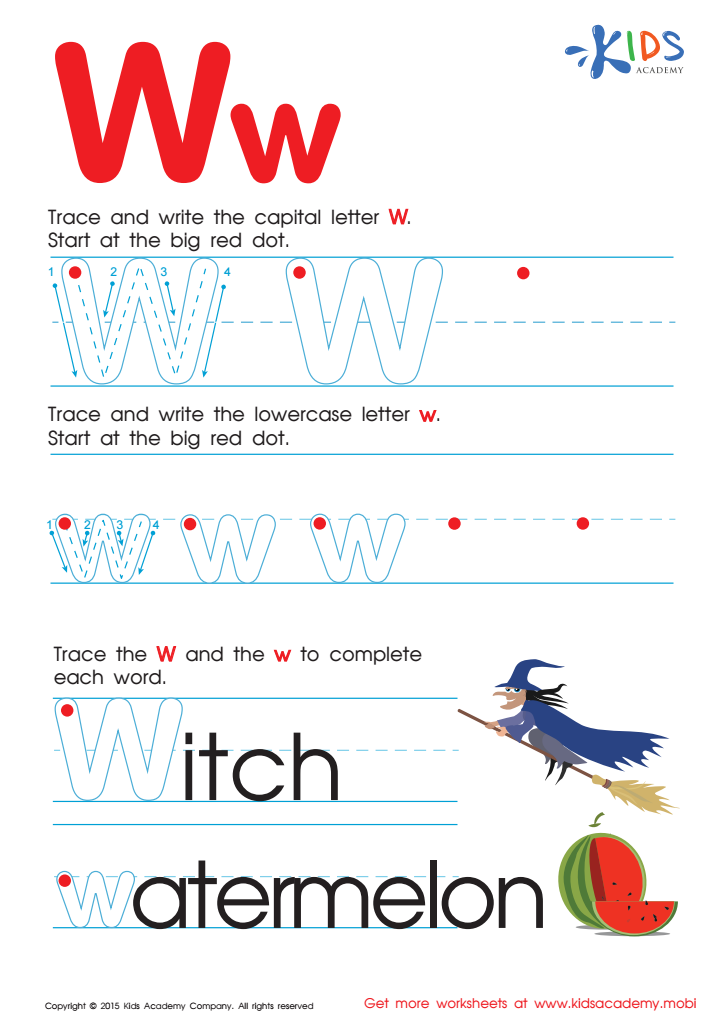
Letter W Tracing Page
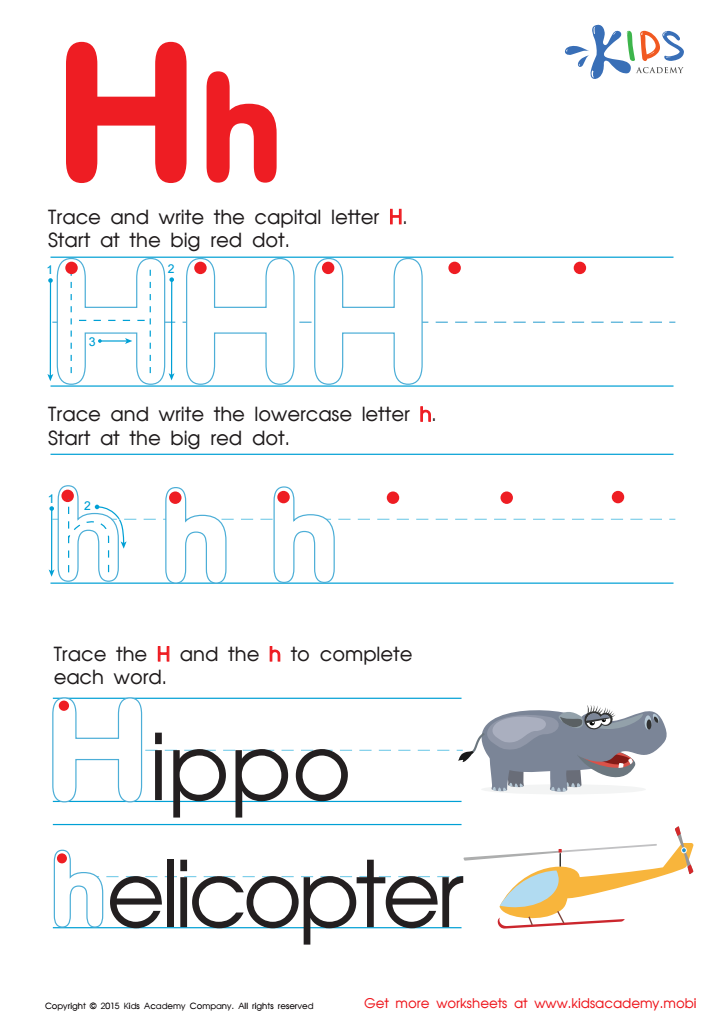
Letter H Tracing Page
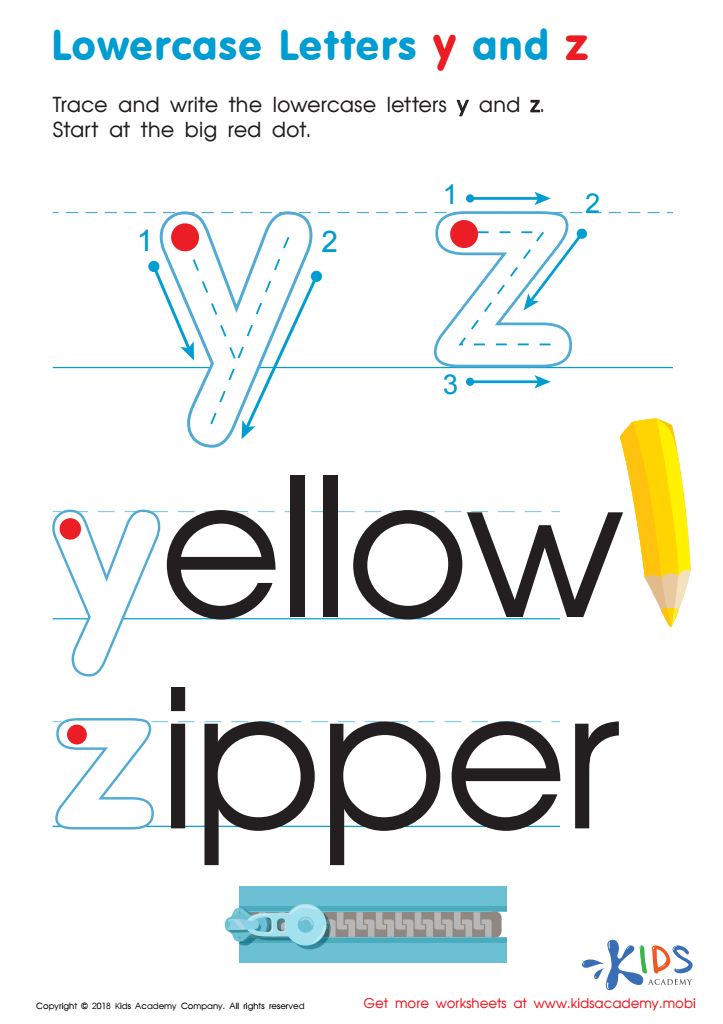
Lowercase Letters y z Worksheet
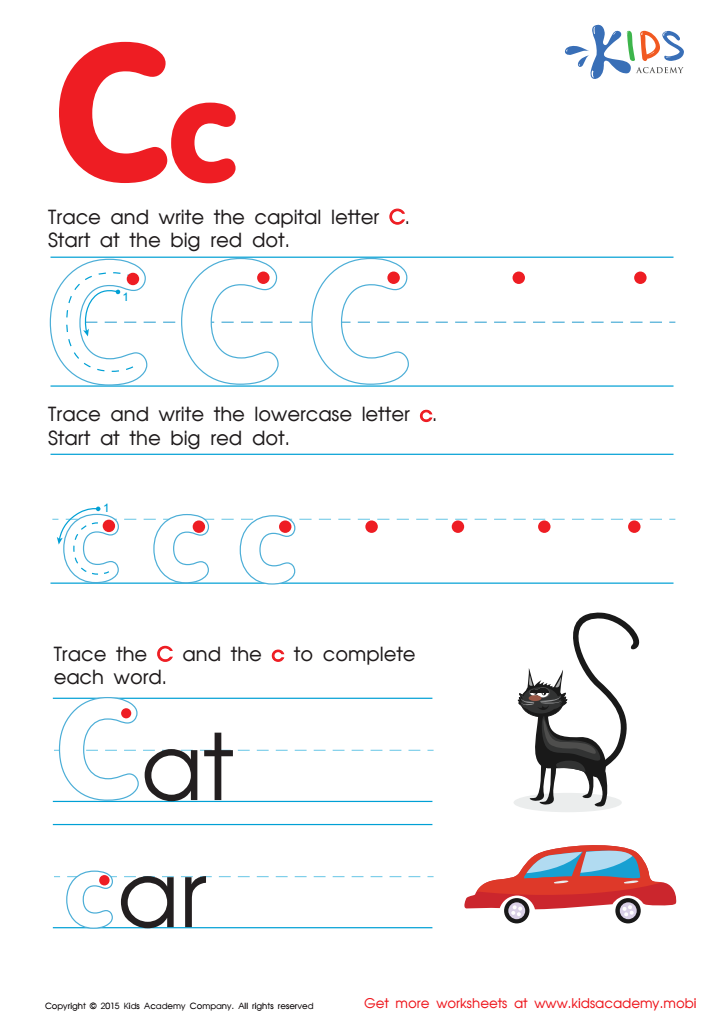
Letter C Tracing Page
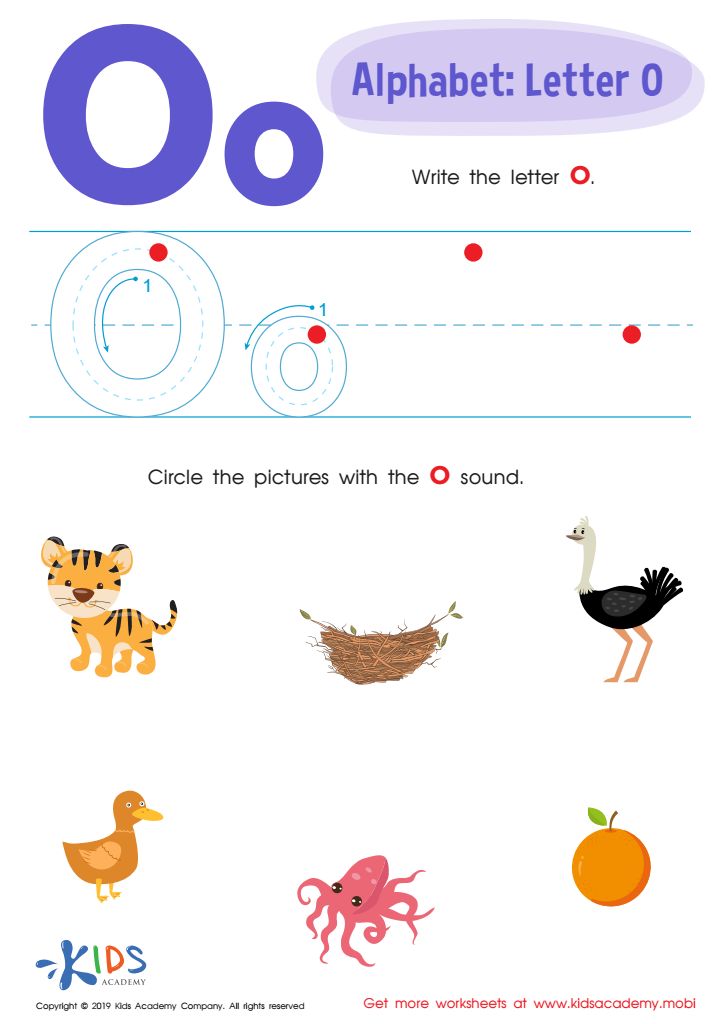
Letter O Tracing Worksheet
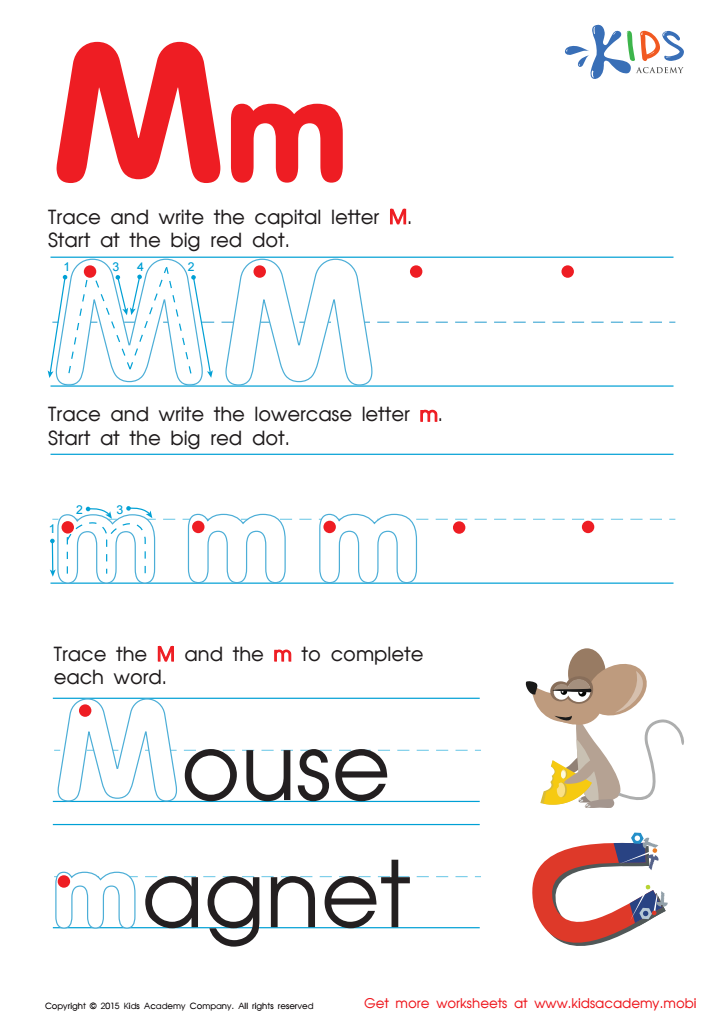
Letter M Tracing Page







Tracing letters is a fundamental activity for children ages 3-8, playing a crucial role in early childhood development. It's essential for both parents and teachers to understand its significance. Firstly, tracing helps young children develop fine motor skills. These skills are critical for everyday tasks such as writing, buttoning clothes, and using utensils. By practicing controlled movement, children enhance their hand-eye coordination and muscle memory.
Secondly, tracing letters reinforces letter recognition and handwriting. Familiarity with the shape of each letter aids children in identifying and reproducing them with ease. This skill underscores their ability to read and write fluently, forming a critical foundation for later learning.
Additionally, engaging in tracing activities boosts cognitive development. Concentrating on tracing fosters focus and attention to detail, qualities indispensable for academic success. It also introduces children to the concept of structure and discipline, as they learn to follow guidelines and patterns.
Moreover, tracing exercises can often be joyful and engaging, promoting a positive attitude toward learning. When parents and teachers take the time to support and encourage children in these activities, it promotes classroom success and instills a lifelong eagerness for learning.
In conclusion, tracing letters is not just about forming words; it builds essential skills that support cognitive, motor, and emotional development, providing a robust foundation for future academic success.








