English for Beginners Worksheets for Ages 3-8 - Page 4
148 filtered results
-
From - To
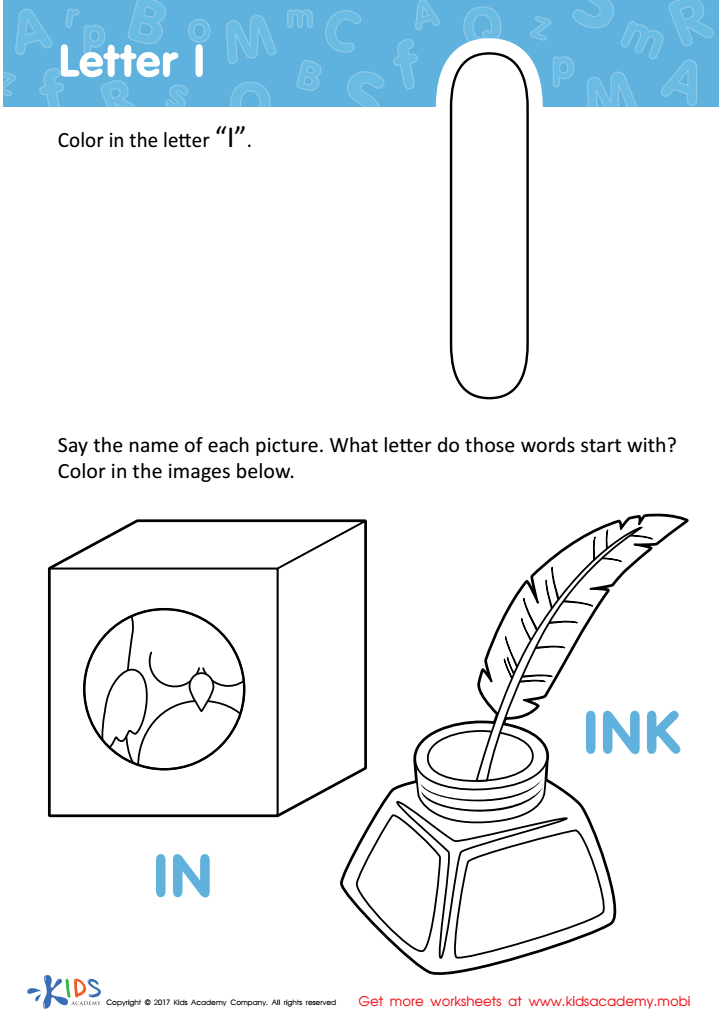
Letter I Coloring Sheet
 Assign to My Students
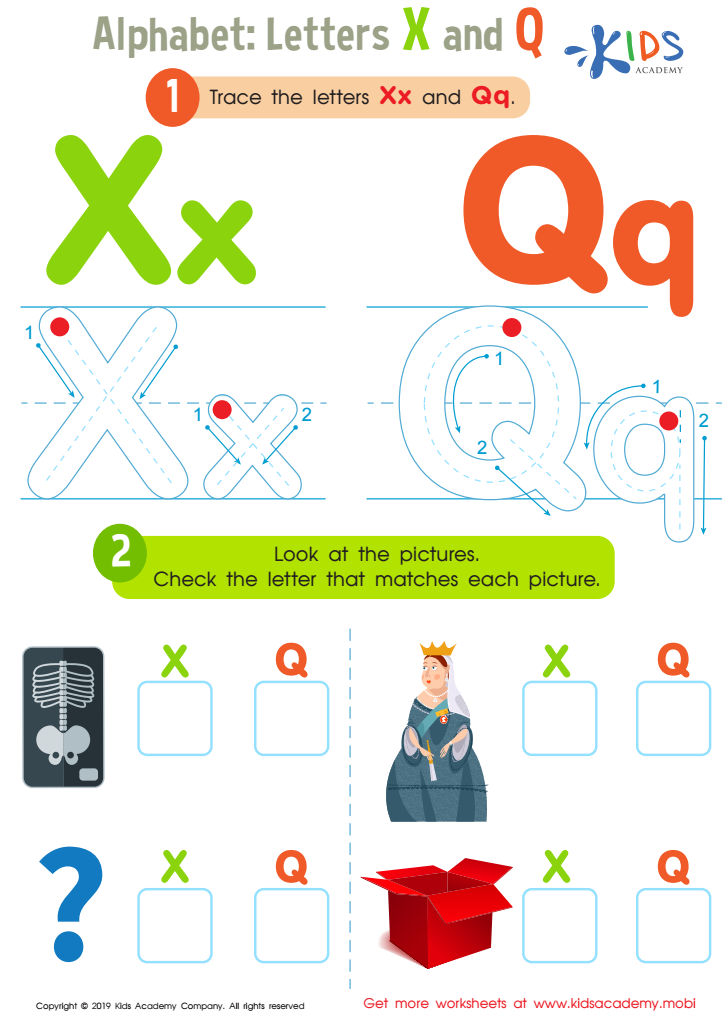
Letters X and Q Tracing Worksheet
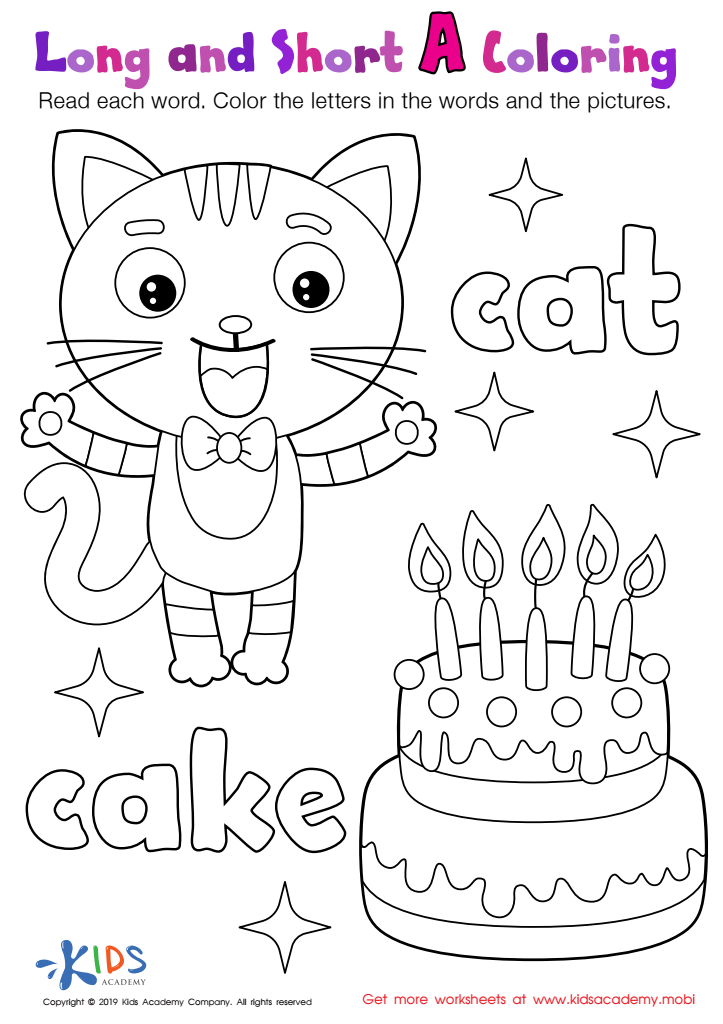
Long and Short A Worksheet
Assign to My Students

Long and Short U Worksheet
Assign to My Students
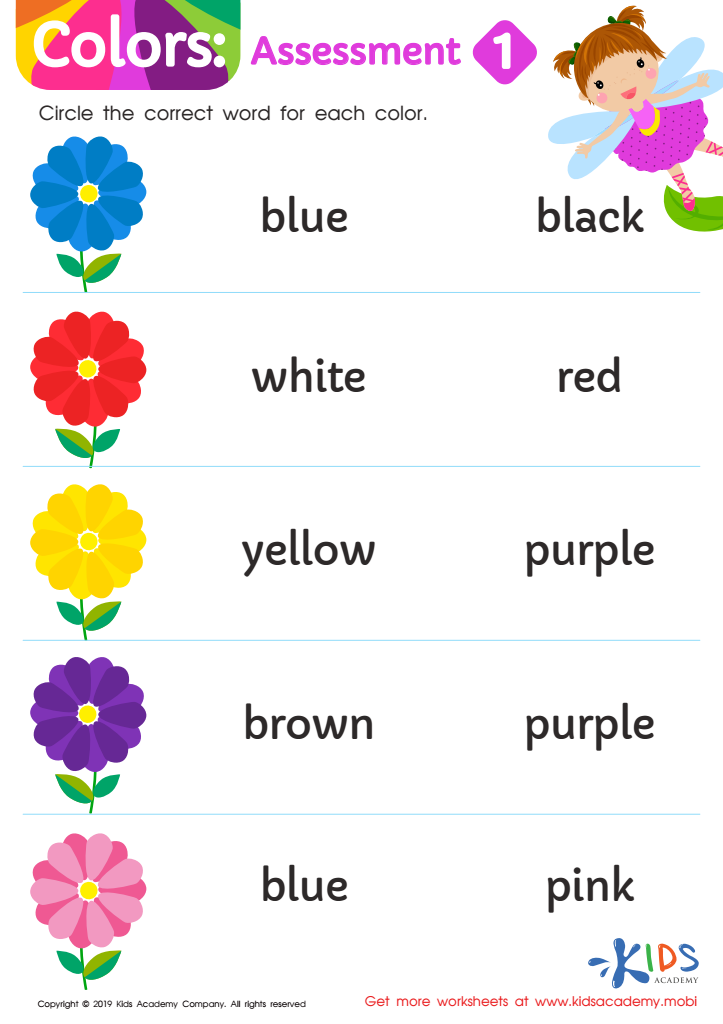
Colors: Assessment 1 Worksheet
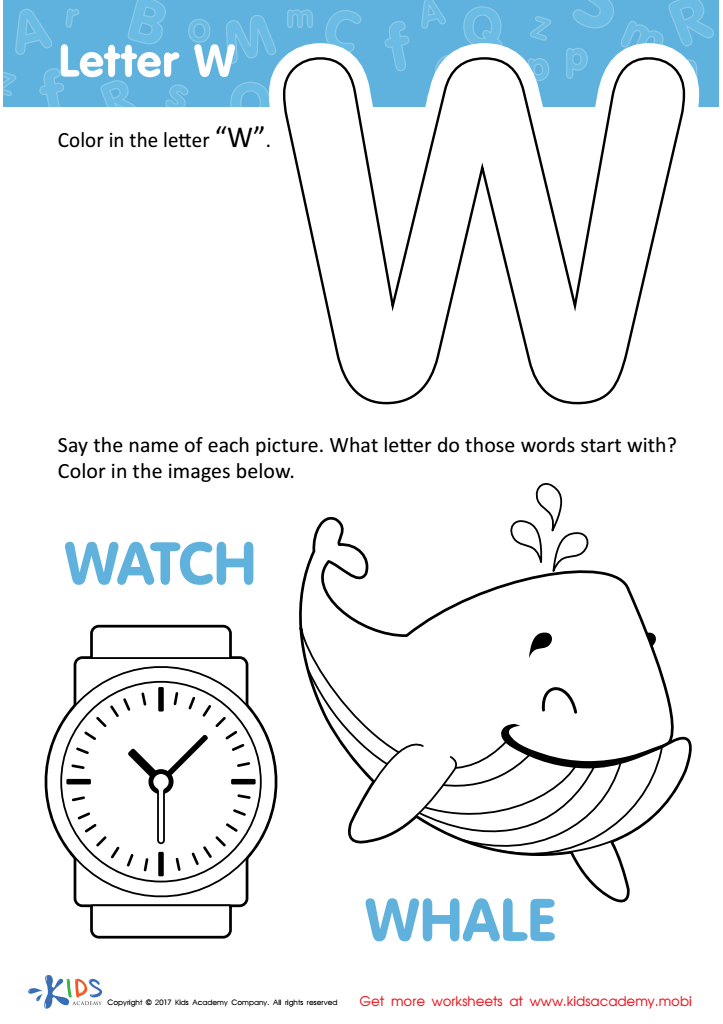
Letter W Coloring Sheet
Assign to My Students
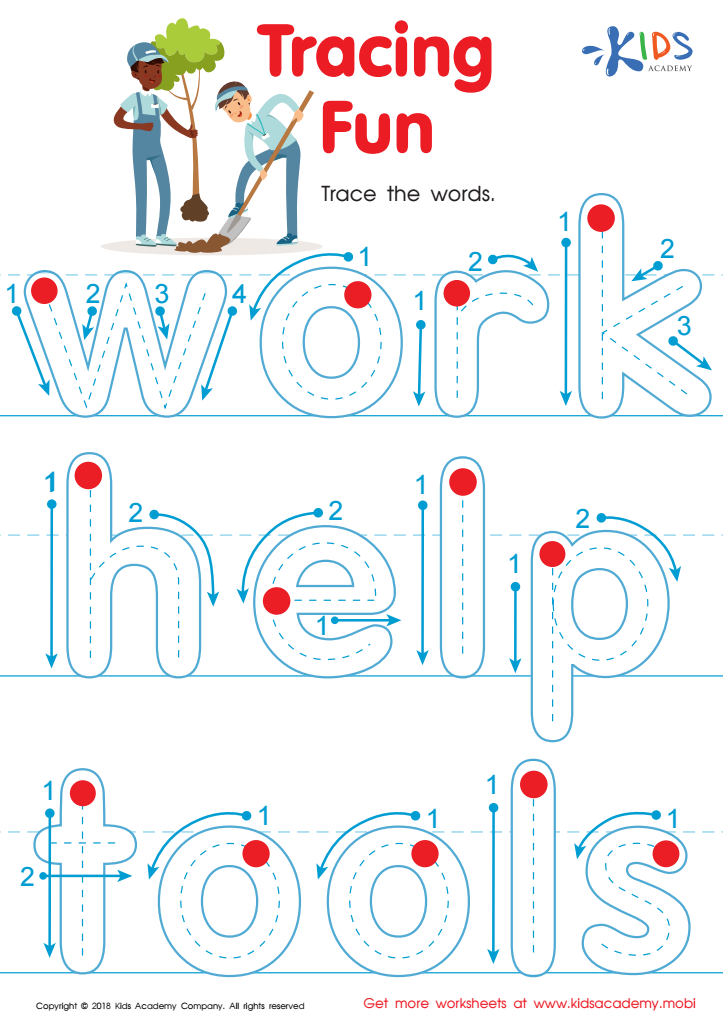
Tracing Fun Worksheet
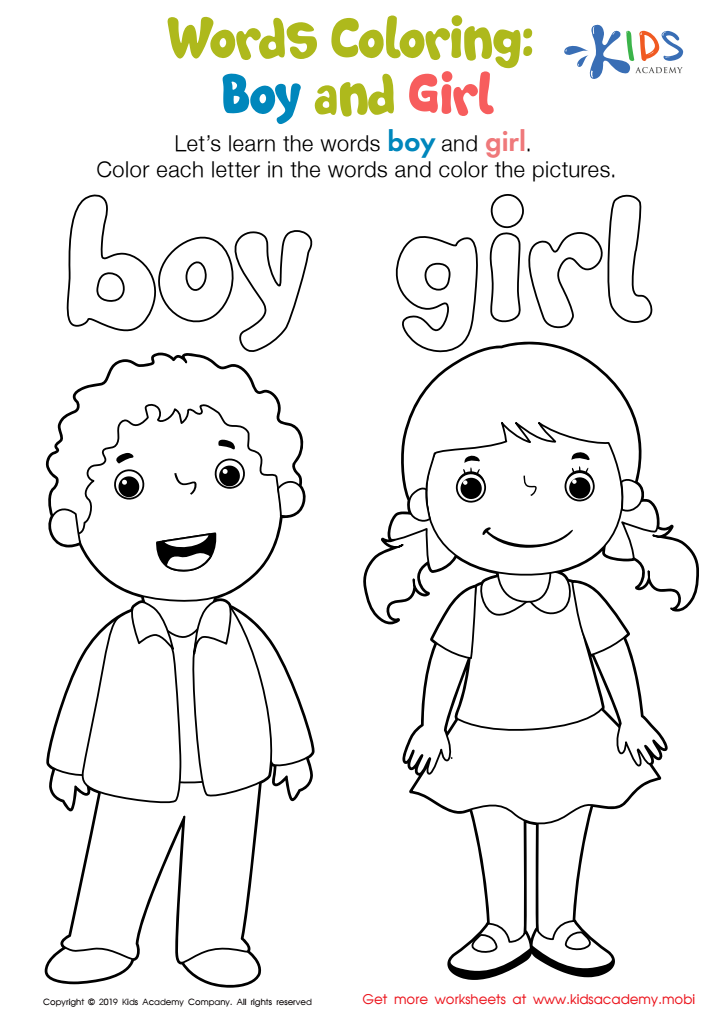
Boy and Girl Words Coloring Worksheet
Assign to My Students
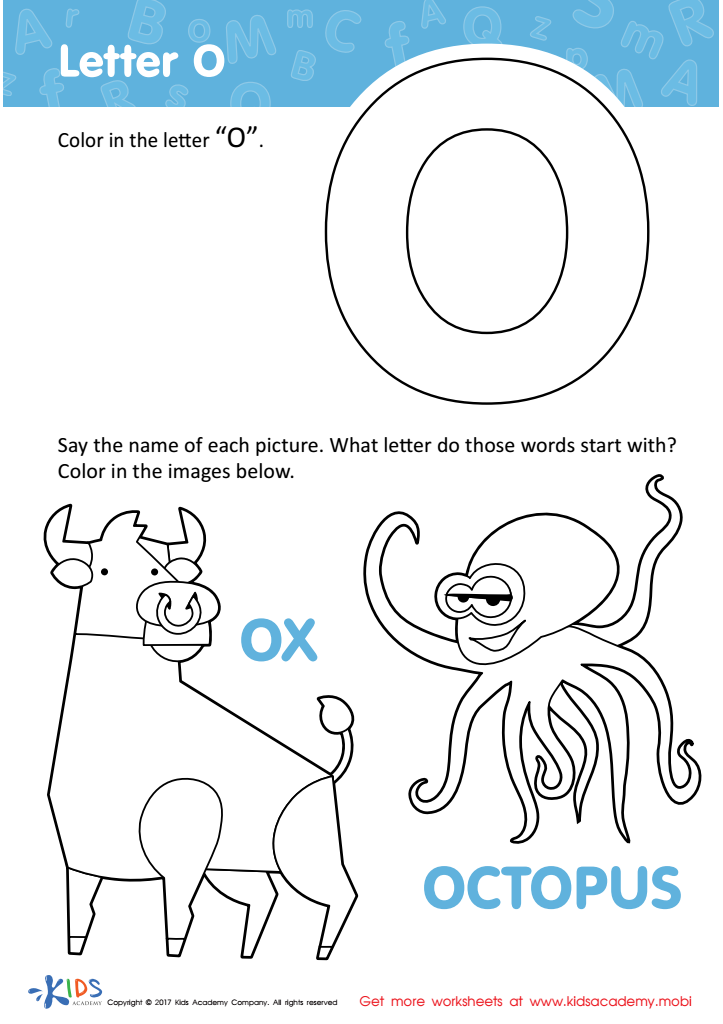
Letter O Coloring Sheet
Assign to My Students
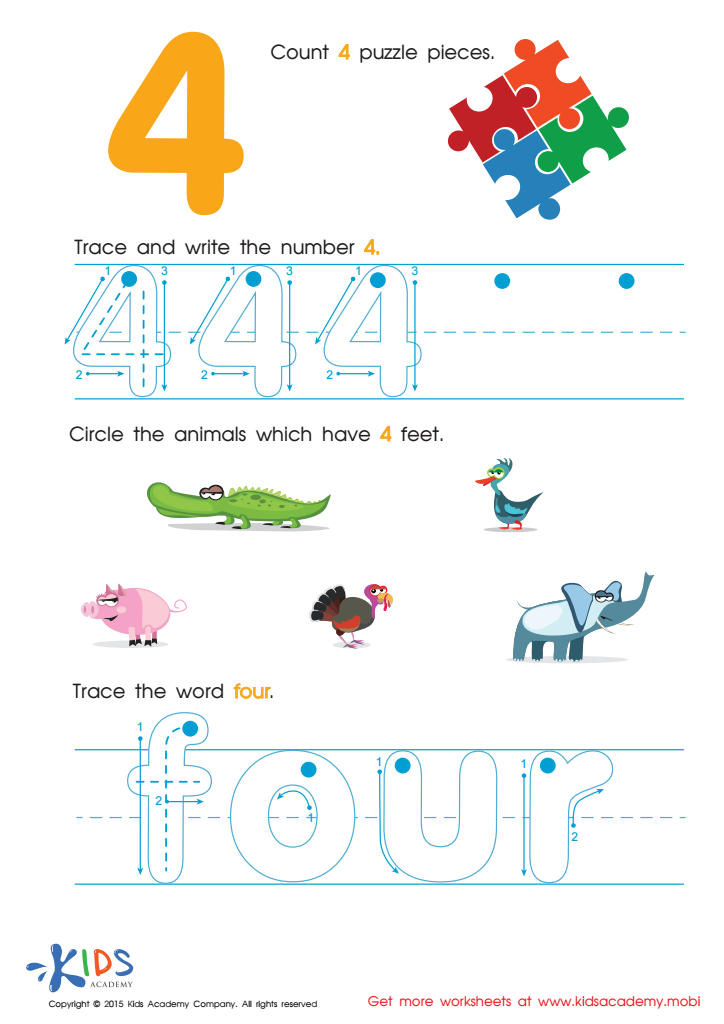
Teaching Children to Write Number 4 Worksheet
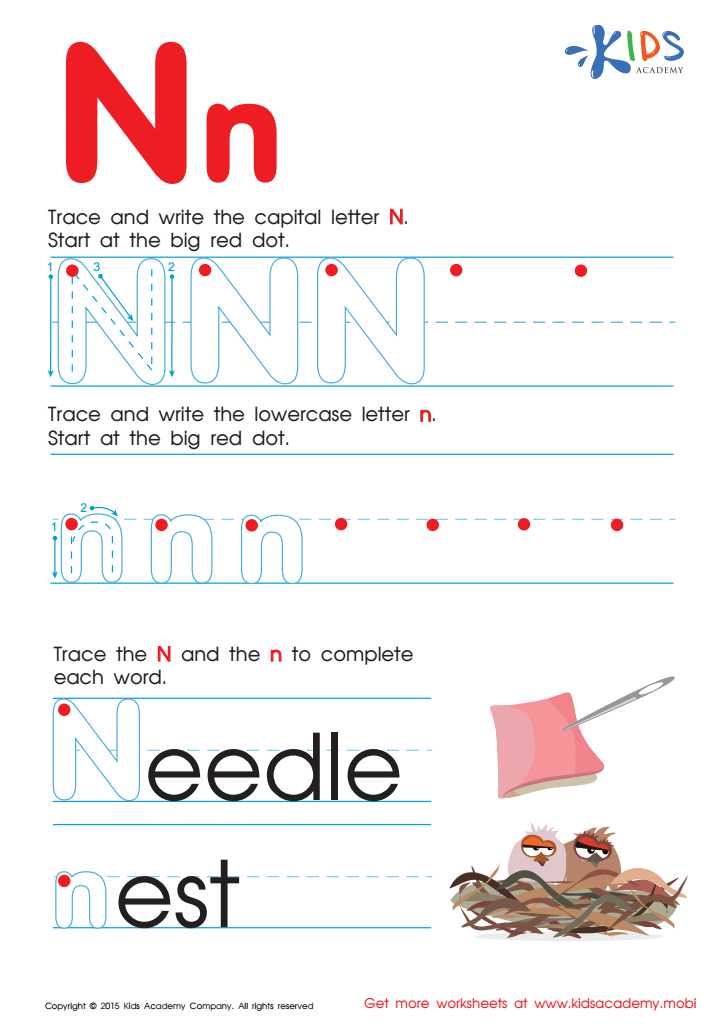
Letter N Tracing Page
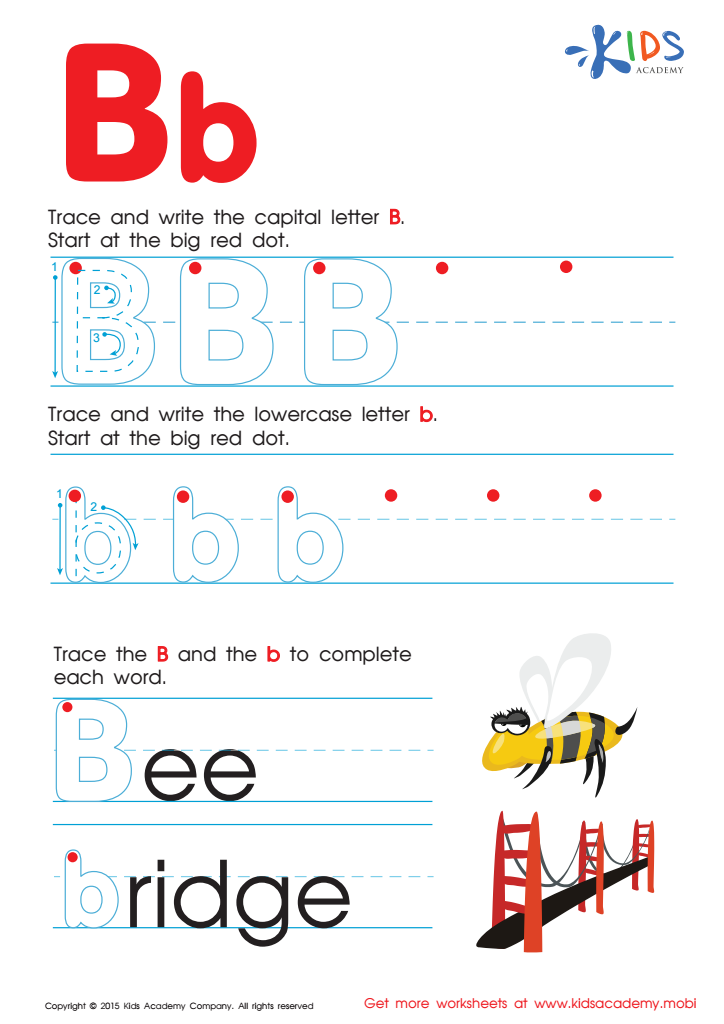
Letter B Tracing Page
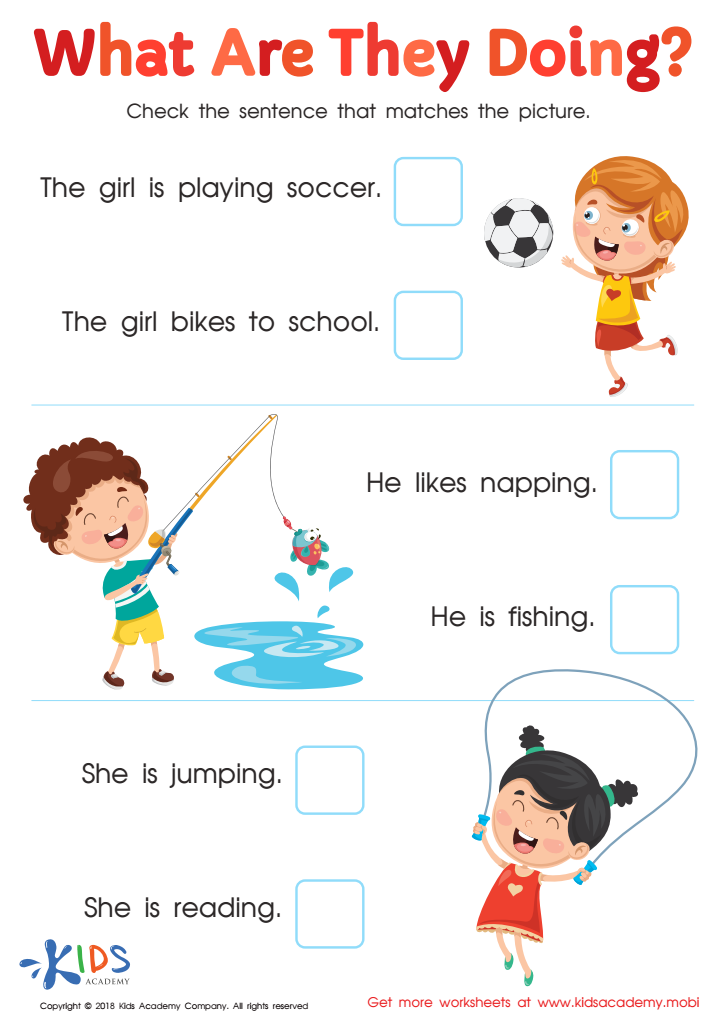
What Are They Doing? Worksheet
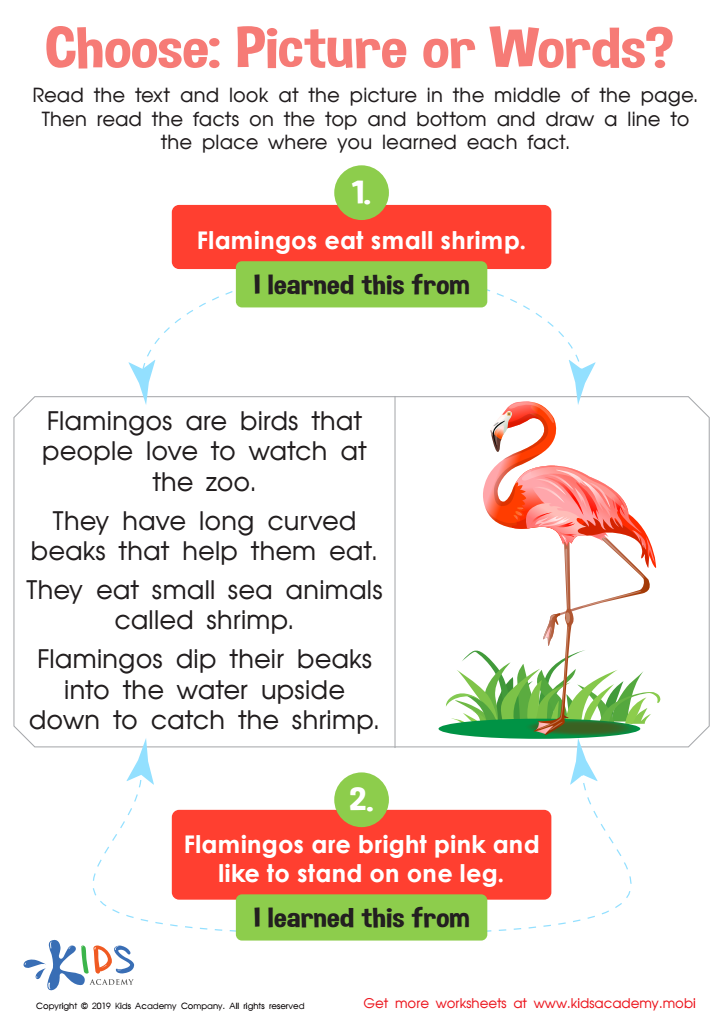
Choose Picture Words Worksheet
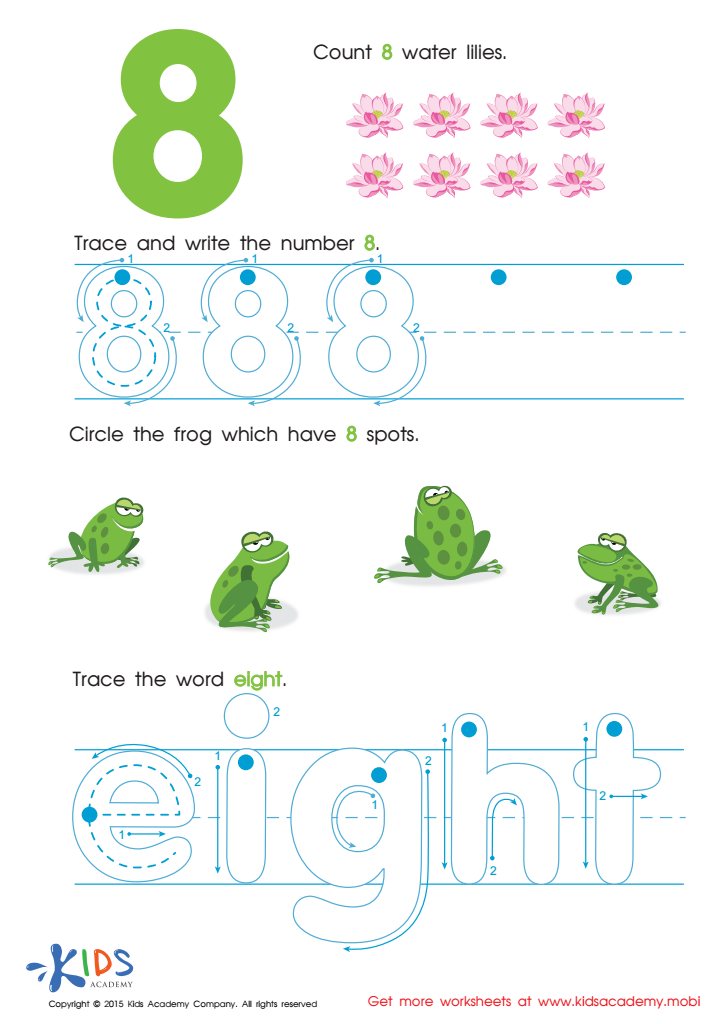
Learn Number 8 Easily Worksheet
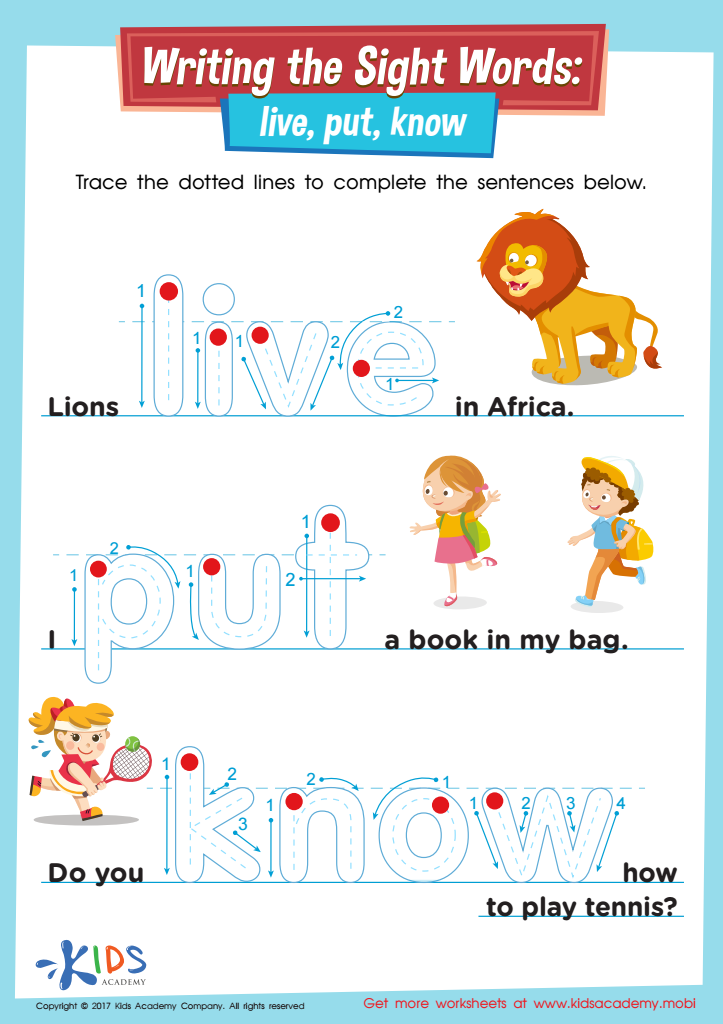
Live, Put, Know Printable Sight Words Worksheet
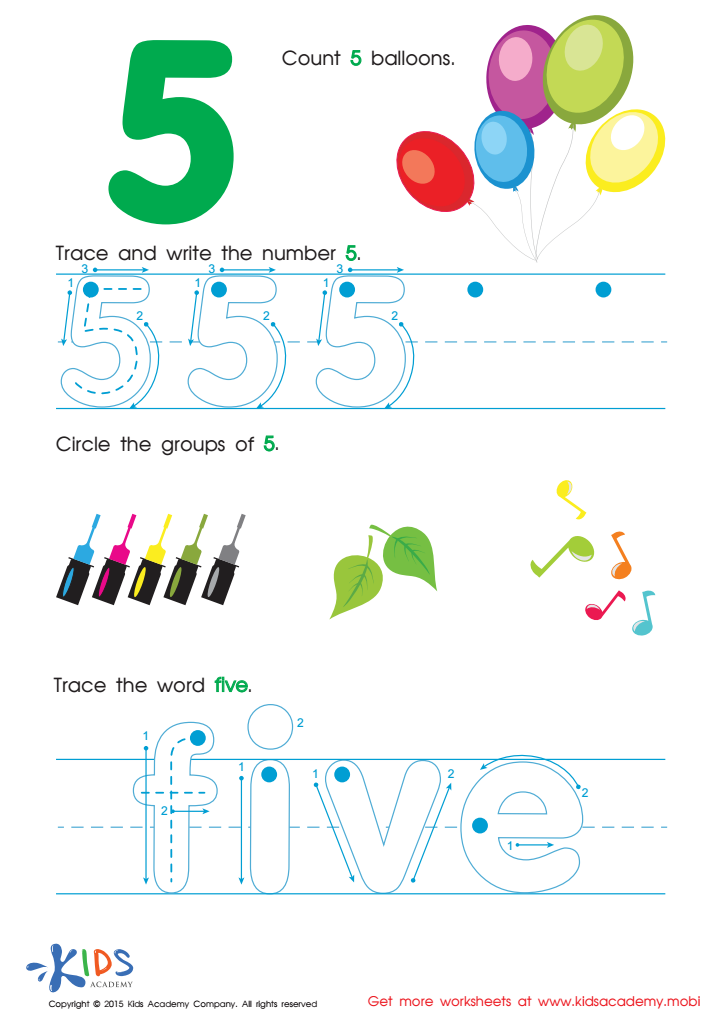
Practice Writing Number 5 Worksheet
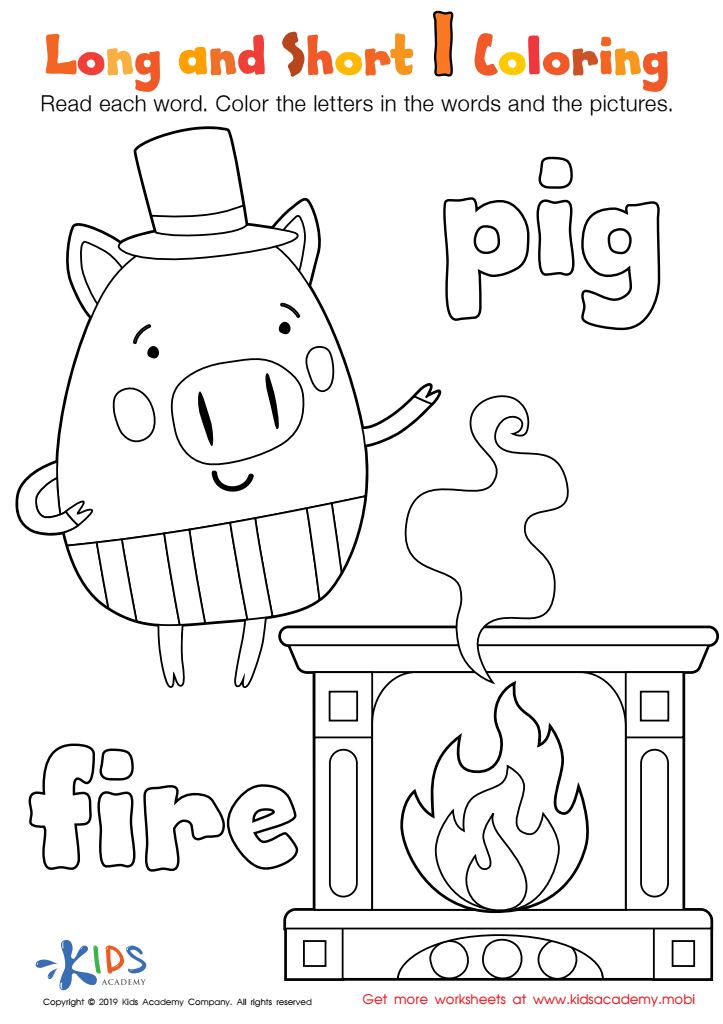
Long and Short I Worksheet
Assign to My Students
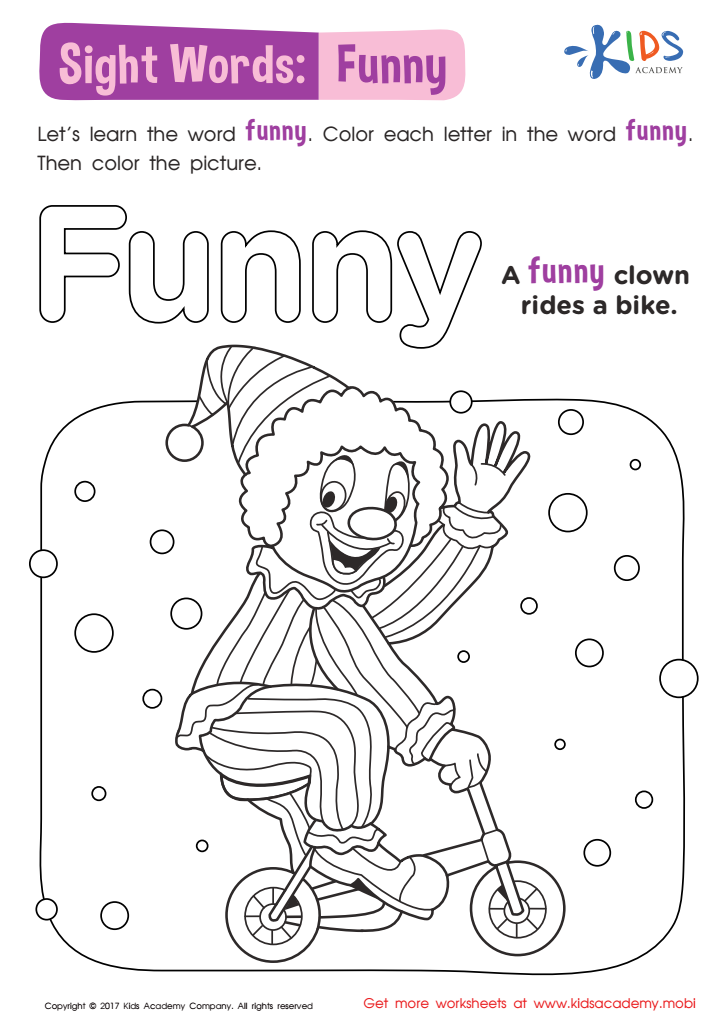
Funny Worksheet Sight Words Worksheet
Assign to My Students
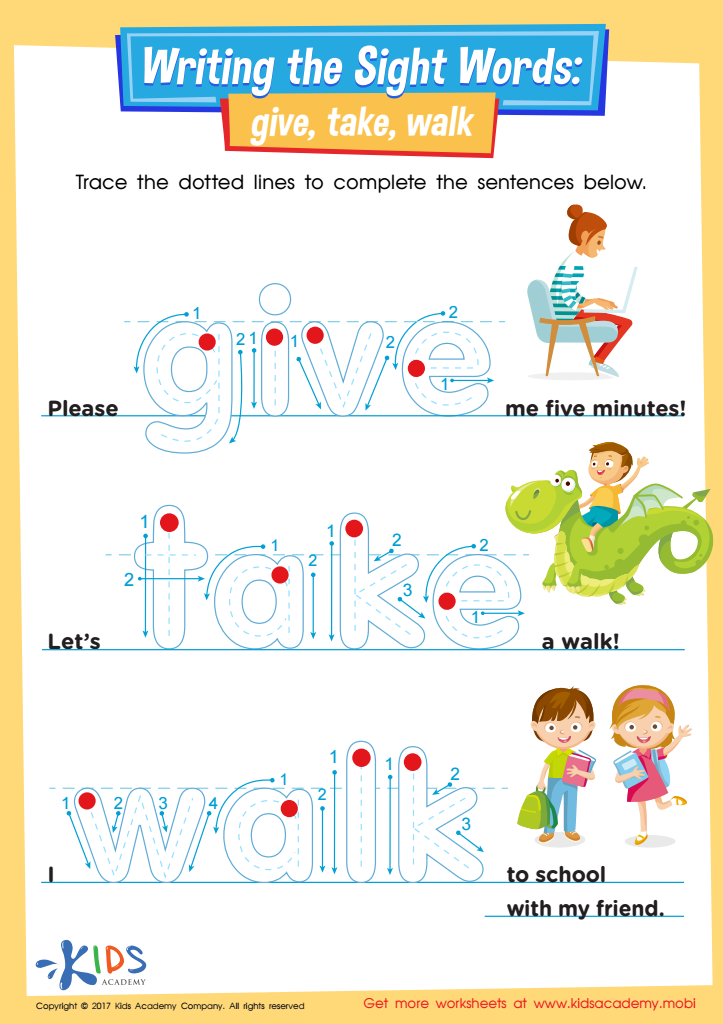
Give, Take, Walk Printable Sight Words Worksheet
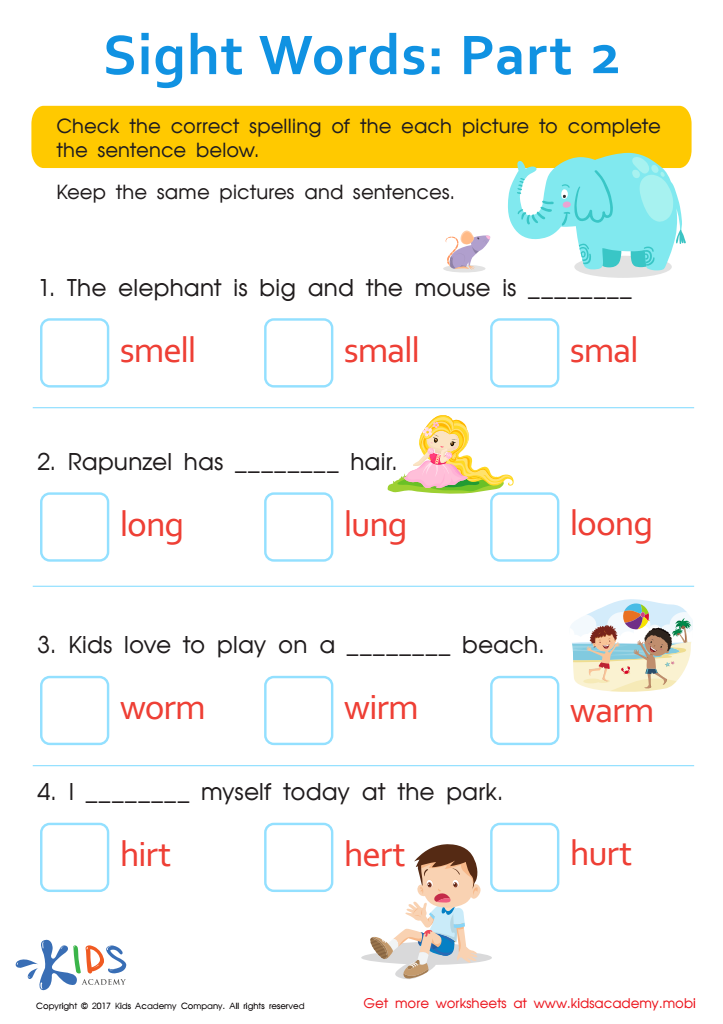
Sight Words Worksheet
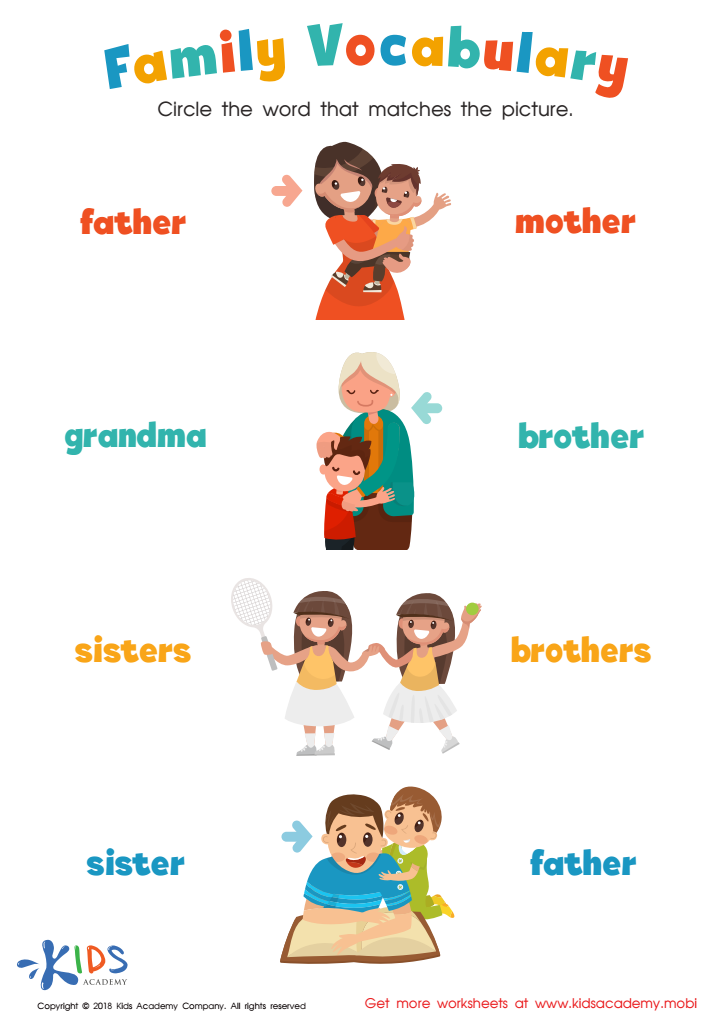
Family Vocabulary Worksheet
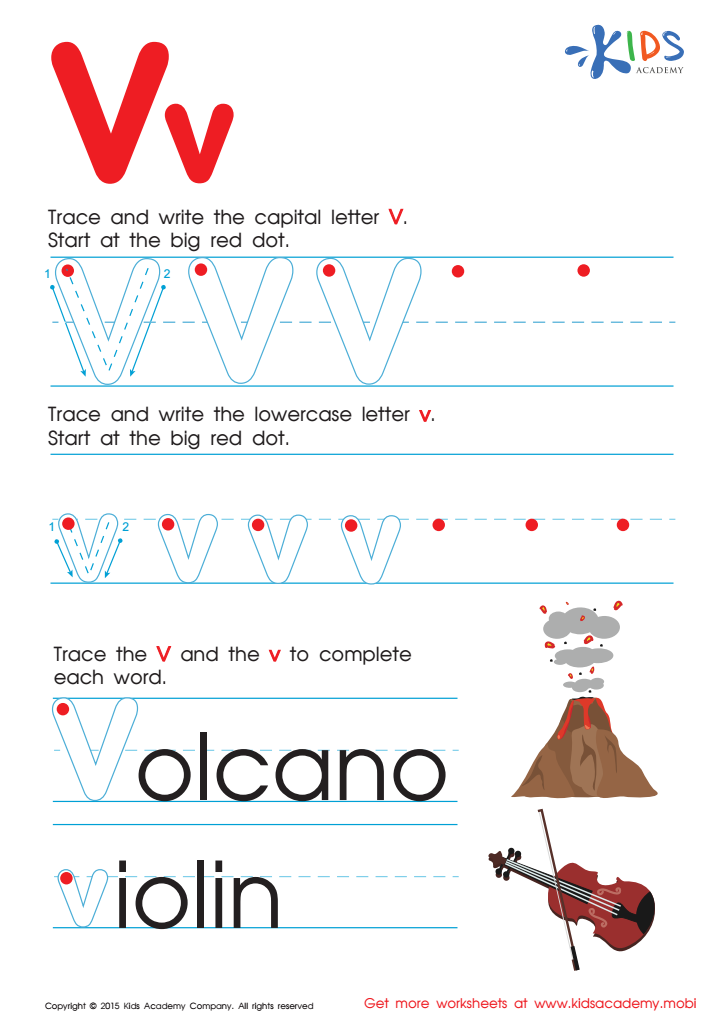
Letter V Tracing Page
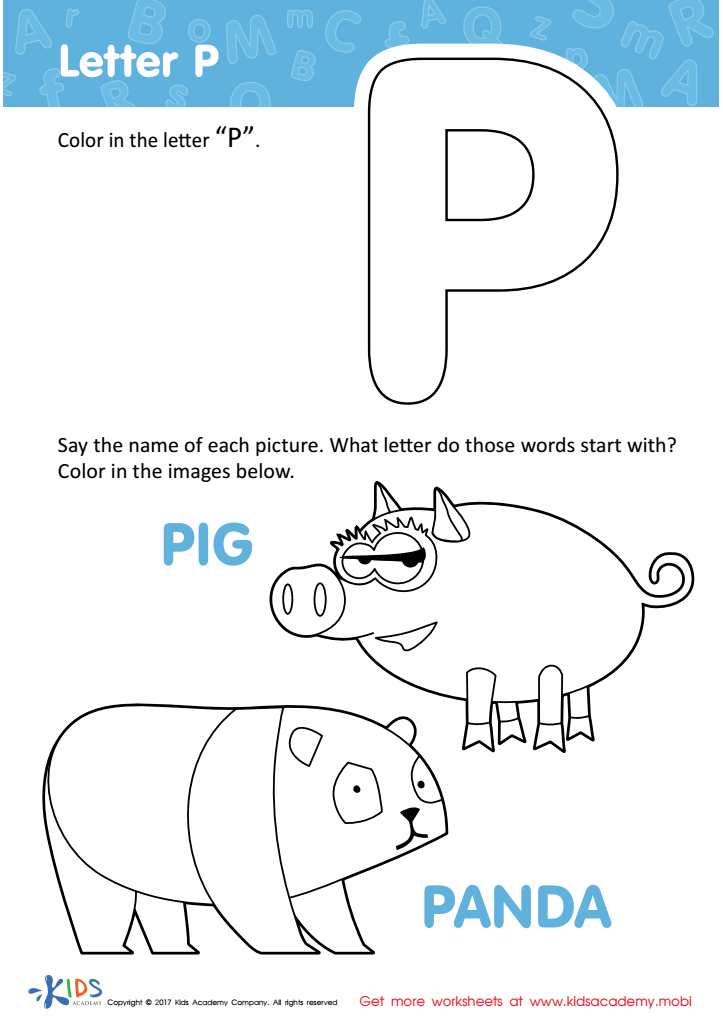
Letter P Coloring Sheet
Assign to My Students





Parents and teachers should care deeply about English for beginners aged 3-8 because early language acquisition lays the foundation for future learning and development. During these formative years, children's brains are incredibly receptive to new languages, making it the ideal time to introduce English in an engaging and supportive environment. Mastery of English not only enhances communication skills but also boosts confidence, empowering children to express themselves more freely.
Moreover, in an increasingly globalized world, early English proficiency can significantly expand children's opportunities, enabling them to connect with diverse cultures and enhance their social interactions. English often serves as a global lingua franca, especially in educational and professional contexts, making early exposure vital for their future success.
Integrating English into playful and interactive learning can strengthen cognitive skills, including memory, problem-solving, and critical thinking. These developmental advantages sustain children through their academic careers and beyond. Ultimately, fostering early English skills equips children with the tools to navigate a complex world, opening doors to various opportunities in education and careers, while also nurturing a lifelong love for learning. Therefore, both parents and teachers play a crucial role in this foundational aspect of their development.