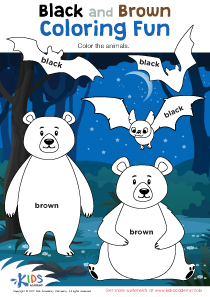
Handwriting practice English for Beginners Worksheets for Ages 3-8 - Page 2
43 filtered results
-
From - To
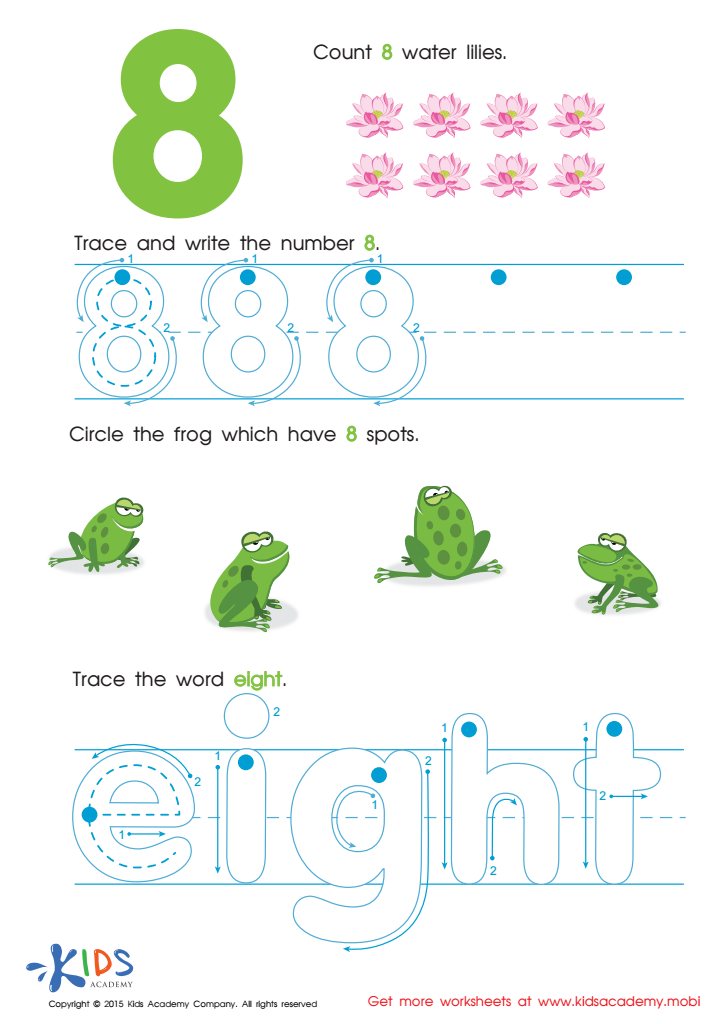
Learn Number 8 Easily Worksheet
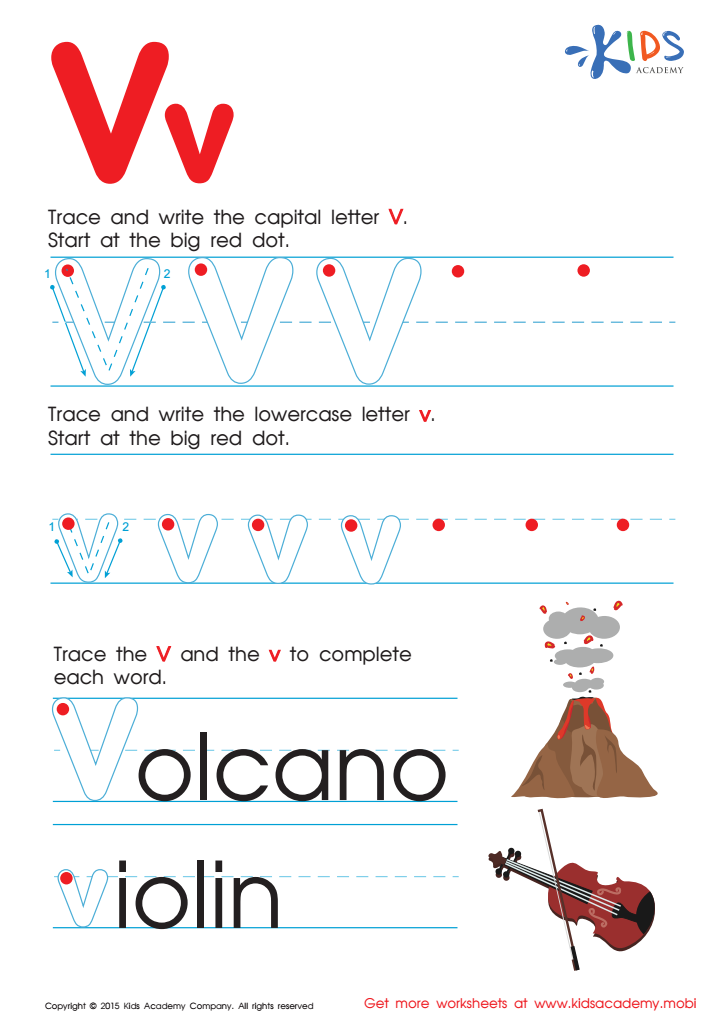
Letter V Tracing Page
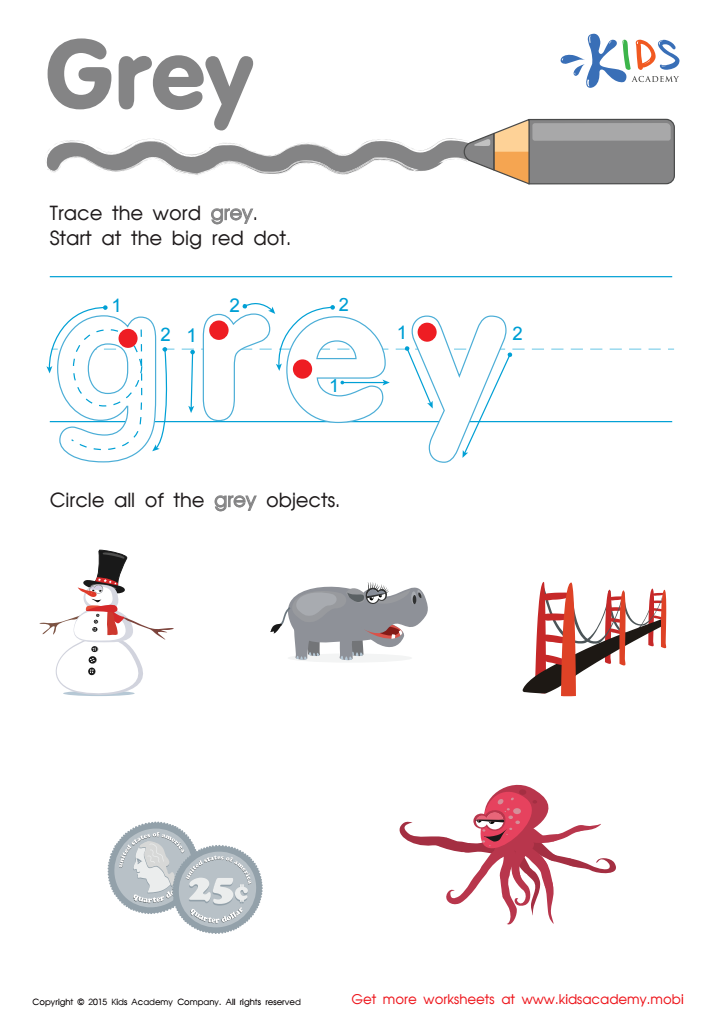
Grey Tracing Color Words Worksheet
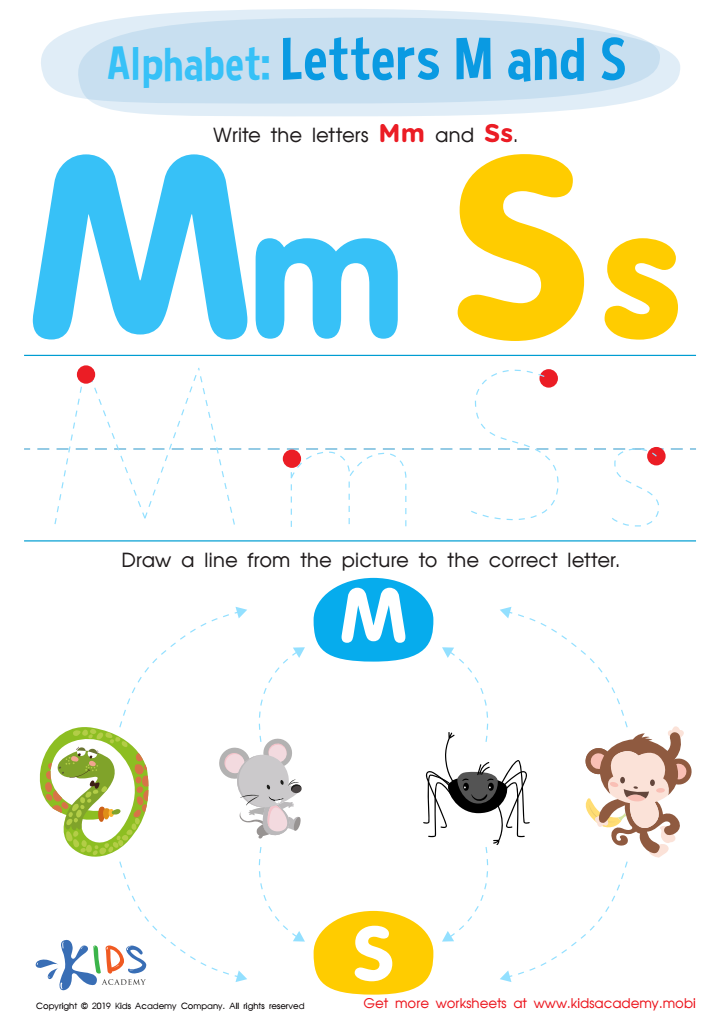
Letters M and S Tracing Worksheet
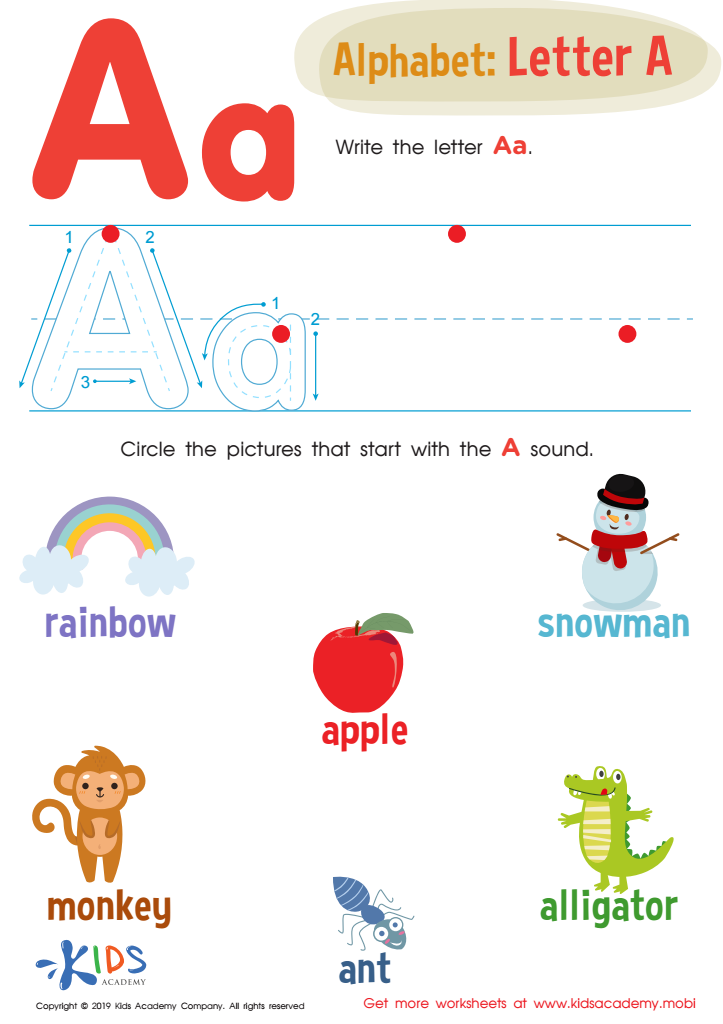
Letter A Tracing Worksheet
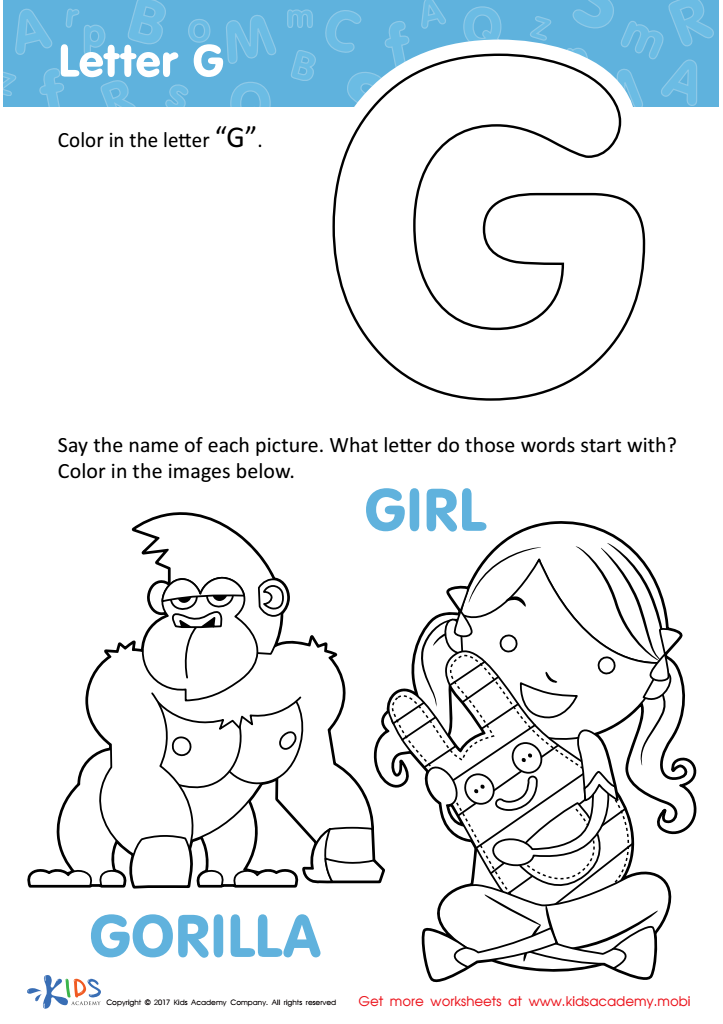
Letter G Coloring Sheet
 Assign to My Students
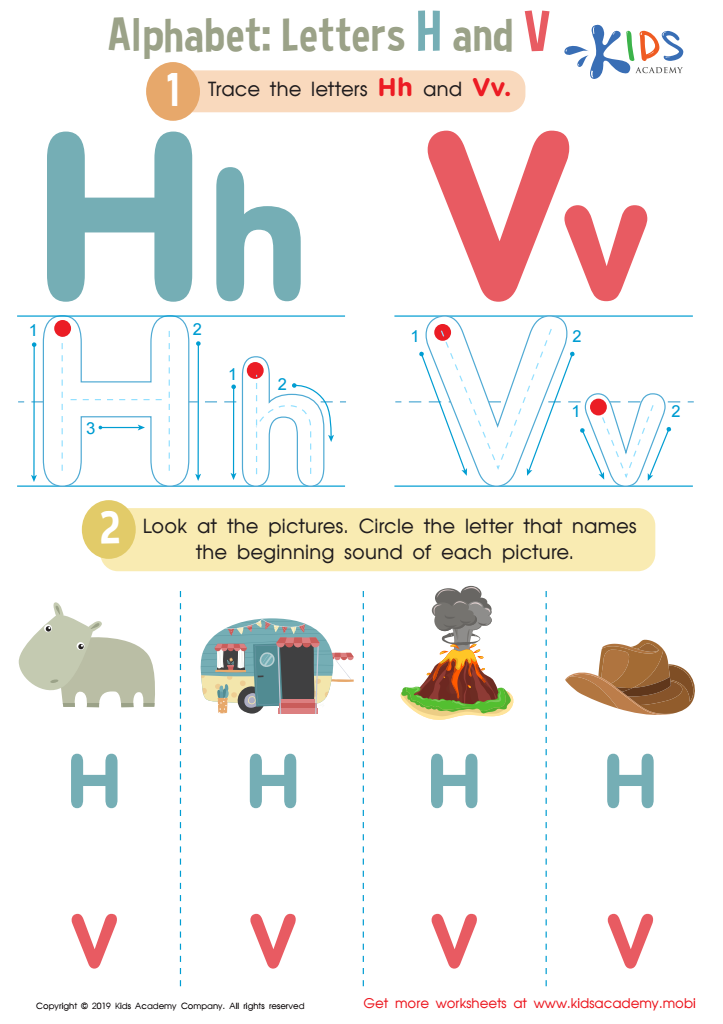
Letters H and V Tracing Worksheet
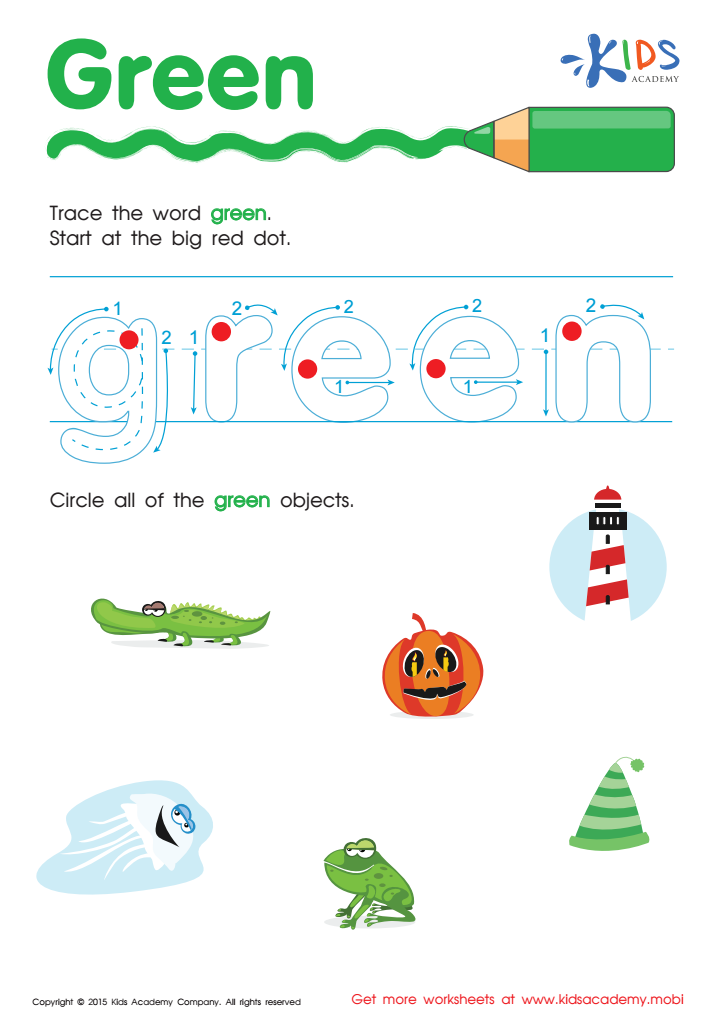
Green Tracing Color Words Worksheet
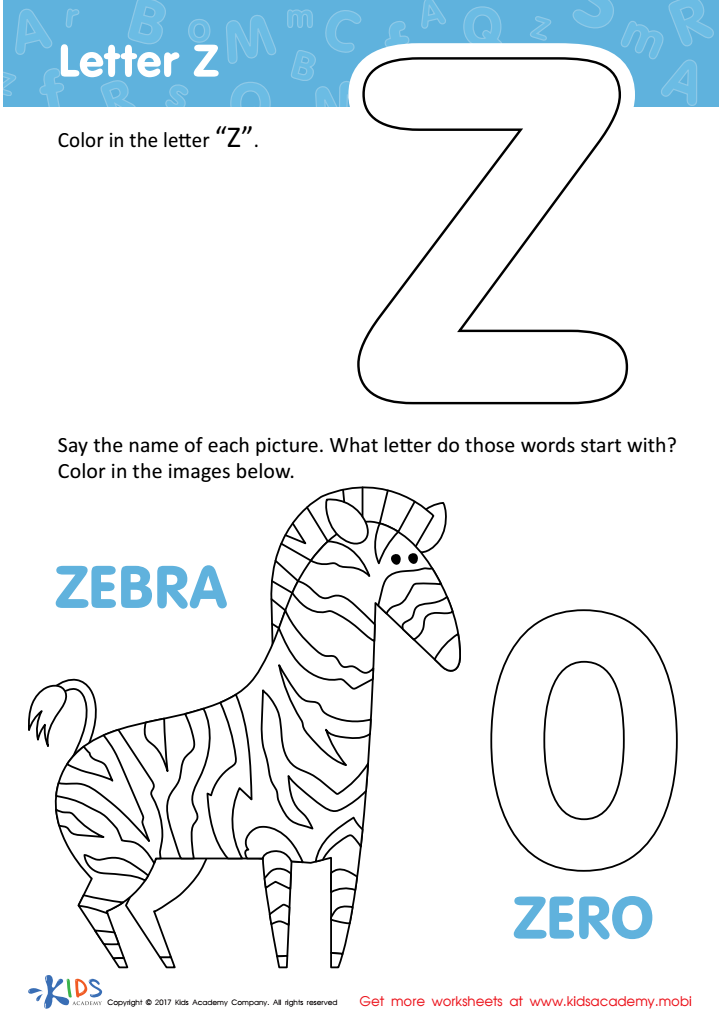
Letter Z Coloring Sheet
Assign to My Students
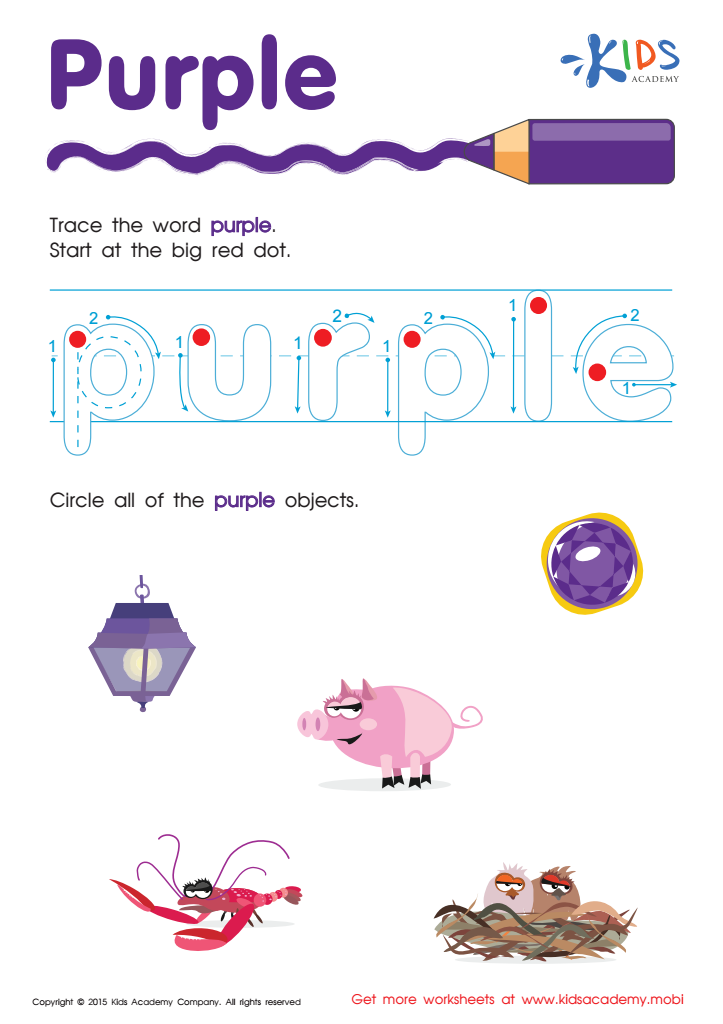
Purple Tracing Color Words Worksheet
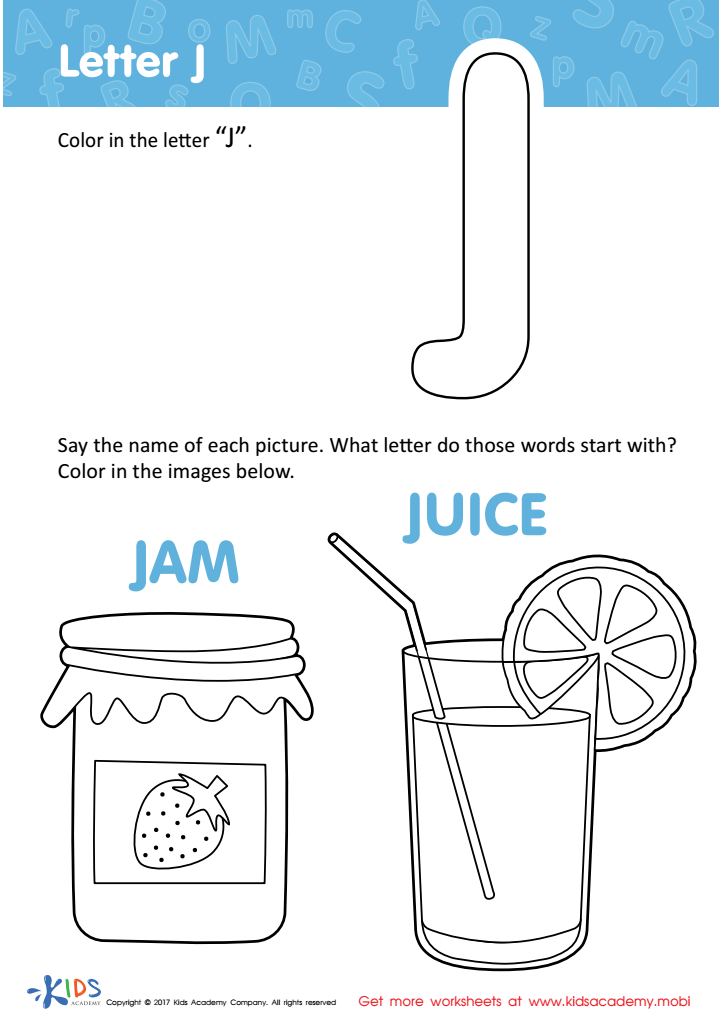
Letter J Coloring Sheet
Assign to My Students
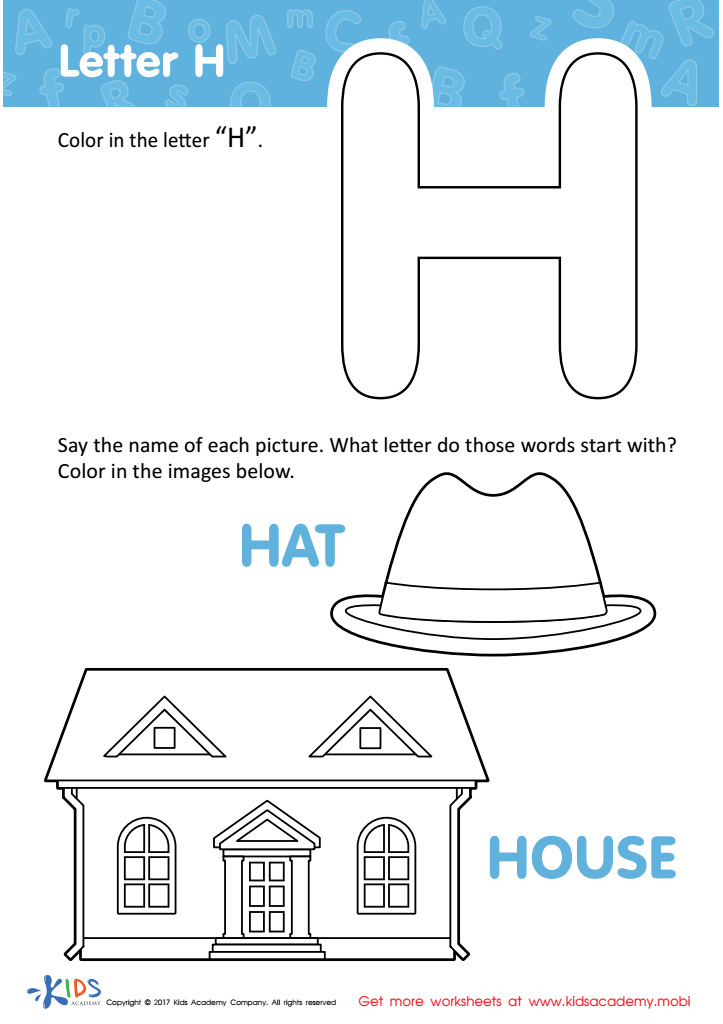
Letter H Coloring Sheet
Assign to My Students
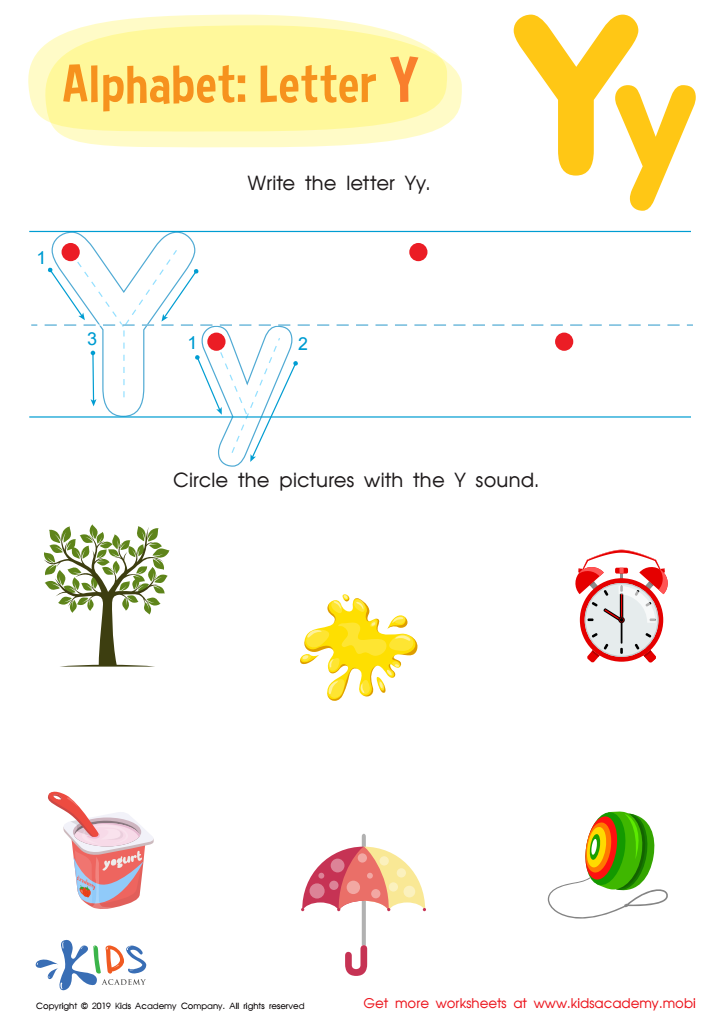
Letter Y Tracing Worksheet
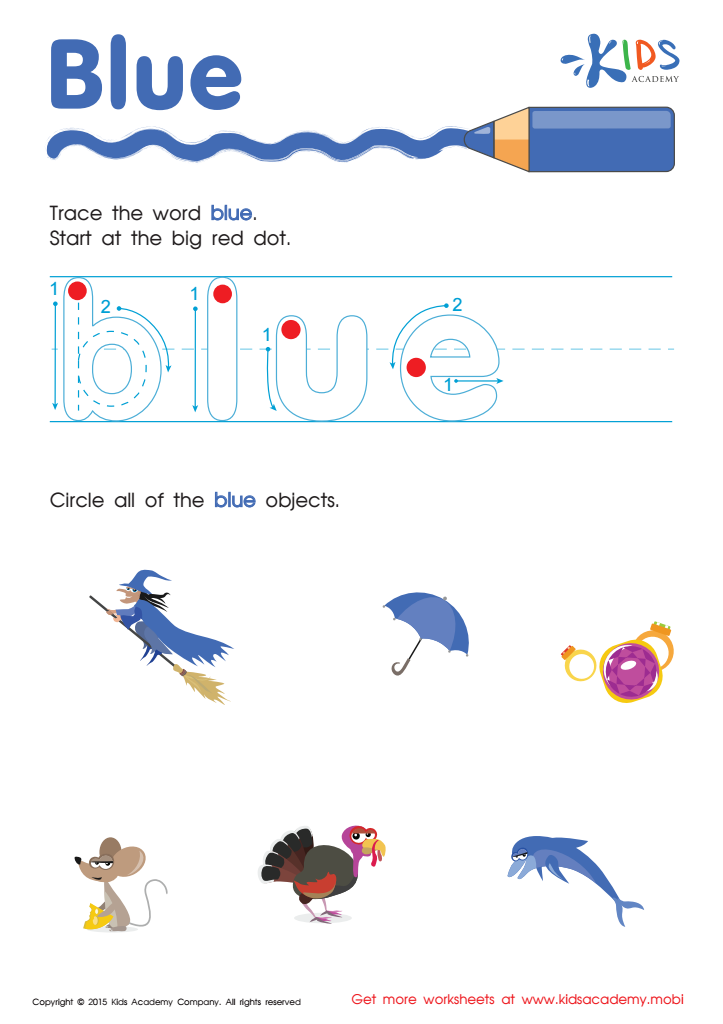
Blue Tracing Color Words Printable
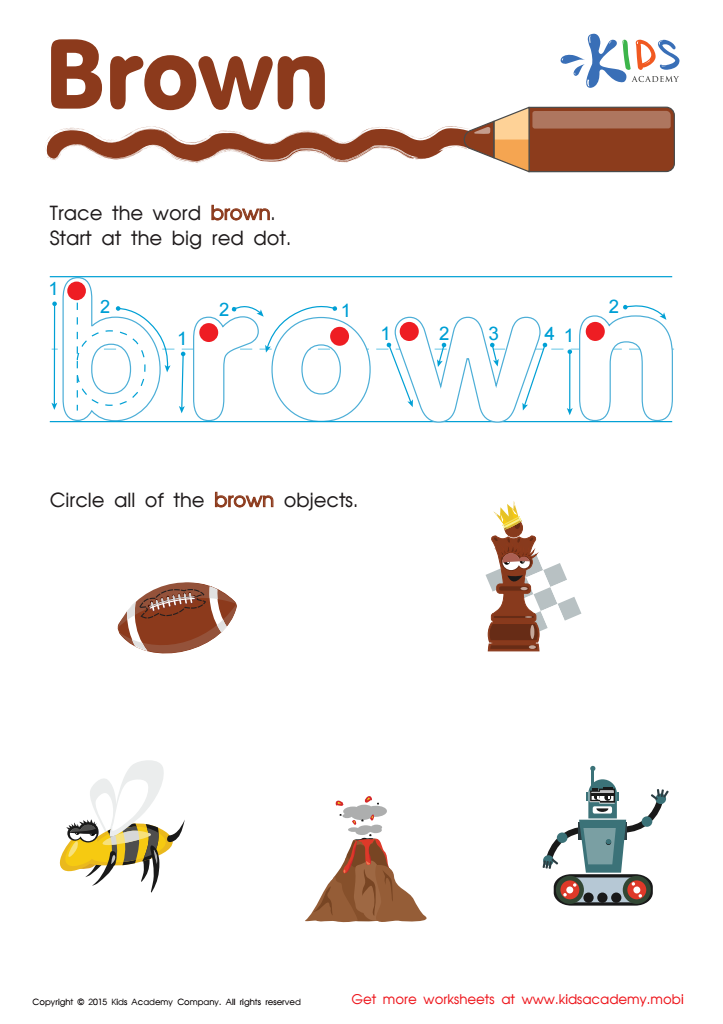
Brown Tracing Color Words Worksheet
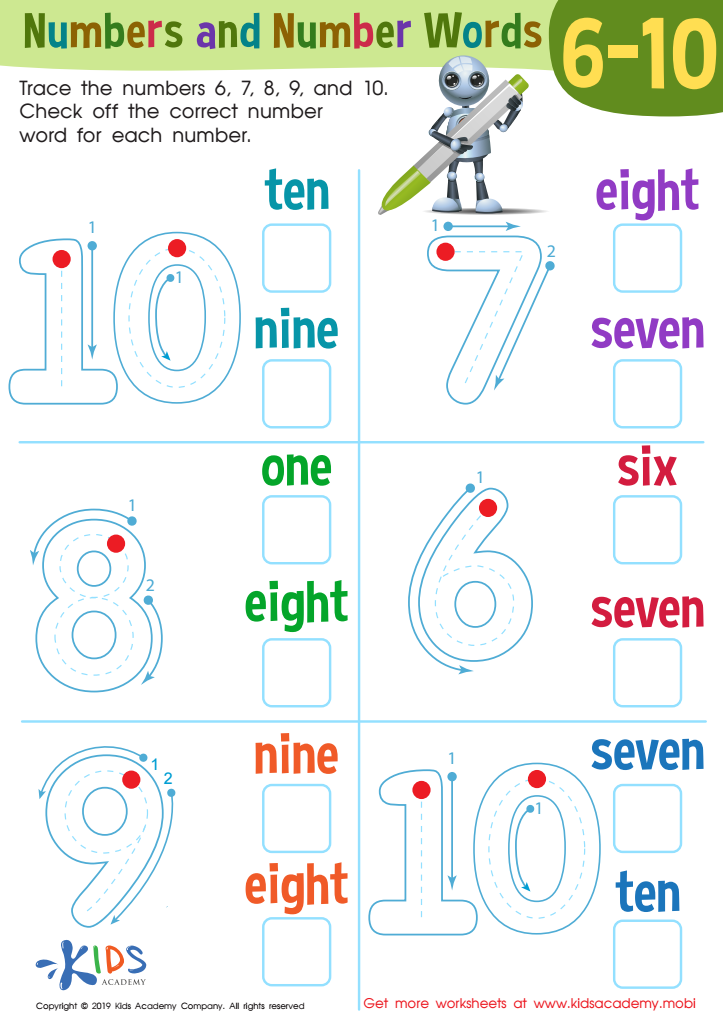
Numbers and Number Words 6–1 Worksheet
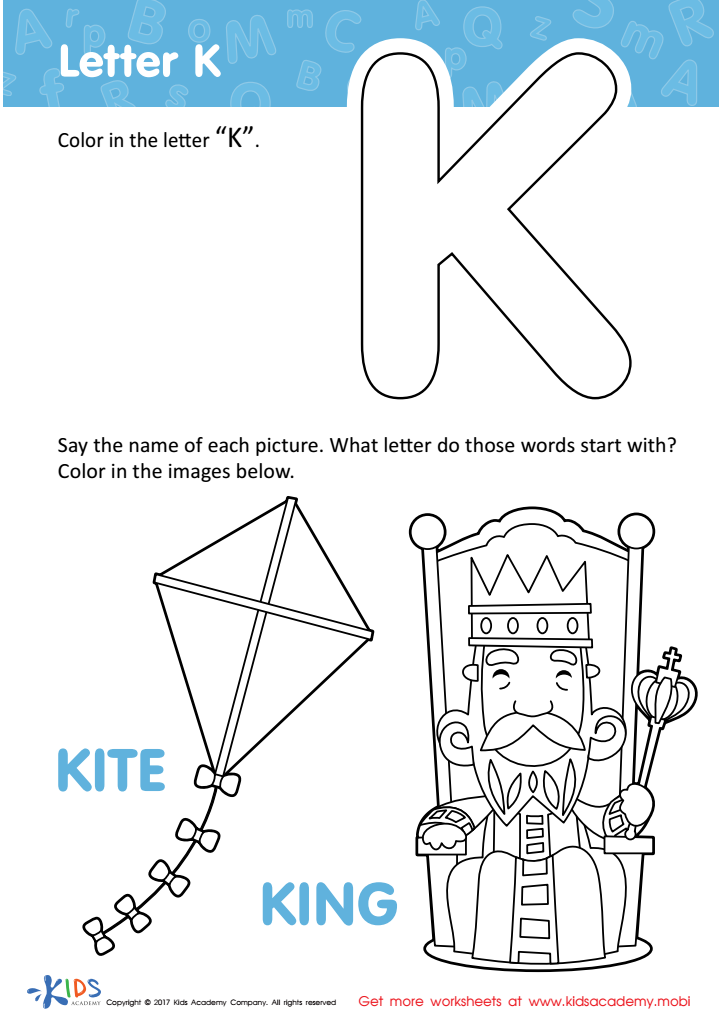
Letter K Coloring Sheet
Assign to My Students
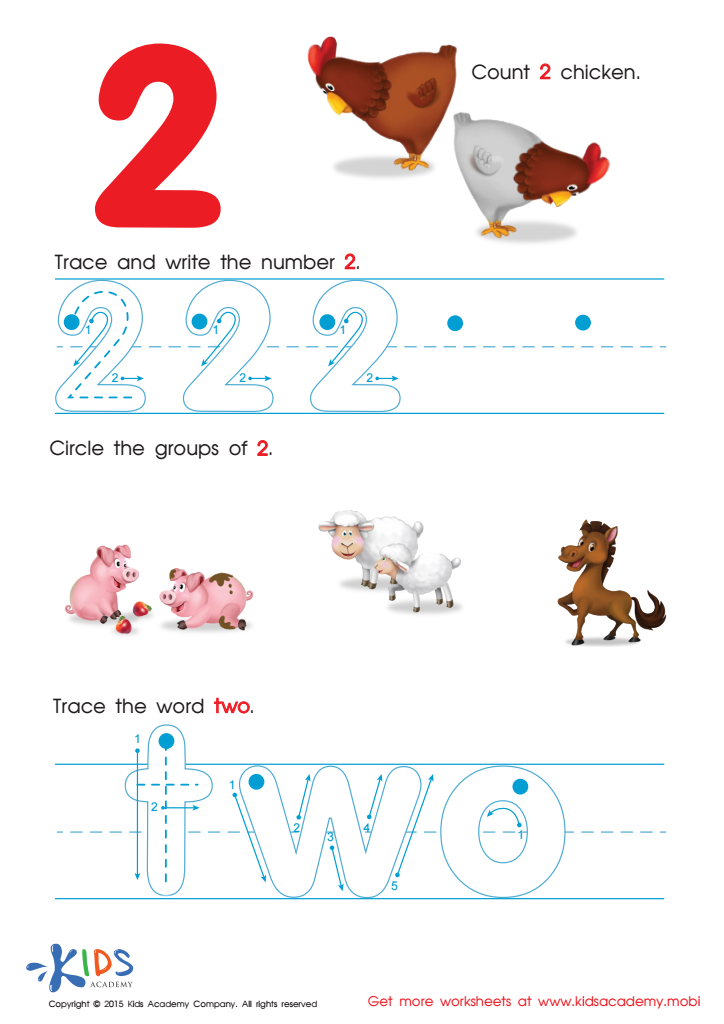
Learn to Write the Number 2 Worksheet

Letter N Coloring Sheet
Assign to My Students





Handwriting practice for beginners, particularly for children aged 3-8, is crucial for several reasons. Firstly, it helps develop fine motor skills, which are essential for various daily activities and academic tasks. At this age, children are refining their hand-eye coordination and dexterity, and handwriting provides an engaging way to enhance these skills.
Secondly, handwriting supports literacy development. For young learners, letters are the building blocks of reading and writing. By practicing handwriting, children familiarize themselves with letter shapes, sounds, and phonetics, laying a strong foundation for their literacy journey. This early exposure boosts confidence in their ability to communicate effectively.
Moreover, handwriting contributes to cognitive development. The act of writing engages the brain in ways that typing does not, fostering memory retention and comprehension. It encourages creativity, as children express their thoughts and ideas on paper.
Finally, good handwriting instills a sense of pride and presentation. Encouraging neatness in writing teaches children to take care in their work, cultivating attention to detail. Therefore, parents and teachers should invest time in handwriting practice, recognizing its profound impact on children's development and future academic success.