Categorization skills Worksheets for Ages 3-8
34 filtered results
-
From - To
Enhance your child's cognitive development with our engaging Categorization Skills Worksheets for ages 3-8! Perfectly designed to nurture young minds, these worksheets help children systematically organize and classify objects, honing their thinking and problem-solving abilities. Interactive activities include sorting by color, shape, size, and more, providing a fun and educational experience. By mastering categorization, kids build a strong foundation for critical thinking and decision-making skills. Visit Kids Academy now to explore a diverse range of printable worksheets that will turn learning into a thrilling adventure for your little ones!
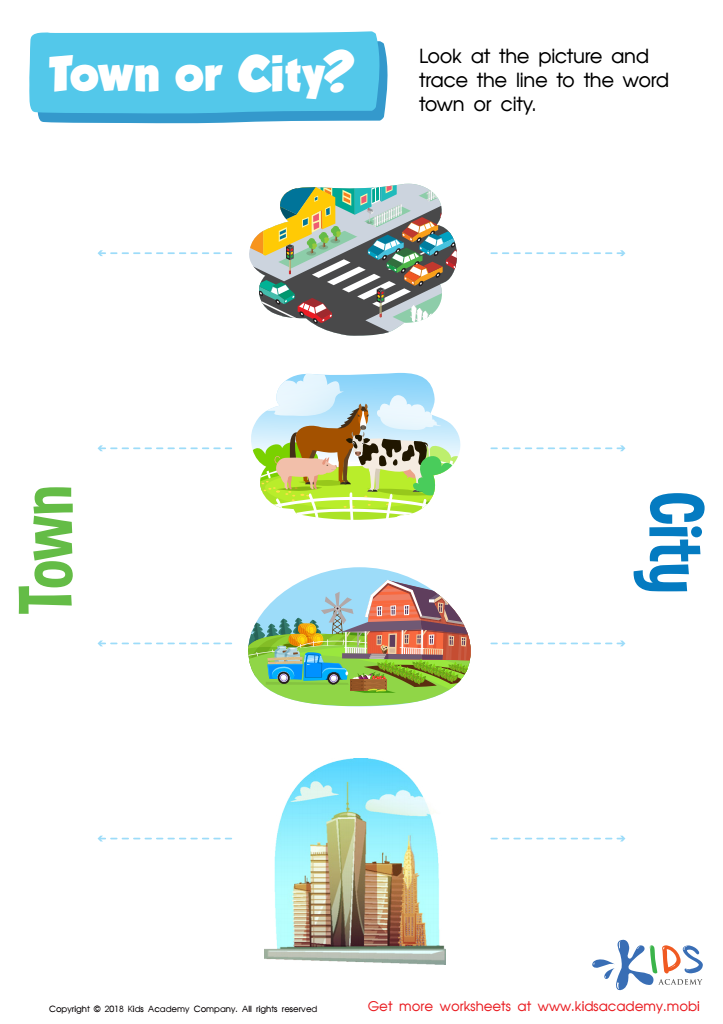
Town or City? Worksheet
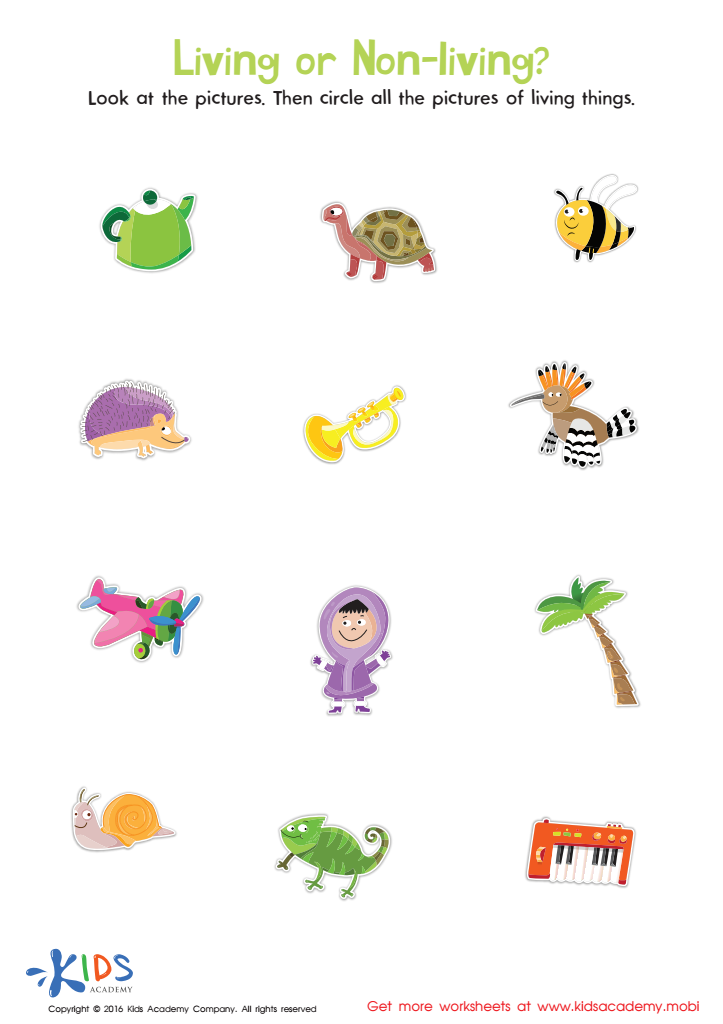
Identifying Living and Non–living Things Sorting Worksheet
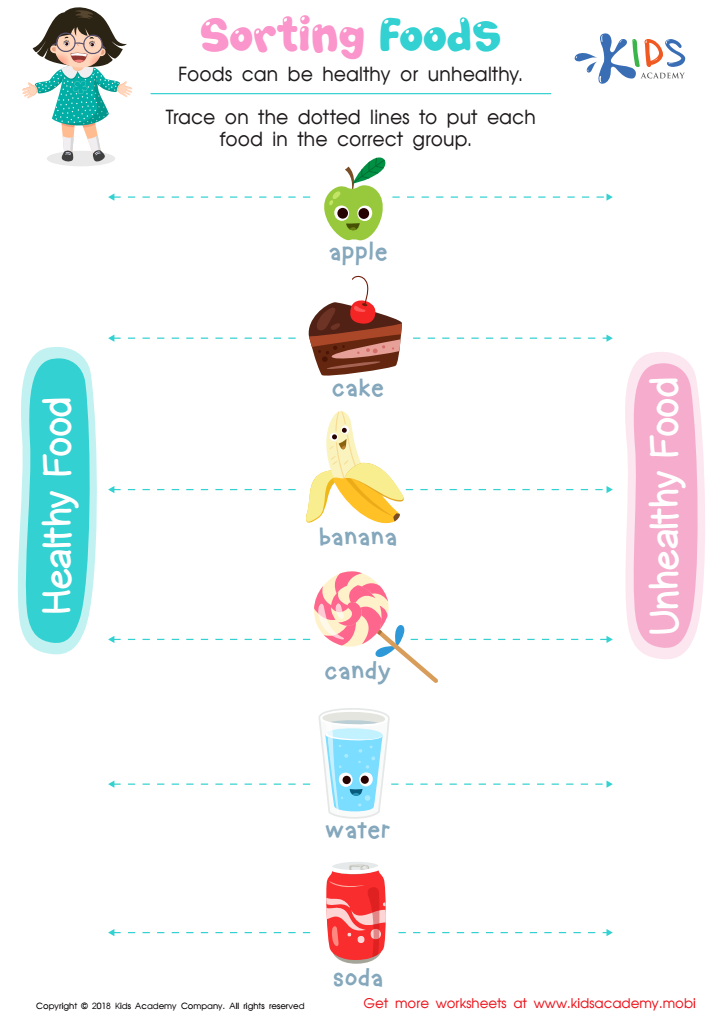
Sorting Food Worksheet
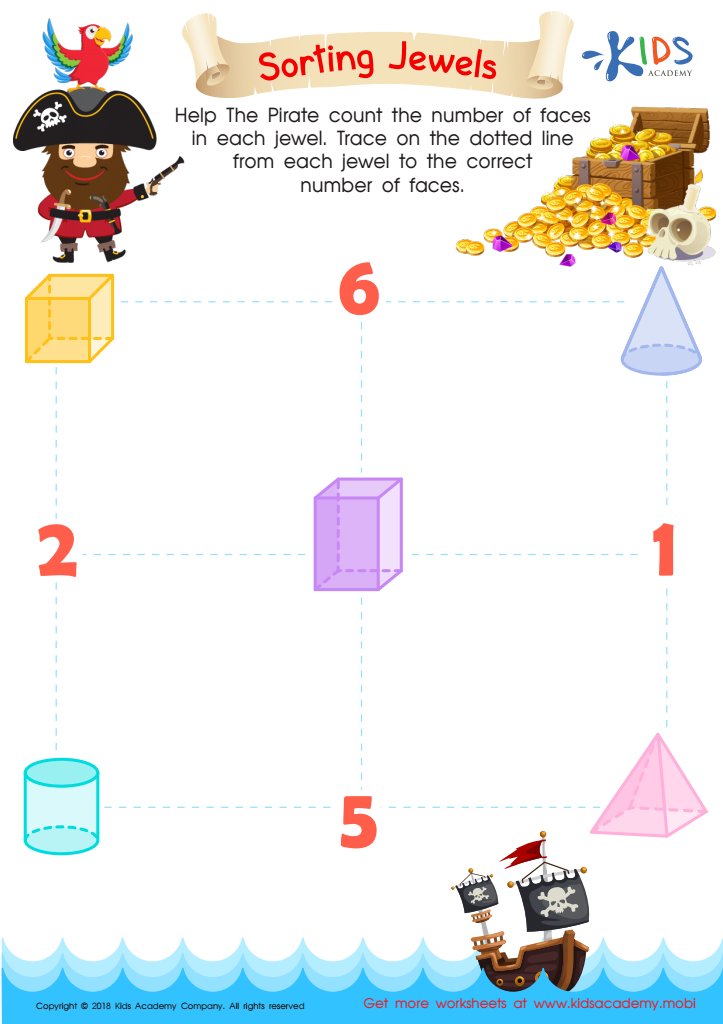
Sorting Jewels Worksheet
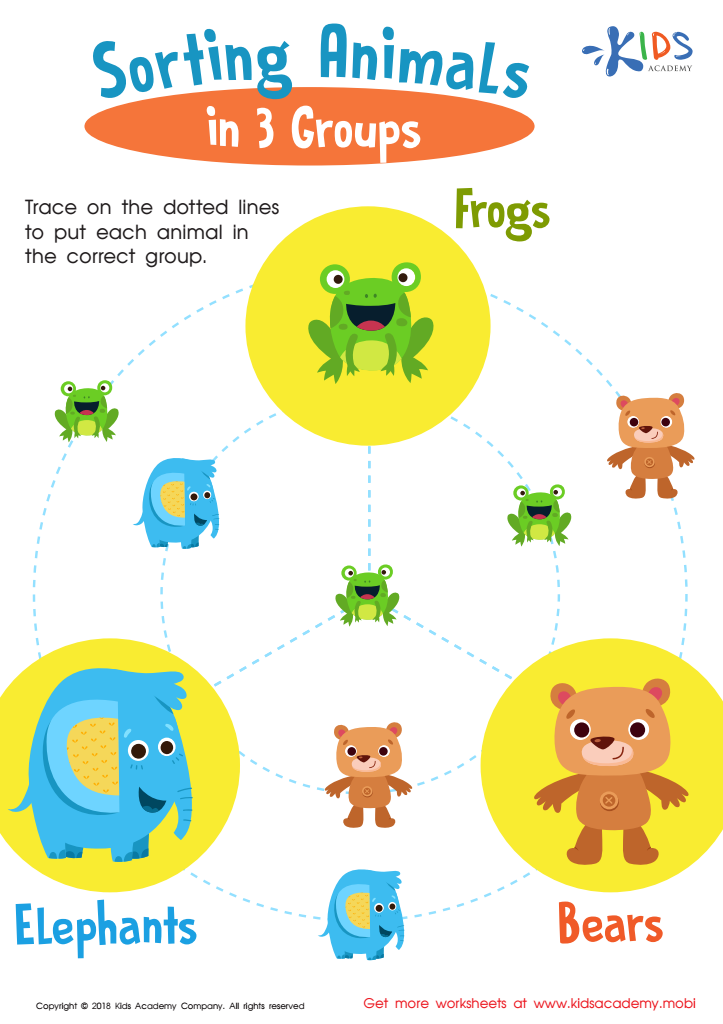
Sorting Animals in 3 Groups Worksheet
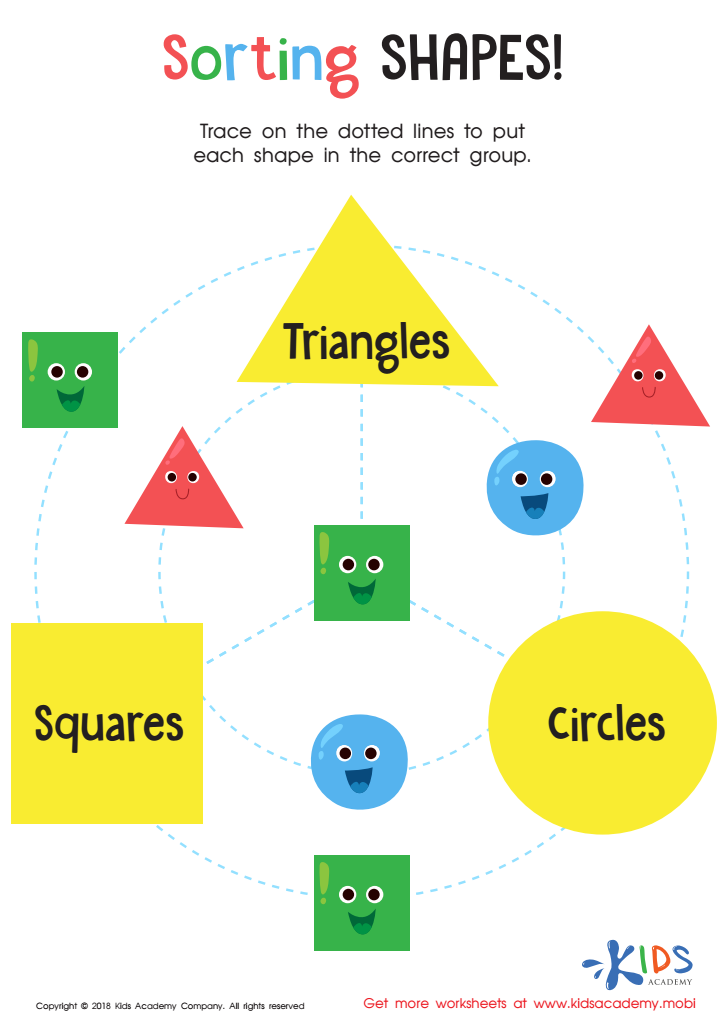
Sorting Shapes - Part 3 Worksheet
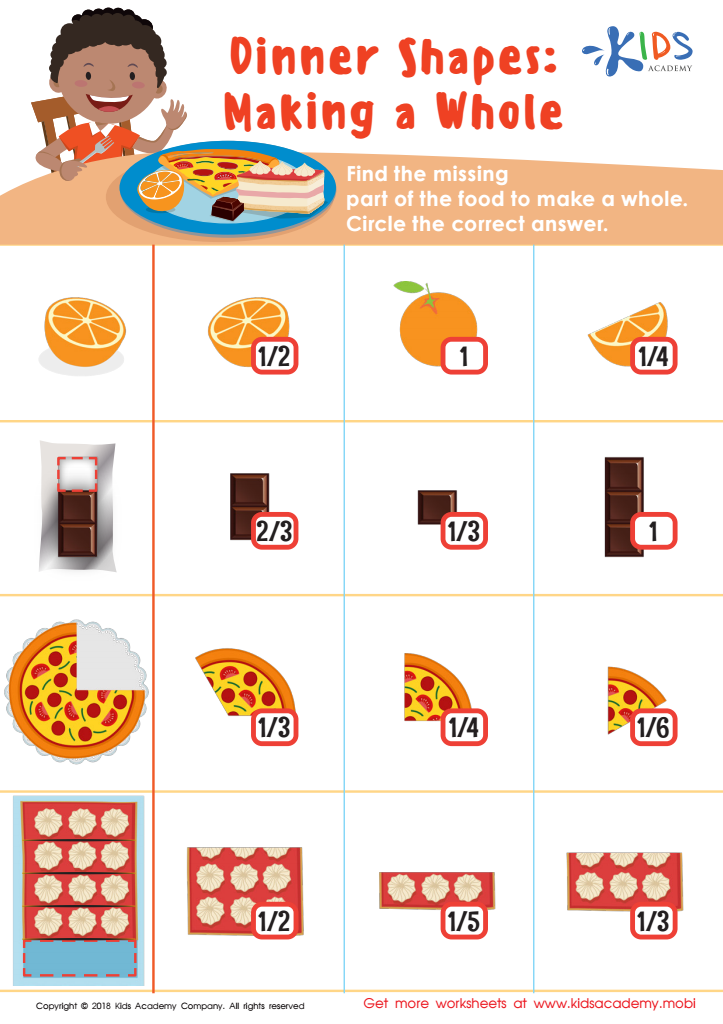
Dinner Shapes: Making a Whole Worksheet
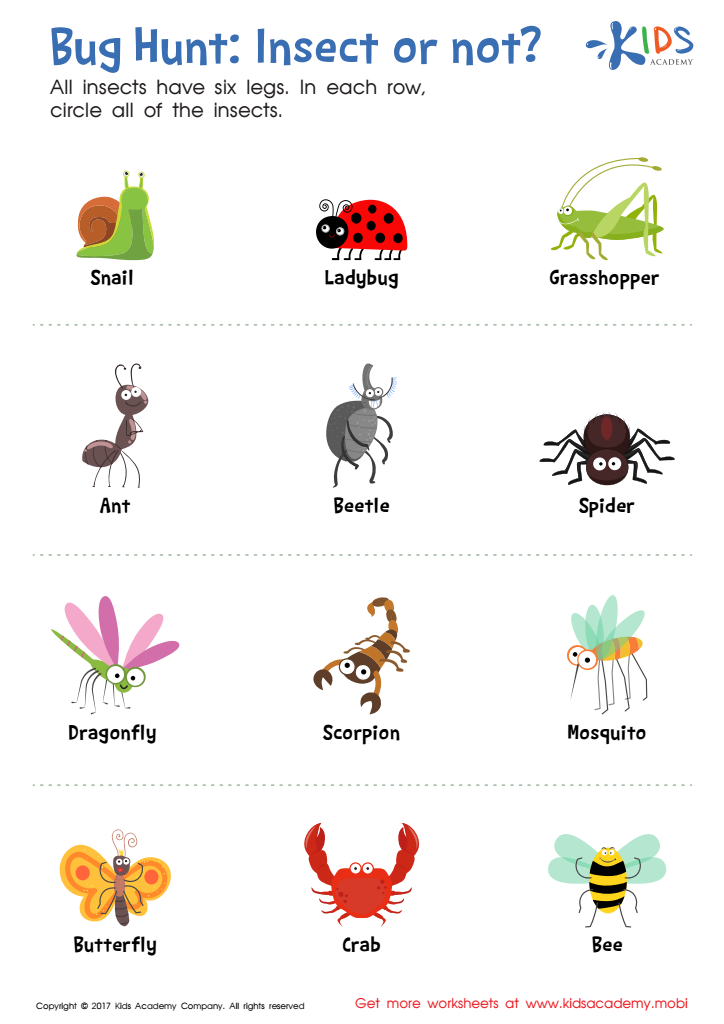
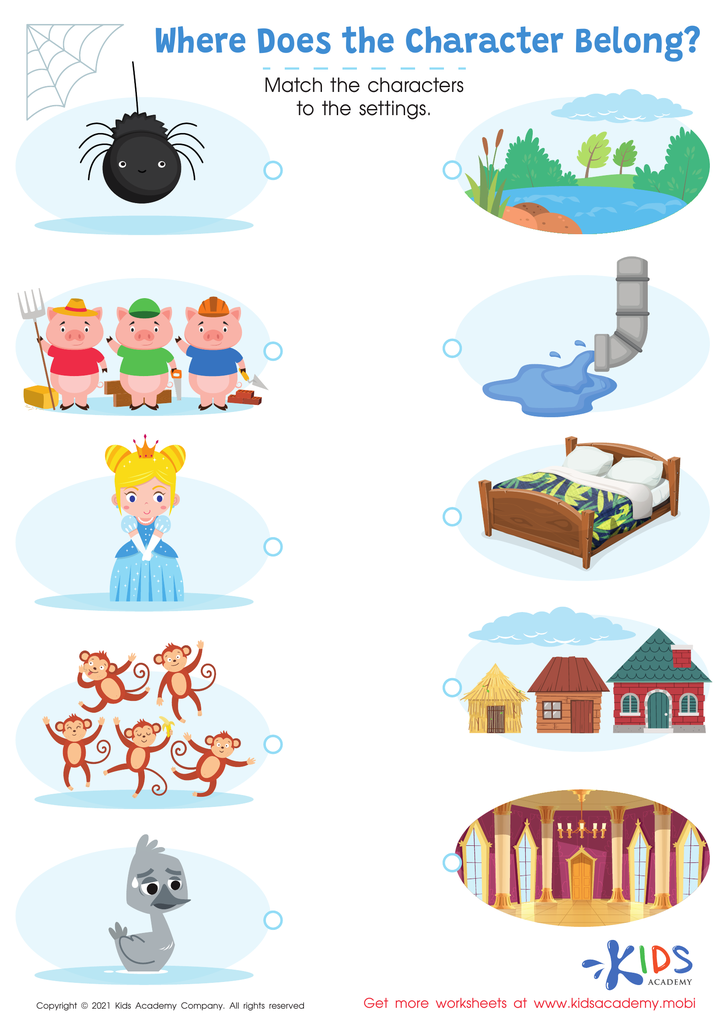
Where Does the Character Belong? Worksheet
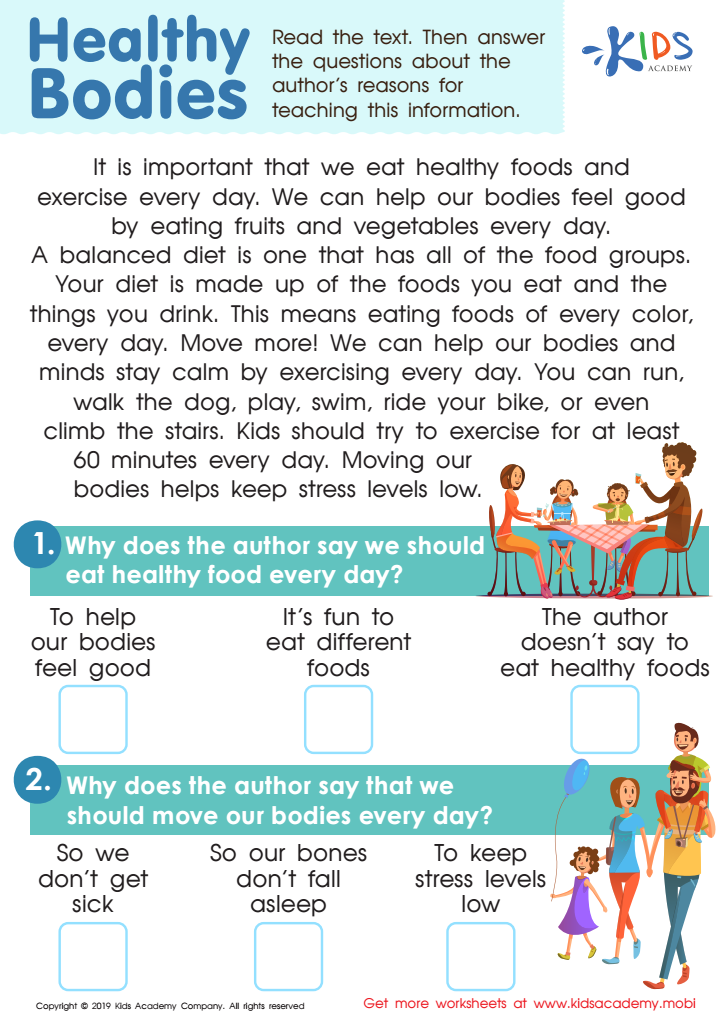
Healthy Bodies Worksheet
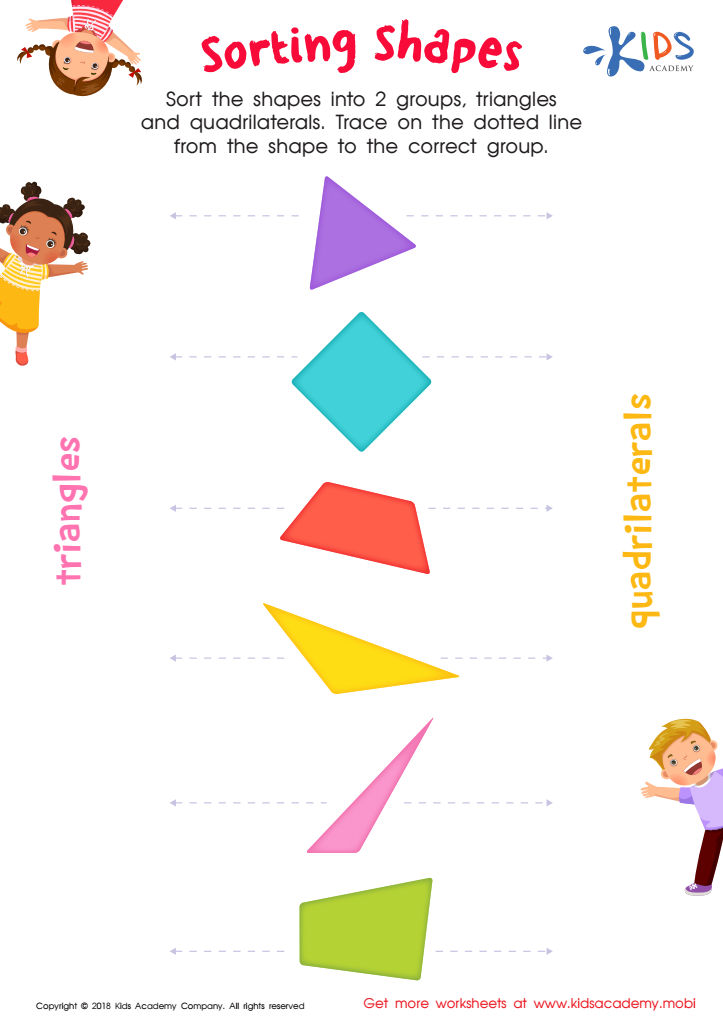
Sorting Shapes Worksheet
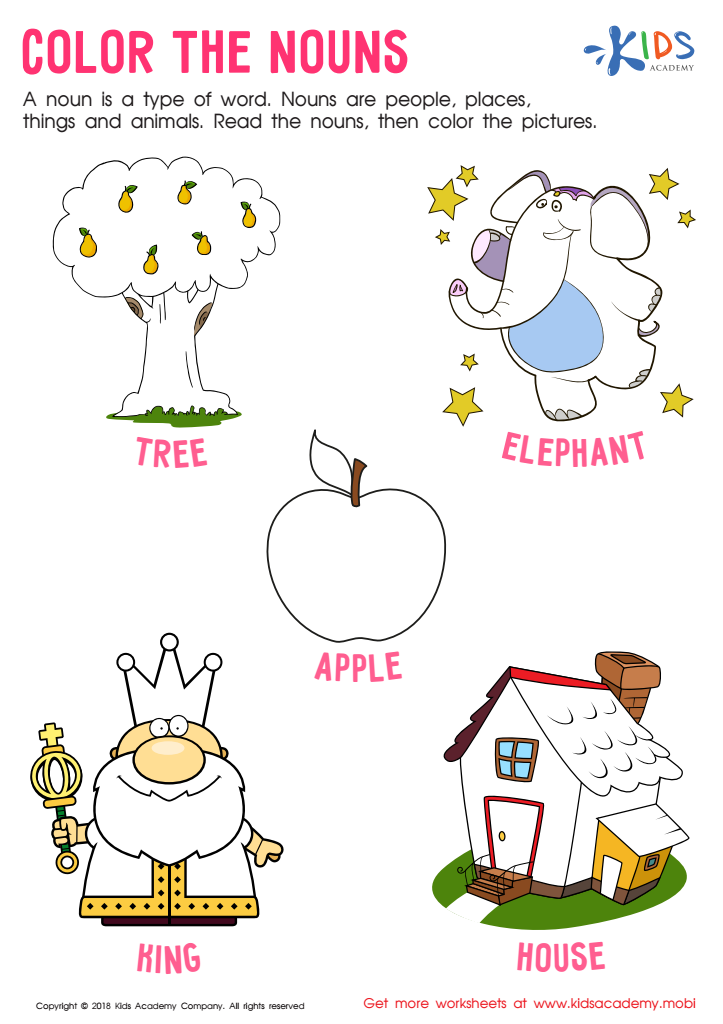
Color the Nouns Worksheet
 Assign to My Students
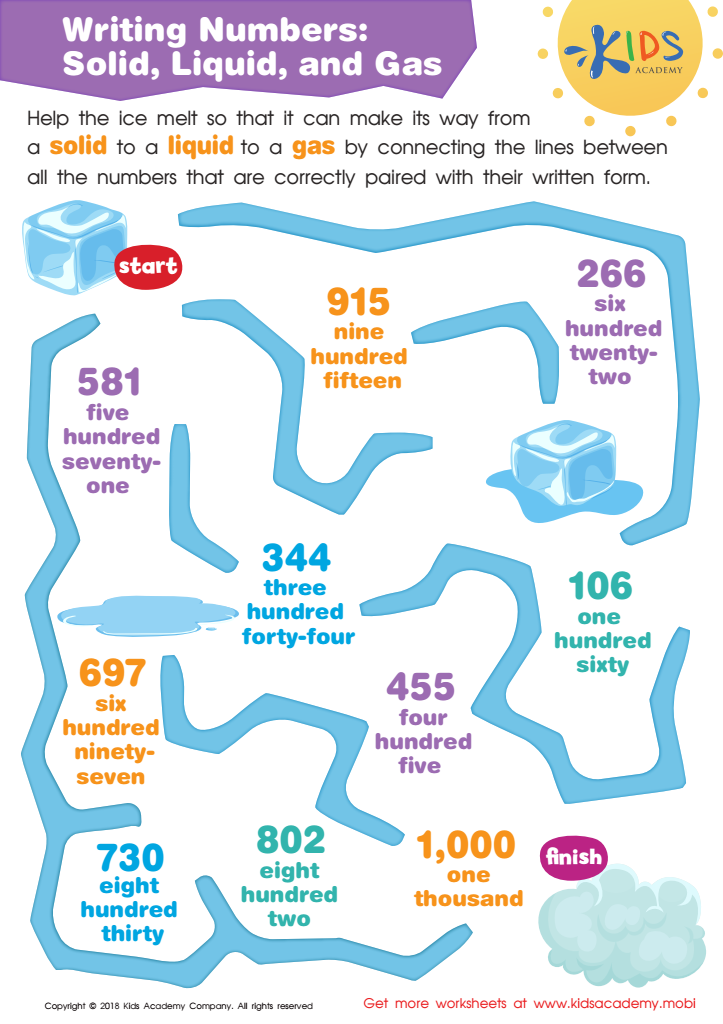
Solid, Liquid, and Gas Writing Numbers Worksheet
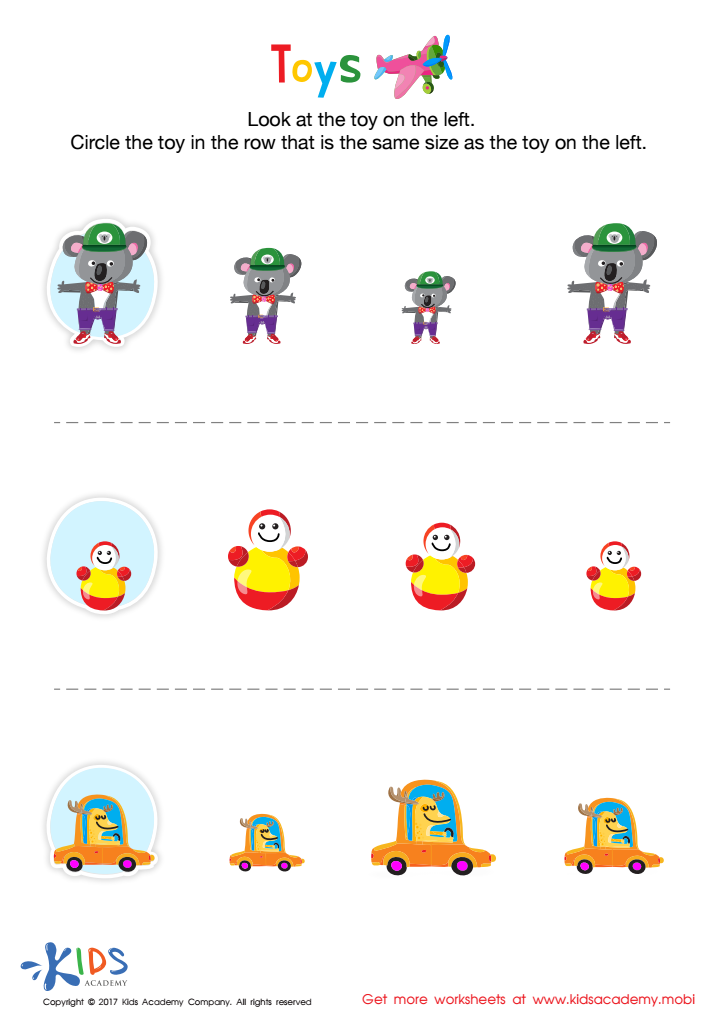
Matching: Classifying Toys by Size Worksheet
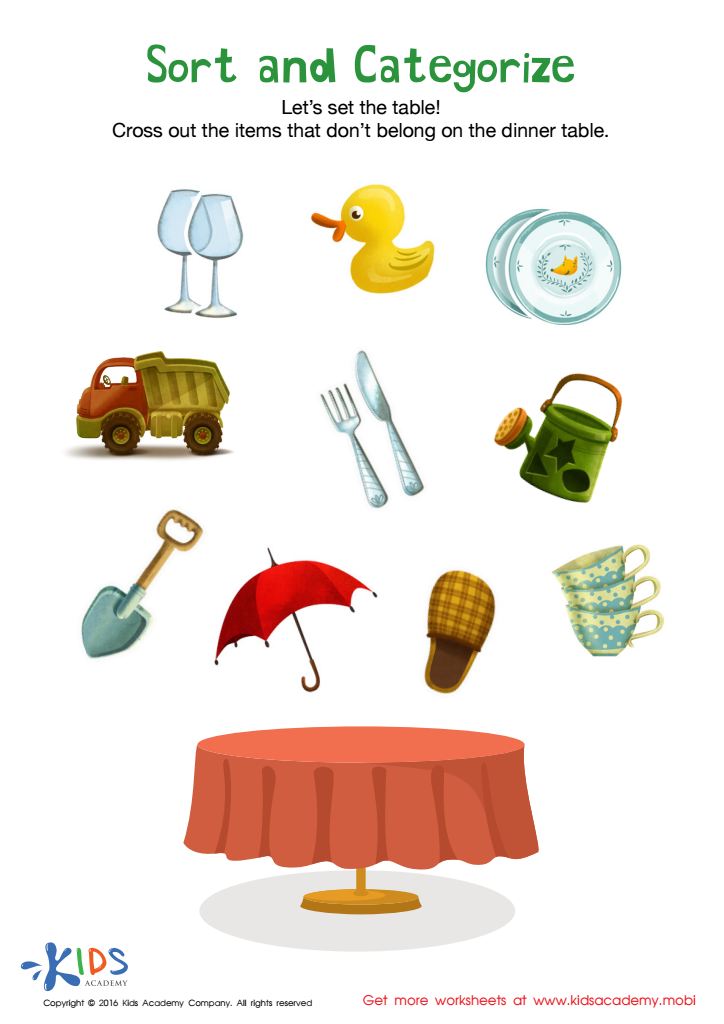
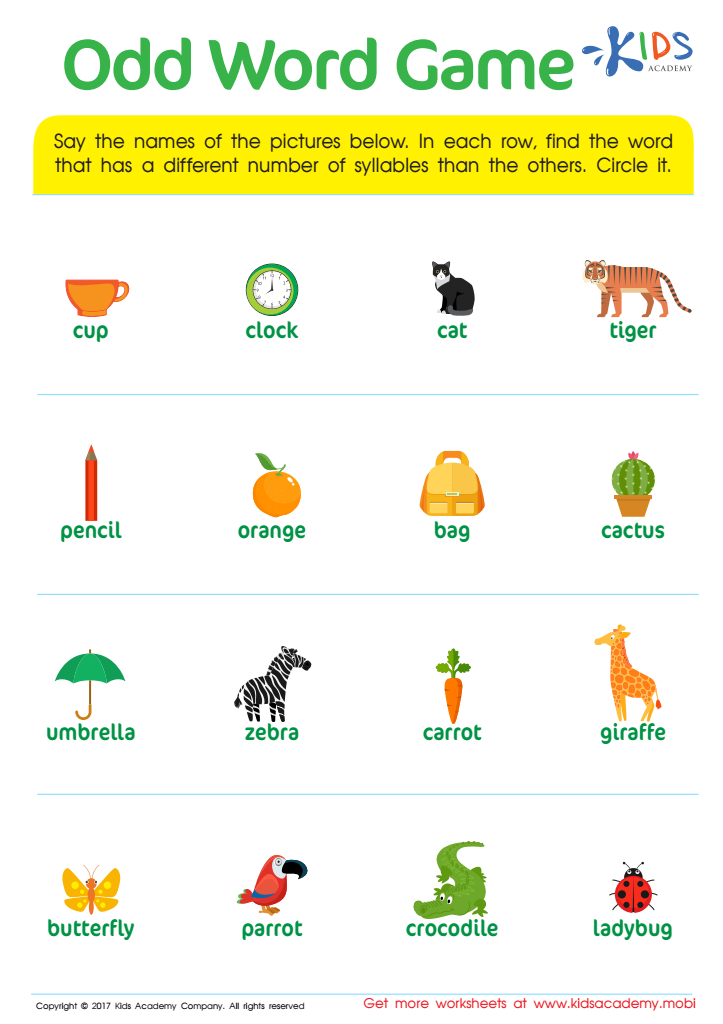
Count Syllables: Odd Word Game Worksheet
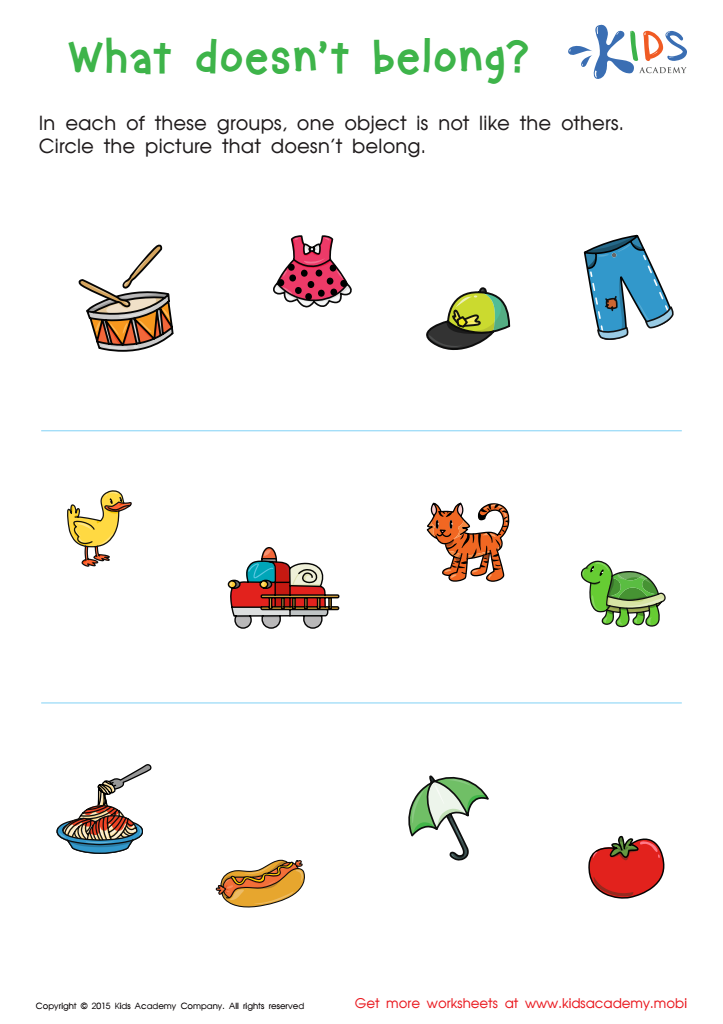
First Words: What Doesn't Belong Worksheet
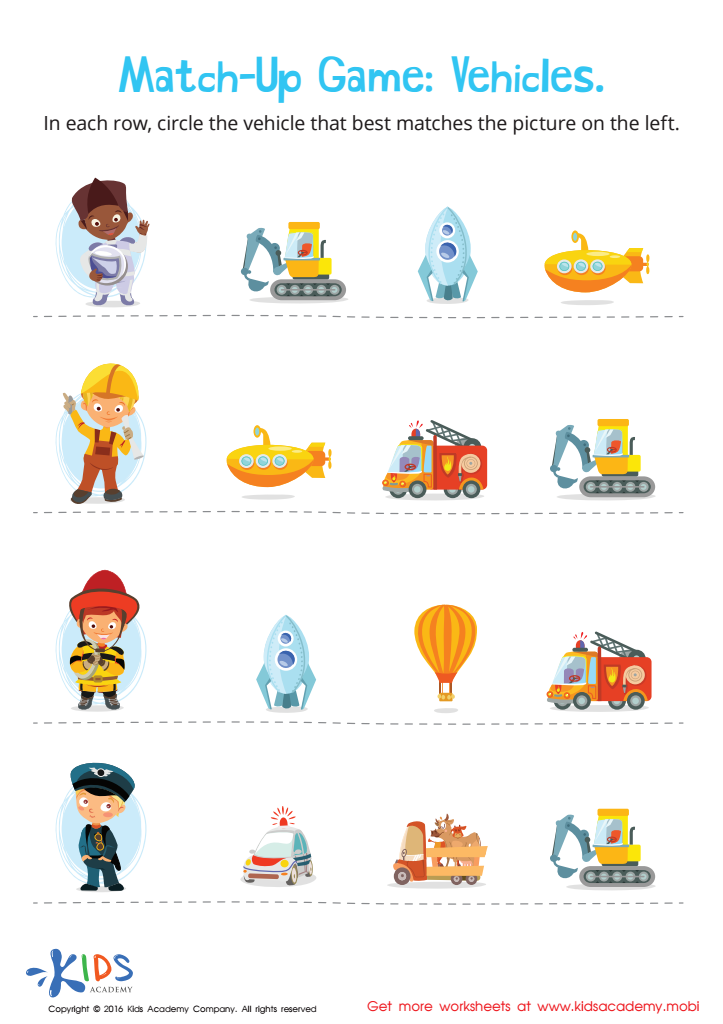
Vehicles Worksheet
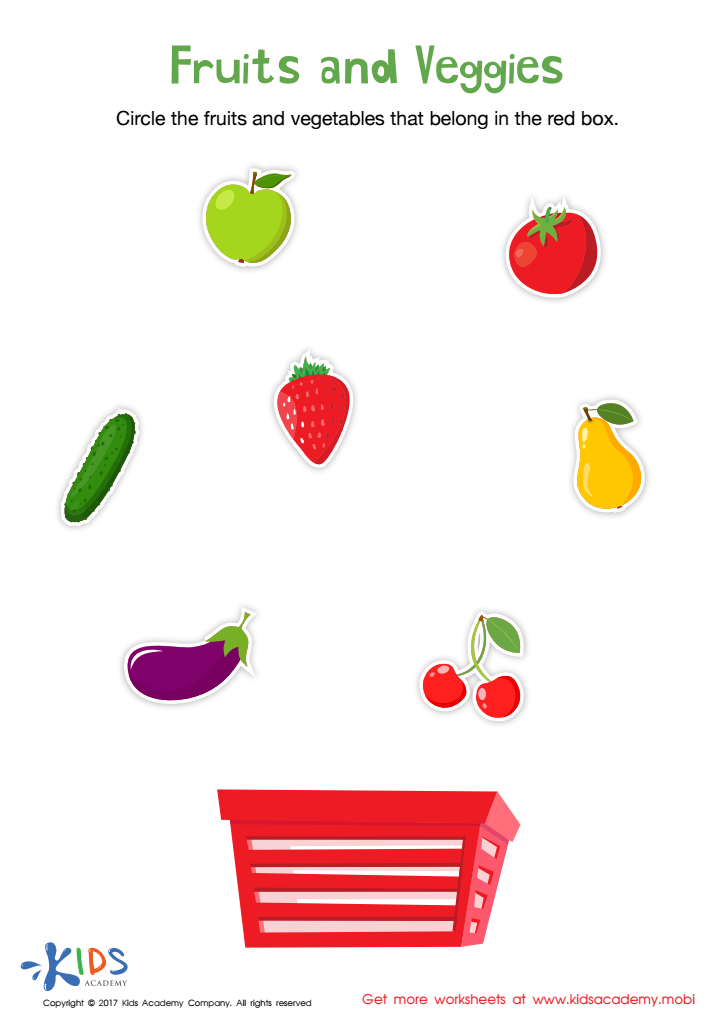
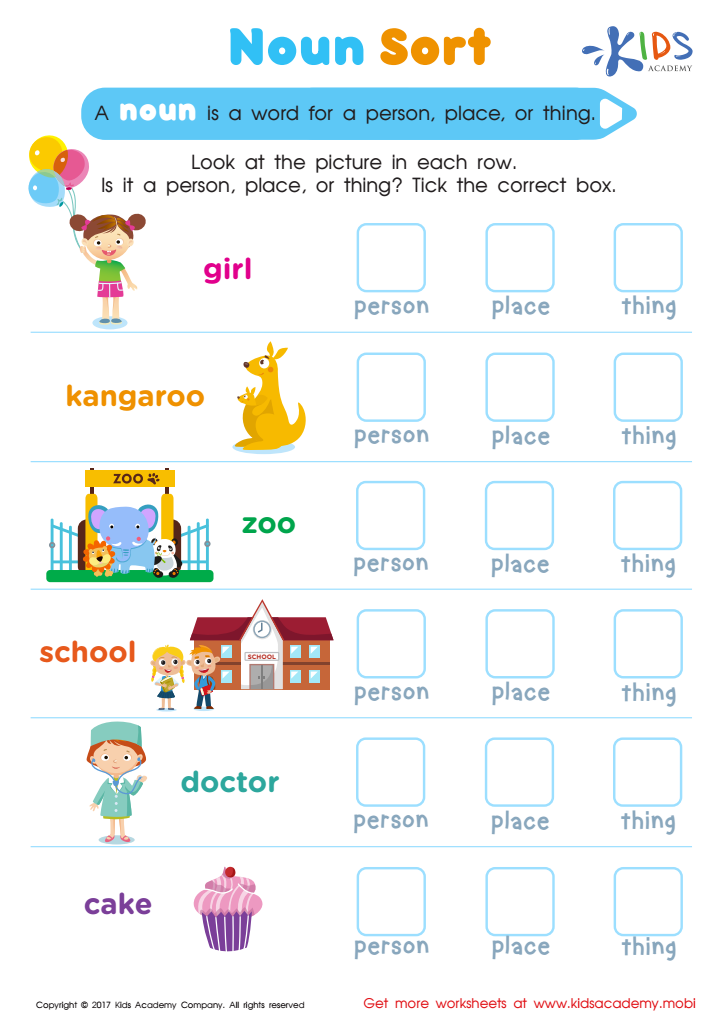
Noun Sort Printable
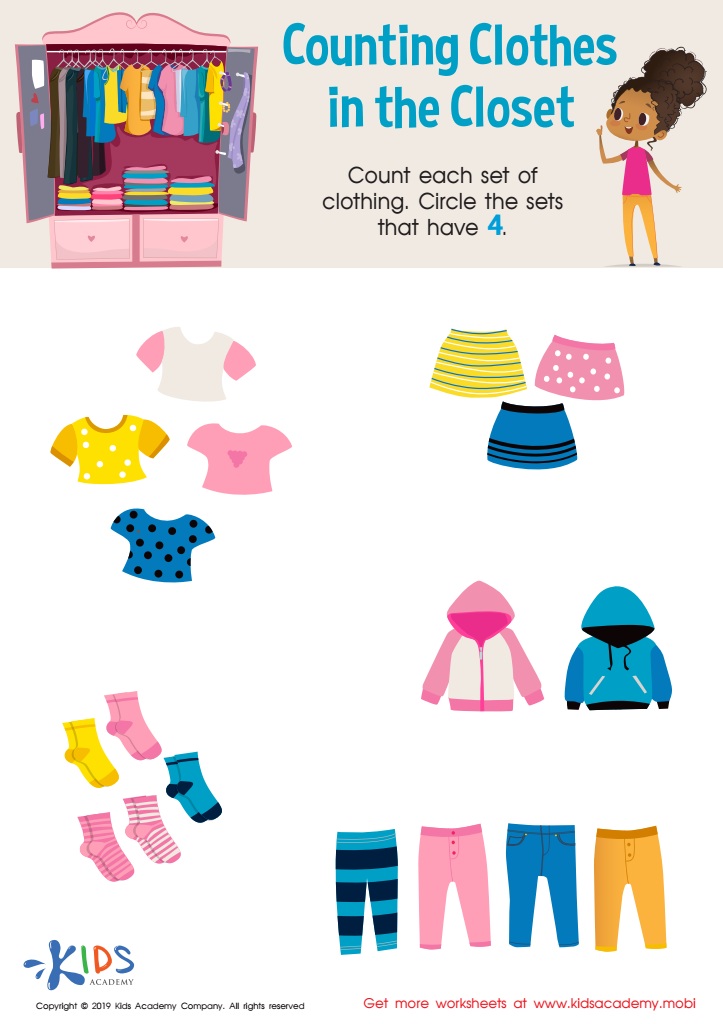
Counting Clothes Worksheet
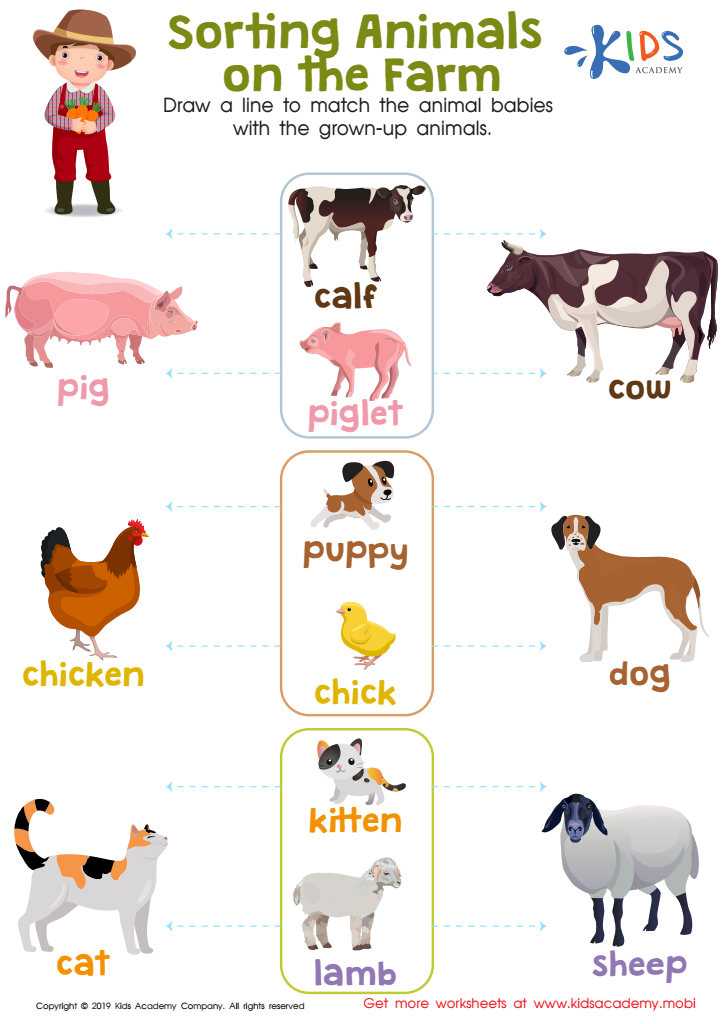
Sorting Animals on the Farm Worksheet
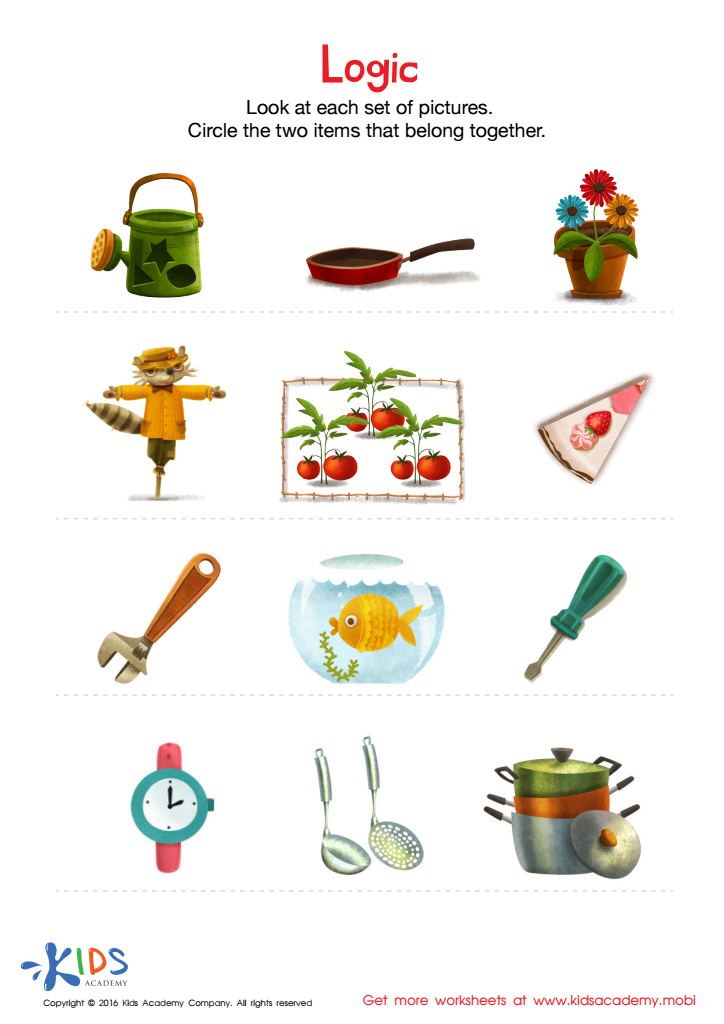
Logic Game Sorting Worksheet






Categorization skills are fundamental for young children aged 3-8 as they form the basis of cognitive development and critical thinking. When parents and teachers prioritize fostering these skills, they are essentially aiding children in making sense of the world around them. By learning to group objects, shapes, colors, animals, or themes, children develop crucial neural pathways that improve memory, attention, and information processing.
For instance, when kids categorize shapes or animals, they learn to identify similarities and differences, which enhances their observational skills. This ability directly benefits their language development, expanding their vocabulary as they learn and use descriptive terms. Moreover, categorization is foundational for mathematical reasoning. Sorting items or numbers lays groundwork for understanding higher-order concepts like addition, subtraction, geometry, and even algebra later on.
Socially, categorization skills enable children to organize and interpret social interactions. For example, identifying and grouping emotions help them understand empathy and develop better relationships with peers. Engaging with categorization also fosters independence, as children start to organize their own spaces and tasks.
In essence, early training in categorization holds transformative potential in numerous learning aspects. By integrating these practices regularly, parents and teachers can significantly amplify a child’s cognitive abilities, academic success, and essential life skills, ensuring well-rounded development.








