Comparing sizes Worksheets for Ages 3-8
12 filtered results
-
From - To
Discover our engaging Comparing Sizes Worksheets, specially designed for children ages 3-8. These fun, interactive activities help young learners develop essential skills in recognizing, comparing, and understanding different sizes. Perfect for both home and classroom settings, our worksheets feature colorful images and playful exercises. They encourage critical thinking and visual-spatial awareness, aiding in early math and cognitive development. Start your child's learning journey with our printable resources, and watch them master size comparison concepts effortlessly. Download now from Kids Academy and make learning both fun and effective for your little ones!
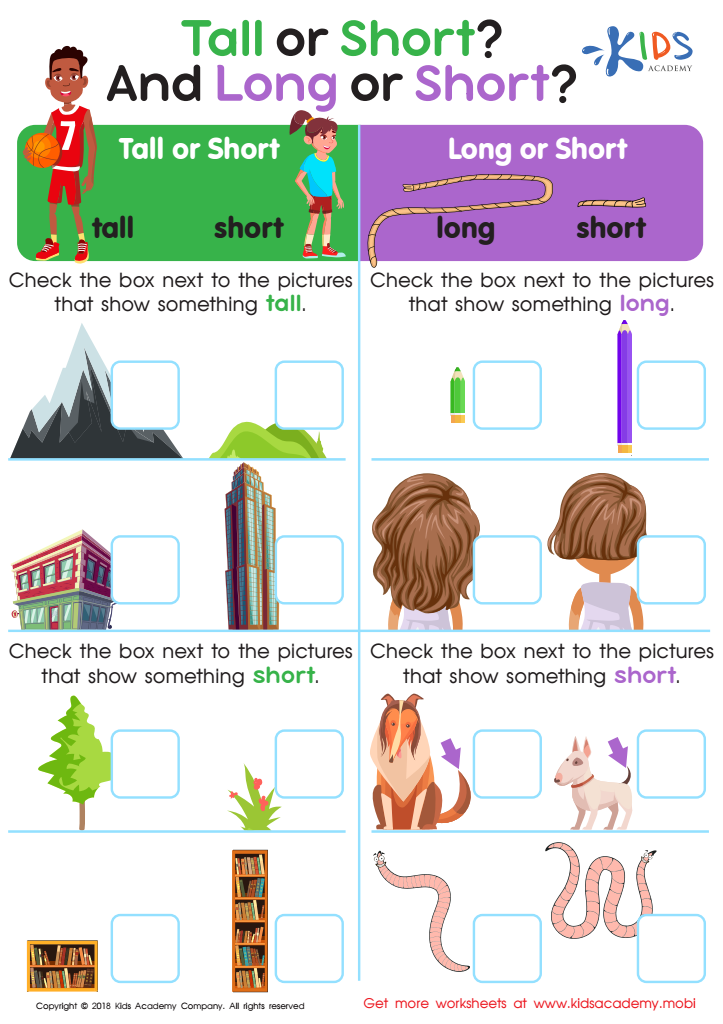
Tall or Short and Long or Short? Worksheet
 Assign to My Students
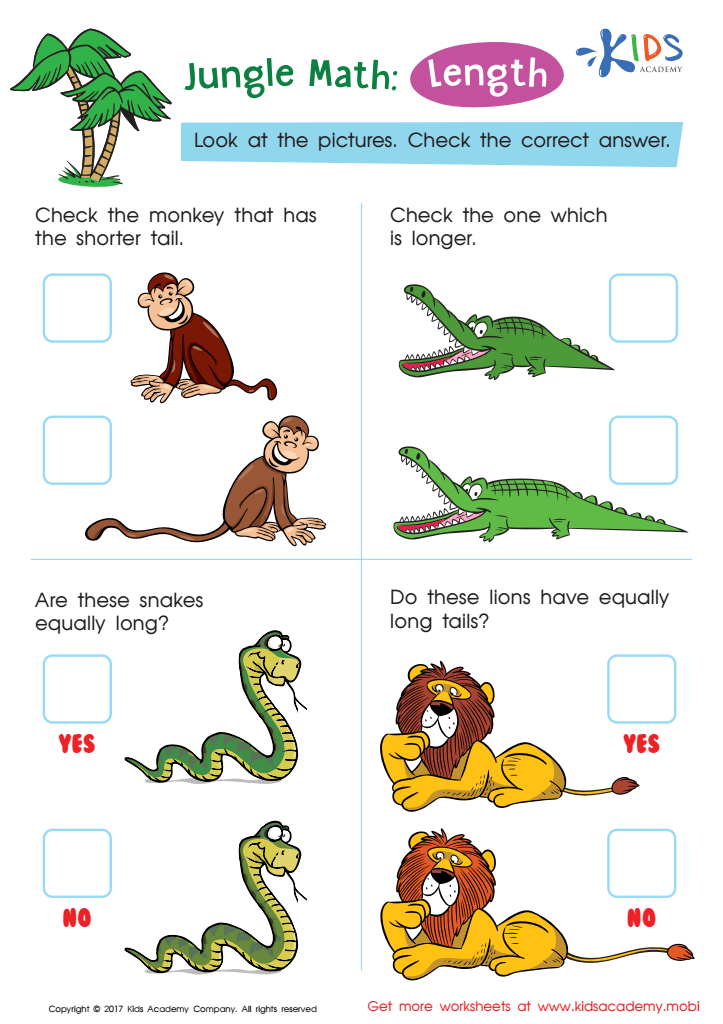
Which One Is Longer - Length Worksheet
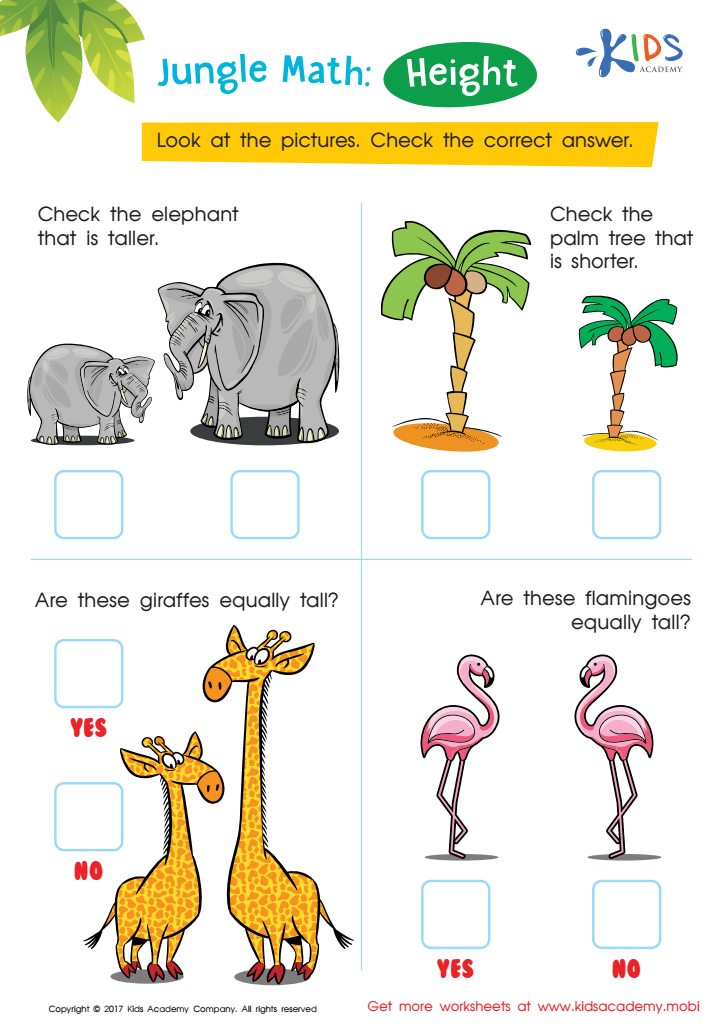
Which Is Taller Worksheet
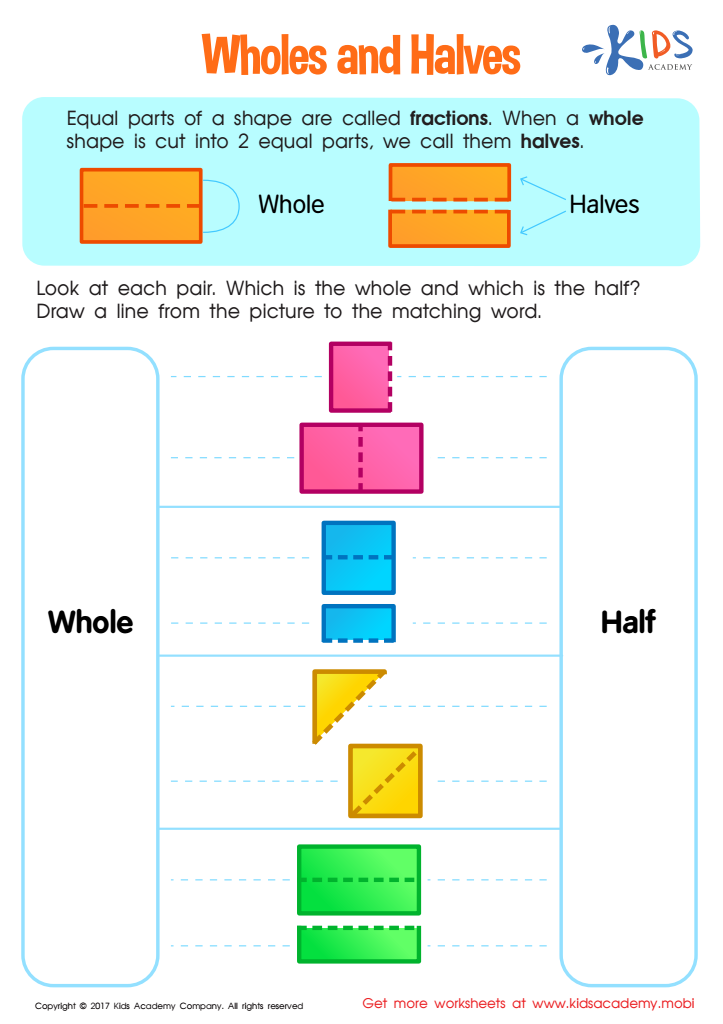
Wholes and Halves Worksheet
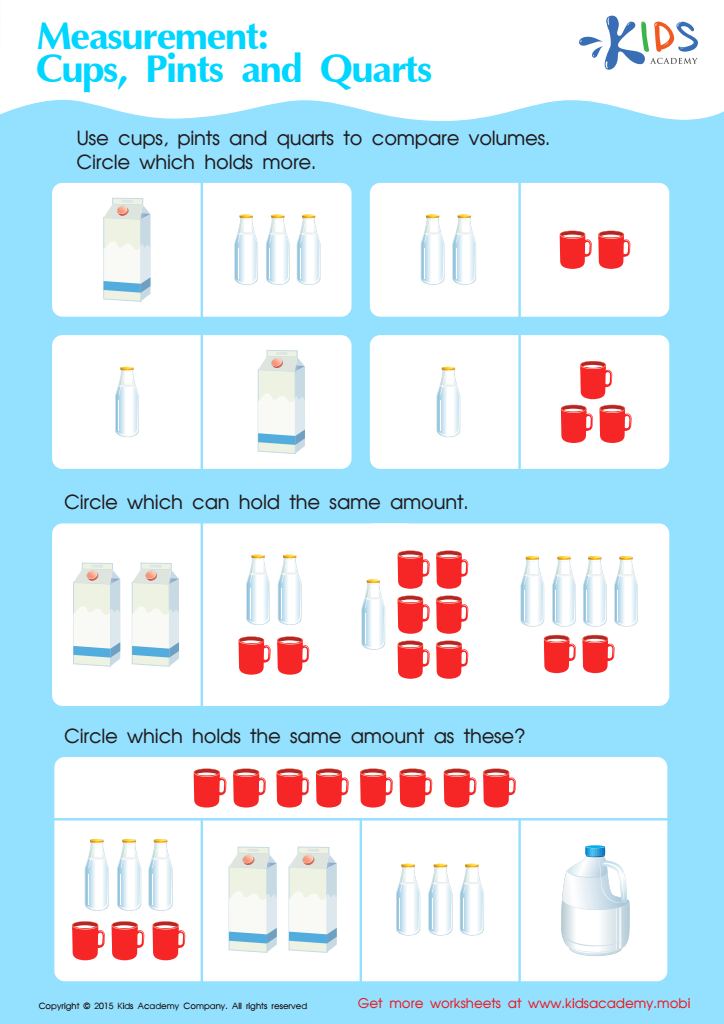
Measurement: Compare Volumes Worksheet
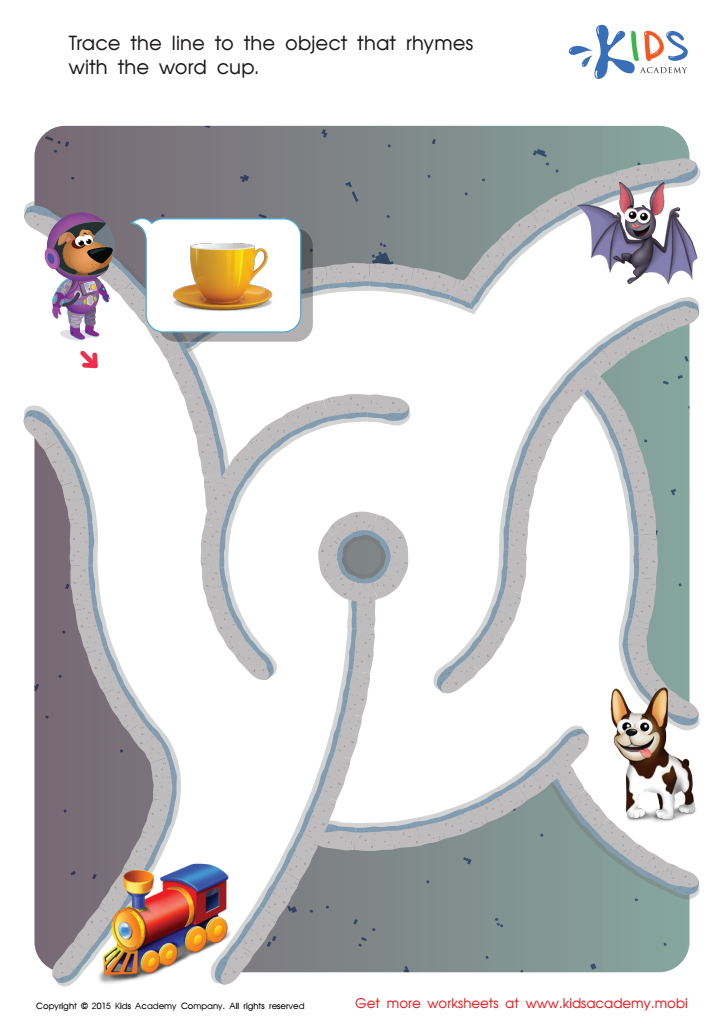
Cup Rhyming Words Worksheet
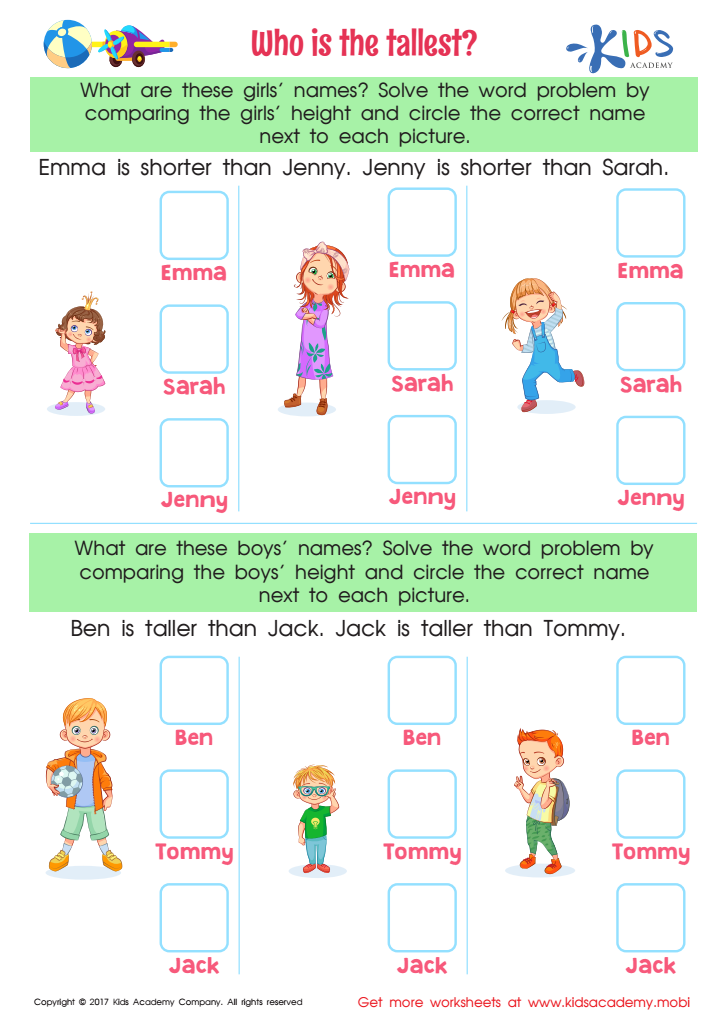
Who Tallest Printable
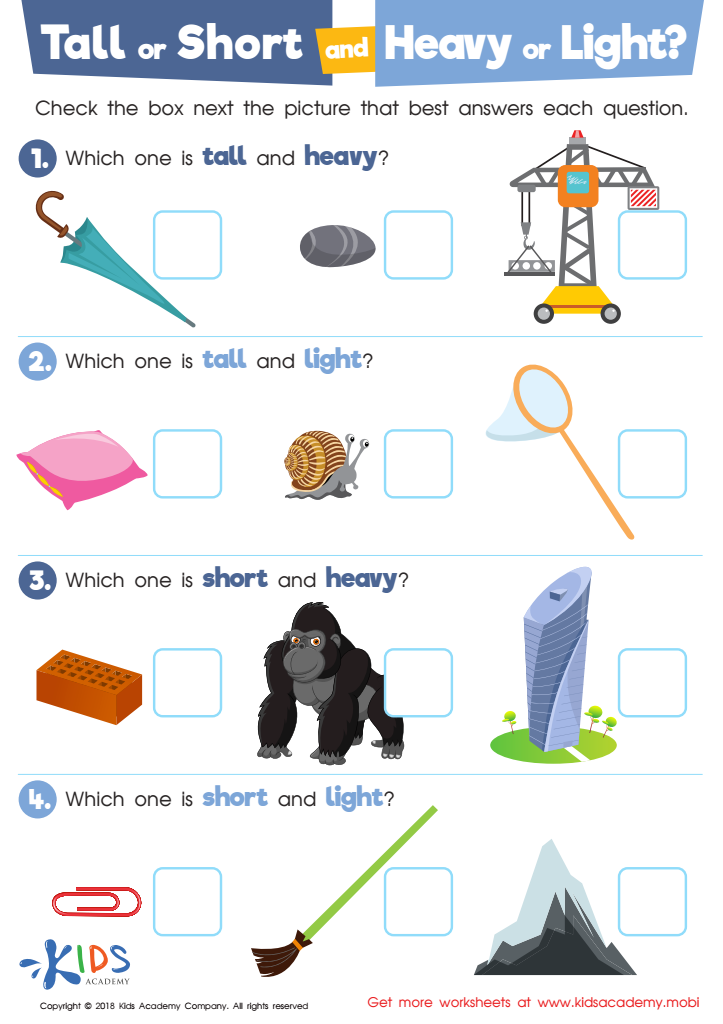
Tall or Short and Heavy or Light? Worksheet
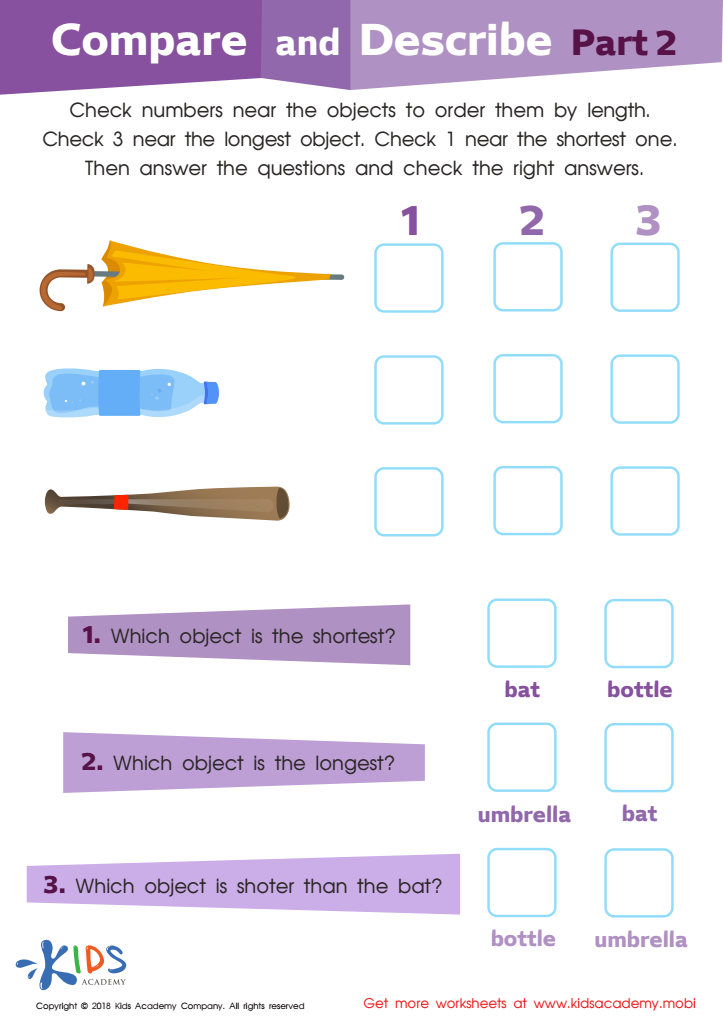
Compare and Describe: Part 2 Worksheet
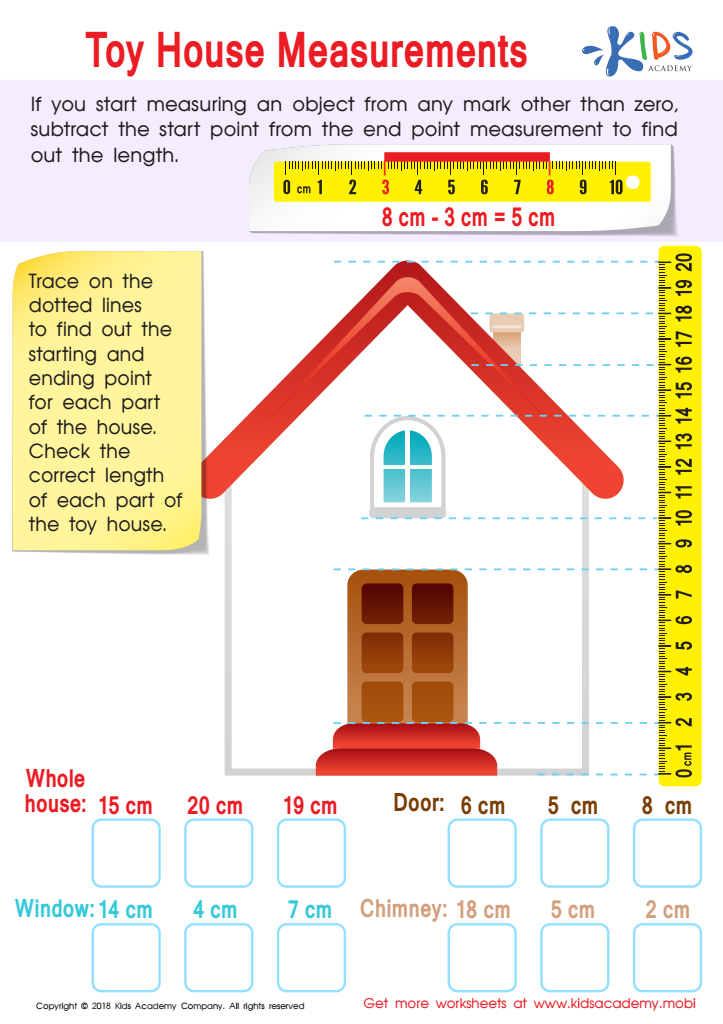
Toy House Measurements Worksheet
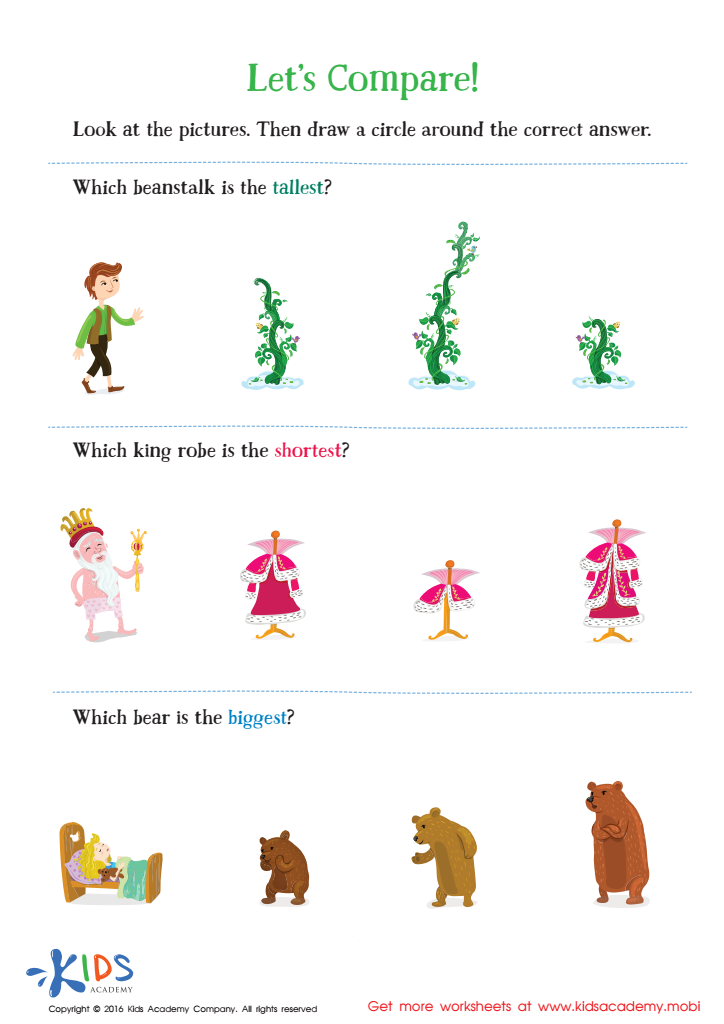
Fairy Tale Worksheet: Let's Compare



.jpg)


Comparing sizes is a fundamental concept in early childhood education and development for ages 3-8. Understanding sizes helps children grasp basic math and science principles, laying a strong foundation for future learning. By comparing everyday objects—like toys, books, or even their shoes—kids develop critical thinking and observational skills. They learn to differentiate between big and small, long and short, and heavy and light, which is essential for grasping more complex ideas later.
Parents and teachers play pivotal roles in fostering these skills. When children compare sizes under adult guidance, they not only notch up cognitive skills but also enhance hand-eye coordination and fine motor skills through hands-on activities. At home, parents can integrate size comparisons into daily routines, making learning both effective and fun. Teachers, on the other hand, can develop creative classroom activities, games, and projects that embed these concepts in a captivating manner.
Moreover, comparing sizes instills a sense of order and categorization, essential for organizing thoughts and information. These early lessons also contribute to social skills, as kids often work together, discuss, and share opinions, fostering communication and teamwork. Overall, focusing on size comparisons is integral for holistic development during these formative years.








