Counting proficiency Worksheets for Ages 3-8
14 filtered results
-
From - To
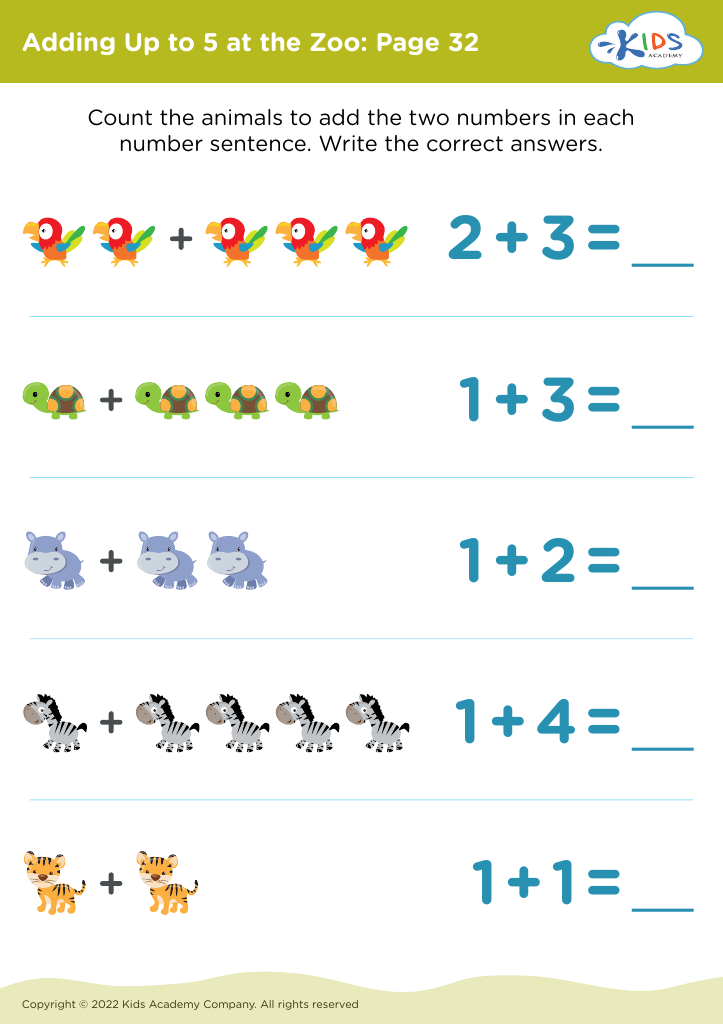
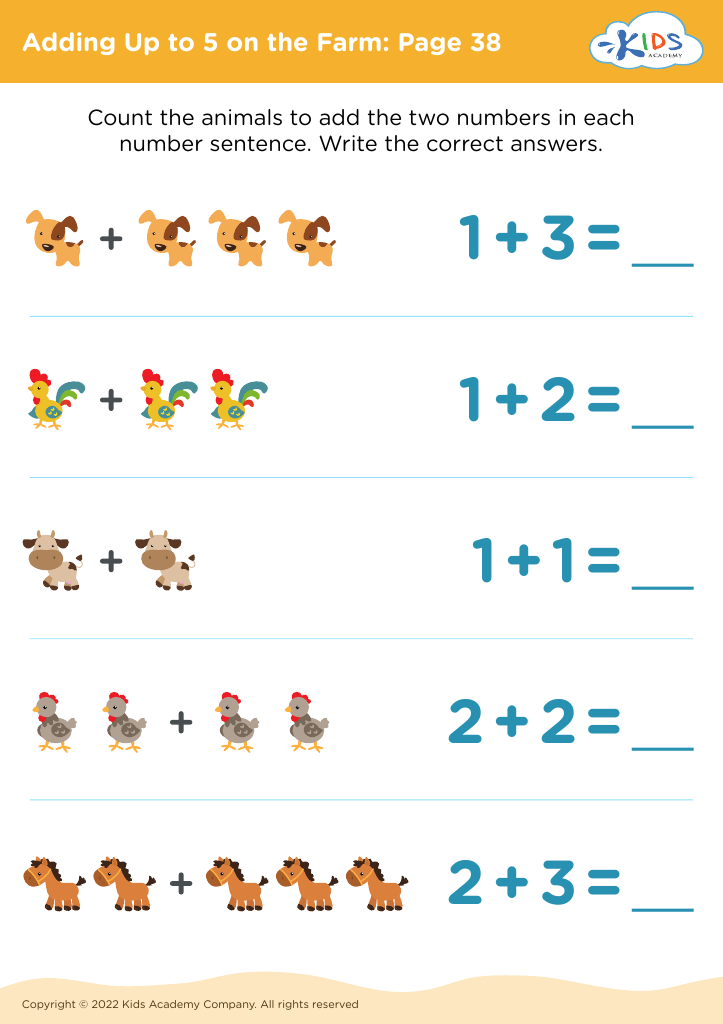
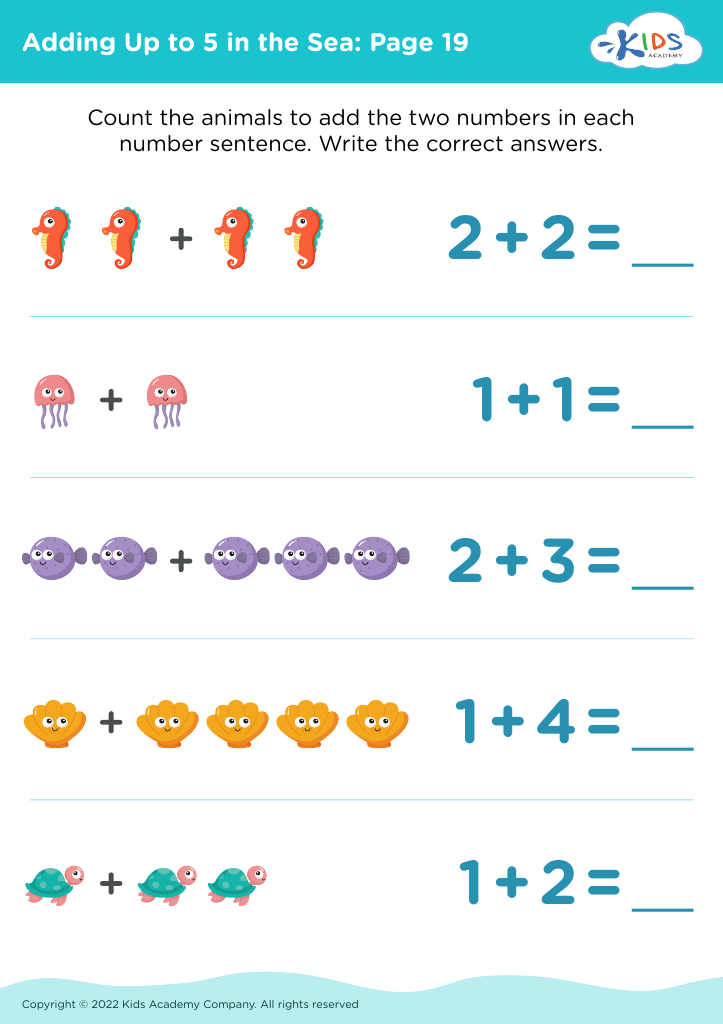
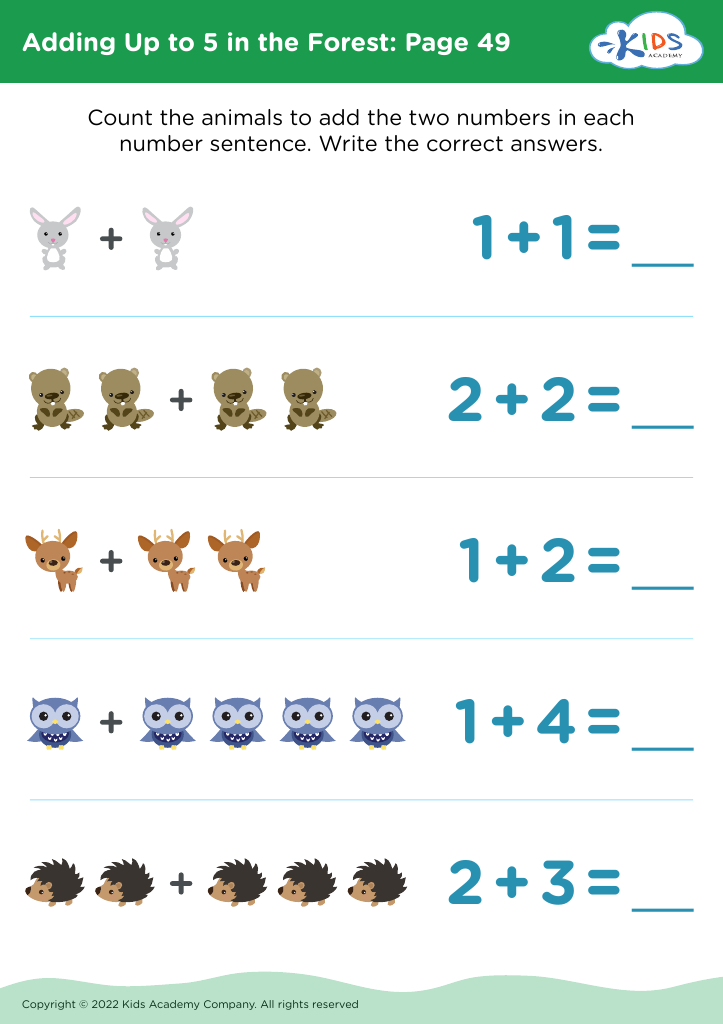
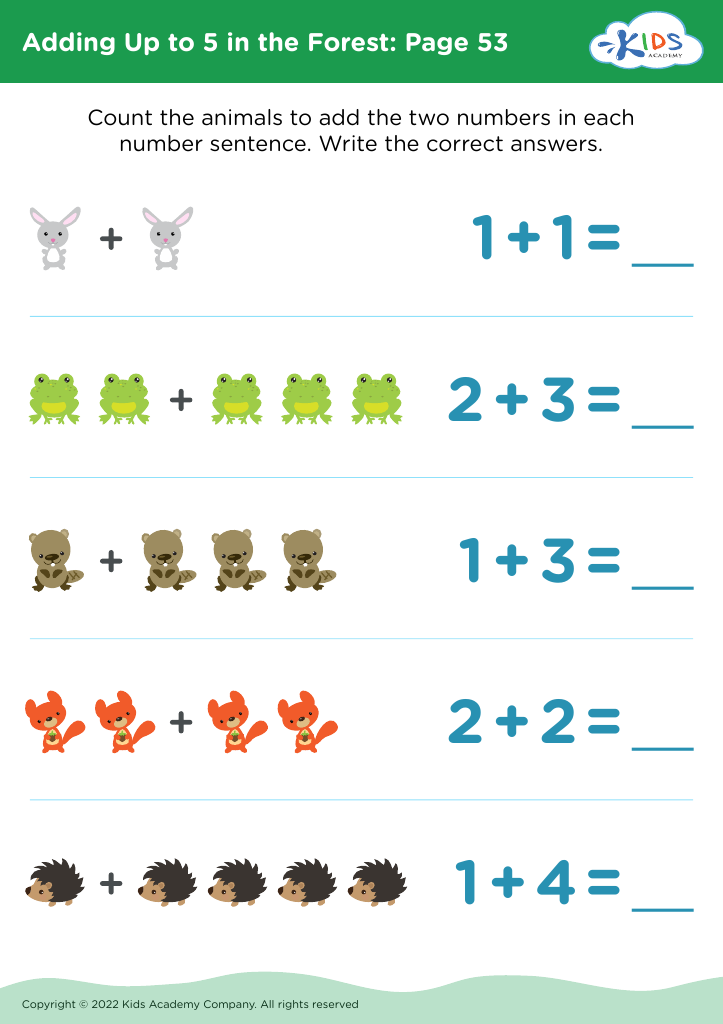
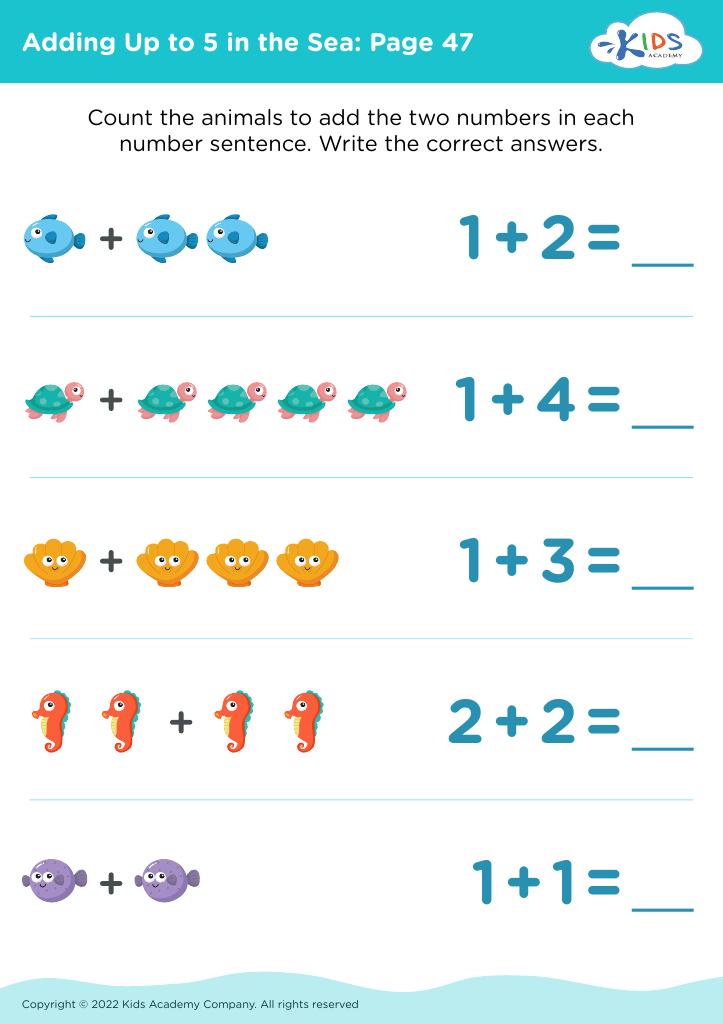
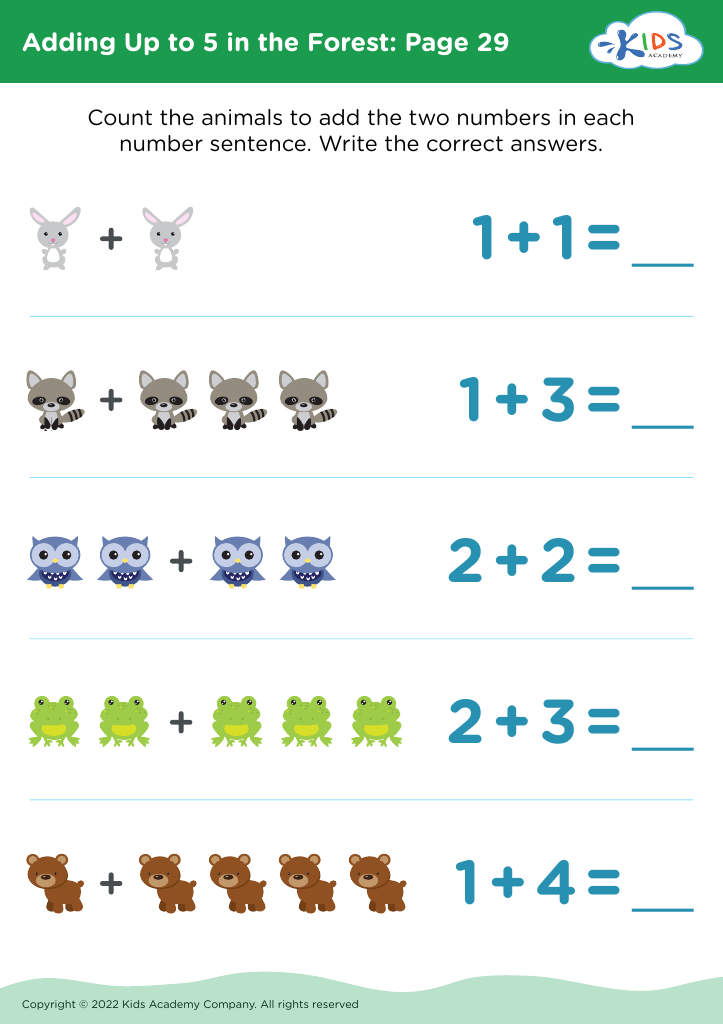
Our Counting Proficiency Worksheets for ages 3-8 offer engaging and interactive activities designed to sharpen early math skills. Each worksheet provides fun tasks that cover counting, number recognition, and early addition. Featuring colorful illustrations and age-appropriate challenges, these printable worksheets make learning to count an exciting adventure for children. Perfect for parents and educators, our carefully crafted materials support developmental milestones and build a strong math foundation. Boost your child’s confidence and proficiency in counting with our expertly designed resources! Download now to explore the world of numbers and enhance your child’s math journey.
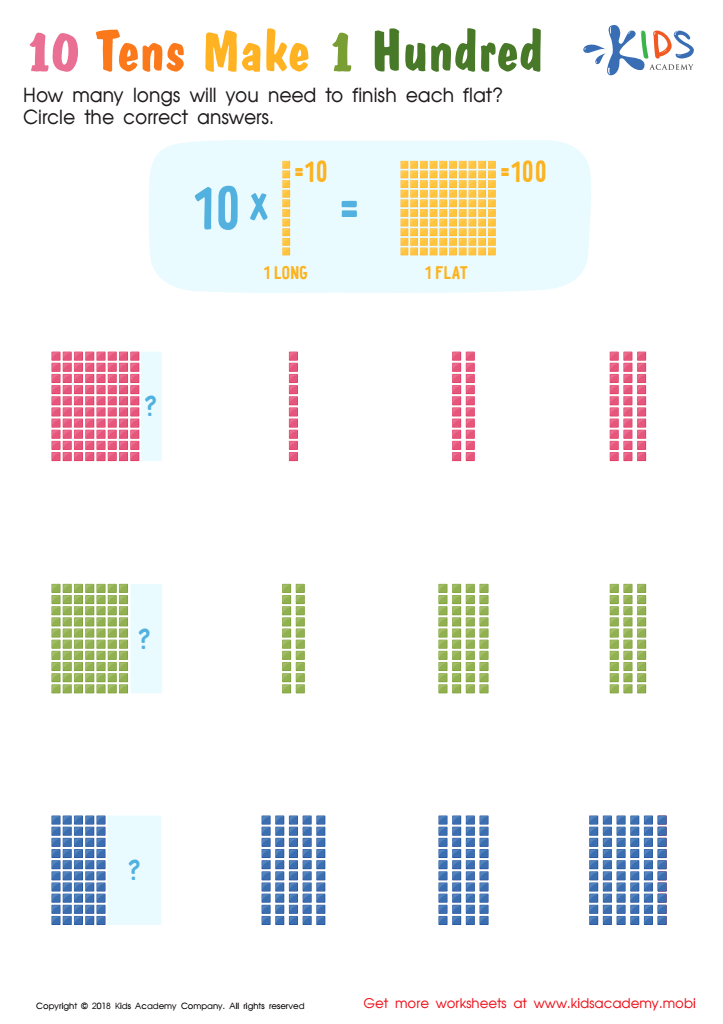
10 Tens Make 1 Hundred Worksheet
 Assign to My Students
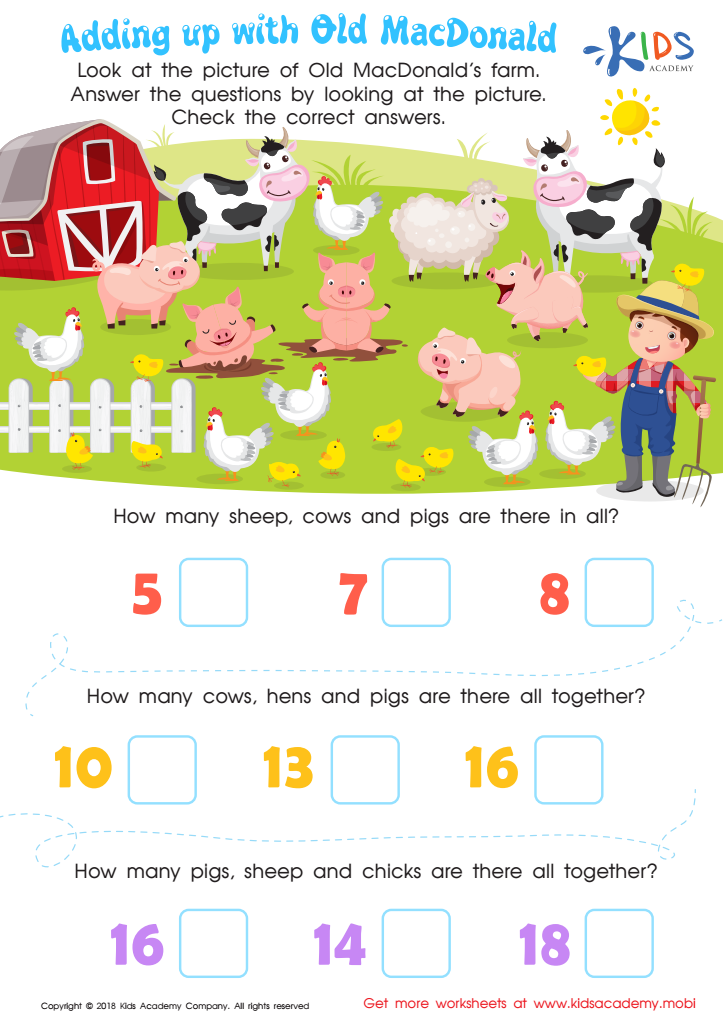
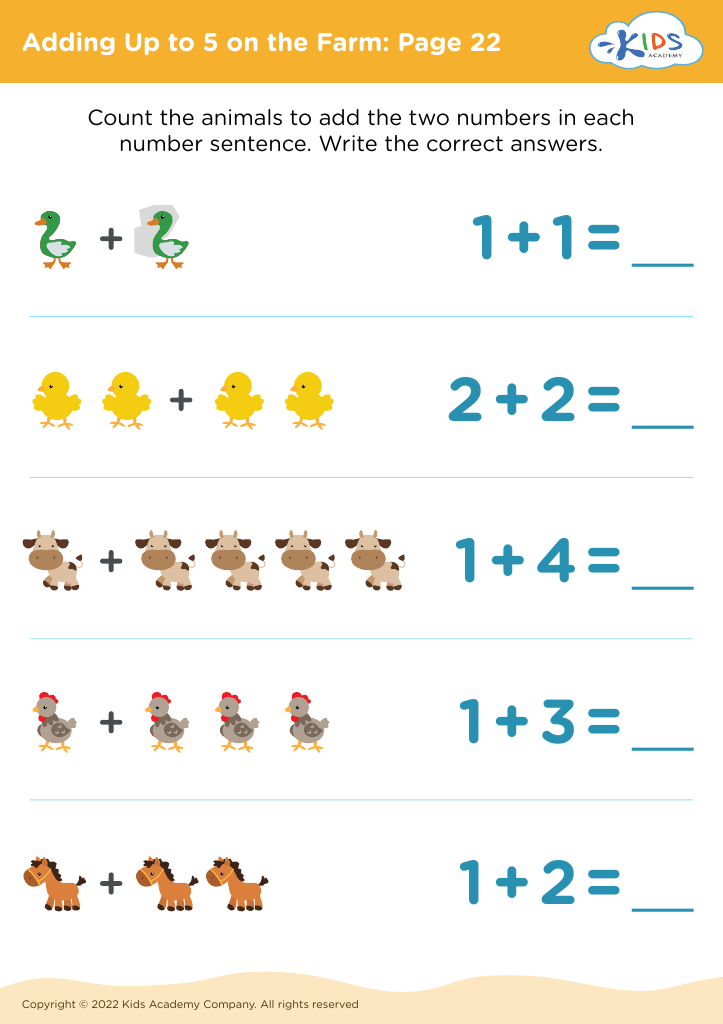
Adding Up with Old MacDonald Worksheet
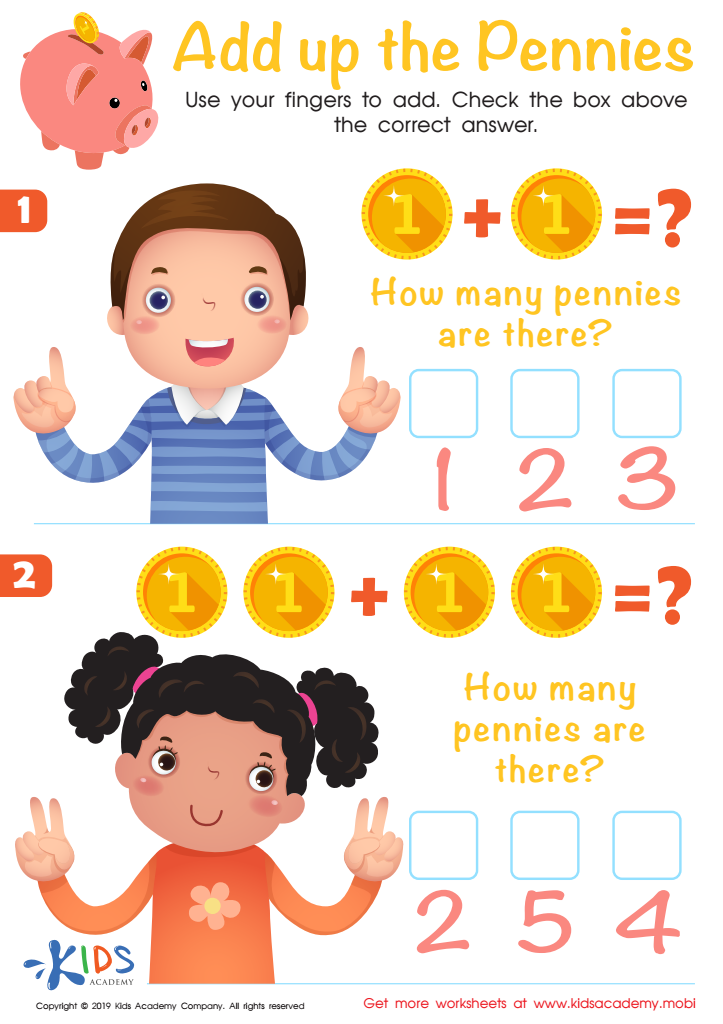
Add up the Pennies Worksheet
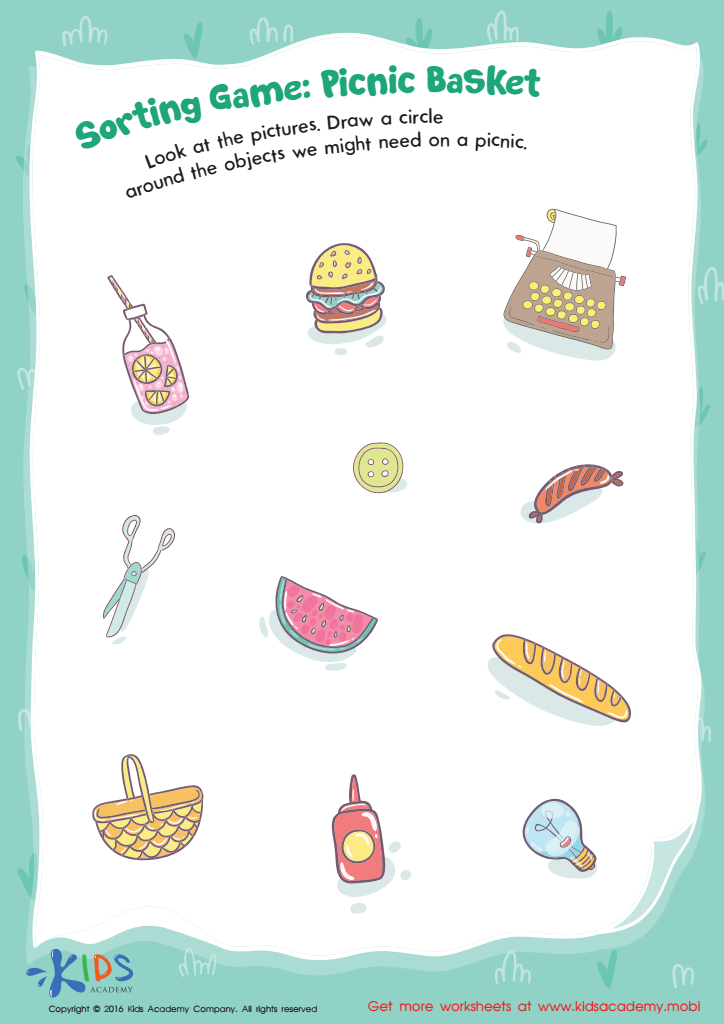
Picnic Basket Sorting Worksheet
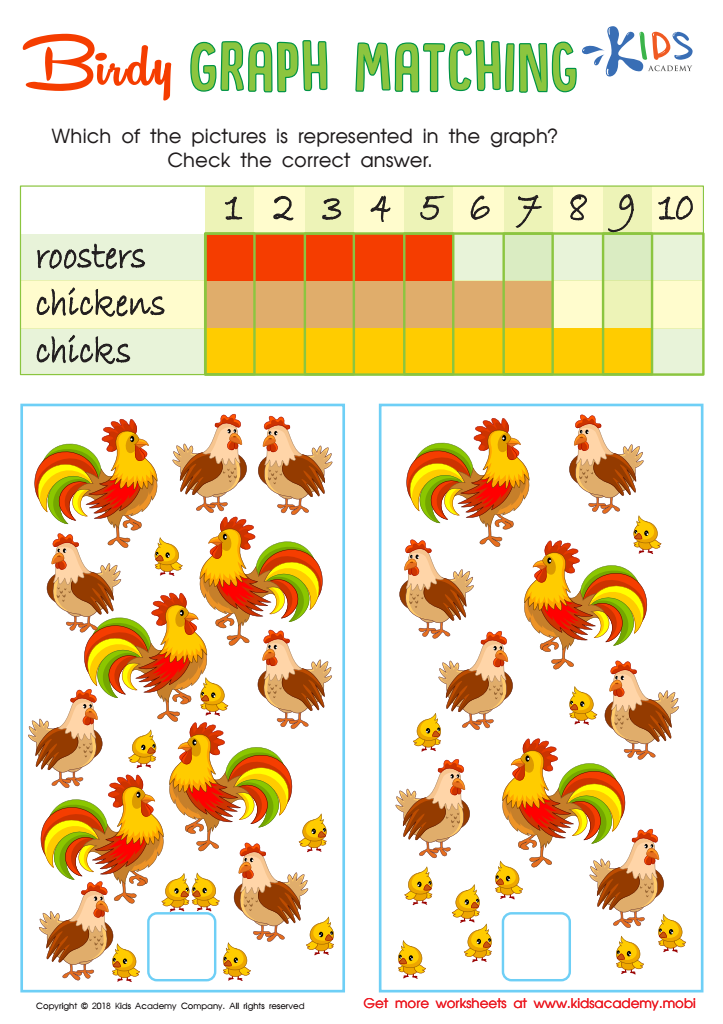
Birdy Graph Matching Worksheet







Counting proficiency in ages 3-8 is critically important for several reasons. Firstly, early counting skills lay the groundwork for future mathematical understanding. This fundamental skill helps children grasp number concepts, recognize patterns, and understand order, which are essential building blocks for more advanced mathematical operations such as addition, subtraction, multiplication, and division.
Secondly, proficiency in counting supports cognitive development and logical thinking. It encourages the brain to function in structured, methodical ways, fostering problem-solving abilities. When children count, especially objects, they learn about quantities and spatial relationships which aids in developing their analytical skills.
Socially, math confidence can significantly impact a child’s self-esteem and attitudes toward learning in general. Children who are comfortable with counting are more likely to participate in and joyfully engage with classroom activities, creating a positive, fruitful learning environment.
Practically, counting skills are used daily in various situations, from following a recipe to managing time, making them crucial for everyday functioning. Moreover, early counting proficiency actually predicts later academic success in not just mathematics but in other subjects as well, making it a marker for overall educational development.
Thus, both parents and teachers should prioritize counting proficiencies to ensure holistic development, setting the stage for academic success and building critical life skills in young children.








