Counting skills Worksheets for Ages 3-8 - Page 5
510 filtered results
-
From - To
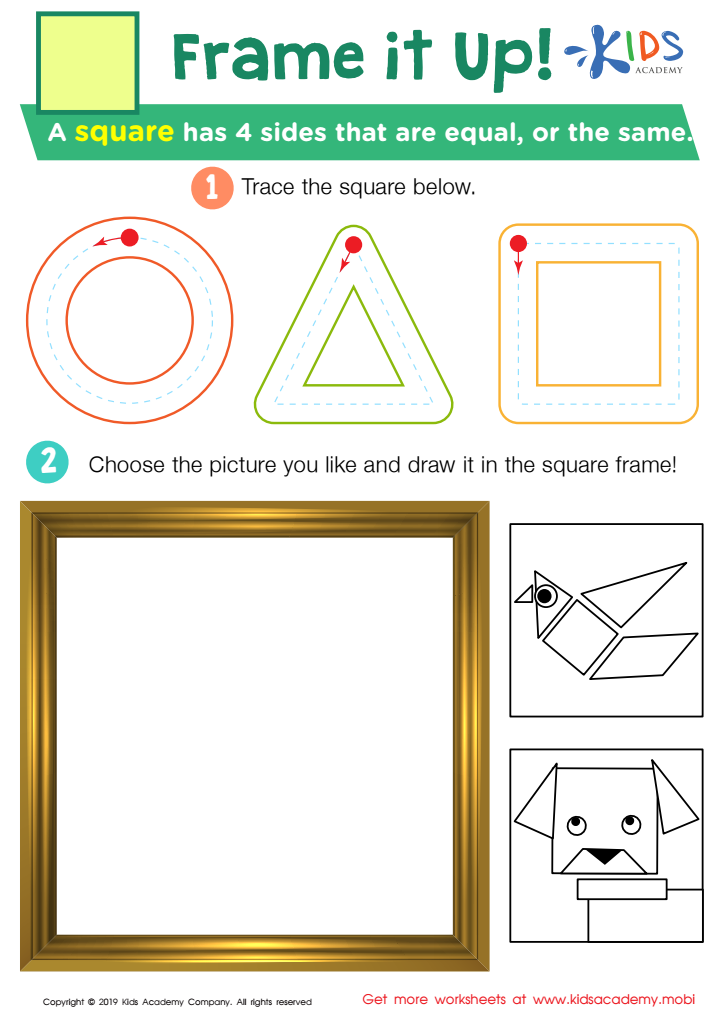
Frame it Up Worksheet
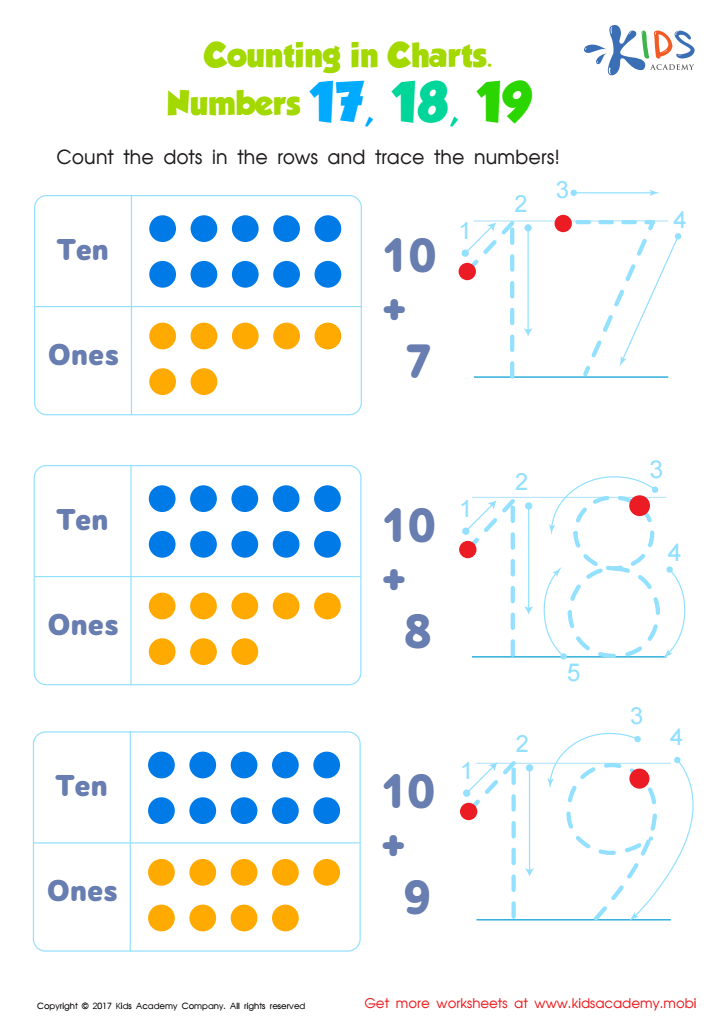
Kindergarten Number Tracing: Counting in Charts Worksheet
Number 4 Printable
 Assign to My Students
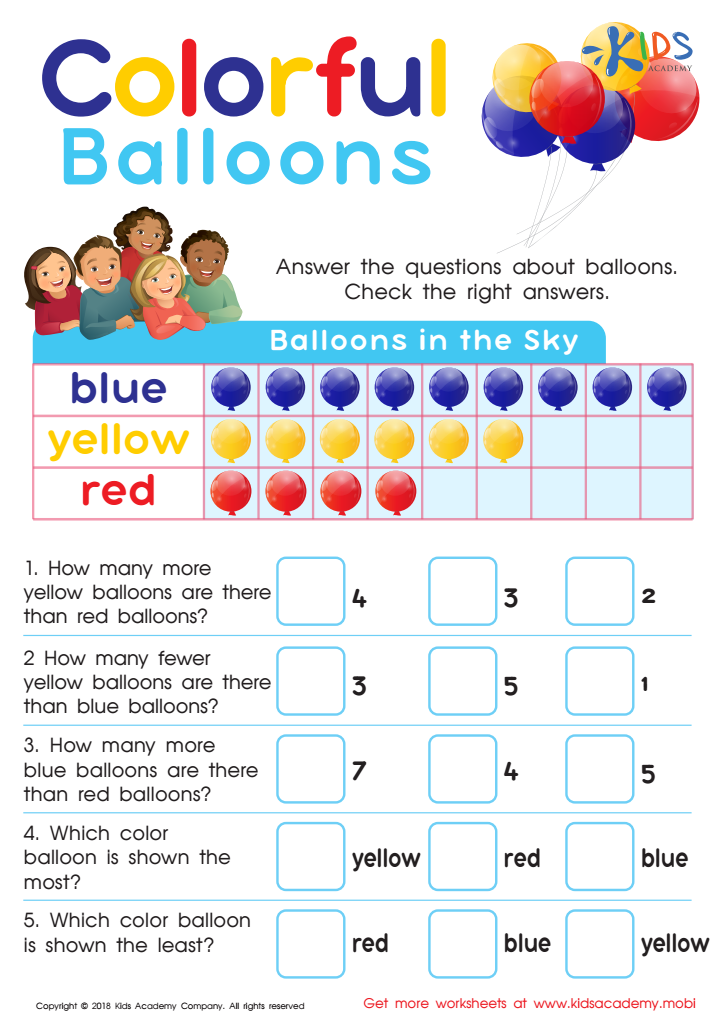
Picture Graphs: Colorful Balloons Worksheet
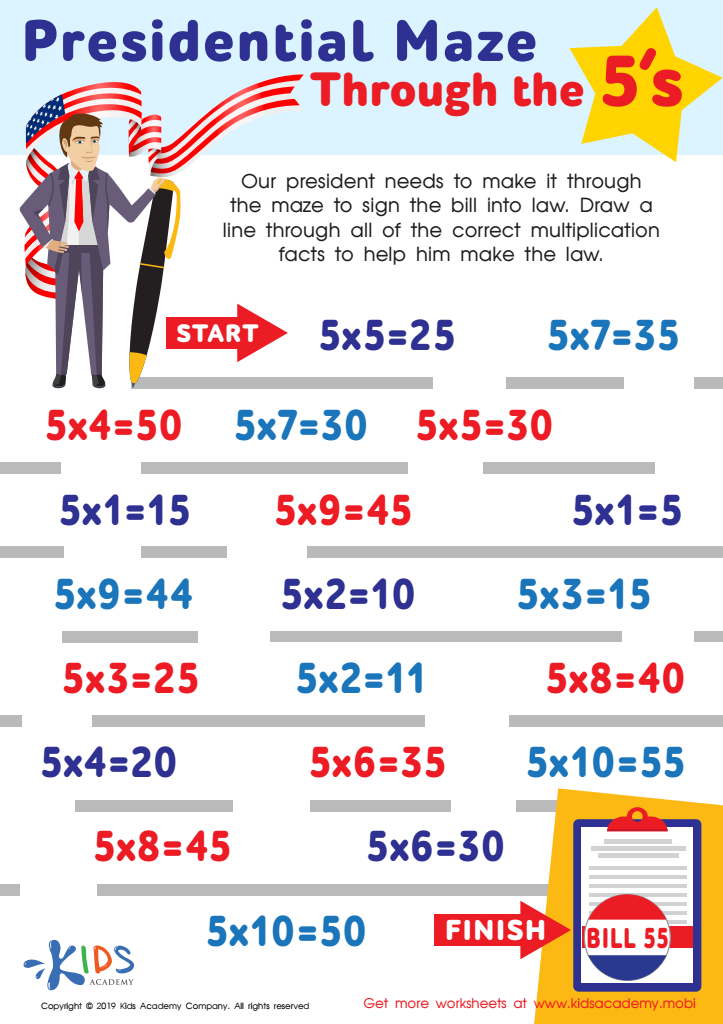
Presidential Maze Through the 5’s Worksheet
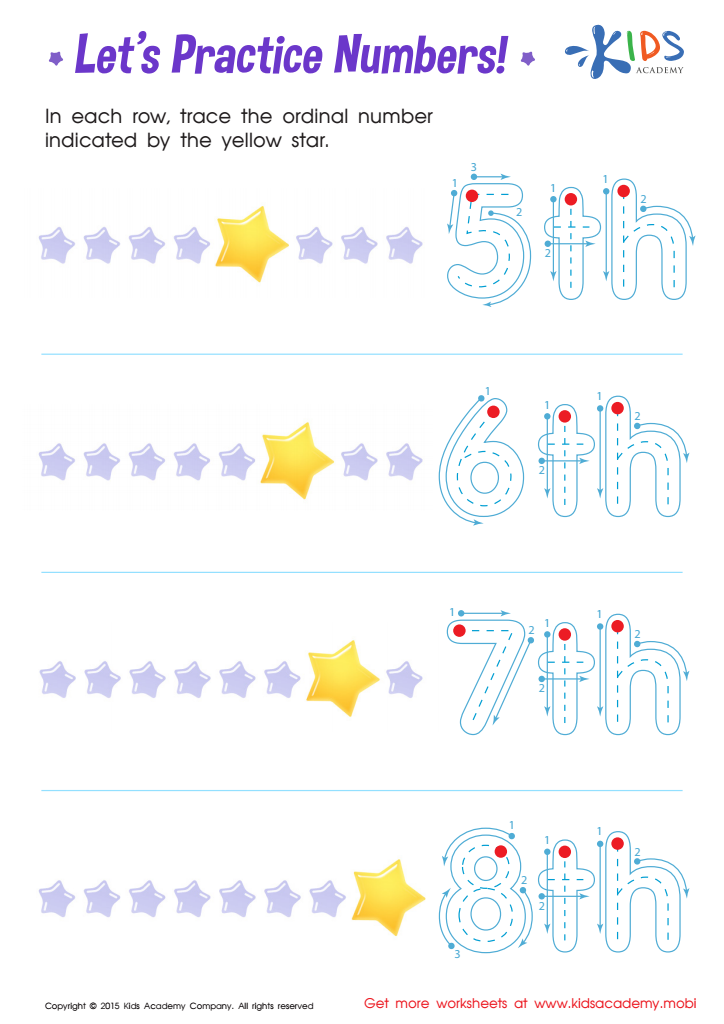
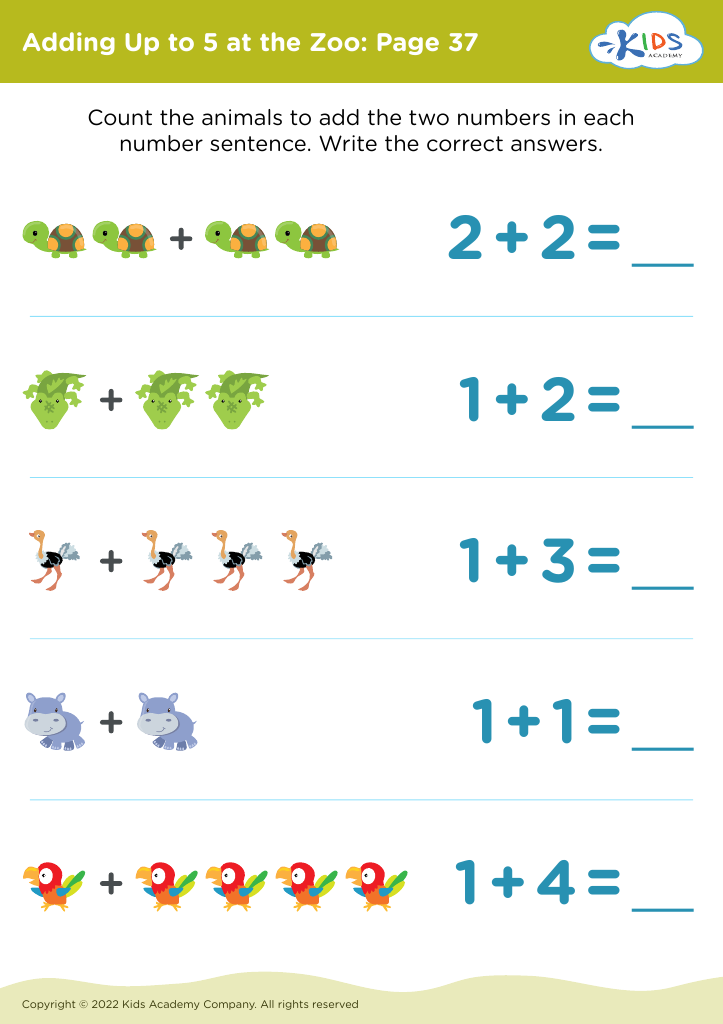
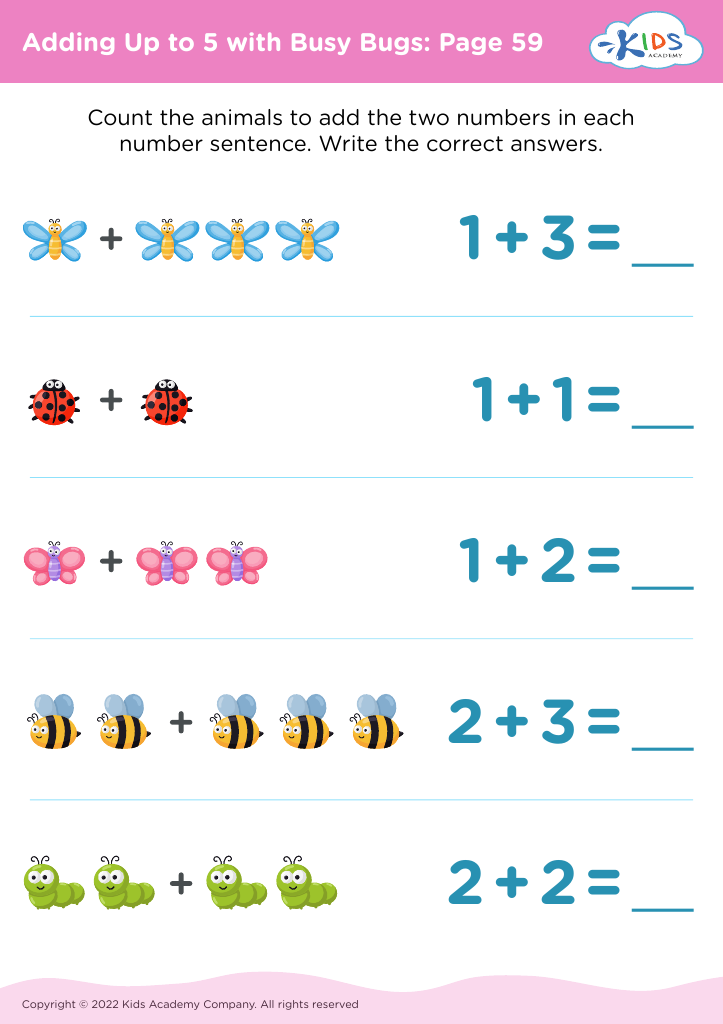
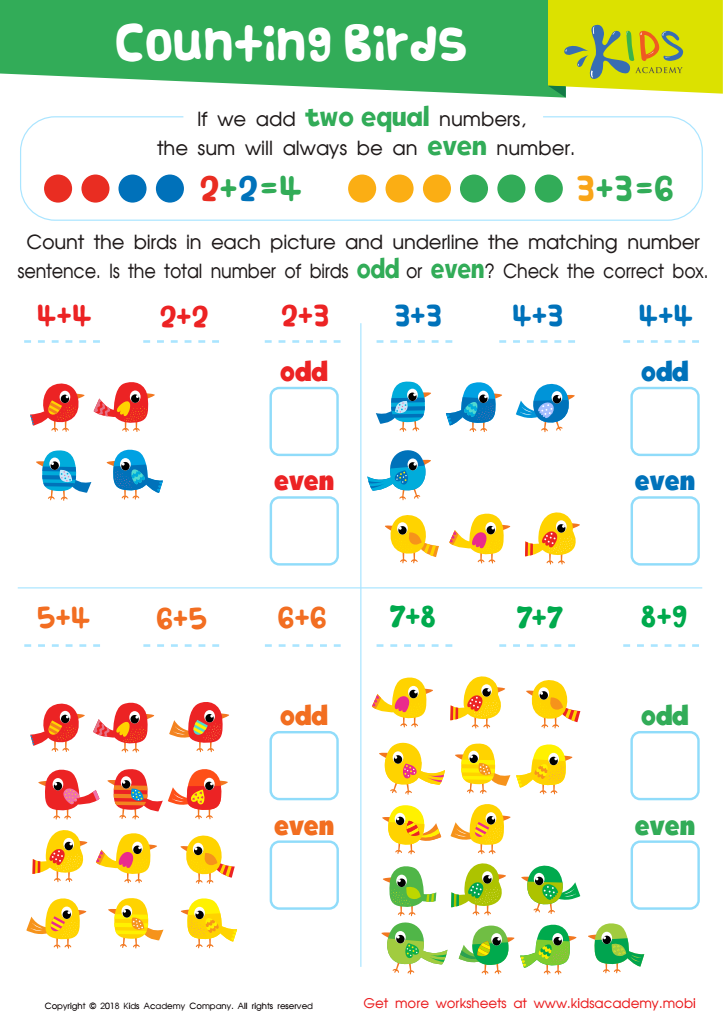
Counting Birds Worksheet
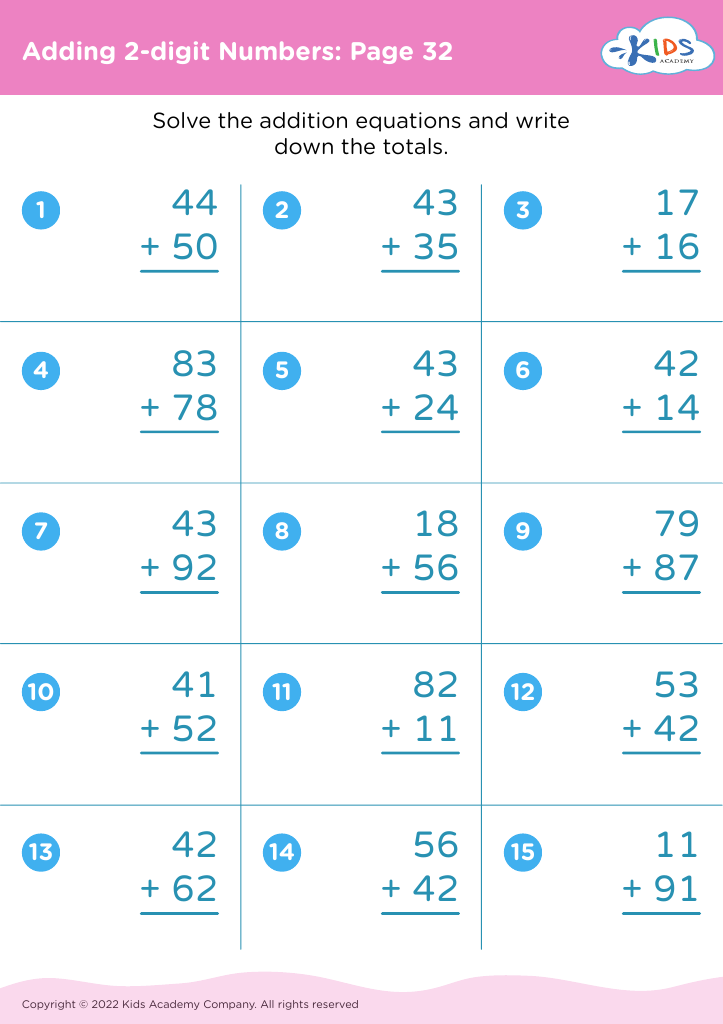
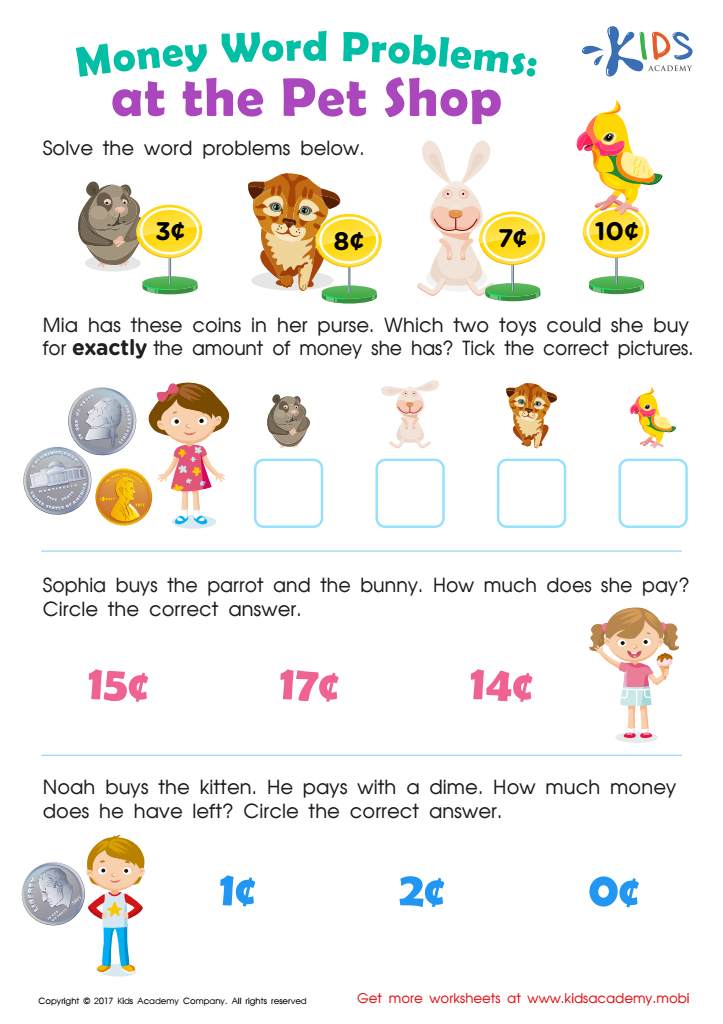
Pet Shop Worksheet
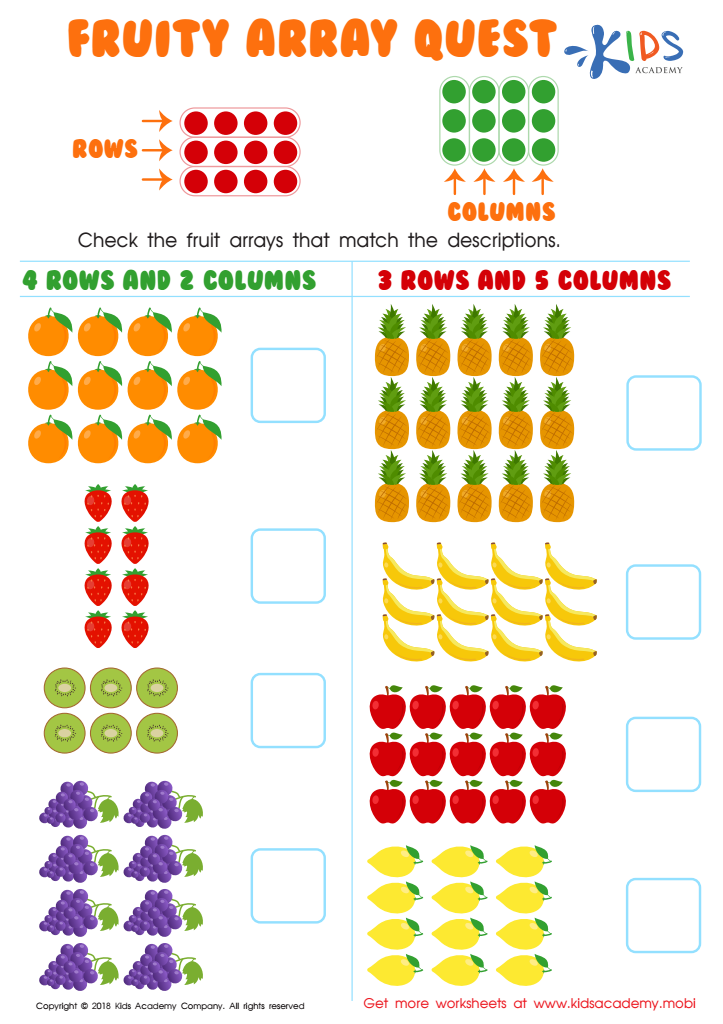
Fruity Array Quest Worksheet
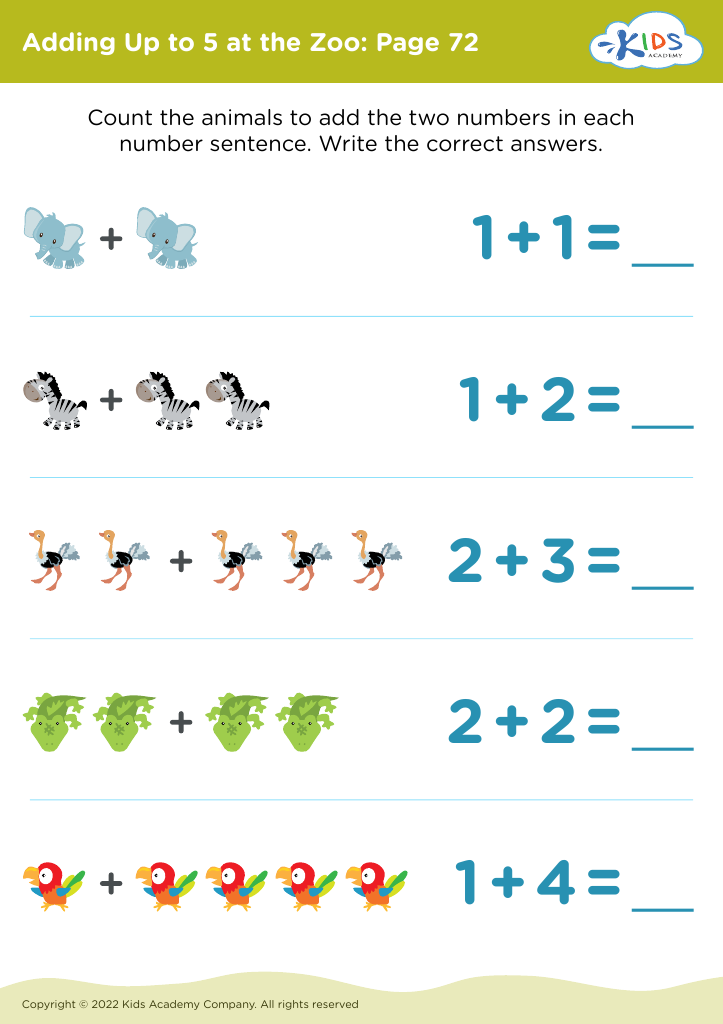
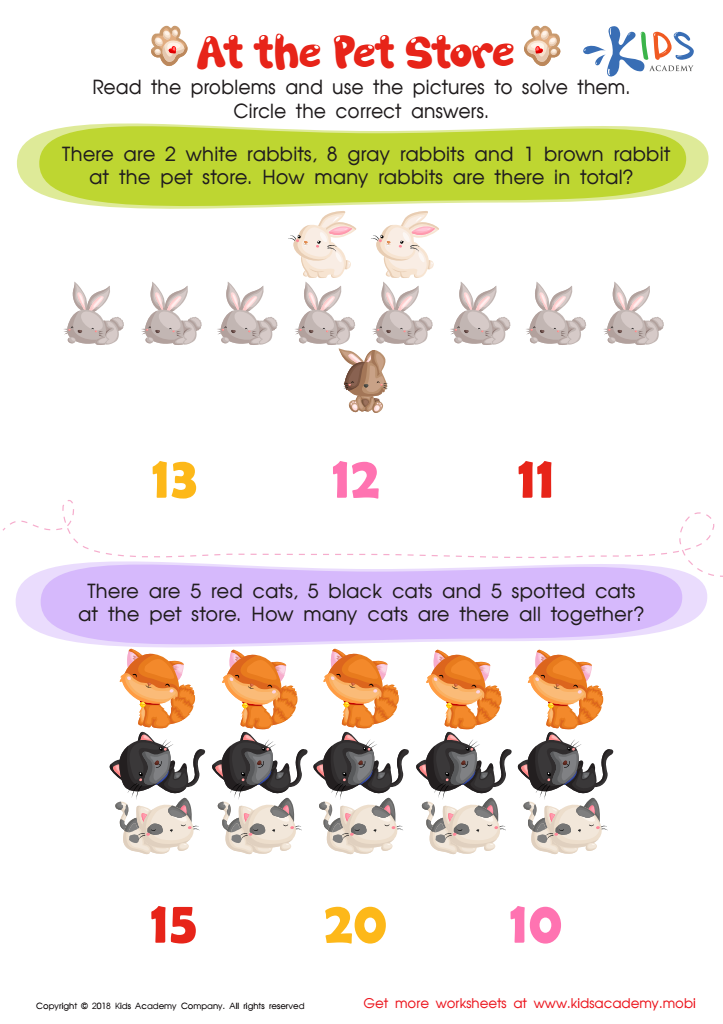
At the Pet Store Word Problems Worksheet
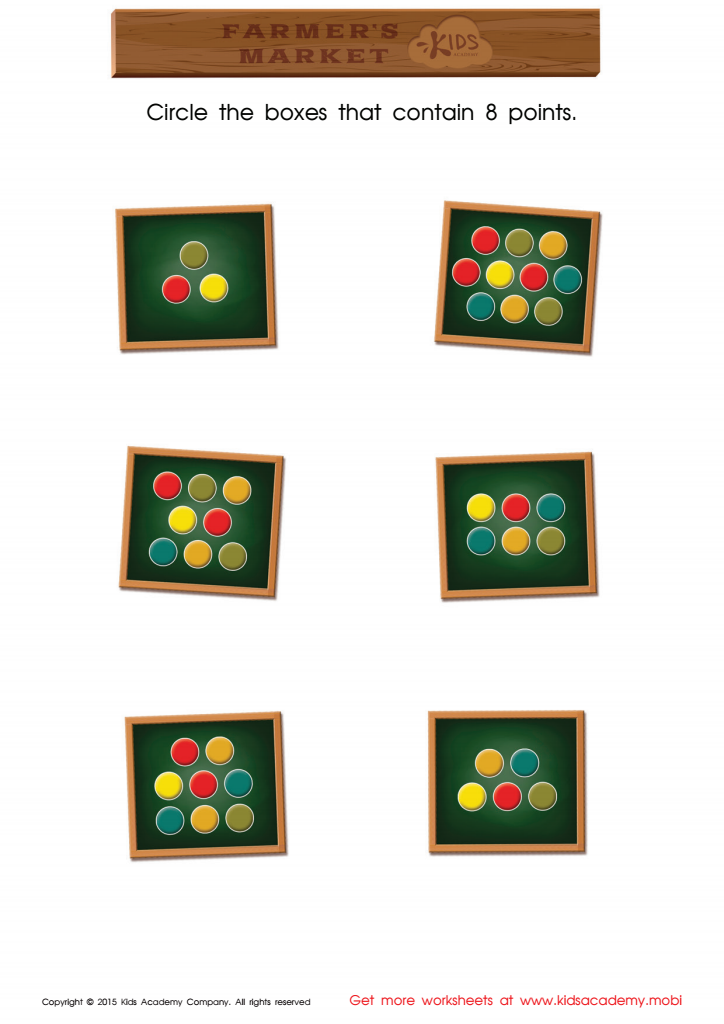
Count and Match Points 8 Math Worksheet
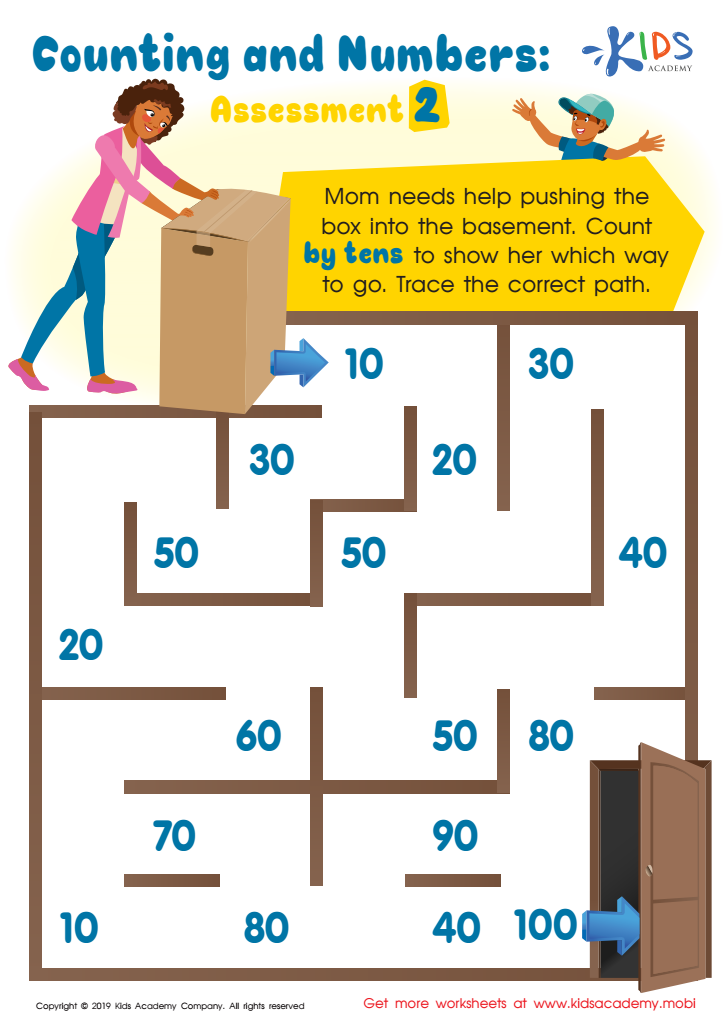
Counting and Numbers: Assessment 2 Worksheet
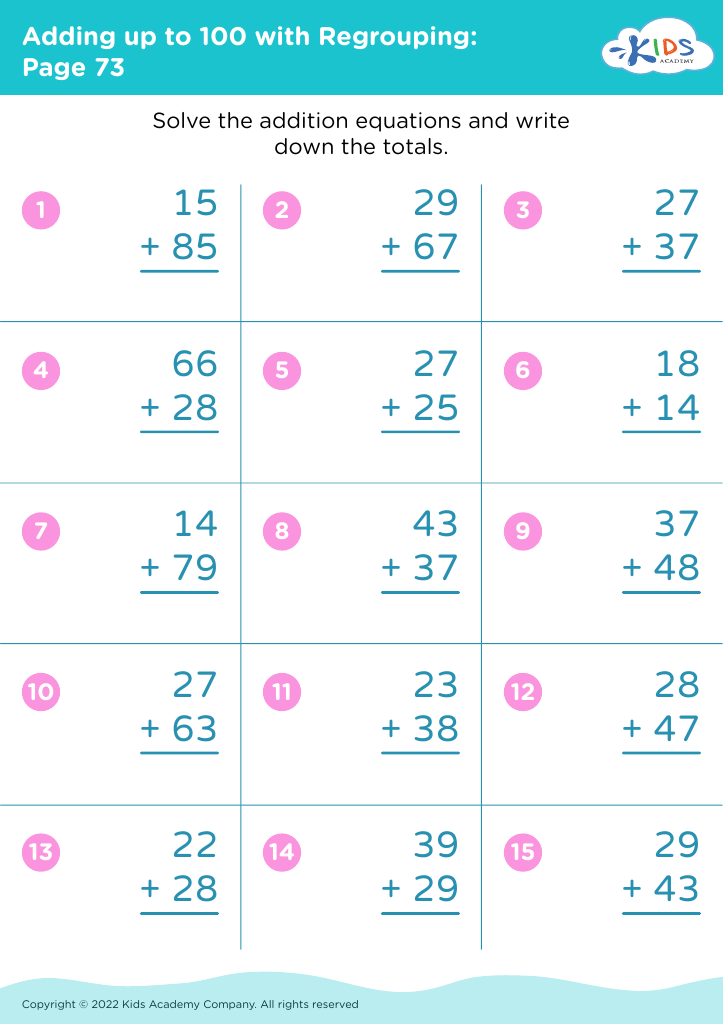
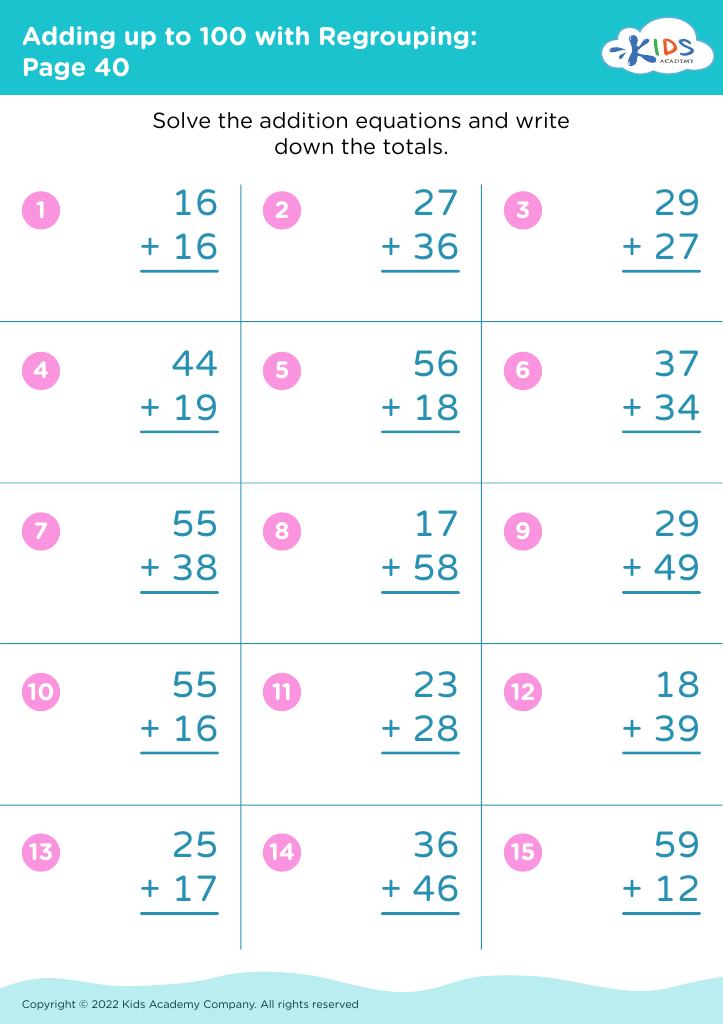
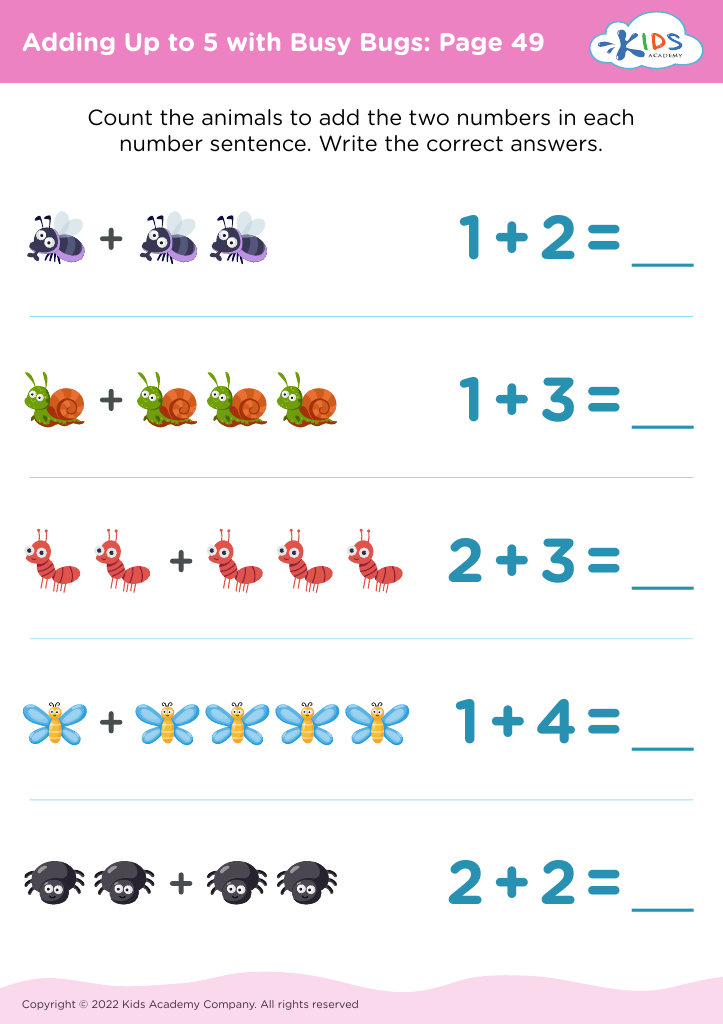
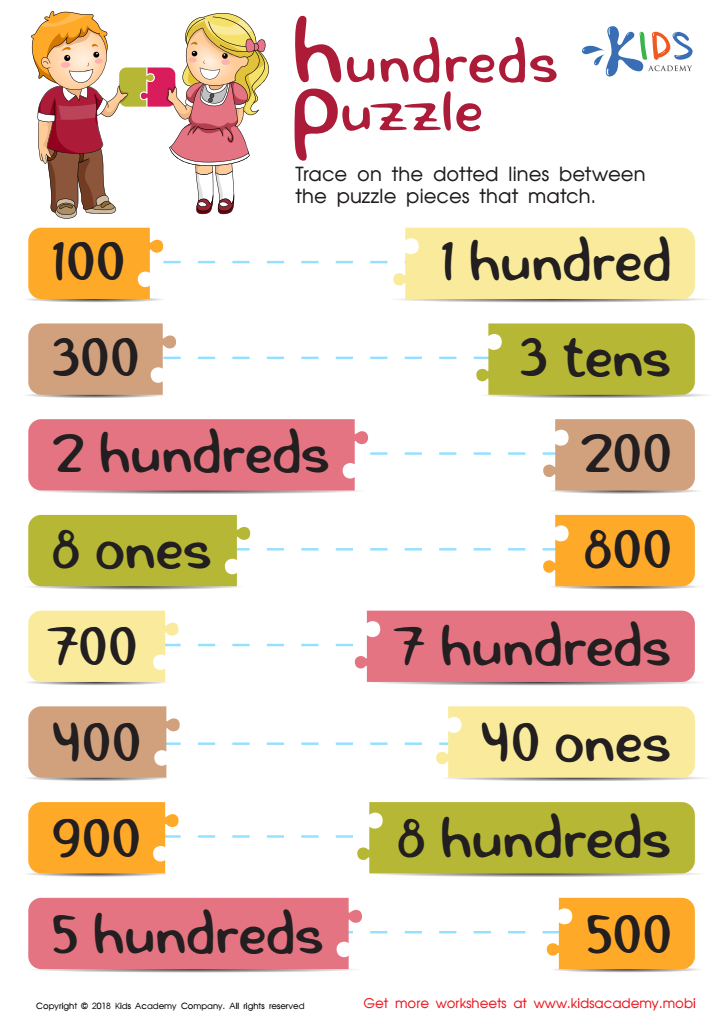
Hundreds Puzzle Worksheet
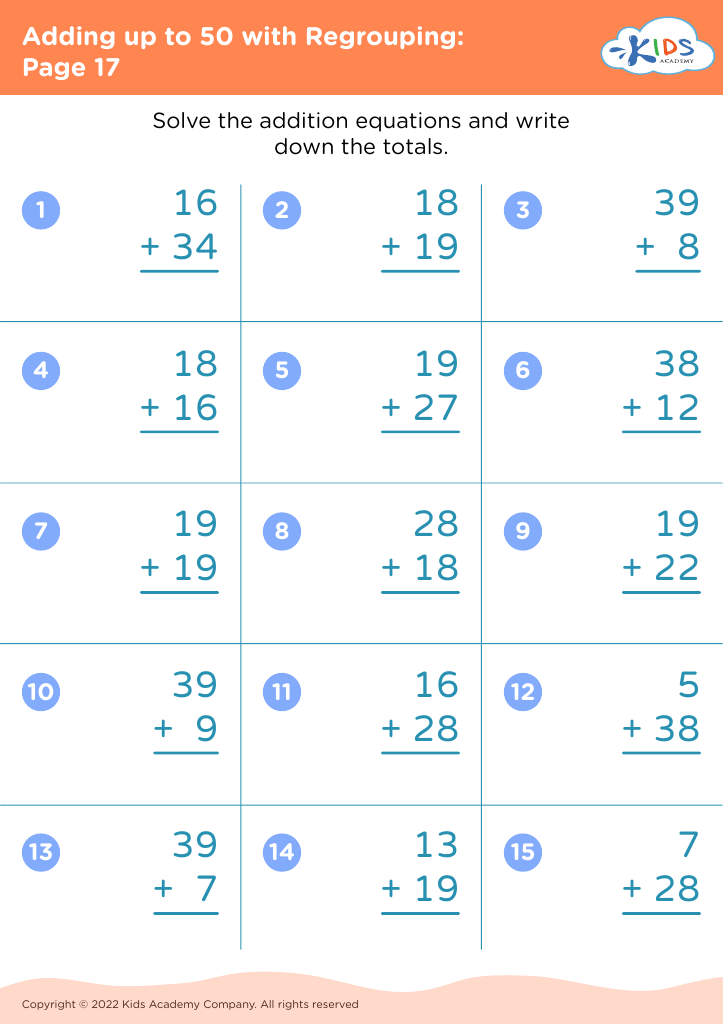
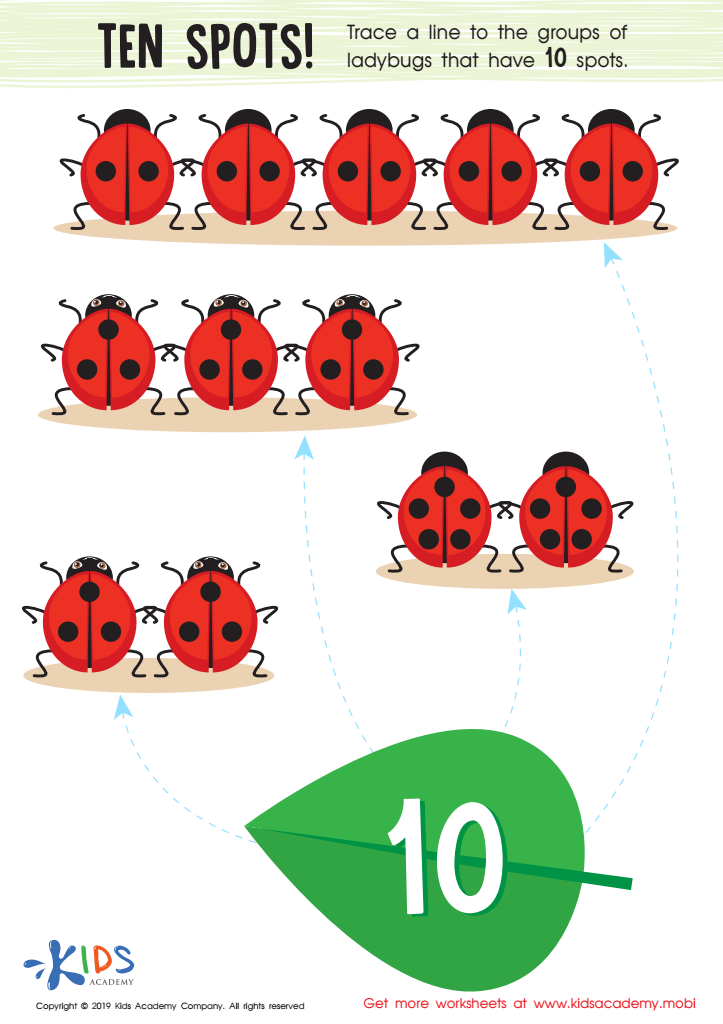
Ten Spots Worksheet
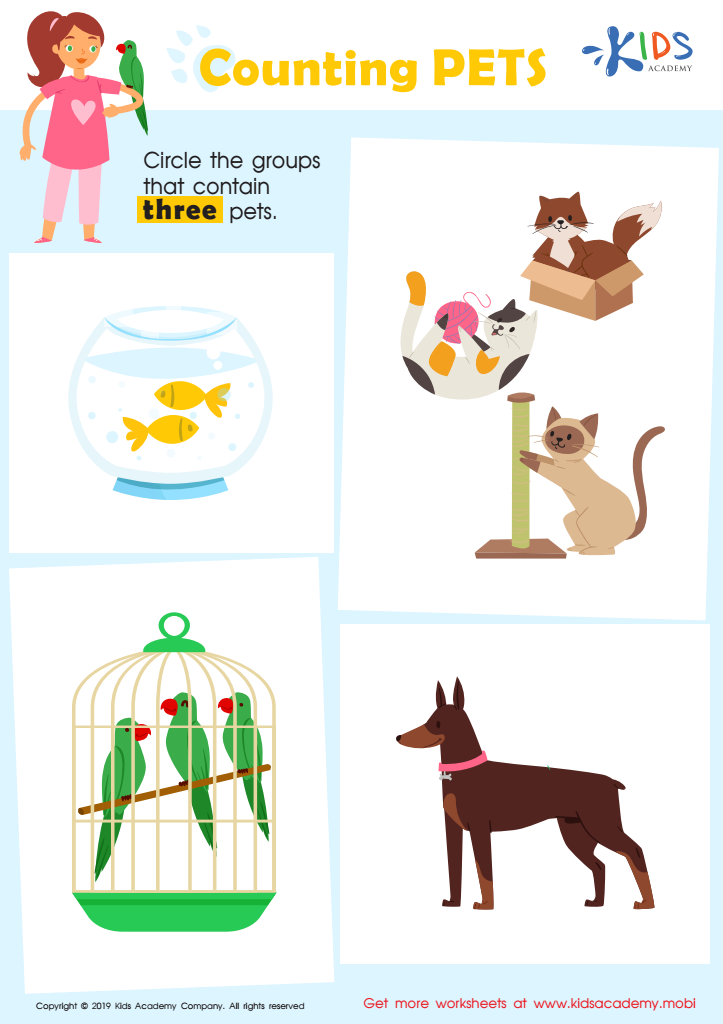
Counting Pets Worksheet







Counting skills are foundational for young children's overall mathematical development. For parents and teachers, fostering counting abilities in children aged 3-8 is crucial for several reasons. Firstly, counting is one of the first experiences with numbers, helping children develop number sense, which is essential for progression in math. Understanding numbers through counting lays the groundwork for more complex concepts such as addition, subtraction, and later, multiplication and division.
Secondly, counting skills enhance cognitive development. As children engage in counting with objects, they improve their ability to categorize and understand one-to-one correspondence, an important cognitive milestone. These skills translate not only into mathematics but also into problem-solving and critical thinking.
Moreover, counting has practical applications in daily life, helping children develop their capacity for measurement, time management, and resource allocation. For example, counting items during shopping or measuring ingredients in cooking activities promotes real-world application of math.
Finally, supporting counting skills in early childhood encourages a positive attitude toward learning and gives children confidence in their abilities, making them more likely to engage with math as they enter school. Parents and teachers play a vital role in cultivating these skills through interactive and playful approaches.








