Critical Thinking Worksheets for Ages 3-8 - Page 4
162 filtered results
-
From - To
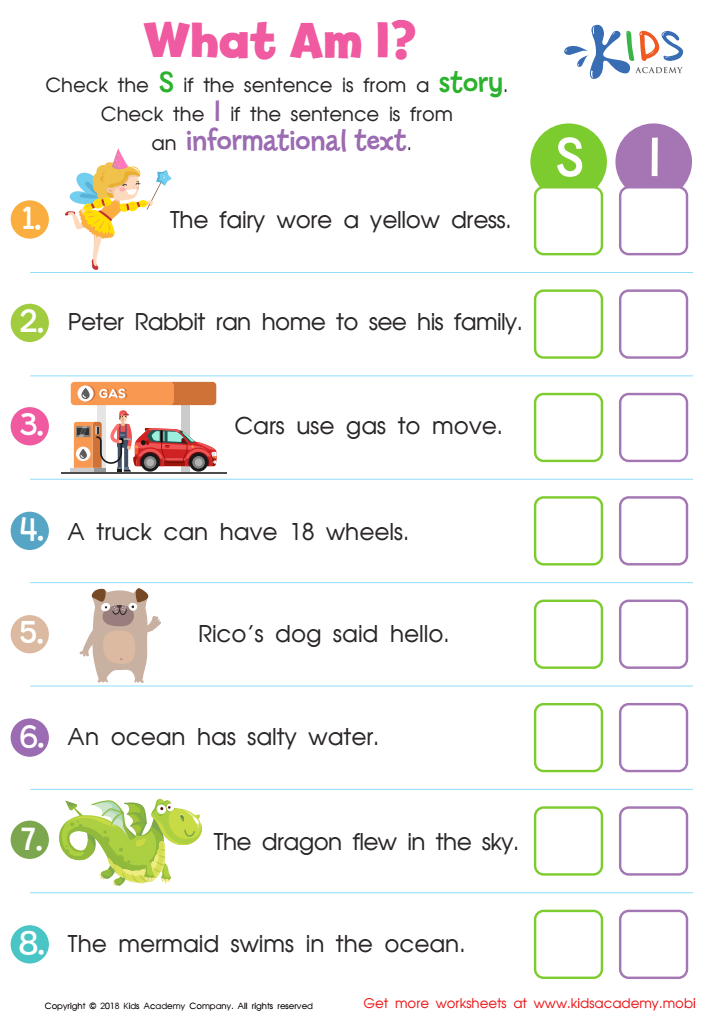
What Am I? Worksheet
 Assign to My Students
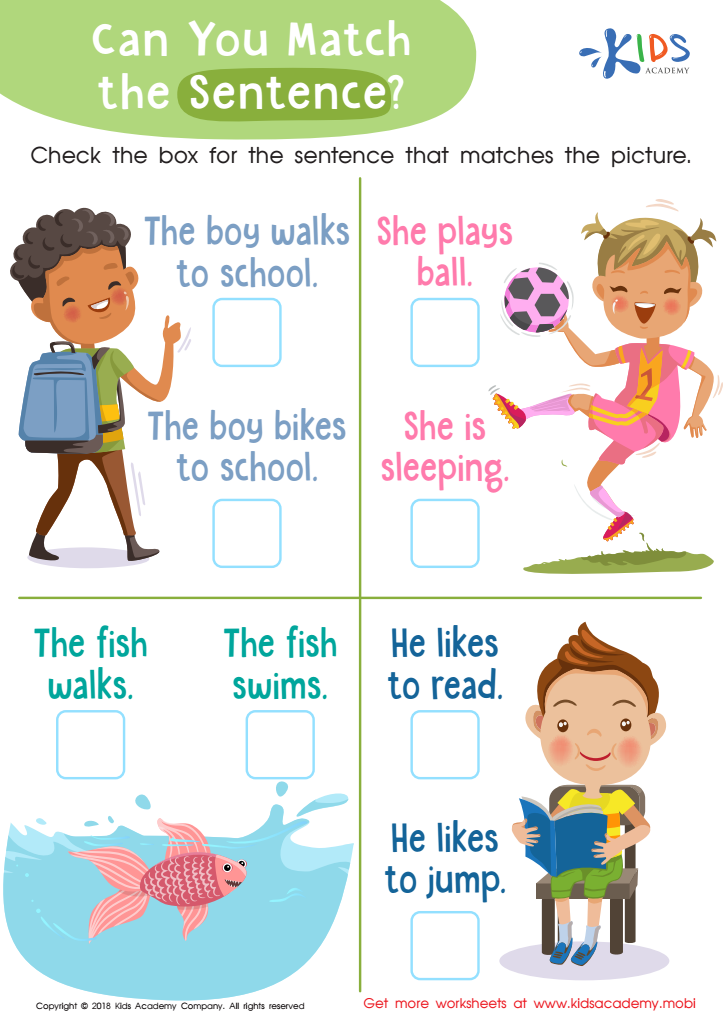
Can You Match the Sentence? Worksheet
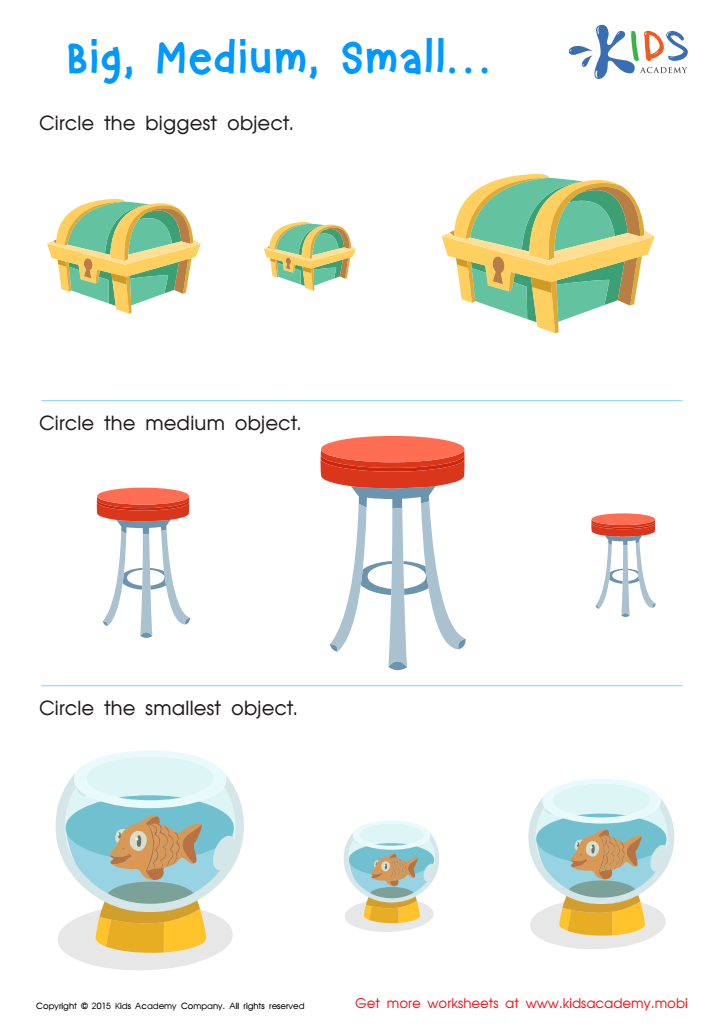
Big Medium Small Worksheet
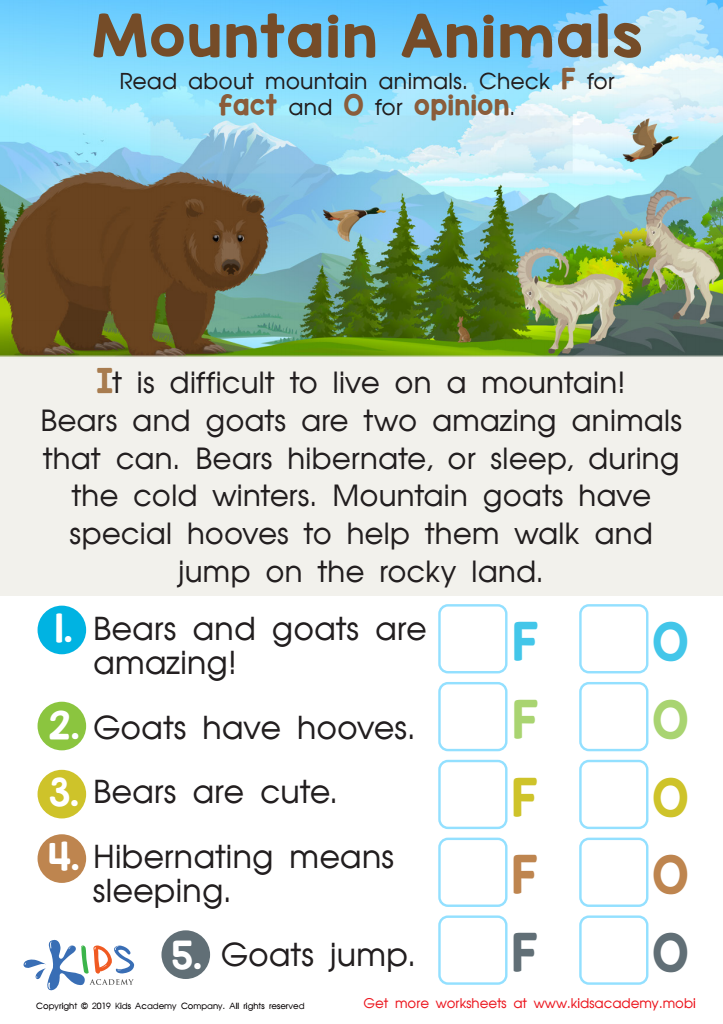
Mountain Animals Worksheet
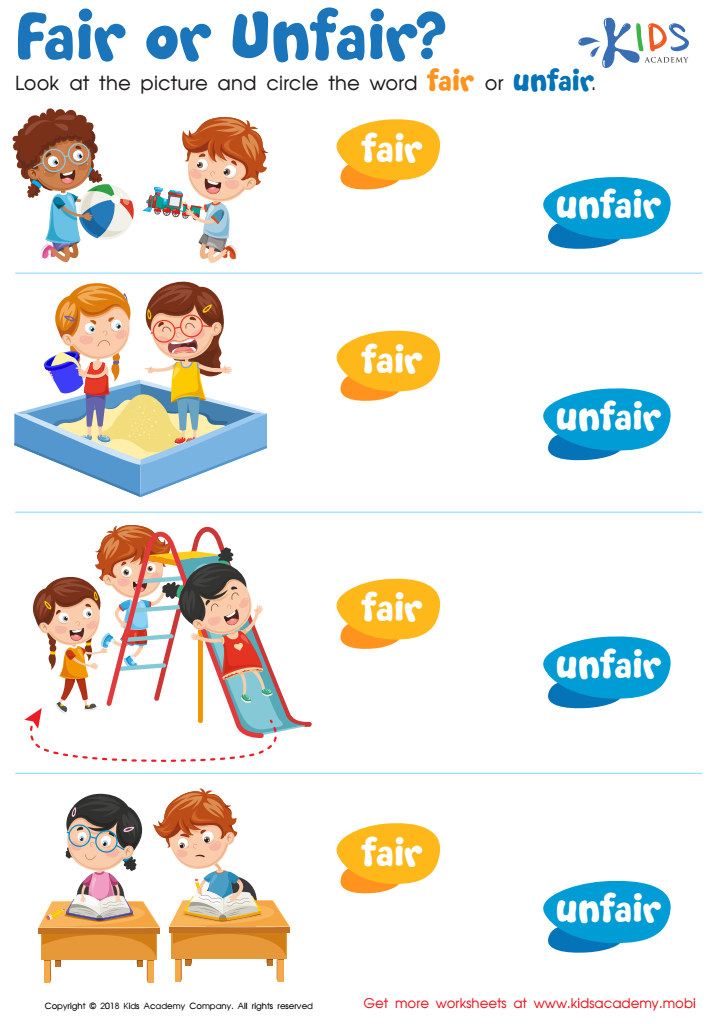
Fair or Unfair Worksheet
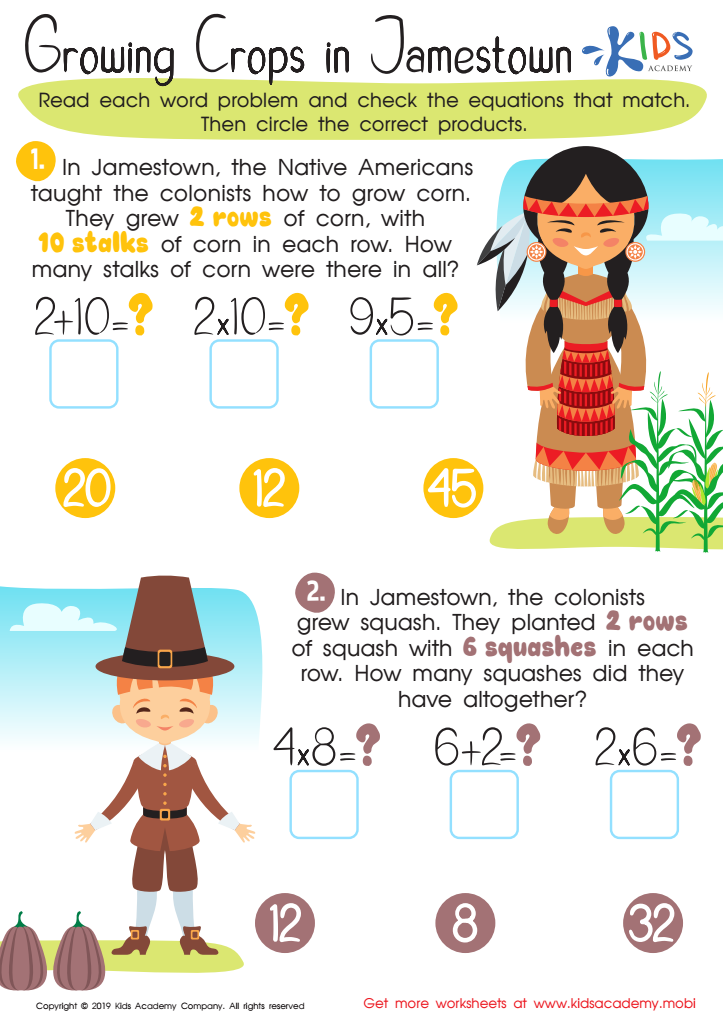
Growing Jamestown Worksheet
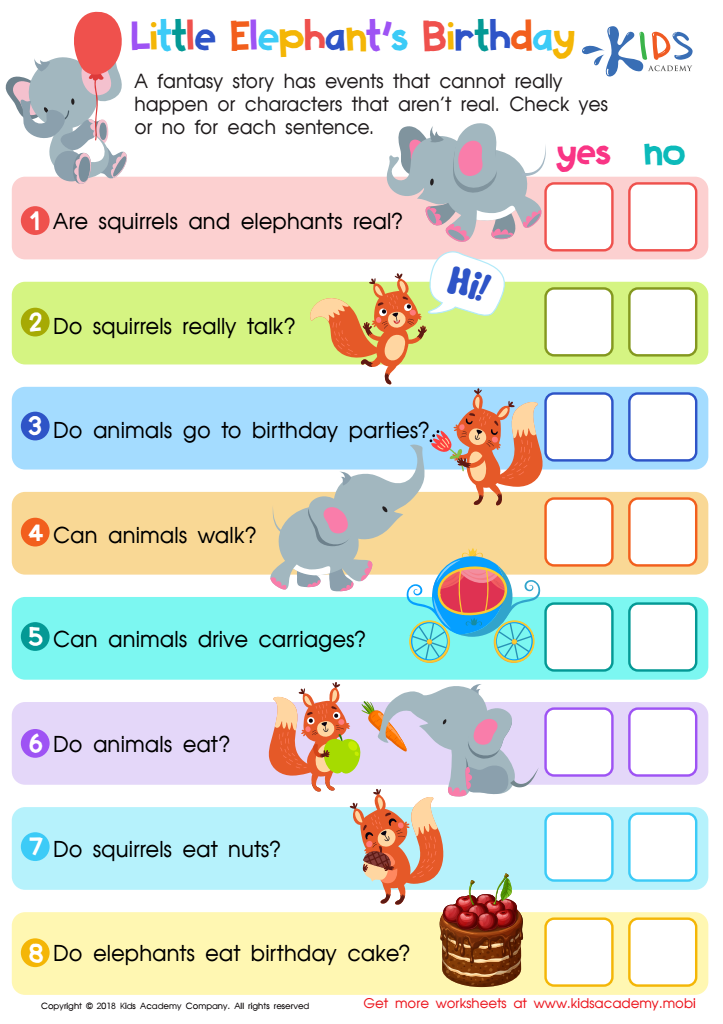
Little Elephant's Birthday Worksheet
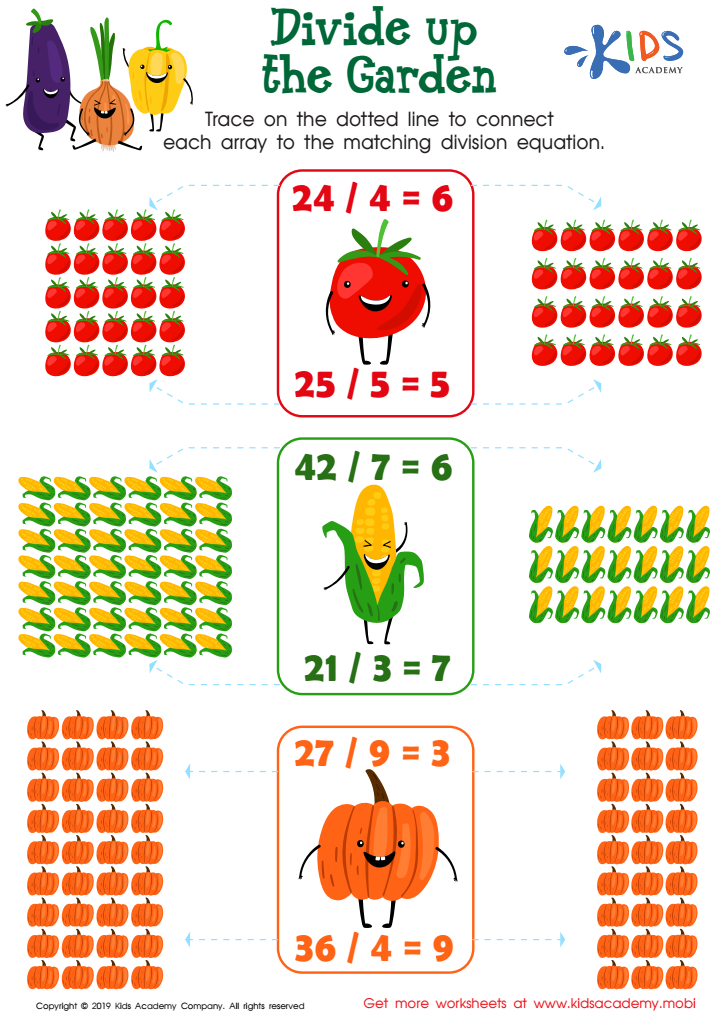
Divide up the Garden Worksheet
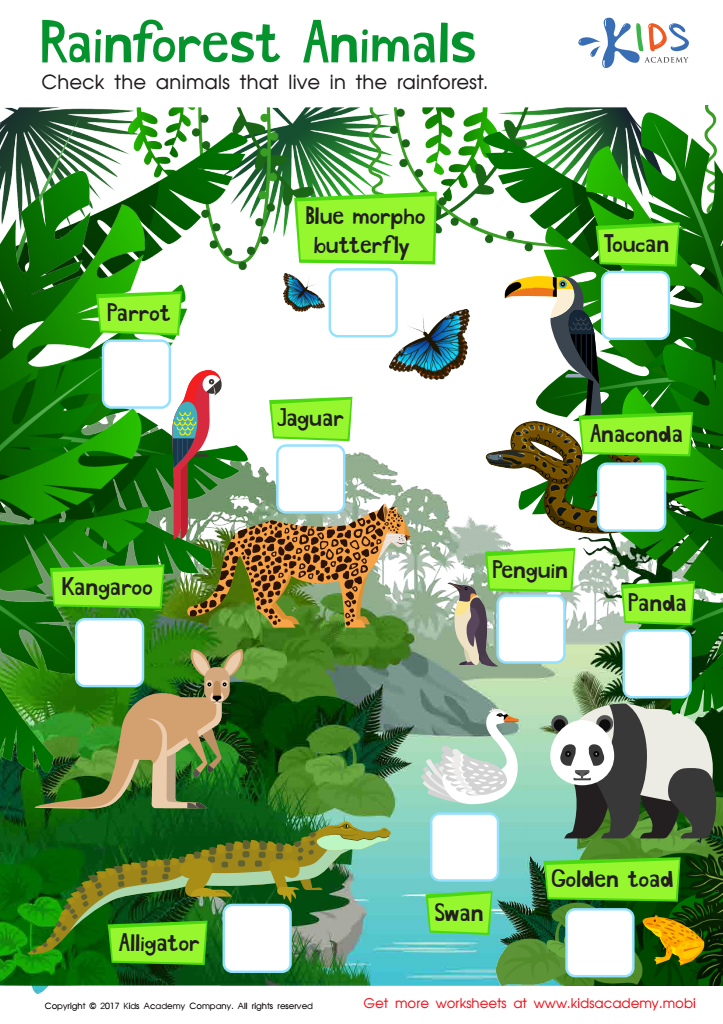
Rainforest Animals Worksheet
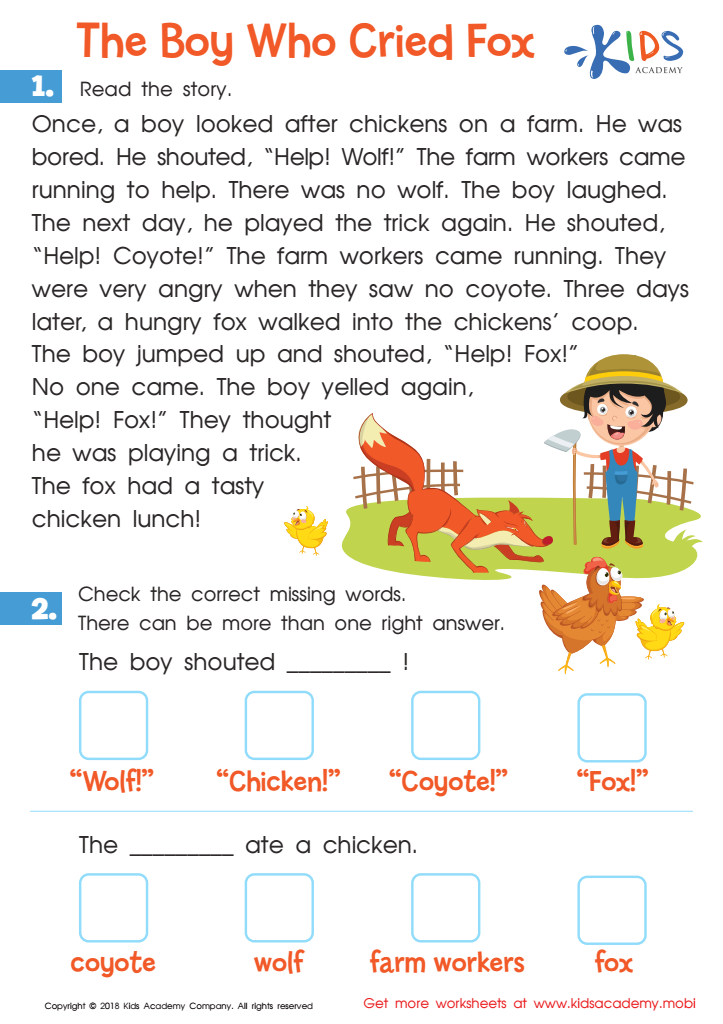
The Boy Who Cried Fox Worksheet
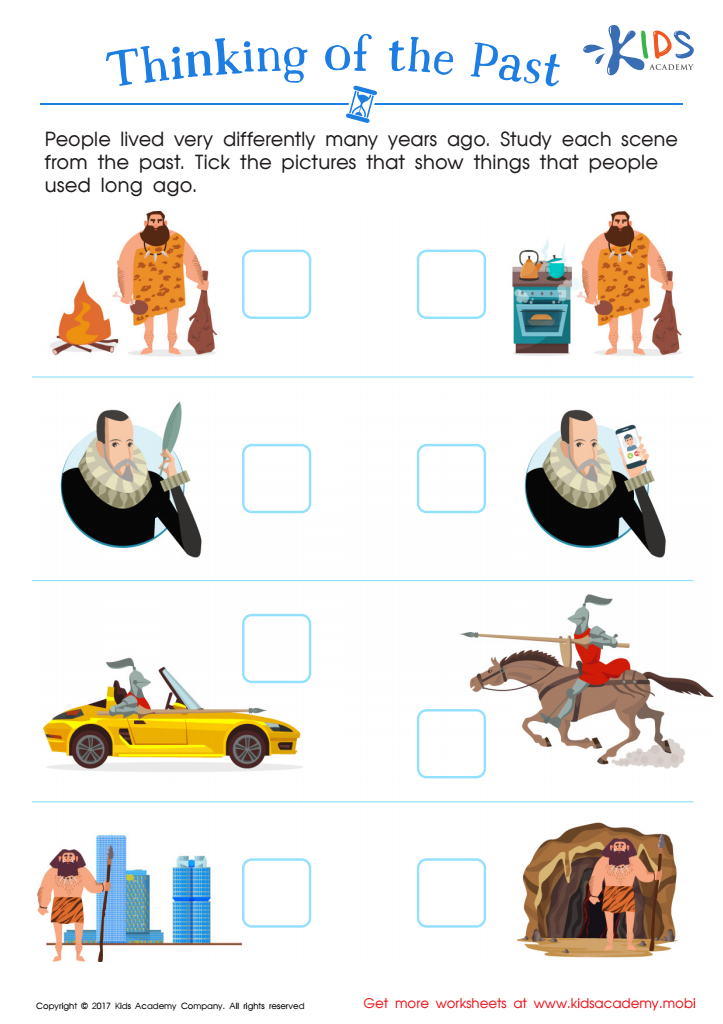
Thinking Past Printable

Thanksgiving Holiday Printable
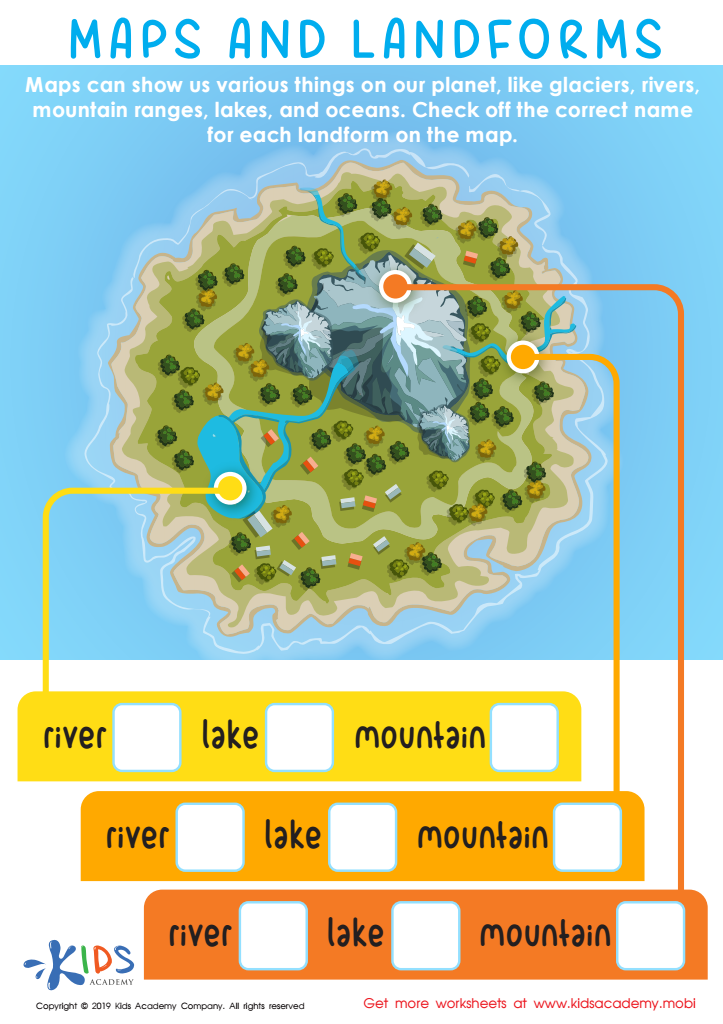
Maps and Landforms Worksheet
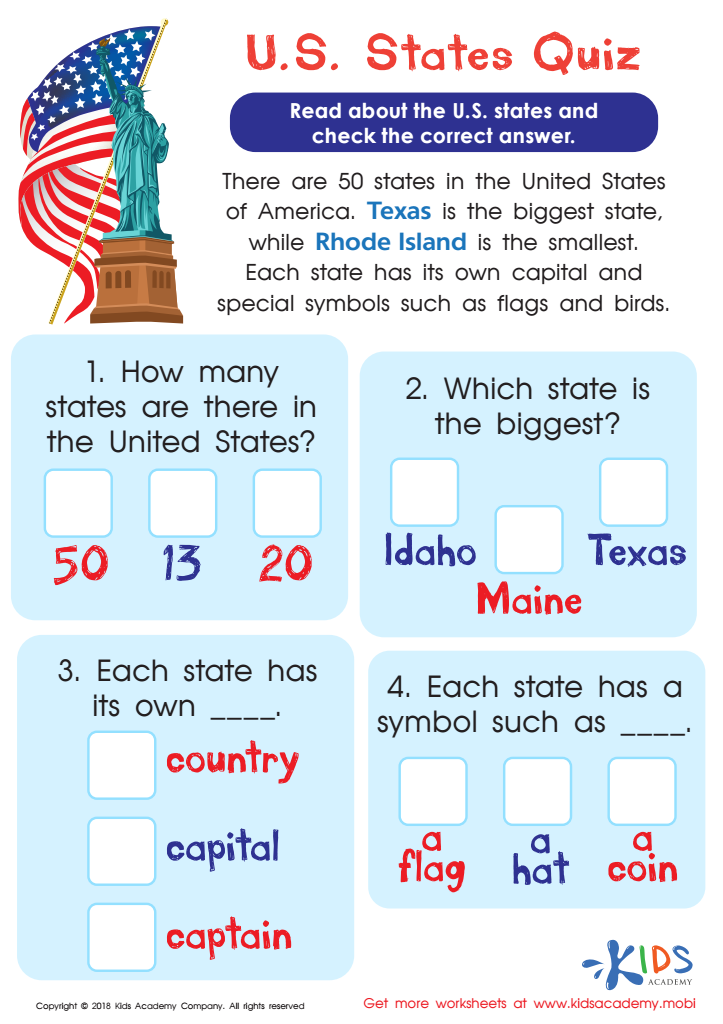
U.S. States Quiz Worksheet
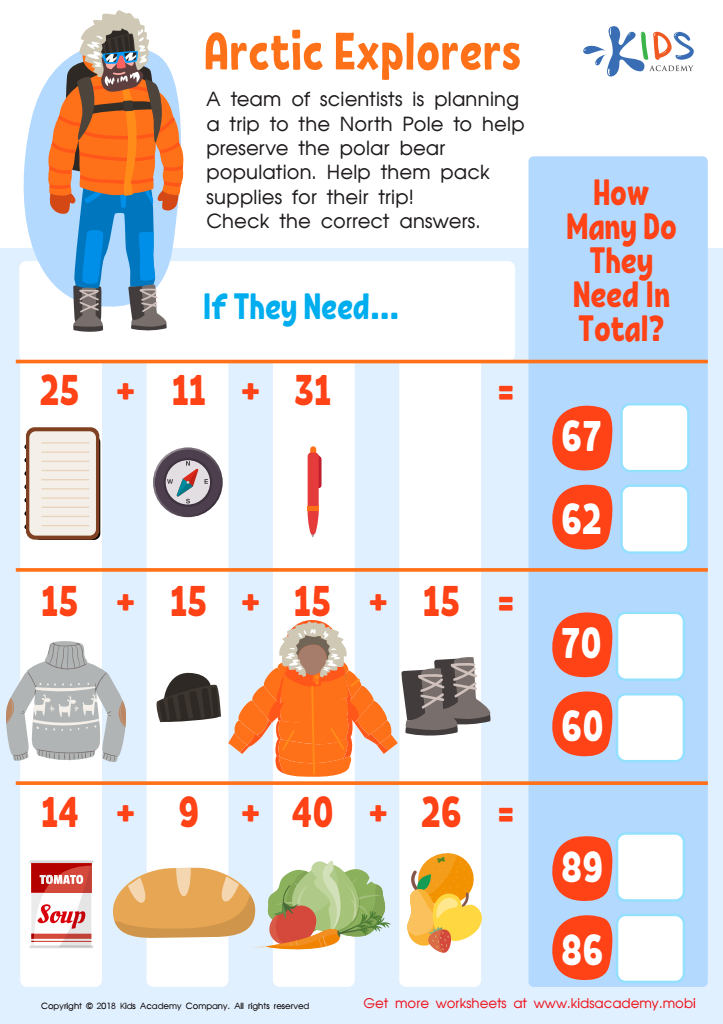
Arctic Explorers Worksheet
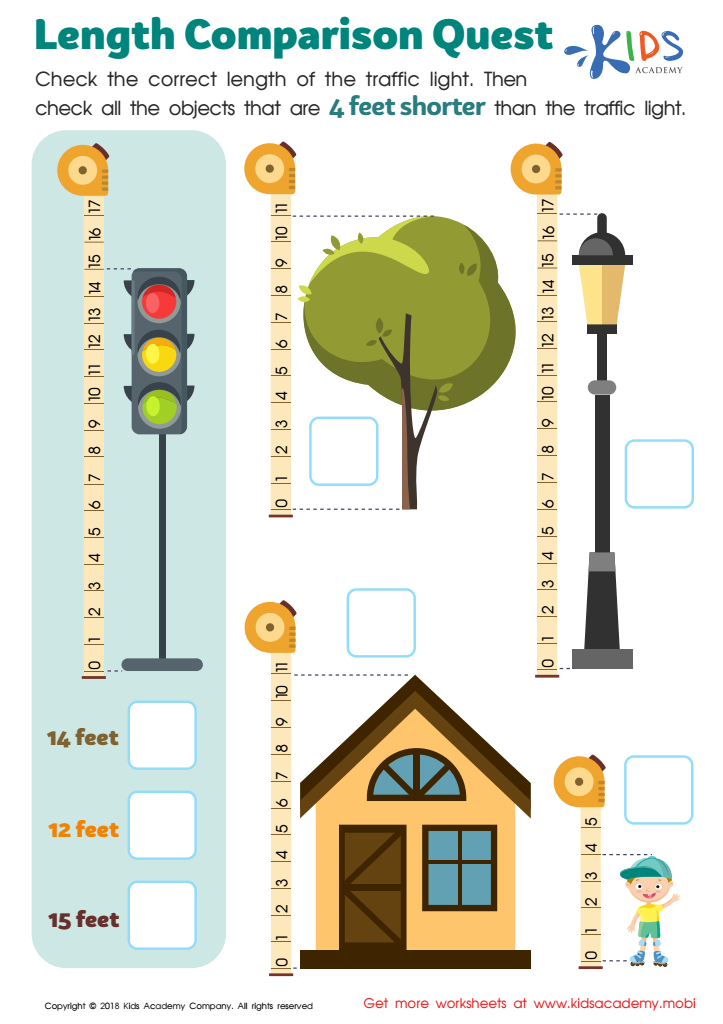
Length Comparison Quest Worksheet
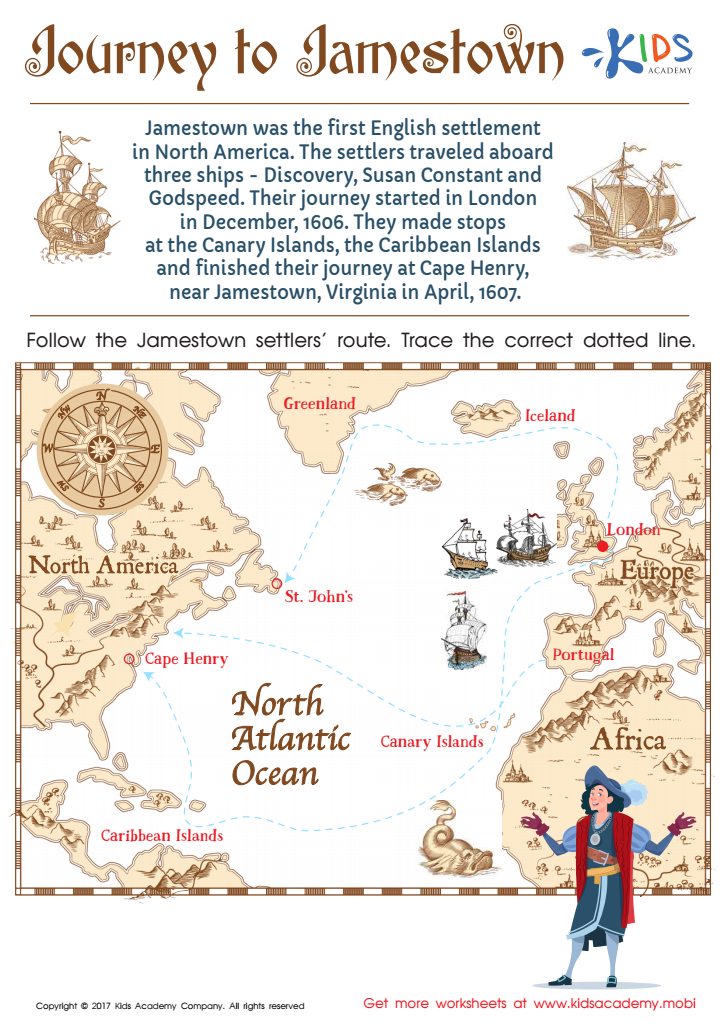
Journey to Jamestown Worksheet
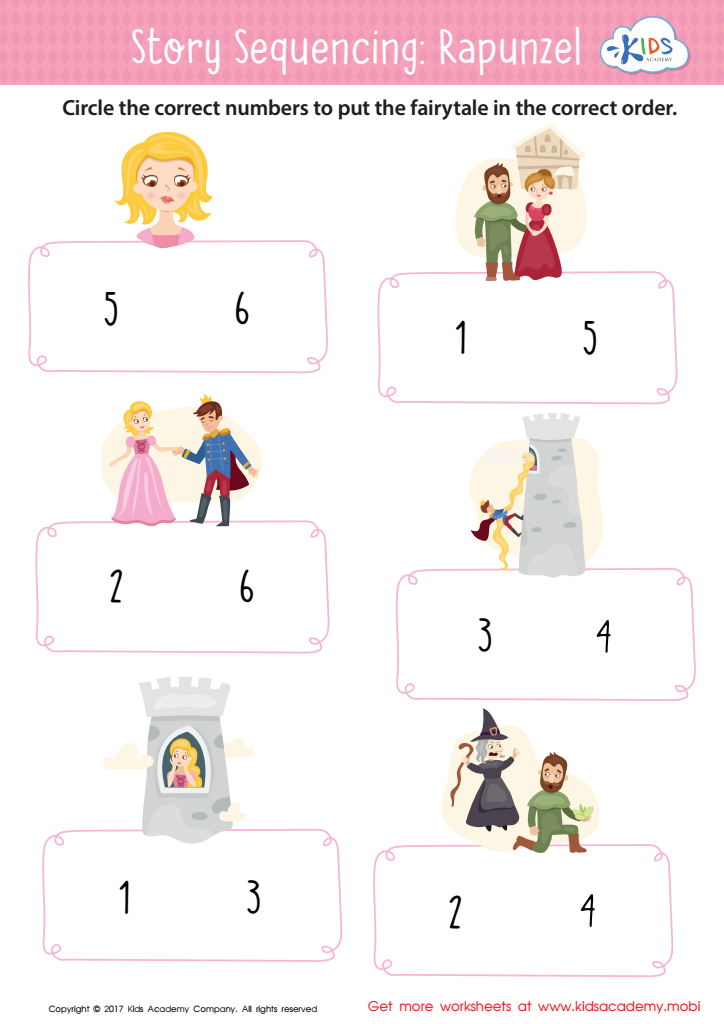
Rapunzel Story Sequencing Worksheet
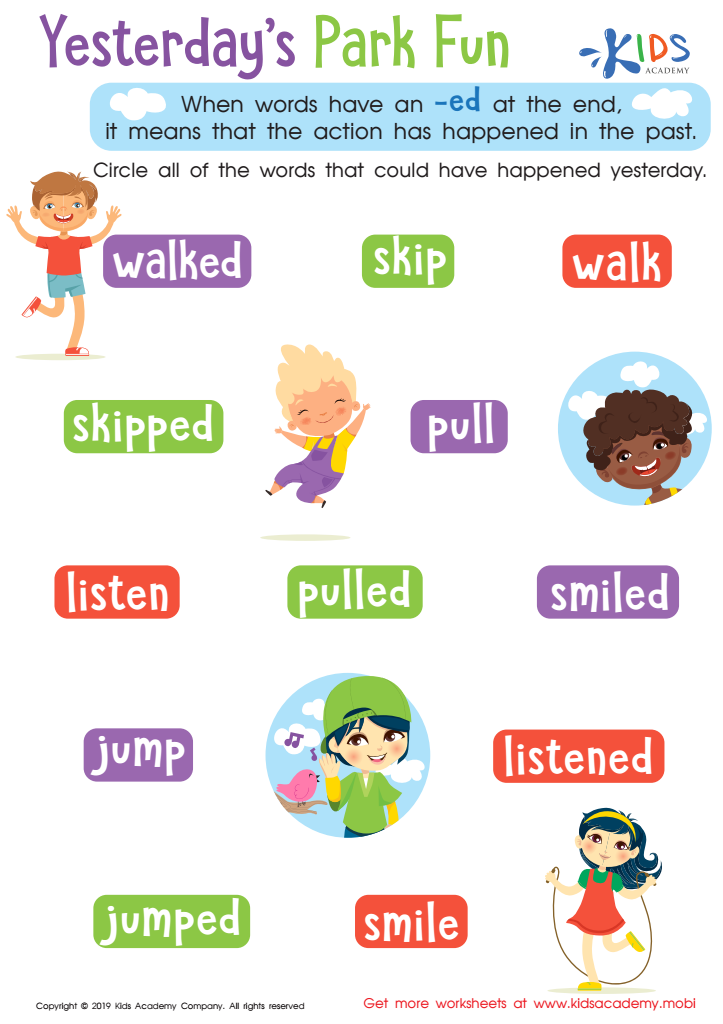
Yesterday's Park Fun Worksheet
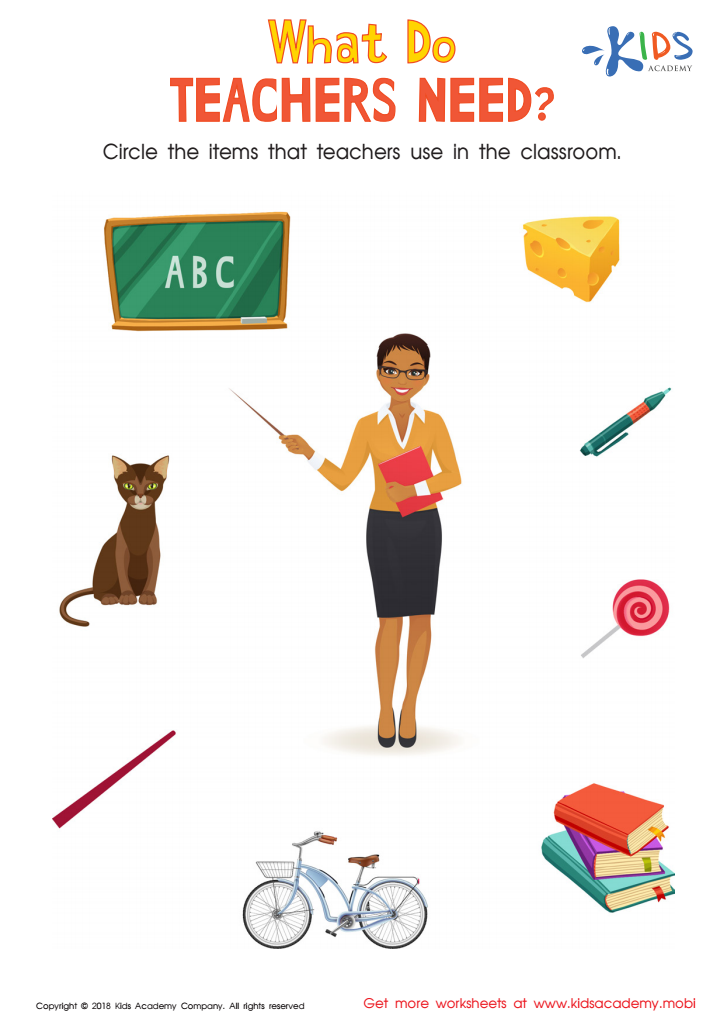
What Do Teachers Need Worksheet
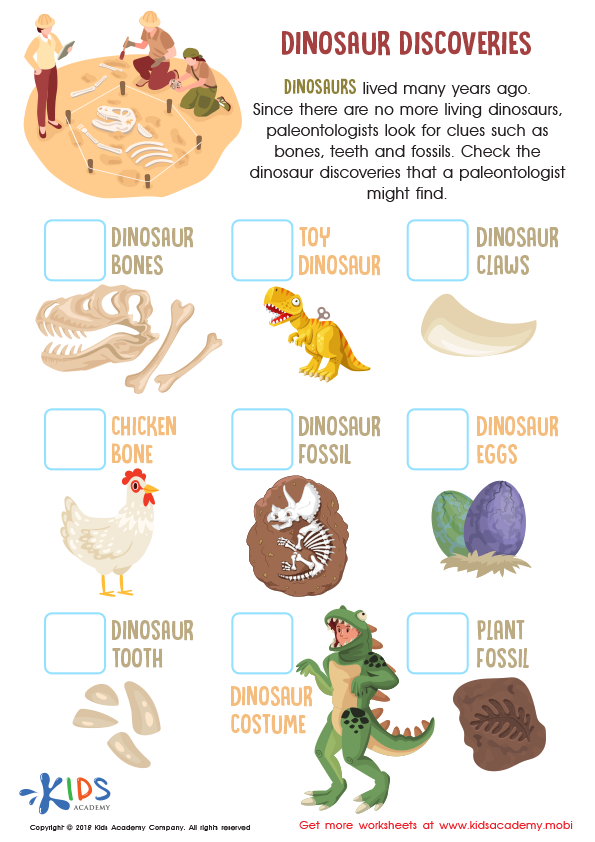
Dinosaur Discoveries Worksheet







Parents and teachers should care deeply about fostering critical thinking in children aged 3-8 because it lays a vital foundation for future learning and problem-solving abilities. At this tender age, brain development is rapid, and young children are naturally curious and questioning. Introducing critical thinking helps them develop essential cognitive skills such as reasoning, analysis, and creativity.
Critical thinking empowers children to understand the world around them better and to become independent learners. When children learn to ask questions, solve problems, and think logically, they build the confidence needed to tackle new challenges. This not only benefits their academic growth but also enhances their emotional and social intelligence. For instance, children who think critically are better at understanding different perspectives and making thoughtful decisions, which are crucial for forming healthy relationships and managing conflicts.
Moreover, critical thinking nurtures a love for lifelong learning. In a rapidly changing world, the ability to adapt and innovate is more important than ever. By instilling these skills early, parents and teachers help children to become resilient and resourceful, preparing them for a successful future both in school and beyond. Investing in critical thinking for young children is an investment in their overall development and future prospects.








