Shape identification Worksheets for Ages 3-8
40 filtered results
-
From - To
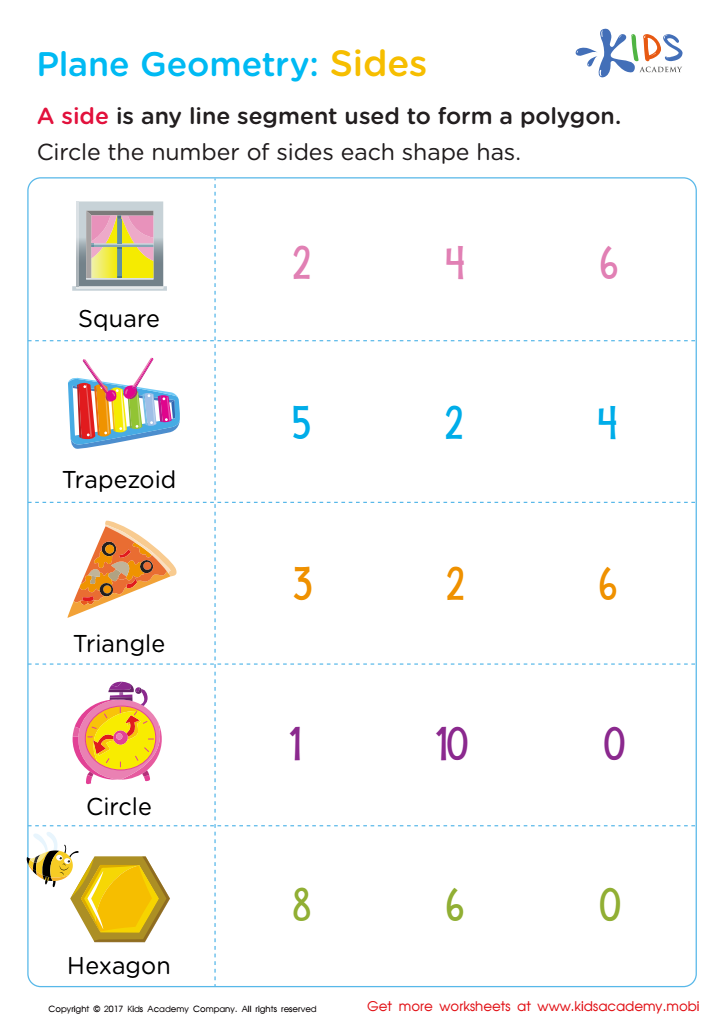
Explore our engaging shape identification worksheets designed for children ages 3-8! Perfect for young learners, these worksheets help enhance shape recognition skills through fun activities and vibrant illustrations. Each sheet offers a variety of exercises, including matching shapes, coloring, and tracing, to promote early mathematics and visual learning. Tailored to different developmental stages, our resources encourage critical thinking and boost confidence as children embark on their educational journey. Ideal for classrooms or home use, these worksheets support foundational skills that children need for future success. Download and start building your child's shape recognition abilities today!
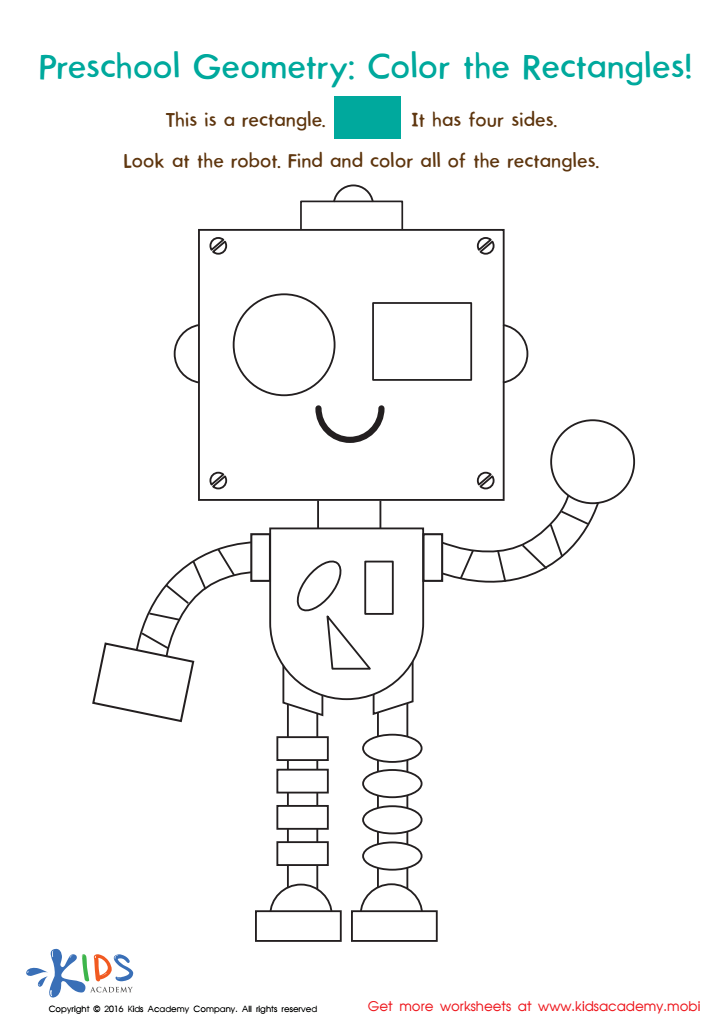
Geometry Worksheet
 Assign to My Students
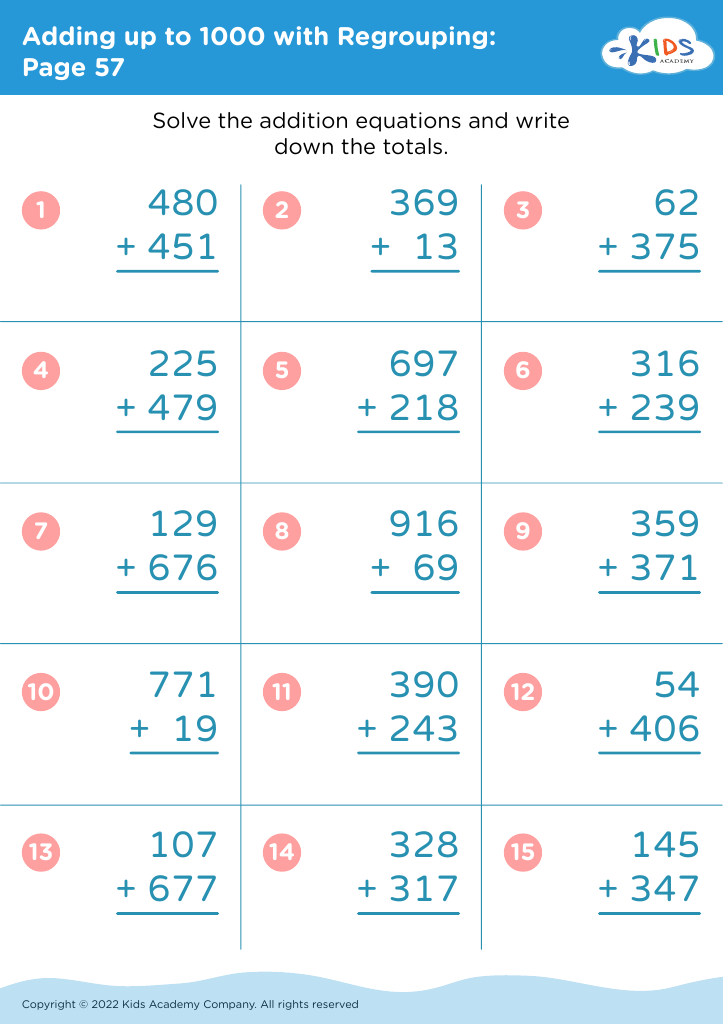
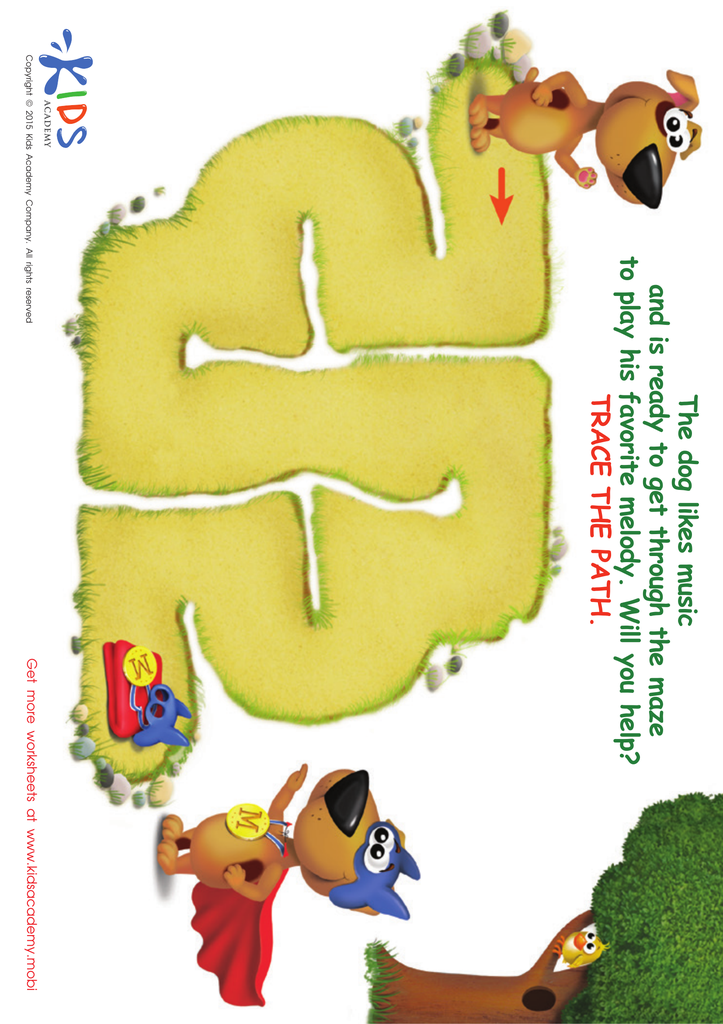
Superman Maze Worksheet
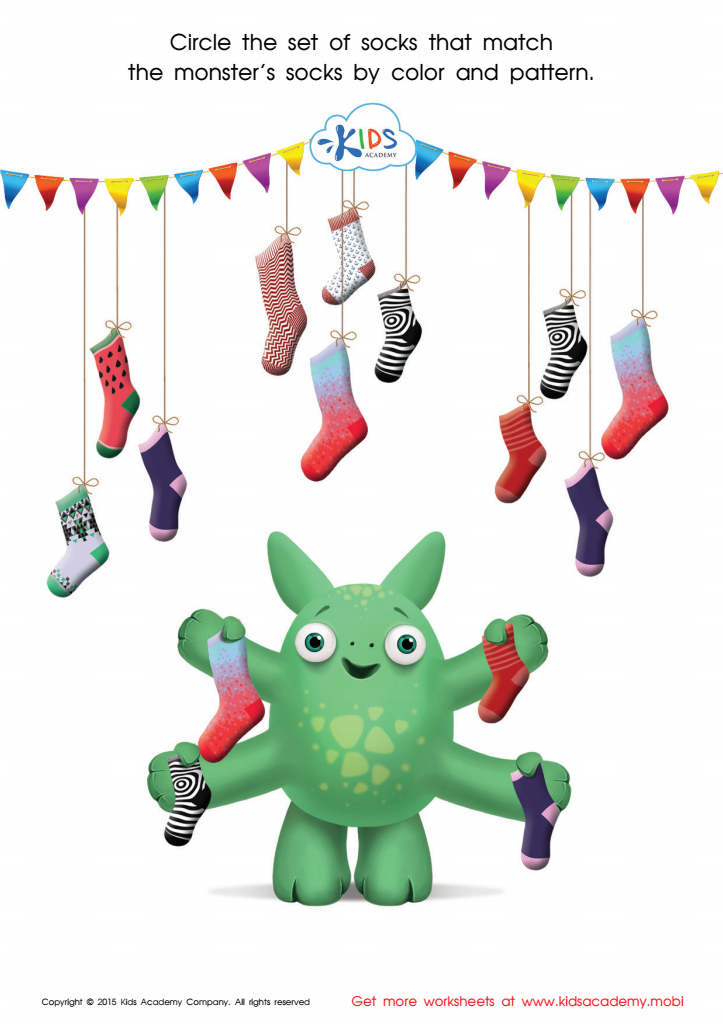
Sort the Monster's Socks Worksheet
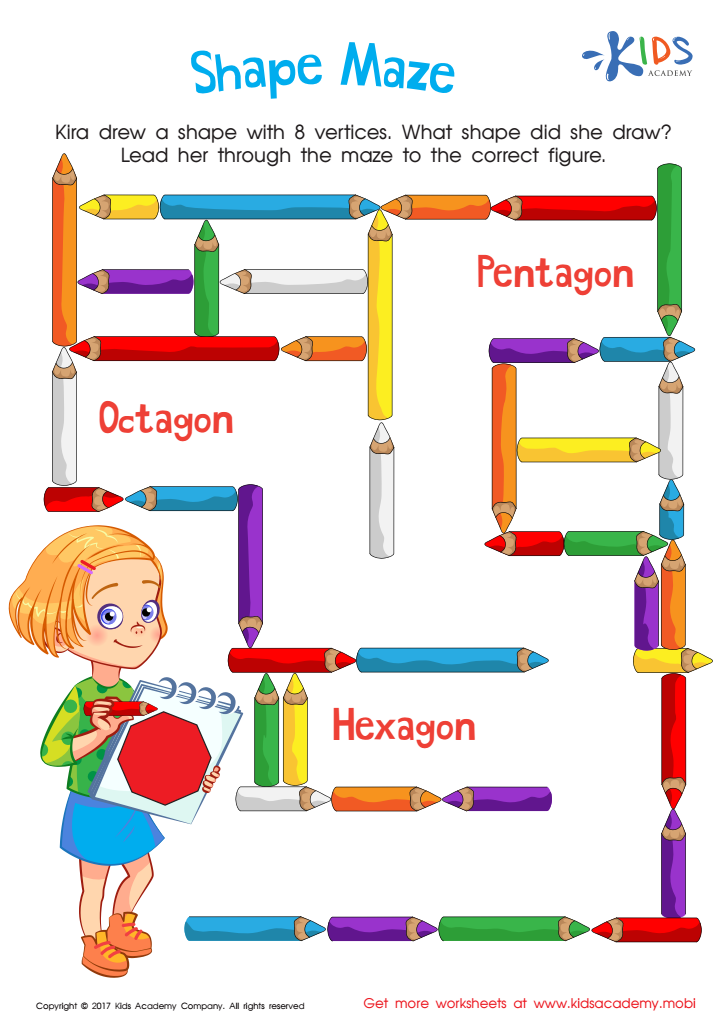
Shape Maze Worksheet
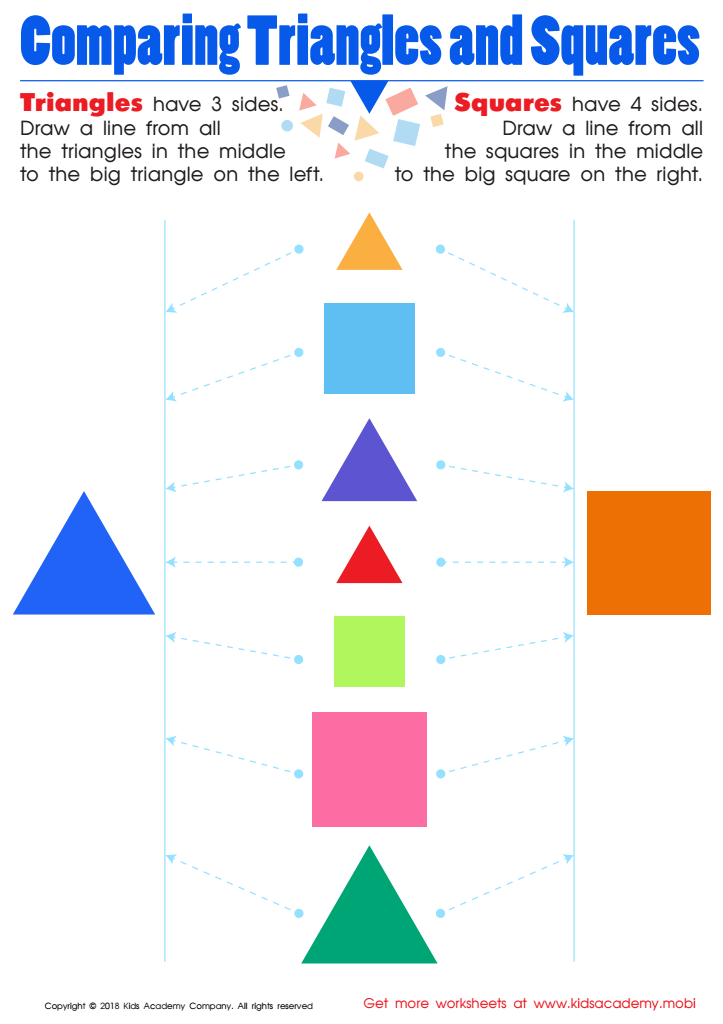
Comparing Triangles Squares Worksheet
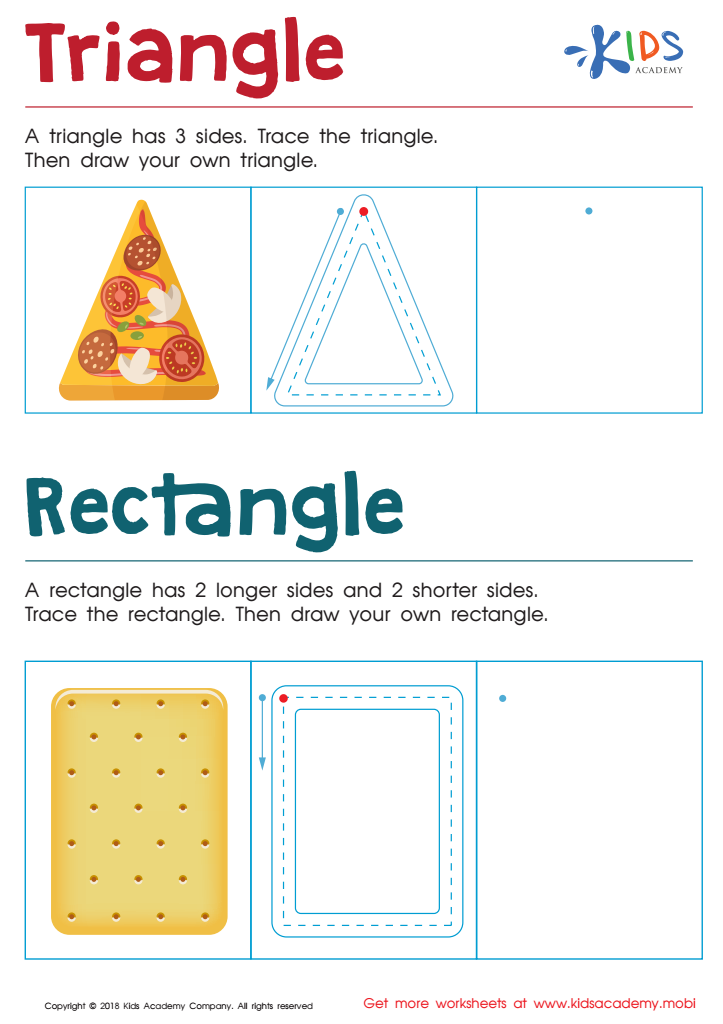
Triangle Rectangle Worksheet
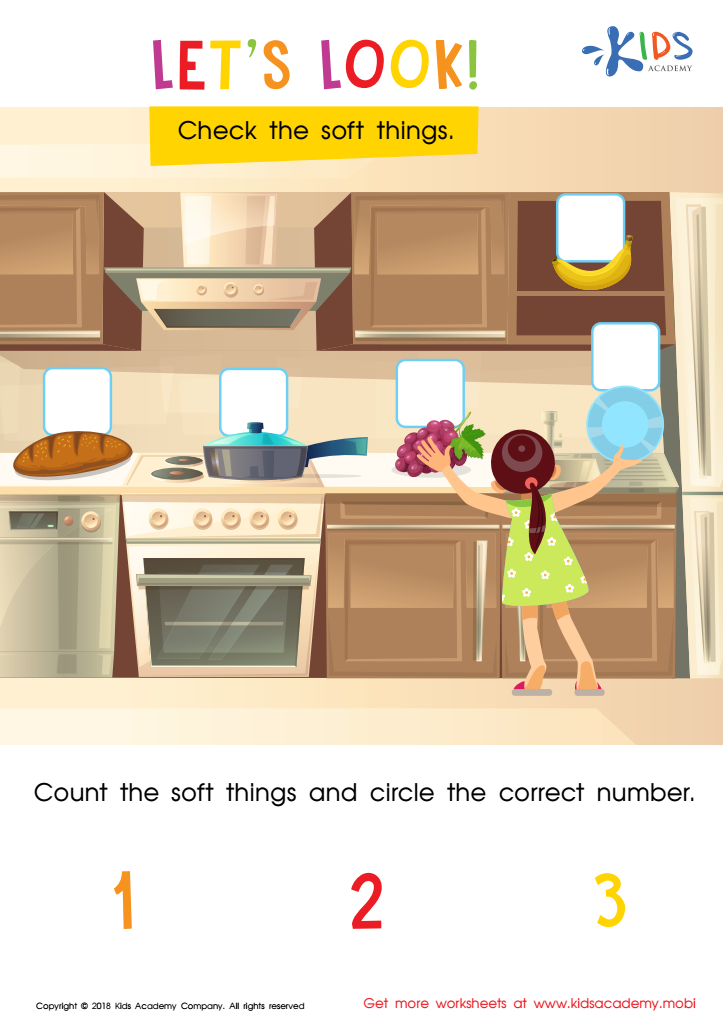
Let's Look! Assessment Worksheet
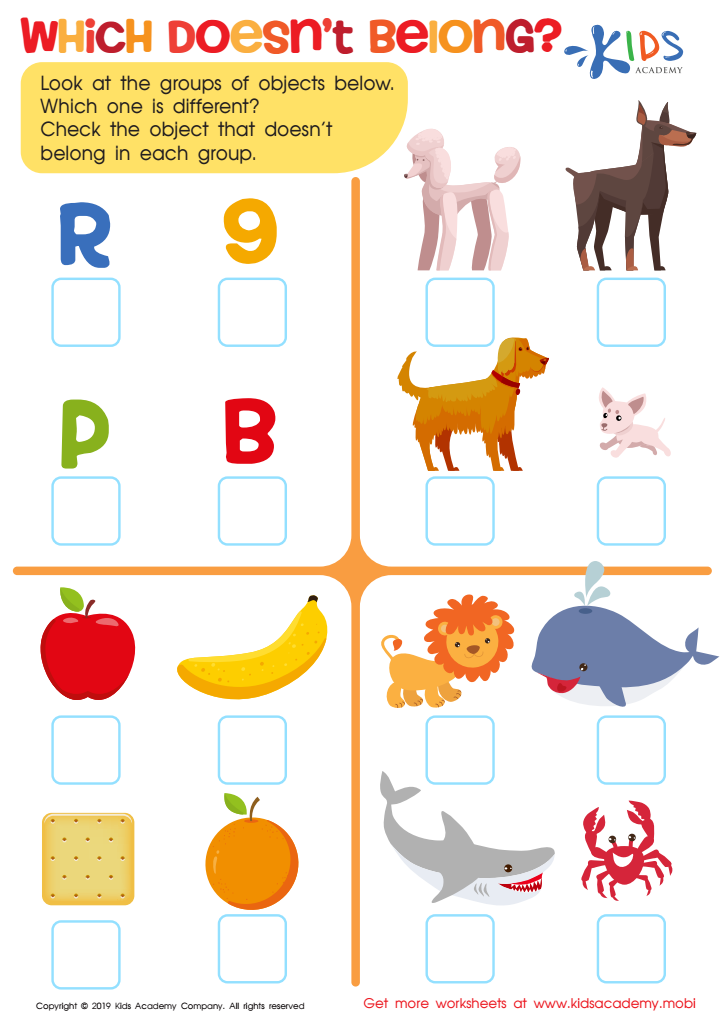
Which Doesn't Belong? Worksheet
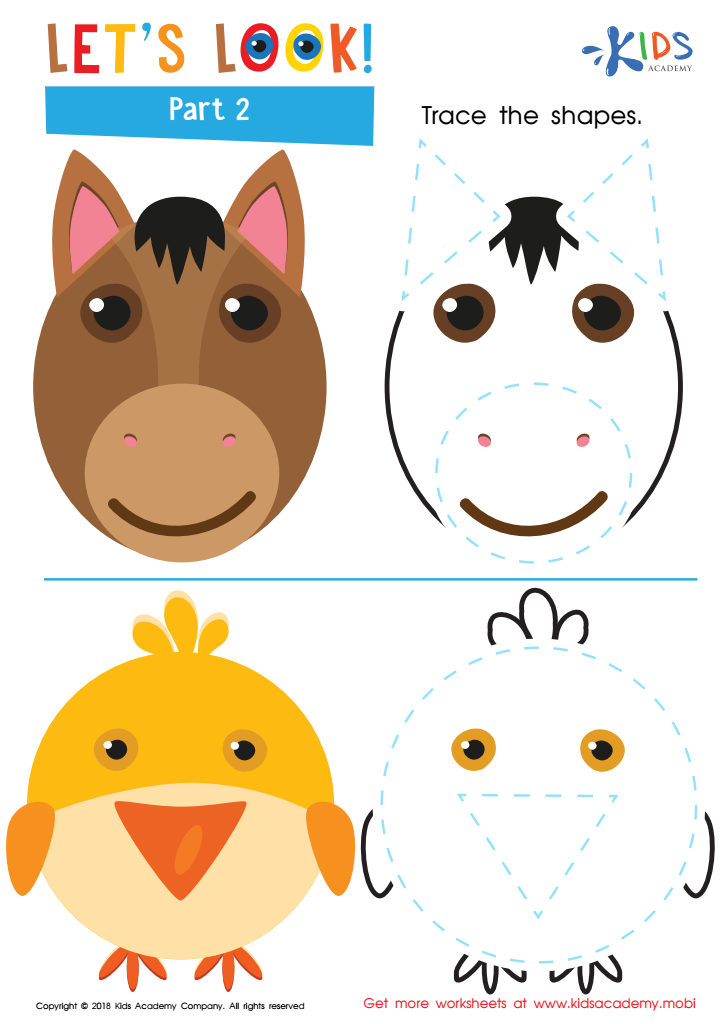
Let's Look! Part 2 Worksheet
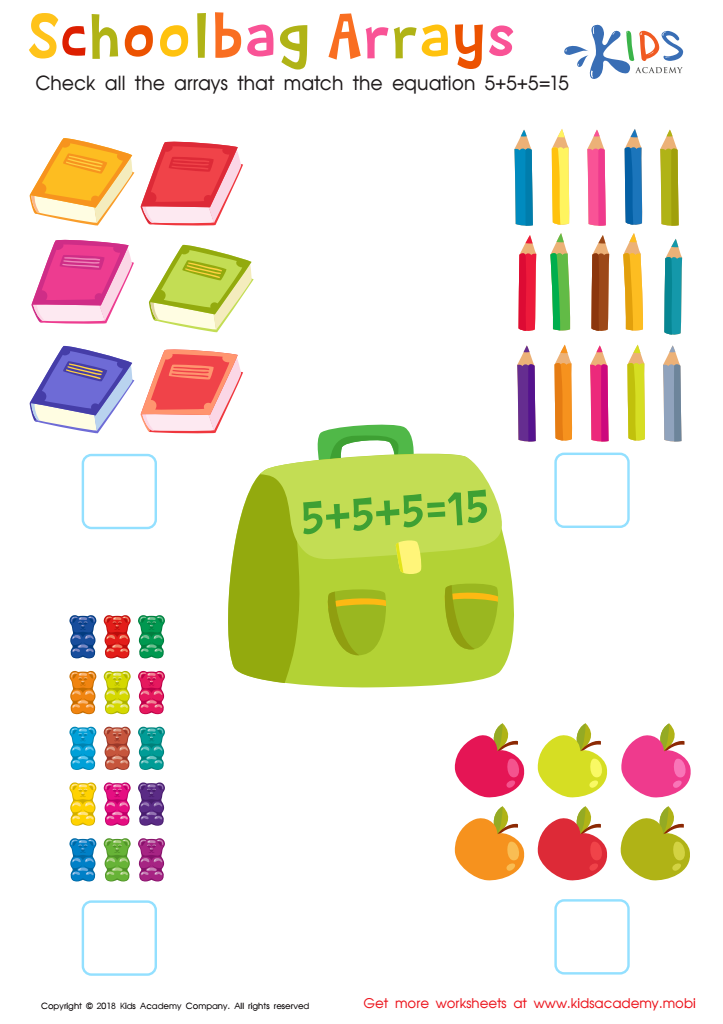
Schoolbag Arrays Worksheet
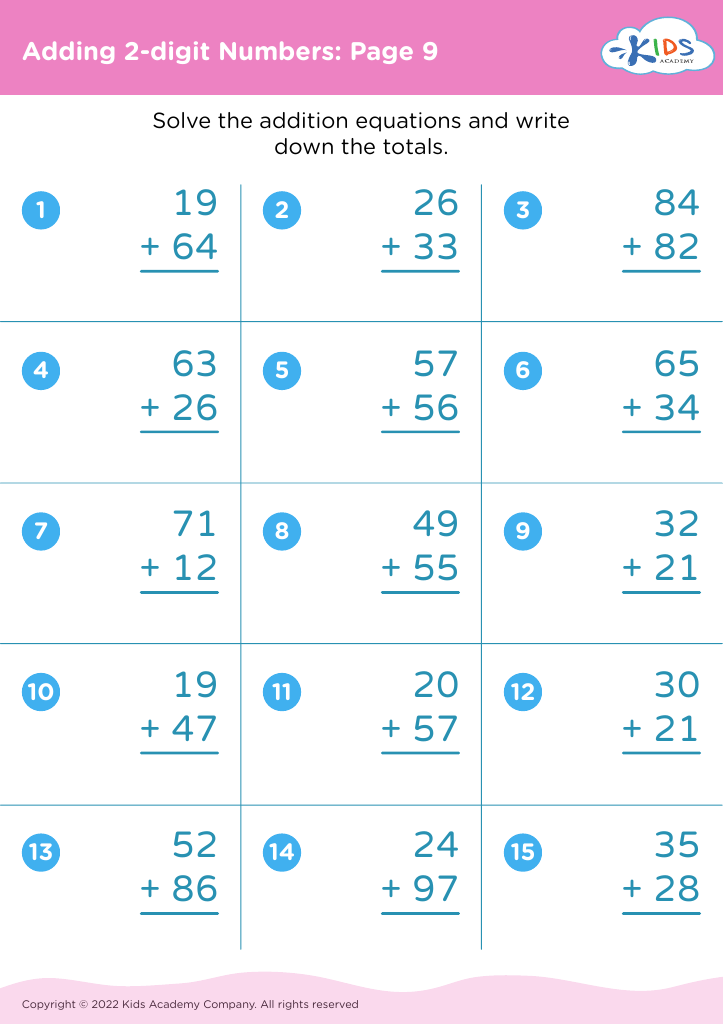
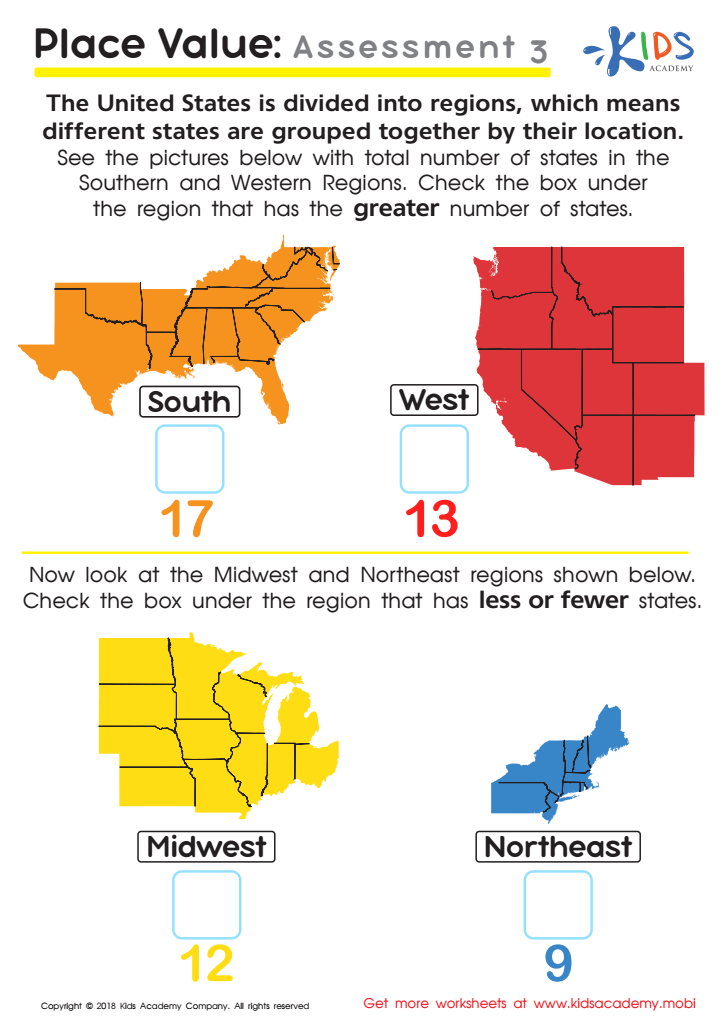
Place Value: Assessment 3 Worksheet
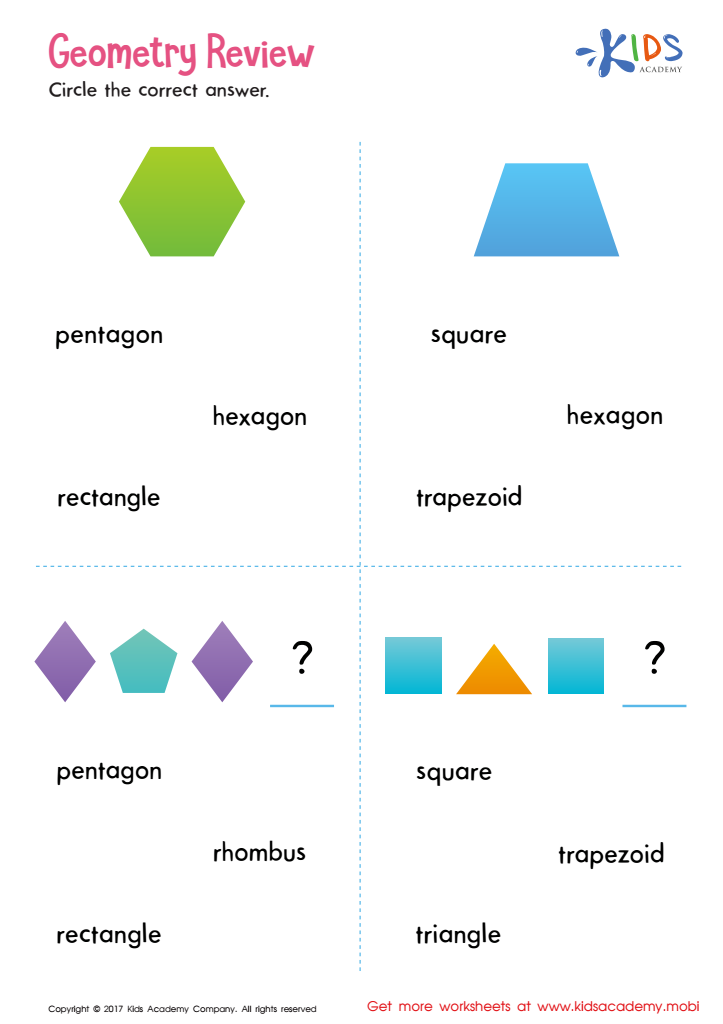
Geometry Review Printable
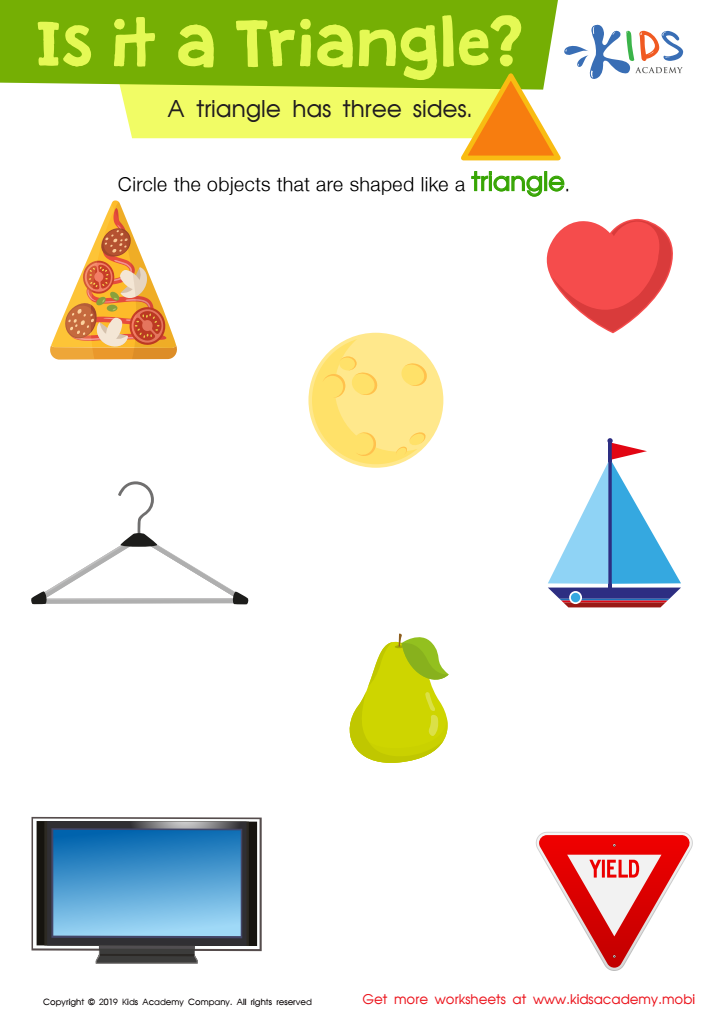
Is It a Triangle? Worksheet







Shape identification is a crucial skill for children aged 3 to 8 as it serves as the foundation for various cognitive and practical abilities. First and foremost, recognizing shapes enhances children’s spatial awareness, which aids in understanding their environment. This skill is instrumental for activities like mathematics, as children begin to recognize geometric concepts vital for problem solving.
Moreover, shape identification promotes cognitive development by encouraging critical thinking and observation skills. When children learn to classify shapes based on specific attributes, such as sides and angles, they engage in deductive reasoning. This not only enriches their mathematical skills but also fosters foundational science concepts by helping them understand structures in the world around them.
Additionally, understanding shapes is important for writing and literacy development. Children who grasp shapes can better recognize letters and symbols, which contributes to reading readiness.
Furthermore, the process of identifying shapes supports language development; children learn new vocabulary and improve their communication skills as they describe shapes. For both parents and teachers, fostering shape recognition through playful and engaging activities can cultivate a child’s overall development, preparing them for future academic success. In summary, shape identification nurtures essential skills that influence learning holistically.








