Mathematical reasoning Addition & Subtraction Worksheets for Ages 3-8 - Page 2
39 filtered results
-
From - To
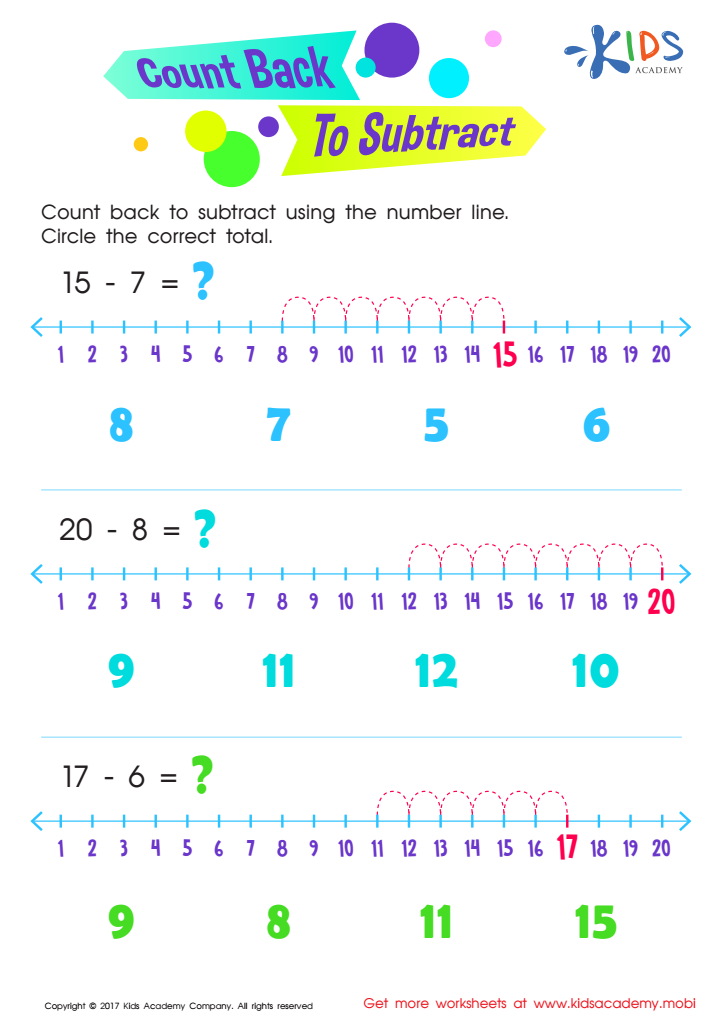
Count Back to Subtract Substraction Worksheet
 Assign to My Students
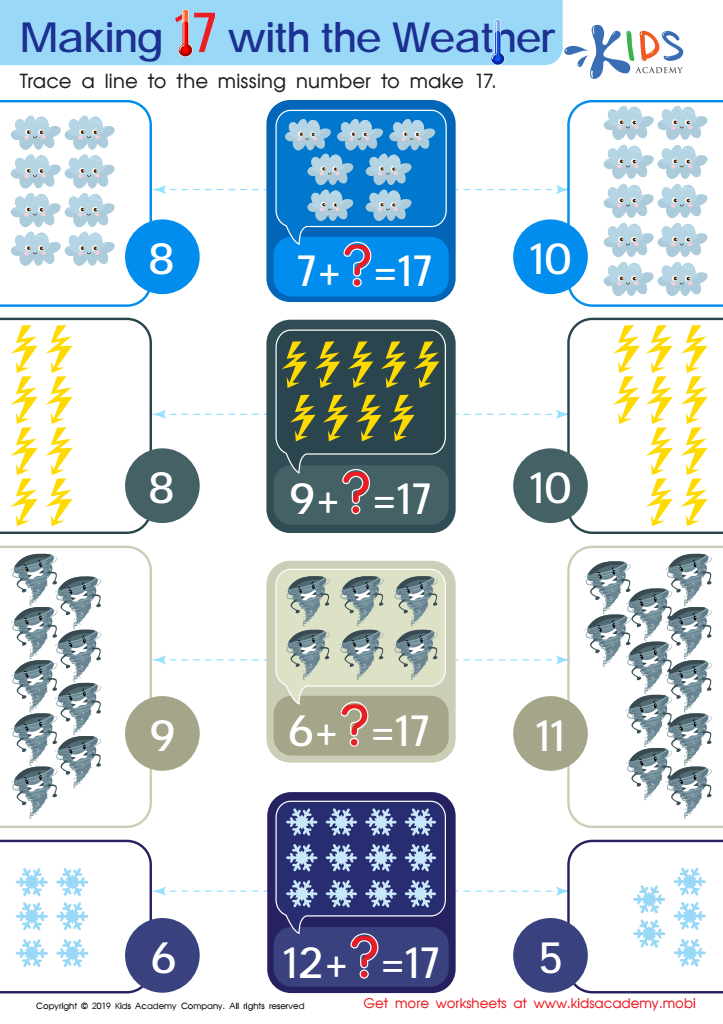
Making 17 with the Weather Worksheet
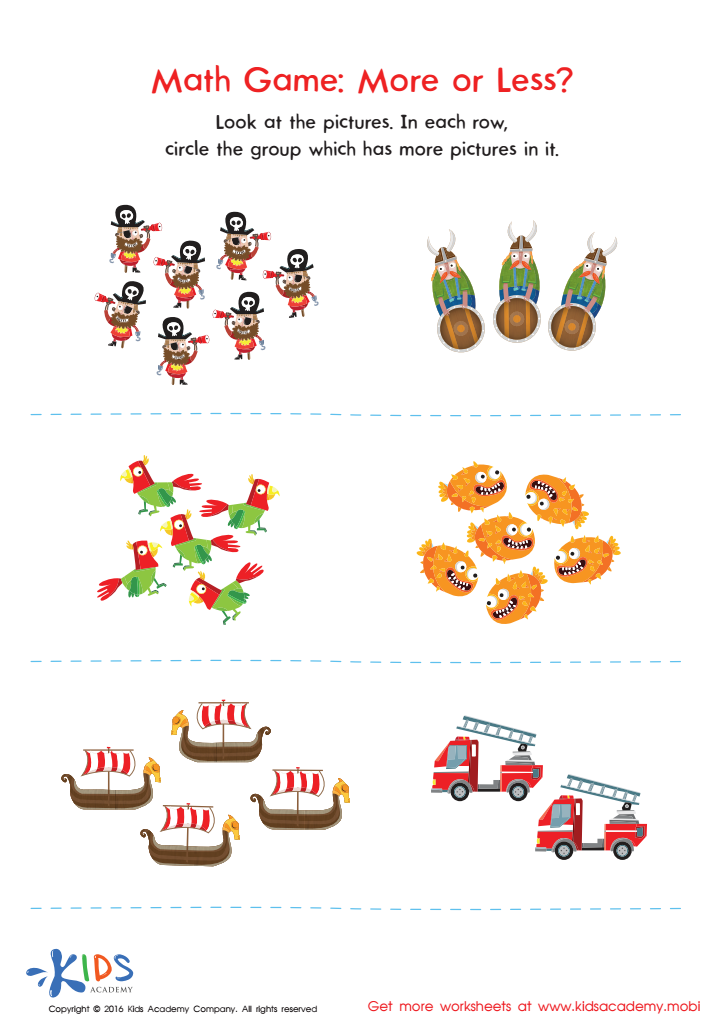
More or Less Worksheet
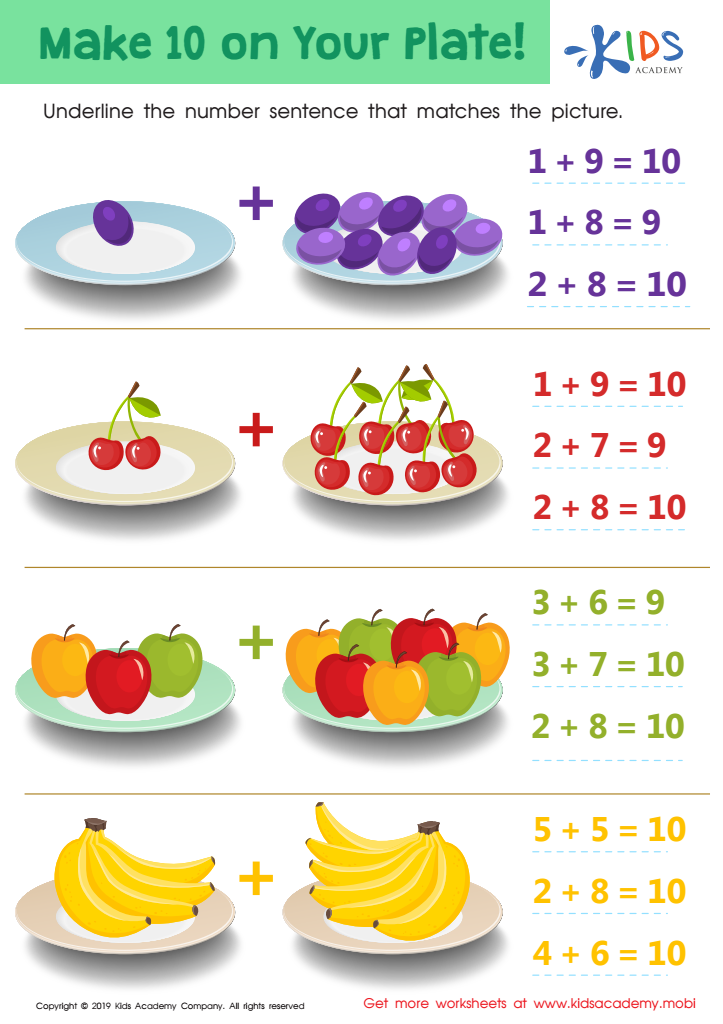
Make 10 on Your Plate! Worksheet
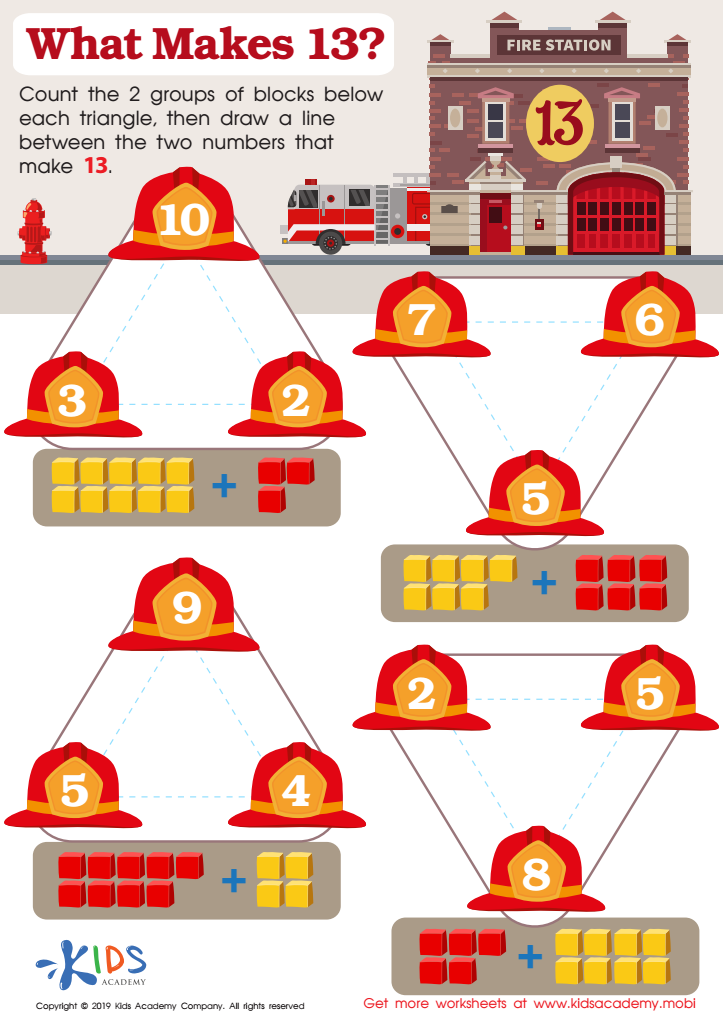
What Makes 13 Worksheet
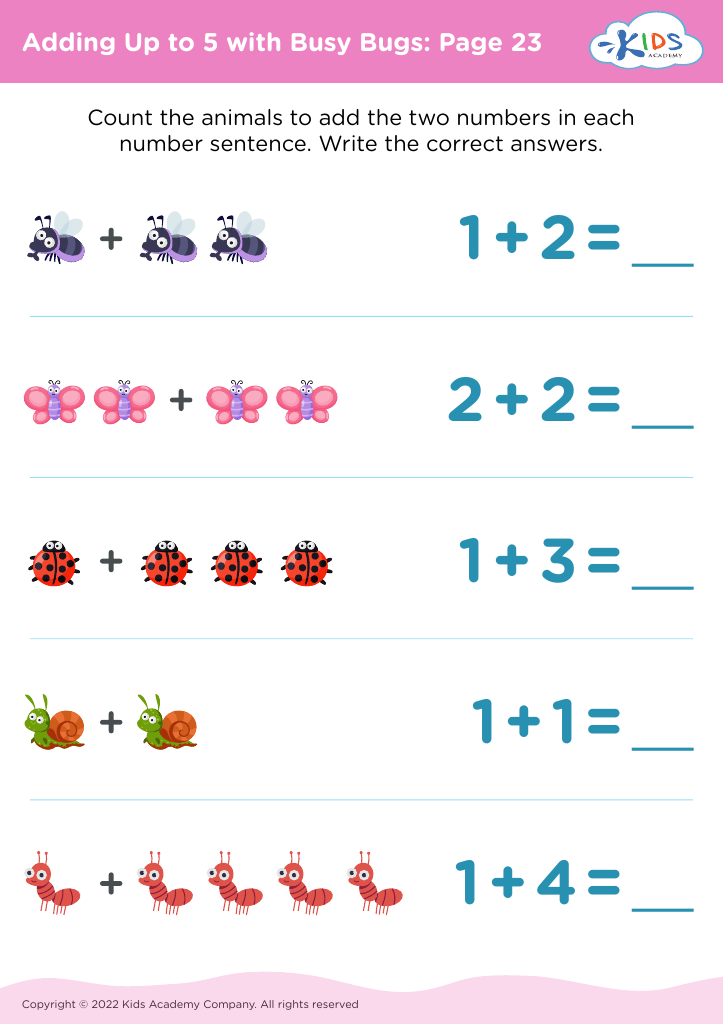
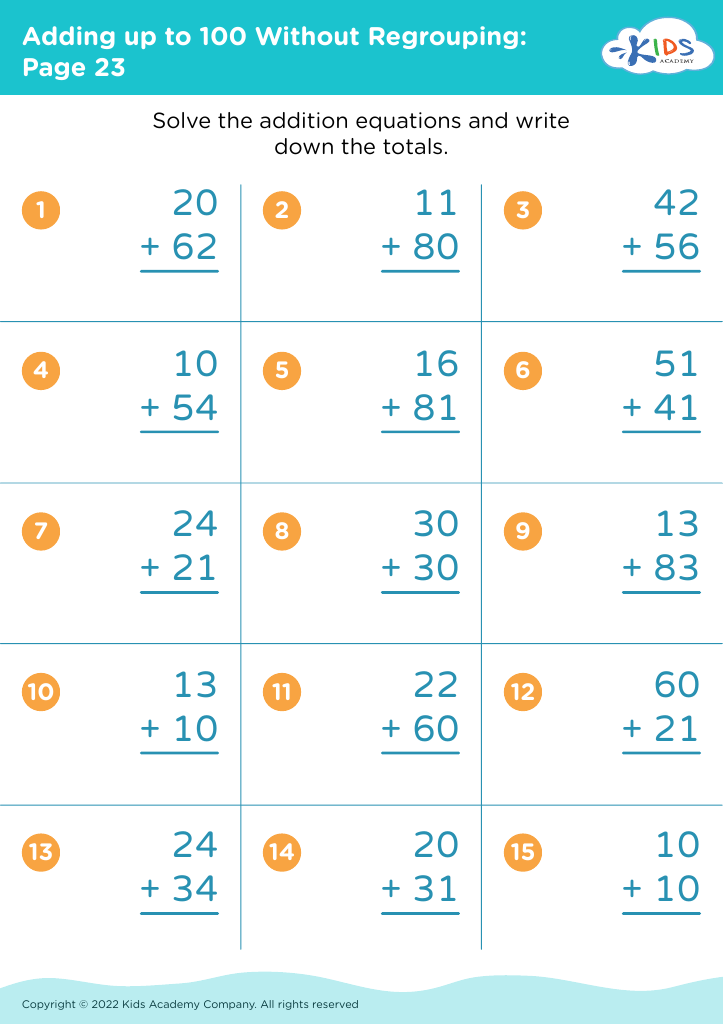
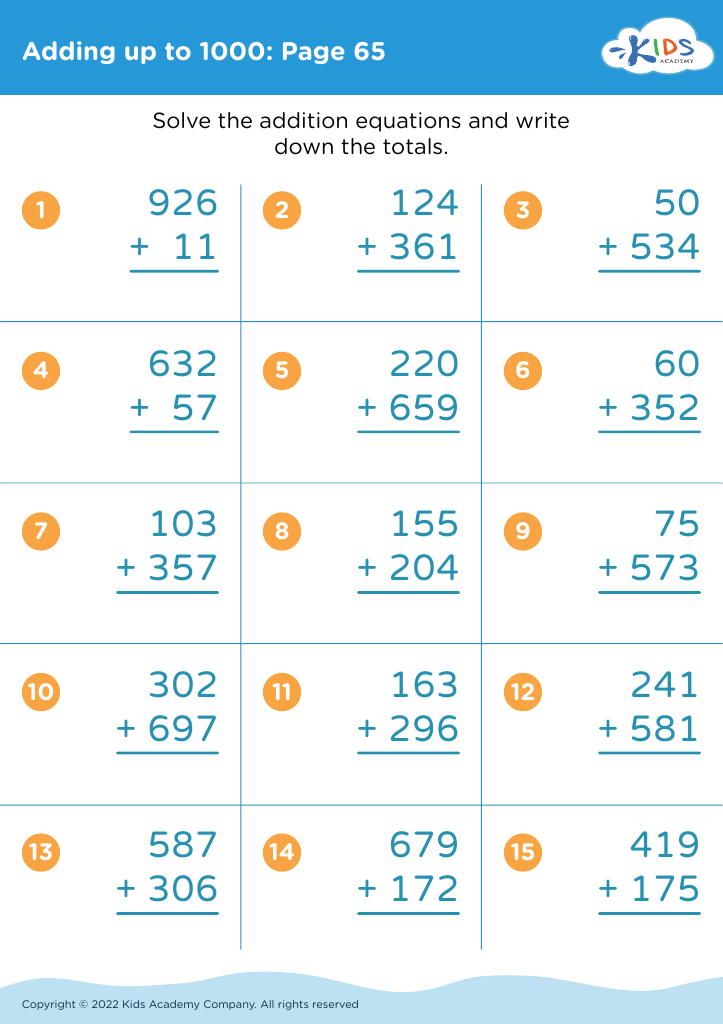
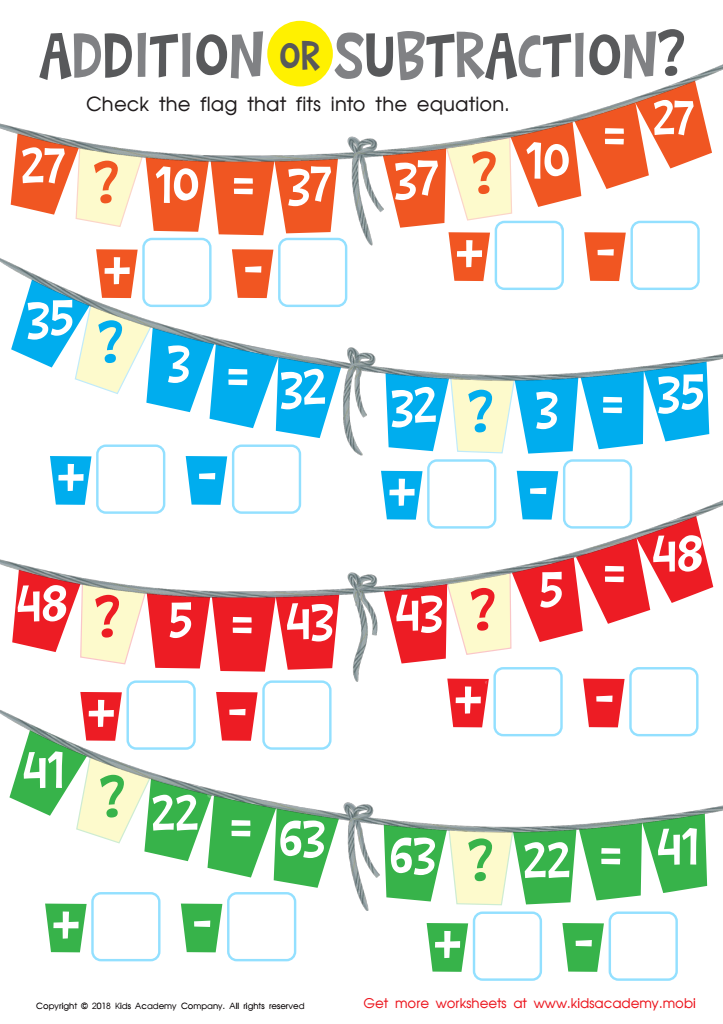
Addition or Subtraction? Worksheet
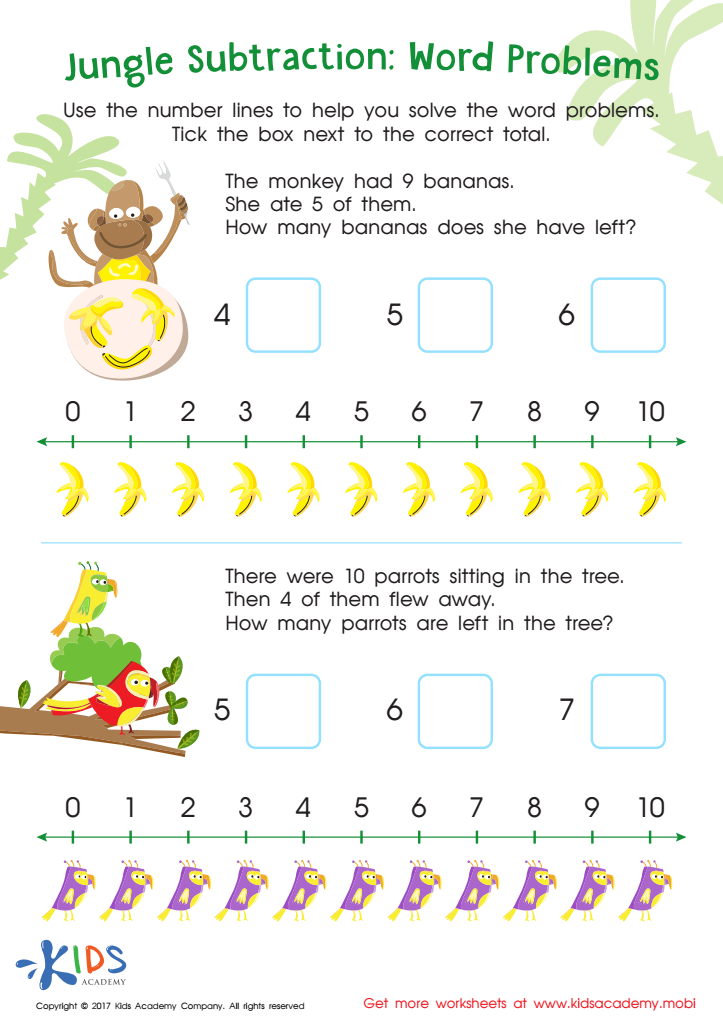
Jungle Subtraction Word Problems Substraction Worksheet
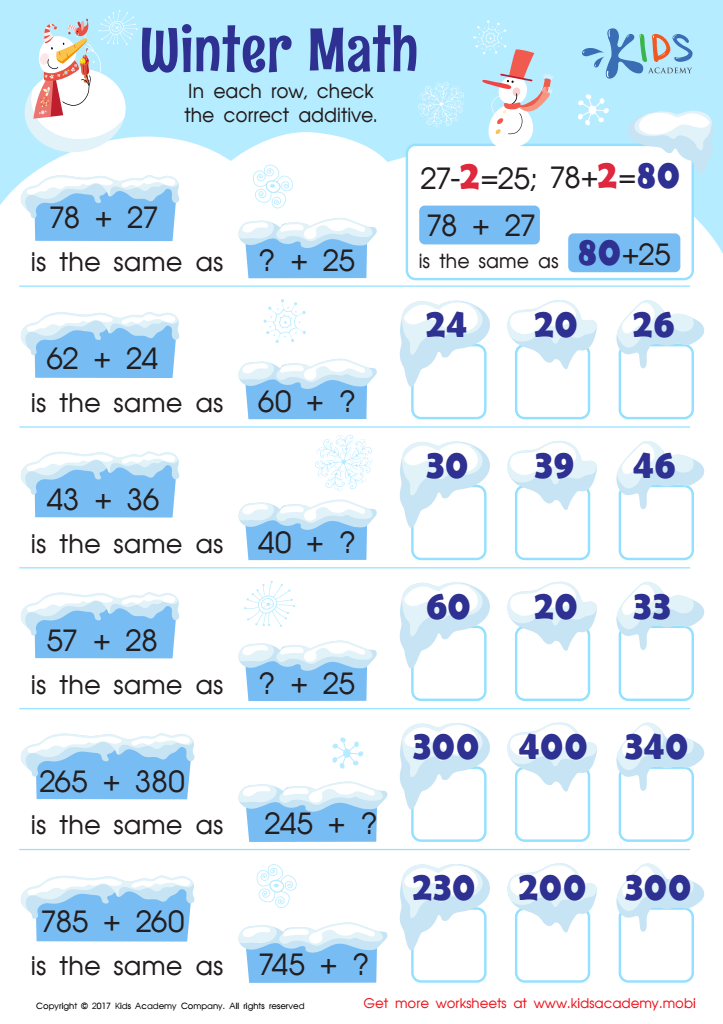
Free Addition Worksheet








Mathematical reasoning involving addition and subtraction is fundamental for children ages 3-8, and both parents and teachers should prioritize its development. At this young age, children are in a critical period of brain development where foundational skills are most effectively built. Introducing concepts of addition and subtraction helps cultivate number sense – an essential precursor to all higher mathematics.
When children engage in activities that incorporate simple arithmetic, they develop their abilities to recognize patterns, solve problems, and think logically. Preschool and early grade children need these skills to cope not just with mathematics in school but with real-life situations that require logical reasoning, such as sharing toys or understanding time.
Additionally, nurturing mathematical reasoning through addition and subtraction encourages a growth mindset. Successfully solving small arithmetic problems gives children valuable confidence in their abilities, promoting persistence and resilience when faced with more complex problems later.
Parents and teachers should employ playful and engaging methods to teach these concepts, such as using physical objects for counting or incorporating math into everyday routines. Such positive experiences foster not only mathematical understanding but also a positive attitude towards learning in general.
In sum, attention to these foundational math skills sets the stage for educational success and everyday problem-solving, making them imperative for young children's cognitive and emotional development.








