Addition Practice Numbers Worksheets for Ages 3-8 - Page 2
32 filtered results
-
From - To
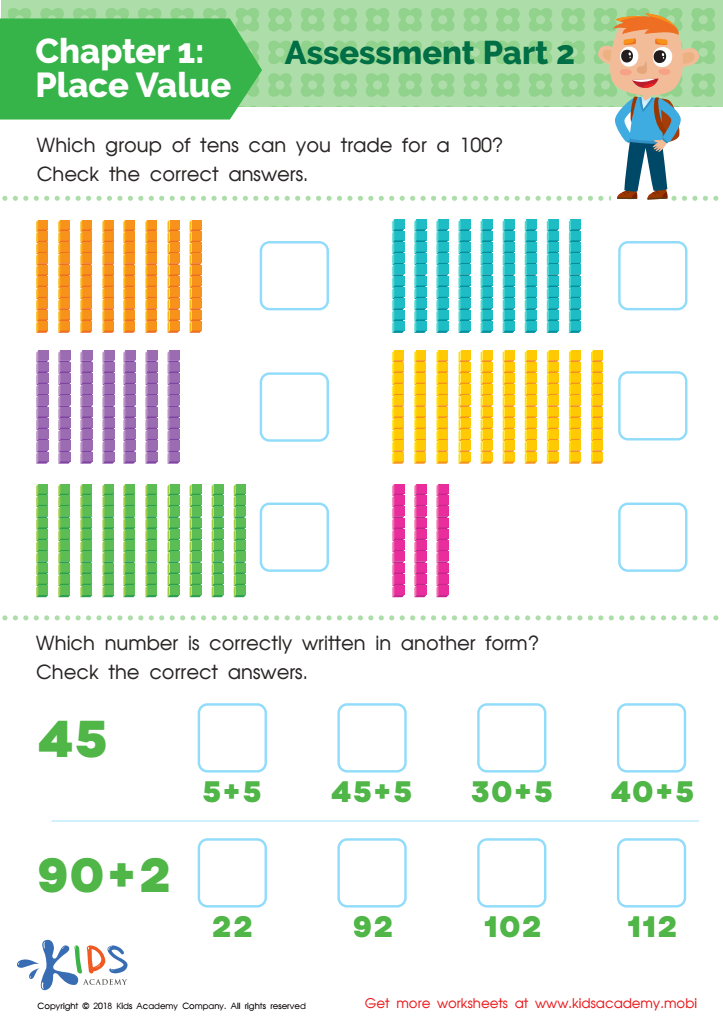
Place Value: Chapter 2 Worksheet
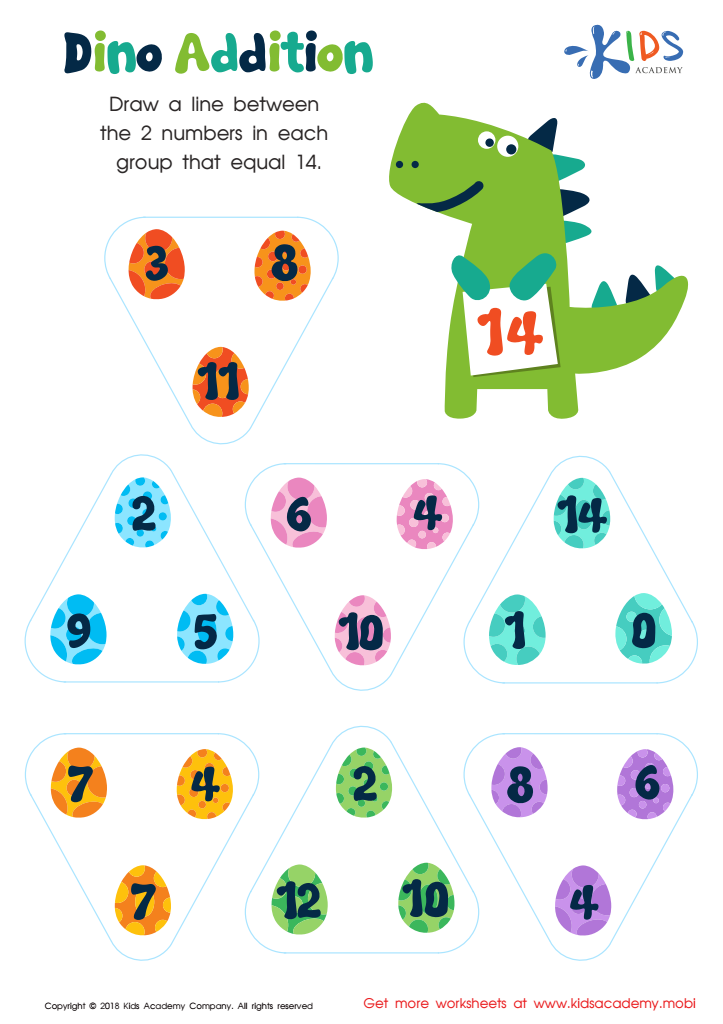
Dino Addition Worksheet
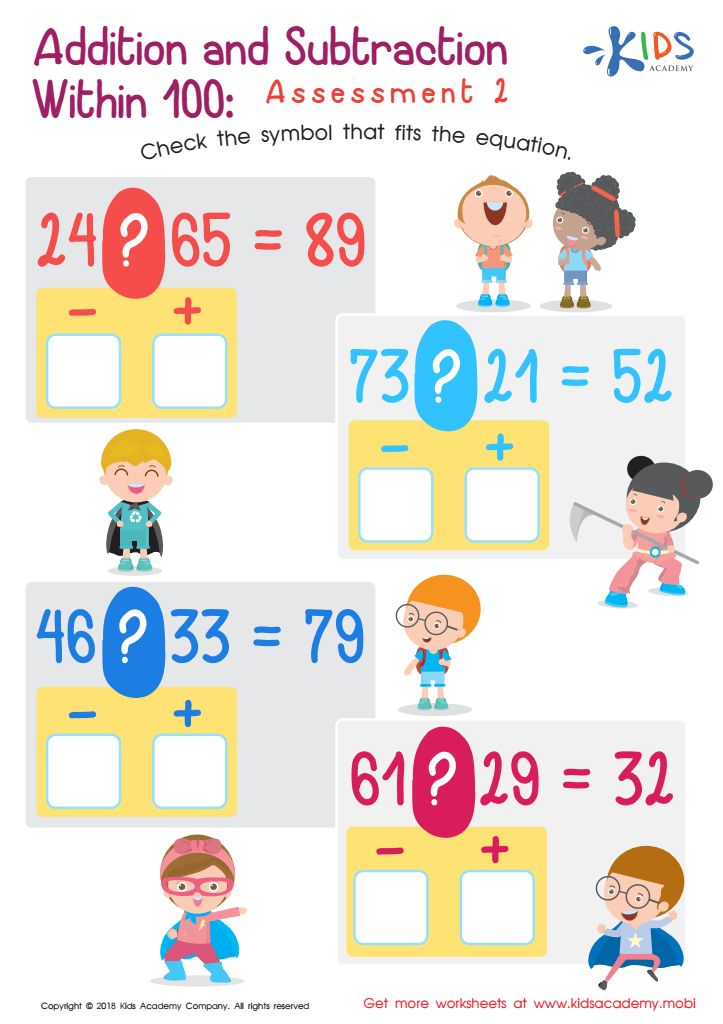
Addition and Subtraction Within 1: Assessment 2 Worksheet
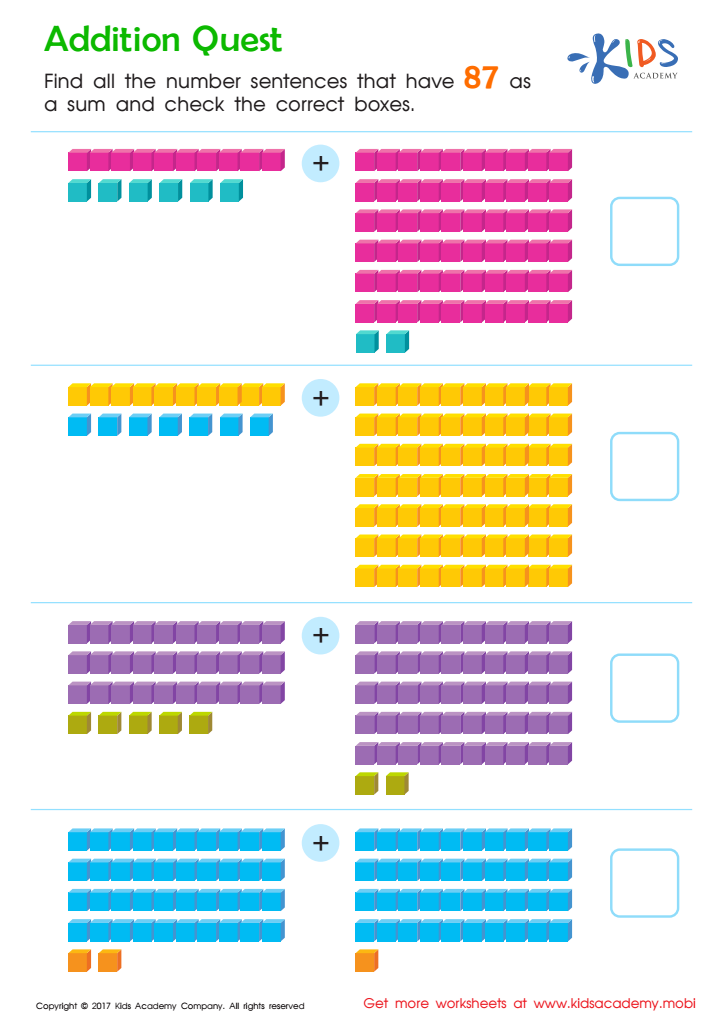
Addition Quest Worksheet: Part 1
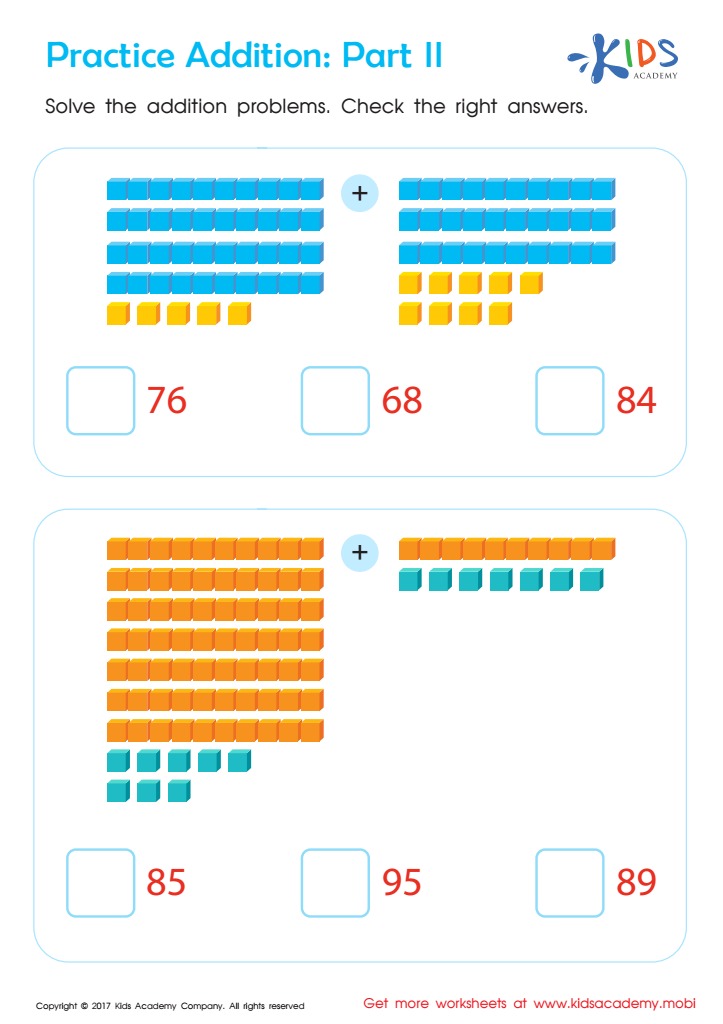
Practice Addition: Part 2 Worksheet
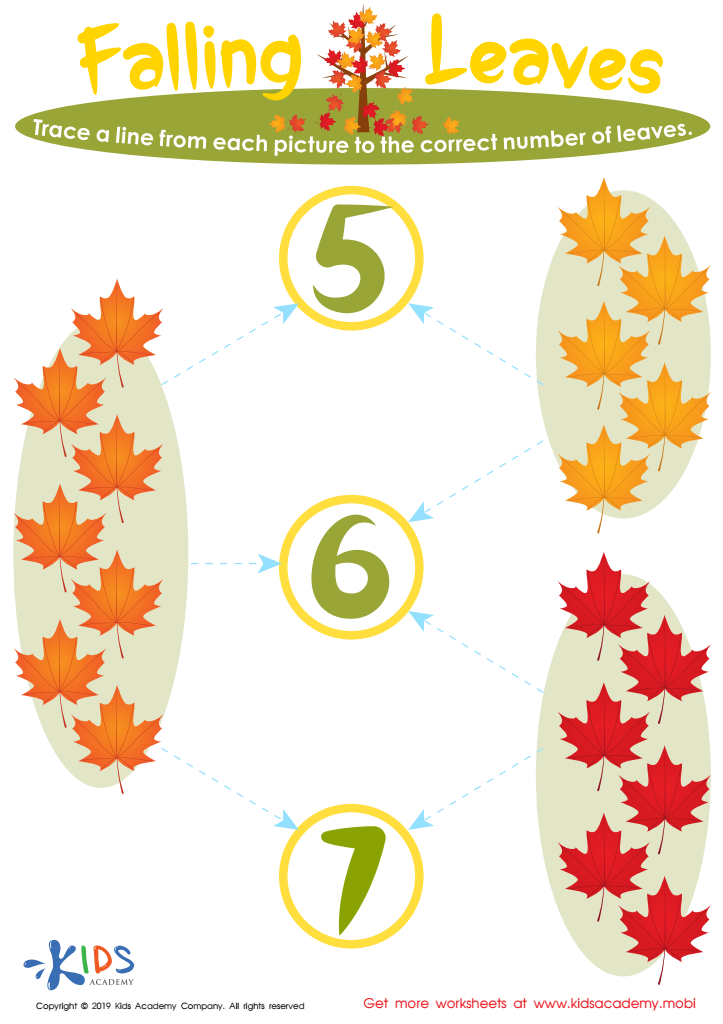
Falling Leaves Worksheet
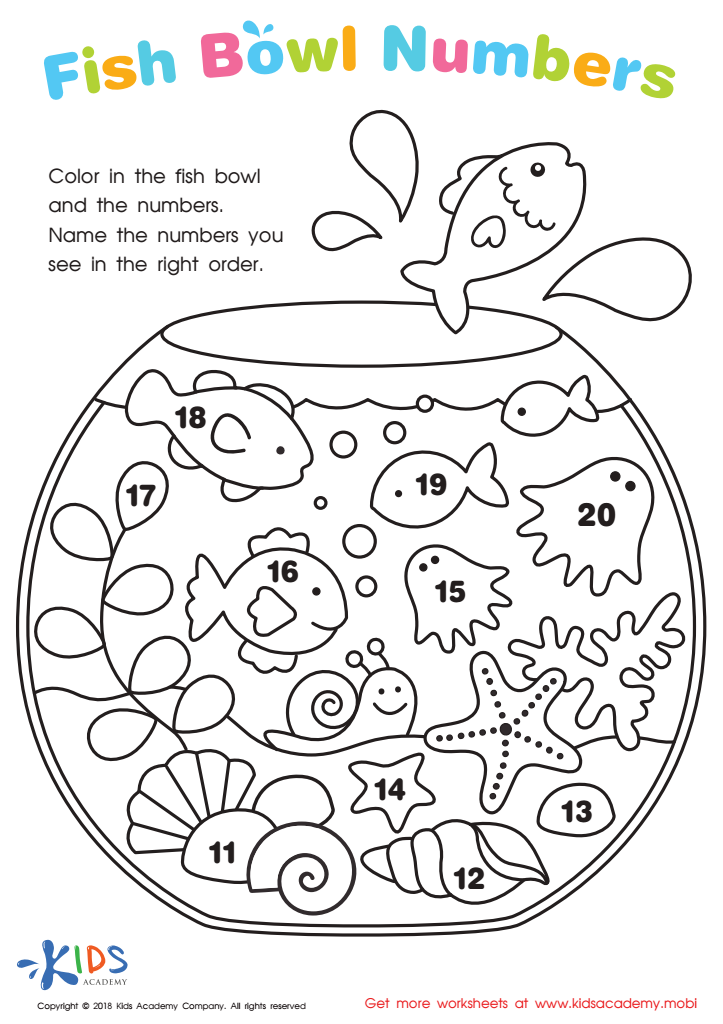
Fish Bowl Numbers Worksheet
 Assign to My Students
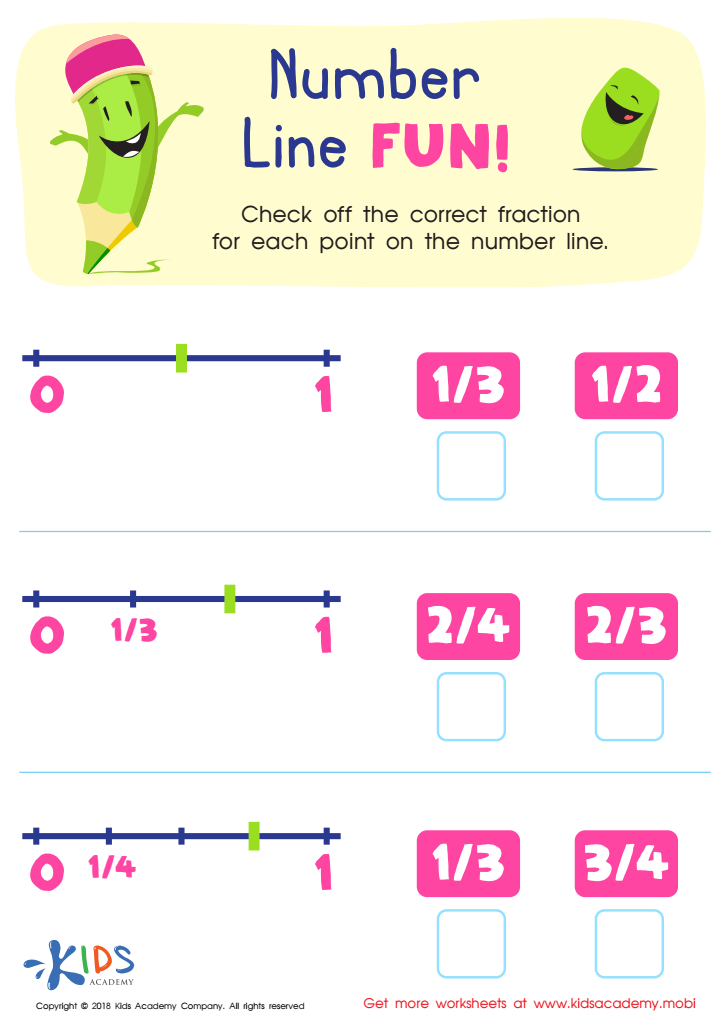
Number Line Fun Worksheet








Parents and teachers should prioritize addition practice for children aged 3 to 8 for several compelling reasons. First, mastering basic addition lays a crucial foundation for future mathematical understanding. It promotes number sense, enabling children to recognize patterns, sequences, and relationships between numbers.
Second, engaged practice fosters problem-solving skills and logical thinking. By working through addition problems, children learn to tackle challenges sequentially, enhancing their critical thinking capabilities. This skill can translate into other areas of learning and everyday life.
Furthermore, addition practice cultivates perseverance and attention to detail. Often, children will encounter challenges as they learn, and navigating these hurdles develops resilience—a vital life skill. Confident early math skills also contribute to a child’s self-esteem. As they successfully solve addition problems, they gain confidence in their abilities, which can encourage a lifelong love of learning.
Moreover, activities centered around addition can be fun and interactive—helping to create enjoyable learning experiences. Engaging tools such as games and manipulative materials make learning dynamic, elevating interest in math. Ultimately, fostering strong addition skills in young children sets the stage for success in future math courses and broader academic achievement.








